Author: Kitty S Jones

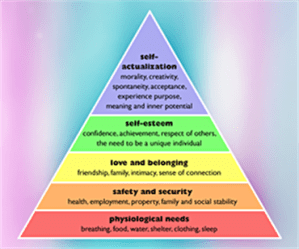
I’m a political activist with a strong interest in human rights. I’m also a strongly principled socialist. Much of my campaign work is in support of people with disability. I am also disabled: I have an autoimmune illness called lupus, with a sometimes life-threatening complication – a bleeding disorder called thrombocytopenia. Sometimes I long to go back to being the person I was before 2010. The Coalition claimed that the last government left a “mess”, but I remember being very well-sheltered from the consequences of the global banking crisis by the last government – enough to flourish and be myself. Now many of us are finding that our potential as human beings is being damaged and stifled because we are essentially focused on a struggle to survive, at a time of austerity cuts and welfare “reforms”. Maslow was right about basic needs and motivation: it’s impossible to achieve and fulfil our potential if we cannot meet our most fundamental survival needs adequately. What kind of government inflicts a framework of punishment via its policies on disadvantaged citizens? This is a government that tells us with a straight face that taking income from poor people will "incentivise" and "help" them into work. I have yet to hear of a case when a poor person was relieved of their poverty by being made even more poor. The Tories like hierarchical ranking in terms status and human worth. They like to decide who is “deserving” and “undeserving” of political consideration and inclusion. They like to impose an artificial framework of previously debunked Social Darwinism: a Tory rhetoric of division, where some people matter more than others. How do we, as conscientious campaigners, help the wider public see that there are no divisions based on some moral measurement, or character-type: there are simply people struggling and suffering in poverty, who are being dehumanised by a callous, vindictive Tory government that believes, and always has, that the only token of our human worth is wealth? Governments and all parties on the right have a terrible tradition of scapegoating those least able to fight back, blaming the powerless for all of the shortcomings of right-wing policies. The media have been complicit in this process, making “others” responsible for the consequences of Tory-led policies, yet these cruelly dehumanised social groups are the targeted casualties of those policies. I set up, and administrate support groups for ill and disabled people, those going through the disability benefits process, and provide support for many people being adversely affected by the terrible, cruel and distressing consequences of the Governments’ draconian “reforms”. In such bleak times, we tend to find that the only thing we really have of value is each other. It’s always worth remembering that none of us are alone. I don’t write because I enjoy it: most of the topics I post are depressing to research, and there’s an element of constantly having to face and reflect the relentless worst of current socio-political events. Nor do I get paid for articles and I’m not remotely famous. I’m an ordinary, struggling disabled person. But I am accurate, insightful and reflective, I can research and I can analyse. I write because I feel I must. To reflect what is happening, and to try and raise public awareness of the impact of Tory policies, especially on the most vulnerable and poorest citizens. Because we need this to change. All of us, regardless of whether or not you are currently affected by cuts, because the persecution and harm currently being inflicted on others taints us all as a society. I feel that the mainstream media has become increasingly unreliable over the past five years, reflecting a triumph for the dominant narrative of ultra social conservatism and neoliberalism. We certainly need to challenge this and re-frame the presented debates, too. The media tend to set the agenda and establish priorities, which often divert us from much more pressing social issues. Independent bloggers have a role as witnesses; recording events and experiences, gathering evidence, insights and truths that are accessible to as many people and organisations as possible. We have an undemocratic media and a government that reflect the interests of a minority – the wealthy and powerful 1%. We must constantly challenge that. Authoritarian Governments arise and flourish when a population disengages from political processes, and becomes passive, conformist and alienated from fundamental decision-making. I’m not a writer that aims for being popular or one that seeks agreement from an audience. But I do hope that my work finds resonance with people reading it. I’ve been labelled “controversial” on more than one occasion, and a “scaremonger.” But regardless of agreement, if any of my work inspires critical thinking, and invites reasoned debate, well, that’s good enough for me. “To remain silent and indifferent is the greatest sin of all” – Elie Wiesel I write to raise awareness, share information and to inspire and promote positive change where I can. I’ve never been able to be indifferent. We need to unite in the face of a government that is purposefully sowing seeds of division. Every human life has equal worth. We all deserve dignity and democratic inclusion. If we want to see positive social change, we also have to be the change we want to see. That means treating each other with equal respect and moving out of the Tory framework of ranks, counts and social taxonomy. We have to rebuild solidarity in the face of deliberate political attempts to undermine it. Divide and rule was always a Tory strategy. We need to fight back. This is an authoritarian government that is hell-bent on destroying all of the gains of our post-war settlement: dismantling the institutions, public services, civil rights and eroding the democratic norms that made the UK a developed, civilised and civilising country. Like many others, I do what I can, when I can, and in my own way. This blog is one way of reaching people. Please help me to reach more by sharing posts. Thanks. Kitty, 2012

Labour Party To Refer Groundless Iain Duncan Smith Claim To Statistics Watchdog Again

Steve Bell cartoon


Iain Duncan Smith is telling fibs again. Work and pensions secretary claims that 75% of jobseekers think that benefit sanctions have helped them “focus and get on.”

The following is reported by Rowena Mason and Patrick Butler, for theguardian.com on Saturday 12th March 2016:

Labour is to challenge Iain Duncan Smith’s claim that 75% of jobseekers think benefit sanctions have helped them “focus and get on” by lodging a complaint with the official statistics watchdog.

Owen Smith, the shadow work and pensions secretary, said he would write to Duncan Smith challenging him to back up the “groundless” figure and refer the matter to the UK Statistics Authority for investigation.

The work and pensions secretary made the claim in an interview with the Camden New Journal, in which he suggested many claimants were grateful for the consequences of benefit sanctions.

“Seventy-five per cent of all those who have been sanctioned say it helped them focus and get on. Even the people in the jobcentres think it’s the right thing to do … sanctions are the reason why we now have the highest employment levels ever in the UK, and more women in work,” Duncan Smith said.

“What we say is: ‘We’ll give you all the support but at the end of the day we expect you to do something for it: go back to work, take the job, take the interviews.’ And it works, talk to any of the advisers in the jobcentres.”

While out campaigning for the Tory London mayoral candidate, Zac Goldsmith, Duncan Smith also dismissed protests about the controversial sanctions regime as “a classic buzz from the left” and claimed “these people are never going to vote for us – you have to understand, these people hate us”.

Owen Smith said: “Iain Duncan Smith’s claim that 75% of people who had been sanctioned say it ‘helped them focus and get on’ is groundless and shows he is out of touch with the real impacts of policies introduced by his department.

In reality, widespread concerns have been raised about this government’s use of sanctions, including from their own advisers, which is why the cross-party work and pensions select committee called for a full independent review into the system.

However, Iain Duncan Smith is reluctant to accept such scrutiny. Labour is calling for far greater transparency and honesty in this debate, so we can ensure greater numbers of people are actually helped into work, while being treated fairly.

That is why I will be writing to the secretary of state to inform him that we will refer his use of data to the Statistics Authority and calling for the long overdue independent review into sanctions to begin.”

Duncan Smith is believed to have been referring to DWP research that found 72% of jobseeker’s allowance (JSA) claimants said awareness of sanctions made them “more likely to follow the rules.”

However, that paper also said: “There was no evidence from the survey that knowledge of JSA conditions led to actual movement into work. Respondents who said they were more likely to look for work because of their knowledge of JSA conditions were no more likely than other respondents to have moved into work when they left JSA.”

After the interview, the Department for Work and Pensions released a statement saying: “Decisions on sanctions aren’t taken lightly but are an important part of our benefits system – they are only ever used as a last resort and the number of sanctions continues to fall.”

It is not the first time the UK statistics watchdog has been asked to adjudicate on the DWP’s approach to the sanctions regime.

Last year, it asked the DWP to ensure its statements on jobseeker sanctions are “objective and impartial” following a series of complaints by experts.

At the time, the authority’s chair, Sir Andrew Dilnot, wrote to the DWP’s top statistician asking the department to publish far more data and give the public a clearer understanding of how it is imposing sanctions on jobseekers.

Sanctions are used by civil servants to penalise jobseekers when they are alleged to have broken benefit rules, with punishments becoming increasingly severe over the last parliament.

The government has faced repeated calls from Labour to rethink the system, but is resisting pressure for an independent inquiry.

The Commons work and pensions committee last year urged the government to hold a wide-ranging independent review of the regime to address widespread concerns that it is unfair, excessively punitive, and does little to help people get into work.

© Guardian News & Media Limited 2010.

Related

A List of Official Rebukes For Tory Lies

Department of Work and Pensions officials admit to using fake claimant’s comments to justify benefit sanctions

The Department of Whopping Porkies is rebuked as claimants suddenly develop mysterious superpowers after being sanctioned

A letter of complaint to Andrew Dilnot regarding Coalition lies about employment statistics

Audit finds whereabouts and circumstances of 1.5 million people leaving welfare records each year “a mystery”

Universal Credit cuts will leave some people in work worse off

66864_464287263640807_1896397853_n

Despite Ian Duncan Smith’s persistent claims that “nobody loses a penny” under his flagship Universal Credit reform, the Department for Work and Pensions (DWP) has contradicted him and admitted that some claimants will be worse off. There seems to be a pattern emerging. Whenever the word “reform” is used by the Conservative government, it is always as a euphemism for “cuts to lifeline support.”

Guidance released this week by the DWP outlines how some working people will lose almost £900 a year. The memo supplies guidance on legislative amendments made in 2015 to the regulations which provide for the amount of earned income that is deducted from the Universal Credit maximum amount.

From 11.4.16 the range of work allowances available to Universal Credit claimants is reduced from seven to two (some rates are also reduced and some are removed completely). Consequently a work allowance will only be available where the claimant or either joint claimant is responsible for a child or qualifying young person and/or has limited capability to work (LCW).

On page three, the memo uses a case study – “Bella” – a 26-year-old shop worker who is single and lives with her parents. She works eight hours a week and earns £50, according to the DWP example. But at an hourly rate of £6.25, Bella apparently earns less than the legal minimum wage, which is £6.70 an hour for workers aged 21 and over. From April 1, the minimum wage is rising to £7.20 for employees aged over 25. The DWP guidance admits Bella, who is fictional, will see her monthly UC award plunge from £253.70 to £181.55 – a loss of £72.15 adding up to £865.80 a year.

There is no transitional protection for Universal Credit claimants whose work allowance is reduced or removed by this change.

The Shadow Work and Pensions Secretary Owen Smith said: “Iain Duncan Smith has spent months trying to pretend that ‘no one is going to lose a penny’ as a result of his Universal Credit cuts.”

“That’s now been blown out of the water by his own officials, who’ve produced a guidance note for DWP staff on how to implement the cut.

“Duncan Smith should read his own department’s guidance and call on the Chancellor to drop the Universal Credit cuts in the Budget.”

A DWP spokesman said: “Universal Credit (UC) is revolutionising welfare, with claimants moving into work faster and earning more than under the previous system.”

“As part of moving to a high-wage, low-tax society we are simplifying the work allowances under UC and giving those affected extra help to progress in work and earn more.”

“Even after the changes, UC claimants will know they are better off in work.”

The Poor Law Amendment Act of 1834 was based on the “principle of less eligibility,” which stipulated that the condition of the “able-bodied pauper” on relief be less “eligible” – that is, less desirable, less favourable – than the condition of the very poorest independent labourer. “Less-eligibility” meant not only that the pauper receive less by way of support than the labourer did from his wages but also that he receive it in such a way (in the workhouse, for example) that made pauperism less respectable than work – to stigmatise it. Thus the labourer would be discouraged from lapsing into a state of “dependency” and the pauper would be encouraged to work.

The less eligibility principle “made work pay”, in other words.

The current government is going even further, and applying the same punitive approach to people in low-paid employment, presumably to serve as a deterrent to poor wages. Personally, I think unions do that much better through collective bargaining, by addressing those actually at fault – exploitative employers, rather than poor, exploited employees.

This post was written for Welfare Weekly, which is a socially responsible and ethical news provider, specialising in social welfare related news and opinion.

Antisocial personality and lack of conscientiousness is correlated with bogus anti-welfare research

9686687899_74d73c6216_o

Many of us presented extensive and comprehensive rational criticism of Adam Perkin’s book The Welfare Trait, in which Perkins claims to present “scientific proof” that the social security system is creating a generation of work-resistant personalities; that “generous” welfare means that more children are born into disadvantaged households.

According to Perkins, the combination of these two effects means that the welfare state itself is directly increasing, in the long-run, the number of individuals whose personality is leading them to be workshy. He uses these propositions to attempt to add credibility to his lazy, New Right and untenable claim that cutting welfare even further is necessary to prevent poor people from having more children than wealthier people, who are described by Perkins as having solid citizen traits. His work contains many assumptions and prejudices, fundamental methodological flaws, basic logical and mathematical errors, the unconscientious misuse of other researcher’s work, and he dismally fails to support his dismal central proposals and dismal conclusions.

I’m still wondering how studies of mice running around on a wheel can possibly tell us anything about human behaviour, as last time I checked, mice hadn’t evolved to create a welfare state, and had no idea about the complexities concerning the division of labour in capitalist societies. Or power relationships for that matter. Still, there’s nothing like a cage to emphasise exploitative relationships, a life of performance instead of meaning, and the joys of repetitive, pointless tasks that permit only dreams of escape and freedom.

Perkins doesn’t reserve his disdain for people who need social security to mere subtext, his choice of terms and phrases throughout his discourse have an eye-wateringly crude blatancy that simply drips a superficial sense of smug superiority, whilst also inadvertently betraying his own deeper sense of inadequacy. This was also evident in some of his dialogue with critics of his work.

Some of the best criticisms I saw include those of social scientist Andy Fugard, from the University College London (UCL), Jonathan Portes from the National Institute of Economic and Social Research, economist Michael O’Connor, international political economist Richard Murphy, fellow blogger and commentator Johnny Void, profilic writer on Bad Science, Ben Goldacre, The Equality Trust, Bernadette Meaden from the Ekklesia think tank, writer and Guardian journalist Dawn Foster, amongst many others.

My own critique was written after I saw the Adam Smith Institute’s original gushing endorsement of Perkins’s spectacularly misanthropic book. I had some discussion with Richard Murphy about it at the time. However, , who wrote the glowing review of The Welfare Trait without actually reading it critically, has since added this to his article:

smith-perkins.png
With many thanks to @AnitaBellows12 for spotting the addition. Sabisky’s page on the ASI has since been deleted.

The Adam Smith Institute has been the impetus behind Conservative policy agendas and was the primary intellectual drive behind the privatisation of state-owned industries during the premiership of Margaret Thatcher, and alongside the Centre for Policy Studies and Institute of Economic Affairs, advanced a neoliberal approach towards public policy on privatisation, taxation, education, and healthcare, and have advocated the replacement of much of the welfare state by private insurance schemes.

That the Institute originally seized upon Perkins’s offensive, prejudiced narrative – a blunt eugenic treatise and toxic brand of psychopolitical New Right antiwelfarism and pseudoscientific neuroliberalism – doesn’t come as a surprise. However, such an embarrassing climbdown in the face of well presented and overwhelming evidence that The Welfare Trait is utter nonsense on stilts leaves us wondering just how much psychopolitical rubbish the think tank have previously got away with peddling.

As Johnny Void points out:“It would take another book to point out all the errors, bias and misuse of evidence in The Welfare Trait which reads more like a fervent conspiracy theory than a piece of academic research.  It is genuinely astonishing, to the point of suspicion, that it received peer review and was published at all.  What is not so surprising is the jubilant reaction of right wing pundits who declared their nasty little prejudices finally proved.”

Perkins misuses the cover and credibility of science to blame the casualities of politically designed socioeconomic systems for their own circumstances and problems and to justify an existing social power and wealth hierarchy. It’s no coincidence that eugenicists like Perkins and their wealthy supporters also share a mutual antipathy for political progressivism, trade unionism, collectivism, notions of altruism and of co-operation and class struggle. Now that is profoundly antisocial.

Perkins likes to discuss at some length other people’s alleged traits and personalities, many of which he makes up as he goes along, such as “solid citizen traits” and “employment-resistant personality”. But perhaps he should pay a little more attention to research into the established dark triad, which is a group of three personality traits: narcissism, Machiavellianism and psychopathy. And look a little closer to home:

The thing is, I’m only being a little tongue in cheek here. Perkins does not like to be challenged, that quickly became very apparent. I think Perkins’s “analysis” highlights only to well the scale of problems that researchers who lack a genuine work ethic, any degree of conscientiousness, any degree of value-neutrality, methodological credibility, philosophical integrity and academic fluency present us with.

While Perkins’s book conveniently fits with Conservative small state ideology, psychopolitical behaviourist narratives, and “culture of dependency” rhetoric, there has never been evidence to support any of the claims that the welfare state creates social problems or psychological pathologies. Historically, such claims tend to reflect partisan interests and establish dominant moral agendas aimed at culturally isolating social groups, discrediting and spoiling their identities, micromanaging dissent, and then such discourses are used in simply justifying crass inqualities and hierarchies of human worth that have been politically defined and established.

We must also challenge the rise of eugenic ideology, again.

Eugenics and its stable mate, social Darwinism, has always placed different classes and races in hierarchies and arrayed them in terms of socially constructed notions of “inferiority” and “superiority.” Charles Murray’s controversial and thoroughly debunked work The Bell Curve: Intelligence and Class Structure in American Life presents another example of a discredited right-wing ideological architect, funded by the New Right, who was then used to prop up an authoritarian Conservative antiwelfarist dogma that was also paraded as “science.”

Murray had considerable influence on the New Right Thatcher and Reagan governments. Critics were often dismissed, on the basis that they were identified with “censorious political correctness,” which of course is simply a right-wing attempt to close down genuine debate and stifle criticism. The Bell Curve was part of a wider campaign to justify inequality, racism, sexism, and provided a key theme in Conservative arguments for antiwelfarism and anti-immigration policies.

I’m experiencing a distinct sense of déjà vu.

images.jpg

Related

Adam Perkins, Conservative narratives and neuroliberalism

Essentialising marginalised groups and using stigmatising personality constructs to justify dismantling social security is not “science”, it’s psychopolitics

Criticisms of Adam Perkins and ‘The Welfare Trait’ – Psychology Brief

Adam Perkins: ‘Welfare dependency can be bred out’ – Dawn Foster, The Guardian

A comment on the use of results from “Does welfare reform affect fertility? Evidence from the UK”, Journal of Population Economics, in Adam Perkins’ book, The Welfare Trait – Mike Brewer

The Welfare Trait – Bernadette Meaden

It’s absurd to tie being ‘workless’ to doing no work. Just ask a mother  – Ben Chu, The Independent

My work is unfunded and I don’t make any money from it. But you can support Politics and Insights and contribute by making a donation which will help me continue to research and write informative, insightful and independent articles, and to provide support to others.

DonatenowButton

cards


A black day for disabled people – disability benefit cuts enforced by government despite widespread opposition

536738_306169162785952_999031084_n

“The fact is that Ministers are looking for large savings at the expense of the poorest and most vulnerable. That was not made clear in the general election campaign; then, the Prime Minister said that disabled people would be protected.” – [Official Report, Commons, 2/3/16; cols. 1052-58.]

A coalition of 60 national disability charities have condemned the government’s cuts to benefits as a “step backwards” for sick and disabled people and their families. The Disability Benefits Consortium say that the cuts, which will see people lose up to £1,500 a year, will leave disabled people feeling betrayed by the government and will have a damaging effect on their health, finances and ability to find work.

Research by the Consortium suggests the low level of benefit is already failing to meet disabled people’s needs. 

A survey of 500 people in the affected group found that 28 per cent of people had been unable to afford to eat while in receipt of the benefit. Around 38 per cent of respondents said they had been unable to heat their homes and 52 per cent struggled to stay healthy.

The Government was twice defeated in the Lords over proposals to cut Employment and Support Allowance (ESA) for sick and disabled people in the work-related activity group (WRAG) from £103 to £73.

However the £30 a week cut is set to go ahead after bitterly disappointed and angry peers were left powerless to continue to oppose the Commons, which has overturned both defeats. The government has hammered through the cuts of £120 a month to the lifeline income of ill and disabled people by citing the “financial privilege” of the Commons, and after Priti Patel informing the Lords that they have “overstepped their mark” in opposing the cuts twice.

The Strathclyde review, commissioned by a rancorous and retaliatory David Cameron, following the delay and subsequently effective defeat of government tax credit legislation in the House of Lords, recommends curtailing the powers of Upper House. Strathclyde concludes in his report that the House of Lords should be permitted to ask the Commons to “think again” when a disagreement on proposed legislation exists, but should not be allowed to veto. MPs would ultimately make a decision on whether a measure is passed into law. The review focuses in particular on the relationship between the Commons and the Lords, in relation to the former’s primacy on financial matters and secondary legislation, and serves to highlight the government’s very worrying increasing tendency towards authoritarianism.

The cuts to ESA and proposed and probable cuts to Personal Independent Payments (PIP), take place in the context of a Tory manifesto that included a pledge not to cut disability benefits.

Yesterday in the House of Lords, independent crossbencher Lord Low of Dalston warned: “This is a black day for disabled people.”

Contrary to what is being reported, it won’t be only new claimants affected by the cuts to ESA. Firstly, it may potentially affect anyone who has a break in their ESA claim (and that could happen because of a reassessment with a decision that means needing to ask for a mandatory review), and secondly, those migrated onto Universal Credit will be affected. The benefit cap will also cut sick and disabled people’s income if they are in the ESA WRAG.

Paralympic gold medallist Baroness Grey-Thompson said she was bitterly disappointed that this “dreadful and punitive” part of the Bill was going ahead.

Parliamentary procedure had prevented her putting down another amendment opposing the move, which will have a harsh, negative impact on thousands of people’s lives.

Already facing a UN inquiry into grave and systematic abuses of the human rights of disabled people, Cameron remains completely unabashed by his government’s blatant attack on a protected social group, and the Conservatives continue to target disabled people for a disproportionately large burden of austerity cuts.

The Government have been accused of failing to fulfil their public sector equality duty. Under the Equality Act 2010, the Government must properly consider the impact of their policies on the elimination of discrimination, the advancement of equality of opportunity and the fostering of good relations. This is shameful, in a very wealthy first-world democracy.

The “justification” the Tories offer for the cut of almost £120 a month to the lifeline support of people judged to be unfit for work by their own doctors AND the state, is that it will “help people into work”. I’ve never heard of taking money from people who already have very little described as “help” before. Only the Conservatives  would contemplate cutting money from sick and disabled people, whilst gifting the millionaires with £107, 000 each per year in the form of a tax “break”.

Reducing disabled people’s incomes won’t “incentivise” anyone to find a job. It will just make life much more difficult. The government have made the decision to cut disability benefits because of an extremely prejudiced ideological preference for a “small state” and their antiwelfare agenda. There are alternative political choices that entail far more humane treatment of sick and disabled people. The fact that ministers have persistently refused to carry out a policy impact assessment indicates clearly that this measure has got nothing to do with any good will towards disabled people, nor is it about “helping” people into work.

The cut simply expresses the Conservative’s contempt for social groups that are economically inactive, regardless of the reasons. Sick and disabled people claiming ESA have already been deemed unfit for work by their doctors, and by the state via the work capability assessment. Simply refusing to accept this, and hounding a group of people who are ill, and who have until recently been considered reasonably exempt from working, is an indictment of this increasingly despotic government.

I can’t help wondering how long it will be before we hear about government proposals to cut the financial support further for those in the ESA support group. There does seem to be a recognisable pattern of political scapegoating, public moral boundaries being pushed, and cruel, highly unethical cuts being announced. Social security provision is being dismantled incrementally, whilst the Conservative justification narrative becomes less and less coherent. Despite the arrogant moralising approach of Tory ministers, and the Orwellian rhetoric of “helping” and “supporting” people who are too ill to work into any job, or face the threat of starvation and destitution, none of this will ever justify the unforgivable, steady withdrawal of lifeline support for sick and disabled people.

Baroness Meacher warned that for the most vulnerable the cut was “terrifying” and bound to lead to increased debt.

Condemning the “truly terrible” actions of the Treasury, she urged ministers to monitor the number of suicides in the year after the change comes in, adding: “I am certain there will be people who cannot face the debt and the loss of their home, who will take their lives.” Not only have the government failed to carry out an impact assessment regarding the cuts, Lord Freud said that the impact, potential increase in deaths and suicides won’t be monitored, apart from “privately” because individual details can’t be shared and because that isn’t a “useful approach”.

He went on to say “We have recently produced a large analysis on this, which I will send to the noble Baroness. That analysis makes it absolutely clear that you cannot make these causal links between the likelihood of dying—however you die—and the fact that someone is claiming benefit.”

Actually, a political refusal to investigate an established correlation between the welfare “reforms” and an increase in the mortality statistics of those hit the hardest by the cuts – sick and disabled people – is not the same thing as there being no causal link. Often, correlation implies causality and therefore such established links require further investigation. It is not possible to disprove a causal link without further investigation, either.

Whilst the government continue to deny there is a causal link between their welfare policies, austerity measures and an increase in premature deaths and suicides, they cannot deny there is a clear correlation, which warrants further research – an independent inquiry at the VERY least. But the government are hiding behind this distinction to deny any association at all between policy and policy impacts. That’s just plain wrong.

Insisting that there isn’t a “causal link” established, whilst withholding crucial evidence in parliament and from the public domain is what can at best be considered the actions and behaviours of tyrants.


Related reading

House of Lords debate: ESA – Monday 07 March 2016 (From 3.06pm)

Thatcher’s policies condemned for causing “unjust premature death”

MP attacks cuts hitting disabled people – Debbie Abrahams

Leading the debate against the Welfare Reform and Work Bill – 3rd reading – Debbie Abrahams

My speech at the Changes to Funding of Support for Disabled People Westminster Hall Debate – Debbie Abrahams

The government need to learn about the link between correlation and causality. Denial of culpability is not good enough.

The new Work and Health Programme: government plan social experiments to “nudge” sick and disabled people into work

A Critique of Conservative notions of “Social Research”

The DWP mortality statistics: facts, values and Conservative concept control

10177255_710935002309364_996655242459079802_n

Pictures courtesy of Robert Livingstone

My work isn’t funded and I don’t get paid to write. But you can support Politics and Insights, and help me to continue researching, analysing and writing independently.

The smallest amount is much appreciated, and helps to keep my articles free and accessible to all – thank you.

And a massive thank you to those who have already contributed.

DonatenowButton
cards

Essentialising marginalised groups and using stigmatising personality constructs to justify dismantling social security is not “science”, it’s psychopolitics

002fc17b9115fe26a6ed5d9d58b1ece1.603x472x1

“It’s fear of the political-correctness brigade that has stopped my colleagues going public — quite sensibly, as it turns out. But I felt I owed it to the taxpayers who are funding the welfare state to publish these data.” Adam Perkins.

Tax payers who “fund the welfare state” are not a discrete class of citizens: most of them come to rely on it as a safety net to ensure they can meet their basic needs at some time in their life. Those currently claiming  social security benefits, who are not all of the same people who did last year or the year before, still contribute to one of the largest sources of revenue for the Treasury – VAT and other stealth taxes, such as council tax. In fact almost all benefits are paid back as taxes. The biggest beneficiaries of welfare are those employed to administrate it, especially the growing number of private sector “providers”.

Adam Perkins wrote a book that attempts to link neurobiology with psychiatry, personality and behavioural epigenetics, Lamarkian evolution, economics, politics and social policy. Having made an impulsive inferential leap across a number of chasmic logical gaps from neurobiology and evolution into the realms of social policy and political science, seemingly unfazed by disciplinary tensions between the natural and social sciences, particularly the considerable scope for paradigmatic incommensurability, he then made a highly politicised complaint that people are criticising his work on the grounds of his highly biased libertarian paternalist framework, his highly partisan New Right social Conservatism and neoliberal antiwelfarist discourse. 

The problem of discrete disciplinary discursive practices and idiomatic semantics, each presenting the problem of complex internal rules of interpretation, was seemingly sidestepped by Perkins, who transported himself with apparent ease simply on leaps of semantic faith to doggedly pursue and reach his neoliberal destination. He is certainly very fluent in the language of New Right Conservatism, it has to be said. I’m certain he must be very good friends with Charles Murray, of the Bell Curve fame during the Thatcher and Reagan era..

Many from across the political spectrum have objected to Perkins’s book because of the strong whiff of eugenics and social Darwinism that has hit the fan, along with the stench of the long-rotten corpse of Nazism. The atrocities associated with essentialising social groups – attributing “natural”, essential characteristics to members of specific culturally defined groups (based on gender, age, ethnic, “racial”, socioeconomic status, for example) – were thought to be long buried under the brutal and horrifying lessons of history, and quite properly considered taboo.

When societies essentialise others, it is assumed that individual differences can be explained by “inherent”, biological, “natural” characteristics shared by members of a group. Essentialising results in thinking, speaking and acting in ways that promote stereotypical and inaccurate interpretations of individual differences. It invariably involves political discourse that decontextualises structural inequality, using narrative that “relocates” it, coercing the responsibility, internalisation and containment of social problems within some individuals and groups. This always involves processes of projection, stigmatising, outgrouping and scapegoating.

Essentialist thinking is anchored in binary conceptual schema – simplistic and dualistic (two-categories: either this – or that) modes of thought. Both classic and contemporary social theorists have identified and challenged essentialist and dualistic ways of thinking about the social world. Essentialising as a process targets and stigmatises minority groups who historically do not have equal access to power in the cultural production and validation of “knowledge”.

In Perkins’s previous co-authored work – Personality and occupational markers of ‘solid citizenship’ are associated with having fewer children, which is a study of associations between personality and reproductive fitness, he claims that such associations may reveal the adaptive significance of human behavioural traits. He says: “What we dub ‘solid-citizenship’ personality characteristics such as self-control, diligence and responsibility may repay study from an evolutionary perspective as they protect against negative life-outcomes.” 

“Perkins et al. tend to regard risk as a synonym of probability and so equate evolutionary fitness with moral hazard.Hubert Huzzah.

Low conscientiousness, criminality, low educational attainment, low occupational status, extraversion, neuroticism, catholicism, a lack of diligence, responsibility, self control and other assigned personality characteristics are then linked with contraception use, and conflated with low socioeconomic status and negative life-outcomes that are curiously isolated from a wider socioeconomic context.

Again, the very idea that citizenship is defined by certain perceived personal qualities associated with conformity and Conservative values indicates Perkins’s tendency to politicise concepts of human “nature”, and conflate them with New Right narratives, reflected in his interests, choice of research topics and demonstrated in the framing of his conclusions. This reflects a wider current tendency towards the political medicalisation of social problems, which shifts public attention from the sociopolitical and economic context of inequality, poverty and social injustice to politically inculpated, marginalised outgroups.

I have written a lengthy critique of Adam Perkin’s controversial book called “The Welfare Trait.” Whilst I have criticised the work because of its quite blatant partisan ideological, political and economic inception and framing, I have also raised other important issues regarding problematic underpinning assumptions, which include commiting a fallacy of inventing fictitious proximal causes for behaviour, such as “perverse incentives,” problems with constructs of personality and difficulties measuring behaviour traits.

Much of the current understanding of personality from a neurobiological perspective places an emphasis on the biochemistry of the behavioural systems of reward, motivation, and punishment. But those are largely extrinsic factors, located, for example, in political and socioeconomic environments, external to the individual, who responds to their context. This theoretical stance is therefore both limited in terms of depth and explanatory coherence and limiting in terms of generating understanding – the study lacks comprehensiveness and methodological rigour – there is very little consideration of confounding variables, for example, which hinders further potential investigation and discovery. It also reflects in part a re-platforming of an over-simplistic Pavlovian behaviourism. Definition and theory of the biological basis of personality is not universally accepted. There are many conflicting theories of personality in the fields of psychology, psychiatry, philosophy, and neuroscience.

Perkins implies that welfare somehow creates personality disorders and “undesirable” traits. However, such pathologies are defined by experiences and behaviours that differ from societal norms and expectations.

Personality disorder (and mental illness) categories are culturally and historically relative. Diagnostic criteria and categories are always open to sociopolitical and economic definition, highly subjective judgments, and are particularly prone to political abuse.

As I’ve pointed out elsewhere, personality traits are notoriously difficult to measure reliably, and it is often far easier to agree on the behaviours that typify a disorder than on the reasons why they occur. As it is, there is debate as to whether or not personality disorders are an objective disorder, a clinical disease, or simply expressions of human distress and ways of coping. At the very least, there are implications regarding diagnoses that raise important questions about context, which include political and social issues such as inequality, poverty, class struggle, oppression, abuse, stigma, scapegoating and other structural impositions.

An over-reliance on a fixed set of behavioural indicators, some have argued, undermines validity, leaving personality disorder categories prone to “construct drift,” as the diagnostic criteria simply don’t provide adequate coverage of the construct they were designed to measure. There are no physical tests that can be carried out to diagnose someone with a personality disorder – there is no single, reliable diagnostic tool such as a blood test, brain scan or genetic test. Diagnosis depends on subjective judgment rather than objective measurement.

Perkins also conflates descriptive statements with prescriptive ones. Moral conclusions can’t be drawn from non-moral premises. In other words, just because someone claims to have knowledge of how the world is or how groups of people are (descriptive statements), this doesn’t automatically prove or demonstrate that he or she knows how the world ought to be (prescriptive statements).

There is a considerable logical gap between the claim that welfare is somehow “creating” some new kind of personality disorder, called “the employment-resistant personality”,  and advocating the withdrawal of support calculated to meet only the basic physiological needs of individuals – social security benefits only cover the costs of food, fuel and shelter.

Perkins does nothing to consider, isolate and explore confounding variables regarding the behaviours and responses of people needing social security support. He claims our current level of support is too high. However empirical evidence clearly indicates it is set far too low to meet people’s physiological needs fully.

Poverty affects people’s mental health as well as their physical health. There is a weight of empirical evidence confirming that food deprivation and income insecurity are profoundly psychologically harmful as well as physiologically damaging. (See the Minnesota semistarvation experiment, for example.) Describing people’s anger, despondency and distress at their circumstances as “antisocial” is profoundly oppressive. The draconian policies that contribute to creating those circumstances are antisocial, not the people impacted by those policies.

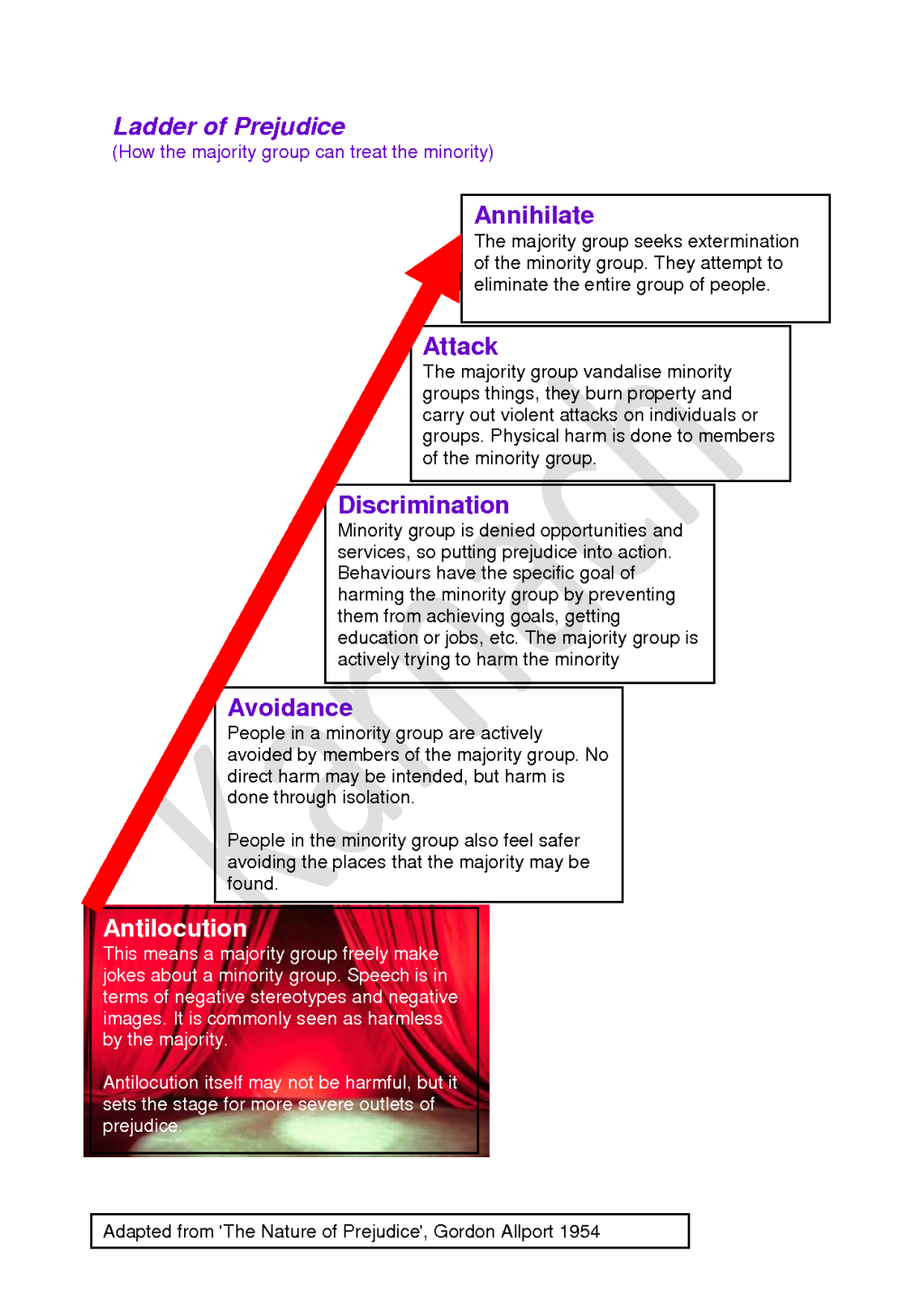
Climbing Allport’s Ladder of Prejudice

Since writing my own response to The Welfare Trait I have encountered a surprisingly high number of people in the UK who believe that anyone who can’t work should be left with no money at all to meet their basic survival needs. To clarify, that means they think that not everyone should have a fundamental right to life. My work was labelled “hysterical dogma” by one commentator on the Adam Smith Institute website. I have been very struck by how normalised social Darwinism and related perspectives have become over the last few years, again. And how people that disagree with those views are defined, increasingly as the other. Along with the growing number of other politically defined others. It’s a symptom of an increasingly authoritarian climate.

I was called a “politically correct bleeding heart leftard” by a eugenics advocate on the Telegraph comments section, and was truly baffled that someone could see social conscience, a sense of justice, basic, ordinary qualities of caring, empathy and compassion as somehow pathological qualities. It’s also remarkable that a group of people who claim that sanctions, which entail the removal of people’s means of meeting basic survival needs is “helping” or “supporting” people into work, somehow “fair” and about “making work pay” feel they can lecture anyone else on appropriate language choices, techniques of neutralisation, modes of linguistic behaviourism and censorship.

I have always felt strongly that we have a democratic duty to protect marginalised groups and look out for the cultural underdog –  it’s the oppressed that are denied a voice, their rights, autonomy and identity, not the oppressors. Underdogs are generally seen as casualties of injustice or persecution. They are also most often predicted to be losers in a struggle.

Of course not all underdogs remain underdogs. J.K. Rowling, a lone mother claiming social security, who wrote seven of the best-selling books of all time, created a vulnerable, lovable underdog character, Harry Potter – an oppressed but passionate orphan with character, modesty, integrity and all the best of human qualities. He grew up in a cupboard, wearing oversized hand-me-down clothes and doing accidental bursts of magic to get by. He came to face and fight the forces of evil that had oppressed and terrorised two generations of wizards and witches, and non-magical folk alike.

Jo Rowling had a very difficult seven-year period that left her coping with the death of her mother, who had multiple sclerosis, severe depression, the birth of her first child, divorce from her first husband and relative poverty until she finished the first novel in the series.

What is remarkable about Rowling isn’t her “rags to riches” success, though that is undoubtedly a commendable achievement: it’s the social, moral, and political inspiration she has given to so many, young and old alike, that really stands out, and her considerable philanthropy.

Rowling said: “I wanted Harry to leave our world and find exactly the same problems in the wizarding world. So you have the intent to impose a hierarchy, you have bigotry, and this notion of purity, which is this great fallacy, but it crops up all over the world. People like to think themselves superior and that if they can pride themselves in nothing else they can pride themselves on perceived purity.

Defining a group’s superiority and purity always means defining others as “inferior.”

But is it not normal to care about such issues? Surely that is how we relate to others, our inclination to bond originating from relationships within our families and with significant others, extending to wider communities, and to society as a whole? Yet this way of seeing the world is being pathologised by a growing number of people who see the world only in terms of hierarchies of status and human worth: a raw, “red in tooth and claw” competitive individualism, and always, it seems, for what they can get, how much they can profit and how much they can take from others, rather than what they can give to society.

The general public over the past 5 years have been generally treated by a government of elitist, antidemocratic, cognitive and class supremicists as a political means to an end. Meanwhile people raising genuine concerns about corruption, greed, the stigmatisation of minorities and the growing human rights abuses of marginalised social groups, authoritarianism and so on are ostracised, treated with scorn, ridicule and contempt, and turned into the growing number of Conservative folk devil constructs.

Names such as “extremists”, “raving trot” “loony leftie” “leftard” are bandied around so much now that those using the labels have lost sight of the fact that these are offensive and rude. The really worrying thing is my views are hardly extreme or remotely  radical  – I’m no “commie.” Most people on the political Left are just regular people wanting regular fairness, social justice, equal rights for all, an end to cruel and unnecessary cuts which target only the poorest, and an end to such crass socioeconomic policies that result in massive inequality and poverty. How did being so normal become so non-mainstreamed?

How can it possibly be that to care for the wellbeing of others in our society, and the kind of world our children will inherit from us is somehow wrong, that values of cooperation, mutual aid and compassion are not the norm, that taking a clear ethical position is something to be ashamed of or a reason to be mocked?

The Conservatives have a moralising, rather than a moral political position, and have you noticed that Tory moralising only ever applies to the poorest people and invariably generates public prejudice, discriminatory policies and fosters social divisions?

Political Correctness

It’s a sure sign that the Right have no arguments and critical reasoning to support their fundamental ideological position, that whenever their partisan narratives are challenged by our own narrative, then we are met with blatant attempts to close down debate by a barrage of nasty, resentful, immature name-calling and outrage that is thrown at anyone and everyone that challenges the cultural, epistemological and right-wing ontological status quo and neoliberal doxa.

Some people use the “freedom of speech” plea to justify their prejudice. They say they have a right to express their thoughts. However, speech is an intentional ACT. Hate speech is intended to do harm – it’s used purposefully to intimidate and exclude marginalised, disempowered and vulnerable groups. Hate speech does not “democratise” speech, it tends to monopolise it. Nor is it based on reason, critical thinking or open to debate. Bigotry is a crass parody of opinion and free speech. Furthermore, bigots are conformists – they tend not to have independent thought. Prejudice thrives on Groupthink.

Being inequitable, petty, resentful, vindictive and prejudiced isn’t “being truthful” or “telling it like it is” – a claim which is an increasingly common tactic for the Right – it’s just being inequitable, petty, resentful and prejudiced. And some things are not worth saying. We do have an equal right to express an opinion, but not all opinions are of equal worth. Free speech carries with it some responsibilities.

And the right-wing do frequently dally with hate speech. Hate speech generally is any speech that attacks a person or group on the basis of their race, religion, gender, disability, or sexual orientation. In law, hate speech is any speech, gesture or conduct, writing, or display which is forbidden because it may incite violence or prejudicial action against or by a protected individual or group, or because it disparages or intimidates a protected individual or group. Critics have argued that the term “hate speech” is a contemporary example of Newspeak, used to silence critics of social policies that have been poorly implemented in order to appear politically correct.

However, “political correctness” was adopted by US  New Right Conservatives as a pejorative term for all manner of attempts to promote civil rights, multiculturalism and identity politics, particularly, attempts to introduce new terms that sought to leave behind discriminatory baggage attached to older ones, and conversely, to try to make older ones taboo.

Importantly, political correctness arose originally from attempts at making language more culturally inclusive. Critics of political correctness show a curious blindness when it comes to examples of “Conservative correctness.” Most often, the case is entirely ignored, or censorship of the Left is justified as a positive virtue. Perhaps the key argument supporting this form of linguistic and conceptual inclusion is that we still need it, unfortunately. We have a right-wing Logocracy, creating pseudo-reality by prejudicial and discimatory narrative and words. We are witnessing that narrative being embedded in extremely oppressive policies and in their justification.

The negative impacts of hate speech cannot be mitigated by the responses of third-party observers, as hate speech aims at two goals. Firstly, it is an attempt to tell bigots that they are not alone. It validates and reinforces prejudice.

The second purpose of hate speech is to intimidate a targeted minority, leading them to question whether their dignity and social status is secure. In many cases, such intimidation is successful. Furthermore, hate speech is a gateway to harassment and violence. (See Allport’s scale of prejudice, which shows clearly how the Nazis used “freedom of speech” to incite hatred and then to incite genocide.) As Allport’s scale indicates, hate speech and incitement to genocide start from often subtle expressions of prejudice, which advance culturally by almost inscrutable degrees.

The dignity, worth and equality of every individual is the axiom of international human rights. International law condemns statements which deny the equality of all human beings. Article 20(2) of the ICCPR requires states to prohibit hate speech. Hate speech is prohibited by international and national laws, not because it is offensive, but rather, because it amounts to the intentional degradation and repression of groups that have been historically oppressed.

The most effective way to diffuse prejudice is an early preventative approach via dialogue: positive parenting, education and debate. Our schools, media and public figures have a vital part to play in positive role-modelling, like parents, in challenging bigotry, encouraging social solidarity, respect for diversity and in helping to promote understanding and empathy with others.

Hate speech categories are NOT about “disagreement” or “offence.” Hate speech doesn’t invite debate. It’s about using speech to intentionally oppress others. It escalates when permitted, into harassment and violence. We learned this from history, and formulated human rights as a consequence. In this context, political correctness is about inclusive free speech, with rationality, critical thinking, democratic civility and a degree of mutual respect chucked in.

I’m proud to be a part of an ethical, rational, reasonable, decent and civilised Left-wing.

And politically correct?

Damn right I am.

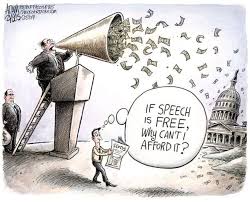
free speech - microphone

Freedom of speech isn’t about shouting the loudest, trying to intimidate, silence and disempower others or having the last word.

 —

My work is unfunded and I don’t make money from my writing. But you can contribute by making a donation and help me continue to research and write informative, insightful and independent articles, and to provide support to others. The smallest amount is much appreciated, it keeps my articles freely accessible – thank you.


DonatenowButton
cards

Job vacancies fall as fears over potential Brexit brings uncertainty to the labour market

20131243153252734_20

New figures published yesterday reveal a 7.3% drop in the number of advertised job vacancies in the UK since the start of the year, as experts warn fears that the UK may leave the European Union are fueling job market uncertainty.

One of the biggest uncertainties surrounding “Brexit” is the fact that such an exit has never been done before, so no one really knows what the exact fallout will be. This is in addition to major concerns that the impact of a Brexit would be profound and irreversible, and would lead to a significantly diminished international role for the UK.

There has been a marked drop in advertised vacancies since the start of the year, and warnings that discussions about the UK leaving the European Union is fuelling job market uncertainty. 

“Hiring habits are changing, it’s a sign of potential instability and employers are retaining their best workers for longer,” says Doug Monro, co-founder of Adzuna.

According to Adzunda’s latest Job Market Report, jobseekers are facing fewer options in 2016, as falling vacancies and rising competition impact upon work prospects. This contradicts the Department for Work and Pensions statement that:

“Official figures show that job vacancies are at an all-time high, with a record 31.4 million people in work and the unemployment rate now at a 10-year low.”

The Job Market report summarises that:

  • ‘New year, new job’ phenomenon fails to take off, as employer hiring drops off amid bosses’ successful long term focus on retaining and upskilling existing employees
  • January sees number of advertised vacancies fall 7.3% to 1,079,711, declining for the second consecutive month as jobseekers find themselves with fewer choices
  • Competition for jobs hots up, rising to 0.61 applicants per vacancy from 0.54 in December, as Northern cities Sunderland and Hull see toughest competition
  • Manufacturing, Finance, Energy, Media and Retail sectors see cuts in January, resulting in thousands of job losses across the UK’s core industries
  • Advertised salaries, meanwhile, show a glimmer of hope, rising 0.8% month-on-month to reach £33,593 in January, with Northern Ireland and Wales leading the recovery
  • French the top foreign language for new hires in the UK jobs market despite Brexit fears, with 8,401 current vacancies looking for French linguistic skills.

Monro comments: “January’s jobs market has failed to take flight. The normal rhythm of hiring hasn’t happened – vacancy levels are down and job competition is getting tougher. Fewer options for those looking for new jobs is putting pressure on career plans. Hiring habits are changing in a sign of potential instability and employers are retaining their best workers for longer.”

He goes on to say:

 “A potential Brexit brings new unknowns into the jobs market. Politicians are at risk of fuelling uncertainty fears – and only increasing doubts. By doing so they’re risking a weaker jobs market. It’s a dangerous game to play – thousands of employers and employees are already on edge. This lack of consensus is causing understandable concern for many companies. Business expansions and hiring sprees are being put on hold as a result. EU languages are still in high demand throughout the UK and whichever road the referendum takes us down, this is sure to remain so.”

“Languages have always been vital to the international ambitions of companies. But now they’re becoming even more lucrative to have as a jobseeker. A French speaker, or German speaker in a company can make all the difference and open up new business channels and deals. In the interconnected world, learning a second language is a fantastic way to differentiate yourself from other applicants and claim a higher salary. It’s hard work to learn a foreign tongue, but employers are willing to pay more for it – so it’s a skill worth pursuing. For industries such as IT, which is growing its international reach, and for healthcare, which is dealing with more diverse patients than ever, having another language may soon become a necessity.”

January saw a total of 1,079,711 job vacancies advertised in the UK, down 7.3% from 1,164,502 in December – in the largest monthly drop since 2012. Advertised job vacancies have now fallen 13.7% since November, when 165,000 more jobs were on the market (1,244,772). A long-term focus on upskilling existing employees and prioritising retention means companies can now sidestep the search for fresh talent, filling positions in-house rather than looking elsewhere.

Widespread job losses across a range of UK sectors mean several industry key players are no longer in a position to take on new hires. Energy giant BP cut 7,000 jobs earlier this month, alongside the loss of over 2,500 manufacturing roles by Tata and Bombardier. Lloyds and Virgin Media similarly saw large job losses of 1,755 and 900 employees respectively. The Retail and Manufacturing sectors have seen large vacancy falls in the wake of job losses in January. Current vacancies in the Manufacturing sector stand at 14,022 – down 9% from 15,466 roles last month. Similarly, the Retail sector saw vacant positions fall 13% to 32,143, from 36,881 in December.

Jobseekers with language skills are managing to buck the downward vacancy trend however, as demand for multilingual workers has risen.

There are currently over 35,000 job vacancies for applicants with linguistic skills and with an average advertised salary of £36,026 for bilingual positions across the UK.

French is the most popular language with employers, with 8,401 available positions currently asking for proficiency. This is closely followed by German (7,820 vacancies), Spanish (4,267) and Italian (3,856).

There is a rare consensus amongst UK economists: they overwhelmingly believe that leaving the EU is bad for the country’s economic prospects. In the Financial Times’s annual poll of more than 100 leading thinkers, not one thought a vote for Brexit would enhance UK growth in 2016.

A recent Government report has also warned that it could take more than 10 years to set up new trade details and negotiate Brexit, and car manufacturing, farming, financial services and the lives of millions of Britons would be impacted negatively. Bosses at more than a third of the UK’s biggest businesses have also signed a letter supporting the campaign to remain in the European Union. Chairmen and chief executives at 36 FTSE 100 companies – including BT, Marks & Spencer, Kingfisher and Vodafone – warned a Brexit would “deter investment and threaten jobs.” The 36 are among the names of 200 business leaders, representing 1.2 million employees, to put their names to the letter.

The heads of six British companies owned by German car giant BMW, including  Mini and Rolls-Royce have told British workers that exit from the European Union could drive up costs and have an impact on its workforce. A letter was sent to 8,000 Rolls-Royce employees, including workers in Goodwood, West Sussex, and Oxford. A report produced this week warned that the car industry would be badly hit by Brexit.

It outlines how more than half of MINIs and most of the British-made engines and components are exported to the EU. Also, it described how Brexit would hit hard the way Rolls Royce brings in cars and spare parts from the continent.

“Tariff barriers would mean higher costs and higher prices and we cannot assume that the UK would be granted free trade with Europe from outside the EU.

“Our employment base could also be affected, with skilled men and women from most EU countries included in the 30 nationalities currently represented at the home of Rolls-Royce here at Goodwood,” the letter said.

Nearly 1,000 projects at 78 UK universities and research centres are dependent on funds from the European Research Council (ERC). The UK has more ERC-funded projects than any other country, accounting for 22% of all ERC-funded projects – more than 25 recipient countries put together. The collaborations that have made the UK such an important player are dependent on the free movement of scientists into the UK. About 15% of academic staff at UK institutions are non-UK EU nationals, a figure that rises to 20% among elite universities.

You can read the full Job Market Report here

Adam Perkins, Conservative narratives and neuroliberalism

164204381.png

Eugenics in a ball gown

I had a little discussion with Richard Murphy yesterday, and I mentioned that the right-wing libertarian think tank, the Adam Smith Institute, (ASI) has endorsed* the controversial work of Adam Perkins – The Welfare Trait.” The ASI has been the impetus behind Conservative policy agendas and was the primary intellectual drive behind the privatisation of state-owned industries during the premiership of Margaret Thatcher, and alongside the Centre for Policy Studies and Institute of Economic Affairs, advanced a neoliberal approach towards public policy on privatisation, taxation, education, and healthcare, and have advocated the replacement of much of the welfare state by private insurance schemes.

(*The ASI review, written by Andrew Sabisky, was removed following wide criticism of Perkins’ methodology and other major flaws in his work. Consequently, the original hyperlink leads nowhere, so I’ve added an archived capture, to update.) 

Professor Richard Murphy, a widely respected political economist and commentator, has written an excellent article: The Adam Smith Institute is now willing to argue that those on benefits are genetically different to the rest of us on the Tax Research UK site, which I urge you to read. 

He says “What you see in this is the deliberate construction of an argument that those on benefits are genetically different from other people. The consequences that follow are inevitable and were all too apparent in the 1930s. And this comes from a UK think tank much beloved for Tory politicians.”

The Adam Smith Institute say this in their review of Adam Perkins’s book:

“With praiseworthy boldness, Perkins gets off the fence and recommends concrete policy solutions for the problems that he identifies, arguing that governments should try to adjust the generosity of welfare payments to the point where habitual claimants do not have greater fertility than those customarily employed. The book no doubt went to press before the Chancellor announced plans to limit child tax credits to a household’s first two children, but such a measure is very much in the spirit of this bullet-biting book. The explicit targeting of fertility as a goal of welfare policy, however, goes beyond current government policy. Perkins perhaps should also have argued for measures to boost the fertility of those with pro-social personalities, such as deregulation of the childcare and housing markets to cut the costs of sustainable family formation.”

And: “Over time, therefore, the work motivation of the general population is lowered. This occurs through both genetic and environmental channels. Personality traits are substantially heritable (meaning that a decent percentage of the variation in these traits is due to naturally occurring genetic variation). Given this fact, habitual welfare claimants with employment-resistant personalities are likely to have offspring with similar personalities.”

Personality disorder or simply maintaining the social order?

Two things concern me immediately. Firstly, there is no causal link established between welfare provision and “personality disorder” or “traits”, bearing in mind that the “employment-resistant personality” is an entirely made-up category and does not feature as a clinical classification in either the ICD-10 section on mental and behavioural disorders, or in the DSM-5. Nor is employment status currently part of any clinical diagnostic criteria. Personality disorders are defined by experiences and behaviours that differ from societal norms and expectations.

Personality disorder (and mental illness) categories are therefore culturally and historically relative. Diagnostic criteria and categories are always open to sociopolitical and economic definition, highly subjective judgments, and are particularly prone to political abuse.

Drapetomania” for example, was a pseudoscientific definition of a mental illness that labelled slaves who fled captivity in the 1800s. Samuel A. Cartwright, who invented the category, also prescribed a remedy. He said: “with proper medical advice, strictly followed, this troublesome practice that many Negroes have of running away can be almost entirely prevented. In the case of slaves “sulky and dissatisfied without cause” – apparently a warning sign of their imminent flight – Cartwright prescribed “whipping the devil out of them” as a “preventative measure.” As a further “remedy” for this “disease”, doctors also made running a physical impossibility by prescribing the removal of both big toes. Such abusive application of psychiatry and the medicalisation of distress and rational responses to ethnic degradation and dehumanisation is part of the edifice of scientific racism.

The classification of homosexuality as a mental illness was removed from the Diagnostic and Statistical Manual of Mental Disorders (DSM) in 1974, and was replaced by the subsequent categories of “sexual orientation disturbance” and then “ego-dystonic homosexuality,” the latter was not deleted from the manual until 1987. Medicalising and stigmatising the experiences, behaviours and beliefs of marginalised social groups, and attempting to discredit and invalidate those group’s collective experiences is a key feature of political and cultural oppression.

Personality traits are notoriously difficult to measure reliably, and it is often far easier to agree on the behaviours that typify a disorder than on the reasons why they occur. As it is, there is debate as to whether or not personality disorders are an objective disorder, a clinical disease, or simply expressions of human distress and ways of coping. At the very least, there are implications regarding diagnoses that raise important questions about context, which include political and social issues such as inequality, poverty, class struggle, oppression, abuse, stigma, scapegoating and other structural impositions.

An over-reliance on a fixed set of behavioural indicators, some have argued, undermines validity, leaving personality disorder categories prone to “construct drift,” as the diagnostic criteria simply don’t provide adequate coverage of the construct they were designed to measure. There are no physical tests that can be carried out to diagnose someone with a personality disorder – there is no single, reliable diagnostic tool such as a blood test, brain scan or genetic test. Diagnosis depends on subjective judgment rather than objective measurement.

A diagnosis of personality disorder is potentially very damaging and creates further problems for individuals by undermining their sense of self, denying their identity, experience and locating the problems, regardless of their origin and who is responsible for them, in themselves. This is in addition to exposing people to stigma and discrimination, both within the mental health system, quite often, and more broadly within our society. Medicalising and stigmatising human distress permits society to look the other way, losing sight of an individual’s social needs, experiences and context. It also alienates the stigmatised individual, and enforces social conformity, compliance and cultural homogeneity.

It may be argued that the concept of personality disorder obscures wider social issues of neglect, poverty, inequality, power relationships, oppression and abuse by focusing on the labelling of the individual. Rather than being concerned with the impact and prevalence of these issues, public outrage is focussed on containing and controlling people who challenge normative consensus and who are perceived to be dangerous. Because there is no objective test to make a diagnosis, this makes the basis of such diagnosis very questionable and highlights the propensity for its political and punitive usage. The “diagnosis” of many political dissidents in the Soviet Union with “sluggish schizophrenia” who were subsequently subjected to inhumane “treatments” led to questions about such diagnoses and punitive regimes through stigma, labeling, dehumanisation, coercion and oppression, for example.

Secondly, to recommend such specific policies on the basis of this essentially eugenic argument betrays Perkins’s intention to provide a pseudoscientific prop for the libertarian paternalist (with the emphasis being on behaviourism) brand of neoliberalism and New Right antiwelfarism.

The taken-for-granted assumption that the work ethic and paid labor (regardless of its quality) may define a person’s worth is also very problematic, as it objectifies human subjects, reducing people to being little more than neoliberal commodities. Or a disposable reserve army of labor, at the mercy of “free market” requirements, if you prefer.

The government is currently at the centre of a United Nations inquiry into abuses of the human rights of ill and disabled people, and is also in breach of the rights of women and children, because of their anti-humanist, draconian welfare “reforms”. Human rights are the bedrock of democracy. The fact that some social groups are experiencing political discrimination and the failure of a government in a wealthy first-world liberal democracy to observe what are meant to be universal human rights ought to be cause for concern.

The rise of neoeugenics

Holocaust documentation has highlighted that the medicalisation of social problems and systematic euthanasia of people in German mental institutions in the 1930s provided the institutional, procedural, and doctrinal origins of the genocide of the 1940s. Eugenics in Germany was founded on notions of “scientific progress,” and was about ensuring mental, racial and genetic “hygiene” and “improving” the German race, which ultimately led to eliminativist attitudes towards politically defined “impure” others.

Eugenics is a theory of the possibility of improving the qualities of the human species or a particular population. It encourages the reproduction of persons with socially defined “desirable genetic qualities” and discourages the reproduction of persons with socially defined “undesirable genetic qualities.” Taken to its most extreme form, eugenics supports the extermination of some groups who some others consider to be “undesirable” population.

One example of eugenic policy is the recent limiting of tax credit support for children in poorer families to two children only. Iain Duncan Smith said that this is to encourage “behavioural change” to prevent poorer families having “too many” children.

Eugenics is widely considered as a movement that endorses human rights violations of some social groups. At the very least, eugenic policy entails violations of privacy, the right to found a family, the right to freedom from discrimination, the right to socioeconomic security and social protection, and at worst, violations of the right to life.

I have frequently referred to Gordon Allport in my writing. He was a social psychologist who studied the psychological and social processes that create a society’s progression from prejudice and discrimination to genocide. Allport’s important work reminds us of the lessons learned from politically-directed human atrocities and the parts of our collective history it seems we would prefer to forget.

In his research of how the Holocaust happened, Allport describes sociopolitical processes that foster increasing social prejudice and discrimination and he demonstrates how the unthinkable becomes tenable: it happens incrementally, because of a steady erosion of our moral and rational boundaries, and propaganda-driven changes in our attitudes towards politically defined others, all of which advances culturally, by almost inscrutable degrees.

The process always begins with political scapegoating of a social group and with ideologies that identify that group as “undesirable” and as the Other: an “enemy” or a social “burden” in some way. A history of devaluation of the group that becomes the target, authoritarian culture, and the passivity of internal and external witnesses (bystanders) all contribute to the probability that violence against that group will develop, and ultimately, if the process is allowed to continue evolving, extermination of the group being targeted.

Othering is recognised in social psychology as part of an outgrouping process that demarcates those that are thought to be different from oneself or the mainstream, most often using stigmatising to generate public moral outrage. It tends to reinforce and reproduce positions of domination and subordination. Othering historically draws on essentialising explanations, culturalist explanations, behavioural explanations, genetic explanations and racialising explanations.

Hate crime, eugenics and Allport’s ladder

In the UK, much of the media is certainly being used by the right-wing as an outlet for blatant political propaganda, and much of it is manifested as a pathological persuasion to hate others. We are bombarded with anti-muslim rhetoric, “poverty porn”, headlines that condemn people needing social security as “workshy” and “scroungers.” The political scapegoating narrative directed at ill and disabled people has resulted in a steep rise in hate crimes directed at that group. By 2012, hate crime incidents against disabled people had risen to record levels, and has continued to climb ever since, rising by a further 41% last year alone. We are certainly climbing Allport’s ladder of prejudice.

A freedom of information request to the Department for Work and Pensions (DWP) discloses that between 2010 and 2015 the government closed 1,041,219 alleged cases of benefit fraud put forward by the public. Insufficient or no evidence of fraud was discovered in 887,468 of these. In 2015 alone, of the 153,038 cases closed by the DWP’s Fraud and Error Service, 132,772 led to no action. People can use an online form on the DWP website to anonymously report “suspects,” listing their eye colour, piercings, scars, tattoos and other details they deem relevant. Suspicions can also be logged through the DWP benefit fraud hotline.

The inaccurate reports throws into question multiple government advertising campaigns, claiming that the public has a “role” in identifying “benefit cheats”. Television adverts, social media posts, letters and radio campaigns have been used to warn claimants about fraudulently claiming benefits. Government statistics show fraudulent claims accounted for 0.7% – or £1.2bn – of total benefit expenditure in the financial year 2012-2013. Some of that figure may also contain a proportion of DWP errors. An estimated £1.6bn was underpaid to claimants by the DWP. Yet people’s neighbours are being encouraged to engage in a McCarthy-style reporting of suspected benefit fraud. And a significant proportion of the public are reporting innocent citizens.

There is considerable incongruence between cases of genuine fraud and public perception: an Ipsos Mori survey in 2013 found the public believed 24% of benefits were fraudulently claimed – 34 times greater than the level seen in official statistics.

The political construction of social problems also marks an era of increasing state control of citizens with behaviour modification techniques, (under the guise of paternalistic libertarianism) all of which are a part of the process of restricting access rights to welfare provision.

The mainstream media has been complicit in the process of constructing folk devils: establishing stigmatised, deviant welfare stereotypes and in engaging prejudice and generating moral outrage from the public:

“If working people ever get to discover where their tax money really ends up, at a time when they find it tough enough to feed their own families, let alone those of workshy scroungers, then that’ll be the end of the line for our welfare state gravy train.” James Delingpole 2014

Poverty cannot be explained away by reference to simple narratives of the workshy scrounger as Delingpole claims, no matter how much he would like to apply such simplistic, blunt, stigmatising, dehumanising labels that originated from the Nazis (see arbeitssheu.)

The Conservatives have strongly authoritarian tendencies, and that is most evident in their anti-democratic approach to policy, human rights, equality, social inclusion and processes of government accountability.

Conservative policies are entirely ideologically driven. It is a government that is manipulating public prejudice to justify massive socioeconomic inequalities and their own policies which are creating a steeply hierarchical society based on social Darwinist survival of the wealthiest “libertarian” principles. We have a government that frequently uses words like workshy to describe vulnerable social groups.

Conservative narrative and eugenics

This is a government intentionally scapegoating poor, unemployed, disabled people and migrants. A few years ago, a Tory councillor said that “the best thing for disabled children is the guillotine.” More recently, another Tory councillor called for the extermination of gypsies, more than one Tory (for example, Lord Freud, Philip Davies) have called for illegal and discriminatory levels of pay for disabled people, claiming that we are not worth a minimum wage to employers.

These weren’t “slips”, it’s patently clear that the Tories believe these comments are acceptable, and we need only look at the discriminatory nature of policies such as the legal aid bill, the wider welfare “reforms” and research the consequences of austerity for the poorest and the vulnerable – those with the “least broad shoulders” – to understand that these comments reflect how many Conservatives think.

Occasionally such narrative is misjudged, pushing a little too far against the boundaries of an established idiom of moral outrage, and so meets with public resistance. When this happens, it tends to expose the fault lines of political ideology and psychosocial manipulation, revealing the intentional political creation of folk devils and an extending climate of prejudice.

In EdgbastonKeith Joseph, (1974) announced to the world that:

“The balance of our population, our human stock is threatened … a high and rising proportion of children are being born to mothers least fitted to bring children into the world and bring them up. They are born to mothers who were first pregnant in adolescence in social classes 4 and 5. Many of these girls are unmarried, many are deserted or divorced or soon will be. Some are of low intelligence, most of low educational attainment.”

And in 2010, the former deputy chairman of Conservative Party, Lord Howard Flight, told the London Evening Standard:

“We’re going to have a system where the middle classes are discouraged from breeding because it’s jolly expensive. But for those on benefits, there is every incentive. Well, that’s not very sensible.”

In 2013, Dominic Cummings, a senior adviser to the UK Secretary of State for Education, provoked a flurry of complaints about his eugenicist approach, claiming that “a child’s performance has more to do with genetic makeup than the standard of his or her education.”

Steven Rose, Emeritus Professor of Biology, offered a more detailed analysis in New Scientist, concluding:

“Whatever intelligence is, these failures show that to hunt for it in the genes is an endeavour driven more by ideological commitment than either biological or social scientific judgement. To suggest that identifying such genes will enable schools to develop personalised educational programmes to match them, as Cummings does, is sheer fantasy, perhaps masking a desire to return to the old days of the 11 plus. Heritability neither defines nor limits educability.”

Pseudoscience has long been used to attempt to define and explain social problems. Lysenkoism is an excellent example. (The term Lysenkoism is used metaphorically to describe the manipulation or distortion of the scientific process as a way to reach a predetermined conclusion as dictated by an ideological bias, most often related to political objectives. This criticism may apply equally to either ideologically-driven “nature” and “nurture” arguments.)

Eugenics uses the cover and credibility of science to blame the casualities of socioeconomic systems for their own problems and justify an existing social power and wealth hierarchy. It’s no coincidence that eugenicists and their wealthy supporters also share a mutual antipathy for political progressivism, trade unionism, collectivism, notions of altruism and of co-operation and class struggle.

It isn’t what it ought to be

Adam Perkins wrote a book that attempts to link neurobiology with psychiatry, personality and behavioural epigenetics, Lamarkian evolution, economics, politics and social policy. Having made an impulsive inferential leap across a number of chasmic logical gaps from neurobiology and evolution into the realms of social policy and political science, seemingly unfazed by disciplinary tensions between the natural and social sciences, particularly the considerable scope for paradigmatic incommensurability, he then made a highly politicised complaint that people are criticising his work on the grounds of his highly biased libertarian paternalist framework, highly partisan New Right social Conservatism and neoliberal antiwelfarist discourse. 

The problem of discrete disciplinary discursive practices and idiomatic language habits, each presenting the problem of complex internal rules of interpretation, was seemingly sidestepped by Perkins, who transported himself across distinct spheres of meaning simply on leaps of semantic faith to doggedly pursue and reach his neuroliberal antiwelfarist destination. He seems to have missed the critical domain and central controversies of each discipline throughout his journey.

Perhaps he had a theory-laden spirit guide.

Einstein once famously said: “The theory tells you what you may observe.”

On reading Perkins’s central thesis, the is/ought distinction immediately came to mind: moral conclusions – statements of what “ought” to be – cannot be deduced from non-moral premises. In other words, just because someone claims to have knowledge of how the world is or how groups of people are – and how mice are, for that matter, since Perkins shows a tendency to conflate mice behaviour with human behaviour – (descriptive statements), this doesn’t automatically prove or demonstrate that he or she knows how the world ought to be (prescriptive statements).

There is a considerable logical gap between the unsupported claim that welfare is somehow “creating” some new kind of personality disorder, called “the employment-resistant personality”, and advocating the withdrawal of support calculated to meet only the basic physiological needs of individuals – social security benefits only cover the costs of food, fuel and shelter.

While Perkins’s book conveniently fits with Conservative small state ideology, behaviourist narratives, and “culture of dependency” rhetoric, there has never been evidence to support any of the claims that the welfare state creates social problems or psychological pathologies. Historically, such claims tend to reflect partisan interests and establish dominant moral agendas aimed at culturally isolating social groups, discrediting and spoiling their identities, micromanaging dissent, and then such discourses are used in simply justifying crass inequalities and hierarchies of human worth that have been politically defined and established.

It’s truly remarkable that whenever we have a Conservative government, we suddenly witness media coverage of an unprecedented rise in the numbers of poor people who have suddenly seemingly developed a considerable range of personal “ineptitudes” and character “flaws.” Under the Thatcher administration, we witnessed Charles Murray’s discredited pseudoscientific account of “bad” and “good” folk-types taking shape in discriminatory policy and prejudiced political rhetoric.

Social Darwinism has always placed different classes and races in hierarchies and arrayed them in terms of socially constructed notions of “inferiority” and “superiority.” Charles Murray’s controversial work The Bell Curve: Intelligence and Class Structure in American Life presents another example of a discredited right-wing ideological architect, funded by the right-wing, who was then used to prop up an authoritarian Conservative antiwelfarist dogma that was also paraded as “science.” Murray had considerable influence on the New Right Thatcher and Reagan governments. Critics were often dismissed, on the basis that they were identified with “censorious political correctness,” which of course was simply a right-wing attempt to close down genuine debate and stifle criticism. The Bell Curve was part of a wider campaign to justify inequality, racism, sexism, and provided a key theme in Conservative arguments for antiwelfarism and anti-immigration policies.

A recent comprehensive international study of social safety nets from the Massachusetts Institute of Technology (MIT) and Harvard economists refutes the Conservative “scrounger” stereotype and dependency rhetoric. Abhijit Banerjee, Rema Hanna, Gabriel Kreindler, and Benjamin Olken re-analyzed data from seven randomized experiments evaluating cash programs in poor countries and found “no systematic evidence that cash transfer programs discourage work.”

The phrase “welfare dependency” was designed to intentionally divert attention from political prejudice, discrimation via policies and to disperse public sympathies towards the poorest citizens. It is used to justify inequality.

Adam Perkins does nothing to consider, isolate and explore confounding variables regarding the behaviours and responses of people needing social security support. He claims our current level of support is too high. I beg to differ. Empirical evidence clearly indicates it is set much too low to meet people’s physiological needs fully. Poverty affects people’s mental health as well as their physical health. There is a weight of empirical evidence confirming that food deprivation and income insecurity is profoundly psychologically harmful as much as it is physiologically damaging. (See the Minnesota semistarvation experiment, for example.) Describing people’s anger, despondency and distress at their circumstances as “antisocial” is profoundly oppressive. The draconian policies that contribute to creating those circumstances are antisocial, not the people impacted by those policies.

If people can’t meet their basic survival needs, it is extremely unlikely that they will either have the capability or motivation to meet higher level psychosocial needs, including social obligations and responsibilities to find work and meet increasingly Kafkaesque welfare conditionality requirements.

However, people claiming social security support have worked and contributed to society. Most, according to research, are desperate to find work. Most do. It is not the same people year in year out that claim support. There is no discrete class of economic freeriders and “tax payers.” The new and harsh welfare conditionality regime tends to push people into insecure, low paid employment, which establishes a revolving door of work and welfare through no fault of those caught up in it.

There is a clear relationship between human needs, human rights, and social justice. Needs are an important concept that guide empowerment based practices and the concept is intrinsic to social justice. Furthermore, the meeting of physiological and safety needs of citizens ought to be the very foundation of economic justice as well as the development of a democratic society.

The Conservatives (and Perkins) claim that the social security system, which supports the casualties of neoliberal free markets, have somehow created those casualties. But we know that the competitive, market choice-driven Tory policies create a few haves and many have-nots.

As I’ve pointed out many times before, such political rhetoric is designed to have us believe there would be no poor if the welfare state didn’t “create” them. But if Conservatives must insist on peddling the myth of meritocracy, then surely they must also concede that whilst such a system has some beneficiaries, it also creates situations of insolvency and poverty for others.

Inequality is a fundamental element of the same meritocracy script that neoliberals so often pull from the top pockets of their bespoke suits. It’s the big contradiction in the smug meritocrat’s competitive individualism narrative. This is why the welfare state came into being, after all – because when we allow such competitive economic dogmas to manifest without restraint, there are always winners and losers. Inequality is a central feature of neoliberalism and social Conservatism, and its cause therefore cannot be located within individuals.

It’s hardly “fair”, therefore, to leave the casualties of competition facing destitution and starvation, with a hefty, cruel and patronising barrage of calculated psychopolicical scapegoating, politically-directed cultural blamestorming, and a coercive, punitive behaviourist approach to the casualities of inbuilt, systemic, inevitable and pre-designated sentences of economic exclusion and poverty.

That would be regressive, uncivilised, profoundly antidemocratic and tyrannical.

PAA-550x369


This work was cited and referenced in Challenging the politics of early intervention: Who’s ‘saving’ children and why, by Val Gillies and Rosalind Edwards, here.

My work is unfunded and I don’t make any money from it. But you can support Politics and Insights and contribute by making a donation which will help me continue to research and write informative, insightful and independent articles, and to provide support to others.

G4S are employing Cognitive Behavioural Therapists to deliver “get to work therapy”

BpXsHmOIAAEHmBe

Background

Last April, more than 400 psychologists, counsellors and academics signed an open letter condemning the profoundly disturbing psychological implications of the government’s austerity and welfare reform measures. The group of professionals said that over the past five years the types of issues causing clients distress had shifted dramatically and now include increasing inequality, outright poverty and that people needing support because of structural problems, such as benefits claimants, are being subjected to a “new, intimidatory kind of disciplinary regime”.

The signatories of the letter, published in The Guardian, express concern over chancellor George Osborne’s plans, laid out in the latest budget, to embed psychological therapy in a coercive back-to-work agenda. Osborne said the government will aim to give online CBT to 40,000 recipients of Jobseeker’s Allowance, Employment and Support Allowance, people on the Fit for Work programme, as well as putting therapists in more than 350 job centres.

The letter stated that the government’s proposed policy of linking social security benefits to the receipt of “state therapy” is utterly unacceptable. The measure, casually described as “get to work therapy,” was discussed by George Osborne during his last budget.

The letter’s signatories, all of whom are experts in the field of mental health, have said such a measure is counter-productive, “anti-therapeutic,” damaging and professionally unethical. The intimidatory disciplinary regime facing benefits claimants would be made even worse by further unacceptable proposals outlined in the budget.

I raised my own concerns about Osborne’s proposals in March last year. Amongst the groups represented by the signatories were Psychologists Against Austerity, Britain’s Alliance for Counselling and Psychotherapy, Psychotherapists and Counsellors for Social Responsibility, the Journal of Public Mental Health, and a range of academic institutions including Goldsmiths, Birkbeck, the University of London, the University of Amsterdam, Manchester Metropolitan University and the University of Brighton.

The proposals are widely held to be profoundly anti-therapeutic, potentially very damaging and professionally unethical. With such a narrow objective, the delivery will invariably be driven by an ideological agenda, politically motivated outcomes and meeting limited targets, rather than being focused on the wellbeing of individuals who need support and who may be vulnerable.

A major concern that many of us have raised is regarding consent to participation, as, if benefit conditionality is attached to what ought to be a voluntary engagement, that undermines the fundamental principles of the right to physical and mental care. Such an approach would reduce psychologists to simply acting as agents of state control, enforcing compliance and conformity. That is not therapy: it’s psychopolitics and policy-making founded on a blunt behaviourism, which is pro-status quo, imbued with Conservative values and prejudices. It’s an approach that does nothing whatsoever to improve public life or meet people’s needs.

The highly controversial security company G4S are currently advertising for Cognitive Behavioural Therapists to deliver “return-to-work” advise in Surrey, Sussex and Kent.

The Role Description:

  • Manage a caseload of Customers and provide return-to-work advice and guidance regarding health issues.
  • Targeted on the level, number and effectiveness of interventions in re-engaging Customers and Customer progression into work.
  • Focus on practical techniques that enable them to manage their conditions to enter and sustain employment.
  • Work with Customers on a one-to-one basis and in groups to provide support on a range of mental health conditions. Refer clients to relevant external health or specialist services as required
  • Conduct bio-psychosocial assessments via face-to-face and telephone-based interventions and produce tailored action plans to support Customers in line with contractual MSO.
  • Deliver specific health for employment workshops and input into delivery models to support achievement of MSO
  • Build relationships with key stakeholders including GP’s, employers and relevant NHS bodies
  • Identify and build relationships with other organisations that contribute to the successful delivery of the programme.
  • Expected to contribute substantially to the development of the service. Including the routine collection, review and feedback of activity/data, ensuring that activity targets are adhered to.

Basic Requirements

  • Experience of delivering CBT.
  • Evidence of understanding of Welfare to Work and the issues that unemployed people face.

This is yet another lucrative opportunity for private companies to radically reduce essential provision for those that really need support, nonetheless, costing the public purse far more to administer than such an arrangement could possibly save, despite the government’s dogged determination to rip every single penny from sick and disabled people and drive them into low paid, insecure jobs.

G4S priorities and the ideological context

“We are saving the taxpayer £120 million a year in benefit savings.” Sean Williams – Welfare to Work, Managing Director, G4S.

Welfare to work schemes exploit unemployed people desperately seeking work. Work programmes are mandatory, if people refuse to participate, they face sanctions, entailing the withdrawal of their lifeline benefit, which was originally calculated to meet basic physiological needs only. Workfare is unpaid labour provided as a handout to business, tax payers are subsidising the wage bill of the private sector. Workfare also serves to drive wages down, it is a disincentive for employers to create jobs that pay a fair wage. 

Anti-workfare group Boycott Workfare say that workfare replaces jobs and undermines working conditions and wages. A research report in 2012 found a Work Programme success rate of just 2.3%. Given that 5% of people who are unemployed in the long term would be expected to find employment if left to their own devices, the Work Programme is considered less successful than leaving people to make their own choices regarding their own work experiences.

Work as a “health” outcome

The Conservatives have come dangerously close to redefining unemployment as a psychological disorder, and employment is being redefined as a “health outcome.” The government’s Work and Health programme involves a plan to integrate health and employment services, aligning the outcome frameworks of health services, Improving Access To Psychological Therapies (IAPT), Jobcentre Plus and the Work Programme. 

But the government’s aim to prompt public services to “speak with one voice” is founded on questionable ethics. This proposed multi-agency approach is reductive, rather than being about formulating expansive, coherent, comprehensive and importantly, responsive provision.

Psychopolitics is not therapy. It’s all about (re)defining the experience and reality of a social group to justify dismantling public services (especially welfare), and that is form of gaslighting intended to extend oppressive political control and micromanagement. In linking receipt of welfare with health services and “state therapy,” with the single intended outcome explicitly expressed as employment, the government is purposefully conflating citizen’s widely varied needs with economic outcomes and diktats, isolating people from traditionally non-partisan networks of relatively unconditional support, such as the health service, social services, community services and mental health services.

Public services “speaking with one voice” will invariably make accessing support conditional, and further isolate already marginalised social groups. It will damage trust between people needing support and professionals who are meant to deliver essential public services, rather than simply extending government dogma, prejudices and discrimination.

Conservatives really seem to believe that the only indication of a person’s functional capacity, value and potential is their economic productivity, and the only indication of their moral worth is their capability and degree of willingness to work. But unsatisfactory employment – low-paid, insecure and unfulfiling work – can result in a decline in health and wellbeing, indicating that it is poverty and growing inequality, rather than unemployment, that increases the risk of experiencing poor mental and physical health.

Moreover, in countries with an adequate social safety net, poor employment (low pay, short-term contracts), rather than unemployment, has the biggest detrimental impact on mental health.

There is ample medical evidence (rather than political dogma) to support this account. (See the Minnesota semistarvation experiment, for example. The understanding that food deprivation in particular dramatically alters cognitive capacity, emotions, motivation, personality, and that malnutrition directly and predictably affects the mind as well as the body is one of the legacies of the experiment.)

Systematically reducing social security, and increasing conditionality, particularly in the form of punitive benefit sanctions, doesn’t “incentivise” people to look for work. It simply means that people can no longer meet their basic physiological needs, as benefits are calculated to cover only the costs of food, fuel and shelter. Food deprivation is closely correlated with both physical and mental health deterioration. Maslow explained very well that if we cannot meet basic physical needs, we are highly unlikely to be able to meet higher level psychosocial needs. The government proposal that welfare sanctions will somehow “incentivise” people to look for work is pseudopsychology at its very worst and most dangerous.

In the UK, the government’s welfare “reforms” have further reduced social security support, originally calculated to meet only basic physiological needs, which has had an adverse impact on people who rely on what was once a social safety net. Poverty is linked with negative health outcomes, but it doesn’t follow that employment will ameliorate poverty sufficiently to improve health outcomes. In fact record numbers of working families are now in poverty, with two-thirds of people who found work in 2014 taking jobs for less than the living wage, according to the annual report from the Joseph Rowntree Foundation a year ago.

Essential supportive provision is being reduced by conditionally, by linking it to such a narrow outcome – getting a job – and this will reduce every service to nothing more than a political semaphore, and service provision to a behaviour modification programme based on punishment, with a range of professionals being politically co-opted as state enforcers. The Government is intending to “signpost the importance of employment as a health outcome in mandates, outcomes frameworks, and interactions with Clinical Commissioning Groups.”

The fact that the Conservatives also plan to make receipt of benefits contingent on participation in “treatment” worryingly takes away the fundamental right of consent. I submitted a Freedom of Information request to the Department for Work and Pensions last year to ask for details of their methods of gaining claimant consent, their ethical framework and safeguards regarding the trialing of the new Work and Health programme. My request was rather unreasonably refused on the grounds of cost. I also sent the same request to the Cabinet Office, since the Behavioural Insights Team are involved in the design of the trials. Worryingly, the Office did not have the information.

Therapy in job centres and employment advisors in GP surgeries will not address inequality, and the social conditions that are the consequence of political decision-making and imposed economic frameworks, so it permits society to look the other way, whilst the government continue to present mental illness as an individual weakness or vulnerability, and a consequence of “worklessness” rather than a fairly predictable result of living in a highly unequal, competitive society, and arising because of experiences of living stigmatised, marginalised lives because of politically expedient policy-directed material deprivation.

Private firms like G4s, awarded multimillion-pound contracts to run the Work Programme, advised that there should be many more cases where claimants have their benefits stripped as punishment for failing to seek work. G4S earned £183m to help unemployed people to find work through the Government’s Work Programme. During the first eight months of the programme G4S asked benefit offices to sanction 7,780 claimants. In fact the company has effectively sanctioned many more people than it has “helped” into work.

There really should not be a role for G4S in the health service. G4S has left a wake of atrocities committed against vulnerable people in the UK and in other countries, including human rights abuses: exploitation, torture, causing deaths and forcing anti-psychotic injections on vulnerable prisoners to ensure they are passive and compliant.

Here is little information about G4S’s track record of working with vulnerable individuals and marginalised social groups, though this list is by no means exhaustive:

Human rights abuse allegations

Disabled ex-serviceman Peter McCormack, aged 79, was chained to a prison officer employed by G4S for eight days while in Royal Liverpool University Hospital after a heart attack in March 2012. The restraint was removed only briefly for him to take off his upper clothing, and when he was under heavy sedation undergoing an heart procedure. But he remained chained even when using the toilet and shower. McCormack, who has a disability as a result of being shot through the knee while serving with the Royal Engineers during the 1956 Suez crisis, spent 14 days attached by his wrist to a 2.5 metre closet chain, despite having been described as a model prisoner. Judge Graham Wood QC ruled in September 2014 that “During this time he was humiliated and his dignity was affronted.” Mr McCormack was detained because he may have faced a modest criminal sentence at most for breach of a regulatory offence in relation to his business.

McCormack was awarded £6,000 compensation for breach of his human rights. The judge criticised the evidence given by G4S’s then head of security, saying it was “less than impressive … It is a reasonable conclusion that she simply ignored a recommendation from a security manager.”

Unacceptable use of force by UK Border Agency

In October 2012 the Chief Inspector of Prisons, Nick Hardwick published his inspection report into the G4S-managed Cedars Pre-Departure Accommodation UK Border Agency (UKBA). G4S were criticised for using “non-approved techniques” during one particular incident in which a pregnant woman’s wheelchair was tipped up whilst her feet were held. The incident used “non-approved techniques” causing significant risk to the baby and was a “simply not acceptable” use of substantial force. Hardwick said: “There is no safe way to use force against a pregnant woman and to initiate it for the purpose of removal is to take an unacceptable risk.”

Significant force was also used against six out of the 39 families, including two children, at the centre, which holds families for up to a week, the report said.

Judith Dennis, of the Refugee Council, called for UKBA to heed the report’s recommendations, which include that force should only ever be used against pregnant women and children to prevent harm.

Jerry Petherick, managing director of G4S custodial and detention services, said the welfare of people in its care was its top priority.

The unlawful killing of Jimmy Mubenga

In October 2010, three G4S-guards restrained and held down 46-year-old Angolan deportee  called Jimmy Mubenga on departing British Airways flight 77, at Heathrow Airport. Security guards kept him restrained in his seat as he began shouting and seeking to resist his deportation. Police and paramedics were called when Mubenga lost consciousness. The aircraft, which had been due to lift off,  returned to the terminal. Mubenga was pronounced dead later that evening at Hillingdon hospital. Passengers reported hearing cries of “don’t do this” and “they are trying to kill me.” Scotland Yard’s homicide unit began an investigation after the death became categorised as “unexplained”. Three private security guards, contracted to escort deportees for the Home Office, were released on bail, after having been interviewed about the incident.

In February 2011, The Guardian reported that G4S guards in the United Kingdom had been repeatedly warned about the use of potentially lethal force on detainees and asylum seekers. Confidential informants and several employees released the information to reporters after G4S’s practices allegedly led to the death of Jimmy Mubenga. An internal document urged management to “meet this problem head on before the worst happens” and that G4S was “playing Russian roulette with detainees’ lives.” The following autumn, the company once again faced allegations of abuse. G4S guards were accused of verbally harassing and intimidating detainees with offensive and racist language.

In July 2012, the Crown Prosecution Service (CPS) announced its conclusion that there was “insufficient evidence to bring any charges for Mr Mubenga’s death” against G4S or any of its former employees. On 9 July 2013 an inquest jury, in a nine-to-one decision, found that Mubenga’s death was caused by the G4S guards “using unreasonable force and acting in an unlawful manner.” 

Exploitation

In August 2014, G4S was again criticised for using immigrant detainees as cheap labour, with some being paid as little as £1 per hour. The Home Office defended the practice, and said: “The long-standing practice of offering paid work to detainees has been praised by Her Majesty’s inspectorate of prisons as it helps to keep them occupied whilst their removal is being arranged. Whether or not they wish to participate is entirely up to the detainees themselves. This practice is not intended to substitute the work of trained staff”

Abuse of vulnerable young people at Medway Secure Training Centre in Kent

A BBC Panorama investigation into abuse at a young offenders unit in Kent, run by security firm G4S, exposed child neglect and abuse. The Panorama programme provided shocking footage at Medway Secure Training Centre in Rochester following reports from a whistleblower. Shot by an undercover journalist who posed as a security officer, the footage shows staff using excessive force to restrain youngsters, bullying, lying when reporting incidents and boasting about hurting the inmates. The film shows a a senior officer restraining a 14-year-old boy by pressing his fingers on his throat.

One boy had injured himself by cutting his arm and staff piled on to restrain him, then left him in a cell crying, despite knowing that the boy’s mother had recently died and he was grieving. G4S employees boasted not only about harming children but also falsifying records so the company was not fined for losing control. Footage showed a vulnerable boy who was having his room cleared of anything he could harm himself with, was apparently choked and slammed on a bed. 

The programme also revealed officers lying about incidents to cover up their actions. 

G4S has been paid £140,000 per year per child held in Medway.

Among the allegations relating to ten boys aged 14 to 17, uncovered by Panorama and now subject to investigation are that Medway staff:

  • Slapped a teenager several times on the head
  • Pressed heavily on the necks and throats of young people
  • Used restraint techniques unnecessarily – and that included squeezing a teenager’s windpipe so he had problems breathing
  • Used foul language to frighten and intimidate – and boasted of mistreating young people, including using a fork to stab one on the leg and making another cry uncontrollably
  • Tried to conceal their behaviour by ensuring they were beneath CCTV cameras or in areas not covered by them

South Africa prison torture and abuse accusations

In October 2013, the BBC reported that there are allegations of prisoners being tortured at Mangaung Prison in South Africa. The security firm G4S was given the contract to run the prison in 2000. The BBC cites research from the Wits Justice Project at Wits University in Johannesburg, claiming that dozens of the nearly 3,000 inmates at the G4S prison have been tortured using electroshock and forced injections. As of October 2013, G4S said it was investigating the allegations.

Leaked footage revealed that complaints of forced injections – that is, involuntary medication with powerful anti-psychotic drugs, with serious side effects, we true.

Emergency security team warders have further said that they would assist in administering forced injections up to five times a week.

Human rights abuse and violence at Manus Island Asylum Centre

G4S provided security in the Manus Island asylum processing centre in Papua New Guinea, and failed to maintain basic human rights standards and protect asylum seekers from harm, the complaint lodged to the Organisation for Economic Co-Operation and Development (OECD) alleged.

In 2008, Aboriginal elder, Mr Ward, cooked to death while being transported by G4S, more than 220 miles across searing Goldfields in a badly maintained van with faulty air conditioning in January 2008. He had third degree burns from contact with the searing hot metal floor of the van. The guards driving the prison van did not stop to check his welfare or see if he needed a toilet break, food or water until, they say, they heard a thud from the back. Even then they didn’t unlock both the cell doors, and instead threw water on Mr Ward through the chained-up inner door. The Department of Corrective Services, the prisoner transport contractor – G4S, and the prison van driver Graham Powell were also prosecuted by WorkSafe. Corrective Services and G4S were each fined $285,000 for their role in Mr Ward’s death. Mr Powell was fined $9000. Prison officer Nina Mary Stokoe was fined $11,000 for her role in the death of Mr Ward.

The Australian government nonetheless contracted G4S to oversee management and security at the Manus Island centre from February 2013 to March 2014, despite this.

Rachel Ball, the director of advocacy at the Human Rights Law Centre, said under government-endorsed OECD guidelines, multinational companies were obliged to respect human rights and avoid contributing to human rights abuses.

“In February this year G4S guards at the detention facility on Manus Island went on what can only be described as a violent rampage,” she said.

“Reza Berati was killed, one man lost his eye, another had his throat slit, and 77 others were treated for serious injuries including head wounds, a gunshot wound, broken bones and lacerations.

“G4S was directly involved in this violence through its role in arbitrary detention and poor conditions that led to the unrest, and through the direct participation of its employees in the violence.”

Ball said the company had not been held to account for its role in the violence, prompting the joint complaint between her organisation and the British non-government organisation Rights and Accountability in Development.

Conditions in the camp have also been strongly criticised by UN agencies and human rights groups.

Fraud allegations

In July 2013, British Justice Secretary, Chris Grayling, asked the Serious Fraud Office to investigate G4S for overcharging for tagging criminals in England and Wales, claiming that it and rival company Serco charged the government for tagging people who were not actually being monitored, including tags for people in prison or out of the country, and a small number who had died. G4S was given an opportunity to take part in a forensic audit but initially refused.

Following the completion of a review by the Cabinet Office into major contracts across government, Francis Maude and the Cabinet Office announced in December 2013, that their review had “found no evidence of deliberate acts or omissions by either firm leading to errors or irregularities in the charging and billing arrangements on the 28 contracts investigated.”

In March 2014, G4S agreed to pay a settlement of £109 million to the government, incorporating a refund for “disputed” services and reimbursement of additional costs.

Scandal also followed G4S’s management of London Olympic security, back in 2012 when it failed to deliver enough guards to police the games. As a result 3,500 military troops were drafted in. 

Despite these issues, G4S won significant new work for the British government in 2014 including selection by the Department for Work and Pensions to manage community work placement contracts, a deal providing healthcare services for prisons in the north east, and patient transport for the NHS.

G4S’s involvement in the recruitment of cognitive behavioural therapists to work with vulnerable unemployed people is a very worrying development.

Mindful of the company’s failure to fully investigate its ethical practices, RT compiled a list of past instances G4S has broken standards.

The Guardian: Outsourced services fail the vulnerable – “Red front doors in Middlesbrough, red wristbands in Cardiff. Not long ago another group of vilified people were also made to mark their doors and wear a distinctive badge – the yellow star. Who is advising Clearsprings?” And G4S. Dr Jonathan Fluxman

PAA-550x369


My work isn’t funded. But you can support Politics and Insights, and help me to continue researching, analysing and writing independently.

Welcome to the Labour Party’s excellent Economic Advisory Committee of experts

gret deceit

Labour Press released this in September 2015:

Support Politics and Insights

0_0_0_0_370_308_csupload_52703375

Maslow’s hierarchy of human needs.

I don’t make any money from my work and I’m not funded. But you can support Politics and Insights and contribute by making a donation which will help me continue to research and write informative, insightful and independent articles, and to provide support to others in the groups that I co-run. As a disabled person, I often struggle to meet basic needs, like many others. But research, writing and analysis is one thing I can do to try and make a positive difference and raise public awareness.

The smallest amount is much appreciated, and helps to keep my articles free and accessible to all – thank you.

And a massive thank you to those who have already contributed.

DonatenowButton
cards