Category: Social Policy

Second Independent Review of Personal Independence Payment assessment


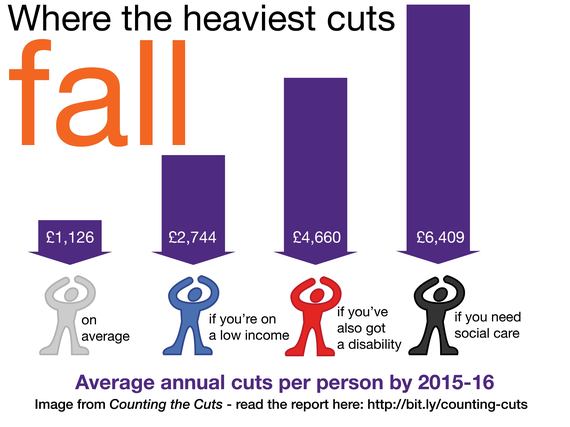
2014-02-17-BurdenoftheCuts-thumb
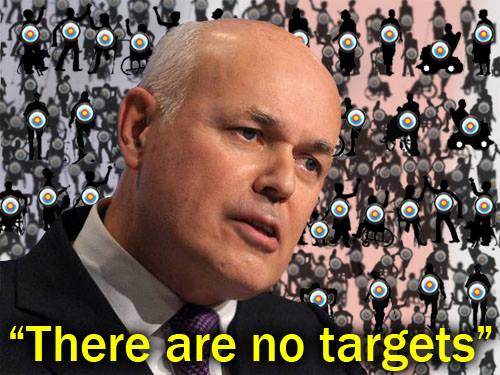
Any social security policy that is implemented with the expressed aim of “targeting those most in need” is invariably about cost cutting and reducing eligibility criteria for entitlement. The government were explicit in their statement about the original policy intent of Personal Independence Payment. The government has already considered ways of reducing eligibility criteria for the daily living component of Personal Independence Payment by narrowing definitions of aids and appliances, earlier this year.

In July, the Department for Work and Pensions appointed Paul Gray CB to undertake the second “independent review” of the Personal Independence Payment (PIP) assessment. This is the second independent review as required by Section 89 of the Welfare Reform Act 2012.

This review includes a call for evidence of the PIP assessment. It seeks information about how the PIP assessment is “working.” The consultation includes all stages of the PIP process, with a particular focus on the use of further evidence in the claim process, data sharing and the claimant experience. 

However, I’m just wondering where the ever-reductive targeting quest for the ever-shrinking category of “those with the greatest need” will end. The evidence that a policy “working” is usually related to the stated original aim. In this case, PIP isn’t a policy aimed at meeting the needs of disabled people. It’s a policy that is ultimately aimed at cutting support for ill and disabled people.

We have already witnessed a shrinking of eligibility criteria for people formerly claiming Disability Living Allowance, a marked increase in the number of reassessments required, and a limiting of the number of successful claims. Prior to the introduction of PIP, Esther McVey stated that of the initial 560,000 claimants to be reassessed by October 2015, 330,000 of these are targeted to either lose their benefit altogether or see their payments reduced.

Any “review” will therefore be framed by the original intent of the policy. However, that does not mean we should not respond to reviews and submit evidence, as a review provides us with an opportunity to flag up concerns regarding inadequacies experienced by those the policy is meant to support, too. The policy is not meant to serve the government, who are on an ideological crusade to dismantle all social security support, ultimately.

Disability benefits were originally designed to help sick and disabled people meet their needs, additional living costs and support people sufficiently to allow  a degree of dignity and independent living. You would be mistaken in thinking, however, that Personal Independent Payment was designed for that. It seems to have been designed to be the  Treasury’s ever-increasing pocket money. Or as profits for private providers who constantly assess, monitor, coerce and attempt to “incentivise” those people being systematically impoverished by the state to make “behaviour changes” by taking any low paid, insecure and poor quality work, regardless of how suitable or appropriate that is.

Apparently, that is the Conservative psychobabble “cure” for “worklessness,” which, regardless of market conditions, health, socioeconomic circumstances and poor political decision-making, is always down to an individual’s “bad behavioural choices.” The government regard work as a “health outcome.” I expect that soon, work coaches will replace doctors, and the Department for Work, health and Pensions will subsume the NHS.

For what it’s worth, Paul Gray will use evidence from the second review to inform his report to the Secretary of State for Work and Pensions. The second review will be laid before Parliament by April 2017.

Individuals and organisations are invited to submit evidence to help inform the review by answering the following questions. Where the Department for Work and Pensions use the word “condition” in these questions they mean disabilities, health conditions and impairments. They use “condition” for short.

Your responses can only be taken into account if you press submit at the end of the survey form, if you send a submission using that method.

The deadline for submissions is 5pm on 16 September 2016.

Your privacy
The note on privacy: “By providing personal information for the purposes of this call for evidence, it is understood that you consent to its disclosure and publication. If you want the information in your response to be confidential, please explain why and we will endeavour to do so. However we cannot guarantee to do this.”


Ways to respond

Respond online

or

Email: pip.independentreview@dwp.gsi.gov.uk

Write to:
PIP Independent Review Team
                 Department for Work and Pensions                  
                 Floor 4  
                 Caxton House 
                 Tothill Street 
                 London    
                 SW1H 9NA

Related

“Consideration of the ability of a claimant to carry out an activity safely, to an acceptable standard, repeatedly and in a reasonable time period is key to the PIP assessment. We recognise that these ‘reliability criteria’ and the rules setting out how fluctuating conditions should be considered are an important protection for claimants, and these are enshrined in legislation” – Government’s second response to the first Independent Review of the Personal Independence Payment Assessment

Consultation as government seek to limit disabled people’s eligibility for Personal Independence Payment

Request For Evidence – PIP: mobility Criterion

PIP and the Tory monolgue

The Tory British Bill of Rights: ‘be the short change you want to see’

Cngs9EjXEAAmYy7

The politics of regression

The UK has passed a lot of posts over the last five years. We are now a post-European, post-welfare, post-consensus, post-progressive, post-rational, post-democratic, post-first world, post-liberal, post-inclusive, post-diverse, post-equality, post-freedom, post-rights, post-protest, post-truth society. We managed all of this by travelling backwards as a society, not forwards.

The clocks stopped when the Conservatives took office in 2010. Now we are losing a decade a day.

This week, the government have confirmed they still plan to repeal the Human Rights Act and replace it with a so-called British Bill of Rights. This will break the formal link between the European Court of Human Rights and British law. Any judgement from Europe would be treated as “advisory” only, rather than legally binding, and would need to be “approved” by parliament. Such a Bill would definitely short change UK citizens in terms of balancing responsibilities, obligations and rights. It would profoundly disempower citizens because it will shift the balance of democracy, placing power almost entirely in the hands of the state.

The citizen rights protected by Labour’s flagship Human Rights Act are quite basic. They include the right to life, liberty and the right to a fair trial; protection from torture and ill-treatment; freedom of speech, thought, religion, conscience and assembly; the right to free elections; the right to fair access to the country’s education system; the right NOT to be given the death penalty; the right to marry and an overarching right not to be discriminated against.

Over their time in office, the Tories have systematically contravened the Human Rights of disabled people, women and children. It’s clear that we have a government that regards the rights of most of the population as a mere bureaucratic inconvenience, to be simply brushed aside. In October 2014, I was one of the very first independent writers to report the United Nations’ inquiry into the government’s gross breaches of the rights of disabled people. Writers and researchers like me and organised groups such as Disabled People Against the Cuts (DPAC) have been submitting evidence regarding the dehumanising impacts of the Conservative welfare “reforms” to the UN since 2012.

Theresa May has previously expressed strong support for controversial constitutional change. She stated in 2014, that she would like to see the UK withdraw from the European Convention on Human Rights, echoing David Cameron.

In a speech earlier this year, she said: “This is Great Britain, the country of Magna Carta, parliamentary democracy and the fairest courts in the world.

And we can protect human rights ourselves in a way that doesn’t jeopardise national security or bind the hands of parliament.

A true British bill of rights, decided by parliament and amended by parliament, would protect not only the rights set out in the convention, but could include traditional British rights not protected by the European Convention on Human Rights (ECHR) such as the right to trial by jury.”

However, May’s comment about the need for a Bill of rights that doesn’t “bind the hands of parliament” is worrying, since human rights were designed originally to protect citizens from despotic states and authoritarian governments like this one.

Her comment that the ECHR does not provide for the right to trial by jury is also misleading. Article 6 of the European Convention on Human Rights is a provision  which protects the right to a fair trial and access to justice. In criminal law cases and cases to determine civil rights, it protects the right to a public hearing before an independent and impartial tribunal within reasonable time, the presumption of innocence, and other basic rights for those charged in a criminal case (such as adequate time and facilities to prepare their defence, access to legal representation, the right to examine witnesses against them or have them examined, the right to the free assistance of an interpreter).

The Effective Criminal Defence in Europe report identified that the UK already needs to address issues regarding inadequate disclosure to suspects during investigation stage and that a more effective judicial oversight of bail and arrest are needed. Cuts to legal aid are also problematic in terms of ensuring the right of equal access to justice. Chris Grayling has already tried to take legal aid from the poorest citizens, in a move that is so clearly contrary to the very principle of equality under the law. He turned legal aid into an instrument of discrimination. He has also tried to dismantle another vital legal protection  – judicial review – which has been used to stop him abusing political power on several occasions. I don’t think this is a government that has indicated so far that it has the needs and wellbeing of citizens as a main priority.

Liz Truss, the justice secretary, dismissed reports that that the Government was abandoning the policy, which was included in the Conservative manifesto in 2015, to avoid a conflict with the Scottish Government 

She told BBC Radio 4’s Today programme on Monday morning: “We are committed to that. That is a manifesto commitment. 

I’m looking very closely at the details but we have a manifesto commitment to deliver that.”

However, last year, Amnesty UK commissioned a poll that indicated the British public are not particularly willing to see any change to existing Human Rights legislation, with only one in 10 people in the UK (11%) believing that scrapping the Human Rights Act should be a government priority.

Kate Allen, Amnesty International (UK) director, said:

“The British people clearly want the Government to get on with their proper business of the day-to-day running of the country, and abandon these destructive plans.

“It’s quite right that it shouldn’t be up to governments to pick and choose which rights we are entitled to and select who they deem worthy of them. It took ordinary people a very long time to claim these rights and we mustn’t let politicians take them away with the stroke of a pen.

“It’s great to have it confirmed that British people think that rights and protections must apply to everyone equally in order to work at all.”

David Cameron pledged to explore ways to leave the ECHR in the wake of the departure of his most senior legal advisor, Dominic Grieve. 

Ken Clarke said: “It is unthinkable for Britain to leave the European Convention on Human Rights,” he was also a departing cabinet minister. Cameron is believed to have wanted rid of the Attorney General Grieve because he was supportive of Britain’s continued ECHR membership.

Labour dubbed the cabinet reshuffle “the massacre of the moderates”, pointing to the departure of pro-Europe and “one nation” Tories such as David Willetts, Nick Hurd and Oliver Heald.

It’s long been the case that the Tories and the right wing press have deliberately blurred the boundaries between the European Union and the European Council of Human Rights, which are of course completely different organisations. This was a misdirection ploy.

However it is the case that the member states of the EU agreed that no state would be admitted to membership of the EU unless it accepted the fundamental principles of the European Convention on Human Rights and agreed to declare itself bound by it. I also think that conservatives, who regard both institutions as “interfering”, do see the Union and the Council as the same in terms of both being international frameworks requiring the British government to have a degree of democratic accountability at an international level.

In his parting interview, Clarke, who has held office in every Conservative government since 1972 and is also the party’s most prominent Europhile, said the debate was “absurd”.

“I personally think it’s unthinkable we should leave the European Convention on Human Rights; it was drafted by British lawyers after the Second World War in order to protect the values for which we fought the War for.” He’s right, of course.

The years immediately after the second world war marked a turning point in the history of human rights, as the world reeled in horror at the rise of fascism and the Nazi concentration camps, there came an important realisation that although fundamental rights should be respected as a matter of course, without formal protection, human rights concepts are of little use and consolation to those facing persecution.

So in response to the atrocities committed during the war, the international community sought to define the rights and freedoms necessary to secure the dignity and worth of each individual. In 1948 the newly formed United Nations adopted the Universal Declaration of Human Rights (UDHR), one of the most important agreements in world history.

Shortly afterwards another newly formed international body, the Council of Europe, set about giving effect to the UDHR in a European context. The resulting European Convention on Human Rights was signed in 1950 and ratified by the United Kingdom, one of the first countries to do so, in 1951. At the time there were only ten members of the Council of Europe. Now 47 member countries subscribe to the European Convention, and in 1998 the Human Rights Act was passed by the Labour Party in order to “give further effect” to the European Convention in British law.

Previously, along with the Liberal Democrats, Grieve was able to thwart attempts to reform the ECHR, and opposed pulling out altogether. The plan to reform it is being led by the Justice Secretary Chris Grayling but Grieve has pledged to continue to fight for Britain’s membership from the backbenchers. Though Clegg had agreed to a British Bill of Rights, he was strongly opposed to withdrawing from the ECHR.

Grieve understood that ECHR is about the fundamental rights of the citizen and ought to be cherished in the same way as the Magna Carta and Habeas Corpus are. But as we know, this is not a typical view amongst Conservatives, who frequently cite the same examples of “foreign criminals” being allowed to stay in the country as evidence it is “not working”.

The prime minister’s spokesman said that the sacking of Grieve had not led to a change in government’s policy. However he pledged action if the Conservatives are elected next year without the Liberal Democrats: “If you are asking me about party manifestos, the prime minister has previously said that he wants to look at all the ways that we can ensure we are able to deport those who have committed criminal offences.”

Grieve said he would defend human rights legislation from the back benches to “contribute to rationality and discourse”.

“If we send out a sign that human rights don’t matter, that is likely to be picked up in other countries which are also signatory states such as Russia.”

humanrights

The marked loss of transparency and democratic accountability

In the original Conservative proposals to scrap our existing human rights framework, and replace it with their own, one sentence from the misleadingly titled document  –Protecting Human Rights in the UK, (found on page 6 ) – is particularly chilling: “There will be a threshold below which Convention rights will not be engaged.”

Basically this means that human rights will no longer be absolute or universally applied – they will be subject to stipulations and caveats. And discrimination. The government will establish a threshold below which Convention rights will not be engaged, allowing UK courts to strike out what are deemed trivial cases.

The Tories’ motivation for changing our human rights is to allow reinterpretations to work around the new legislation when they deem it necessary. The internationally agreed rights that the Tories have always seen as being open to interpretation will become much more parochial and open to subjective challenge.

Many people have said that the Conservatives won’t escape accountability if they repeal the Human Rights Act and replace it with something less comprehensive, because we are still signatories to a number of broader international treaties on human rights. 

However, last year I wrote about how the government has quietly edited the ministerial code, which was updated on October 15  without any announcement at all. The code sets out the standard of conduct expected of ministers. The latest version of the code is missing a key element regarding complicity with international law. 

The previous code, issued in 2010, said there was an “overarching duty on ministers to comply with the law including international law and treaty obligations and to uphold the administration of justice and to protect the integrity of public life”.

The new version of the code has been edited to say only that there is an“overarching duty on ministers to comply with the law and to protect the integrity of public life”.

Conservative party policy document had revealed that the ministerial code will be rewritten in the context of the UK withdrawing from the European convention on human rights. In order to help achieve these aims the document says:

“We will amend the ministerial code to remove any ambiguity in the current rules about the duty of ministers to follow the will of Parliament in the UK.”

Yasmine Ahmed, director of Rights Watch, an organisation which works to hold the government to account, said:

“This amendment to the ministerial code is deeply concerning. It shows a marked shift in the attitude and commitment of the UK government towards its international legal obligations.”

Any precedent that allows a government room for manoeuvre around basic and fundamental human rights is incredibly dangerous. Especially such an authoritarian government.

Implications for democracy

Democracy is one of the universal core values and principles of the United Nations. Respect for human rights and fundamental freedoms and the principle of holding periodic and genuine elections by universal suffrage are essential elements of democracy. These values are embodied in the Universal Declaration of Human Rights and further developed in the International Covenant on Civil and Political Rights which enshrines a host of political rights and civil liberties underpinning meaningful democracies.

The Rule of Law and Democracy Unit stands as the Office of the High Commissioner for Human Rights (OHCHR) focal point for democracy activities. The Unit works to develop concepts and operational strategies to enhance democracy and provide guidance and support to democratic institutions through technical cooperation activities and partnership with the relevant parts of the UN, notably the UN Democracy Fund, the Department of Political Affairs and the newly established UN Working Group on Democracy. Legal and expert advice are provided as required to OHCHR field operations on relevant issues such as respect for participatory rights in the context of free and fair elections, draft legislation on national referenda and training activities.

The strong link between democracy and human rights is captured in article 21(3) of the Universal Declaration of Human Rights, which states:

“The will of the people shall be the basis of the authority of government; this will shall be expressed in periodic and genuine elections which shall be by universal and equal suffrage and shall be held by secret vote or by equivalent free voting procedures.” 

The link is further developed in the Covenant on Civil and Political Rights which enshrines a host of political rights and civil liberties underpinning meaningful democracies. The rights enshrined in the International Covenant on Economic, Social and Cultural Rights and subsequent human rights instruments covering group rights (e.g. indigenous peoples, minorities, people with disabilities) are equally essential for democracy as they ensure inclusivity for all groups, including equality and equity in respect of access to civil and political rights.

More recently, in March 2012, the Human Rights Council adopted a resolution titled “Human rights, democracy and the rule of law,” which reaffirmed that democracy, development and respect for all human rights and fundamental freedoms were interdependent and mutually reinforcing.

The Council called upon States to make continuous efforts to strengthen the rule of law and promote democracy through a wide range of measures. It also requested the OHCHR, in consultation with states, national human rights institutions, civil society, relevant inter-governmental bodies and international organizations, to draft a study on challenges, lessons learned and best practices in securing democracy and the rule of law from a human rights perspective.

Human rights, democracy and the rule of law are core values of the European Union, too. Embedded in its founding treaty, they were reinforced when the EU adopted the Charter of Fundamental Rights in 2000, and strengthened still further when the Charter became legally binding with the entry into force of the Lisbon Treaty in 2009.

A legally binding human rights framework must be applied universally, and implemented without the “interpretation” and interference from individual governments. Furthermore, the State must fund the means of contract enforcement and free and fair trial legal costs, for those who cannot afford it. If the State fails to fulfil this contingent function, then citizens simply cease to be free.

936319_485819054820961_1954794757_n


I wrote another in-depth analysis of the implications of a British Bill of Rights earlier this year, which includes some of the constitutional implications – The British Bill Of Frights: We Need To Ask What Could Possibly Go Right?


I don’t make any money from my work. But you can contribute by making a donation and help me continue to research and write informative, insightful and independent articles, and to provide support to others. The smallest amount is much appreciated – thank you.

DonatenowButton cards


UN to question the Conservatives about the two-child restriction on tax credits

get

The government’s decision to limit child tax credits to two children only per family, unless a further child is the result of rape, has been referred to a United Nations human rights panel. 

The government has made an exception to the tax credit limit for children conceived through rape – though what policies will be put in place to process this exemption have yet to be specified.

A formal complaint by the Scottish National Party MP Alison Thewliss to the UN will be examined by its official committee on the rights of the child, before hearings on the impact of the Conservative’s welfare “reforms” next week. A UK government delegation will have to explain how the “reforms” conform to the UN obligations on child poverty. 

The UN has asked the UK government to provide evidence on whether ministers had carried out an impact assessment into how the welfare cuts including the implementation of the benefits cap “and other benefits cuts” would affect children.

In a letter to Alison Thewliss, the UN said it had also asked for information on “the measures being taken to mitigate negative impact of this reform on the enjoyment of the rights of children, particularly those in vulnerable situations”.

The UN committee is expected to deliver its final recommendations to the UK government in early June.

Alison Thewliss.
                                                                   Alison Thewliss.

Thewliss, who held a meeting with the welfare reform minister Lord Freud earlier this week, described the rape clause as “medieval”. She said it “stigmatises mother and child, and risks discriminating against those who may for religious or traditional reasons have larger families.”

Eugenics by stealth

Last year I wrote about the government plans to restrict child tax credit payments to two children in families, with the stated intention of directing behavioural change, so that poor families wouldn’t have more children that they “can afford.” This assumes, of course that family situations remain static, and that people don’t experience downward mobility because of job market insecurity, accident or ill health. The Conservatives had announced plans to cut welfare payments for larger families at that time. Whilst this might not go quite as far as imposing limits on the birth of children for poor people, it does effectively amount to a two-child policy.

A two-child policy is defined as a government-imposed limit of two children allowed per family or the payment of government subsidies only to the first two children. 

The restriction in support for children of larger families significantly impacts on the autonomy of families, and their freedom to make decisions about their family life. Benefit rules purposefully aimed at reducing family size rarely come without repercussions.

It’s worth remembering that David Cameron ruled out cuts to tax credits before the election when asked during interviews. Tax credit rates weren’t actually cut in the recent Budget – although they were frozen and so will likely lose some of their value over the next four years because of inflation.

Some elements were scrapped, and of course some entitlements were restricted. But either way a pre-election promise not to cut child tax credits sits very uneasily with what was announced in the budget.

Iain Duncan Smith said last year that limiting child benefit to the first two children in a family is “well worth considering” and “could save a significant amount of money.” The idea was being examined by the Conservatives, despite previously being vetoed by Downing Street because of fears that it could alienate parents. Asked about the idea on the BBC’s Sunday Politics programme, Duncan Smith said:

“I think it’s well worth looking at,” he said. “It’s something if we decide to do it we’ll announce out. But it does save significant money and also it helps behavioural change.”

Firstly, this is a clear indication of the Tories’ underpinning eugenicist designs – exercising control over the reproduction of the poor, albeit by stealth. It also reflects the underpinning belief that poverty somehow arises because of faulty individual choices, rather than faulty political decision-making and ideologically driven socioeconomic policies.

Such policies are not only very regressive, they are offensive, undermining human dignity by treating children as a commodity – something that people can be incentivised to do without.

Moreover, a policy aimed at restricting support available for families where parents are either unemployed or in low paid work is effectively a class-contingent policy.

The tax child credit policy of restricting support to two children seems to be premised on the assumption that it’s the same “faulty” families claiming benefits year in and year out. However, extensive research indicates that people move in and out of poverty – indicating that the causes of poverty are structural rather than arising because of individual psychological or cognitive deficits.

The Joseph Rowntree Foundation published a study that debunked  the notion of a “culture of worklessness” in 2012.  I’ve argued with others more recently that there are methodological weaknesses underlying the Conservative’s regressive positivist/behaviourist theories, especially a failure to scientifically test the permanence or otherwise of an underclass status, and a failure to distinguish between the impact of “personal inadequacy” and socioeconomic misfortune.

Limiting financial support to two children may also have consequences regarding the number of abortions. Abortion should never be an outcome of reductive state policy. By limiting choices available to people already in situations of limited choice – either an increase of poverty for existing children or an abortion, then women may feel they have no choice but to opt for the latter. That is not a free choice, because the state is inflicting a punishment by withdrawing support for those choosing to have more than two children, which will have negative repercussions for all family members.

Many households now consist of step-parents, forming reconstituted or blended families. The welfare system recognises this as assessment of household income rather than people’s marital status is used to inform benefit decisions. The imposition of a two-child policy has implications for the future of such types of reconstituted family arrangements.

If one or both adults have two children already, how can it be decided which two children would be eligible for child tax credits?  It’s unfair and cruel to punish families and children by withholding support just because those children have been born or because of when they were born. Or because of the circumstances of their birth.

And how will residency be decided in the event of parental separation or divorce – by financial considerations rather than the best interests of the child? That flies in the face of our legal framework which is founded on the principle of paramountcy of the needs of the child. I have a background in social work, and I know from experience that it’s often the case that children are not better off residing with the wealthier parent, nor do they always wish to.

Restriction on welfare support for children will directly or indirectly restrict women’s autonomy over their reproduction. It allows the wealthiest minority to continue having babies as they wish, whilst aiming to curtail the poor by disincentivisingbreeding” of the “underclass.” It also imposes a particular model of family life on the rest of the population. Ultimately, this will distort the structure and composition of the population, and it openly discriminates against the children of large families.

Article 25 of the Universal Declaration of Human Rights, of which the UK is a signatory, reads:

  1. Everyone has the right to a standard of living adequate for the health and well-being of himself and of his family, including food, clothing, housing and medical care and necessary social services, and the right to security in the event of unemployment, sickness, disability, widowhood, old age or other lack of livelihood in circumstances beyond his control.
  2.  Motherhood and childhood are entitled to special care and assistance. All children, whether born in or out of wedlock, shall enjoy the same social protection.

The United Nation’s Convention on the Rights of the Child (UNCRC) applies to all children and young people aged 17 and under. The convention is separated into 54 articles: most give children social, economic, cultural or civil and political rights, while others set out how governments must publicise or implement the convention.

The UK ratified the Convention on the Rights of the Child (UNCRC) on 16 December 1991. That means the State Party (England, Scotland, Wales and Northern Ireland) now has to make sure that every child benefits from all of the rights in the treaty. The treaty means that every child in the UK has been entitled to over 40 specific rights. These include:

Article 6

1. States Parties recognize that every child has the inherent right to life.

2. States Parties shall ensure to the maximum extent possible the survival and development of the child.

Article 26

1. States Parties shall recognize for every child the right to benefit from social security, including social insurance, and shall take the necessary measures to achieve the full realization of this right in accordance with their national law.

There are other relevant Convention Articles here, which the Conservative’s two-child policy also potentially compromises or violates.

_47839782_logo_226


My work is unfunded and I don’t make any money from it. But you can support Politics and Insights and contribute by making a donation which will help me continue to research and write informative, insightful and independent articles, and to provide support to others.


DonatenowButton

cards


Secret ‘internal reviews’ show clear link between Tory welfare ‘reforms’ and suicides

tory cuts


I’ve written more than one lengthy critique of Tory notions of what passes for “research” methods, and often criticised Conservative refusals to accept the research findings of academics regarding, for example, established links between the Work Capability Assessment, increased suicide and mortality, the link between sanctions and increased mortality. The Tory plea for the universal and unqualified dismissal of whatever they deem to be criticism of their policies is often based on the claim that “no causal link has been established.”

As I have pointed out previously, whilst correlation certainly isn’t quite the same thing as cause and effect, it quite often strongly hints at a causal link, and as such, warrants further investigation.

It is inaccurate to say that correlation doesn’t imply causation. It quite often does. Correlation means that an association has been established. The tobacco industry, for example, has historically relied on exactly the same dismissal of correlational evidence to reject the established link between tobacco and lung cancer.

The standard process of research doesn’t entail, at any point, a flat political denial that there is any relationship of significance to concern ourselves with, nor does it involve a systematic and deliberate withholding of relevant data, attempts at censoring democratic dialogue, and a point blank refusal to investigate further. Furthermore, the government claims that there is “no evidence of a causal link ” is unverified. There is no evidence to support government claims that there isn’t such a link, either. In fact empirical evidence strongly refutes the Conservative’s persistent claims of no association between the welfare cuts and an increase in suicide and mortality.

I’ve observed more than once that when it comes to government claims, the same methodological rigour that they advocate for others isn’t applied. Indeed, many policies have clearly been directed by ideology and traditional Tory prejudices, rather than being founded on valid research and empirical evidence. The fact that no cumulative impact assessment has been carried out with regard to the welfare “reforms” indicates a government that is not interested in accountability, and examining the potential negative outcomes of policy-making. Policies are supposed to be about meeting public needs and not about inflicting Conservative dogma and old prejudices in the form of financial punishment on previously protected social groups.

We need to ask why the government has so persistently refused to undertake cumulative impact assessments and conduct open, publicly accessible research into their austerity policies, the impact they are having and the associated deaths and suicides.

Without such research, it isn’t appropriate or legitimate to deny a causal link between what are, after all, extremely punitive, targeted, class-contingent policies and an increase in premature mortality rates.

Government policies are expressed political intentions regarding how our society is organised and governed. They have calculated social and economic aims and consequences. Political denial of responsibility is repressive, it sidesteps democratic accountability and stifles essential debate and obscures evidence. Denial of causality does not reduce the probability of it, especially in cases where a correlation has been well-established and evidenced. Nor does attempting to hide the evidence.

Being civilised, holding values of decency and having legitimate concerns about the welfare and wellbeing of sick and disabled citizens have all been depreciated as mere matters of “subjective interpretation” and not as worthy subjects of political, rational or objective discussion. This isn’t a government prepared to engage in a democratic dialogue with citizens, it is one intent on imposing authoritarianism.

 —

The following article titled “Suicides of benefit claimants reveal DWP flaws, says inquiry” was written by Patrick Butler and John Pring, for The Guardian on Friday 13th May 2016 22.59 UTC

A series of secret internal inquiries into the deaths of people claiming social security reveal that ministers were repeatedly warned of shortcomings in the treatment of vulnerable claimants facing potentially traumatic cuts to their benefits entitlements.

The conclusions are contained in 49 Department for Work and Pensions (DWP) inquiry reports finally released to campaigners on Friday after a two-year Freedom of Information (FOI) battle. Some 40 of the reports followed a suicide. In 10 cases, the claimant had had their benefits sanctioned.

Although the heavily redacted reports do not draw a direct link between the death of a claimant and problems caused by their dealings with the benefits system, they highlight widespread flaws in the handling by DWP officials of claims by people with mental illness or learning difficulty.

The reports, called “peer reviews,” appear to challenge blanket claims by ministers that there is no connection between government welfare reform policies and the deaths of vulnerable claimants.

Several suggest that claimants who died may not have received adequate support from DWP staff handling their benefit claims. At least five of the reports call for major reviews or substantial changes to procedures on identifying and supporting vulnerable claimants.

Many of them centre on the much-criticised Work Capability Assessment (WCA), the test used to assess whether claimants are fit for work. Campaigners argue the tests are flawed and linked to health relapses, depression, self-harm, and suicides.

Activists have linked the WCA to a string of tragic deaths – including poet Paul Reekie, former sheep farmer Nick Barker and ex-security guard Brian McArdle – all of whom died after being found “fit for work” and told by the DWP that they would lose their out-of-work disability benefits.

Peer reviews are triggered when a claimant death is “associated with a DWP activity”. The reports released on Friday were drawn up between February 2012 and August 2014, when an FOI request was originally submitted.

One report warns that vulnerable claimants risked being overlooked by DWP officials, with potentially harmful consequences, because staff resources were stretched by a ministerial decision to push ahead with the speedy re-assessment of hundreds of thousands of incapacity benefit claimants.

It says: “The risk associated with disregarding the possibility that some of these claimants need more support or a different form of engagement is that we fail to recognise more cases like [name redacted] with consequent potential impact on the claimant.”

The report adds: “We need to ask whether or not in the context of a fast-moving environment of high [claimant re-assessment] volumes and anticipated levels of performance, the current process requires, encourages and supports … colleagues to independently and systematically consider claimant vulnerability.”

Another report suggests that while official written policy demanded vulnerable claimants to be treated appropriately this was not implemented in practice. It says: “This case may highlight a dislocation between policy intent and what actually happens to claimants who are vulnerable.”

Ministers initially denied back in 2014 that they held any records on people whose deaths may have been linked to benefits system. Although they subsequently admitted that so-called “peer-review” investigations had been carried out since 2012, they argued social security laws prevented them from publishing them.

A DWP spokesman said it would be wrong to link benefit claims with deaths. “Any suicide is a tragedy and the reasons for them are complex, however it would be inaccurate and misleading to link it solely to a person’s benefit claim.”

They added that guidance was provided to staff on how best to support vulnerable claimants. Ministers were not routinely shown the reviews, which were undertaken internally help staff to deal with complex and challenging benefit cases.

However, they were unable to say whether ministers or senior officials had acted on any of the recommendations contained in the 49 reviews.

Disability News Service, a specialist press agency which submitted the original FOI request to obtain the reports, asked the Office of the Information Commissioner to review the DWP decision. The ICO ruled in favour of the DWP in July 2014, but a subsequent appeal was upheld in March and ministers ordered to publish the reports.

Officials have removed from the reports any references to the specific events that triggered an investigation, as well as dates, names of claimants or staff and locations. Several of the inquiry reports have been stripped of almost all data.

But a number retain entries under the heading “Lessons learned”. Collectively these show that investigators examining the links between a claimant’s death and their treatment by local DWP officials uncovered persistent problems.

They found frontline officials were often unable to identify potentially vulnerable claimants, failed to deal sensitively or appropriately with them, or anticipated problems they may have negotiating their way around the welfare bureaucracy.

Investigators found, variously, that communication between officials and vulnerable claimants was often poor, that practice guidelines were not followed, and that benefits staff often rigidly adhered to the rulebook rather than using “common sense” in their dealings with claimants.

In two instances, investigators reported that it was difficult to carry out a proper inquiry because DWP records had been purged, or not kept properly. In another instance the investigator concluded that officals precedural actions were followed correctly and could not have prevented the death of the claimant.

Other peer review findings include:

• Local DWP branch officials should be given awareness training to deal with “customers who made suicide/self harm declarations”, one report urges. It concludes: “In learning from this experience it is clear there is work to do”.

• In one local office staff failed to provide adequate support for vulnerable claimants, according to a report. It says: “It is clear that we had several opportunities to identify and address the errors made over the duration of this claim, but we neglected to do so”.

• DWP staff who decide on whether to award or disallow disability benefit claims should always consider the claimants’ full historical case files and medical history, a report concludes, to “minimise the risk of withdrawing benefit inappropriately and placing a vulnerable claimant at risk”.

It is understood nine similar DWP peer reviews have since been undertaken since August 2014 and are subject to further FOI requests.

guardian.co.uk © Guardian News & Media Limited 2010


Sign the petition asking the government to examine the DWP, ATOS & Maximus’s culpability for deaths of benefit claimants

“There’s been a marked increase in the number of deaths & suicides of claimants recently found “fit for work” by work capability assessments, possibly implying those benefits entitlements were removed hastily and that the DWP, ATOS & Maximus failed in its duty of care to vulnerable benefit claimants.”

I don’t make any money from my work. But you can support Politics and Insights and contribute by making a donation which will help me continue to research and write informative, insightful and independent articles, and to provide support to others. The smallest amount is much appreciated, and helps to keep my articles free and accessible to all – thank you.
DonatenowButtoncards

Stephen Crabb’s obscurantist approach to cuts in disabled people’s support

proper Blond

It’s less than two months ago that the new Work and Pensions secretary, Stephen Crabb, assured us that the Government had “no further plans” for specific welfare cuts. Now, he has admitted that welfare is to be the source of further austerity cuts to “bring down the deficit,” bearing in mind that the last budget saw alternative  and far more fair, humane measures taken off the table when the Conservatives controversially announced cuts to disability benefits to fund tax cuts for the most affluent – the top 7% of earners. The Chancellor raised the threshold at which people start paying the 40p tax. This leaves the poorest and some of our most vulnerable citizens carrying the entire burden of austerity and the whole responsibility for cutting the deficit.

Of course Crabb assumes we believe that austerity is an economic necessity and not an ideological choice. However, austerity is being used as a euphemism for the systematic dismantling of the gains of our post-war settlement: welfare, social housing, the NHS, legal aid and democracy. There is no such thing as conditional democracy. It can’t be rationed out or applied with prejudice and discrimination. That would make it something else, more akin to totalitarianism and not a necessarily inclusive democracy.

The Government has already made substantial cuts to the Employment and Support Allowance disability benefit, cutting the rate for new claimants in the Work Related Activity Group by £30 a week from 2017. Now the Work and Pensions Secretary has said he wants to go further than the £12 billion welfare cuts declared in the Conservative manifesto and to “re-frame discussion” around disability welfare support, signalling his intention to cut expenditure on disability benefits through further reform to the welfare system. The Conservatives are clearly using the word “reform” as a euphemism for dismantling the welfare state in its entirety.

Prior to 2010, cutting support for sick and disabled people was unthinkable, but the “re-framing” strategy and media stigmatising campaigns have been used by the Conservatives to systematically cut welfare, push the public’s normative boundaries and to formulate moralistic justification narratives for their draconian policies. Those narratives betray the Conservative’s intentions.

Crabb said that he will set out a “discursive” Green Paper on the additional proposed cuts to disability benefits later this year. Iain Duncan Smith had previously promised a more formal White Paper which was considered key to persuading Tory rebels to vote through the cuts despite opposition in February.

The shadow Work and Pensions secretary, Owen Smith, said that the Government should reverse the ESA cuts which had already been passed, adding that the Conservatives needed to offer clarity on how the “reforms” would support disabled people into work.

He said: “Yet again the Tories have let down disabled people, by breaking their promise to quickly publish firm plans on supporting disabled people in to work.

“When the Tories forced through cuts to Employment Support Allowance in the face of widespread opposition they bought off their own rebels with a promise to have a firm plan in place by the summer.

“Now the new Secretary of State has confirmed that he is going to downgrade the plan to a Green Paper, effectively kicking the issue in to the long grass for months, if not years.

The flimsy case for the cuts to Employment Support Allowance is now totally blown apart by this broken promise and the Tories must listen to Labour’s calls for them to be reversed.”

Remarkably, Crabb has claimed that disability benefit cuts are among policies “changing things for the better.” However, if cutting people’s income is such a positive move, we do need to ask why the Conservatives won’t consider taxing wealthy people proportionately, distributing the burden of austerity more fairly amongst UK citizens, instead of handing out money for tax cuts to those who need the very least support, at the expense of those who need the most.

The secretary for Work and Pensions has said: “The measures  that have either already been legislated for or announced get us to the £12 billion [welfare cuts planned in the Conservative manifesto].

Does that mean welfare reform comes to an end? I would say no. I’ve already pointed to what I see as one of the big challenges of welfare reform – and that’s around work and health.”

Crabb told MPs on Work and Pensions Select Committee that he would deploy “smart strategies” for cutting expenditure on disability and sickness benefits and would hopefully be able to secure the support of disability charities.

“In terms of how you make progress of welfare reform there when you are talking about people who are very vulnerable, people with multiple barriers, challenges, sicknesses, disabilities – I am pretty clear in my mind that you can’t just set targets for cutting welfare expenditure,” he said.

“When you’re talking about those cohorts of people you’ve actually got to come up with some pretty smart strategies for doing it which carry the support and permission of those people and organisations who represent those people who we are talking about.”

Both Crabb and his predecessor, Duncan Smith, have claimed that there are “millions of sick and disabled people parked on benefits,” yet rather than providing support for those who may be able to work, the Conservatives have abolished the Independent Living Fund and made substantial reductions to payments for the Access To Work scheme, creating more barriers instead of providing support for those who feel they are well enough to work.

A government advisor, who is a specialist in labour economics and econometrics, has proposed scrapping all ESA sickness and disability benefits. Matthew Oakley, a senior researcher at the Social Market Foundation, recently published a report entitled Closing the gap: creating a framework for tackling the disability employment gap in the UK, in which he proposes abolishing the ESA Support Group. To meet extra living costs because of disability, Oakley says that existing spending on PIP and the Support Group element of ESA should be brought together to finance a new extra costs benefit. Eligibility for this benefit should be determined on the basis of need, with an assessment replacing the WCA and PIP assessment. The Conservative definition of “the basis of need” seems to be an ever-shrinking category.

Oakely also suggests considering a “role that a form of privately run social insurance could play in both increasing benefit generosity and improving the support that individuals get to manage their conditions and move back to work.”

I’m sure the private company Unum would jump at the opportunity. Steeped in controversy, with a wake of scandals that entailed the company denying people their disabilty insurance, in 2004, Unum entered into a regulatory settlement agreement (RSA) with insurance regulators in over 40 US states. The settlement related to Unum’s handling of disability claims and required the company “to make significant changes in corporate governance, implement revisions to claim procedures and provide for a full re-examination of both reassessed claims and disability insurance claim decisions.

The company is the top disability insurer in both the United States and United Kingdom. By coincidence, the  company has been involved with the UK’s controversial Welfare Reform Bill, advising the government on how to cut spending, particularly on disability support. What could possibly go right?

It’s difficult to see how someone with a serious, chronic and progressive illness, (which most people in the ESA Support Group have) can actually “manage” their illness and “move back into work.” The use of the extremely misinformed, patronising and very misleading term manage implies that very ill people actually have some kind of choice in the matter. For people with Parkinson’s disease, rheumatoid arthritis, lupus and multiple sclerosis, cancer and kidney failure, for example, mind over matter doesn’t fix those problems, positive thinking and sheer will power cannot cure these illnesses, sadly. Nor does refusing to acknowledge or permit people to take up a sick role, or imposing benefit conditionality and coercive policies to push chronically ill people into work by callous and insensitive and medically ignorant assessors, advisors and ministers.  

The Reform think tank has also recently proposed scrapping what is left of the disability benefit support system, in their report Working welfare: a radically new approach to sickness and disability benefits and has called for the government to set a single rate for all out of work benefits and reform the way sick and disabled people are assessed. 

Reform says the government should cut the weekly support paid to 1.3 million sick and disabled people in the ESA Support Group from £131 to £73. This is the same amount that Jobseeker’s Allowance claimants receive. However, those people placed in the Support Group after assessement have been deemed by the state as unlikely to be able to work again. It would therefore be very difficult to justify this proposed cut.

Yet the authors of the report doggedly insist that having a higher rate of weekly benefit for extremely sick and disabled people encourages them “to stay on sickness benefits rather than move into work.”

The report recommended savings which result from removing the disability-related additions to the standard allowance should be reinvested in support services and extra costs benefits – PIP. However, as outlined, the government have ensured that eligibility for that support is rapidly contracting, with the ever-shrinking political and economic re-interpretation of medically defined sickness and disability categories and a significant reduction in what the government deem to be a legitimate exemption from being “incentivised” into hard work.

The current United Nations investigation into the systematic and gross violations of the rights of disabled people in the UK because of the Conservative welfare “reforms” is a clear indication that there is no longer any political commitment to supporting disabled people in this country, with the Independent Living Fund being scrapped by this government, ESA for the work related activiy group (WRAG) cut back, PIP is becoming increasingly very difficult to access, and now there are threats to the ESA Support Group. The Conservative’s actions have led to breaches in the CONVENTION on the RIGHTS of PERSONS with DISABILITIES – CRPD articles 4, 8, 9, 12, 13, 14, 15, 17, and especially 19, 20, 27 and 29 (at the very least.) There are also probable violations of articles 22, 23, 25, 30, 31.

The investigation began before the latest round of cuts to ESA were announced. That tells us that the government is unconcerned their draconian policies violate the human rights of sick and disabled people.

And that, surely, tells us all we need to know about this government.

 —

This post was written for Welfare Weekly, which is a socially responsible and ethical news provider, specialising in social welfare related news and opinion.


I don’t make any money from my work. But you can support Politics and Insights and contribute by making a donation which will help me continue to research and write informative, insightful and independent articles, and to provide support to others. The smallest amount is much appreciated, and helps to keep my articles free and accessible to all – thank you.
DonatenowButton
cards


Report shows significant challenges facing the Universal Credit system

1450041_569755536427312_1698223275_n

It’s disappointing and very worrying that a published report from the Work and Pensions Committee says: “The employment support service for in-work claimants of Universal Credit (UC) holds the potential to be the most significant welfare reform since 1948, but realising this potential means a steep on-the-job learning curve, as the policy appears to be untried anywhere in the world.”

The Work and Pensions Committee recommendations in the report are:

Given there is no comprehensive evidence anywhere on how to run an effective in-work service, the DWP will be learning as it develops this innovation. The Committee says:

  • for the reform to work, it must help confront the structural or personal barriers in-work claimants face to taking on more work, such as a lack of access to childcare and limited opportunities to take on extra hours or new jobs
  • the question of applying proposed sanctions is complex: employed people self-evidently do not lack the motivation to work.  The use of financial sanctions for in-work claimants must be applied very differently to those for out-of-work claimants
  • a successful in-work service will also require partnership between JCP and employers to a degree not seen before.

Frank Field MP, Chair of the Committee said:

“The in-work service promises progress in finally breaking the cycle of people getting stuck in low pay, low prospects employment. We congratulate the Government for developing this innovation. As far as we can tell, nothing like this has been tried anywhere else in the world. This is a very different kind of welfare, which will require developing a new kind of public servant.”

This imprudent comment from Field implies that individuals need financial punishments in order to find work with better prospects and higher pay. Yet there are profoundly conflicting differences in the interests of employers and employees. The former are generally strongly motivated to purposely keep wages as low as possible so they can generate profit and pay dividends to shareholders and the latter need their pay and working conditions to be such that they have a reasonable standard of living. It’s not as if the Conservatives have ever valued legitimate collective wage bargaining. In fact their legislative track record consistently demonstrates that they hate it, prioritising the authority of the state above all else.

Workplace disagreements about wages and conditions are now typically resolved neither by collective bargaining nor litigation but are left to management prerogative. This is because Conservative aspirations are clear. Much of the government’s discussion of legislation is preceded with consideration of the value and benefit for business and the labour market. They want cheap labour and low cost workers, unable to withdraw their labour, unprotected by either trade unions or employment rights and threatened with destitution via benefit sanction cuts if they refuse to accept low paid, low standard work. Similarly, desperation and the “deterrent” effect of the 1834 Poor Law amendment served to drive down wages.

In the Conservative’s view, trade unions distort the free labour market which runs counter to New Right and neoliberal dogma. Since 2010, the decline in UK wage levels has been amongst the very worst declines in Europe. The fall in earnings under the Tory-led Coalition is the biggest in any parliament since 1880, according to analysis by the House of Commons Library, and at a time when the cost of living has spiralled upwards.

It’s worth considering that in-work conditionality and sanctions may have unintended consequences for employers, too. If employees are coerced by the State to find better paid and more secure work, and employers cannot increase hours and accommodate in-work progression, who will fill those posts? Financial penalties aimed at employees will also negatively impact on the performance and reliability of the workforce, because when people struggle to meet their basic physical needs, their cognitive and practical focus shifts to survival, and that doesn’t accommodate the meeting of higher level psychosocial needs and obligations, such as those of the workplace. It was because of the recognition of this, and the conventional wisdom captured in the work of social psychologists such as Abraham Maslow that provided the reasoning behind the policy of in-work benefits and provision in the first place. 

In-work conditionality reinforces a lie and locates blame within individuals for structural problems – political, economic and social – created by those who hold power. Despite being a party that claims to support “hard-working families,” the Conservatives have nonetheless made several attempts to undermine the income security of a signifant proportion of that group of citizens recently. Their proposed tax credit cuts, designed to creep through parliament in the form of secondary legislation, which tends to exempt it from meaningful debate and amendment in the Commons, was halted only because the House of Lords have been paying attention to the game.

Last month I wrote about the Department for Work and Pensions running a Trial that is about “testing whether conditionality and the use of financial sanctions are effective for people that need to claim benefits in low paid work.” 

The Department for Work and Pensions submitted a document about the Randomised Control Trial (RCT) they are currently conducting regarding in-work “progression.” The submission was made to the Work and Pensions Committee in January, as the Committee have conducted an inquiry into in-work conditionality. The document specifies that: This document is for internal use only and should not be shared with external partners or claimants.” 

The document focuses on methods of enforcing the “cultural and behavioural change” of people claiming both in-work and out-of-work social security, and evaluation of the Trial will be the responsibility of the Labour Market Trials Unit. (LMTU). Evaluation will “measure the impact of the Trial’s 3 group approaches, but understand more about claimant attitudes to progression over time and how the Trial has influenced behaviour changes.”

Worryingly, claimant participation in the Trial is mandatory. There is clearly no appropriate procedure to obtain and record clearly informed consent from research participants. Furthermore, the Trial is founded on a coercive psychopolitical approach to labour market constraints, and is clearly expressed as a psychological intervention, explicitly aimed at “behavioural change” and this raises some very serious concerns about research ethics and codes of conduct, which I’ve discussed elsewhere. It’s also very worrying that this intervention is to be delivered by non-qualified work coaches.

Owen Smith MP, Shadow Work and Pensions Secretary, commenting on the Work and Pensions Select Committee’s report  into ‘in-work progression’ in Universal Credit, said:

“This report shows there are significant challenges facing the new Universal Credit system, not least how to ensure work pays and people are incentivised in to jobs.  As a result, it is deeply worrying that at the early part of the rollout, huge Tory cuts to work allowances will undermine this aim, as 2.5 million working families will left over £2,100 a year worse off. 

“If Universal Credit is to be returned to its original intentions of supporting and encouraging people in to work then Stephen Crabb needs to change his mind and reverse the Tory cuts to working families urgently. 

“It’s also problematic that the committee found there is insufficient information available after a year of piloting in-work conditionality, especially given the complete mess that has been made of the existing sanctions regime.  The DWP should move quickly to make available as much information as possible, to ensure the roll out of Universal Credit is properly scrutinised.”

66864_464287263640807_1896397853_n
Pictures courtesy of Robert Livingstone

Related

Benefit Sanctions Can’t Possibly ‘Incentivise’ People To Work – And Here’s Why

Study of welfare sanctions – have your say

The politics of punishment and blame: in-work conditionality

It’s time to abolish “purely punitive” benefit sanctions


This post was written for Welfare Weekly, which is a socially responsible and ethical news provider, specialising in social welfare related news and opinion.


I don’t make any money from my work. But you can support Politics and Insights and contribute by making a donation which will help me continue to research and write informative, insightful and independent articles, and to provide support to others. The smallest amount is much appreciated, and helps to keep my articles free and accessible to all – thank you.

DonatenowButton
cards

Request For Evidence – PIP: Mobility Criterion

8a26960ab68d6c169049cd0b22475a12

On May 4, there was a debate in the House of Lords about discussions with Disability Rights UK and the Disability Benefits Consortium on identifying a mobility criterion in the Personal Independence Payment (PIP) assessment framework, which was led by Liberal Democrat Baroness Thomas.

Baroness Thomas of Winchester tabled a Motion to resolve in the House of Lords: 

“That this House calls on Her Majesty’s Government to hold urgent talks with Disability Rights UK and the Disability Benefits Consortium to identify a mobility criterion in the Personal Independence Payment (PIP) “moving around” assessment which is fairer than the current 20 metre distance, in the light of the impact on reassessed disabled claimants and the resulting large number of successful appeals.”

She said: Tabling a Motion is an unusual course to take, but I assure the House that there is nothing fatal about it. However, if it were to be agreed, it would send a powerful message that this House is very concerned about this particular government policy and is taking a constructive approach to seeing what can be done to help the situation.

Why am I so concerned about the “Moving around” section? Because the relevant walking distance test for PIP has been made much harder than the Disability Living Allowance (DLA) test, meaning that by the Government’s own estimate the number of people on enhanced or higher-rate mobility will go down from around 1 million people to 600,000 by 2018.

Some 400 to 500 Motability cars a week are now being handed back by disabled claimants whose condition may not have improved but who are losing not just their car but, in many cases, their independence. Under DLA, the walking distance was 50 metres, which was in the Department for Transport guidance on inclusive mobility. The new distance of 20 metres is just under two London bus lengths, and is unrecognised in any other setting. There is no evidence that it is a sensible distance for the test, and it is not used anywhere else by the Government.

So someone with a walking frame, say, who can just about manage 20 to 30 metres, will not usually qualify for PIP. I see the Minister even now sharpening her pencil to make a note reminding her to tell me that this is a travesty of the truth. No, I have not forgotten the reliability criteria, which were made statutory in the last Parliament—thanks, in fact, to the intervention of the Liberal Democrats. The full reliability criteria in the PIP guidance are that 20 metres must be able to be walked,

“safely … to an acceptable standard …repeatedly … and … in a reasonable time period”.

Baroness Thomas added: “To sum up, to be told that the bill for PIP is too high and must be cut by more than halving the walking distance test is a real slap in the face for thousands of disabled people, particularly those of working age with lifetime awards under DLA. Of course the bill is going up—because the disabled population is going up. The Government must have factored that into their calculations years ago. The last thing that anyone wants is for more and more disabled people to become socially isolated and totally reliant on other services for everything they need. A great deal of money could actually be saved by other government departments, such as health, social services, employment and transport, by making the PIP walking distance fairer. I beg to move.”

There were also some outstanding contributions made in this debate by Baroness Sherlock (Labour), Baroness Grey-Thompson (Cross Bench), Baroness Masham of Ilton (Cross Bench), Lord Low of Dalston (Cross Bench), Baroness Brinton (Liberal Democrat), Baroness Doocey (Lib Dem), Lord McKenzie of Luton (Labour), amongst others.

I recommend that you read the debate in full here: Personal Independence Payment: Mobility Criterion.

One very important issue raised in this debate was clarified in a statement made by The Minister of State, Department for Work and Pensions, Baroness Altmann (Conservative). She said:

“I would like to clarify what appears to be a widespread misconception regarding the differences between the mobility assessment in PIP and the mobility assessment in DLA. Many noble Lords have spoken of a “20-metre rule”, but there is no such rule. Some people believe that we have changed the assessment of a distance a claimant is able to walk from 50 metres to 20 metres. This is not the case. The higher rate of DLA was always intended to be for claimants who were unable, or virtually unable, to walk. This is still the case in PIP, but we have gone further.

Under PIP, if a claimant cannot walk up to 20 metres safely, reliably, repeatedly and in a timely manner, they are guaranteed to receive the enhanced rate of the mobility component. If a claimant cannot walk up to 50 metres safely, reliably, repeatedly and in a timely manner, then they are guaranteed to receive the enhanced rate of the mobility component. [My bolding]

I can assure the noble Baroness, Lady Brinton, that if a claimant is in extreme pain, they will be assessed as not reliably able to walk that distance. The reliability criteria are a key protection for claimants.

It was after my department’s work with the noble Baroness and noble Lords in 2013 that we set out these terms, not just in guidance but in regulations, confirming our commitment to getting this right. If a claimant cannot walk up to 50 metres without such problems, they will still be entitled to the mobility component at the standard rate. If they cannot walk that distance reliably and in the other ways in which we have protected it, they will be entitled to the enhanced rate. Therefore, the enhanced mobility component of PIP goes to those people who are most severely impacted and who struggle to walk without difficulty.”

I co-run advice and support groups for disabled people, and have to say that the majority of accounts of experiences I witness from those going through the PIP assessment process do not tally with Baroness Altmann’s claims.

So, in light of these claims, which were made despite evidence presented during the debate to the contrary, Baroness Tanni Grey-Thompson is gathering further evidence, and she requests that anyone who can walk less then 50 metres and who has lost their PIP, please get in touch with her: Baroness Tanni Grey-Thompson DBE – Email: greythompsont@parliament.uk

995658_494538353949031_779653065_n
Picture courtesy of Robert Livingstone

Basic Income Guarantee gains popularity across the political spectrum

10385552_479102985558780_2515272025941356803_n

Basic income (which is sometimes called “citizen’s income” or “universal income”) is the idea that absolute poverty can be alleviated by providing every member of a society with an unconditional subsistence income. Supporters of basic income argue that it would alleviate absolute poverty and would also motivate people to work because they would always better off, as work-related income would be additional to their subsistence income. 

Earlier this year I wrote  about the Labour Party’s consideration of the universal basic income as a part of its new policy, during their talk at the London School of Economics. John McDonnell said: “It’s an idea we want to look at. Child benefit was a form of basic income so it’s not something that I would rule out.”

At the very least, this indicates the idea of universal provision has regained some credence in the face of a longstanding and seemingly unchallengeable political norm of increasing means-testing and welfare conditionality, established by the Thatcher adminstration, and radically extended by the current government.

Although basic income is a feature in many proposed models of market socialism, and has been particularly popular with the Green Party, support for basic income has also been expressed by several people associated with right-wing political views. While adherents of such views generally favour minimization or abolition of the public provision of welfare services, some have cited basic income as a viable strategy to reduce the amount of bureaucratic administration that is prevalent in many contemporary welfare systems. Others have contended that it could also act as a form of compensation for fiat currency inflation

Though the details vary, the basic income model has been advocated by  Right-wing thinkers such as Charles Murray, Milton Friedman and the Adam Smith Institute, amongst others. Libertarians who object to income redistribution in principle usually concede that a Negative Income Tax is the least controversial form of welfare, because it is administratively simple and “perverts incentives” less than most welfare schemes. It is particularly appealing to many liberals and libertarians because it is unpaternalistic – it’s highly compatible with laissez faire and neoliberal economic models. However, the current government are libertarian paternalists, blending a small state ideology with a psychocratic approach to governing, using behavioural change techniques (Nudge) to fulfil ideologically-driven policy outcomes.

Last year, the Citizen’s Income Trust (CIT), which has given advice to the Green Party and often cited by the Greens, has modelled the party’s scheme and discovered a major design flaw. It was revealed that that 35.15% of households would lose money, with many of the biggest losers among the poorest households. At the time, Malcolm Torry, director of the CIT, which is a small charitable research body, said: “I am not sure the Green party has yet taken on our new research or the need to retain a means-tested element. We have only just published the new work.”

The criticisms of the scheme, as well as doubts about costings, led the Greens to make a temporary tactical retreat on the issue, with the party’s leader, Natalie Bennett, saying detailed costings for the policy would not be available in the manifesto last March. The Greens had proposed a citizen’s income of around £72 to every adult in Britain regardless of wealth and existing income, which would cost the Treasury around £280bn.

One longstanding criticism of basic income is that it would provide  payments to citizens that are already very wealthy, perpetuating social inequality, and wasting resources. Another is that it does not take into account the long-term impacts and provide adequate support for those who cannot work, such as those who are ill and disabled. Such detail matters very much, and we must not allow basic income to be used as an excuse for dismantling essential welfare support for social groups that need long-term aid to survive.

The CIT added that if the policy was applied without a means-tested component, then poorer households would end up receiving far less in state benefits than they would under the existing system. 

However, one of the strongest arguments for basic income is that people would no longer be compelled to work in order to meet their basic needs. This means that employers would find it difficult to exploit workers, and would be pushed to offer decent wages, good terms and employment conditions in order to attract workers. People would have greater freedom to pursue meaningful, suitable and appropriate employment rather than having to take any job to avoid poverty and destitution. De-commodifying labor by decoupling work from income liberates people from the “tyranny of wage slavery” and leaves a space for innovation, creativitity and rebalances power relationships between wealthy, profit-motivated employers and employees.

It seems that the idea of basic income is gaining support. Reform Scotland, an independent non-party think tank, also propose in their recent report – The Basic Income Guaranteethat  the current work-related benefits system is replaced with a new Basic Income Guarantee (BIG).

However, despite claims that the think tank is independent of political parties, Reform Scotland is a public policy institute which works to promote increased economic prosperity and more effective public services based on the libertarian paternalist notions and Conservative principles of limited government and personal responsibility. Reform Scotland is funded by donations from private individuals, charitable trusts and corporate organisations.

The calculations used in the report imply that a Basic Income Guarantee would cost more initially to implement, but the think tank argue that there are strong arguments (which are couched in Conservative terms) to suggest that it would lead to “changed behaviour” and “a bigger workforce.” The think tank proposes that there remains a “disincentive” to work (the so-called “welfare trap”) which is caused by the high level of marginal taxes faced by those moving into work or increasing their hours. In their report, Reform Scotland say: “Our conclusion is that the benefits system should protect the unemployed and under-employed but at the same time must reduce – and ideally remove – any disincentives to take work, particularly part-time work. The manifest failing of the present system is the cash penalty many face when they take a job.”

Reform Scotland is proposing a Basic Income Guarantee which is paid to all working-age adults and children, whether in or out of work. All earnings would be taxed, but the basic income would never be withdrawn, meaning that “work would always pay.”

The think tank argues that radical reform of the current welfare system is required and that a Basic Income Guarantee is the best way forward. This would give every working-age person a basic income from the state of £5,200 per year, and every child £2,600.  The income would be a right of citizenship and would be the same regardless of income or gender. It would be non-means tested and would not increase or decrease as someone’s income changes, thereby removing the need for the associated bureaucracy.

The Basic Income Guarantee would replace a number of means-tested work related benefits, as well as child benefit, and would be a new way of providing a social safety net.

Welfare spending on working-age people has decreased since 2010, and the report highlights a context of the rising costs of pensions, and of £207.6 billion spent on welfare in 2014/15, £114 billion was in relation to pensioners. Of this, about £93 billion is made up by the state pension and pensioner credit. The Reform Scotland proposals therefore relate to the remaining  £93.6 billion, spent on working-age adults and children.

The report, written by former Scottish Green Party Head of Media, James Mackenzie, and former Scottish Liberal Democrat Policy Convener, Siobhan Mathers, in conjunction with Geoff Mawdsley and Alison Payne of Reform Scotland, seeks to promote informed debate of this idea by examining what the level of the basic income might be and how much implementing it would cost.

Reform Scotland’s report also calls for a single department to be responsible for welfare payments, ending the current split between HMRC and the DWP.

Commenting on the report, author James Mackenzie, former Scottish Green Party Head of Media, said: Basic income is one of those ideas that should appeal right across the political spectrum. When I was unemployed I remember having to think hard about whether to accept part time or short-term work because of the impact on my income. We should be making it easier for people to work who can and who want to, not penalising them. Basic income does just that, as well as helping those who have caring responsibilities, or who want to volunteer or study. 

There’s a resurgence of interest in the idea around the world, especially in Europe, with proposals being considered in Switzerland, Holland, France and elsewhere. The principle is the same everywhere, but policy makers need to know more about the practicalities. Now, for the first time, we are providing some detailed information about how it could work in Scotland, either after independence or after the devolution of the necessary powers.”

Co-author Siobhan Mathers, Reform Scotland advisory board member and former Scottish Liberal Democrat Policy Convener said: “There is a great opportunity for Scotland to design a welfare system that best suits its needs in the 21st Century. We could leave behind the unnecessary complexity of the UK system and provide a fair Basic Income Guarantee for all. This would make any transitions in and out of work more manageable and provide a clear, fair safety net for all.”

We have seen an unprecedented increase in a dark, unaccountable bureacracy this past five years, with private companies such as Atos, Maximus, and the likes of A4E and other private welfare-for-work providers marking the increased conditionality of welfare support – for both out of work support, and soon, for support paid to those in low paid and part-time work.

Conservative inclination has been towards substantially raising the (increasingly privatised and for profit) administrative costs of welfare, whilst at the same time radically reducing the lifeline benefits for people needing support for meeting basic needs.

Conservatives may well raise the “something for nothing” objection to basic income, which is founded on the absurd idea that the only way people may contribute to society is through paid labor.

Yet non-remunerated activities such as bringing up children, caring for elderly or sick and disabled relatives, supporting vulnerable neighbours, community work, volunteering for charities or investing time and effort in other voluntary endeavours such as contributions to the arts, sharing knowledge, education, writing, are all clearly valuable contributions to society. But these skills and activities have been steadily devalued, whilst providing an increasingly disposable (“flexible”) labor force is seen by the Conservatives as somehow fulfilling the best of our potential.

Reform Scotland has previously argued, when putting forward its Devolution Plus proposals, that there is plenty of logic behind bringing together the policy areas associated with alleviating poverty that are currently devolved, such as social inclusion and housing, with benefit provision, which remains reserved. This would help to provide a more coherent approach to tackling poverty and inequality.

The debate on this issue will, no doubt, continue in the years to come.


I don’t make any money from my work. But you can support Politics and Insights and contribute by making a donation which will help me continue to research and write informative, insightful and independent articles, and to provide support to others. The smallest amount is much appreciated, and helps to keep my articles free and accessible to all – thank you.

DonatenowButton
cards

Young people’s mental health champion axed by government because she was critical

Natasha Devon MBE, former Government mental health champion and schools adviser speaking at our ‘Good Mental Health in Schools – What Works?’ conference on 28th April 2016.

The Government’s appointed mental health champion, Natasha Devon, who has been highly critical of how extensive academic testing of young people impacts negatively on their wellbeing, creating anxiety and stress, has had her role axed by the Department for Education (DfE).

A DfE spokesperson said that Ms Devon’s role, which was to raise awareness and reduce the stigma around young people’s mental health problems, had been axed to avoid “confusion.” The department has denied that the decision to unappoint Natasha as the mental health tsar for schools last August, was a political move designed to silence criticism of government policies. However, Natasha has been told that she can no longer make any comments publicly about her role.

Ms Devon has also criticised former education secretary Michael Gove – she said that he was “despised and divisive” and “refused” to accept a link between mental health, academic competition and performance.

The DfE has maintained that the decision was not based on Devon’s “frank” nature, (a strange way of describing integrity) but because “a cross-governmental champion was recognised as being the preferred option.”

Natasha has highlighted the negative impact of the academic pressures facing young people, and said she knew her opinions would not be popular “in some circles”, but felt she had to be brave and speak out, as an advocate for young people.

Last week, in her last public appearance, Ms Devon addressed a headteachers conference saying: “Time and time again over recent years, young people – and the people who teach them – have spoken out about how a rigorous culture of testing and academic pressure is detrimental to their mental health.

At one end of the scale we’ve got four-year-olds being tested, at the other end of the scale we’ve got teenagers leaving school and facing the prospect of leaving university with record amounts of debt. Anxiety is the fastest growing illness in under-21s. These things are not a coincidence,” she warned.

Devon said: “We have started to misuse words like ‘character, resilience and grit’ as though struggling with a mental illness is a defect in the individual, rather than a response to a culture which makes it difficult to enjoy good mental health.”

The former mental health champion for schools in England took up the post last August. Ms Devon, who was awarded an MBE in 2015 for her work helping young people conquer mental health and body image issues, said she had not been paid for the role as it was important she remained independent and objective.

She warns that the new, paid mental-health champion could “be paid effectively to toe the party line” though she hoped the new champion would be a “positive force for good,” but she was “sceptical”.

She said: “When I first took the role, I said to the department what I want to do is… bring the concerns of young people and the people who teach them to government level.

So it’s not actually me that’s being silenced, it’s young people and teachers.

I think the government knows that young people don’t vote, or if they do they are very unlikely to vote Tory, and they have historically ignored their needs and the price they have paid is now we have seen a crisis in their mental health.”

Natasha further commented: “I can confirm that I am no longer authorised to comment as the Government’s mental health champion for schools. The DfE have extended an opportunity for me to continue working on the peer-to-peer project they were seeking my advice on.”

Sarah Brennan, the chief executive of YoungMinds, said: “We are very surprised and sad that Natasha’s role as mental health champion has ended. She’s done a superb job of drawing attention to the crucial importance of mental health and wellbeing in schools.”

More than 40,000 people have signed a petition protesting against primary school tests aimed at seven-year-olds as part of more rigorous assessment processes. Many critics have claimed that children are being tested too early and their education is limited by being focused towards examinations rather than broader learning, resulting in “exam factories.”

Luciana Berger, mental health shadow minister, said Devon had spoken out “openly and honestly about the challenges facing children’s mental health under this Tory government.”

She added: “If she has been silenced then this raises serious questions over the government’s commitment to listening to the evidence and acting in the best interests of young people’s mental health and wellbeing.

Ministers must explain themselves as a matter of urgency. Nicky Morgan [the education secretary] claims to be in ‘listening mode’ but it would appear that this does not extend to those that do not agree with her.”

News of Devon’s departure came the day after hundreds of parents chose to keep their children at home on Tuesday in a day of protest against tougher primary school tests, which they say are causing stress and anxiety in schools. This was part of the national “Let Our Kids be Kids” campaign, which is a response to concerns raised about the tough new exams introduced by the government. Campaigners protesting against Standard Assessment Tests (SATs) in primary schools say that children are “over-tested, over-worked and in a school system that places more importance of test results and league tables than children’s happiness and joy of learning.”

This is education that is geared towards constant assessment, competition, homogeneity, social stratification and labeling, rather than dialogue, cooperation, engagement, diversity and inspiration. Young people are being acted upon by the state, and treated as passive agents, rather than as active participants in the learning process.

Devon’s criticism went beyond mental health in the classroom. In an article for the Times Educational Supplement she accused the government of engineering “a social climate where it’s really difficult for any young person to enjoy optimal mental health”. She said: “Young people’s mental health is getting worse, but the government doesn’t want to address the social inequality that causes it.

It isn’t simply that we are hearing about mental ill-health more these days: our mental health is, beyond empirical doubt, getting worse. ”


 images

Related

Young people’s mental health is getting worse, but the government doesn’t want to address the social inequality that causes it

Nicky Morgan proposes a retrogressive, enforced segregation of pupils based on ability

The Psychological Impact of Austerity – Psychologists Against Austerity

My work is unfunded and I don’t make any money from it. But you can support Politics and Insights and contribute by making a donation which will help me continue to research and write informative, insightful and independent articles, and to provide support to others.

DonatenowButton

cards


Court maintains benefit sanctions are unlawful

0_0_0_0_370_308_csupload_52703375

Maslow’s hierarchy of human needs. If people cannot fulfil their basic physiological needs, such as for food, fuel and shelter, they cannot move on to meet higher level psychosocial needs, such as looking for work.

The Court of Appeal have dismissed a legal challenge by the Government, the Independent reports.  Sanctions imposed on thousands of benefit claimants for not taking part in the DWP’s so-called “back-to-work” schemes are unlawful, a court has ruled. 

Three Court of Appeal judges upheld an earlier decision by the High Court, potentially paving the way for millions in refunds to people who had their incomes cut while they were unemployed.

But ministers argued that the new law also retroactively applied to people whose sanctions had been imposed before the law was passed.

The High Court and Appeal Court have now both ruled that the retroactive legislation is not lawful, however.  

“We have … held – upholding the decision of the High Court – that in the cases of those claimants who had already appealed against their sanctions the Act was incompatible with their rights under the European Convention on Human Rights,” Lord Justice Underhill said.

“Under the Human Rights Act that ‘declaration of incompatibility’ does not mean that the 2013 Act ceases to be effective as regards those claimants; it is up to the Government, subject to any further appeal, to decide what action to take in response.”

After a previous Supreme Court judgment ruled some sanctions unlawful the Government passed a new law to make them legal. 

The sanctions had originally been ruled unlawful because a court said the Government had not provided sufficient information to claimants on how to make representations before benefits were stopped.

That ruling was won by university graduate Cait Reilly, from Birmingham, who challenged having to work without wages at a local Poundland outlet.

The sanctions system has been widely criticised, including by academics, policy analysists, campaigners, charities and MPs on the Work and Pensions Select Committee. A report by the committee suggested the system might be ‘purely punitive’ and not aimed at helping people find work.

The Government had originally feared that up to £130 million could be paid back in refunds, but the DWP now believes it will only have to pay back under £2 million because of the limited scope of the judgement.

The latest court judgement is the latest in a string of legal setbacks for the Government’s benefit reforms.

The controversial “bedroom tax” was branded “discriminatory” and “unlawful” by a court in January of this year.

Last month the Department also lost a legal challenge to keep problems with Universal Credit under wraps after a freedom of information request from campaigners. 

A spokesperson for the DWP said: “It’s only right that jobseekers do all they can to find work while claiming benefits. We are considering the judgment.”

It’s only right that in a very wealthy first-world liberal democracy we can expect a government to meet their human rights obligations and uphold the law.

Sanctions and welfare cuts can’t possibly “incentivise” people to work as claimed by the Conservatives, a wealth of historical empirical evidence has established that financial insecurity and poverty demotivates people, changes cognitive priority and reduces them to simply struggling to survive.