Tag: Iain Duncan Smith

Cameron’s ‘divine inspiration’ came from Max Weber, not God

10257904_309423985875323_7153330499946730765_n
The Department of Work and Pensions announce that they are to be re-named the
“Congregation for the Doctrine of the Faith”. The government have released a statement that although they favoured the strappado, a variety of other methods of trial by ordeal will be used in addition to replace the Work Capability Assessment. Iain Duncan Smith has called for the introduction of dunking – a form of water ordeal and divination – to determine who is disabled enough to build the HS2.

Conservatives have reassured the appalled public by explaining that really, the old English word ordǣl,”  simply means a “judgement or verdict”, so not to worry, as pretending that a word means something else is a magick formula used for ensuring public compliance and conformity. Lynton Crosby has been announced as the new Pontifex Maximus of such formulae. Previous successes include the words “fair”, “reform” and the phrase “making work pay” in the context of the Tory’s neoliberal cunning stunts known collectively as the misnamed “welfare reforms.”

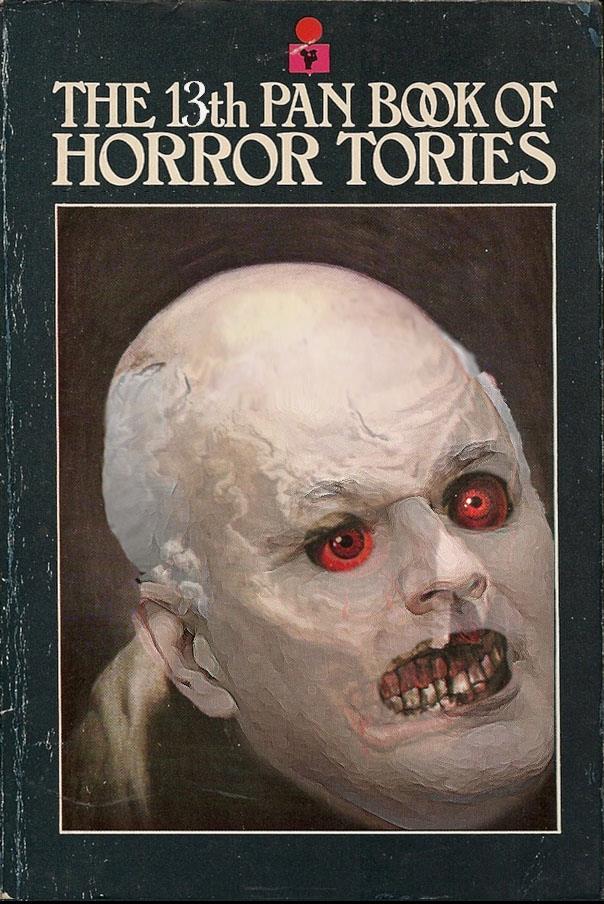
I can see where Cameron thinks he’s coming from with his recent claims of “divine inspiration”. Cameron’s social policies may certainly be regarded as a codified version of the Malleus Malificarum (The Hammer of the Witches).

His ideology is founded on principles similar to those found in Commentarius de Maleficius. There are some uncanny similarities between such legal treatises on witchcraft and the Tory Welfare “Reform” Act, especially regarding the establishing of entitlement to benefits.

“Christians are now the most persecuted religion around the world. We should stand up against persecution of Christians and other faith groups wherever and whenever we can,” says the Prime Minister.

Contrary to what you said, Christians have often been the persecutors, rather than the persecuted, Mr Cameron.

witch-hunt is a search for witches or evidence of witchcraft, often involving carefully manufactured public moral panics. This is a manipulated intense feeling expressed in a population about an issue that appears to threaten the social order. Or in this case, that mythical beast of burden – the right-wing tax payer. Tories are moral entrepreneurs, who have despicably used the media to transform the poorest and most vulnerable social groups into folk devils. Conservatives have always created social tension and ensured that criticism and disagreement are difficult because the matter at the centre of such controversies are taboo.

The right-wing media have aided and abetted the Tories, who have long operated as agents of moral indignation. I can see a very clear, common framework of reference for prejudice and persecution here, Mr Cameron.

Proofs of practising witchcraft in Commentarius de Maleficius read a lot like Techniques of Neutralisation, (Sykes and Matza). The first “proof” is the identification of the “diabolical mark”. Usually, this was a mole or a birthmark. If no such mark was visible, the examiner would claim to have found an invisible mark. Or invent statistics. It seems using physical characteristics as an opportunity and excuse to persecute a social group is no new thing then, in the name of “God”, Mr Cameron. As you know.

The “diabolical pact” was an alleged pact with Satan to perform evil acts in return for rewards. Benefit “Fraud” is the new diabolical pact. Thus spake the grand inquisitor Iain “de Torquemáda”  Duncan Smith.

Mr Duncan Smith claims to know of many invisible families with generations of witches, and feels the need produce imaginary statistics and to take measures to “prevent” this invisible culture of entitlement. To be afraid during the interrogatories is a sure sign of guilt.

This is called being Condemned by the condemners – it’s a formula ensuring an abdication of all responsibility for behaviour, and instead the condemned point to the people condemning them: they  are the problem, not us. What they have done “wrong” excuses persecution, appalling and unforgivable political behaviour and policies.

Denying harm is another technique of neutralisation, which is evident in words like ‘support’, help’, which the Tories use to mask the fact that their blatantly punitive welfare policies are absolutely draconian, with sanctions, for example, involving the withdrawal of the means for citizens to meet their basic survival needs.

Mr Cameron, in 1540: Antonio Venegas de Figueroa, Bishop of Pamplona, sent a circular to the priests in his diocese, explaining that witchcraft was a false belief. He recommended medical treatment for those accused of witchcraft, and blamed the ignorance of the people for their confusion of witchcraft with medical conditions. Didn’t you get the memo?

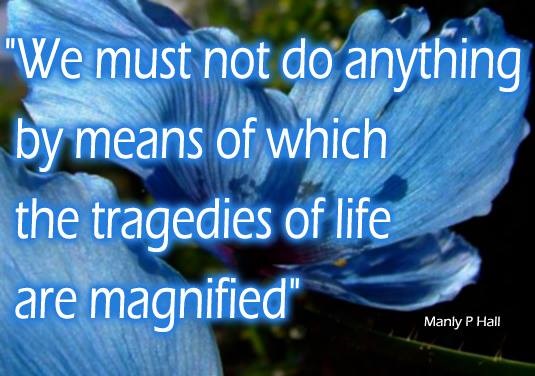
…..For the extraordinarily evil and cruel are always with us.

Manly P Hall

Satirical swipes aside, Cameron’s deluded and quite alarming declaration that “divine inspiration was at work when it came to drafting a key concept for Conservative Party policy” is founded on the Tory affinity with hierarchies and social stratification – and this is reflected in the appeal to “higher authority”. Of course, much of our religious organisation is extremely hierarchical too. This is Cameron’s version of psychobabble, a warped and inverted idea of noblesse oblige, he’s clearly close to meltdown.

And what utter moral cowardice, Cameron’s claim is an attempt to endorse Tory policy by partially disowning responsibility for it himself. It’s obvious that Tory policies have not arisen from anything remotely resembling an “intelligent design”, from a Christian deity or otherwise.

Marx said that: “Religion is the sigh of the oppressed creature, the heart of a heartless world, and the soul of soulless conditions. It is the opiate of the people”.  Yes, and for Cameron and his ilk, social control and moral codification is an attractive feature of religion. And aligning with a doctrine that makes a virtue of virtue, Cameron is attempting to add legitimacy to his unchristian and uncharitable “reforms”.

The Puritan work ethic has long considered indispensable for right wing political ideologues. Protestantism offers a concept of the worldly “calling,” and gives worldly activity and ruthless profiteering a religious character. 

Max Weber’s The Protestant Ethic and the Spirit of Capitalism is a study of the relationship between the ethics of ascetic Protestantism, (which embodies values such as thrift, self help, and hard work) and the emergence of the spirit of modern capitalism.

Weber observed a correlation between being Protestant and being involved in business, and went on to explore religion as a potential cause of modern economic conditions. He concluded that the modern spirit of capitalism sees profit as an end in itself, and pursuing profit as virtuous.

Calvinism promoted the idea that profit and material success as signs and cues of God’s favour. Other religious groups, such as the Pietists, Methodists, and the Baptist sects had similar attitudes, but to a lesser degree. Weber proposed that that this new attitude broke down the traditional economic system, paving the way for modern capitalism, and once capitalism emerged, the ethic took on a life of its own. We are now locked into the spirit of capitalism.

Weber doesn’t exactly argue that Protestantism caused the capitalist spirit, but rather, that they are correlated. He also acknowledges the converse: that capitalism itself had an impact on the development of the religious ideas. It’s a teleology (a doctrine explaining phenomena by final causes) that would appeal to Cameron for obvious reasons.

Cameron clearly hasn’t spotted the gaping contradictions in what he claims. His cognitive dissonance arises from the fact that while he claims to hold true a predestination doctrine – that God has ordained all that will happen, especially with regard to the salvation of some and not others, (particularly associated with the teachings of St Augustine of Hippo and of Calvin), this contradicts Cameron’s beliefs that are evident in his “reforms” for the poor – which are based on the premise that the poor are responsible for their own circumstances, and may be “helped”, coerced, sanctioned and legislated into somehow different “choices” and circumstances.

Cameron fails to reconcile his apparent belief in predestiny with his punitive, welfare “reforms” apparently designed to coerce socially “responsible” citizens into work. 

You can’t argue from a perspective of predetermination that only poor people are responsible for their actions and situations of poverty – that only poor people have a degree of free will – and then go on to formulate punitive policies based on notions of “deserving” and “undeserving” poor people, and a redistribution of wealth from the poorest to the wealthiest. AND claim you believe in God. With a straight face.  

The stunning hypocrisy and incoherence of Cameron’s claim to “divine inspiration” for such uncharitable, unkind, inhumane, persecutory and malevolent deeds as the welfare “reforms”, when empathy and compassion are so widely regarded to be central to Christianity, amongst a diverse range of religions and world-views, demonstrates only too well that Cameron lacks the integrity, depth, basic empathy and regard for others that is crucially required of a leader. He has absolutely no conscience, compassion, remorse or shame.

12787_401370889932445_1764534847_n
  Pictures courtesy of Robert Livingstone

The coming Corporatocracy and the death of democracy

923022_488684277867772_33457858_n
“Fascism should more appropriately be called Corporatism because it is a merger of state and corporate power.”
Benito Mussolini.

“The real corruption that has eaten into the heart of British public life is the tightening corporate grip on government and public institutions – not just by lobbyists, but by the politicians, civil servants, bankers and corporate advisers who increasingly swap jobs, favours and insider information, and inevitably come to see their interests as mutual and interchangeable… Corporate and financial power have merged into the state.”Seumus Milne.

The Conservative privatisation programme has been an unmitigated failure. We have witnessed scandalous price rigging, and massive job losses, decreased standards in service delivery and a disempowerment of our Unions. But then the Tories will always swing policy towards benefiting private companies and not the public, as we know. In Britain, privatisation was primarily driven by Tory ideological motives, to “roll back the frontiers of the State”. The “survival of the fittest’ Conservative social policies are simple translations from the “very privileged survival of the wealthiest at all cost” and “profiteering for Tory donors and sponsors'” economic ideology.

Consider, for example, who the beneficiaries of Tory workfare policy are. Despite spectacular failure in “helping people into work”, these schemes persist. In 2012, the National Institute of Economic and Social Research (NIESR) reviewed the DWP’s impact assessment into how its “mandatory work programme” was working. Former Cabinet Office chief economist and NIESR director Jonathan Portes wrote: “Whatever your position on the morality of mandatory work programmes like these – the costs of the programme, direct and indirect, are likely to far exceed the benefits.”

“At at time of austerity, it is very difficult to see the justification for spending millions of pounds on a programme which isn’t working.”

So we ask ourselves who benefits from this “scheme”. Big business does of course. They get free labour, funded by the tax payer, to maximise profits. The service providers also benefit. What this means is that the money “saved”’ in public sector cuts has been used to subsidise some of this Country’s richest companies, and they have been provided with free labour from a reserve of State induced unemployment. Workfare is nothing less than the gross exploitation of the economic victims of this Government.

The apparent Conservative desire for wider share ownership in some instances of privatisation was certainly intended to make the privatisation reforms difficult to reverse: it would make them very expensive to reverse, but also, it’s partly because re-nationalisation risks alienating the critical middle class swing voters in the electorate, quite apart from the fiscal implications.

Private ownership is considered by the Tories as one of the better ways of reducing the power of the trades unions, and with it the perceived support for the opposition Labour Party. Indeed, creating counterweights to the perceived and mythologised “monolithic” unions meant that inadequate attention was given to dispersed control and competition, evident in the early utility privatisations of telecoms and gas, for example.

Privatisation and liberalisation are distinct policies, whilst it is possible (and common) to privatise services without liberalising, it is less often understood that one can liberalise without privatisation.

For example, it is quite common for gas and electricity distribution networks to be municipally owned, with private ownership elsewhere. After the collapse of Railtrack, the British Government created Network Rail, a not-for-profit-distribution public-private partnership, a quasi-commercial public entity that is a compromise between the desire to renationalise and a desire to keep the debt off the public sector’s balance sheet.

Roads are almost entirely in public ownership while transport services are almost entirely privately supplied. The main case for privatising networks like the power grid is that they can be more effectively exposed to profit-related incentives, while at the same time clarifying the nature of regulation, and separating the regulatory and ownership functions.

Of course the alternative view is that the state can better pursue its interests [on behalf of citizens] by direct control through ownership than by indirect control through regulation. Tory privatisation has been a total failure. It’s entirely ideologically driven.

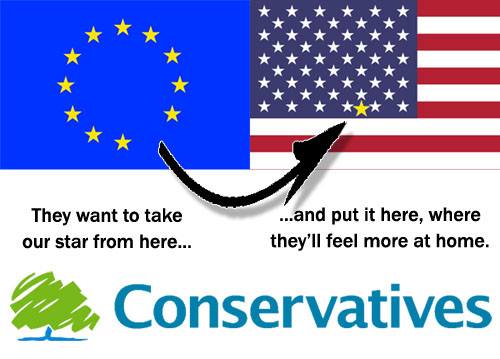
The Conservatives are endorsing the Trans Pacific Partnership (TPP) and the Transatlantic Trade and Investment Partnership (TTIP) , which will enshrine the rights of Corporations under International Law, and restrict future governments in overturning the changes through the threat of expensive legal action. These are the largest trade agreements in history, and yet they are NOT open for review, debate or amendment by Parliaments or the public. This agreement will shift the balance of power between Corporations and the State – effectively creating a Corporatocracy. It will have NO democratic foundation or restraint whatsoever. The main thrust of the agreement is that Corporations will be able to actively exploit increased rights in the TPP and TTIP to extend the interests of the corporation, which is mostly to maximise their profits.

Human rights and public interests won’t be a priority. Six hundred US corporate advisors have had input into this trade agreement. The draft text has not been made available to the public, press or policy makers. The level of secrecy around this agreement is unparalleled. The majority of US Congress is being kept in the dark while representatives of US corporations are being consulted and privy to the details.

A major concern is that many of the regulations likely to be affected under TTIP are designed to protect our health and the environment by setting safe levels of pesticides in food and chemicals in our toiletries and household cleaning products for example. These safeguards will be eroded or eliminated, potentially exposing people to greater risks of unsafe, unregulated commercial goods to support  the interests of multinationals.

In November, WikiLeaks published a draft chapter of the agreement – and the reasons for secrecy became clear. The draft confirms our fears that this agreement tips the balance of power between Corporations and the State and citizens firmly in favour of Corporations.

The Transatlantic Trade and Investment Partnership includes a particularly toxic mechanism called investor-state dispute settlement (ISDS). Where this has been forced into other trade agreements, it has allowed big global corporations, already with too much power, to sue Governments in front of secretive arbitration panels composed of corporate lawyers, which bypass our domestic courts and override the decisions of parliaments and interests of citizens. Not that this would be a particular issue in the case of the UK, with the Government always favouring policies that promote the interests of such powerful businesses at the expense of the public, anyway. But this mechanism would also remove any chance whatsoever of public interests being a consideration in the decision-making process  In short, it will bypass what remains of our democratic process completely.

We have seen already that this mechanism is being used by mining companies elsewhere in the world to sue governments trying to keep them out of protected areas; by banks fighting financial regulation; by a nuclear company contesting Germany’s decision to switch off atomic power. After a big political fight we’ve now been promised plain packaging for cigarettes. But it could be anexed by an offshore arbitration panel. The tobacco company Philip Morris is currently suing the Government in Australia through the same mechanism in another treaty.

In the UK, we already have a highly corporatised Government. These agreements will suppress internet freedom, restrict civil liberties, decimate internal economies, stop developing countries distributing the lowest cost drugs, endanger public healthcare, and hand corporations the right to overturn decisions made by democratic governments in the public interest.

The chief agricultural negotiator for the US is the former Monsanto lobbyist, Islam Siddiqui. If ratified, the TPP would impose punishing regulations that give multinational corporations unprecedented rights to demand taxpayer compensation for policies that corporations deem a barrier to their profits.

It seems to me that our Government has been paving the way for this shortcut to corporocratic hell since they took Office. If you want an idea of what kind of socio-political changes the outlined Agreements will entail, J P Morgan gave us a chilling preview, earlier this year. What J P Morgan made clear is that “socialist” and collectivist inclinations must be removed from political structures; localism must be replaced with strong, central, authority; labour rights must be removed, consensus politics [that’s democracy] must cease to be of concern and the right to protest must be curtailed.

This is an agenda for hard right, corporatist government.

Say goodbye forever to your human rights, to democracy, and to the environment.

252299_486936058042594_609527550_n
Pictures courtesy of Robert Livingstone

scroll2

Please ask your MP to sign the EDM:

TRANSATLANTIC TRADE AND INVESTMENT PARTNERSHIP

Session: 2013-14
Date tabled: 26.11.2013
Primary sponsor: Lucas, Caroline
Sponsors: Meale, Alan Caton, Martin Hopkins, Kelvin Corbyn, Jeremy Flynn, Paul

That this House is concerned about the inclusion of investor-to-state dispute settlements in the Transatlantic Trade and Investment Partnership (TTIP); notes that their inclusion would enable foreign investors to file complaints against a national government whenever investors perceive a violation of their rights and that these complaints are filed directly to international arbitration tribunals and completely bypass national courts and the judicial system; believes there is a real risk that these provisions in the TTIP could overturn years of laws and regulations agreed by democratic institutions on social, environmental and small business policy on both sides of the Atlantic and is of the view that the Government’s assertions about the economic benefits of the trade deal are questionable; further believes that any transatlantic partnership implies a relationship based on mutual trust, respect and shared values, something that the ongoing revelations about US secret services’ surveillance of EU citizens and public representatives up to the highest level has shown to be gravely lacking; therefore calls for investor-to-state dispute settlements to be removed from the TTIP; and further calls on the Government to push for talks on the partnership agreement to be frozen immediately, in order to allow for a full public debate and Parliamentary scrutiny from both Houses of Parliament with a view to establishing whether full transparency and fundamental EU rights and rules can be guaranteed.

Early day motion 793

The Alternative Trade Mandate Alliance (and the Corporate Europe Observatory), which has just been launched, is a European alliance of over 50 civil society organisations. It forwards a proposal to make EU trade and investment policy work for people and the planet, not just the profit interests of a few.

EU – wide campaign to make Trade/Investment Policies work for People not Corporations

Further reading:

The lies behind this transatlantic trade deal

How the EU is making NHS privatisation permanent

THE SECRET TRADE AGREEMENT ABOUT TO COMPLETE THE CORPORATE TAKEOVER OF DEMOCRACY 

Osborne’s bid to end democracy by the back door


welfare reforms and the language of flowers: the Tory gender agenda

994596_517805604955639_608589568_n

In all places, then, and in all seasons,
Flowers expand their light and soul-like wings,
Teaching us, by most persuasive reasons,
How akin they are to human things.” – Henry Wadsworth Longfellow’s Flowers from Voices Of the Night

Ring-a-ring-a-roses,
A pocket full of posies;
Ashes! Ashes!
We all fall down – Traditional

Part one

The axis of marginalisation

George Bernard Shaw immortalised the Victorian East End flower girls in Eliza Doolittle, in his play “Pygmalion.” The play is a sharp lampoon of the rigid British class system of the day and must also be read as a commentary on women’s striving for independence. The play was subsequently adapted numerous times, most notably as the highly romanticised musical “My Fair Lady” (and the film, starring Audrey Hepburn). But there was a historical reality behind Shaw’s fiction that was far less glamorous, he edited out genuine representation of so many miserable lives filled with a constant, dehumanising, gnawing ache of absolute poverty and oppression.

Assumptions about women’s roles have historically shaped public policy. And they still do. Historically the Victorian era was a time of many contradictions, such as the widespread cultivation of an outward appearance of dignity, a strict social code of conduct and prudish sexual restraint together, with the prevalence of social phenomena such as prostitution and child labour. Hardly surprising that an affluence of social movements arose from attempts to improve the prevailing harsh living conditions for so many under a rigid class system.

The Victorian era was founded on optimistic Modernist notions of progress, but it ought to serve as a historical lesson in the social evils of Elitism, the Victoran Era saw great expansion of wealth and  power that was  not shared or “trickled down” in the slightest. But it seems we never learn. Victorian Britain was a land of laissez-faire capitalism and self-reliance. Government regulation was minimal and welfare was left mostly to charity.

At the same time that explicit erotica was beginning to appear in newspapers, emotions and sexual feelings were expressed by means of cryptological communications through the use or arrangement of flowers. “Talking bouquets” called “nosegays” or “tussie-mussies” were used to send coded messages to the recipient, allowing the sender to express feelings that could not be spoken out loud in Victorian society.

The language of flowers was used by women to speak for women at a time when women often were discouraged from speaking for themselves in society. In the UK, (and the US) the language of flowers was a popular phenomenon and was traditionally associated with Victorian womanhood ideals for women to be pious, pure, domestic, and submissive to their husbands.

When a woman married, she had no independent legal status. She had no right to any money (earned or inherited), she could not make a will or buy property, she had no claim to her children, she had to move with her husband wherever he went. If her husband died, he could name the mother as the guardian, but he did not have to do so.

During Victoria’s reign, Britain was also ruled by an aristocratic elite that excluded democrats, radicals, and workers. The Government was not fully representative, since in 1832, only 20 percent of the population could fulfil the property qualifications to vote.

The Victorian era is almost synonymous with the ideology of “great men” – “outstanding” male individuals, whose features and life stories fill the National Portrait Gallery (founded 1856) and the patriarchal Dictionary of National Biography (launched 1882) while their exploits were hymned in key texts like Thomas Carlyle’s Heroes and Hero Worship (1841) and Samuel Smiles’s Self-Help (1859).

Throughout the era, “masculine” values of action, courage and endeavour supported military campaigns and commercial expansion. Women were allotted a subsidiary role, with patience and self-sacrifice the prime feminine virtues, and central to their domestic roles. Motherhood was idealised, alongside virginal innocence, but women were subject to pervasive denigration.

Towards the end of the century, strident misogyny was still strong in both popular fiction and academic writing – but as loudly as female inferiority was declared immutable, women everywhere began to demonstrating otherwise, challenging the axis of patriarchy, and the architects of their marginalisation.

Patterns of patriarchal authority were reinforced by social philosophers like Auguste Comte, Arthur Schopenhauer, Herbert Spencer, Pierre-Joseph Proudhon and John Ruskin, this developed into a mid-century doctrine of “separate spheres” –  men were figured as competitors in the amoral, economic realm while women were positioned as either decorative trophies or spiritual guardians of men’s immortal souls.

From the 1860s, social construction of the the Darwinian theory of “survival of the fittest” (a phrase coined by sociologist, Herbert Spencer, not Darwin) added a pseudo-scientific dimension which placed men higher on the evolutionary ladder. This theory of evolutionary ethics is an attempt to derive morality from “biological laws”, and is based on the general doctrine of evolution connected to Darwin.  Malthus’ Essay on Population (1766-1834) was another significant influence on Victorian attitudes.

The mid-century was notable for its moral panic over prostitution, which developed – despite a “permissive” interval in the 1860s – into demands for male chastity outside marriage. At the end of the era, a socially shocking topic was that of the virginal bride (and her innocent offspring) infected with syphilis by a sexually experienced husband. But during the Victorian era, the concept of pater familias, meaning the husband as head of the household and moral leader of his family, was firmly entrenched in British culture.

It was women that were perceived as unclean and this perception was worsened through the First Contagious Diseases Prevention Act in 1864. Women suspected of being unclean were subjected to an involuntary genital examination. Refusal was punishable by imprisonment; diagnosis with an illness was punishable by involuntary confinement to hospital until perceived as cured.

The disease prevention law was only ever applied to women, which became the primary rallying point for activists who argued that the law was both ineffective and inherently unfair to women. The examinations were inexpertly performed by male police, women could be suspected based on little or no evidence, and the exams were painful and humiliating. After two extensions of the law in 1866 and 1869 the unjust acts were finally repealed in 1886.

Bringing together political and personal demands for equality, the slogan: “Votes for Women, Chastity for Men” was coined. Feminist ideas spread among the educated female middle classes,  and the women’s suffrage movement gained momentum in the last years of the Victorian Era.

In addition to losing money and material goods to their husbands, Victorian wives became property to their husbands, giving them rights over their bodies and what their bodies produced; children, sex and domestic labour. Marriage abrogates a women’s right to consent to sexual intercourse with her husband, giving him ownership. Their mutual matrimonial consent therefore became a contract of surrendered autonomy for women.

While husbands quite often participated in affairs with other women, wives endured infidelity as they had no rights to divorce on these grounds and their divorce was considered to be a social taboo. Even following divorce, a husband had complete legal control over any income earned by his wife; women were not allowed to open banking accounts.

The context for such oppression was set around a century and a half ago, a few years before Queen Victoria ascended the throne, a Royal Commission of Parliament proposed a major reform of the Poor Law. The bastardy clauses of the New Poor Law of 1834 outlined that “women bear financial responsibilities for out-of-wedlock pregnancies.” In 1834 women were made legally and financially supportive of their illegitimate children.

It was a Conservative and Liberal project – largely influenced by Thomas Robert Malthus and disseminated by the 1834 Poor Law Report from His Majesty’s Commissioners for Inquiring into the Administration and Practical Operation of the Poor Laws and such novelists as Harriet Martineau – asserting that poverty arose from overpopulation and that women more so than men were responsible for determining demographic growth. (Yes, really).

Single mothers and their out-of-wedlock children represented the worst violators of independence and individualism, and the centuries-old welfare provisions offered them among the worst obstacles to a free market.

Radical critics perceived in the bastardy clauses a challenge to traditional notions of protecting society’s weak and of allowing the working class the “right” to receive parish and charitable aid. Furthermore, critics recognised that the sexual double standard inherent in the new clauses revealed the ideology of Liberalism: the Liberal system magnified rather than minimised the advantages enjoyed by society’s enfranchised and the disadvantages experienced by society’s weakest members.

The Commissions report, presented in March 1834, was largely the work of two of the Commissioners, Nassau Senior and Edwin Chadwick. The report took the outline that poverty was essentially caused by the indigence of individuals rather than economic and social conditions. Paupers claimed relief regardless of his merits: large families got most, which encouraged improvident marriages; women claimed relief for bastards, which encouraged immorality; labourers had no incentive to work; employers kept wages artificially low as workers were subsidised from the poor rate. (Aha, the Daily Mail and déjà vu)

The New Poor Law of 1834 was based on the “principle of less eligibility,” which stipulated that the condition of the “able-bodied pauper” on relief  be less “eligible” – that is, less desirable, less favourable – than the condition of the independent labourer. “Less-eligibility” meant not only that the pauper receive less by way of relief than the labourer did from his wages but also that he receive it in such a way (in the workhouse, for example) as to make pauperism less respectable than work – to stigmatise it. Thus the labourer would be discouraged from lapsing into a state of “dependency” and the pauper would be encouraged to work.

The Poor Law “made work pay”, in other words.

Did I hear a collective, weary sigh, heavily laden with a strong sense of déjà vu? The parallels to be drawn here are no coincidence.

540695_532291630173703_1425159679_n (1)

Part two

The Tory motto: the more things change, the more they stay the same

The Victorian era has made a deep impact upon Tory thinking, which had always tended towards nostalgia and tradition. Margaret Thatcher said that during the 1800s:

Not only did our country become great internationally, also so much advance was made in this country … As our people prospered so they used their independence and initiative to prosper others, not compulsion by the state.

There she makes an inference to the twin peaks of callous laissez-faire and the mythical “trickle down” effect. Yet history taught us only too well that both ideas were inextricably linked with an unforgivable and catastrophic increase in destitution, poverty and suffering for so many, for the purpose of extending profit for a few.

Writing in the 1840s, Engels observed that Manchester was a source of immense profit for a few capitalists. Yet none of this significantly improved the lives of those who created this wealth. Engels documents the medical and scientific reports that show how human life was stunted and deformed by the repetitive, back breaking work in The Condition Of The Working Class In England. Constantly in his text, we find Engels raging at those responsible for the wretched lives of the workers. He observed the horror of death by starvation, mass alienation, gross exploitation and unbearable, unremitting poverty.

The great Victorian empire was built whilst the completely unconscientious, harsh and punitive attitude of the Government further impoverished and caused so much distress to a great many. It was a Government that created poverty and also made it dishonourable to be poor.

Whilst Britain became great, much of the population lived in squalid, disease-ridden and overcrowded slums, and endured the most appalling living conditions. Many poor families lived crammed in single-room accommodations without sanitation and proper ventilation.

That’s unless they were unlucky enough to become absolutely destitute and face the horrors of the workhouse. It was a country of startling contrasts. New building and affluent development went hand in hand with so many people living in the worst conditions imaginable.

Michael Gove has written:

For some of us Victorian costume dramas are not merely agreeable ways to while away Sunday evening but enactments of our inner fantasies … I don’t think there has been a better time in our history”  in “Alas, I was born far too late for my inner era.

A better time for what, precisely? Child labour, desperation? Prostitution? Low life expectancy, disease, illiteracy, workhouses? Or was it the deferential protestant work ethic reserved only for the poor, the pre-destiny of the aristocracy, and “the rich man in his castle, the poor man at his gate”?

In a speech to the CBI, George Osborne argued that both parties in the coalition had revitalised themselves by revisiting their 19th-century roots. When Liberal Democrat David Laws gave his first speech to the Commons as the secretary to the Treasury, Tory MP Edward Leigh said: “I welcome the return to the Treasury of stern, unbending Gladstonian Liberalism”, and  Laws recognised the comparison to the Liberal prime minister,and said:

I hope that this is not only Gladstonian Liberalism, but liberalism tinged with the social liberalism about which my party is so passionate.

The Coalition may certainly be described as “stern and unbending,” if one is feeling mild and generous.

I usually prefer to describe them as “authoritarian”.

We know that the 19th-century Conservative party would have lost the election had it not been rescued by Benjamin Disraeli, a “one nation” Tory who won working-class votes only because he recognised the need and demand for essential social reform. Laissez-faire, competitive individualism and social Darwinism gave way to an interventionist, collectivist and more egalitarian paradigm. And there’s something that this Government have completely missed: the welfare state arose precisely because of the social problems and dire living conditions created in the 19th century.

The 19th century also saw the beginnings of the Labour Party. By pushing against the oppression of the conservative Victorian period, and by demanding reform, they built the welfare state and the public services that the current Government is now so intent on dismantling.

During the Victorian era, oppression of women was embedded deeply in psychic, political and cultural processes. It’s quite easy to see how some feminists came to attribute the characteristics of violence and hierarchical authoritarianism to men.

However, whatever claims we make as truths of our biological “natures”, the is/ought distinction highlights our (degree of) autonomy and emphasises our moral responsibilities and choices regarding social organisation, also. In this respect, debating the fundamentals of sex-based attributes and gender stereotypes is futile, because we have ethical and social obligations that transcend bickering about “biological facts.” The traditional binary opposition between “equality”and “difference” is a damaging one, especially in assessing the debate in terms of social rights and needs.

The welfare reforms present a particular challenge to the financial security and autonomy of women. The “reforms” have been strongly influenced by (a particular form of) economic modelling, and do not take into account the lived experiences or the impact of the cuts on those targeted. Conservative ideology also informs the reforms and the Government uses out-of-date model of households and concern about “dependency” on state, not within families.

The form of modelling depopulates social policy, dehumanises people, and indicates that the Tory policy-makers see the public as objects of their policies, and not as human subjects. We therefore need to ask whose needs the “reforms” are fulfilling.

Our welfare system has brought the UK a high degree of social and income equality. Economists, it seems, disagree on the effect that inequality has on economic growth, however. Some argue that it promotes growth, others insist that it’s a barrier, but very tellingly, most would like to live in a country with a high degree of income equality as one of the main indicators for a high score on the human-development index.

In developed Liberal democracies, the state plays a key role in the protection and promotion of the economic and social well-being of its citizens. It is based on the principles of equality of opportunity, equitable distribution of wealth, and public responsibility for those unable to avail themselves of the minimal provisions for an acceptable quality of life.

The welfare state is funded through redistributionist taxation. Such taxation usually includes a larger income tax for people with higher incomes, called a progressive tax. This helps to reduce the income gap between the rich and poor.

The UK Government’s welfare “reform” programme represents the greatest change to benefits biggest changes to welfare since its inception. These changes will impact the most vulnerable in our society. In particular, women rely on state support to a greater extent than men and will be disproportionately affected by benefit cuts.

Former Conservative leader Iain Duncan Smith (who didn’t manage to lead his party to an election due to losing a motion of no confidence) is largely responsible for this blitzkreig of apparent moral rigour, a right wing permutation of “social justice” rhetoric and harsh Victorian orthodoxy.

The Government asserts that its welfare “reform” strategy is aimed at breaking the cycle of “worklessness” and dependency on the welfare system in the UK’s poorest families. Poor Law rhetoric. There’s no such thing as “worklessness,” it’s simply a blame apportioning word, made up by the Tories to hide the fact that they have destroyed the employment market, as they always do.

The strategy fails to explicitly acknowledge the link between women’s poverty and child poverty, it fails to provide the supports needed in terms of flexible childcare and flexible working that women with children need in order to work, and it sets the “blame” for poverty squarely at the feet of the UK’s most disadvantaged families, stigmatising them further and pushing them deeper into poverty as an ideologically-driven means of “freeing” them from poverty.

The “reforms” (cuts) consist of 39 individual changes to welfare payments, eligibility, sanctions and timescales for payment and are intended to save the exchequer around £18 billion. How remarkable that the Department of Work and Pensions claim that such cuts to welfare spending will “reduce poverty.

There’s nothing quite so diabolical as the shock of the abysmally expected: the brisk and brazen Tory lie, so grotesquely untrue. Such reckless rhetoric permeates Government placations for the “reforms”. The “reforms” were hammered through despite widespread protest, and when the House of Lords said “no“, the Tories deployed a rarely used  and ancient parliamentary device, claimed “financial privilege” asserting that only the Commons had the right to make decisions on bills that have large financial implications.

Determined to get their own way, despite the fact no-one welcomed their policy, the Tories took the rare jackbooted, authoritarian step to direct peers they have no constitutional right to challenge the Commons’ decisions further. Under these circumstances, what could possibly go right?

Recently the Government effectively abolished the Child Support Agency. Very quietly. With immediate effect it is replaced, in part, by the Child Maintenance Service (CMS). This will cover new arrangements for separated and divorced families where two or more ­children are involved – and will ultimately cover all separated families.

Closure of around one million existing cases starts next year. At which point, if families want to join the new CMS, they need to reapply, start from scratch and pay an initial £20 fee.

The most controversial measure is the introduction of charging for use of the service, which is being held back until 2014. Parents will be encouraged to bypass the CMS altogether and make their own arrangements.

The Government’s own analysis shows that one in 11 – 100,000 – families will drop out of the system entirely and stop getting maintenance for their children rather than go through the stress of ­reapplying.

Gingerbread, an organisation that campaigns for lone parent families have already pointed out that in such tough financial times, any missed payments could have a serious impact on children.

Whilst the Government claim that “encouraging parents to agree terms” regarding supporting children is a positive move, it doesn’t take a genius to work out that if such negotiations came with ease, then couples with children wouldn’t separate in the first place, surely.

There is already provision in the law for encouraging divorcing  parents to reach an “agreement of terms”. There will usually be a family court adviser from the Children and Family Court Advisory and Support Service (Cafcass) to support with parents via mediation, including reaching agreements about child maintenance.

And what of those relationships that have been abusive – where one partner has fled domestic violence, for example?

According to Home Office figures, 1.2 million women reported that they experienced domestic abuse last year in the UK, including half a million victims of sexual assault.

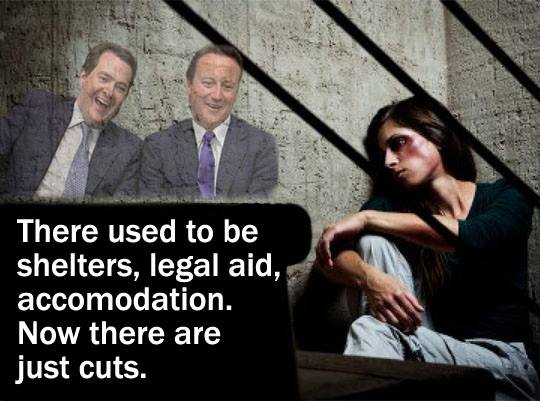
Traumatised women who have just left violent partners, and whose children are distressed, have little respite from the Government imposed obligation to attend “work-focussed interviews” as a condition of getting money to live on. When claimants miss Jobcentre appointments and “work-focussed interviews”, they are sanctioned and lose their benefit, and the Housing Benefit which pays for a refuge place stops too.

Citizens Advice has reported a substantial increase in the number of people telling advisers they are victims. Their figures reveal that 13,500 people – 80% of them women – reported domestic violence to Citizens Advice last year.

There were 3,300 reported incidents between October and December 2012, an 11% increase on the same period the previous year. More than 30% of women have suffered domestic violence.

Convictions for domestic violence rose to 74% of prosecutions in the year leading up to  to March – not far behind the average for other violent crime and up from 60% in 2005-6. At the same time the rape conviction rate was 63.2%, up from 62.5% last year. Ten years ago rape conviction rates were not recorded by the CPS.There is a hidden epidemic of abuse undermining decades of progress in the women’s liberation movement.

Obtaining legal assistance for cases of domestic violence is now much more difficult that it was last year. The legal aid budget is being cut by £350 million a year. With 57% of recipients of legal aid being women, thousands will find themselves without the means to get representation. It has been estimated that 54% of women suffering from domestic violence would not qualify for legal aid. That is unacceptable.

The Everywoman Safe Everywhere Commission, chaired by former Labour MP Vera Baird, says:

Just as there is now overwhelming evidence that women have borne the brunt of the economic recession so too it is clear the services designed to keep them safe are now under threat too.

The Commission found services offering help and ­counselling to abused wives and girlfriends have had their funding cut by 31% since May 2010. As a result women’s refuges are facing closure or having to cut services. There is also a real fear that cuts to housing benefit mean many will not be able to claim help towards staying in a refuge. 

Research by Shelter and Cambridge University suggests that the reforms will in fact cost more in terms of the extra strain on local authorities, such as homeless accommodation services, and the National Health Service.

Income Support, Child Benefit and Child Tax Credit for lone parents will be reduced and lone parents will now face new sanctions if they do not find work promptly. They will only receive Income Support if their children are less than 5 years old. Lone parents whose children are older than 5 will have to apply for Job Seekers Allowance and find work regardless of local childcare opportunities.

Such difficult barriers to navigate ordinarily, but for someone enduring the trauma of abuse and fear, it is even more unacceptable to impose such punitive measureson such avery vulnerable social group.

Victims of domestic violence must now show medical evidence before they can qualify for legal aid in family cases. Women and children living with domestic violence may have to visit more than 13 different agencies to get the help they need. For some women the energy and resilience required to persevere and navigate complex services are understandably lacking.

Added problems are that many women are very afraid that their children may be taken into care, that they will be judged as poor parents; bad mothers. And they are right to be afraid.

I have heard professionals talk about women “choosing” to let a violent man back into the family home and expressing their opinion that her relationship with the violent man is obviously more important to her than her relationship with her children.

Yet their reality can be so very extreme and difficult to comprehend because of the utter desperation that these circumstances create – women have absolutely no choice when they have a knife at their throat, or the real and believable threat that the house will be set on fire and the children killed if she doesn’t allow her partner back in.

The risk of letting a violent partner back into the family home, even though this will mean facing daily violence and abuse and the possibility of your children being taken into care is less of a risk than not letting a violent partner back into the home. And we hear, almost on a weekly basis that “distraught” fathers/ husbands have killed or attempted to kill their partners and/or children.

Women also know from painful and bitter experience that the police, the courts, the women’s refuge, social services, the probation service cannot protect her or her children from a man who is determined, obsessive and relentless. Women who are killed by their partners or former partners almost always tell someone “he is going to kill me.” And how has that become normal, within our society?

Our response to domestic abuse, as professionals, as a society and as individual human beings is difficult to understand. We react strongly to reports of war crimes, of torture and institutional abuse and yet we tolerate the long term, unrelenting abuse of women and children in their own homes and blame and punish women when they cannot protect themselves or their children. And the Tory-led welfare processes further narrow the options for women and children experiencing domestic violence.

Refuges for women are reporting that their very existence is under threat from drastic changes to the UK’s welfare system. Without these vital services, more women will be at continued risk of abuse – or worse.

The housing benefit on which refuges depend is the lifeblood of the national network of services that keep women and children safe. But this vital source of income is now at risk. Many of refuges do not meet the official definition of “supported exempt accommodation,” which means that a lot of the women needing support will fall foul of the benefit cap rolled out in July.

This will be particularly damaging for women who pay two rents – one for the refuge they are living in temporarily, and the other for the home they have fled.

Women who move on from refuges and resettle in areas of high rent may also be plunged into debt as a result of the cap. Those who accumulate rent arrears may face eviction and be left with an impossible dilemma either to sleep rough or return to their violent partner.

The new universal credit scheme presents further problems for lone parents. Under this system, all benefit payments will go directly to one member of a couple. In cases of domestic violence, this could give perpetrators command of household income, further enabling them to control and isolate their partners.

One of the most devastating impacts of welfare reform has been the abolition of community care grants and crisis loans. These are two of the most crucial resources for women and children trying to rebuild their lives following abuse. For women moving to new, safe homes, these benefits enabled them to buy items such as beds and refrigerators. The local schemes that have been set up to replace them are underfunded and poorly managed, often providing food bank vouchers instead of cash.

One woman recently supported didn’t even have enough money to buy beds for her two small children. Another woman was delighted to secure a new home in a safe area, but was refused funding for furniture by her local scheme. When a refuge worker applied to children’s services on her behalf, their response was to offer to take her children into care. Is this really the kind of empowerment we must expect for victims of domestic violence who are struggling to forge new lives?

Local authorities are under enormous pressure to limit spending, and their response has been to prioritise funding for residents with a “local connection.” This move is deeply concerning, since women fleeing domestic violence frequently move great distances in search of safety.

One resident recently secured new housing in a different local authority from the refuge she had been staying in, but was refused funding assistance because she had did not qualify as a local resident.

The sum total of consequences of these new welfare processes is bleak. They are narrowing options for women and children experiencing domestic violence and threatening the survival of vital services like refuges.

Local and central Government must ensure that victims of domestic violence do not fall through the gaps in these reforms. Local authorities must train their staff in the complex dynamics and risks of abuse, so that every woman who needs support to rebuild her life is given professional, sensitive consideration, not subjected to a box-ticking exercise. Central government must ensure that refuges are included in the definition of supported exempt accommodation. This will help to protect funding for the network of safe houses that keep women and children safe across the country.

Domestic violence is a national problem. It is a problem that kills an average of two women every week. It is increasing, and we must not risk the reforms inflating this horrific statistic even further.

Gingerbread, the charity representing single parents, has campaigned against the “disproportionate” effects of the benefit cap on single parents who are not working. Families with a single parent make up three-quarters of those losing money in trials of the coalition’s £500-a-week benefit cap, new Government figures show.

Pilot schemes in four London areas discovered that 74% of people affected by the cap in its first few months were lone parents living with their children.

The effect on single parents in these areas has been found to be bigger than the national picture predicted in the Department for Work and Pensions’ impact assessment. It’s unfair that lone parents and their children should bear the brunt of the Government’s failure to address the underlying cause of housing benefit rises: the shortage of affordable housing and the greed of private landlords.

Fiona Weir, Gingerbread’s chief executive, said:

Thousands of young children from single-parent families will face deeper poverty, or the upheaval of having to move away from their family networks and communities as a result of this poorly conceived benefit cap.”

The Government has denied that its cap is aimed at forcing lone parents with young children to go back to work of course. Mark Hoban argued that the scheme is simply “designed to strengthen work incentives and create ‘fairness’ between those in work and those out of it”.

So Hoban and the Tories think that “fairness” is to impoverish lone parents and their children. The punitive approach to poverty didn’t work during the last century, it simply stripped the unfortunate of their dignity, and diverted people, for a while, from recognising the real cause of poverty. It isn’t about individual inadequacies: the poor do not cause poverty, but rather, Governments do via their policy and economic decision-making. Owen Jones recently claimed that “the political right is the inevitable, rational product of an unequal society”.

I disagree. Unequal society is and always has been the rational product of Conservative Governments. History shows this to be true. Tory ideology is built upon a very traditional feudal vision of a “grand scheme of things,” which is extremely and sharply hierarchical.

There are currently only 146 female MPs, out of a total 650 members of parliament. The Tories have only 48 female MPs and 256 male ones. To say that women are under-represented in parliament would be a gross understatement.

In an article titled “Gender Inequality and Gender Differences in Authoritarianism” by Mark J. Brandt and P.J. Henry, it is recognised that there is a direct correlation between the rates of gender inequality and the levels of authoritarian ideas in the male and female populations.

It was found that in countries with less gender equality where individualism was encouraged and men occupied the dominant societal roles, women were more likely to support traits such as obedience which would allow them to survive in an authoritarian environment, and less likely to encourage ideas such as independence and imagination.

In countries with higher levels of gender equality, men held more authoritarian views. It is believed that this occurs due to the stigma attached to individuals who question the cultural norms set by the dominant individuals and establishments in an authoritarian society, as a way to prevent the psychological stress caused by the active ostracising of the stigmatised individuals.

The private sphere is the part of our social life in which individuals enjoy a degree of authority, unhampered by interventions from Governmental or other institutions. Examples of the private sphere are our family, relationships and our home.

There has been an increasing intrusion by Government into the private domain, (the bedroom tax is a good example of this, since it affects our family sleeping arrangements and significantly reduces the choice of home we are permitted to live in) whilst at the same time, our participation in the public domain of  work, business, politics and ideas is being repressed, and we are once again being contained in the private domestic sphere.

The enforcement of the public/private divide was a significant feature of the Victorian Era, too. This divide reflects gendered spaces of men and women. The mantra of second wave feminism, “the personal is political,” signifies the first attempt to break down the gendered division between the private sphere attributed to women and the public sphere and freedoms of men.

In the course of history, women’s voices have been silenced in the public arena. We must therefore contest majoritarian conceptions of the public sphere, once again, that underpin traditional notions of gendered spaces, whilst we also vindicate a robust private sphere that protects minorities from quasi-majoritarian political assault.

For some of us Victorian costume dramas are not merely agreeable ways to while away Sunday evening but enactments of our inner fantasies … I don’t think there has been a better time in our history” – Michael Gove

God preserve us from the rigidly conservative and traditional inner fantasies that have spilled over into the policies of these lunatics, who have no regard, clearly, for human dignity, human rights and the equality of esteem and worth of all citizens.

Once again we see the most vulnerable bear the brunt of the ideologically-driven austerity measures. Welcome back to Victorian patriarchy. This Government refuse to listen, even worse, they go to great lengths to silence us, and they have not been reasonable.

But calm down dears, perhaps Cameron would be more responsive to a nice posy.
1st jan 2009


Equality impact assessments: the current legal position in UK

Government must show due regard, when developing new policies/processes, to their impact on race, disability and gender; Equality Act 2010 (April 2011) adds new categories

  •  Processes should be in place to help ensure that :

– strategies/policies/services are free from discrimination;
– departments comply with equalities legislation;
– due regard is given to equality in decision making etc.; +
– opportunities for promoting equality are identified

  •  Equality Impact Assessments: show impact on protected

– groups (including women) of proposed policy changes, to
– ensure that policies do what is intended and for everybody.

Coalition budget faces legal challenge from Fawcett Society over claims women will bear brunt of cuts

The Fawcett Society’s immediate response to the Chancellor’s 2013 Budget Statement

Government strategy – Preparing for the future, tackling the past -Child Maintenance – Arrears and Compliance Strategy 2012 – 2017

TUC Briefing: The Gender Impact of the Cuts

For help and advice about the  CSA changes: gingerbread.org.uk .

If you are experiencing domestic violence, the free 24-hour National Domestic Violence Freephone Helpline is: 0808 2000 247

Advice on domestic violence and Legal Aid eligibility – Rights of Women

Women’s Aid – The Survivor’s Handbook

Darren Hill: U.K Welfare Reform and the Youth Contract.

547145_195460507271672_1145852710_n
Thanks to Robert Livingstone for his superb art work

Quantitative Data on Poverty from the Joseph Rowntree Foundation.

377683_445086432227557_1770724824_n (1)

The minimum cost of living has soared by a quarter – 25% – since the start of the economic downturn, according to a report from the Joseph Rowntree Foundation, which details the true inflationary pressures facing low income households. The research finds families are facing an “unprecedented erosion of household living standards” thanks to rapid inflation and flat-lining wages.

Cuts to benefits and tax credits have exacerbated the problem over the past 12 months, according to the report. Now we are seeing the hard evidence that the Coalition’s “reforms” are pushing employed people in low paid work and unemployed people into absolute poverty, as our welfare system is no longer meeting basic living needs, and Government policy has distorted the original purpose of our social security, using rhetoric about costs to “the tax payer”, whilst carefully excluding the fact from their monologue that most benefit recipients are also tax payers.

A frightening consideration is that this report doesn’t include the latest round of benefit cuts – the very worst of them to date – that were implemented in April of this year. The report was produced prior to then, covering the period up to April, but doesn’t include it.

A quarter of households in the UK already fell short of the income required to reach an adequate standard of living – for them a 25% increase in costs intensifies the everyday struggle to make ends meet. The price of food and goods we need for an acceptable living standard has risen far faster than average inflation. This has combined with low pay increases to create a widening gap between income and needs.

The freeze in child benefit, the decision to uprate tax credits by just 1% and the increase in the cost of essentials faster than inflation mean that a working couples with children an  working lone parents will lose out, making a mockery of the Coalition’s claim of “making work pay”.

Over the past five years:

• Childcare costs have risen over twice as fast as inflation at 37%.
• Rent in social housing has gone up by 26%.
• Food costs have increased by 24%.
• Energy costs are 39% more.
• Public transport is up by 30%.

Some further shocking Key findings from the Poverty and Social Exclusion Project – The Impoverishment of the UK report reveals that:

• Over 30 million people (almost half the population) are suffering some degree of financial insecurity.
• Almost 18 million people cannot afford adequate housing conditions.
• Roughly 14 million cannot afford one or more essential household goods.
• Almost 12 million people are too poor to engage in common social activities considered necessary by the majority of the population.
• About 5.5 million adults go without essential clothing.
• Around 4 million children and adults are not properly fed by today’s standards.
• Almost 4 million children go without at least two of the things they need;
• Around 2.5 million children live in homes that are damp.
• Around 1.5 million children live in households that cannot afford to heat their home.

Since 2010, wages have been rising more slowly than prices, and over the past 12 months, incomes have been further eroded by cuts to benefits and tax credits. Ministers argue that the raising of the personal tax allowance to £10, 000 for low income households will help, however, the report says its effect is cancelled out by cuts and rising living costs.

I would add that for many who are low paid, and the increasing numbers of part-time workers, this political gesturing is meaningless. The policy only benefits those who earn enough to pay tax. Most of this group are affected by the benefit cuts – many have to claim housing benefit and council tax benefit, and they are therefore likely to be affected by the bedroom tax and the poll tax-styled reductions to benefits under the Localism Bill, to compound matters.

It has to be said that the greatest percentage change in net income from the personal tax free allowance of £10,000 is seen by those on the upper end of the income scale – not, as is often claimed, low earners. This does explain the policy. Increasing the personal allowance serves to increase the gap between the those on the lowest incomes and those on  middle range incomes, resulting in low income households falling further into poverty.

At the low paid end of salaried work there are a cohort of workers trapped in a cycle of very poorly paid, low – skilled work, zero hour contracts, with few, if any, employee rights. They tend to work for a few months here and there, in work that is often seasonal. There is no opportunity for saving money or hope of better employment prospects.

This group of workers tend to live hand to mouth from one pay day to the next, so have no opportunity to build a reserve when the contract ends, there is nothing in reserve.

The net result is that it is increasingly very difficult for low-to-middle income families to balance the weekly budget. There is now a widening gulf between public expectations of a minimum decent living standard and their ability to earn enough to meet it. I would add that the gap between low and middle income families is widening, and will continue to do so because of the impact of policies that have recently been implemented.

Welfare support is one of the hallmarks of a civilised society. All developed countries have such support for the vulnerable, and the less developed ones are striving to establish their own. Welfare states depend on a fair collection and redistribution of resources, which in turn rests upon the maintenance of trust between different sections of society and across generations. Most of us have paid for our own welfare.

It’s a common rhetorical trick for politicians is to talk about “looking after the tax payer.” However the reality is that they are often only really concerned with particular tax payers – the electoral groups that determine the outcomes of elections – often people on middle-incomes. They talk as if tax payers are some hard-pressed group who are burdened by the poor and that the rest of us don’t pay taxes.

But the reality is that there are many different taxes (the Institute of Fiscal Studies counted at least 25). Also the poorest people don’t just pay tax, they often pay the most tax. Not just indirect taxes, like VAT, but also income tax and council tax. Many other taxes are hidden from view in duties or other background taxes like Employer’s National Insurance.

Most assume that the rich pay a much higher rate of tax than the poor. After all the income tax system is meant to place progressively higher burdens on people with higher incomes. However, when you look at the rates of tax paid by each household it is very surprising.

The highest rate of tax, that is the share of income lost in tax, is paid by the poorest 10% of households (or families). The poorest 10% of families pay 45% of their income in tax. The other 90% of families pay quite a similar rates of tax, varying between 31% and 35%.

The three things to remember when politicians talk about tax:

1. Tax payers are not a special class of people – we are all tax payers.
2. Tax payers are not burdened by the poor – the poor are actually super tax payers.
3. Tax cuts come in many different shapes and sizes – not everybody benefits equally. The wealthiest profit the most.

(Information taken from here)

Office for National Statistics logo 

Statisticians hold two basic definitions of poverty – relative poverty is a measure which looks at those well below the median average of income (60% of income) – who are excluded from participating in what society generally regards as normal activities. This kind of poverty is relative to the rest of society, and is the type that we have seen and measured since the welfare state came into being.

Absolute poverty refers to a level of poverty beyond the ability to afford the essentials which we need simply to live and survive. People in absolute poverty cannot afford some of the basic requirements that are essential for survival. It is horrifying that this is now the fastest growing type of poverty in Britain, according to research bodies such as the Institute for Fiscal Studies (IFS) and Joseph Rowntree Foundation.  When the IFS produced its report on growing child poverty, David Cameron’s callous, calculated  and unflinching reaction was to question the figures, rather than accept the consequences of his Government policies on citizens.

And it IS calculated and deliberate legislative spite. The Government’s own impact assessment has demonstrated that the 1% uprating in the Welfare Benefits Up-rating Act will have a disproportionate effect on the poorest. Families with children will be particularly hard hit, pushing a further 200,000 children into poverty. In addition, those with low to middle earnings and single-earner households will be caught by the 1% limit on tax credit rates. These new cuts come on top of the cumulative impact of previous tax, benefit and public expenditure cuts which have already meant the equivalent to a loss of around 38% of net income for the poorest tenth of households and only 5% for the richest tenth.

According to a TUC report, average wages have dropped by 7.5 per cent since the Coalition came into office. This has a direct impact on child poverty statistics, which the government has conveniently ignored in its latest, Iain Duncan Smith-endorsed, child poverty figures.

Child poverty is calculated in relation to median incomes – the average income earned by people in the UK.

If incomes drop, so does the number of children deemed to be in poverty, even though – in fact – more families are struggling to make ends meet with less money to do so.

This is why the Department for Work and Pensions has been able to sound an announcement that child poverty in “workless” families (which translates from Tory propaganda-speak to “victims of the Government- induced recession”) has dropped, even though we can all see that this is nonsense.

As average incomes drop, the amount received by  families not in work – taken as an average of what’s left – appears to rise, even though, as we know, the increase is not even keeping up with inflation any more.

Liam Byrne said: “The Institute of Fiscal Studies report shows that the price of ministers’ failure on child poverty isn’t just a million more children growing up poor – it’s a gigantic £35 billion bill for the tax payer. It’s not just a moral failure, but an economic disaster.”

“Ministers should be doing everything they can for struggling families but instead they are slashing working families’ tax credits whilst handing a massive tax cut to the richest people in the country. That tells you all you need to know about this Government’s priorities.”

And – “Not only is there a cost attached to rising levels of child poverty but the trend is illegal. Left unabated child poverty will reach 24% in 2020, compared with the goal of 10% written in law.”

Iain Duncan Smith, the welfare and pensions secretary, has publicly questioned whether poverty targets are useful – arguing that “feckless” parents only spend money on themselves. The spirits of Samuel Smiles, Thomas Malthus and David Ricardo, they of the workhouse mentality, speak clearly in booming voices through Iain Duncan Smith from across the centuries.

And of course the Department for Work and Pensions ludicrously continue to blame the previous Administration. We know, however, that the research here shows starkly that poverty has risen under this Government, and we are now seeing cases of childhood malnutrition, such as scurvy.

The breakfast clubs established under the previous Labour Government, as a part of the Extending Schools program and Every Child Matters Bill often provided crucial meals, particularly  for children who relied on school provision  – in fact, for one in four of all UK children, school dinners are their only source of hot food. Malnutrition is rising and schools see children coming in hungry.

The previous Government recognised the importance of adequate nutrition and saw  the link between low educational attainment, behavioural difficulties and hunger in school. The breakfast club provision also helped parents on low incomes in other ways, for example, the free childcare that these wrap-around services provided is essential to support them to keep on working.

There are further issues worth a mention from Osborne’s Comprehensive Spending Review, that are not in the report. They are worth a mention not least because they tell you all you need to know about the Coalition. They speak volumes about Tory-led intention, malice and despicable aims. They expose the lie once again that the Tories “support” the most vulnerable citizens.

I’m very concerned about Osborne’s plans to set a cap on benefits spending. This cap will include disability benefits, but exclude spending on the state pension. Disabled people have already faced over £9 billion of cuts to benefits they rely on, with at least 600,000 fewer expected to qualify for the new Personal Independence Payment, which is replacing disability living allowance, and over 400,000 facing cuts to their housing benefit through the bedroom tax. Disabled people of working age have borne the brunt of cuts, and the Government is once again targeting those who can least afford to lose out.

By including “Disability Benefits” in the cap, the Government have signalled clearly that they fully intend severing any remaining link between social security and need. We are hurtling toward a system that is about eradicating the cost of any social need. But taxation hasn’t stopped, however, public services and provisions are shrinking.

Barely a month now passes without one of David Cameron’s ministers being rebuked for some act of statistical chicanery (or, indeed, the Prime Minister himself). And it’s not just the number crunchers at the UK Statistics Authority who are concerned. An alliance of 11 churches, including the Methodist Church, the Quakers and the Church of Scotland, has written to Cameron demanding “an apology on behalf of the Government for misrepresenting the poor.”

Many people have ended their lives. Many people have died because of the sustained attack from our Government on them both psychologically and materially, via what ought to be unacceptable, untenable and   socially unconscionable policies. People are going without food. People are becoming homeless. There are people now living in caves around Stockport The UK is the world’s six largest economy, yet 1 in 5 of the UK population live below the official poverty line, this means that they experience life as a daily struggle for survival.

And this is because of the changes this Government is making. And we are allowing them to do so. Unless we can form a coalition with other social groups in our society, we are unlikely to influence or produce enduring, positive political change. But that will only happen once others realise that they are not exempt from the devastating changes, or the long term consequences of them. It’s down to us to ensure that the public are informed, since the maintream media have abdicated that responsibility.

The author of the Joseph Rountree Foundation report, Donald Hirsch, says the cumulative effect is historically significant:

From this April, for the first time since the 1930s, benefits are being cut in real terms by not being linked to inflation. This combined with falling real wages means that the next election is likely to be the first since 1931 when living standards are lower than at the last one.”

Further reading:

Briefing on How Cuts Are Targeted

Who Really Benefits from Welfare?

  • The system make little difference to the incomes of the poorest
  • People in poverty pay the highest rates of tax
  • It is hardest for the poorest to earn, save and be a family
  • Most money actually goes to the better-off.

    (This article was taken from a longer piece of work: Poverty and Patrimony – the Evil Legacy of the Tories.)

1017174_500690710000462_512008904_nThanks to Robert Livingstone for his brilliant artwork