Tag: inequality

Dying from inequality: socioeconomic disadvantage and suicidal behaviour – report from Samaritans

cn_fairchange_comp1

As Samaritans release a report ahead of Wednesday’s Budget linking inequality with a higher risk of suicide, the charity is calling on the government, businesses, industry and sector leaders to be aware of the risks of suicide and to direct support to those with unstable employment, insecure housing, low income or in areas of socioeconomic deprivation.

The report, Dying from Inequality, produced in conjunction with leading researchers and academics, is far-reaching and highlights clear areas of risk to communities and individuals, including the closure and downsizing of businesses, those in manual, low-skilled employment, those facing unmanageable debt and those with poor housing conditions.

In today’s press release, Samaritans’ CEO Ruth Sutherland says, “Suicide is an inequality issue that we have known about for some time, this report says that’s not right, it’s not fair and it’s got to change. Most importantly this report sets out, for the first time, what needs to happen to save lives. Addressing inequality would remove the barriers to help and support where they are needed most and reduce the need for that support in the first place. Government, public services, employers, service providers, communities, family and friends all have a role in making sure help is relevant and accessible when it matters most.

“Everyone can feel overwhelmed at times in their life. People at risk of suicide may have employers, or they may seek help at job centres, or go to their GP. They may come into contact with national and local government agencies, perhaps on a daily basis. So, in the light of this report we are asking key people and organisations from across society, for example those working in housing, in businesses, medical staff, job centre managers, to all take action to make sure their service, their organisation, their community is doing all it can to promote mental health and prevent the tragedy of suicide. 

Samaritans has already started addressing the inequalities driving people to suicide, by making its helpline number free to call, by calling on Government for more frontline staff to be trained in suicide prevention in England and by campaigning for local authorities to have effective suicide prevention plans in place. Now, in response to the findings of this report, the next steps will involve instigating working groups, in different sectors, bringing together businesses and charities who can influence in the areas highlighted, in order to tackle this issue in a collaborative, systematic and effective way to ensure that fewer people die by suicide.”

Sutherland continues: “Each suicide statistic is a person. The employee on a zero hour’s contract is somebody’s parent or child. A person at risk of losing their home may be a sibling or a friend. And each one of them will leave others devastated, and potentially more disadvantaged too, if they take their own life. This is a call for us as individuals to care more and for organisations that can make a difference, to do so.”

She went on to say: “Living in poverty shouldn’t mean losing your life. Going through difficult times like losing your job or being in debt shouldn’t mean not wanting to live. But that is what’s happening in the UK and Ireland today. Suicide is killing the most disadvantaged and vulnerable people, devastating families and communities.”

Some key points from the report summary:

There is no single reason why people take their own lives. Suicide is a complex and multi-faceted behaviour, resulting from a wide range of psychological, social, economic and cultural risk factors which interact and increase an individual’s level of risk.

Socioeconomic disadvantage is a key risk factor for suicidal behaviour.

Socioeconomic disadvantage or living in an area of socioeconomic deprivation increases the risk of suicidal behaviour.

The research evidence was considered at three levels: societal, community and individual: 

Societal: political, economic and social policies related to, for example, economic change, employment, social support and the labour market; stigmatised attitudes towards people on the basis of their socioeconomic standing or their suicidal behaviour.

Community: the local economic, social, cultural and physical environment, including, for example, geographical location, job opportunities, service availability and accessibility, and home ownership.

Individual: demographic characteristics, such as gender and age; socioeconomic position, including occupational social class and type of employment; mental health; and health-related behaviours.

Suicide risk increases during periods of economic recession, particularly when recessions are associated with a steep rise in unemployment, and this risk remains high when crises end, especially for individuals whose economic circumstances do not improve. Countries with higher levels of per capita spending on active labour market programmes, and which have more generous unemployment benefits, experience lower recession-related rises in suicides.

During the most recent recession (2008-09), there was a 0.54% increase in suicides for every 1% increase in indebtedness across 20 EU countries, including the UK and Ireland. Social and employment protection for the most vulnerable in society, and labour market programmes to help unemployed people find work, can reduce suicidal behaviour by reducing both the real and perceived risks of job insecurity and by increasing protective factors, such as social contact. In order to be effective, however, programmes must be meaningful to participants and felt to be non-stigmatising.

There is a strong association between area-level deprivation and suicidal behaviour: as area-level deprivation increases, so does suicidal behaviour. Suicide rates are two to three times higher in the most deprived neighbourhoods compared to the most affluent.

Admissions to hospital following self-harm are two times higher in the most deprived neighbourhoods compared to the most affluent. Multiple and large employer closures resulting in unemployment can increase stress in a local community, break down social connections and increase feelings of hopelessness and depression, all of which are recognised risk factors for suicidal behaviour.  

While the economic situation and policy approaches vary across the nations in which Samaritans operates, the link between socioeconomic disadvantage and increased risk of suicide is evident in all these nations. It is therefore essential that we understand why this link exists. We all need to address this inequality issue which is resulting in the tragic loss of lives.

Features of socioeconomic disadvantage include low income, unmanageable debt, poor housing conditions, lack of educational qualifications, unemployment and living in a socioeconomically deprived area. Individual Individuals experiencing socioeconomic disadvantage and adverse experiences, such as unemployment and unmanageable debt, are at increased risk of suicidal behaviour, particularly during periods of economic recession.

The risk of suicidal behaviour is increased among those experiencing job insecurity and downsizing or those engaged in non-traditional work situations, such as part-time, irregular and short-term contracts with various employers. The experience of being declared bankrupt, losing one’s home or not being able to repay debts to family and friends is not only stressful but can also feel humiliating. This can lead to an increased risk of suicidal behaviour.

The risk of suicidal behaviour increases when an individual faces negative life events, such as adversity, relationship breakdown, social isolation, or experiences stigma, emotional distress or poor mental health.

Socioeconomically disadvantaged individuals are more likely to experience ongoing stress and negative life events, thus increasing their risk of suicidal behaviour. In the UK, socioeconomically disadvantaged individuals are less likely to seek help for mental health problems than the more affluent, and are less likely to be referred to specialist mental health services following self-harm by GPs located in deprived areas.

Different welfare states have been shown to have different effects on social and health inequalities. High quality public service provision leads to a more cohesive society than policies based on means-testing which may generate social divisions. Given the link between inequalities and suicidal behaviour, labour market policy design can help improve wellbeing and reduce the risk of suicide.

Employment

Evidence on the association between working conditions, debt and suicide suggests that increased, involuntary part-time work, job insecurity and workplace downsizing are important risk factors for suicidal behaviour. It is not only unemployed people who are at increased risk. Employees who keep their jobs during a workplace downsizing may experience job insecurity and negative relationships with their peers, as well as stress from an increased workload. People who are self-employed can also be affected if demand for their business decreases. 

Unemployment benefits

Generous unemployment benefits and other types of social protection can reduce the risk of suicidal behaviour. Suicide rates tend to increase in countries which implement significant budget cuts, which was evident during the 2008-09 recession in some EU countries (Karanikolos et al., 2013). Unemployment benefits compensate for some of the income loss experienced from involuntary unemployment. Depending on the level of benefits, they should help ease financial worries that may lead to suicidal behaviour. However, means-tested benefits may actually contribute to suicidal behaviour, if recipients feel stigmatised, leading to feelings of shame, worthlessness, a loss of status, and a deterioration of mental health.

Employment protection

Strong employment protection should reduce real and perceived risks around job insecurity and unemployment, resulting in a positive impact on mental health. In contrast, weak employment protection is likely to increase real and perceived insecurity, and could lead to precarious forms of employment, such as temporary or zero-hours contracts, with adverse effects on mental health.

Inexperienced workers with low skills are particularly vulnerable in such contexts, since they are most likely to be on contracts which are less well protected and more precarious. The risk of mental health problems is increased among those engaged in non-traditional work situations, such as part-time, irregular and short-term contracts with various employers, especially where there is little or no choice, as well as for those experiencing job insecurity and downsizing. Suicidal behaviour can be reduced amongst the most vulnerable in society through social and employment protection and labour market programmes. This will reduce the real and perceived risks of job insecurity and reduce stigma of unemployment.

Recommendations:

Individuals, communities and wider society can all play a part in reducing the risk of suicidal behaviour. Governments need to take a lead by placing a stronger emphasis on suicide prevention as an inequality issue.

National suicide prevention strategies need to target efforts towards the most vulnerable people and places, in order to reduce geographical inequalities in suicide. Effective cross-governmental approaches are required, with mental health services improved and protected.

Suicide prevention needs to be a government priority in welfare, education, housing and employment policies. Workplaces should have in place a suicide prevention plan, and provide better psychological support to all employees, especially those experiencing job insecurity or those affected by downsizing.

Poverty and debt need to be destigmatised so that individuals feel valued and able to access support without fear of being judged. Every local area should have a suicide prevention plan in place. This should include the development and maintenance of services that provide support to individuals experiencing socioeconomic disadvantage.

Staff and volunteers in services accessed by socioeconomically disadvantaged individuals or groups should receive specialist training in recognising, understanding and responding to individuals who are in distress and may be suicidal (even if they do not say they are feeling suicidal). People bereaved or affected by suicidal behaviour, and therefore at higher risk of suicide themselves, should be offered tailored psychological, practical and financial support particularly in disadvantaged communities.

It is well understood that adverse individual or family circumstances, such as relationship breakdown, unemployment or debt, can result in a higher risk of suicidal behaviour (Gunnell & Chang 2016). What is less well known is the potential impact of the place where people live (neighbourhood, city, region) on the likelihood of suicidal behaviour.

The public health evidence is clear: as area-level deprivation increases, so does suicidal behaviour. For both men and women, those living in the most deprived neighbourhoods are more likely to engage in suicidal behaviour; and every increase in area-level affluence results in a reduction in the risk of suicidal behaviour.

The health of people in a neighbourhood, town, region or country is the product of the demographic, behavioural, socioeconomic and other characteristics of the people who live there. Compositional factors that are likely to increase the risk of suicidal behaviour in areas of socioeconomic deprivation include (O’Reilly et al., 2008; Lorant et al., 2005): experiencing multiple negative life events, such as poor health, unemployment, poor living conditions feeling powerless, stigmatised, disrespected, social disconnectedness, such as social isolation, poor social support other features of social exclusion, such as poverty, and poor educational attainment.

People living in the most deprived areas are more likely to engage in suicidal behaviour. Suicide rates are two to three times higher in the most deprived neighbourhoods compared to the most affluent, and rates of hospitalised self-harm are also twice as high. Neighbourhoods that are the most deprived have worse health than those that are less deprived and this association follows a gradient: for each increase in deprivation, there is a decrease in health. Additional support for those living in deprived areas is needed to reduce geographical inequalities in health and the risk of suicidal behaviour.

Experiences of childhood adversity, negative life events, and the cumulative effects of stress are associated with feelings of entrapment and hopelessness and increase the risk of suicidal behaviour, especially among those who are socioeconomically disadvantaged.

Stressful life events and childhood adversity

Exposure to negative life events, particularly those involving loss, such as bereavement or a relationship breakdown, heightens the risk of suicidal behaviour. Socioeconomically disadvantaged individuals are more likely to experience such negative life events, and therefore more likely to engage in suicidal behaviour. Experiencing childhood adversity increases the likelihood that individuals will become socioeconomically disadvantaged in later life.

For example, unemployment is more likely among those who have adverse childhood experiences, particularly men who have experienced childhood sexual abuse. Stress response and allostatic load Ongoing exposure to stress and adversity may gradually reduce an individual’s biological stress regulation resources, leading to a cumulative physiological toll known as “allostatic load” (Seeman et al., 2010).

Socioeconomic disadvantage itself is a stressor linked to increased allostatic load, but it may also influence allostatic load indirectly by increasing the likelihood of individuals experiencing childhood adversity and other stressful life events. Increased allostatic load brought about by the chronic and acute stresses associated with socioeconomic disadvantage may contribute to suicidal behaviour.

Socioeconomic disadvantage, from a psychological perspective, makes a major contribution to the occurrence of suicidal behaviour.


You can read the full summary report here

The full version of the report will be available on 10th March


I don’t make any money from my work. I am disabled because of illness and have a very limited income. But you can help by making a donation to help me continue to research and write informative, insightful and independent articles, and to provide support to others. The smallest amount is much appreciated – thank you. 

DonatenowButton cards

The still face paradigm, the just world fallacy, inequality and the decline of empathy

r-wilkinson-spirit-level-lecture-november-2010-10-638

UNICEF’s reports have consistently put the UK at the bottom of the child well-being league table. See also: UNICEF criticises UK’s failure to tackle child inequality as gap grows.

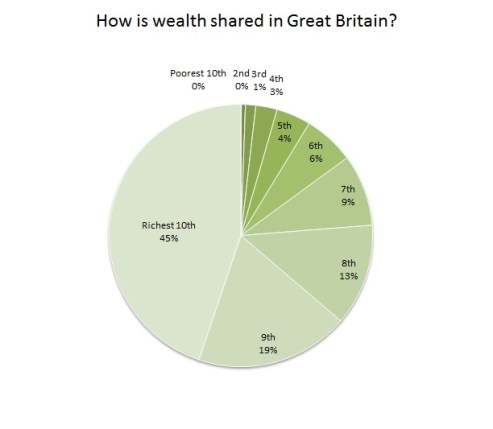
pie-wealthSource: The Equality Trust 

The still face paradigm and inequality

Before Christmas I read an excellent and insightful article by Michael Bader called The Decline of Empathy and the Appeal of Right-Wing Politics, which was about Edward Tronick’s Still Face experiment in part. Tronick is an American developmental psychologist at the University of Massachusetts, Boston. His studies illuminate the importance of trusting relationships and consistent human responses in children’s development and learning.

Tronick’s experimental design was very simple: mothers were asked to play as they usually would with their six-month-old infants. The mothers were then instructed to suddenly blank their face: to make their facial expression flat and neutral – completely “still”  – and to do so for three minutes, regardless of her baby’s activity.  Mothers were then told to resume normal play. The design came to be called the “still face paradigm.

The study demonstrated that when the connection between an infant and caregiver is broken, the infant tries to re-engage the caregiver, and then, if there is no response, the infant withdraws – first physically and then emotionally. Recent studies have found that four-month-old infants, when re-exposed to the “Still Face” two weeks after the first time, show rapid physiological changes that were not present when they were exposed to it the first time.

Tronick said: “It speaks to the incredible emotional capacities [of] the infant — to pick up on the fact that the mother’s not reacting emotionally the way she normally does. The baby has not only this ability to process what’s [happening], but [also] the capacity to respond in a really appropriate way — that is, they try to get the mother’s attention, and then when they fail, they give up, with a sense of their own helplessness. They may be angry and then they become sad.”

Tronick also emphasised the impact of parenting practices embedded in the sociocultural and ecological environment of the infant.

Bader’s inspiring article draws on Tronick’s experimental findings, which he then applies to citizen’s life experiences in the US, in the face of dehumanising encounters with bureacracy, increasingly depopulated policies and a profoundly alienating sociopolitical system. He goes on to discuss how “the pain of the “still face” in American society is present all around us.”

He says: “People feel it while waiting for hours on the phone for technical support, or dealing with endless menus while on hold with the phone or cable company, or waiting to get through to their own personal physician. They feel it in schools with large class sizes and rote teaching aimed only at helping students pass tests.  

They feel it when crumbling infrastructure makes commuting to work an endless claustrophobic nightmare.  And, too often, they feel it when interacting with government agencies that hold sway over important areas of their lives, such as social services […] and city planning departments, or a Department of Motor Vehicles.  Like Tronick’s babies, citizens who look to corporations and government for help, for a feeling of being recognized and important, are too often on a fool’s errand, seeking recognition and a reciprocity that is largely absent. 

This problem is greatly exaggerated by the profoundly corrosive effects of social and economic inequality. Under condition of inequality, the vulnerability of those seeking empathy is dramatically ramped up, leading to various forms of physical and psychological breakdowns. In a classic epidemiological study [The Spirit Level] by Richard Wilkinson and Kate Pickett, researchers found a strong correlation between the degree of inequality in a country (or a state, for that matter) and such problems as rates of imprisonment, violence, teenage pregnancies, obesity rates, mental health problems such as anxiety, depression, and addiction, lower literacy scores, and a wide range of poor health outcomes, including reduced life expectancy. 

Wilkinson and Pickett’s key finding is that it is the inequality itself, and not the overall wealth of a society that is the key factor in creating these various pathologies.  Poorer places with more equality do better than wealthy ones marked by gross inequality.

Inequality makes people feel insecure, preoccupied with their relative status and standing, and vulnerable to the judgment of others, and it creates a greater degree of social distance between people that deprives them of opportunities for intimate and healing experiences of recognition and empathy.”

The still face of the neoliberal state

It’s impossible to fail to recognise the parallels with citizen’s experiences here in Britain. We have ideological and socioeconomic commonality with the US, especially as both the UK and US are neoliberal states. Neoliberalism is an ongoing, totalising ideological and political-economic project of a resurgent political right that gained ascendancy in the US under Ronald Reagan and in the UK under Margaret Thatcher in the 1980s.   

Bader says: “As a metaphor for adult life in contemporary society, the “still face” paradigm—the helplessness intrinsic to it and the breakdown of empathy that lies at its foundation—aptly describes the experience of many people as they interact with the most important institutions in their lives, including government.

And, as with Tronick’s babies and their mothers, when our social milieu is indifferent to our needs and inattentive to our suffering, widespread damage is done to our psyches, causing distress, anger, and hopelessness.  Such inattention and neglect lead to anxiety about our status and value, and a breakdown of trust in others.”

1percent700

I agree that the growing inequalities we are witnessing in western neoliberal “democracies” create profound psychological trauma and ontological insecurity. Humans are fundamentally social beings. We thrive best when we have a social rationale which tends towards the promotion of cooperative and collective creativity. This was perhaps expressed best in our civilised, progressive institutions and civilising practices, facilitated by the social gains and economic organisation that arose from the post-war democratic settlement.  

Those gains are now being systematically dismantled. Our culture has been saturated with conceptual schema that demand we remain committed to an socioeconomic Darwinism, a kind of economic enclosure: a neoliberal competitive individualist obsession with our private, inner experiences, the pursuit of economic self-interest, and ultimately, this embellishes our separability from other human beings. It alienates us. 

Neoliberalism scripts social interactions that are founded on indifference to others, tending to be dehumanising, adversarial and hierarchical in nature, rather than social and cooperative. Neoliberalism is the antithesis of the responsive, animated human face; of collectivism, mutual support, universalism, cooperation and democracy. Neoliberalism has transformed our former liberal democracy into an authoritarian “still faced” state that values production, competition and profit above all else; including citizens’ lives, experiences, freedoms, well-being, democratic inclusion and social conditions that support all of this.  

Citizens are seen and are being politically redefined in isolation from the broader political, economic, sociocultural and reciprocal contexts that invariably influence and shape individual experiences, meanings, motivations, behaviours and attitudes, causing a problematic duality between context and cognition. This also places responsibility on citizens for circumstances which lie outside of their control, such as the socioeconomic consequences of political decision-making, whilst at the same time, the state is steadily abdicating responsibility for the basic welfare of ordinary citizens. 

Geographer David Harvey describes neoliberalism as a process of accumulation by dispossession: predatory policies are used to centralise wealth and power in the hands of a few by dispossessing the public of their wealth and assets.  

Neoliberals see the state as a means to reshape social institutions and social relationships based on the model of a competitive market place. This requires a highly invasive power and mechanisms of persuasion, manifested in an authoritarian turn. Public interests are conflated with narrow economic outcomes. Public behaviours are ‘nudged’ – citizens are being politically micromanaged. Social groups that don’t conform to ideologically defined outcomes are stigmatised and outgrouped.  

Stigma is a political and cultural attack on people’s identities. It’s used to discredit, and as justification for excluding some groups from economic and political consideration, refusing them full democratic citizenship. 

Stigma is being used politically to justify the systematic withdrawal of support and public services for the poorest – the casualties of a system founded on competition for allegedly scarce wealth and resources. Competition inevitably means there are winners and losers. Stigma is profoundly oppressive. It is used as a propaganda mechanism to draw the public into collaboration with the state, to justify punitive and discriminatory policies and to align citizen “interests” with rigid neoliberal outcomes. Inclusion, human rights, equality and democracy are not compatible with neoliberalism. 

Othering and outgrouping have become common political practices, and are now culturally embedded. 

This serves to desensitise the public to the circumstances of marginalised social groups. Outgroups serve to de-empathise society and dehumanise stigmatised others

This political and cultural process legitimises neoliberal “small state” policies, such as the systematic withdrawal of state support for those adversely affected by neoliberalism, and it also justifies inequality. By stigmatising the poorest citizens, a “default setting” is established regarding how the public ought to perceive and behave towards politically demarcated outgroups. That default setting is indifference to the plight of others. 

Authors of The Spirit Level, Richard Wilkinson and Kate Pickett, say “The truth is that human beings have deep-seated psychological responses to inequality and social hierarchy. The tendency to equate outward wealth with inner worth means that inequality colours our social perceptions. It invokes feelings of superiority and inferiority, dominance and subordination – which affect the way we relate to and treat each other.”

Neoliberalism and the myth of meritocracy

How does inequality and social injustice become acceptable? And why do we, as a society, permit the political construction of scapegoats and outgroups? 

Neoliberalism is premised on the assumption that the market place can somehow replace the state as the ultimate arbiter of cultural logic and value. Relationships between people are mediated by the depersonalising market place.

It is fundamentally Hobbesian in character, neoliberalism privatises citizen’s experiences, who are valued for their economic productivity and are therefore only responsible for themselves.

Bader says: “The failure of our institutions to empathize with the plight of the middle and working classes, to recognize their sacrifice and reward their hard work is traumatic. It is the same type of trauma that children experience when their caretakers are preoccupied or rejecting. The trauma erodes trust. It overwhelms systems that people have developed to deal with stress and creates psychological suffering and illness.” 

He goes on to tell us how our social brains seek a collective experience – of “we” rather than “I” – and often do so by creating a fantasy of an “us” versus “them” that we can devalue and fight.

Tribalism draws on our need for sociability and interconnectedness but it can also be used to pervert it. Rejected by government, employers and wider society, some citizens then go on to reject and demean others. It’s a coping strategy: they are trying to cope with the pain, powerlessness, and lack of empathy that they experience in their social lives. This serves to further divide citizens, undermining social solidarity further, and isolating vulnerable groups. The government and right wing press have ruthlessly exploited the social divisions and scapegoats they have meticulously crafted to uphold a dogma that is absolutely incompatible with democracy, human rights, human needs and any notion of equality.

We must recognise the play of hidden ideologies and the influence of dog whistle and wedge issue politicking. This is a state tactic which manipulates our fundamental human need for a sense of belonging. It’s about the creation of scapegoats and diversion from the real problem: neoliberalism, authoritarianism and the inequality and increasing precarity that this extends and perpetuates. Hierarchical thinking is embedded in neoliberal and authoritarian ideologies. 

Neoliberalism also extends a myth that citizens are autonomous and free to make choices. However, this ignores the well-researched reality that those without resources have few or no choices. 

Neoliberalism is an ideology that manufactures consent to inequalities by offering the myth of meritocracy: the false promise that everyone will eventually benefit by working hard to earn merit, status and wealth. However, it isn’t logically possible for equal opportunities to exist in a highly unequal society. 

This myth undermines the principles of social and economic rights and discredits solidarity, collective responsibility and contravenes our human need for belonging. Success, according to the meritocrats, is shaped by your IQ and individual talents, hard work and personal effort. Yet at least a third of those touting this myth are millionaires who simply inherited their wealth.   

The ideology of meritocracy conceals the fact that class privileges are institutionalised, and are reinforced through the education system, for example. The UNICEF report, Fairness for Children, emphasised the importance of a strong welfare system in reducing inequality – and carried a strong suggestion that the UK Government should reconsider its cuts to benefits. In June last year, following its investigation, the United Nations committee on the rights of the child called on ministers to act regarding austerity, the benefit cap and tax credit cuts, which are undermining children’s rights to an adequate standard of living. The government were also urged to do more to ensure children’s rights to adequate health, housing and education are met, too. 

The government, however, have claimed that welfare cuts reduce poverty by “incentivising” people to work. Meanwhile, over half of those families queuing at food banks are in work, and nearly two thirds of children in poverty live in working families. “Making work pay” is nothing more than a Conservative euphemism for the incremental dismantling of the welfare state, which they intend to continue, regardless of the social consequences. 

Neoliberalism is sustained by ideologues employed by governments, in think tanks, PR companies and as individual consultants, that invent technical justifications for small state neoliberal policies on the grounds of: “efficiencies”, savings, democracy, economic growth, and more recently “fairness” and “social justice.” The latter two especially are founded on the myth of meritocracy, in this context. 

In any competitive system, there are invariably a few “winners” and many more “losers”.  The system itself creates the conditions which mean that many people “lose”. It has nothing to do with the IQ, character or qualities of those people. Competition is adversarial – it’s defined as a situation in which two or more people or groups are fighting to get something which not everyone can have

The Nudge Unit is one example of a technocratic think tank that promotes the myth of meritocracy, which is embedded in the Cabinet Office. The neoliberal Reform think tank and the Adam Smith Institution are others. There is a raft of contemporary academics who are also fueling ideological justifications of neoliberal policies – the likes of Adam Perkins, Richard Layard, Mansel Aylward and Simon Wessley, for example, each in their respective academic fields have each presented “studies” that endorse “small state” antiwelfarism and enforce notions of personal responsibility and competitive individualism. Public interests are steadily being aligned with economic outcomes, driven by private interests. 

Status and rewards in society do not go “naturally” to those who are best “performers” or those who “earn” their privilege: the hierarchy of wealth and power is being purposefully shaped by the state.

Stigma and the just world fallacy

Sociologist Imogen Tyler at Lancaster University, says “[…] the centrality of stigma in producing economic and social inequalities has been obscured ‘because bodies of research pertaining to specific stigmatized statuses have generally developed in separate domains’ (Hatzenbuehler, 2013). In short, stigma is widely accepted to be a major factor in determining life chances, yet research on stigma is fragmented across academic disciplines.”

Tyler’s ongoing work – The Stigma Doctrine, is focused on policy design and implementation, ‘The Stigma Doctrine’ aims to develop a new theoretical account of the ways in which neoliberal modes of government operate not only by capitalizing upon ‘shocks’ but through the production and mediation of stigma.” 

Her explicit focus is on “stigmatization as a central dimension of neoliberal state-crafting.” The project is focussing in particular on welfare “reform”, the neoliberal de/recomposition of class, poverty, work and dis/abilities.

At a basic level, stigma is seen as a mark of disgrace associated with particular circumstances, qualities, or persons. However, it has a fundamental normative dimension, which is culturally and historically specific. 

We tend to make assumptions about people, based on what their circumstances or characteristics are. Central to these assumptions lies a basic moral dichotomy founded on the binary notions of “deserving” and “undeserving”. 

Everyone has heard “what goes around comes around” before, or maybe you’ve seen a person “get what was coming to them” and thought, “that’s karma for you.” These are all shades of the just world fallacy. But in reality, we don’t always “reap what we sow.”

In social psychology, the just world hypothesis is the tendency to attribute consequences to – or expect consequences as the result of – a universal force that restores moral balance. This belief generally implies the existence of destiny, cosmic justice, or divine providence. 

It is very common in fiction for the villains to lose and the virtuous folk to win. It is a reflection of how we would like to see the world – just and fair. In psychology the tendency to believe that this is how the real world actually works is a known cognitive error: the just world is a fallacy. 

Many people have a strong desire or need to believe that the world is an orderly, predictable, and fair place, where people simply get what they deserve. Such a belief plays an important role in our lives – in order to plan our lives or achieve our goals we need to assume that our actions will have predictable consequences. 

Moreover, when we encounter evidence suggesting that the world is not just, we either act to restore justice by helping victims or we persuade ourselves that no injustice has occurred.  We comfort ourselves with the idea that the person without a job is simply lazy, the homeless person is irresponsible, and the ill person made the “wrong” lifestyle choices. These attitudes are continually reinforced in the ubiquitous fairy tales, fables, popular fiction, comics, TV, the mainstream media, current political rhetoric and other morality tales of our culture, including the great myth of meritocracy, embedded in neoliberal narrative, in which “good” is always rewarded and “evil” punished. Only it isn’t.

Deep down, we all would probably like to believe hard work and virtue will lead to success, and laziness, evil and manipulation will lead to ruin, quite often we simply edit the world to match those expectations. 

The normalisation of socioeconomic hierarchy: a nod to Milgram

Social psychologist, Melvin Lerner documents people’s eagerness to convince themselves that beneficiaries deserve their benefits and victims their suffering. In a 1965 study, Lerner reported that subjects who were told that a fellow student had won a cash prize in a lottery tended to believe that the student worked harder than another student who lost the lottery. Lerner observed that when one of two men was chosen at random to receive a reward for a task, that somehow caused him to be more favourably evaluated by observers, even when the observers had been informed that the recipient of the reward was chosen at random. (Lerner, M. J., & Miller, D. T. (1978). Just world research and the attribution process: Looking back and ahead. Psychological Bulletin, 85(5), 1030–1051).

Existing social psychological theories, including cognitive dissonance, do not fully explain these phenomena. In another study a year later, Lerner and a colleague recorded a simulated “learning” experiment in which it appeared that the “participants” were subjected to electric shocks. Lerner found that subjects who observed the videotapes tended to form much lower opinions of these “victimised” participants when there was no possibility of the victim finding relief from the ordeal, or when the victim took on the role of “martyr” by voluntarily remaining in the experiment despite the apparent unpleasantness of the experience.

Lerner concluded that “the sight of an innocent person suffering without possibility of reward or compensation motivated people to devalue the attractiveness of the victim in order to bring about a more appropriate fit between her fate and her character.”

If the belief in a just world simply resulted in humans feeling more comfortable with the universe, its uncertainties and our own precarity, it would not be a matter of great concern for human rights activists, ethicists or social scientists. But Lerner’s just world hypothesis, if correct, has significant social implications. The belief in a just world may well seriously undermine a commitment to social justice.

So, the just world fallacy is founded on a massive misconception: that we always get what we “deserve”. We like to think that people who are not doing well in their lives must have done something to deserve it. Yet we also know that the beneficiaries of good fortune often do nothing to earn it, and people doing harmful deeds often get away with their actions without consequences.

Lerner’s research extended, to some extent, on Stanley Milgram‘s research on social conformity and obedience. Lerner was curious as to how regimes that cause cruelty and suffering manage to maintain popular support, and how people come to accept social norms and laws that produce misery and suffering.

Lerner’s direction of inquiry was influenced by his frequent witnessing of the tendency of observers to blame victims for their suffering, particularly during his clinical training as a psychologist, when he observed treatment of mentally ill persons by the health care practitioners with whom he worked. Though he knew them to be basically kind, educated people, they often blamed patients for the patients’ own suffering. Lerner also describes his surprise at hearing his students derogate disadvantaged people, believing that poor people somehow caused their own poverty, whilst being seemingly oblivious to the social, political and economic (structural) forces that contribute significantly to poverty. 

Zick Rubin of Harvard University and Letitia Anne Peplau of the UCLA conducted surveys to examine the characteristics of people with strong beliefs in a just world. They found that people who have a strong tendency to believe in a just world also tend to be more religious, more authoritarian, more Conservative, more likely to admire political leaders and existing social institutions, and more likely to have negative attitudes and and hold prejudices toward underprivileged groups. To a lesser but nonetheless significant degree, the believers in a just world tend to “feel less of a need to engage in activities to change society or to alleviate plight of social victims.”

It’s ironic that the belief in a just world may take the place of a genuine commitment to justice. For some people, it is simply easier to assume that forces beyond their control mete out justice. When that occurs, the result may be the abdication of personal responsibility, acquiescence in the face of suffering and misfortune, and indifference towards injustice

In the murky waters of real life, evil people often prosper whilst harming others, and quite often never face justice and retribution.

Social reality isn’t founded on some intrinsic and fair principle or quality of the universe. Social justice is something that we must construct and re-construct our selves. In the same way, democracy isn’t something we “have”, it is something we must do.

As a society, we make our own “karma”. We participate in, shape and distribute social justice. That affects those around us. We do need to think about what kind of world we live in, how we ought to live and how that affects our families, friends, neighbours and strangers. A measure of civilisation may be observed in how we behave towards those people we don’t know.

In our society, over the past 6 years, some (previously protected) social groups have become politically defined strangers and economic exiles. If you think that’s okay, it’s worth bearing in mind that sooner or later, someone you know well, perhaps one of your loved ones, will be affected by this ongoing process.

When one group are targeted with injustice and inequality, it affects everyone, and other groups soon follow. Historically, we learned that tyrants don’t stick with targeting and persecuting the group you don’t like. You don’t get a choice ultimately. Prejudice tends to multitask very well, and tyrants remain tyrants no matter who you are.

Wilkinson and Pickett’s research on the harmful effects of economic inequality is a challenge for us to ensure that redistribution is the main focus of our political programme. Their research very clearly shows us that if we work towards greater equality, we can ameliorate a wide range of human suffering. Because neoliberal ideology ultimately disconnects us from each other, we really must work hard to seek common ground with the people on the other side of what American sociologist, Arlie Hochschild, calls the “empathy wall” to reach out, communicate to them that “we not only feel their pain, but we share it, and that, in the end, we are all in this together.”

Hochschild’s work has often described the various ways in which we each  becomes a “shock absorber” of larger social, economic and political forces.  She explores the “deep story” of American citizens – a metaphorical expression of the emotions they live by. She recognised that the people she studied may not vote in favour of their economic self-interest, but they often voted for what they felt was their emotional self-interest as members of a group which feels marginalised, scorned and betrayed by the establishment. This sense of betrayal was utilised by the right, who readily draw on and manipulate the role of emotion in politics.

How much more of the current political-economic just world narrative will people permit to remain largely unchallenged before we all say “enough”?

In democracies, Government’s are elected to represent and serve the needs of the population. Democracy is not only about elections. It is also about distributive and social justice. The quality of the democratic process, including transparent and accountable Government and equality before the law, is crucial to social organisation, yet it seems the moment we become distracted, less attentive and permit inequality to fundamentally divide our society, the essential details and defining features of democracy seem to melt into air. 

Government policies are expressed political intentions regarding how our society is organised and governed. They have calculated social and economic aims and consequences. In democratic societies, all citizen’s accounts of the impacts of policies ought to matter.

However, in the UK, the way that policies are justified is being increasingly detached from their aims and consequences, partly because democratic processes and basic human rights are being disassembled or side-stepped, and partly because the government employs the widespread use of linguistic strategies and techniques of persuasion to intentionally divert us from their aims and the consequences of their ideologically (rather than rationally) driven policies. Furthermore, policies have become increasingly depopulated; detached from public interests and needs.

Democracy is not something we have: it’s something we have to DO.

My hope for 2017 is that enough of us will recognise that democratic participation is essential, and that injustice directed against one is injustice ultimately directed against all. 

569ca48248b8d566d6e61bd65571e0ad

All the best for the new year. 

In solidarity.

Related  

The Decline of Empathy and the Appeal of Right-Wing Politics – Michael Bader

Who Believes in a Just World? –  Zick Rubin and Letitia Anne Peplau 

The Stigma Project – Imogen Tyler

The Spirit Level authors: why society is more unequal than ever – Richard Wilkinson and Kate Pickett

The importance of citizen’s qualitative accounts in democratic inclusion and political participation


I don’t make any money from my work. But you can make a donation if you wish and help me continue to research and write informative, insightful and independent articles, and to provide support to others. The smallest amount is much appreciated – thank you.

DonatenowButton

The government’s in-work sanctions are incompatible with ‘halving the disability employment gap’ (and other ideological problems)

imgres

The government have introduced in-work sanctioning for low paid and part-time workers to “incentivise” them to “progress” in work. Historically, wages and employment conditions were raised, and hours were often negotiated by Trade Unions. Now those decisions are entirely down to the executive decisions of employers not employees. Sanctioning employees is grossly unfair, because they have very little negotiating and bargaining power (especially since the raft of Conservative anti-collectivist and anti-Trade Union legislation) to improve their lot.

There is also a significant growing body of empirical evidence that informs us sanctions do not work as the government claim.

It’s not as if employees’ behaviour is at fault or that they would ever actually want poor pay, fewer rights and adverse working conditions – that’s down to exploitative employers who are primarily profit driven. It’s hardly fair to punish workers for the motivations and behaviour of their employers.

There are profoundly conflicting differences in the interests of employers and employees. The former are generally strongly motivated to purposely keep wages as low as possible so they can generate profit and pay dividends to shareholders and the latter need their pay and working conditions to be such that they have a reasonable standard of living. 

Clearly, the weight of favour in policy-making is heavily towards big business profiteering. Implying that the behaviours of workers are a problem in this context is simply another way justification is presented for the further erosion of state responsibility and support and ultimately, the long term plan is to remove such support completely.

Workplace disagreements about wages and conditions are now typically resolved neither by collective bargaining nor litigation but are left to management prerogative. This is because Conservative aspirations are clear. Much of the government’s discussion of legislation is preceded primarily with consideration of the value and benefit for big business and the labour market. They want a cheap labour  force and low cost workers, unable to withdraw their labour, unprotected by either Trade Unions or employment rights and threatened with destitution via benefit sanction cuts if they refuse to accept low paid, low standard work. Similarly, desperation and the “deterrent” effect of the 1834 Poor Law Amendment Act – the principle of less eligibility – also served to drive down wages.

In the Conservative’s view, trade unions distort the free labour market which runs counter to New Right and neoliberal dogma. Since 2010, the decline in UK wage levels has been amongst the very worst in Europe. The fall in earnings under the Coalition is the biggest in any parliament since 1880, according to analysis by the House of Commons Library, and at a time when the cost of living has spiraled upwards.

In-work conditionality enforces a lie and locates blame within individuals for structural problems – political, economic and social – created by those who hold power. Despite being a party that claims to support “hard-working families,” the Conservatives have nonetheless made several attempts to undermine the income security of a significant proportion of that group of citizens recently. Their proposed tax credit cuts, designed to creep through parliament in the form of secondary legislation, which tends to exempt it from meaningful debate and amendment in the Commons, was halted only because peers in the House of Lords have been paying attention to the game.

Sanctioning people in work flies in the face of the government’s previous “hard working families” mantra. But it also flies in the face of their aim to “help” disabled people into work. Many of disabled people would have to work part-time: reduced and flexible hours are also a reasonable adaptation, especially for people who are ill. Many of us also have to accommodate hospital appointments, often with a variety of specialists, as well as hospital based treatment regimes. All of which probably makes us much more likely to face in-work sanctioning in the future.

How does this address the “disability employment gap”? 

The government propose tax cuts and other rewards for employers who employ disabled people in their recent consultation on work, health and disability. However, it is against the law to treat someone less favourably than someone else because of a personal characteristic, such as being disabled.

Furthermore, disabled people have a legal RIGHT to work and to be included in the economy, and I think in light of this, employers should be fined for not employing a quota of disabled people instead. “Disability Confident” is supposed to be about supporting disabled people, not providing publicly funded handouts to employers, whilst at the same time, financially punishing the very people that the policy is supposedly designed to “support.”

There was some very worrying discussion in the recent work health and disability green paper about new mandatory “health and work conversations” in which work coaches will use “specially designed techniques” to “help” disabled Employment and Support Allowance (ESA) claimants “identify their health and work goals, draw out their strengths, make realistic plans, and build resilience and motivation.” Apparently these conversations were “co-designed with disabled people’s organisations and occupational health professionals and practitioners and the Behavioural Insights Teamthe controversial Nudge Unit, which is part-owned by the Cabinet Office and Nesta. 

It’s very evident that “disabled people’s organisations” were not major contributors to the design. It’s especially telling that those people to be targeted by this “intervention” were completely excluded from the conversation. Sick and disabled people are reduced to objects of public policy, rather than being seen as citizens and democratic subjects capable of rational dialogue.

Systematically reducing social security, and increasing conditionality, particularly in the form of punitive benefit sanctions, doesn’t “incentivise” people to look for work. It simply means that people can no longer meet their basic physiological needs, as benefits are calculated to cover only the costs of food, fuel and shelter. In fact sanctioning people make it less likely that they will find work.

Food deprivation is closely correlated with both physical and mental health deterioration. Maslow explained very well that if we cannot meet basic physical needs, we are highly unlikely to be able to meet higher level psychosocial needs. The government proposal that welfare sanctions will somehow “incentivise” people to look for work is pseudopsychology at its very worst and most dangerous. State imposed sanctions on sick and disabled people are known to have very harmful consequences. In fact sanctions create significant difficulties and distress for everyone subjected to them. (See also An example of in-work conditionality: when work doesn’t pay).

In the UK, the government’s welfare “reforms” have further reduced social security support, originally calculated to meet only basic physiological needs, which has had an adverse impact on people who rely on what was once a social safety net. Poverty is linked with negative health outcomes, but it doesn’t follow that employment will alleviate poverty sufficiently to improve health outcomes.

In fact record numbers of working families are now in poverty, with two-thirds of people who found work in 2014 taking jobs for less than the living wage, according to the annual report from the Joseph Rowntree Foundation a year ago.

Essential supportive provision is being systematically reduced by increasing conditionally; by linking support to such a narrow outcome – getting a job – and this will ultimately reduce every service to nothing more than a state behaviour modification programme based on punishment, with a range of professionals being politically co-opted as state enforcers of an ideology  which is perpetuating and accentuating socioeconomic problems in the first place.

Work is not a “health” outcome

The Government is intending to “signpost the importance of employment as a health outcome in mandates, outcomes frameworks, and interactions with Clinical Commissioning Groups.”

A Department for Work and Pensions research document published back in 2011 – Routes onto Employment and Support Allowance – said that if people believed that work was good for them, they were less likely to claim or stay on disability benefits.

It was decided that people should be “encouraged” to believe that work was “good” for health. There is no empirical basis for the belief, and the purpose of encouraging it is simply to cut the numbers of disabled people claiming ESA by “encouraging” them into work. Some people’s work is undoubtedly a source of wellbeing and provides a sense of purpose. That is not the same thing as being “good for health”.

For a government to use data regarding opinion rather than empirical evidence to claim that work is “good” for health indicates a ruthless mercenary approach to fulfill their broader aim of dismantling social security and to uphold their ideological commitment to supply-side policy.

From the document: “The belief that work improves health also positively influenced work entry rates; as such, encouraging people in this belief may also play a role in promoting return to work.”

The aim of the research was to “examine the characteristics of ESA claimants and to explore their employment trajectories over a period of approximately 18 months in order to provide information about the flow of claimants onto and off ESA.”

The document also says: “Work entry rates were highest among claimants whose claim was closed or withdrawn suggesting that recovery from short-term health conditions is a key trigger to moving into employment among this group.”

“The highest employment entry rates were among people flowing onto ESA from non-manual occupations. In comparison, only nine per cent of people from non-work backgrounds who were allowed ESA had returned to work by the time of the follow-up survey. People least likely to have moved into employment were from non-work backgrounds with a fragmented longer-term work history. Avoiding long-term unemployment and inactivity, especially among younger age groups, should, therefore, be a policy priority. ” 

“Given the importance of health status in influencing a return to work, measures to facilitate access to treatment, and prevent deterioration in health and the development of secondary conditions are likely to improve return to work rates”

The government made a political and a particularly partisan decision, rather than one that has any an evidence base, to promote the cost-cutting and unverified, irrational belief that work is a “health” outcome.

Furthermore, the research does conclude that health status itself is the greatest determinant in whether or not people return to work. That means that those not in work are not recovered and have longer term health problems that tend not to get better.

Work does not “cure” ill health. To mislead people in such a way is not only atrocious political expediency, it’s actually potentially downright harmful and dangerous.

The government’s Work and Health programme involves a plan to integrate health and employment services, aligning the outcome frameworks of health services, Improving Access To Psychological Therapies (IAPT), Jobcentre Plus and the Work programme.

2020health – Working Together is a report from 2012 that promotes the absurd notion of work as a health outcome. This is a central theme amongst the ideas that are driving the fit for work and the work and health and programme. Developing this idea further, Dame Carol Black and David Frost’s Health at Work – an independent review of sickness absence was aimed at reviewing ways of “reducing the cost of sickness to employers, ‘taxpayers’ and the economy.”

Seems that the central aim of the review wasn’t a genuine focus on sick and disabled people’s wellbeing and “health outcomes,” then. Black and Frost advocated changing sickness certification to further reduce the influence of GPs in “deciding entitlement to out-of-work sickness benefits.”

The subsequent “fit notes” that replaced GP sick notes (a semantic shift of Orwellian proportions) were designed to substantially limit the sick role and reduce recovery periods, and to “encourage” GPs to disclose what work-related tasks patients may still be able to perform. The idea that employers could provide reasonable adjustments that allowed people who are on sick leave to return to work earlier, however, hasn’t happened in reality.

The British Medical Association (BMA) has been highly critical of the language used by the government when describing the fit for work service. The association said it was “misleading” to claim that fit for work was offering “occupational health advice and support” when the emphasis was on sickness absence management and providing a focused return to work.

The idea that work is a “health” outcome is founded on an absurd and circular Conservative logic: it’s an incorrect inference based on the fact that people in work are healthier than those out of work. It’s true that they are, however, the government have yet again confused causes with effects. Work does not make people healthier: it’s simply that healthy people can work and do. People who have long term or chronic illnesses most often can’t work. It has been historically  and empirically established that poverty is closely correlated with disproportionate levels of ill health, and it’s most probable that targeted austerity, leading to increasingly inadequate welfare provision, has made a significant contribution to poorer health outcomes, too.

The government’s main objection to sick leave and illness more generally, is that it costs businesses money. The government remain committed to a supply-side labour market model. However, as inconvenient as it may be, politically and economically, it isn’t ever going to be possible to cure people of serious illnesses by cruelly coercing them into work.The government’s aim to prompt public services to “speak with one voice” is founded on questionable ethics. This proposed multi-agency approach is reductive, rather than being about formulating expansive, coherent, comprehensive and importantly, responsive provision.

This is psychopolitics. It’s all about (re)defining the experience and reality of a social group to justify dismantling public services (especially welfare), and that is form of gaslighting intended to extend oppressive political control and micromanagement. In linking receipt of welfare with health services and “state therapy,” with the single intended outcome explicitly expressed as employment, the government is purposefully conflating citizen’s widely varied needs with economic outcomes and diktats, isolating people from traditionally non-partisan networks of relatively unconditional support, such as the health service, social services, community services and mental health services.

Public services “speaking with one voice” will invariably make accessing support conditional, and further isolate already marginalised social groups. It will damage trust between people needing support and professionals who are meant to deliver essential public services, rather than simply extending government dogma, prejudices and discrimination.

However, unsatisfactory employment – low-paid, insecure and unfulfiling work – can result in a decline in health and wellbeing, indicating that poverty and growing inequality, rather than unemployment, increases the risk of experiencing poor mental and physical health.

People are experiencing poverty both in work and out of work. Moreover, in countries with an adequate social safety net, poor employment (low pay, short-term contracts), rather than unemployment, has the biggest detrimental impact on mental health. There is ample medical evidence to challenge the current political dogma, and to support this account. (See the Minnesota semistarvation experiment, for example. The understanding that food deprivation in particular dramatically alters cognitive capacity, emotions, motivation, personality, and that malnutrition directly and predictably affects the mind as well as the body is one of the legacies of the experiment.)

Systematically reducing social security, and increasing conditionality, particularly in the form of punitive benefit sanctions, doesn’t “incentivise” people to look for work. It simply means that people can no longer meet their basic physiological needs, as benefits are calculated to cover only the costs of food, fuel and shelter.Food deprivation is closely correlated with both physical and mental health deterioration. Maslow explained very well that if we cannot meet basic physical needs, we are highly unlikely to be able to meet higher level psychosocial needs.

The government proposal that welfare sanctions will somehow “incentivise” people to look for work is pseudopsychology at its very worst and most dangerous.In the UK, the government’s welfare “reforms” have further reduced social security support, originally calculated to meet only basic physiological needs, which has had an adverse impact on people who rely on what was once a social safety net.

Poverty is linked with negative health outcomes, but it doesn’t follow that employment will alleviate poverty sufficiently to improve health outcomes.In fact record numbers of working families are now in poverty, with two-thirds of people who found work in 2014 taking jobs for less than the living wage, according to the annual report from the Joseph Rowntree Foundation a year ago.

Essential supportive provision is being reduced by conditionally; by linking it to such a narrow outcome – getting a job – and this will reduce every service to nothing more than a political semaphore and service provision to a behaviour modification programme based on punishment, with a range of professionals being politically co-opted as state enforcers. 

I have pointed out previously that there has never been any research that demonstrates unemployment is a direct cause of ill health or that employment directly improves health, and the existing studies support the the idea that the assumed causality between unemployment and health may actually run in the opposite direction.It’s not that unemployment is causing higher ill health, but that ill health and discrimination are causing higher unemployment. If it were unemployment causing ill health, at a time when the government assures us that employment rates are currently “the highest on record,” why are more people becoming sick?

The answer is that inequality and poverty have increased, and these social conditions, created by government policies, have long been established by research as having a correlational relationship with increasing mental and physical health inequalities. For an excellent, clearly written and focused development of these points, the problem of “hidden” variables and political misinterpretation, see Jonathan Hulme’s Work won’t set us

– childhood immunisation
– antibiotics
– access to education, and particularly, improving female literacy
– increasing social equality

Given that, as statistics sadly show, the health of the poorest in the UK is again declining despite the first four factors mainly still being accessible to even the UK’s very poorest, one can only point at the worsening inequalities and social injustices as a significant cause. The Marmot review pretty much concludes the same. “

Addressing these issues is not consistent with the ideological thrust of Conservative policies, unfortunately, since the government insist that social problems such as poverty and ill health (the biopsychosocial model, with an emphasis on the “psychosocial” elements) are due to individual “behaviours.” Their approach to date has been to level punitive policies with an embedded core of behaviour modification techniques which usually entails the punitive removal of lifeline income at the poorest citizens – casually called “incentivising” and “supporting” – whilst addressing the behaviours of the wealthy with a system of publicly funded financial reward. This simply recreates, deepens, perpetuates and accentuates existing inequalities.

Empirical research published two years ago demonstrated the high a cost the country paid in terms of health and wellbeing for the Thatcher administration’s neoliberal economic and social policies. The study, which examined at material from existing research and data from the Office for National Statistics, illustrates that Thatcherism resulted in the unnecessary and unjust premature deaths of British citizens, together with a substantial and continuing burden of suffering and a widespread degradation of wellbeing.

Co-author and researcher Professor Clare Bambra from the Wolfson Research Institute of Health and Wellbeing said that deaths from violence and suicide all increased substantially during the Thatcher era in comparison with other countries. Regional inequalities in life expectancy between north and south were also exacerbated, as were health inequalities between the richest and poorest in British society.

Professor Bambra also says that the welfare cuts implemented by Thatcher’s governments led to a rise in poverty rates from 6.7% in 1975 to 12% by 1985; poverty is well known to be one of the major causes of ill health and mortality. Income inequality also increased in the Thatcher period, as the richest 0.01% of society had 28 times the mean national average income in 1978 but 70 times the average by 1990. Other research (The Spirit Level) indicates that income inequality is internationally associated with higher mortality and morbidity.

Yet earlier this year, the welfare reform minister, Lord Freud, refused to monitor the number of people who take their own lives as a result of the £120-a-month cut planned for those people in the work related activity group (WRAG), claiming employment and support allowance from April 2017. Concerns were raised in the House of Lords, when Baroness Meacher, amongst others, warned that for the most vulnerable citizens, the cut was “terrifying” and bound to lead to increased debt.

Condemning the truly callous and terrible actions of the Treasury, she urged ministers to monitor the number of suicides in the year after the change comes in, adding: “I am certain there will be people who cannot face the debt and the loss of their home, who will take their lives.”

Many people have died as a consequence of the welfare “reforms.”

Not only have the government failed to carry out an impact assessment regarding the cuts, Lord Freud said that the impact, potential increase in deaths and suicides won’t be monitored, apart from “privately” because individual details can’t be shared and because that isn’t a “useful approach”.

He went on to say “We have recently produced a large analysis on this, which I will send to the noble Baroness. That analysis makes it absolutely clear that you cannot make these causal links between the likelihood of dying – however you die – and the fact that someone is claiming benefit.”

However, a political refusal to investigate an established correlation between the welfare “reforms” and an increase in the mortality statistics of those hit the hardest by the cuts – sick and disabled people – is not the same thing as there being no causal link. Often, correlation implies causality and therefore such established links require further investigation. It is not possible to disprove a causal link without further investigation.

Whilst the government continue to deny there is a “causal link” between their punitive welfare policies, austerity measures and an increase in premature deaths and suicides, they cannot deny there is a clear correlation , which warrants further research and political accountability.

We have a government that provides disproportionate and growing returns to the already wealthy, whilst imposing austerity cuts on the very poorest. How the government possibly claim that inequality is falling, when inequality is so fundamental a prop to their ideology and when social inequalities are extended and perpetuated by all of their policies? It seems an Orwellian re-writing of language about inequality is being used to mislead us into thinking that the economy is far more “inclusive’ than it is. The number of vulture private businesses payrolled by the government to deliver increasingly ideologically biased and punitive welfare, health and social care “services” has risen dramatically this past six years, all of which has cost the UK taxpayer billions.

Meanwhile, those people who need essential supportive public services are facing severe cuts to their lifeline provision. Many of the multinationals contracted by the government are paid to cut the costs of public services, but are costing the public far more than they save.far more than they save. This brand of neoliberal crony capitalist is an entrenched mindset that needs to radically change, because the only beneficiaries are big businesses, and at the expense of those people with the highest level of need. The government’s policies are harming our most vulnerable citizens.

It seems that for wealthy people, “incentives” are always financial rewards, and for poor people, “incentives” simply involve grossly unfair financial punishments, which have too often challenged people’s  capacity to meet basic survival needs.

It’s time to challenge the class-based prejudice and blatant discrimination that is embedded in Conservative policies, which ultimately may only serve to deepen existing wealth and health inequality and increase social and economic division.

75629_107145729354964_2536493_n


I don’t make any money from my work. But you can make a donation and help me continue to research and write informative, insightful and independent articles, and to provide support to others. The smallest amount is much appreciated – thank you.

DonatenowButton cards

The Nudge Unit’s u-turn on benefit sanctions indicates the need for even more lucrative nudge interventions, say nudge theorists

b584


Some context: the new neuroliberalism and “behavioural insights”

The behaviourist turn in government administration – the use of targeted citizen behavioural conditionality in neoliberal policy making –  has expanded globally and is linked to the growth of behavioural economics theory (“nudge”) and a New Right brand of “libertarian paternalism.”  

Reconstructing citizenship as highly conditional stands in sharp contrast to democratic principles, rights-based policies and to those policies based on prior financial contribution, as underpinned in the social insurance and social security frameworks that arose from the post-war democratic settlement.

The fact that the poorest citizens are being targeted with behavioural theory-based interventions also indicates discriminatory policy, which reflects traditional Conservative class-based prejudices. It’s an authoritarian approach to poverty which simply strengthens existing power hierarchies, rather than addressing the unequal distribution of power and wealth in the UK.

Some of us have dubbed this trend neuroliberalism because it serves as a justification for enforcing politically defined neoliberal outcomes. A hierarchical socioeconomic organisation is being shaped by increasingly authoritarian policies, placing the responsibility for growing inequality and poverty on individuals, side-stepping the traditional (and very real) political/structural explanations of social and economic problems.

Such a behavioural approach to poverty also adds a dimension of cognitive prejudice which serves to reinforce and established power relations and inequality. It is assumed that those with power and wealth have cognitive competence and know which specific behaviours and decisions are best for poor citizens, who are assumed to lack cognitive competence (because they are poor and therefore make “the wrong decisions”). Apparently the theories and insights of cognitive bias don’t apply to the theorists applying them to increasingly marginalised social groups. Policy has increasingly extended a neoliberal cognitive competence and decision-making hierarchy. 

It’s very interesting that the Behavioural Insights Team now claim the state using the threat of benefit sanctions may be “counterproductive”. The idea of increasing welfare conditionality, enlarging the scope of its’ application and increasing the frequency of benefit sanctions originated from the behavioural economics theories of the Nudge Unit in the first place. 

The increased use and rising severity of benefit sanctions became an integrated part of welfare conditionality in the Conservative’s Welfare “reform” Act, 2012. The current sanction regime is based on a principle borrowed from behavioural economics theory – an alleged cognitive bias we have called loss aversion.

It refers to the idea that people’s tendency is to strongly prefer avoiding losses to acquiring gains. The idea is embedded in the use of sanctions to “nudge” people towards compliance with welfare rules of conditionality, by using a threat of punitive financial loss, since the longstanding, underpinning Conservative assumption is that people are unemployed because of alleged behavioural deficits and poor decision-making. Hence the need for policies that “rectify” behaviour.

I’ve argued elsewhere, however, that benefit sanctions are more closely aligned with operant conditioning (behaviourism) than libertarian paternalism, since sanctions are a severe punishment intended to modify behaviour and restrict choices to that of compliance and conformity or destitution. At the very least this approach indicates a slippery slope from “arranging choice architecture” in order to support the “right” decisions that are felt to benefit people, to downright punitive and coercive policies that entail psycho-compulsion, such as sanctioning and mandatory workfare. 

Psychology is being misused by the government to explain unemployment (it’s claimed to happen because people have the “wrong attitude” for work) and as a means to achieve the “right” attitude for job readiness. Psycho-compulsion is the imposition of often pseudo-psychological explanations of unemployment and justifications of mandatory activities which are aimed at changing presumed beliefs, attitudes and dispositions. The Behavioural Insights Team have previously propped up this approach.

Welfare conditionality and its experimental approach to behavioural change doesn’t operate within an ethical framework, citizens cannot withdraw from behavioural experiments, nor is this framework based on informed consent. The impact of state directed psycho-compulsion and potential harm that it may cause citizens is not being monitored. 

The Behavioural Insights Team (BIT) is composed of mostly behavioural economists, who also claim the title of libertarian paternalists (and who have a clear and distinct ideological premise for their behavioural theories, while attempting to claim “objectivity”.)

They claim that while it is legitimate for government, private and public institutions to affect behaviour the aims should be to ensure that “people should be free to opt out of specified arrangements if they choose to do so.” Apparently, that proviso doesn’t apply to poor citizens.

The nudges favoured by libertarian paternalists are also supposed to be “unobtrusive.” That clearly is not the case with the application of extremely coercive and punitive Conservative welfare sanctions.

When it comes to technocratic fads like nudge, it’s worth bearing in mind that truth and ethics quite often have an inversely proportional relationship with the profit motive. It’s a cognitive bias, if you will.

And when one nudge theory fails, there are always lucrative and political opportunities to generate more.

Of course Dr Kizzy Gandy, a leading researcher at the policy unit says: “We are optimistic that behavioural science can help government departments to better design policies to help those who are ‘just managing’ in order to prevent and overcome poverty.”

In a new report released today from the Behavioural Insights Team, the authors say: “There is evidence that welfare conditionality in the UK – mandatory behavior requirements such as attending meetings with work coaches or providing repeated evidence of disability in order to receive benefits – is associated with anxiety and feelings of disempowerment.” 

“However, as far as we know no one has examined whether welfare conditionality has cognitive depleting effects.”

It’s particularly worrying that there is a proposal in the report for further experimental pseudo-psychological approaches to policies aimed at the poorest citizens. The researchers call on the Department for Work and Pensions to conduct experiments into whether welfare conditionality actually had any positive effects and suggested that “self-set” and “enforced goals” might be a better way of “helping people into work.” Although this allows for a little tokenist self-determination and permits a little autonomy, it is still an approach ultimately based on coercion and enforcement.

There is a clear distinction to be made between “behavioural science” – which is almost entirely about economic outcomes; what is politically deemed “best” for citizens and social conformity, and mainstream psychology – which embraces a much broader and deeper perspective of the complexities of human potential and wellbeing.

For anyone curious as to how such tyrannical behaviour modification techniques like benefit sanctions arose from the bland language, inane, managementspeak acronyms and pseudo-scientific framework of “paternal libertarianism” – nudge – here is an interesting read: Employing BELIEF: Applying behavioural economics to welfare to work, which is focused almost exclusively on New Right small state obsessions.

(Update 27/10/17 – the link to the original document no longer works. But I found a copy with the same page layout here, luckily: – https://www2.learningandwork.org.uk/sites/default/files/publications/CESI_employing_BELIEF.pdf).

Pay particular attention to the part about the alleged cognitive bias called loss aversion, on page 7.

And this on page 18: The most obvious policy implication arising from loss aversion is that if policy-makers can clearly convey the losses that certain behaviour will incur, it may encourage people not to do it,” and page 46: “Given that, for most people, losses are more important than comparable gains, it is important that potential losses are defined and made explicit to jobseekers (e.g.the sanctions regime).”

The recommendation on that page: We believe the regime is currently too complex and, despite people’s tendency towards loss aversion, the lack of clarity around the sanctions regime can make it ineffective. Complexity prevents claimants from fully appreciating the financial losses they face if they do not comply with the conditions of their benefit.”

The Conservatives duly “simplified” sanctions by extending them in terms of severity and increasing the frequency of use. Sanctions have also been extended to include previously protected social groups, such as lone parents, sick and disabled people. 

The paper was written in November 2010, prior to the Coalition policy of increased “conditionality” and the extended sanctions element of the Tory-led welfare “reforms” in 2012. I wrote about this at length earlier this year, here: Nudging conformity and benefit sanctions: a state experiment in behaviour modification.

The Behavioural Insights Team, (otherwise known as the Nudge Unit) was set up by David Cameron in 2010. In their most recent report called Poverty and decision-making: How behavioural science can improve opportunity in the UK, the nudge researchers now say that burdening unemployed people with responsibilities, using the threat of sanctions might actually be making it harder for them to get jobs.

According to the behavioural economist theorists authoring this highly jargonised report, government policies designed to help people are reducing and impairing people’s so-called cognitive scope and abilities.

However, it’s difficult to imagine how punitive sanctioning, which entails the removal of people’s lifeline income, originally calculated to meet the costs of only basic survival needs, such as for food, fuel and shelter, could ever be seen as “helping people.”

I don’t believe that Orwellian semantic shifts (or ‘thrifts’, in this case) can ever provide a genuine and effective solution to poverty and inequality. 

Some major inconsistencies and incoherences in the report

In the latest BIT report, loss aversion is mentioned again:  “People dislike losses more than they like equivalent gains. Babcock, Congdon, Katz, and Mullainathan (2012) hypothesise that people may experience loss aversion if they consider taking a job paying below past earnings. Therefore, they may stay on unemployment benefits longer than they should. Unrealistic wage expectations may be reinforced when the social status and personal identities of workers are strongly tied to their previous job.” [My emphasis]

Note the phrase “unrealistic wage expectations” and later incoherent comments in the report about in-work poverty, which I will highlight.

The summary report states in the introduction: A third of the UK population spent at least one year in relative income poverty between 2011 and 2014.

Traditionally policymakers and anti-poverty organisations such as the Joseph Rowntree Foundation (JRF) have focused on boosting people’s economic capital (e.g., income) and human capital (e.g., educational attainment) to reduce poverty. While investments in these areas have led to important gains in opportunity for many Britons, emerging research from behavioural science shows that other less tangible resources, which derive from psychological, social and cultural processes, significantly influence people’s ability to overcome disadvantage.

BIT was commissioned by JRF to examine the role of individual decisions in shaping people’s experiences of poverty in the UK and to identify the drivers of these decisions. This reflects JRF’s interest in looking beyond traditional, structural drivers of poverty. Our findings, based on a review of the published literature, are presented in a new report, launched today.”

Let’s cut to the chase. The entire document is framed by the use of a distinct and established narrative; it’s composed of a pre-loaded ideological language, references and signposts, using comments and phrases like “[…] we explain some of the ways that cognitive, character and social capital influence social mobility, via decision-making.”  

And a sub-heading:Character capital: Self-efficacy and responsive parenting.” Apparently, “home visits by health workers have had positive effects in preventing intergenerational poverty.” That’s quite a remarkable claim, given that the document acknowledges poverty is actually increasing in the UK.

The whole concept of character capital is itself founded on the notion that people with an “internal locus of control” tend to perform tasks better than those with an “external locus of control.” This is about where people place the responsibility for what they achieve – either “inside” individuals, based solely on notions of merit, specific skills and talents, or external to individuals – “outside” of them, based on environmental conditions such as competition, chance, opportunities, socioeconomic, employment market context and so on. However, the cited evidence to support this theory was later contradicted in the report.

One of the key features of poverty is loss of choice and a steady erosion of control over one’s decisions, of course.

It’s also worrying that it is implied those who believe that achievement is linked with structural conditions are “under-performers.” It reads a little like a Samuel Smiles Victorian treatise on “thrift, character and self-help.”

It’s also an almost subliminal method of dismissing the impact of structural constraints on the opportunities available to individuals. It serves to make invisible what was once a key consideration in public discussions about poverty: the unequal distribution of power, wealth, resources and opportunity.

Also of note: “low levels of financial literacy” was conflated with notions of “human capital”, which “potentially exacerbate the effects of depleted cognitive capital among low income groups when choosing between credit options.”  Nothing to see here, then, regarding the behaviour of lenders. I mean whoever heard of a bank offering an overdraft to people who actually need one. Still, thank goodness there are generous companies like Wonga, always ready to step up to the mark, with eye-watering interest rates to offer those on low incomes.

The research authors seem to think that the only human potential worth recognising is that of our economic decision-making. Yet when people are materially poor, budgeting and decision-making are invariably constrained – that’s intrinsic to the very nature of poverty.

Limited decision-making and reduced available choices don’t cause poverty: they are the subsequent exclusion effects of poverty.

It’s telling that none of the recommendations made in this document actually address the structural and political causes of material poverty and growing inequality in the UK.

There is a substantial incoherence in some of the claims made, too. For example: “The world of work is possibly the single most important policy area for maximising individual and household resources to prevent and overcome poverty.”

Yet: “Just under half of those in poverty in the UK live in a workless household (Joseph Rowntree Foundation, 2014)”. So work clearly doesn’t pay for over half of those people in poverty. 

In fairness, it is later acknowledged that: “However, simply being in work is not sufficient to prevent or overcome poverty. Nearly two-thirds of children in poverty live in working families.” 

This heavily jargonised rhetoric is, on the whole, about looking for cheap individualist “solutions” to poverty that disregard the need for improving people’s material and financial situations, by extending on an existing neoliberal narrative of alleged individual fault, character deficits, cognitive bias and decision-making flaws.

None of this will raise the profile of crucial issues such as the conditions imposed by austerity and neoliberal policies, socioeconomic organisation and political decision-making, that are having a profound impact on growing inequality and increasing poverty in the UK. The persistent use of the word “workless” rather than “unemployed” is another linguistic signpost for neoliberal competitive individualism, too. 

Geographer David Harveydescribes neoliberalism as a process of accumulation by dispossession: predatory policies are used to centralise wealth and power in the hands of a few by dispossessing the public of their wealth and assets. The report does not refer to the mode of political-economic organisation of which growing inequality and poverty are an intrinsic and inevitable feature.

Proposed solutions: more of the same

Summary of recommendations:

MINIMISING COSTS

Consumer credit

1 Make it easier to access low cost credit through extending access to interest-free Budgeting Advances; assisting credit unions to expand online services; and providing tax relief to individuals taking out payroll loans.

2 Further restrict practices by high cost credit providers that play on consumer biases, and test remedies that will improve consumer credit decision-making.

3 Continue to evaluate financial capability programmes through initiatives like the Money Advice Service What Works Fund.

(Access to credit does not alleviate poverty in the long-term.)

Savings

1 Test ways of automating rainy day savings through employer enrolment, default savings accounts with banks, and Universal Credit payments.

2 Evaluate the effectiveness of financial apps for helping people save.

3 Optimise the Help to Save matching scheme, through testing auto-enrolment and prizes for regular saving, to encourage low-income groups to save.

(Poor citizens do not have sufficient funds to make savings. And research shows that absolute poverty is growing in the UK, which means that many people often don’t have sufficient funds for meeting even fundamental survival needs, such as for food and fuel.) 

MAXIMISING RESOURCES

Work

1 Use identity-building activities in Jobcentres to cultivate intrinsic motivation for work in order to improve the quality and sustainability of jobs that people find.

2 Collect longer-term and more holistic outcome measures of labour market interventions to understand their full impact on poverty.

3 Develop a simple tool for Jobcentres to identify capital deficits in order to match interventions to individual job seeker needs.

Entitlements

1 Develop a common “cognitive load stress test” that measures how easy it is for eligible groups to access government entitlements.

2 Use annual entitlement summaries to prompt existing welfare recipients to apply for other assistance they may be eligible for, and to help them budget.

3 Experiment with the design of welfare conditionality to boost cognitive capacity and self-efficacy, such as having claimants set their own payment conditions.

PREVENTING INTERGENERATIONAL POVERTY

Parenting

1 Provide families in or near poverty with free access to evidence-based online parenting programmes.

2 Develop community to strengthen social ties between parents from different backgrounds.

3 Conduct research into whether small and inexpensive adjustments to housing conditions can reduce cognitive load and improve parental decision-making.

Post secondary education

1 Make the application process for post-secondary education as simple as possible, for example, by pre-populating application forms.

2 Use personalised assistance and prompts to encourage students and parents to apply to post-secondary education.

3 Link formal information about returns to post-secondary education with informal information (from peers) about what post-secondary education will be like.

Every single intervention recommendation fails to address the structural causes of poverty, which lie outside of the control of people experiencing poverty. Yet most of these recommendations are aimed at prompting the state to act upon individuals.  

Proposals such as providing access to parenting programmes, “identity-building activities in Jobcentres to cultivate intrinsic motivation for work”, “rainy day savings”, and to “develop a simple tool for Jobcentres to identify capital deficits in order to match interventions to individual job seeker needs” all sound like a New Right blame-storming exercise. Again, the problem of poverty is regarded as being intrinsic to the individual, rather than one that is about material deprivation which arises in a wider political, economic, cultural and social context.

Post secondary education costs money and isn’t supported by the state. The Education Maintenance Award (EMA) was withdrawn by the Conservatives, and the cost of a university education is now far too much for many young people from poorer backgrounds because of the tripling of fees and reduction in maintenance support. It’s the government that need a nudge, here. This is a good example of how opportunities and choices are being limited for poorer citizens by cuts and constraints imposed by the neoliberal ideologues in office.  

The government never question the decision-making of the powerful and wealthy, yet it certainly wasn’t the poorest citizens that caused the global recession in 2007, nor was it the poorest citizens that imposed damaging austerity policies. The poorest people are burdened with a disproportionate weight of austerity cuts to their income and support. The wealthiest citizens have meanwhile been gifted with substantial tax cuts. 

Nudge is a state prop for neoliberalism, inequality and social control

Neoliberals argue that public services present moral hazards and perverse incentives. Providing lifeline support to meet basic survival requirements is seen as a barrier to the effort people put into searching for jobs. From this perspective, the social security system, which supports the inevitable casualties of neoliberal free markets, has somehow created those casualties. But we know that external, market competition-driven policies create a few “haves” and many “have-nots.” This is why the  welfare state came into being, after all – because when we allow such competitive economic dogmas to manifest without restraint, we must also concede that there are always ”winners and losers.”

Neoliberalism organises societies into hierarchies. Inequality is therefore an inevitable feature of the UK’s current mode of socioeconomic organisation. 

The UK currently ranks highly among the most unequal countries in the world.

Inequality and poverty are central features of neoliberalism and the causes therefore cannot be located within individuals.  

Neoliberals see the state as a means to reshape social institutions and social relationships based on the model of a competitive market place. This requires a highly invasive power and mechanisms of persuasion, manifested in an authoritarian turn. Public interests are conflated with narrow economic outcomes. Public behaviours are politically micromanaged. Social groups that don’t conform to ideologically defined outcomes are stigmatised, and outgrouped.

Shamefully, in a so-called first world, wealthy liberal democracy, othering and outgrouping have become common political practices.  

Replacing spent micro-managementspeak with more micro-managementspeak

The Nudge Unit, which was part-privatised in 2014, have now warned that some Government policies were reducing so-called “cognitive bandwidth” or “headspace” of the people they were designed to help. So more theoretical psychobabble to overwrite the previous psychobabble which didn’t work when applied via policy.

This is bland neoliberal managementspeak at its very worst. The policies are causing profound damage, harm and distress to those they were never actually designed to “help”. Let’s not permit an evading of accountability and techniques of neutralisation: the use of rhetoric to obscure the real intention behind policies, as well as the consequences of them. It’s nothing less than political gaslighting. 

Of course the report attempts to apply “the latest findings from behavioural science to improve government services.” In a neoliberal framework, there are many lucrative opportunities for private companies to experiment in the psychological management of populations who have become the casualties of political decision-making, for political ends. The ethical relativity, moral entrepreneurship and sheer financial opportunism on display here certainly reflect some fundamental neoliberal values and principles. The main one being profit over human need.

Dr Kizzy Gandy proposes that cost-effective “simple tweaks” to services could help improve the way services worked. “Government policies should help people to have less on their mind, not more,” she added. 

However, I propose that government policies in democratic societies should also be designed to meet the public’s needs, including alleviating poverty, rather than being about impoverishing targeted social groups and then undemocratically acting upon individuals, without their consent, directing them how to behave in order to accommodate government ideology and meet politically defined neoliberal outcomes.

Material poverty steals aspiration and motivation from any and every person that is reduced to struggling for basic survival. Abraham Maslow (a real social psychologist) explained that when people struggle to meet their basic physical needs, they cannot be “incentivised” to fulfil higher level psychosocial needs – that includes job seeking.

Further criticism 

Labour Shadow Work and Pensions Secretary, Debbie Abrahams, said: “Even the government’s own Behavioural Insights Team now recognise the mountains of evidence that the widespread use of sanctions is not leading to better outcomes for people seeking work. Indeed, this government team’s report suggests that sanctions may be operating as a barrier to finding a job.

“This government should be ashamed of their persistent failure to act on this issue over many years, after I, and other campaigners, have provided evidence of the devastating impacts of their sanctions policy.  I have committed to putting an end to Tories’ cruel and unnecessary sanctions regime, as part of our work to transform the social security system.” 

In fairness to the BIT, the report does say on page nine, among the listed areas of proposed future research: “A significant portion of behavioural science research focuses on improving the decisions of end-users – in this case people in poverty. But what about the decisions of service providers and policymakers? How can we improve the quality of their decisions to support people [to] escape poverty? And how can we build their empathy with those whose opportunities are at stake?”  

But who is nudging the nudgers?  I would think nudgers are “incentivised” by those providing the contracts that pay their salaries, on the whole. The government part-own the nudge unit.

Researchers from a variety of universities across the UK, using qualitative longitudinal interviews with nine groups of welfare service users from across England and Scotland, aim at determining longer-term effects of sanctions. The first wave findings from this collaborative ongoing study regarding the effects and ethics of welfare conditionality were released last year 

It was found that linking continued receipt of benefit and services to mandatory behavioural requirements has created widespread anxiety and feelings of disempowerment. The impacts of benefit sanctions are universally reported by service users as profoundly negative, having severely detrimental financial, material, emotional, psychological and health impacts. Some individuals disengaged from services, some were even pushed toward “survival crime”.  

The most surprising thing about these findings was the general lack of surprise they raised.

A recurring theme is that sanctions are grossly out of proportion to “offences”, such as being a few minutes late for an appointment. Many reported being sanctioned following administrative mistakes. The Claimant Commitment was criticised for not taking sufficient account of individuals’ capabilities, wider responsibilities and vulnerabilities. Many saw job centres as being primarily concerned with monitoring compliance, imposing discipline and enforcement, rather than providing any meaningful support. 

Power relations, class and economic organisation have now completely disappeared from public conversations about poverty. Neoliberal anti-welfarism, amplified by a corporate media, has aimed at reconstruction of society’s “common sense” assumptions, values and beliefs. Class, disability and race narratives in particular, associated with traditional prejudices and categories from the right wing, have been used to nudge the UK to re-imagine citizenship, human rights and democratic inclusion as highly conditional.  

This is not just about shifting public rational and moral boundaries to de-empathise the electorate to the circumstances of politically defined others. It also obscures the consequences more generally of increasingly non-inclusive, anti-democratic, prejudiced and extremely punitive policies.  

The bottom line is that government policies are expressed political intentions regarding how our society is organised and governed. They have calculated social and economic aims and consequences. In democratic societies, citizens’ accounts of the impacts of policies ought to matter. 
 
However, in the UK, the way that policies are justified is being increasingly detached from their aims and consequences, partly because democratic processes and basic human rights are being disassembled or side-stepped, and partly because the government employs the widespread use of linguistic strategies: euphemisms, superficial glittering generalities and techniques of persuasion to intentionally divert us from aims and consequences of ideologically (rather than rationally) driven policies. Furthermore, policies have become increasingly detached from public interests and needs. 

For example, the state has depoliticised disadvantage, making it the private responsibility of citizens, whilst at the same time, justifying a psychopolitical approach that encodes a punitive Conservative moral framework. 

According to the behavioural economist theorists, in their highly jargonised and fairly meaningless report, government policies are reducing so-called “cognitive bandwidth” or “headspace” of the people they were designed to help.

That the government imposes additional “cognitive costs”, as well as material and financial ones, on low-income groups, is hardly a groundbreaking revelation. 

I can put it much more plainly, and strip it of neoliberal psychobabbling: imposing sanctions on people who already have very limited resources is not only irrational, it is absurdly unjust, damaging, distressing and spectacularly cruel. 

See also:

Benefit Sanctions Can’t Possibly ‘Incentivise’ People To Work – And Here’s Why

Two key studies show that punitive benefit sanctions don’t ‘incentivise’ people to work, as claimed by the government

Welfare, Conditional Citizenship and the Neuroliberal State – Conference Presentation


Conservative social security policy is not founded on rational analysis and evidence

650
Recently I wrote an article about the new benefit cap which parodied Conservative ideology, traditional class prejudices and subsequent justification narratives for their welfare “reforms”, likening the latter to nineteenth century character divination – phrenology in particular. Sometimes, it’s easier to highlight the ridiculous by simply ridiculing it.

A lot of my work is themed around serious and rational critique of Conservative shortcomings when it comes to the whole process of policy-making and research, from the theories” that inform the process, to the ideologically-driven impacts and narrow neoliberal aims and outcomes, which have led to some catastrophic social consequences. This is because austerity has been aimed exclusively at those citizens who had the very least to start off with. Sick and disabled people have been systematically and disproportionately targeted for cuts to their support.

2014-02-17-BurdenoftheCuts-thumb

I’ve written previously about the government’s increasing use of secondary legislation to push through controversial and highly partisan policies without an adequate degree of parliamentary scrutiny and debate. The public are entirely excluded from this process. This is one way that the Conservatives have been getting away with highly prejudiced, ideologically-driven policies that have not been analysed in terms of safeguarding citizens, impact, compatibility with our international human rights obligations and are neither adequately justified nor evidenced. 

The Strathclyde review and Conservative authoritarianism

Secondary legislation is unamendable and is allocated 90 minutes debate in the Commons at best, by the Conservatives. Secondary legislation in the form of Statutory Instruments was only ever intended for non-controversial and small tidying up legislative measures. A Tory aide admitted that the government are trying to get as much unpopular legislation in through the secondary route as possible. But this has been very evident anyway. The government is intent on dismantling any inconvenient piece of the constitution.

In a democracy there is always a responsibility and need to ensure additional checks and balances against incumbent governments and for extending opportunities to review and improve the quality of legislation. There is always a need to broaden the political participation and democratic inclusion of particular groups in society; to explore ways by which under-represented groups may be identified and included in political decision-making processes.

Statutory Instruments are the principal form in which delegated legislation is made, and are intended to be used for simple, non-controversial measures, in contrast to more complex items of primary legislation (known as Bills.) The opposition has frequently complained that the government uses Statutory Instruments to pass complex and controversial legislation which should have been subject to full Parliamentary scrutiny. Universal credit, the legal aid and tax credit cuts are clear examples of the misuse of secondary legislation, each with far-reaching and detrimental socioeconomic consequences for many people.

The steep rise in the use of Statutory Instruments since 2010 is an indication of how the Conservatives are politically managing pre-legislative scrutiny, stifling healthy debate, curtailing opposition, and side-stepping essential democratic transparency and accountability. It’s also an indication that much Conservative legislation is ideologically-driven rather than needs-driven: the use of secondary legislation as a means of avoiding scrutiny demonstrates that the government are aware that much of their planned programme won’t stand up to close Parliamentary examination and rational debate.

Lord Strathclyde was asked in October last year by David Cameron to undertake a “rapid review” that considered how to secure the decisive role of the House of Commons in relation to its primacy on financial matters and secondary legislation. Of course, Strathclyde’s report was published by the Government on the 17 December, 2015, which marked the final sitting of Parliament before Christmas. Nonetheless the media did actually cover the contents of the report and some of the implications of the recommendations made.

Strathclyde concluded in his report that the House of Lords should be permitted to ask the Commons to “think again” when a disagreement on proposed legislation exists, but should not be allowed to veto. MPs would ultimately make a decision on whether a measure is passed into law. The review focuses in particular on the relationship between the Commons and the Lords, in relation to the former’s primacy on financial matters and secondary legislation.

The key problem is that Statutory Instruments (SI) are being over-used and are under-scrutinised in the Commons. SIs have become a major form of law-making activity in the UK. In 2015, the UK Parliament passed 34 Acts, whilst 1,999 Statutory Instruments were made. (In fact, 2015 has been a relatively light year for SIs: in 2013 and 2014, 3,292 and 3,486 SIs were made.)

The government ensure they have a majority on any SI committee and MPs are chosen by Whips. The Hansard Society estimate that SIs currently account for as much as 80 per cent of the Government legislation that impacts citizens. However, they are given substantially less Parliamentary time than Bills, enabling government to push through their ideologically designed legislative programme with very little scrutiny, exacerbating a lack of democratic transparency and accountability of the Executive (the government). 

Further presented justification for grotesquely unfair policies from the Conservatives is based on a claim that “we have a clear mandate to do this.” The concept of a government having a legitimate mandate to govern via the fair winning of a democratic election is a central component of representative democracy. However, new governments who attempt to introduce policies that they did not make explicit and public during an election campaign are said to not have a legitimate mandate to implement such policies. 

In order to keep his promises on further future tax cuts for higher earners, George Osborne made even more cuts to public services, public sector pay and the social security safety net that are so deep they will severely damage both the economy and potentially, the fabric of our society. The Institute for Fiscal Studies (IFS) have criticised Osborne’s proposed tax credit cuts, because it is “at odds” with wider Conservative stated aims to “support hardworking families”.

Research conducted by the IFS calculated that only around quarter of money take from families through tax credit cuts would be returned by the new National “Living Wage”.Tax credits are payments made by the government to people on lower incomes, most of whom are in work. 

Cameron effectively ruled out cutting the benefit before the election, telling a voter’s Question Time that he “rejected” proposals to cut tax credits and did not want to do so. The cuts are part of £12bn cuts to the social security budget that the government is to make – the details of which the Conservatives refused to announce before the election.

However, in an unprecedented move, the Conservatives have threatened a constitutional “showdown”, and have refused to engage in dialogue with peers that want kill off the proposed Tory cuts. The government warned the House of Lords it would trigger a full-scale constitutional crisis by pressing ahead with their plans. 

The review by Lord Strathclyde, commissioned by a rancorous and retaliatory Cameron followed the delay and subsequently effective defeat of government tax credit legislation in the House of Lords, and it has, of course, recommended curtailing the powers of Upper House. 

Strathclyde proposed that the House of Commons is given the final say over secondary legislation (in particular, Statutory Instruments), which are, as previously stated, frequently being used for political manoeuvring to edit the details of Acts, and ensure rules, regulations and even changes to legal definitions are made by ministerial order, rather than by the rather more open and democratic process of primary legislation: it’s being used as a way of bypassing Parliamentary scrutiny. 

sis

The view from the Social Security Advisory Committee

More recently, the Chair of the Social Security Advisory Committee (SSAC) has also concluded that “pressure from the Treasury” resulted in welfare changes being pushed through parliament “without meaningful analysis of impact or interactions with other parts of the benefit system.” He also raises the same issues that I previously have regarding the government’s increased use of secondary legislation.

In a very damning report on how the government develops welfare policies, SSAC Chair Paul Gray says top-down pressure from the former chancellor, Osborne, to meet Budget deadlines meant legislation was being rushed without proper analysis or scrutiny.

In a foreword to the report, Gray writes: “On the basis that primary legislation was to be debated in some detail in Parliament, the Government was not required to bring the majority of these provisions to SSAC.

Consequently, the amount of secondary legislation presented to us in the first few months of the reporting year was lighter than usual.

By contrast from September onwards a number of sets of regulations were presented to us for scrutiny – most with their origins in the Chancellor of the Exchequer’s Budget proposals for reducing benefit expenditure.”

He goes on to say: “The Committee has observed that legislation required to deliver policies announced by the Chancellor during his Budget or autumn statements is often developed at pace to meet challenging deadlines set by HM Treasury.

This has regularly resulted in secondary legislation being presented to us without meaningful analysis of impact or interactions with other parts of the benefit system.

The absence of evidence underpinning some of the Government’s policy choices has been a significant concern to us over the past year, and we hope that the Government will adjust this aspect of its approach to policy-making in the coming year.”

He added: “The committee has noted in the past the absence of analytical material on the cumulative impact of welfare reforms.”

Gray also draws attention in particular to tax credit changes proposed in the summer budget highlighting “the lack of available evidence to support the policy changes being presented to us”.

Gray concludes: “There can be no question that this committee is hampered in its role of scrutinising proposed changes in cases where the supporting explanatory material and evidence is scant.”

It’s a point I have made myself many many times. However, unlike the government, I do tend to include evidence and analysis in my ongoing critique of Conservative policies.

The ideological drive to dismantle the welfare state

Despite the relentless Conservative attacks on social security since 2010, (which is funded by the citizens that it supports when they experience hardships), Theresa May will not rule out delivering yet more brutal welfare cuts if the economy suffers a downturn because of Britain exiting the EU. The prime minister refused to offer any guarantees that she will spare struggling families if Whitehall savings are needed in the coming months. 

May has made it clear there will be no end to Tory austerity, she said: “What I’m clear about is we’re going to continue as we have done in Government over the last six years – ensuring that we’re a country that can live within our means.”

I’m just wondering how awarding millionaires £107,000 each per year in the form of a “tax break” in 2012 at the same time as introducing the radical cuts to social security can possibly be construed as an act that ensures “a country that can live within our means.” It seems to me that the Conservatives want to completely dismantle our welfare state, along with all the other gains of our social settlement (social housing, the NHS, legal aid and public services) but fear public opposition.

So rather than be honest about their intention, the Conservatives have chosen to stigmatise people needing welfare support to disperse public sympathy, to create scapegoats and generate moral panic. The public gradually come to accept the anti-welfare narrative as “fact”, despite the lack of evidence and analysis. Moral and rational boundaries will be pushed, prejudice will advance stage by stage. The incremental cuts will continue until there is nothing left to cut.

Earlier this year, the chancellor was forced to try and defend his decision to use the cuts in disability benefits to fund tax breaks for the wealthy. Controversially, the cuts benefitted the top 7% of earners. The Chancellor raised the threshold at which people start paying 40p tax, in a move that saw many wealthier people pulled out of the higher rate of income tax. 

Osborne callously claimed that the Conservative government was “increasing spending on disabled people”, he said: “Controlling welfare bills is part of what you need to do if you’re a secure country confronting the problems in the world.” It was an utterly ludicrous comment.

The cuts to ESA and PIP show an intended substantial reduction on government spending to essential support for disabled people.

In a wealth transfer from the poorest to the very rich, we have witnessed the profits of public services being privatised, but the losses have been socialised – entailing a process of economic enclosure for the wealthiest. The burden of losses have been placed on the poorest social groups and some of our most vulnerable citizens – largely those people who are ill, disabled and elderly. The Conservative’s justification narratives regarding their draconian policies, targeting the poorest social groups, have led to media scapegoating, social outgrouping, persistent political denial of the aims and consequences of policies and reflect a wider process of political disenfranchisement of the poorest citizens, especially sick and disabled people.

That the cuts are ideologically driven, and have nothing whatsoever to do with economic necessity, was demonstrated only too well by the National Audit Office (NAO) report earlier this year. The NAO scrutinises public spending for Parliament and is independent of government. The report indicates how public services are being appropriated for purely private benefit.

The audit report in January concluded that the Department for Work and Pension’s spending on contracts for disability benefit assessments is expected to double in 2016/17 compared with 2014/15. The government’s flagship welfare-cut scheme will be actually spending more money on the assessments conducted by private companies than it is saving in reductions to the benefits bill.

From the report:

£1.6 billion
Estimated cost of contracted-out health and disability assessments over three years, 2015 to 2018

£0.4 billion
Latest expected reduction in annual disability benefit spending.

This summary reflects staggering economic incompetence, a flagrant, politically motivated waste of tax payer’s money and even worse, the higher spending has not created a competent or ethical assessment framework, nor is it improving the lives of sick and disabled people. Some people are dying after being wrongly assessed as “fit for work”and having their lifeline benefits brutally withdrawn. Private companies like Maximus are paid millions from our welfare budget, yet they are certainly not “helping the government” to serve even the most basic needs of sick and disabled people.

However, private companies serve the private needs of a “small state” doctrinaire neoliberal government, and making lots of private profit whilst it does so. The Conservatives are systematically dismantling the UK’s social security system, not because there is an empirically justifiable reason or economic need to do so, but because the government has purely ideological, anticollectivist, antidemocratic, profoundly uncivilising prescriptions and longstanding class-based prejudices.

When the Conservatives say they are going to “tackle poverty”, what they mean is that they intend to rigidly police the poor, rather than alleviate poverty. Meanwhile, the new right’s economic enclosure act – austerity – will continue to impoverish many more. The state will respond to each crisis with more authoritarianism and psychopolitical techniques of persuasion, amplified via the media. And the wealthy and powerful will become wealthier and more powerful.

Unless we collectively fight back.

— 

Related

The Conservative approach to social research – that way madness lies

Cases of malnutrition continue to soar in the UK

Two key studies show that punitive benefit sanctions don’t ‘incentivise’ people to work, as claimed by the government

Benefit Sanctions Can’t Possibly ‘Incentivise’ People To Work – And Here’s Why


I don’t make any money from my work. But you can contribute by making a donation and help me continue to research and write informative, insightful and independent articles, and to provide support to others. The smallest amount is much appreciated – thank you.

DonatenowButton


Essentialising marginalised groups and using stigmatising personality constructs to justify dismantling social security is not “science”, it’s psychopolitics

002fc17b9115fe26a6ed5d9d58b1ece1.603x472x1

“It’s fear of the political-correctness brigade that has stopped my colleagues going public — quite sensibly, as it turns out. But I felt I owed it to the taxpayers who are funding the welfare state to publish these data.” Adam Perkins.

Tax payers who “fund the welfare state” are not a discrete class of citizens: most of them come to rely on it as a safety net to ensure they can meet their basic needs at some time in their life. Those currently claiming  social security benefits, who are not all of the same people who did last year or the year before, still contribute to one of the largest sources of revenue for the Treasury – VAT and other stealth taxes, such as council tax. In fact almost all benefits are paid back as taxes. The biggest beneficiaries of welfare are those employed to administrate it, especially the growing number of private sector “providers”.

Adam Perkins wrote a book that attempts to link neurobiology with psychiatry, personality and behavioural epigenetics, Lamarkian evolution, economics, politics and social policy. Having made an impulsive inferential leap across a number of chasmic logical gaps from neurobiology and evolution into the realms of social policy and political science, seemingly unfazed by disciplinary tensions between the natural and social sciences, particularly the considerable scope for paradigmatic incommensurability, he then made a highly politicised complaint that people are criticising his work on the grounds of his highly biased libertarian paternalist framework, his highly partisan New Right social Conservatism and neoliberal antiwelfarist discourse. 

The problem of discrete disciplinary discursive practices and idiomatic semantics, each presenting the problem of complex internal rules of interpretation, was seemingly sidestepped by Perkins, who transported himself with apparent ease simply on leaps of semantic faith to doggedly pursue and reach his neoliberal destination. He is certainly very fluent in the language of New Right Conservatism, it has to be said. I’m certain he must be very good friends with Charles Murray, of the Bell Curve fame during the Thatcher and Reagan era..

Many from across the political spectrum have objected to Perkins’s book because of the strong whiff of eugenics and social Darwinism that has hit the fan, along with the stench of the long-rotten corpse of Nazism. The atrocities associated with essentialising social groups – attributing “natural”, essential characteristics to members of specific culturally defined groups (based on gender, age, ethnic, “racial”, socioeconomic status, for example) – were thought to be long buried under the brutal and horrifying lessons of history, and quite properly considered taboo.

When societies essentialise others, it is assumed that individual differences can be explained by “inherent”, biological, “natural” characteristics shared by members of a group. Essentialising results in thinking, speaking and acting in ways that promote stereotypical and inaccurate interpretations of individual differences. It invariably involves political discourse that decontextualises structural inequality, using narrative that “relocates” it, coercing the responsibility, internalisation and containment of social problems within some individuals and groups. This always involves processes of projection, stigmatising, outgrouping and scapegoating.

Essentialist thinking is anchored in binary conceptual schema – simplistic and dualistic (two-categories: either this – or that) modes of thought. Both classic and contemporary social theorists have identified and challenged essentialist and dualistic ways of thinking about the social world. Essentialising as a process targets and stigmatises minority groups who historically do not have equal access to power in the cultural production and validation of “knowledge”.

In Perkins’s previous co-authored work – Personality and occupational markers of ‘solid citizenship’ are associated with having fewer children, which is a study of associations between personality and reproductive fitness, he claims that such associations may reveal the adaptive significance of human behavioural traits. He says: “What we dub ‘solid-citizenship’ personality characteristics such as self-control, diligence and responsibility may repay study from an evolutionary perspective as they protect against negative life-outcomes.” 

“Perkins et al. tend to regard risk as a synonym of probability and so equate evolutionary fitness with moral hazard.Hubert Huzzah.

Low conscientiousness, criminality, low educational attainment, low occupational status, extraversion, neuroticism, catholicism, a lack of diligence, responsibility, self control and other assigned personality characteristics are then linked with contraception use, and conflated with low socioeconomic status and negative life-outcomes that are curiously isolated from a wider socioeconomic context.

Again, the very idea that citizenship is defined by certain perceived personal qualities associated with conformity and Conservative values indicates Perkins’s tendency to politicise concepts of human “nature”, and conflate them with New Right narratives, reflected in his interests, choice of research topics and demonstrated in the framing of his conclusions. This reflects a wider current tendency towards the political medicalisation of social problems, which shifts public attention from the sociopolitical and economic context of inequality, poverty and social injustice to politically inculpated, marginalised outgroups.

I have written a lengthy critique of Adam Perkin’s controversial book called “The Welfare Trait.” Whilst I have criticised the work because of its quite blatant partisan ideological, political and economic inception and framing, I have also raised other important issues regarding problematic underpinning assumptions, which include commiting a fallacy of inventing fictitious proximal causes for behaviour, such as “perverse incentives,” problems with constructs of personality and difficulties measuring behaviour traits.

Much of the current understanding of personality from a neurobiological perspective places an emphasis on the biochemistry of the behavioural systems of reward, motivation, and punishment. But those are largely extrinsic factors, located, for example, in political and socioeconomic environments, external to the individual, who responds to their context. This theoretical stance is therefore both limited in terms of depth and explanatory coherence and limiting in terms of generating understanding – the study lacks comprehensiveness and methodological rigour – there is very little consideration of confounding variables, for example, which hinders further potential investigation and discovery. It also reflects in part a re-platforming of an over-simplistic Pavlovian behaviourism. Definition and theory of the biological basis of personality is not universally accepted. There are many conflicting theories of personality in the fields of psychology, psychiatry, philosophy, and neuroscience.

Perkins implies that welfare somehow creates personality disorders and “undesirable” traits. However, such pathologies are defined by experiences and behaviours that differ from societal norms and expectations.

Personality disorder (and mental illness) categories are culturally and historically relative. Diagnostic criteria and categories are always open to sociopolitical and economic definition, highly subjective judgments, and are particularly prone to political abuse.

As I’ve pointed out elsewhere, personality traits are notoriously difficult to measure reliably, and it is often far easier to agree on the behaviours that typify a disorder than on the reasons why they occur. As it is, there is debate as to whether or not personality disorders are an objective disorder, a clinical disease, or simply expressions of human distress and ways of coping. At the very least, there are implications regarding diagnoses that raise important questions about context, which include political and social issues such as inequality, poverty, class struggle, oppression, abuse, stigma, scapegoating and other structural impositions.

An over-reliance on a fixed set of behavioural indicators, some have argued, undermines validity, leaving personality disorder categories prone to “construct drift,” as the diagnostic criteria simply don’t provide adequate coverage of the construct they were designed to measure. There are no physical tests that can be carried out to diagnose someone with a personality disorder – there is no single, reliable diagnostic tool such as a blood test, brain scan or genetic test. Diagnosis depends on subjective judgment rather than objective measurement.

Perkins also conflates descriptive statements with prescriptive ones. Moral conclusions can’t be drawn from non-moral premises. In other words, just because someone claims to have knowledge of how the world is or how groups of people are (descriptive statements), this doesn’t automatically prove or demonstrate that he or she knows how the world ought to be (prescriptive statements).

There is a considerable logical gap between the claim that welfare is somehow “creating” some new kind of personality disorder, called “the employment-resistant personality”,  and advocating the withdrawal of support calculated to meet only the basic physiological needs of individuals – social security benefits only cover the costs of food, fuel and shelter.

Perkins does nothing to consider, isolate and explore confounding variables regarding the behaviours and responses of people needing social security support. He claims our current level of support is too high. However empirical evidence clearly indicates it is set far too low to meet people’s physiological needs fully.

Poverty affects people’s mental health as well as their physical health. There is a weight of empirical evidence confirming that food deprivation and income insecurity are profoundly psychologically harmful as well as physiologically damaging. (See the Minnesota semistarvation experiment, for example.) Describing people’s anger, despondency and distress at their circumstances as “antisocial” is profoundly oppressive. The draconian policies that contribute to creating those circumstances are antisocial, not the people impacted by those policies.

Climbing Allport’s Ladder of Prejudice

Since writing my own response to The Welfare Trait I have encountered a surprisingly high number of people in the UK who believe that anyone who can’t work should be left with no money at all to meet their basic survival needs. To clarify, that means they think that not everyone should have a fundamental right to life. My work was labelled “hysterical dogma” by one commentator on the Adam Smith Institute website. I have been very struck by how normalised social Darwinism and related perspectives have become over the last few years, again. And how people that disagree with those views are defined, increasingly as the other. Along with the growing number of other politically defined others. It’s a symptom of an increasingly authoritarian climate.

I was called a “politically correct bleeding heart leftard” by a eugenics advocate on the Telegraph comments section, and was truly baffled that someone could see social conscience, a sense of justice, basic, ordinary qualities of caring, empathy and compassion as somehow pathological qualities. It’s also remarkable that a group of people who claim that sanctions, which entail the removal of people’s means of meeting basic survival needs is “helping” or “supporting” people into work, somehow “fair” and about “making work pay” feel they can lecture anyone else on appropriate language choices, techniques of neutralisation, modes of linguistic behaviourism and censorship.

I have always felt strongly that we have a democratic duty to protect marginalised groups and look out for the cultural underdog –  it’s the oppressed that are denied a voice, their rights, autonomy and identity, not the oppressors. Underdogs are generally seen as casualties of injustice or persecution. They are also most often predicted to be losers in a struggle.

Of course not all underdogs remain underdogs. J.K. Rowling, a lone mother claiming social security, who wrote seven of the best-selling books of all time, created a vulnerable, lovable underdog character, Harry Potter – an oppressed but passionate orphan with character, modesty, integrity and all the best of human qualities. He grew up in a cupboard, wearing oversized hand-me-down clothes and doing accidental bursts of magic to get by. He came to face and fight the forces of evil that had oppressed and terrorised two generations of wizards and witches, and non-magical folk alike.

Jo Rowling had a very difficult seven-year period that left her coping with the death of her mother, who had multiple sclerosis, severe depression, the birth of her first child, divorce from her first husband and relative poverty until she finished the first novel in the series.

What is remarkable about Rowling isn’t her “rags to riches” success, though that is undoubtedly a commendable achievement: it’s the social, moral, and political inspiration she has given to so many, young and old alike, that really stands out, and her considerable philanthropy.

Rowling said: “I wanted Harry to leave our world and find exactly the same problems in the wizarding world. So you have the intent to impose a hierarchy, you have bigotry, and this notion of purity, which is this great fallacy, but it crops up all over the world. People like to think themselves superior and that if they can pride themselves in nothing else they can pride themselves on perceived purity.

Defining a group’s superiority and purity always means defining others as “inferior.”

But is it not normal to care about such issues? Surely that is how we relate to others, our inclination to bond originating from relationships within our families and with significant others, extending to wider communities, and to society as a whole? Yet this way of seeing the world is being pathologised by a growing number of people who see the world only in terms of hierarchies of status and human worth: a raw, “red in tooth and claw” competitive individualism, and always, it seems, for what they can get, how much they can profit and how much they can take from others, rather than what they can give to society.

The general public over the past 5 years have been generally treated by a government of elitist, antidemocratic, cognitive and class supremicists as a political means to an end. Meanwhile people raising genuine concerns about corruption, greed, the stigmatisation of minorities and the growing human rights abuses of marginalised social groups, authoritarianism and so on are ostracised, treated with scorn, ridicule and contempt, and turned into the growing number of Conservative folk devil constructs.

Names such as “extremists”, “raving trot” “loony leftie” “leftard” are bandied around so much now that those using the labels have lost sight of the fact that these are offensive and rude. The really worrying thing is my views are hardly extreme or remotely  radical  – I’m no “commie.” Most people on the political Left are just regular people wanting regular fairness, social justice, equal rights for all, an end to cruel and unnecessary cuts which target only the poorest, and an end to such crass socioeconomic policies that result in massive inequality and poverty. How did being so normal become so non-mainstreamed?

How can it possibly be that to care for the wellbeing of others in our society, and the kind of world our children will inherit from us is somehow wrong, that values of cooperation, mutual aid and compassion are not the norm, that taking a clear ethical position is something to be ashamed of or a reason to be mocked?

The Conservatives have a moralising, rather than a moral political position, and have you noticed that Tory moralising only ever applies to the poorest people and invariably generates public prejudice, discriminatory policies and fosters social divisions?

Political Correctness

It’s a sure sign that the Right have no arguments and critical reasoning to support their fundamental ideological position, that whenever their partisan narratives are challenged by our own narrative, then we are met with blatant attempts to close down debate by a barrage of nasty, resentful, immature name-calling and outrage that is thrown at anyone and everyone that challenges the cultural, epistemological and right-wing ontological status quo and neoliberal doxa.

Some people use the “freedom of speech” plea to justify their prejudice. They say they have a right to express their thoughts. However, speech is an intentional ACT. Hate speech is intended to do harm – it’s used purposefully to intimidate and exclude marginalised, disempowered and vulnerable groups. Hate speech does not “democratise” speech, it tends to monopolise it. Nor is it based on reason, critical thinking or open to debate. Bigotry is a crass parody of opinion and free speech. Furthermore, bigots are conformists – they tend not to have independent thought. Prejudice thrives on Groupthink.

Being inequitable, petty, resentful, vindictive and prejudiced isn’t “being truthful” or “telling it like it is” – a claim which is an increasingly common tactic for the Right – it’s just being inequitable, petty, resentful and prejudiced. And some things are not worth saying. We do have an equal right to express an opinion, but not all opinions are of equal worth. Free speech carries with it some responsibilities.

And the right-wing do frequently dally with hate speech. Hate speech generally is any speech that attacks a person or group on the basis of their race, religion, gender, disability, or sexual orientation. In law, hate speech is any speech, gesture or conduct, writing, or display which is forbidden because it may incite violence or prejudicial action against or by a protected individual or group, or because it disparages or intimidates a protected individual or group. Critics have argued that the term “hate speech” is a contemporary example of Newspeak, used to silence critics of social policies that have been poorly implemented in order to appear politically correct.

However, “political correctness” was adopted by US  New Right Conservatives as a pejorative term for all manner of attempts to promote civil rights, multiculturalism and identity politics, particularly, attempts to introduce new terms that sought to leave behind discriminatory baggage attached to older ones, and conversely, to try to make older ones taboo.

Importantly, political correctness arose originally from attempts at making language more culturally inclusive. Critics of political correctness show a curious blindness when it comes to examples of “Conservative correctness.” Most often, the case is entirely ignored, or censorship of the Left is justified as a positive virtue. Perhaps the key argument supporting this form of linguistic and conceptual inclusion is that we still need it, unfortunately. We have a right-wing Logocracy, creating pseudo-reality by prejudicial and discimatory narrative and words. We are witnessing that narrative being embedded in extremely oppressive policies and in their justification.

The negative impacts of hate speech cannot be mitigated by the responses of third-party observers, as hate speech aims at two goals. Firstly, it is an attempt to tell bigots that they are not alone. It validates and reinforces prejudice.

The second purpose of hate speech is to intimidate a targeted minority, leading them to question whether their dignity and social status is secure. In many cases, such intimidation is successful. Furthermore, hate speech is a gateway to harassment and violence. (See Allport’s scale of prejudice, which shows clearly how the Nazis used “freedom of speech” to incite hatred and then to incite genocide.) As Allport’s scale indicates, hate speech and incitement to genocide start from often subtle expressions of prejudice, which advance culturally by almost inscrutable degrees.

The dignity, worth and equality of every individual is the axiom of international human rights. International law condemns statements which deny the equality of all human beings. Article 20(2) of the ICCPR requires states to prohibit hate speech. Hate speech is prohibited by international and national laws, not because it is offensive, but rather, because it amounts to the intentional degradation and repression of groups that have been historically oppressed.

The most effective way to diffuse prejudice is an early preventative approach via dialogue: positive parenting, education and debate. Our schools, media and public figures have a vital part to play in positive role-modelling, like parents, in challenging bigotry, encouraging social solidarity, respect for diversity and in helping to promote understanding and empathy with others.

Hate speech categories are NOT about “disagreement” or “offence.” Hate speech doesn’t invite debate. It’s about using speech to intentionally oppress others. It escalates when permitted, into harassment and violence. We learned this from history, and formulated human rights as a consequence. In this context, political correctness is about inclusive free speech, with rationality, critical thinking, democratic civility and a degree of mutual respect chucked in.

I’m proud to be a part of an ethical, rational, reasonable, decent and civilised Left-wing.

And politically correct?

Damn right I am.

free speech - microphone

Freedom of speech isn’t about shouting the loudest, trying to intimidate, silence and disempower others or having the last word.

 —

My work is unfunded and I don’t make money from my writing. But you can contribute by making a donation and help me continue to research and write informative, insightful and independent articles, and to provide support to others. The smallest amount is much appreciated, it keeps my articles freely accessible – thank you.


DonatenowButton
cards

Adam Perkins, Conservative narratives and neuroliberalism

164204381.png

Eugenics in a ball gown

I had a little discussion with Richard Murphy yesterday, and I mentioned that the right-wing libertarian think tank, the Adam Smith Institute, (ASI) has endorsed* the controversial work of Adam Perkins – The Welfare Trait.” The ASI has been the impetus behind Conservative policy agendas and was the primary intellectual drive behind the privatisation of state-owned industries during the premiership of Margaret Thatcher, and alongside the Centre for Policy Studies and Institute of Economic Affairs, advanced a neoliberal approach towards public policy on privatisation, taxation, education, and healthcare, and have advocated the replacement of much of the welfare state by private insurance schemes.

(*The ASI review, written by Andrew Sabisky, was removed following wide criticism of Perkins’ methodology and other major flaws in his work. Consequently, the original hyperlink leads nowhere, so I’ve added an archived capture, to update.) 

Professor Richard Murphy, a widely respected political economist and commentator, has written an excellent article: The Adam Smith Institute is now willing to argue that those on benefits are genetically different to the rest of us on the Tax Research UK site, which I urge you to read. 

He says “What you see in this is the deliberate construction of an argument that those on benefits are genetically different from other people. The consequences that follow are inevitable and were all too apparent in the 1930s. And this comes from a UK think tank much beloved for Tory politicians.”

The Adam Smith Institute say this in their review of Adam Perkins’s book:

“With praiseworthy boldness, Perkins gets off the fence and recommends concrete policy solutions for the problems that he identifies, arguing that governments should try to adjust the generosity of welfare payments to the point where habitual claimants do not have greater fertility than those customarily employed. The book no doubt went to press before the Chancellor announced plans to limit child tax credits to a household’s first two children, but such a measure is very much in the spirit of this bullet-biting book. The explicit targeting of fertility as a goal of welfare policy, however, goes beyond current government policy. Perkins perhaps should also have argued for measures to boost the fertility of those with pro-social personalities, such as deregulation of the childcare and housing markets to cut the costs of sustainable family formation.”

And: “Over time, therefore, the work motivation of the general population is lowered. This occurs through both genetic and environmental channels. Personality traits are substantially heritable (meaning that a decent percentage of the variation in these traits is due to naturally occurring genetic variation). Given this fact, habitual welfare claimants with employment-resistant personalities are likely to have offspring with similar personalities.”

Personality disorder or simply maintaining the social order?

Two things concern me immediately. Firstly, there is no causal link established between welfare provision and “personality disorder” or “traits”, bearing in mind that the “employment-resistant personality” is an entirely made-up category and does not feature as a clinical classification in either the ICD-10 section on mental and behavioural disorders, or in the DSM-5. Nor is employment status currently part of any clinical diagnostic criteria. Personality disorders are defined by experiences and behaviours that differ from societal norms and expectations.

Personality disorder (and mental illness) categories are therefore culturally and historically relative. Diagnostic criteria and categories are always open to sociopolitical and economic definition, highly subjective judgments, and are particularly prone to political abuse.

Drapetomania” for example, was a pseudoscientific definition of a mental illness that labelled slaves who fled captivity in the 1800s. Samuel A. Cartwright, who invented the category, also prescribed a remedy. He said: “with proper medical advice, strictly followed, this troublesome practice that many Negroes have of running away can be almost entirely prevented. In the case of slaves “sulky and dissatisfied without cause” – apparently a warning sign of their imminent flight – Cartwright prescribed “whipping the devil out of them” as a “preventative measure.” As a further “remedy” for this “disease”, doctors also made running a physical impossibility by prescribing the removal of both big toes. Such abusive application of psychiatry and the medicalisation of distress and rational responses to ethnic degradation and dehumanisation is part of the edifice of scientific racism.

The classification of homosexuality as a mental illness was removed from the Diagnostic and Statistical Manual of Mental Disorders (DSM) in 1974, and was replaced by the subsequent categories of “sexual orientation disturbance” and then “ego-dystonic homosexuality,” the latter was not deleted from the manual until 1987. Medicalising and stigmatising the experiences, behaviours and beliefs of marginalised social groups, and attempting to discredit and invalidate those group’s collective experiences is a key feature of political and cultural oppression.

Personality traits are notoriously difficult to measure reliably, and it is often far easier to agree on the behaviours that typify a disorder than on the reasons why they occur. As it is, there is debate as to whether or not personality disorders are an objective disorder, a clinical disease, or simply expressions of human distress and ways of coping. At the very least, there are implications regarding diagnoses that raise important questions about context, which include political and social issues such as inequality, poverty, class struggle, oppression, abuse, stigma, scapegoating and other structural impositions.

An over-reliance on a fixed set of behavioural indicators, some have argued, undermines validity, leaving personality disorder categories prone to “construct drift,” as the diagnostic criteria simply don’t provide adequate coverage of the construct they were designed to measure. There are no physical tests that can be carried out to diagnose someone with a personality disorder – there is no single, reliable diagnostic tool such as a blood test, brain scan or genetic test. Diagnosis depends on subjective judgment rather than objective measurement.

A diagnosis of personality disorder is potentially very damaging and creates further problems for individuals by undermining their sense of self, denying their identity, experience and locating the problems, regardless of their origin and who is responsible for them, in themselves. This is in addition to exposing people to stigma and discrimination, both within the mental health system, quite often, and more broadly within our society. Medicalising and stigmatising human distress permits society to look the other way, losing sight of an individual’s social needs, experiences and context. It also alienates the stigmatised individual, and enforces social conformity, compliance and cultural homogeneity.

It may be argued that the concept of personality disorder obscures wider social issues of neglect, poverty, inequality, power relationships, oppression and abuse by focusing on the labelling of the individual. Rather than being concerned with the impact and prevalence of these issues, public outrage is focussed on containing and controlling people who challenge normative consensus and who are perceived to be dangerous. Because there is no objective test to make a diagnosis, this makes the basis of such diagnosis very questionable and highlights the propensity for its political and punitive usage. The “diagnosis” of many political dissidents in the Soviet Union with “sluggish schizophrenia” who were subsequently subjected to inhumane “treatments” led to questions about such diagnoses and punitive regimes through stigma, labeling, dehumanisation, coercion and oppression, for example.

Secondly, to recommend such specific policies on the basis of this essentially eugenic argument betrays Perkins’s intention to provide a pseudoscientific prop for the libertarian paternalist (with the emphasis being on behaviourism) brand of neoliberalism and New Right antiwelfarism.

The taken-for-granted assumption that the work ethic and paid labor (regardless of its quality) may define a person’s worth is also very problematic, as it objectifies human subjects, reducing people to being little more than neoliberal commodities. Or a disposable reserve army of labor, at the mercy of “free market” requirements, if you prefer.

The government is currently at the centre of a United Nations inquiry into abuses of the human rights of ill and disabled people, and is also in breach of the rights of women and children, because of their anti-humanist, draconian welfare “reforms”. Human rights are the bedrock of democracy. The fact that some social groups are experiencing political discrimination and the failure of a government in a wealthy first-world liberal democracy to observe what are meant to be universal human rights ought to be cause for concern.

The rise of neoeugenics

Holocaust documentation has highlighted that the medicalisation of social problems and systematic euthanasia of people in German mental institutions in the 1930s provided the institutional, procedural, and doctrinal origins of the genocide of the 1940s. Eugenics in Germany was founded on notions of “scientific progress,” and was about ensuring mental, racial and genetic “hygiene” and “improving” the German race, which ultimately led to eliminativist attitudes towards politically defined “impure” others.

Eugenics is a theory of the possibility of improving the qualities of the human species or a particular population. It encourages the reproduction of persons with socially defined “desirable genetic qualities” and discourages the reproduction of persons with socially defined “undesirable genetic qualities.” Taken to its most extreme form, eugenics supports the extermination of some groups who some others consider to be “undesirable” population.

One example of eugenic policy is the recent limiting of tax credit support for children in poorer families to two children only. Iain Duncan Smith said that this is to encourage “behavioural change” to prevent poorer families having “too many” children.

Eugenics is widely considered as a movement that endorses human rights violations of some social groups. At the very least, eugenic policy entails violations of privacy, the right to found a family, the right to freedom from discrimination, the right to socioeconomic security and social protection, and at worst, violations of the right to life.

I have frequently referred to Gordon Allport in my writing. He was a social psychologist who studied the psychological and social processes that create a society’s progression from prejudice and discrimination to genocide. Allport’s important work reminds us of the lessons learned from politically-directed human atrocities and the parts of our collective history it seems we would prefer to forget.

In his research of how the Holocaust happened, Allport describes sociopolitical processes that foster increasing social prejudice and discrimination and he demonstrates how the unthinkable becomes tenable: it happens incrementally, because of a steady erosion of our moral and rational boundaries, and propaganda-driven changes in our attitudes towards politically defined others, all of which advances culturally, by almost inscrutable degrees.

The process always begins with political scapegoating of a social group and with ideologies that identify that group as “undesirable” and as the Other: an “enemy” or a social “burden” in some way. A history of devaluation of the group that becomes the target, authoritarian culture, and the passivity of internal and external witnesses (bystanders) all contribute to the probability that violence against that group will develop, and ultimately, if the process is allowed to continue evolving, extermination of the group being targeted.

Othering is recognised in social psychology as part of an outgrouping process that demarcates those that are thought to be different from oneself or the mainstream, most often using stigmatising to generate public moral outrage. It tends to reinforce and reproduce positions of domination and subordination. Othering historically draws on essentialising explanations, culturalist explanations, behavioural explanations, genetic explanations and racialising explanations.

Hate crime, eugenics and Allport’s ladder

In the UK, much of the media is certainly being used by the right-wing as an outlet for blatant political propaganda, and much of it is manifested as a pathological persuasion to hate others. We are bombarded with anti-muslim rhetoric, “poverty porn”, headlines that condemn people needing social security as “workshy” and “scroungers.” The political scapegoating narrative directed at ill and disabled people has resulted in a steep rise in hate crimes directed at that group. By 2012, hate crime incidents against disabled people had risen to record levels, and has continued to climb ever since, rising by a further 41% last year alone. We are certainly climbing Allport’s ladder of prejudice.

A freedom of information request to the Department for Work and Pensions (DWP) discloses that between 2010 and 2015 the government closed 1,041,219 alleged cases of benefit fraud put forward by the public. Insufficient or no evidence of fraud was discovered in 887,468 of these. In 2015 alone, of the 153,038 cases closed by the DWP’s Fraud and Error Service, 132,772 led to no action. People can use an online form on the DWP website to anonymously report “suspects,” listing their eye colour, piercings, scars, tattoos and other details they deem relevant. Suspicions can also be logged through the DWP benefit fraud hotline.

The inaccurate reports throws into question multiple government advertising campaigns, claiming that the public has a “role” in identifying “benefit cheats”. Television adverts, social media posts, letters and radio campaigns have been used to warn claimants about fraudulently claiming benefits. Government statistics show fraudulent claims accounted for 0.7% – or £1.2bn – of total benefit expenditure in the financial year 2012-2013. Some of that figure may also contain a proportion of DWP errors. An estimated £1.6bn was underpaid to claimants by the DWP. Yet people’s neighbours are being encouraged to engage in a McCarthy-style reporting of suspected benefit fraud. And a significant proportion of the public are reporting innocent citizens.

There is considerable incongruence between cases of genuine fraud and public perception: an Ipsos Mori survey in 2013 found the public believed 24% of benefits were fraudulently claimed – 34 times greater than the level seen in official statistics.

The political construction of social problems also marks an era of increasing state control of citizens with behaviour modification techniques, (under the guise of paternalistic libertarianism) all of which are a part of the process of restricting access rights to welfare provision.

The mainstream media has been complicit in the process of constructing folk devils: establishing stigmatised, deviant welfare stereotypes and in engaging prejudice and generating moral outrage from the public:

“If working people ever get to discover where their tax money really ends up, at a time when they find it tough enough to feed their own families, let alone those of workshy scroungers, then that’ll be the end of the line for our welfare state gravy train.” James Delingpole 2014

Poverty cannot be explained away by reference to simple narratives of the workshy scrounger as Delingpole claims, no matter how much he would like to apply such simplistic, blunt, stigmatising, dehumanising labels that originated from the Nazis (see arbeitssheu.)

The Conservatives have strongly authoritarian tendencies, and that is most evident in their anti-democratic approach to policy, human rights, equality, social inclusion and processes of government accountability.

Conservative policies are entirely ideologically driven. It is a government that is manipulating public prejudice to justify massive socioeconomic inequalities and their own policies which are creating a steeply hierarchical society based on social Darwinist survival of the wealthiest “libertarian” principles. We have a government that frequently uses words like workshy to describe vulnerable social groups.

Conservative narrative and eugenics

This is a government intentionally scapegoating poor, unemployed, disabled people and migrants. A few years ago, a Tory councillor said that “the best thing for disabled children is the guillotine.” More recently, another Tory councillor called for the extermination of gypsies, more than one Tory (for example, Lord Freud, Philip Davies) have called for illegal and discriminatory levels of pay for disabled people, claiming that we are not worth a minimum wage to employers.

These weren’t “slips”, it’s patently clear that the Tories believe these comments are acceptable, and we need only look at the discriminatory nature of policies such as the legal aid bill, the wider welfare “reforms” and research the consequences of austerity for the poorest and the vulnerable – those with the “least broad shoulders” – to understand that these comments reflect how many Conservatives think.

Occasionally such narrative is misjudged, pushing a little too far against the boundaries of an established idiom of moral outrage, and so meets with public resistance. When this happens, it tends to expose the fault lines of political ideology and psychosocial manipulation, revealing the intentional political creation of folk devils and an extending climate of prejudice.

In EdgbastonKeith Joseph, (1974) announced to the world that:

“The balance of our population, our human stock is threatened … a high and rising proportion of children are being born to mothers least fitted to bring children into the world and bring them up. They are born to mothers who were first pregnant in adolescence in social classes 4 and 5. Many of these girls are unmarried, many are deserted or divorced or soon will be. Some are of low intelligence, most of low educational attainment.”

And in 2010, the former deputy chairman of Conservative Party, Lord Howard Flight, told the London Evening Standard:

“We’re going to have a system where the middle classes are discouraged from breeding because it’s jolly expensive. But for those on benefits, there is every incentive. Well, that’s not very sensible.”

In 2013, Dominic Cummings, a senior adviser to the UK Secretary of State for Education, provoked a flurry of complaints about his eugenicist approach, claiming that “a child’s performance has more to do with genetic makeup than the standard of his or her education.”

Steven Rose, Emeritus Professor of Biology, offered a more detailed analysis in New Scientist, concluding:

“Whatever intelligence is, these failures show that to hunt for it in the genes is an endeavour driven more by ideological commitment than either biological or social scientific judgement. To suggest that identifying such genes will enable schools to develop personalised educational programmes to match them, as Cummings does, is sheer fantasy, perhaps masking a desire to return to the old days of the 11 plus. Heritability neither defines nor limits educability.”

Pseudoscience has long been used to attempt to define and explain social problems. Lysenkoism is an excellent example. (The term Lysenkoism is used metaphorically to describe the manipulation or distortion of the scientific process as a way to reach a predetermined conclusion as dictated by an ideological bias, most often related to political objectives. This criticism may apply equally to either ideologically-driven “nature” and “nurture” arguments.)

Eugenics uses the cover and credibility of science to blame the casualities of socioeconomic systems for their own problems and justify an existing social power and wealth hierarchy. It’s no coincidence that eugenicists and their wealthy supporters also share a mutual antipathy for political progressivism, trade unionism, collectivism, notions of altruism and of co-operation and class struggle.

It isn’t what it ought to be

Adam Perkins wrote a book that attempts to link neurobiology with psychiatry, personality and behavioural epigenetics, Lamarkian evolution, economics, politics and social policy. Having made an impulsive inferential leap across a number of chasmic logical gaps from neurobiology and evolution into the realms of social policy and political science, seemingly unfazed by disciplinary tensions between the natural and social sciences, particularly the considerable scope for paradigmatic incommensurability, he then made a highly politicised complaint that people are criticising his work on the grounds of his highly biased libertarian paternalist framework, highly partisan New Right social Conservatism and neoliberal antiwelfarist discourse. 

The problem of discrete disciplinary discursive practices and idiomatic language habits, each presenting the problem of complex internal rules of interpretation, was seemingly sidestepped by Perkins, who transported himself across distinct spheres of meaning simply on leaps of semantic faith to doggedly pursue and reach his neuroliberal antiwelfarist destination. He seems to have missed the critical domain and central controversies of each discipline throughout his journey.

Perhaps he had a theory-laden spirit guide.

Einstein once famously said: “The theory tells you what you may observe.”

On reading Perkins’s central thesis, the is/ought distinction immediately came to mind: moral conclusions – statements of what “ought” to be – cannot be deduced from non-moral premises. In other words, just because someone claims to have knowledge of how the world is or how groups of people are – and how mice are, for that matter, since Perkins shows a tendency to conflate mice behaviour with human behaviour – (descriptive statements), this doesn’t automatically prove or demonstrate that he or she knows how the world ought to be (prescriptive statements).

There is a considerable logical gap between the unsupported claim that welfare is somehow “creating” some new kind of personality disorder, called “the employment-resistant personality”, and advocating the withdrawal of support calculated to meet only the basic physiological needs of individuals – social security benefits only cover the costs of food, fuel and shelter.

While Perkins’s book conveniently fits with Conservative small state ideology, behaviourist narratives, and “culture of dependency” rhetoric, there has never been evidence to support any of the claims that the welfare state creates social problems or psychological pathologies. Historically, such claims tend to reflect partisan interests and establish dominant moral agendas aimed at culturally isolating social groups, discrediting and spoiling their identities, micromanaging dissent, and then such discourses are used in simply justifying crass inequalities and hierarchies of human worth that have been politically defined and established.

It’s truly remarkable that whenever we have a Conservative government, we suddenly witness media coverage of an unprecedented rise in the numbers of poor people who have suddenly seemingly developed a considerable range of personal “ineptitudes” and character “flaws.” Under the Thatcher administration, we witnessed Charles Murray’s discredited pseudoscientific account of “bad” and “good” folk-types taking shape in discriminatory policy and prejudiced political rhetoric.

Social Darwinism has always placed different classes and races in hierarchies and arrayed them in terms of socially constructed notions of “inferiority” and “superiority.” Charles Murray’s controversial work The Bell Curve: Intelligence and Class Structure in American Life presents another example of a discredited right-wing ideological architect, funded by the right-wing, who was then used to prop up an authoritarian Conservative antiwelfarist dogma that was also paraded as “science.” Murray had considerable influence on the New Right Thatcher and Reagan governments. Critics were often dismissed, on the basis that they were identified with “censorious political correctness,” which of course was simply a right-wing attempt to close down genuine debate and stifle criticism. The Bell Curve was part of a wider campaign to justify inequality, racism, sexism, and provided a key theme in Conservative arguments for antiwelfarism and anti-immigration policies.

A recent comprehensive international study of social safety nets from the Massachusetts Institute of Technology (MIT) and Harvard economists refutes the Conservative “scrounger” stereotype and dependency rhetoric. Abhijit Banerjee, Rema Hanna, Gabriel Kreindler, and Benjamin Olken re-analyzed data from seven randomized experiments evaluating cash programs in poor countries and found “no systematic evidence that cash transfer programs discourage work.”

The phrase “welfare dependency” was designed to intentionally divert attention from political prejudice, discrimation via policies and to disperse public sympathies towards the poorest citizens. It is used to justify inequality.

Adam Perkins does nothing to consider, isolate and explore confounding variables regarding the behaviours and responses of people needing social security support. He claims our current level of support is too high. I beg to differ. Empirical evidence clearly indicates it is set much too low to meet people’s physiological needs fully. Poverty affects people’s mental health as well as their physical health. There is a weight of empirical evidence confirming that food deprivation and income insecurity is profoundly psychologically harmful as much as it is physiologically damaging. (See the Minnesota semistarvation experiment, for example.) Describing people’s anger, despondency and distress at their circumstances as “antisocial” is profoundly oppressive. The draconian policies that contribute to creating those circumstances are antisocial, not the people impacted by those policies.

If people can’t meet their basic survival needs, it is extremely unlikely that they will either have the capability or motivation to meet higher level psychosocial needs, including social obligations and responsibilities to find work and meet increasingly Kafkaesque welfare conditionality requirements.

However, people claiming social security support have worked and contributed to society. Most, according to research, are desperate to find work. Most do. It is not the same people year in year out that claim support. There is no discrete class of economic freeriders and “tax payers.” The new and harsh welfare conditionality regime tends to push people into insecure, low paid employment, which establishes a revolving door of work and welfare through no fault of those caught up in it.

There is a clear relationship between human needs, human rights, and social justice. Needs are an important concept that guide empowerment based practices and the concept is intrinsic to social justice. Furthermore, the meeting of physiological and safety needs of citizens ought to be the very foundation of economic justice as well as the development of a democratic society.

The Conservatives (and Perkins) claim that the social security system, which supports the casualties of neoliberal free markets, have somehow created those casualties. But we know that the competitive, market choice-driven Tory policies create a few haves and many have-nots.

As I’ve pointed out many times before, such political rhetoric is designed to have us believe there would be no poor if the welfare state didn’t “create” them. But if Conservatives must insist on peddling the myth of meritocracy, then surely they must also concede that whilst such a system has some beneficiaries, it also creates situations of insolvency and poverty for others.

Inequality is a fundamental element of the same meritocracy script that neoliberals so often pull from the top pockets of their bespoke suits. It’s the big contradiction in the smug meritocrat’s competitive individualism narrative. This is why the welfare state came into being, after all – because when we allow such competitive economic dogmas to manifest without restraint, there are always winners and losers. Inequality is a central feature of neoliberalism and social Conservatism, and its cause therefore cannot be located within individuals.

It’s hardly “fair”, therefore, to leave the casualties of competition facing destitution and starvation, with a hefty, cruel and patronising barrage of calculated psychopolicical scapegoating, politically-directed cultural blamestorming, and a coercive, punitive behaviourist approach to the casualities of inbuilt, systemic, inevitable and pre-designated sentences of economic exclusion and poverty.

That would be regressive, uncivilised, profoundly antidemocratic and tyrannical.

PAA-550x369


This work was cited and referenced in Challenging the politics of early intervention: Who’s ‘saving’ children and why, by Val Gillies and Rosalind Edwards, here.

My work is unfunded and I don’t make any money from it. But you can support Politics and Insights and contribute by making a donation which will help me continue to research and write informative, insightful and independent articles, and to provide support to others.

Conservative welfare “reforms” – the sound of one hand clapping

1022654909

“Labour MPs sat perplexed … By cutting housing benefit for the poor, the Government was helping the poor. By causing people to leave their homes, the Government was helping people put a roof over their heads. By appealing the ruling that it discriminated against the vulnerable, the Government was supporting the vulnerable.

Yes, this was a tricky one.” – From an unusually insightful article in the Telegraph about the incoherence of Conservative welfare rhetoric:  How bedroom tax protects the vulnerable.

“Ministers keep using the mantra that their proposals are to protect the most vulnerable when, quite obviously, they are the exact opposite. If implemented their measures would, far from protecting the most vulnerable, directly harm them. Whatever they do in the end, Her Majesty’s Government should stop this 1984 Orwellian-type misuse of language.”  – Lord Bach, discussing the Legal Aid Bill. Source: Hansard, Column 1557, 19 May, 2011.

Conservative policies are incoherent: they don’t fulfil their stated aims and certainly don’t address public needs. Furthermore, Conservative rhetoric has become completely detached from the experiences of most citizens and their everyday realities.

Under the Equality Act, provision was made by the Labour government to ensure that legislations didn’t discriminate against protected social groups, which included disabled people. However, the need for public bodies in England to undertake or publish an equality impact assessment of government policies, practices and decisions was quietly removed by David Cameron in April 2011. The legal requirement in the Equality Act that ensured public bodies attempt to reduce inequalities caused by socio-economic factors was also scrapped by Theresa May in November 2010, who said she favoured a greater focus on “fairness” rather than “equality.”

The Conservatives have since claimed to make welfare provision “fair” by introducing substantial cuts to benefits and introducing severe conditionality requirements regarding eligibility to social security, including the frequent use of extremely punitive benefit sanctions as a means of “changing behaviours,” highlighting plainly that the Conservatives regard unemployment and disability as some kind of personal deficit on the part of those who are, in reality, simply casualties of unfortunate circumstances, bad political decision-making and subsequent politically-constructed socio-economic circumstances.

The word “fair” originally meant “treating people equally without favouritism or discrimination, without cheating or trying to achieve unjust advantage.” Under the Conservatives, we have witnessed a manipulated semantic shift, “fair” has become a Glittering Generality – part of a lexicon of propaganda that simply props up Tory ideology in an endlessly erroneous and self-referential way. Conservative ideology is permeating language, prompting semantic shifts towards bland descriptors which mask power and class relations, coercive state actions and political intentions. One only need to look at the context in which the government use words like “fair”, “support”, “help”, “justice” , “equality” and “reform” to recognise linguistic behaviourism in action. Or if you prefer, Orwellian doublespeak.

The altered semantics clearly signpost an intentionally misleading Conservative narrative, constructed on the basic, offensive idea that people claiming welfare do so because of “faulty” personal characteristics, and that welfare creates problems, rather than it being an essential mechanism aimed at alleviating poverty, extending social and economic support and opportunities – social insurance and security when people need it.

The government claims to be “committed to supporting the most vulnerable” and ensuring “everyone contributes to reducing the deficit, and where those with the most contribute the most.” That is blatantly untrue, as we can see from just a glance at Conservative policies.

2014-02-17-BurdenoftheCuts-thumb

Conservative rhetoric is a masterpiece of stapled together soundbites and meaningless glittering generalities. And intentional mystification. Glittering Generalities are being used to mask political acts of discrimination.

Cameron claims that he is going to address “inequality” and “social problems”, for example, but wouldn’t you think that he would have done so over the past five years, rather than busying himself creating those problems via policies? Under Cameron’s government, we have become the most unequal country in the European Union, even the USA, home of the founding fathers of neoliberalism, is less divided by wealth and income, than the UK.

I’m also wondering how tripling university tuition fees, removing bursaries and maintainance grants for students from poorer backgrounds and reintroducing banding in classrooms can possibly indicate a party genuinely interested in extending “equal opportunities.”

It’s perplexing that a government claiming itself to be “economically competent” can possibly attempt to justify spending more tax payers money on appealing a Supreme Court decision that the bedroom tax policy is discriminatory, when it would actually cost less implementing the legal recommendations of the court. As Owen Smith, Shadow Work and Pensions Secretary, said: “Just the Supreme Court session itself will cost the Government more in legal fees than the £200,000 needed to exempt domestic abuse victims affected.

“If the Tories had an ounce of decency they could have stood by the decision and exempted the two groups.

“Instead they are instructing expensive lawyers to fight in the Supreme Court for the right to drive people further into poverty.”

As a consequence of the highly discriminatory and blatantly class-contingent Tory policies, rampant socio-economic inequality apparently is the new Tory “fair”. There is a clear incongruence between Conservative rhetoric and the impact of their policies. This is further highlighted by the fact that the UK is currently being investigated by the United Nations regarding serious contraventions of the human rights of sick and disabled people, and other marginalised groups, because of the dire impact of Conservative welfare “reforms.”

It’s clear that the austerity cuts which target the poorest are intentional, ideologically-driven decisions, taken within a context of other available choices and humane options.

The rise in the need for food banks in the UK, amongst both the working and non-working poor, over the past five years and the return of absolute poverty, not seen since before the advent of the welfare state in this country, makes a mockery of government claims that it supports the most vulnerable.

Income tax receipts to the Treasury have fallen because those able to pay the most are being steadily exempted from social responsibility, and wages for many of the poorer citizens have fallen, whilst the cost of living has risen significantly over this past five years.

The ideologically motivated transfer of funds from the poorest half of the country to the more affluent has not contributed to deficit reduction. It doesn’t take a genius to work out that the cumulative impact of Tory tax and welfare changes, from out-of-work and in-work benefits to council tax support, to the cut in the top rate of income tax and an increase in tax-free personal allowances, has been extremely regressive and detrimental to the poorest.

The revenue gains from the tax changes and benefit cuts were offset by the cost of tax reductions, particularly the increase in the income tax personal allowance, benefitting the wealthiest.

The Treasury response to this is to single out the poorest yet again for more cuts to “balance the books” – which basically translates as the Conservative “small state” fetish, and deep dislike of the gains we made from the post-war settlement. Yet for a government that claims a non-interventionist stance, it sure does make a lot of interventions. Always on behalf of the privileged class, with policies benefitting only the wealthy minority.

How can Conservatives believe that poor people are motivated to work harder by taking money from them, yet also apparently believe that wealthy people are motivated by giving them more money? This is not “behavioural science,” it’s policy-making founded entirely on traditional Tory prejudices.

The government claim that “Every individual policy change is carefully considered, including looking at the effect on disabled people in line with legal obligations,” but without carrying out a cumulative impact assessment, the effects and impacts of policies can’t possibly be accurately measured. And that is intentional, too.

Despite being a party that claims to support “hard-working families,” the Conservatives have nonetheless made several attempts to undermine the income security of a signifant proportion of that group of citizens recently. Their proposed tax credit cuts, designed to creep through parliament in the form of secondary legislation, which tends to exempt it from meaningful debate and amendment in the Commons, was halted only because the House of Lords have been paying attention to the game.

The use of secondary legislation has risen at an unprecedented rate, reaching an extraordinary level since 2010, and it’s increased use is to ensure that the Government meet with little scrutiny and challenge in the House of Commons when they attempt to push through controversial and unpopular, ideologically-driven legislation.

Conservative cuts are most often applied by stealth, using statutory instruments. This indicates a government that is well aware that its policies are not fit for purpose.

We can’t afford Conservative ideological indulgence.

The National Audit Office (NAO) scrutinises public spending for Parliament and is independent of government. An audit report earlier this month concluded that the Department for Work and Pension’s spending on contracts for disability benefit assessments is expected to double in 2016/17 compared with 2014/15. The government’s flagship welfare-cut scheme will be actually spending more money on the assessments themselves than it is saving in reductions to the benefits bill – as Frances Ryan pointed out in the Guardian, it’s the political equivalent of burning bundles of £50 notes.

The report also states that only half of all the doctors and nurses hired by Maximus – the US outsourcing company brought in by the Department for Work and Pensions to carry out the assessments – had even completed their training.

The NAO report summarises:

5.5
Million assessments completed in five years up to March 2015

65%
Estimated increase in cost per ESA assessment based on published information after transfer of the service in 2015 (from £115 to £190)


84%
Estimated increase in healthcare professionals across contracts from 2,200 in May 2015 to 4,050 November 2016

£1.6bn
Estimated cost of contracted-out health and disability assessments over three years, 2015 to 2018

£0.4 billion
Latest expected reduction in annual disability benefit spending

13%
Proportion of ESA and PIP targets met for assessment report quality meeting contractual standard (September 2014 to August 2015).

This summary reflects staggering and deliberate economic incompetence, a flagrant, politically-motivated waste of tax payers money and even worse, the higher spending has not created a competent or ethical assessment framework, nor is it improving the lives of sick and disabled people.

The government claim they want to “help” sick and disabled people into work, but nearly 14,000 disabled people have lost their mobility vehicle after the changes to Personal Independence Payments (PIP) assessment, which are carried out by private companies. Many more, yet to be reassessed, are also likely to lose their specialised vehicles.

In 2012, Esther McVey revealed that the new PIP  was about cutting costs and that there were targets to reduce the number of successful claims when she told the House of Commons:330,000 of claimants are expected to either lose their benefit altogether or see their payments reduced.How else could she have known that before those people were actually assessed? A recent review led the government to conclude that PIP doesn’t currently fulfil the original policy intent, which was to cut costs and “target” the benefit to “those with the greatest need.”

That basically meant a narrowing of eligibility criteria for people formerly claiming Disability Living Allowance, increasing the number of reassessments required, and limiting the number of successful claims. The government have used the review to attempt to justify further restrictions to PIP eligibility, aimed at cutting support for people who require aids to meet fundamental needs such as preparing food, dressing, basic and essential personal care and managing incontinence. “Greatest need” has become an ever-shrinking category under Conservative austerity measures. 

DPAC

The use of political pseudo-psychological “diagnoses” to both stigmatise and “treat” what are generally regarded by the Conservatives as deviant behaviours from cognitively incompetent citizens, infering that the problem lies within the individual rather than in their circumstances, or arise as a consequence of political decision-making and socio-economic models, has become the new normal. We are discussing people here who have been deemed too ill to work by their own doctor AND the state. Not for the first time, the words Arbeit macht frei spring to mind.

Welfare has been redefined: it is preoccupied with assumptions about and modification of the behaviour and character of recipients rather than with the alleviation of poverty and ensuring economic and social wellbeing.

The stigmatisation of people needing benefits is designed purposefully to displace public sympathy for the poor, and to generate moral outrage, which is then used to further justify the steady dismantling of the welfare state.

It is the human costs that are particularly distressing, and in a wealthy, first world liberal democracy, such draconian policies ought to be untenable. Some people are dying after being wrongly assessed as “fit for work” and having their lifeline benefits brutally withdrawn. Maximus is certainly not helping the government to serve even the most basic needs of sick and disabled people.

However, Maximus is serving the needs of a “small state” doctrinaire neoliberal government. The Conservatives are systematically dismantling the UK’s social security system, not because there is an empirically justifiable reason or economic need to do so, but because the government has purely ideological, anticollectivist prescriptions. Those prescriptions are costing the UK in terms of the economy, but MUCH worse, it is costing us in terms of our decent, collective, civilised response to people experiencing difficult circumstances through no fault of their own; it’s costing the most vulnerable citizens their wellbeing and unforgivably, it is also costing precious human lives.

It’s not just that Conservative rhetoric is incoherent and incongruent with the realities created by their policies. Policy-making has become increasingly detached from public needs and instead, it is being directed at “incentivising” and “changing behaviours” of citizens to meet a rigidly ideological state agenda. That turns democracy completely on its head. There is no longer a genuine dialogue between government and citizens, only a diversionary and oppressive state monologue.

And it’s the sound of one hand clapping.

one hand clapping

There are many ways of destroying people’s lives, not all of them are obvious. Taking away people’s means of meeting basic survival needs, such as money for food, fuel and shelter – which are the bare essentials that benefits were originally calculated to cover – invariably increases the likelihood that they will die. The people most adversely and immediately affected are those who have additional needs for support.

The moment that sick and disabled people were defined as a “burden on the state” by the government, we began climbing Allport’s Ladder of Prejudice.

Whilst I am very aware that we need take care not to trivialise the terrible events of  world war 2 and Nazi Germany by making casual comparisons, there are some clear and important parallels on a socio-political level and a psycho-social one, that I feel are crucially important to recognise.

Gordon Allport studied the psychological and social processes that create a society’s progression from prejudice and discrimination to genocide. In his research of how the Holocaust happened, he describes socio-political processes that foster increasing social prejudice and discrimination and he demonstrates how the unthinkable becomes acceptable: it happens incrementally, because of a steady erosion of our moral and rational boundaries, and propaganda-driven changes in our attitudes towards “others” that advances culturally, by almost inscrutable degrees.

The process always begins with the political scapegoating and systematic dehumanisation of a social group and with ideologies that identify that group as an “enemy” or a social “burden” in some way. A history of devaluation of the group that becomes the target, authoritarian culture, and the passivity of internal and external witnesses (bystanders) all contribute to the probability that violence against that group will develop, and ultimately, if the process is allowed to continue evolving, genocide.

If you think this observation is “extreme” then you really haven’t been paying attention. By 2012, hate crime incidents against disabled people had risen to be the highest ever recorded. By 2015, there was a further 41 per cent rise in disability hate crime. This is the so-called “civilised” first world, very wealthy liberal democracy that is the UK.

Most disabled people have worked, contributed to society, paid taxes and national insurance. Those that haven’t genuinely cannot work, and as a decent, civilised society, we should support them. Being ill and disabled is not a “lifestyle choice.” Unfortunately it can happen to anyone. A life-changing accident or illness doesn’t only happen to others: no-one is exempted from such a possibility. That this government thinks it can get away with peddling utter nonsense about the characters, lives and motivations of a marginalised social group, dehumanising them, directing hatred, resentment, prejudice and public derision towards them, demonstrates only too well just how far we have moved away from being a decent, civilised society. 

It seems to be almost weekly that there’s a report in the media about a sick and disabled person dying after being told by the state that they are “fit for work” and their lifeline benefits have been halted, or because the state has sanctioned someone and withdrawn their only support. There are many thousands more suffering in silence, fearful and just about living.


Infantilizing the nation – an insight into Conservative ‘paternalism’

                                               hqdefault                                                 Young Bullers


Paternalist parenting classes? Heaven forbid

The Prime Minister claims that every family needs help in improving behaviour and discipline. Ironically, this is from a politician who claims to despise the “nanny state”. He much prefers the Bullingdon brand of paternalist interference in people’s everyday lives. Cameron is also recommending “parenting classes” for all, which is understandable given his own strong instincts as a parent. He left his own child in a pub, after all.

Of course Cameron feels that it’s other people that need parenting and discipline. After all, this is a man who spent his early adulthood involved in bizarre initiation rituals, patriarchal debauchery, recklessly banqueting, getting drunk, trashing college rooms and pubs, listening to Supertramp and smoking pot with James Delingpole and vandalising restaurants. In 2013, it was reported that members of the Bullingdon Club were required to burn a £50 note in front of a beggar as part of an “initiation ceremony”. How encouraging to see the elite showing responsibility, compassion, a concern for social justice and cohesion, equality and alleviating poverty, at an early age.

Now that’s a real deviant subculture.

The draconian sentences handed down to the rioters in 2011, advocated by Cameron –  like the 23-year-old student with no previous convictions who was jailed for the maximum permitted six months after pleading guilty to stealing bottles of water worth £3.50 from Lidl in Brixton, for example –  shows only too well that he believes there is one rule for the Oxford elite and another for the rest of the society. Punishment is a central component of the social order and a means by which social order is produced and maintained.

Actually, defining others as deviant is, too. It’s a Conservative means of enhancing social power and status differentials by degrading the rule-breaker’s status and power.

Cameron’s response to the riots reflects a characteristically Bullingdon conservative disdain: an authoritarian, strict and oppressive approach towards perceived, labelled and stigmatised subordinates. Conservatives have always seen the social world as being organised in terms of hierarchies of worth. Smashing up a pub or restaurant and causing 10k worth of damage is no problem if you can cough up the costs on the spot to keep your thuggish behaviour private, hidden away from the scrutiny of the legal system and the public. Money talks and bullshit struts.

The Conservatives inform us that it is bad parents that cause poverty, opting for a rhetoric of authoritarian populism, creating cardboard monsters, manufacturing folk devils and moral outrage for the tabloids, making excuses for the consequences of their own prejudiced and damaging policy-making.

The establishment is a kind of Moebius strip of finger-pointing, arrogant, moralising privileged and feckless bullies passing the buck. And importantly, these wayward boys and girls always get their own way. They can’t democratically govern the country; they lack the social skills, motivation, developmental and emotional capacity to actually engage in any genuine and democratic dialogue with ordinary people, so they rule. Conservatives have always prefered the simplicity of a socio-economic system defined by inherited social ranks.

Cameron says that the government’s Life Chances Strategy – an “initiative to target tackle child poverty” – will include a plan for “significantly expanding parenting provision”. It will also recommend ways to “incentivise” all parents to take up the offer of classes. The hope is, presumably, that if the middle class take Cameron up on his offer of state parenting instructions, the process of social norming will provide the foundation of state-defined “correct behaviours” for the insubordinate working classes, who are perpetually caught up, according to the Tories, in a pathological cycle of something or other, and therefore need state therapy from elitist antipodean role models to set them straight and put them in their place. It’s the new behaviourism: do as we say, but not what we do.

It seems that poverty is to be addressed with nothing more than a paternalist brand of cheap psychopolitics. The government won’t be dipping their hands into the treasury, which is what’s needed. Instead they prefer to employ shabby techniques of persuasion aimed at indoctrinating a Conservative world-view and enforcing conformity as a replacement for genuinely needs-led and evidence-based policies.

At no point does Cameron mention any commitment to improving people’s standard of living, or ensuring that families have a basic level of income in order to meet their fundamental needs, such as food, fuel and shelter – because struggling to meet basic material needs are the main barriers for people experiencing poverty. It’s sobering to consider that the Tory obsession with the work ethic, embodied in their mantra “making work pay”, is nothing more than a meaningless glittering generality, that purposefully diverts attention from elitist policy-making, and subsequent growing poverty and inequality.

Around half of those who are in poverty and of working age live in a household where at least one person works. The steady drop in real wages since 2010, according to the Office for National Statistics, is the longest for 50 years.

Furthermore, since 2010, the decline in UK wage levels has been amongst the very worst in Europe. The fall in earnings under the Coalition is the biggest in any parliament since 1880, according to analysis by the House of Commons Library, and at a time when the cost of living has spiralled upwards.

Ah, and Cameron uttered that inane managementspeak word again – “incentivise”. It never bodes well when Conservatives use that word. It means he has been listening to the psychobabbling of the Nudge Unit, again. Welfare sanctions, which are the punitive withdrawal of lifeline benefits from people who need to claim welfare support to meet their basic needs are claimed to “incentivise” people to find a job, despite empirical evidence to the contrary, and the cuts to child tax credit, limiting support to just two children, are based on the charming and archaic eugenicist idea that poor people ought to be “incentivised” to have fewer children.

Rich people are apparently “incentivised” by large cash carrots, but poor people just get the brutal, merciless stick. What a classic example of flagrant Conservative ideological incoherence.

Psychopolitical paternalism doesn’t address poverty, it is simply a way of apportioning blame, of abdicating political responsibility and ensuring that poor people accept the Conservative and neoliberal decree that they somehow deserve to be poor.

Cameron claims that:

“Families are the best anti-poverty measure ever invented. They are a welfare, education and counselling system all wrapped up into one. Children in families that break apart are more than twice as likely to experience poverty as those whose families stay together. That’s why strengthening families is at the heart of our agenda.”

The announcement from Cameron was welcomed by Relate, whose chief executive, Chris Sherwood, said:

“Relationship support can help to reduce family breakdown, which is a key driver of poverty and can result in poor outcomes for children.”

Actually, family breakdown is quite often a consequence of poverty, not a cause of it. Back in 2010, Fergus Drake, director of UK programmes with Save the Children expressed an unease that many of us felt, regarding the Conservative’s feckless drive to offload the responsibility for poverty onto poor people, who are casualities of the consequences of neoliberalism, which extends discriminatory economic policies. He said:

“We would say poverty causes family breakdown rather than vice versa. If you are worried about putting food on the table, or being able to turn on the heater so you can have a hot bath, the stress that causes to a relationship can make things really difficult.”

Poverty isn’t caused by family breakdown, it’s caused by discriminatory policies and social insititutions that extend and perpetuate inequality. We are now the most unequal country in the European Union, and even more unequal than the US. If Cameron really wanted to address childhood poverty, he would ensure that people have enough to meet their basic needs, instead of steadily withdrawing welfare support and cutting public services. He should end the class-contingent austerity that his government have imposed on only the poorest people.

Tim Nichols, of the Child Poverty Action Group, agrees that the Conservatives should be careful not to confuse causes and consequences. He says:

“We don’t think that this is robust strategy. Tackling child poverty can’t be done without more redistribution.”

Cameron is talking ideologically-driven nonsense, reflecting traditional Tory prejudices. This government has become obsessed with moralising about and manipulating individual agency, which is increasingly seen as being to blame for high levels of poverty and social exclusion in the UK, which are created entirely by callous, discriminatory political policies. Political gaslighting does not help people out of poverty.

People are poor because they don’t have enough money to meet their needs. That is what Cameron needs to acknowledge and address.

Parenting and elitist-authoritarian ideology

Cameron’s paternalist-authoritarian turn was evident back in 2010, when he said that:

“Discipline is the foundation of a good education. Headteachers need to decide on exclusions.”

Most people that have worked in either formal or informal education settings are very aware that using punishment and threats is very counterproductive. Making young people suffer in order to change their future behaviour can often elicit temporary compliance, but this strategy is highly unlikely to lead to conversion or to help children become ethical, responsible decision makers in the long term. Punishments don’t involve any engagement of deliberative processes.

Punishment, even if referred to euphemistically as “consequences,” tends to generate oppositional behaviours, anger and defiance.  Furthermore, it models the use of power rather than reason and damages the important trust-based relationship between adult and child.

Authoritarian models of parenting are emotionally and physically traumatising. There’s an Old Testament brand of harshness in conservative authoritarian approaches to human behaviours.

Authoritarian parents often have prejudices based on wealth and what may be defined as “achievement”, gender, class and race. They tend to be highly competitive, lacking warmth and empathy. They teach their children to compete at all costs, and to win by whatever means. Most authoritarians are behaviourists, with a preference for punishments rather than rewards to control others.

Authoritarians tend to advocate corporal punishment, they see freedom as chaotic, they can’t tolerate ambiguity or recognise the complexities and subtleties of human conduct, and they tend to advocate capital punishment.

Because authoritarian parents expect absolute obedience, children raised in such settings are typically very good at following rules.

However, they often lack self-discipline. Children raised by authoritarian parents are not encouraged to explore and act independently, so they never really learn how to set their own limits and personal standards.

Whilst developmental experts agree that rules, boundaries and consistency are important for children to have, most believe that authoritarian parenting is too punitive and lacks the warmth, unconditional love, safety, trust and nurturing that children need.

Of course public schools also foster authoritarianism and elitism. Boarding school: the trauma of the ‘privileged’ child by Joy Schaverien explores the emotional deprivation and abuse that many experience as a result of public school culture. Psychotherapist Nick Duffell (2000) wrote a book based on workshops he has conducted over ten years with adults who attended boarding schools as children. He has identified many lasting pathological psychological patterns common in those he calls Boarding school survivors.

In his recent work: Wounded Leaders: the Psychohistory of British Elitism and the Entitlement Illusion, Nick says:

“A cherished national character ideal, eschewing vulnerability and practising a normalised covert hostility based on bullying in the dorm adversely affects even those who did not have the privilege of such an education. It leaves Britain in the social and emotional dark ages, led by “the boys in the men that run things.

This specific culture of elitism, protected by financial interests and the “It never did me any harm” syndrome, means that Britain is unlikely to foster the kind of leadership necessary in our world of increasing complexity, which needs a communal mindset and cooperative global solutions. But worse, new scientific evidence shows that this hyper-rational training leaves its devotees trapped within the confines of an inflexible mind, beset with functional defects, presented here as the Entitled Brain.”

It’s a sobering thought that so many boarding school survivors – psychologically and emotionally damaged individuals – are involved in running the country and determining the terms and conditions of our lives.

002fc17b9115fe26a6ed5d9d58b1ece1.603x472x1


I don’t make any money from my work. My articles are free. If you like, you can make a donation to help me continue to research and write free, informative, insightful and independent articles, and to provide support to others. The smallest amount is much appreciated – thank you.
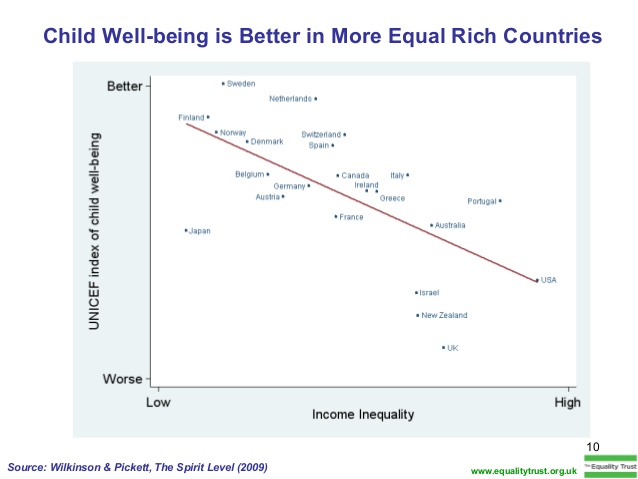
DonatenowButton

Osborne’s tax credit cuts omnishambles

540525_186110078206715_79170441_n

The Chancellor, George Osborne, has recently announced that the Conservatives are a true “workers party”  – claiming that his opponents, the Labour Party, represent the unemployed. But the Conservatives are attempting to re-write history: the Labour Party grew from the Trade Union Movement, and have a strong tradition of supporting worker’s rights and fair wages, and of course the Unions have retained close institutional links with the Labour Party.

Osborne has argued, somewhat absurdly, that reducing tax credit payments to people in low paid jobs would give them “economic security” by reducing the Government’s spending deficit. Labour argues that the richest should pay to cut the deficit, and has identified cuts to tax avoidance and corporate subsidies that could replace cuts to the lowest paid. Osborne’s priorities reflect a traditional Conservative ideology.

As Richard Murphy, from Tax Research UK, points out:

“… the government is forcing the burden of risk bearing onto those least able to bear it in society – that is those with the lowest income. So just as we now know inequality, especially concerning wealth, is rising rapidly, insecurity is also increasing exponentially as risk is being passed from those with the capacity to bear it to those who have not.”

Osborne’s “long-term economic plan” isn’t without controversy. According to many economists, during recessions, the government can stimulate the economy by intentionally running a deficit. The budget deficit is the annual amount the government has to borrow to meet the shortfall between current receipts (tax) and government spending.

Of course, last year, serious doubts were raised regarding Osborne’s deficit targets after the treasury met a significant tax revenue shortfall. Osborne’s obsession with deficit cutting and the Conservative small-state ideology has clearly overlooked the problems created by poor pay and high living costs, which has impacted detrimentally at both a micro and macro level, creating an economic spiral of cuts and stagnation. And it has widened inequality significantly.

In order to keep his promises on further future tax cuts for higher earners, Osborne will invariably make even more cuts to public services, public sector pay and the social security safety net that are so deep they will severely damage both the economy and potentially, the fabric of our society.

The Institute for Fiscal Studies (IFS) have recently criticised George Osborne’s proposed tax credit cuts, because it is “at odds” with wider Conservative stated aims to “support hardworking families”.

Research conducted by the IFS calculated that only around quarter of money take from families through tax credit cuts would be returned by the new National “Living Wage”.

Tax credits are payments made by the Government to people on lower incomes, most of whom are in work.

It was announced today that the Work and Pensions Committee is holding an urgent evidence gathering session on the proposed reforms to the tax credit system on Monday 26 October. The Committee will question representatives of respected independent think tanks that have analysed the impact of the Conservative plans, including the IFS and the Resolution Foundation, who revealed that the planned welfare cuts will lead to an increase of 200,000 working households living in poverty by 2020, and that almost two-thirds of the cut would be borne by the poorest 30 per cent of households, whilst almost none of the cuts will fall upon the richest 40 per cent of households.

A Labour motion calling on the government to rethink the controversial tax credit cuts has been defeated in the Commons. But despite Labour losing the vote today, the debate saw a number of Tory MPs attack the proposed changes, too.

In her maiden speech today, Tory MP Heidi Allen said that her party risks betraying its values, as she voiced her opposition to tax credit cuts.

She suggested ministers were losing sight of the difficulties of working people in their “single-minded determination to achieve a [budget] surplus”. She also said that the tax credit changes do not pass the “family test”, warning that the pace of the reforms is “too hard and too fast”.

The opposition day motion called for a reversal of the policy but MPs voted against it by 317 to 295 – a government majority of just 22. Next week, the vote in the House of Lords was set to be far closer, with the very real possibility that on Monday, Peers would  vote to block the changes. Because the tax credit cut proposals were not in the Tory manifesto, it means they are not bound by the usual Salisbury convention that prevents the peers from blocking election promises.

Also, the tax credit cuts were not included in the Finance Bill, which normally enacts a Budget, and the opposition have used the opportunity to seize on the fact that a Statutory Instrument can be halted by a single House of Lords vote.

Mr Cameron effectively ruled out cutting the benefit before the election, telling a voters Question time that he “rejected” proposals to cut tax credits and did not want to do so.

The cuts are part of £12bn cuts to the social security budget that the Government is to make – the details of which the Conservatives refused to announce before the election.

However, in an unprecedented move, the Conservatives have threatened a constitutional “showdown”, and have refused to engage in dialogue with peers that want kill off the proposed Tory cuts. The government warned the House of Lords it would trigger a full-scale constitutional crisis by pressing ahead with their plans.

Despite the fact that the chancellor faces a growing rebellion against the cuts among Tory MPs, the government told the group of crossbench peers that they also “risked” a renewed push to weaken the powers of the upper house if they refused to back down.

The threats from the government that came because it was facing probable defeat on what is an extremely unpopular reform, even amongst their own party ranks, are truly remarkable, showing a contempt for democratic process and a lack of willingness to engage in transparent dialogue. They came after Lady Meacher, a crossbencher who is the former chair of the East London NHS Trust, threatened to table a “fatal motion” to kill off the cuts to tax credits.

The Tories do not have a majority in the Lords and faced defeat after Labour and the Liberal Democrats said they would support Lady Meacher.

It is understood that Meacher withdrew her fatal motion on Tuesday night and announced she would table a motion calling on the government to deliver a report responding to the warning by the Institute for Fiscal Studies that 3 million families would lose over £1,000 a year.

Meacher told the Guardian today:

My plan at the moment is to put down a motion which will prevent this regulation being approved on Monday, which will require the government to produce a report responding to the IFS analysis and consider mitigating action before bringing it back. This gives time to the House of Commons to go on doing what they are doing. There are Tory MPs horrified by this.

So we are giving the government time to think again, but the word fatal would not be appropriate. This is causing a great deal of consternation at government level and we are trying to find a way through which will ensure that the government revisits these regulations

This move will also allow time for the Work and Pensions Committee to gather further evidence to present to the government, too. The Committee have stated that they will ask representatives questions on the following topics;

  • The impact of the April 2016 tax credit cuts (in isolation and in the context of other welfare measures in the Summer Budget), and the National Living Wage
  • The winners and losers and their characteristics
  • The extent to which the National Living Wage will compensate individuals receiving lower tax credit payments
  • The distributional impact of these measures, individually and combined
  • The scale of the financial gains/losses to households and what influences this
  • The quality of the analysis produced by the Government to support their proposals
  • Other options for achieving savings from the tax credit system that will mitigate the impact on the least well off
  • The implications for work incentives and the Government’s wider objectives in welfare reform

Select Committees work in both Houses of parliament. They check and report on areas ranging from the work of government departments to economic affairs. The results of these inquiries are made public and the Government must respond to their findings.

A select committee is a cross-party group of MPs or Lords given a specific remit to investigate and report back to the House that set it up. Select committees are one of the key ways in which Parliament makes sure the Government is adequately scrutinised, held to account, and has to explain or justify what it is doing or how it is spending taxpayers’ money.

Committee findings are reported to the Commons, printed, and published on the Parliament website. The government then usually has 60 days to respond to the committee’s recommendations.

The Osborne omnishambles is far from done and dusted yet.

555114_453356604733873_1986499794_nPictures courtesy of Robert Livingstone