Tag: Neoliberalism

Who killed Jo Cox?


Jo-Cox-composite-image-2016.6.17-7.57-large_trans++qVzuuqpFlyLIwiB6NTmJwfSVWeZ_vEN7c6bHu2jJnT8

I’ve said before, probably more than once, that the Conservatives are, on the whole, supremicist creatures of habit rather than reason. They carry with them a poisonous, heavy burden of longstanding, traditional grudges and prejudices. That is why their policies are so stifling and anti-progressive for the majority of us. It’s why Tory policies don’t meet public needs and are so blatantly class-contingent.

There’s always an air of doom and gloom when we have a Tory government, and a largely subdued, depressed, repressed nation, carrying vague and fearful intuitions that something truly catastrophic is just around the corner.

It usually is.

I can remember the anxiety and creeping preternatural fear infecting and agitating young people back in the eighties, and our subsequent teenage, transcendent defiance, which we carried like the banners at the Rock Against Racism marches, in the Thatcher era. It struck me more than once that we always witness the social proliferation of ultranationalist sentiments and fascist ideals whenever we have a Tory government, too. It stems from the finger-pointing divide and rule mantra: it’s them not us, them not us. But of course history refutes as much as it verifies, and we learned that it’s been the Tories all along. Well, some of us did, anyway

With a Conservative government, the general public are always fighting something. Poverty, inequality, social injustice: we fight for political recognition of our fundamental rights, which the Tories always circumvent. We fight despair and material hardship, caused by the rising cost of living, low wages, high unemployment and the intentionally manufactured recessions that are a key characteristic of every single neoliberal Tory government. 

I think people mistranslate what that something is; they quickly lose sight of what they are fighting, of why they feel fearful.  A loss of identity and sense of belonging is inevitable, because Tory rhetoric is all about outgrouping and othering: dividing, fragmenting society into alienated bite-sized manageable pieces by amplifying an ultimately anomic, pathologically paranoid narrative of sneaking suspicions and hate thy neighbours

The Tories are and always have been psychocrats. They insidiously intrude into people’s everyday thoughts and try to nudge, micro-manage and police them. They use Orwellian-styled rhetoric crowded with words like “market forces”, “meritocracy” “autonomy”, “incentivisation”, “democracy”, “efficient, small state”, and even “freedom”, whilst all the time they are actually extending a brutal, bullying, extremely manipulative, all-pervasive and socially damaging authoritarianism.

The man who murdered Jo Cox in cold blood, who shot her, stabbed her, then continued to brutally kick her when she was on the ground, was apparently described as a “loner”. Neighbours expressed their shock at the atrocity he has committed, because he was “quiet” and because he also has a strong work ethic. He tidies people’s gardens and he had said that he believed “hard work” could cure mental illness. That’s a Conservative notion, by the way. Work is now considered to be a “health” outcome. We have a government that wants to put therapists in jobcentres and job coaches in GP surgeries. Not that all hardworking and reserved people are right-wing or murderers, of course. Nor are most people with mental health problems.

He said: “All these [mental health-related] problems are alleviated by doing voluntary work. Getting out of the house and meeting new people is a good thing, but more important in my view is doing physically demanding and useful labour.”
999622_566748676727998_1599547969_n

I wonder how many of those people who readily misjudged Mair because of his superficial politeness and reserved nature would be equally quick to condemn those who cannot work because they are sick and disabled?  Or those so poor that it takes every ounce of energy they have to simply survive, with none spare for cutting people’s hedges or passing on horticultural tips?

The hardworking taxpayer and economic free-rider myth is founded on a false dichotomy, since it is estimated that around 70% of households claim benefits of one kind or another at some point in their lives. In the current climate of poor pay, poor working conditions, job insecurity, and high living costs, the myth of an all pervasive welfare-dependent something for nothing culture is being used to foster prejudice and resentment towards those unfortunate enough to be out of work. It also serves to bolster Right-wing justification narratives that are entirely ideologically driven, which are aimed at dismantling the welfare state, whilst concurrently undermining public support for it.

Thomas Mair was clearly wrong about “hard work” being anything like a positive “mental health outcome” and so are the Tories. It’s frustrating that people don’t pay enough attention to details and look beyond surface appearances. Since when was being “quiet” or submissively “hard working” anything to do with being a decent, humane, moral, empathic and good citizen? And since when did having those qualities exclude the possibility that someone may be a murderer?

As someone with an academic background in psychology (and sociology), and as someone who also worked within mental health services, I have yet to encounter a mental illness that directs people to plan and carry out the brutal murder of their political opponents.

Thomas Mair, it emerges, is a neo-Nazi. He was living quietly, he presented himself to his community as a plausible, calm, respectable character, generating positive public perceptions of himself, whilst arming himself and planning to carry out a murder in a calculated, cold-blooded manner. All of those very dutiful people out there conforming to the frightfully exploitative and alienating Tory redefinition of our social norms, and a narrative that imposes directives of how a small group of authoritarians think we ought to be, seem to fail to recognise how empty such superficial gestures are, and how they lack meaning when they are premised on repression, festering hatred, fear of others and such rage-driven motives. It’s time to take a closer look at what is happening here. Here is where people are getting poorer, more excluded, isolated, more fearful, suspicious, lonelier and angrier by the day. 

And who really bothered to get to know Thomas Mair?

How quickly his local community disassociated themselves from him, preferring instead to see him as some kind of pathological mystery; someone with “mental health problems” hiding in their midst, rather than as a member of the community, as someone living and sharing a realm of intersubjective cultural meanings. Us and them again. He was apparently a pillar of the community, until it was very plain that actually, he wasn’t.
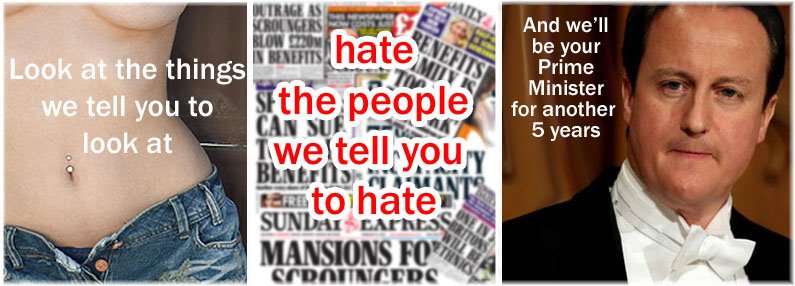
599849_369461329790068_1640090166_n

More than one person killed Jo Cox. Surely our whole, indifferent, ever so competitively individualistic, neoliberal, right-wing, increasingly intolerant, prejudiced society is also culpable. Sure, it was only one person that pulled the trigger of a gun and wielded the knife, but Jo was murdered by a process of unfolding prejudice and hate every bit as much as by the person and weapons chosen and purposefully gathered to carry out the terrible and intentional act. It’s all too easy to dismiss this terrible murder as a random and meaningless act carried out in isolation by a “mentally ill loner” (yet another prejudice), but we must not take the easy option: there is an awful, but far bigger and more important truth to be found in exploring the broader context of these horrific events, difficult though that is. 

The Conservatives (and those further Right) have parochialised both explanations of and responses to the global economic crisis, reducing us to a gossiping around the parish-pump type of politics. Parochialism entails neglect of the interests of identified “outsiders”, and this kind of isolationist tendency has also provided a political platform for nationalism. Parochialism tends to support inter-group hostilities, and it tends to lead to violations of human rights, as we are currently witnessingParochialism directly opposes a fundamental set of [internationally agreed] principles that constitute these rights: namely that all humans beings are of equal worth, and that human rights are universally applicable – they apply to everyone.

Even to the social groups that you don’t like.

It’s also worth bearing in mind that fascists never stop at discriminating against and persecuting the one social group of your choice. Fascists are fascists and tend to discriminate almost indiscriminately. However, fascists generally spare the establishment, curiously enough. Pastor Martin Niemöller famously observed public complicity and the consequences of bystander apathy and silence when he wrote: First they came for the socialistsand I did not speak out – Because I was not a Socialist…”

Of course Britain is not divided by race and culture: it’s divided by wealth inequalities fueled by the government’s ideology, policies and austerity programme.  Blaming people who are unemployed, sick and disabled, refugees and immigrants for the failings of the government has fueled misperceptions that drive support for the far-Right. People complain they can’t get council houses, surely the only really honest question an honest politician ought to ask is: “Why aren’t there more council houses?”

And when there are large numbers of people receiving unemployment benefit or tax credits, then the only honest question to ask is: “Why is the economy failing to provide enough jobs, or pay adequate wages?”

As a society that once promised equality and democracy, we now preside over massive inequalities of wealth: that’s a breeding ground for racism, classism and other vicious resentments.

Hate crime directed at disabled people has risen over the past five years, and is now at the highest level it’s ever been since records began. That’s the kind of society we have become.

Austerity cuts and the steady and deliberate erosion of democratic inclusion have served to awaken the disgruntled beast within people, the one that feeds on anger, disempowerment, demoralisation, fear, resentment and uncertainty. And loss of a sense of meaning and identity.

And wherever antipathy and a degree of enmity exist, the far-Right have always tried to perpetuate, exploit and increase rancour. The fascism of the 20s and 30s gained prominence because it played on wider public fears, manipulating them, and deflecting attention, as ever, from those who are truly to blame for dire social conditions: the ever-greedy elite. There’s a well-established link between political extremism, economic hardship and recession and social cleavages, with the far-Right “anti-system” parties now deceitfully winning the support of those who would never previously have thought of themselves as extremists. 

Such extremism and rancour feeds the disgruntled beast. The political Right have always sought to divide sections of the poor and middle class and set them to fight one against the other; to have us see enemies in our midst which do not exist, so that we see economic policies – the Tory-rigged “free market” competition – as the solution rather than the cause of our problems.

And here we are again.

When you just feed disgruntled beasts, you only end up with beasts.

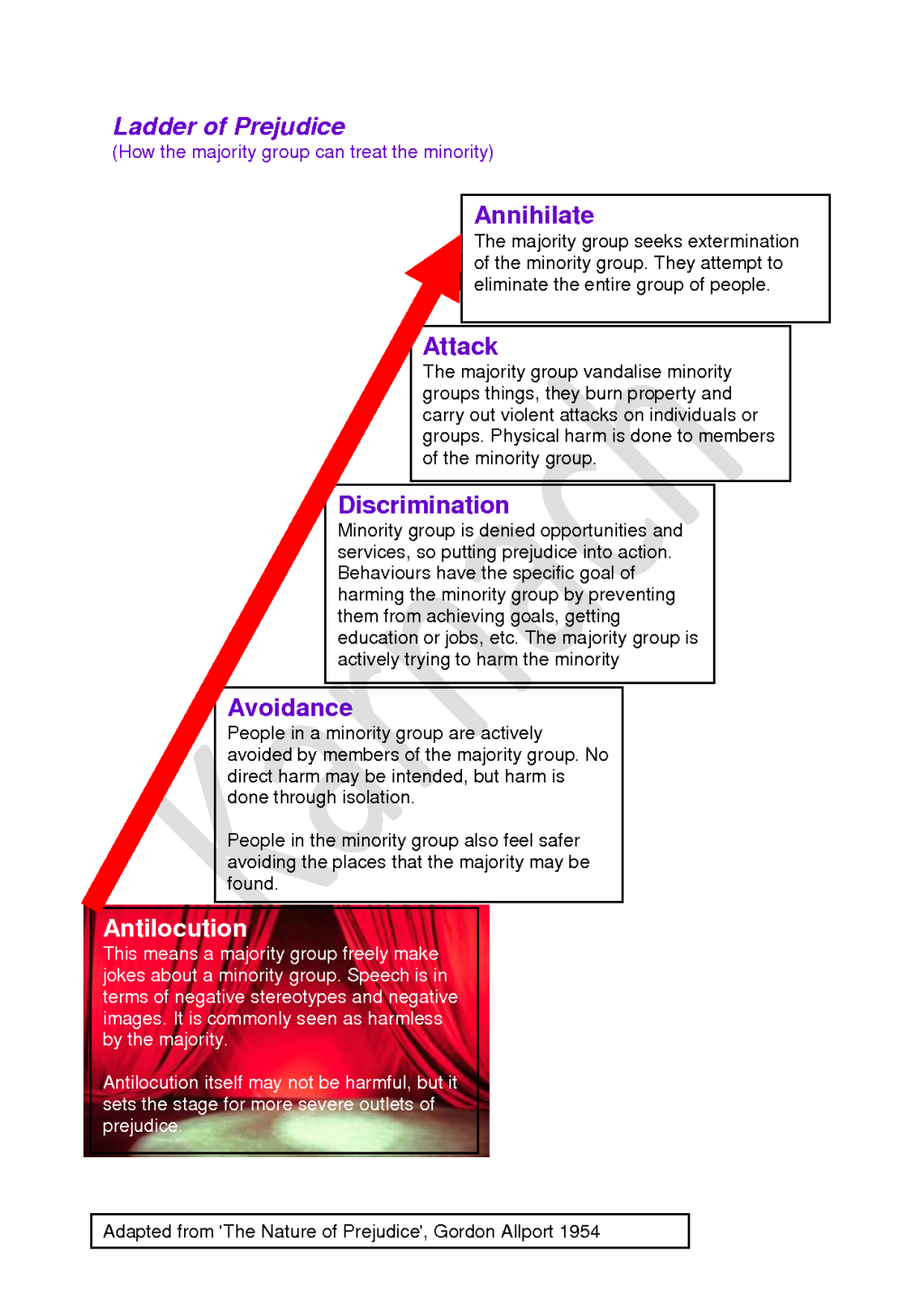
I’ve often written about the Right’s tendency to infrahumanise, dehumanise and create categories of “others”; scapegoating, using a media manufactured stigma to extend the politics of division and prejudice, and hate-mongering rhetoric.  I’ve also written about how Conservative governments always work to encourage the rise of far-right groups and a toxic climate of nationalism. Thatcher’s government was no different. Now they need to take some responsibility for what that kind of context does to people’s sense of identity and mental health, to social solidarity and community cohesion. They need to take some responsibility for transforming what was a diverse and reasonably tolerant culture into one of labeling and bullying, and ultimately into, dear God, one of murder: Perhaps the Conservatives need to read Gordon Allport’s work about how prejudice escalates and as a reminder from history about the terrible social consequences of that, again.

Gordon Allport studied the psychological and social processes that create a society’s progression from prejudice and discrimination to genocide. In his research of how the Holocaust happened, he describes socio-political processes that foster increasing social prejudice and discrimination and he demonstrates how the unthinkable becomes tenable: it happens incrementally, because of a steady erosion of our moral and rational boundaries, and propaganda-driven changes in our attitudes towards politically defined others, that advances culturally, by almost inscrutable degrees.

Decades of research findings in sociology and psychology inform us that as soon as a group can be defined as an outgroup, people will start to view them differently. The very act of demarcating groups begins a process of ostracisation.

The process always begins with the political scapegoating of a social group and with ideologies that identify that group as  the Other: an “enemy” or a social “burden” in some way. A history of devaluation of the group that becomes the target, authoritarian culture, and the passivity of internal and external witnesses (bystanders) all contribute to the probability that violence against that group will develop, and ultimately, if the process is allowed to continue evolving, extermination of the group being targeted.

Economic recession, uncertainty and political systems on the authoritarian -> totalitarian spectrum contribute to shaping the social conditions that seem to trigger Allport’s escalating scale of prejudice.

Prejudice requires the linguistic downgrading of human life, it requires dehumanising metaphors: a dehumanising socio-political system using a dehumanising language, and it has now become familiar and all-pervasive: it has seeped almost unnoticed into our lives. Because we permitted it to do so. 

‘Though some of us do challenge it, we need the wider public to recognise their moral and rational boundaries are being politically manipulated and systematically pushed. That has consequences. Increasing inequality, poverty, prejudice, discrimination and social injustice and social isolation, decreasing democracy, social inclusion and civic rights are just some such consequences. There are many more, some happening at a profoundly existential level. All at a time when supportive provision is being steadily withdrawn, public and mental health services are in crisis because of the Conservative cuts to funding. And many people are dying as a consequence.

Let’s freeze this, let’s stop and observe the context and full horror of this awful event for a moment, so we can see something of the enormity of the tragic murder of Jo Cox. She was a dedicated Labour MP, who fought tirelessly for social justice. She was just 41 and was taken from a husband and two young children, as well as her friends and constituents. Her final words were “my pain is too much.” Jo’s grieving husband, Brendan, has urged us to “fight the hatred that killed her.”  We must.

It must be time to recognise that each and every one of us bears some responsibility and has some positive contribution to make to the kind of society we live in.

And want to live in.

And surely that society is not the one we witness today.
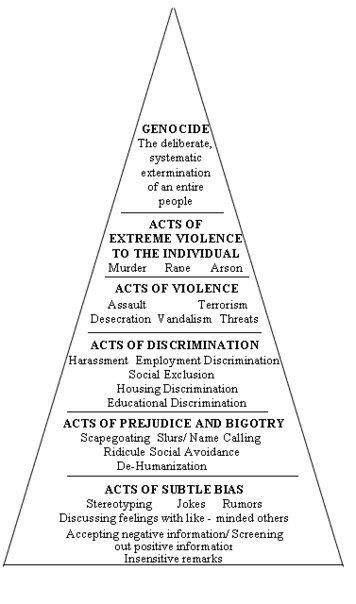
 

Allport's scale

Adapted from Gordon Allport’s The Nature of Prejudice”

Related 

The Psychological Impact of Austerity – Psychologists Against Austerity

Mainstream politicians ‘clueless on migration debate’, says Jo Cox’s husband – Brendan Cox /  Patrick Wintour

Jo Cox: The Labour MP who campaigned tirelessly for refugees

Jo Cox’s Husband Brendan Pays Moving Tribute To Labour MP After Shooting In Birstall, West Yorkshire

UKIP: Parochialism, Prejudice and Patriotic Ultranationalism

The disgruntled beast

Aktion Arbeitsscheu Reich, Human Rights and infrahumanisation


I don’t make any money from my work. But you can support Politics and Insights and contribute by making a donation which will help me continue to research and write informative, insightful and independent articles, and to provide support to others. The smallest amount is much appreciated, and helps to keep my articles free and accessible to all – thank you.

DonatenowButton
cards

The biggest barrier that disabled people face is a prejudiced government

b584


The very act of renaming incapacity benefit support for sick and disabled people “employment and support allowance” signaled the political intent to make that support precarious, with an aim of pushing people previously exempted from work on medical grounds from lifeline social security protection into work on political grounds, regardless of the consequences. The word “allowance” means the amount of something that is permitted, especially within a set of regulations or for a specified purpose. This language shift signaled the increasing contingency of support for disabled people.

It also reduced and transformed the sick role, making it increasingly transitory, redefining chronic, incurable conditions as somehow transient, and marking a shift from medical definitions of sickness and disability to psychopolitical redefinitions, which are ultimately aimed at pushing forward a small state neoliberalist agenda. Welfare provision is being steadily dismantled. 

However, changing the name and making the eligibility criteria for support much more stringent has not helped sick and disabled people into work. It has simply created circumstances of further disadvantage, hardship and distress for many people.

It hasn’t worked because many of those people affected by the nudge-styled rebranding of their lifeline support and draconian cuts to “incentivise” people to take up and cherish the Puritan work ethic, as the paternalistic Conservatives think we ought to, are simply too ill to work.

Of those that may be able to work, over time, their would-be employers have not engaged with legal requirements and provided adjustments in the workplace to support those disabled people seeking employment. The government have removed the Independent Living Fund, and reduced Access to Work support, Personal Independence Payment (PIP) is very difficult to access because of the stringent eligibility criteria, whilst the disability benefit Employment and Support Allowance was also redesigned to be increasingly difficult to qualify for.

But political word games, and intentions to attempt to shrink the categories of what is deemed “illness and disability” along with the ever-shrinking state, don’t cure illness and disability, and it’s offensive to witness a very wealthy first world so-called democratic government viciously hounding and shamefully coercing a group of people, negatively labeling them as a “burden on the taxpayer”, and forcing them to take any low paid, insecure work, without any support whatsoever, despite the fact their doctor and the state, via the work capability assessment, have deemed them already to be unfit for work, whilst at the same time leaving this group on an isolated, ever-shrinking island with ever-decreasing lifeline support.

Perhaps PIP ought to include invisible bootstraps in the aids and appliances categories.

This is juxtaposed with the recent gifted tax cuts for the wealthiest, indicating clearly that Conservatives perceive and construct social hierarchies with policies that extend inequality and discrimination. The axiom of our international human rights is that we each have equal worth. Conservative ideology is fundamentally  incompatable with the UK government’s Human Rights obligations and with Equality law. The chancellor clearly regards public funds for providing essential lifeline support for disabled people as expendable and better appropriated for adding to the disposable income for the wealthy.

Most people (over three-quarters ) who are disabled became so during their working life. There is an implicit political prejudice regarding disability, evident in policy-making, which is that it is an undesirable state and somehow preventable. There is another more explicitly stated prejudice, which relates to the oversimplistic false dichotomy of society. Citizens have been redefined as taxpayers or economic free-riders. However, not only have most disabled people worked and contributed tax and national insurance, people claiming social security also contribute significantly to the Treasury, because we pay VAT, council tax, bedroom tax and a variety of other stealth taxes.

The state confines its focus and responsibility mainly at re-connecting disabled people with the labor market, without any consideration of potential health and safety risks in the workplace, as a strategy of “support,” and justifies the draconian cuts to support as providing “incentives” for people to work, by constructing a narrative that rests on the bogus and socially divisive taxpayer/free-rider dichotomy:

 “You answer if a disabled person can’t work there is NO cut but if they can but won’t, why should taxpayers subsidise them & trolls go mad!”

 By “trolls” Michael Fabricant actually means disabled people and campaigners responding to his tweet.

What happens to those people that can’t work or cannot find an understanding employer, prepared to make reasonable adjustments in the workplace?

On becoming ill – it can happen to anyone

I am medically ill and my illness (lupus) affects my mobility, focus and general wellbeing. I am restricted in what I can do, and the symptoms and exacerbations are very unpredicable. However, it is economic, political and cultural forces which have created and continue to create my ongoing disability and social marginalisation, not my illness. Many of my problems are compounded because of an unadapted physical environment, a lack of resources and the attitudes of others, particularly the current government’s.

I don’t accept that health problems ought to be seen as the cause of the socioeconomic deprivation and exclusion that many of us are experiencing, because the real cause is entirely political. Policies, which exclude disabled people from their design and rationale, have extended and perpetuated institutional and cultural discrimination against disabled people.

My own illness arose partly because of a genetic predisposition, partly because of my gender and hormonal events which often trigger the illness, and probably a variety of other complex reasons, none of which specialists fully understand yet. Prior to becoming very ill, I led a very active and healthy life. I worked hard in a job I loved. My diet is and always has been balanced and healthy, I enjoyed outdoor activities such as climbing, abseiling, archery and walking. I was never inactive or overweight, and I am not stupid when it comes to health issues. Lupus isn’t a “lifestyle choice” and it didn’t arise because of something I did wrong.

All the same, I frequently get well-meaning but bad advice to try different diets, “natural” herbal remedies (people forget that they contain chemicals) – usually the immune- enhancing ones like echinacea, which my rheumatologist has already advised could be very dangerous – and the best one of all: “You should stop taking the heavy duty medication and ‘cleanse your system’.” That would be medication that I take to keep me alive because I tried and ran out of all the other options. I usually recommend a simple course of water melons for such “experts”, to be taken at four hourly intervals, rectally.

Like many other ill and disabled people, I have worked for most of my life. My work was rewarding, and the professional roles I took up have entailed developing inspirational ways to support and enable others, from voluntary work with Women’s Aid and Victim Support, to salaried youth and community work, social work, mental health work and delivering training. I worked whilst being ill for a number of years.

By 2010, I simply couldn’t work any more. My previous and mostly background joint, nerve and muscle pain suddenly became all consuming. My ankles, knees, wrists and fingers swelled. I caught a cold at work which turned to pneumonia on two occasions in 2009. I had apparently random finger abcesses, inexplicable kidney infections, and bruised every time I was touched. I had severe nerve pain in my face and optic nerves, which affects my vision. My hips and lower spine became stiff and painful, my shoulders became frozen. I had a painful rash across my face that looked like eczema, only it wasn’t. I was profoundly tired all of the time, and weighed less than eight stones. My GP ran some tests and everything came back lupus, with complications such as a severe autoimmune bleeding disorder, very low immunity to infection and neurological involvement.

Working put my safety, health and wellbeing at substantial risk. It also potentially exposed other people to risk, too, because of the impact of my illness on my judgments, reliability and consistency, eyesight, ability to supervise, mobility and so on. A tribunal agreed with this assessment in 2012.

It was a very painful recognition that I could no longer work, my decision to leave was very difficult, compounded by a sense of loss of self worth and meaning. I felt that my experience, developed skills, not to mention time and effort invested in studying for a highly vocational Master’s degree, were meaningless and unavailing. However, I was completely unprepared for the damaging impact of the political othering and socioeconomic outgrouping that followed from 2010.

And the poverty. I came to feel that I had been politically redefined as somehow “deviant” by 2012. A much needed transformation to add to the grieving process for the person I was before my body became a traitor. Cheers, Mr Cameron, for the milk of human blindness. The Sex Pistols got it a bit wrong back in the last days of counter-culture and agitprop: it’s not just anarchy that we need for the UK, it’s a modicum of empathy, too.

Doctors and rehabilitation professionals continually recommend medical treatments and practices even though they know that these will not necessarily improve my quality of life. Most of the treatments for autoimmune illnesses such as lupus are largely experimental: comprised of chemotherapies and immune suppressants that carry their own life-threatening risks, and being ill with lupus and other autoimmune illnesses presents a constant and difficult process of weighing up of such risks – life threats from the illness versus life threats and serious life-changing risks from the treatments. 

The dangers that arise when everyone thinks they are an expert on illness and disability

That didn’t stop a job advisor, during my time in the employment support allowance work-related activity, group telling me I should take the chemotherapy methotrexate because her friend with rheumatoid arthritis had some benefit from it. Methotrextate helps around 25% of people taking it, to various degrees, but it cannot cure the illness. Side-effects include sudden death, blindness, liver, kidney and heart failure, lung fibrosis, thrombocytopenia – a serious bleeding disorder which I already have – and death from an overwhelming infection, which I am already susceptible to, since my immune system is easily compromised and broken, amongst many other problems.

As it happens, I had already tried methotrexate for many months, administered by injection into my stomach. It didn’t work and the side-effects were truly diabolical, adding to my existing misery and multiplying symptoms. Another treatment, considered far less risky, called hydroxychloroquine, damaged my retina because I was prescribed too high a dosage, I’m now partially sighted.

However, the unqualified advice from a job coach overlooked that I have a different illness than her friend, and that methotrexate is a black box drug with life-threatening side-effects. Everyone seems to think they are a medical expert nowadays, and that’s the government’s doing, since they have been redefining illness and disability, making it a moral and public matter rather than a private, medical issue. Such political negative role-modelling has permitted a rise in expressions of social prejudice towards disabled people, which is why hate crime has risen significantly since 2010 and is now at the highest level since records began.  

We are either deserving or non-deserving, abled or disabled, never just ill or physically disadvantaged. Our lives have somehow become public property, with all manner of unqualified people feeling entitled to intrude at an intimate level to tell us how to “manage” our illness better. Or to transform media tropes and political folk devils into forms of justification for abuse.

Job centre staff it seems will recommend anything, including unqualified advice about medical treatments, regardless of the risks that may be involved, to coerce people from what was once a social safety net and into any job, regardless of its appropriateness, quality, pay, security, and importantly, it’s potential impact on people’s health and safety.

Last October, I flagged up the extremely worrying government plans to place job coaches in GP practices, with provision made for job centre staff to “update” people’s medical files. The government hadn’t announced this  “intervention” in the lives of disabled people, nor had we been consulted or involved in its design. I found out about it quite by chance because I read Matthew Hancock’s recent conference speech: The Future of Public Services.

I researched a little further and found an article in Pulse which confirmed Hancock’s comments: GP practices to provide advice on job seeking in new pilot scheme.

The government plans to merge health and employment services, and are now attempting to redefine work as a clinical outcome. Unemployment has been stigmatised and politically redefined as a psychological disorder, and the government claims somewhat incoherently that the “cure” for unemployment due to illness and disability, and sickness absence from work, is work.

This is why I visit my doctor and not David Cameron or George Osborne when I need advice, support and treatment related to my medical (and not political) condition.

It’s a prejudiced government that has edited the script regarding sick roles – we no longer have medical sick notes, they have been replaced by political fit notes. The subtext is that we must participate in the world of mainstream work without any choices, without reasonable adaptations and without support. Without any acknowledgement of illness and disability, in fact. Or, we have to accept being redefined, our identity rewritten as “dependent”, “impaired” “unfit for work” as a trade-off for a degree of meagre support.

All of our previous achievements and contributions are forgotten. We once celebrated the achievements of disabled people, but now, we cannot, because disabled people are systematically repressed. We are politically defined as either fit for work (and thus not seen as “disabled”) or not. There are no other options for us, unless we happen to be very wealthy as well as ill.

Singing the body politic in our own voices

We don’t fit with neoliberal dogma and the Tory ideals of “individual responsibility”, competition, a “small state” and compulsory (low) paid employment to enhance profits for the elite’s old boys network. Any positive association with impairment, such as reasonable allowances made or degrees of freedom from the Tory notion of “social obligations” and “responsibilities,” is prohibited. We are faced with an overly simplistic, terribly reductive and dehumanising either/or choice.

We are deemed either fit for work, or too disabled to work, with no accommodation made for what we may be able to contribute in myriad ways to society, nor is our past accumulative experience and skill regarded as a valuable. The moment there is a hint we may have some kind of tenuous work-related capability, all support is withdrawn. However, once we are deemed unfit for work, we are denied full citizen’s status and economic inclusion.

This narrow political approach does nothing to enable and support people, nor does it reflect human diversity. It simply disables us further and denies us autonomy and the right to define ourselves. It’s an approach that actually punishes people for the abilities, experience and skills that they have, stifling human potential. The moment those abilities and skills are revealed at a work capability assessment, all support is withdrawn and those qualities remain unfulfilled. Instead of investing in personal development and extending opportunities, the government is simply cutting social security and public service costs at our expense. It’s not actually their money to cut.

We are expected to participate in an unaccommodating and increasingly competitive job market or suffer the dehumanising consequences and impoverishment of claiming social security long-term. And the people profiting from this are the competing, vulture capitalist private “service” providers.

2014-02-17-BurdenoftheCuts-thumb

There is no support for creating circumstances where our skills may be transfered. There is no support to help anyone adapt their skills and experience to fit future employment. Access to higher education has been restricted because of the steep rise in cost, especially for mature and disabled students. There is nothing in place to ensure that employers recognise disabled people’s skills and experiences and make adaptations to accommodate people wanting to work, and no safety net at all to encourage personal development for disabled people, since all support is tied to rigid definitions of disability. You can either work or not.

Under the guise of lifting burdens on business, this government has imposed burdens on those with disabilities by removing the “reasonable adjustments” that make living our lives possible and allow us some dignity. The labor market is hostile and unaccommodating, providing business opportunities for making profit, but increasingly, the needs and rights of the workforce are being politically sidelined. This will invariably reduce opportunities for people to participate in the labor market because of its increasingly limiting terms and conditions.

This highlights the paramount importance of shifting the political focus to the pressing need to change a disabling culture and to actually listen to our lived experiences, including us in policy design from that of merely coercing us into fitting reductive Conservative definitions to accommodate and fit in with a neoliberal model of society.

We have smug, wealthy and healthy Conservatives redefining disablity, our identity is ascribed by others who have handed us a socially devalued status: we are being told who we are and how we must be.

Citizen’s “needs” are being aligned with politically defined neoliberal outcomes. Those most acutely aware of this are those politically assigned a lower status in the increasingly steep socioeconomic hierarchy. Stigma and othering is used politically to justify the hierarchy and the consequent crass inequalities, which are designed and mediated through policies, not citizens.

Stigma arises because of the perceptions of the oppressor, not those being oppressed. But perhaps it’s time that people who are “working hard” to contribute to the increasingly enclosed economy paused and observed what is going down, because disabled people are not the only ones being stigmatised and radically reduced by a particularly toxic combination of social conservatism and neoliberalism. Punitive and coercive welfare conditionality, including sanctioning, has recently been extended to those in low paid employment and part-time work, as tax credits and additional support vanish under the guise of “universal credit”. The bedroom tax is likely to be extended to the elderly. How does this in any way ensure that “work pays”?  All this will do is increase the precariousness of people’s situations and substantially increase their vulnerability.

The recognition and celebration of human potential, diversity and equal worth has been superceded by an all-pervasive Puritan “hard work” ethic. Our worth is being defined purely in terms of our economic contribution. We are measured out in pounds and pennies whilst making billions for a handful of other people. That is a value that comes exclusively from the dominant paradigm-shaping elite – the ones who actually profit from your hard work.

You don’t.

The government’s new “health and work” programme is actually workfare for sick and disabled people. Apparently, slave labor for big business is good for our “health” and has the added bonus of adding substantially to profits for friends of the Conservatives. It’s amazing how quickly the public have accepted the political semantic shifts, such as “work programme” – compulsory labor for no wage, which was originally about “exploitation” and has now been redefined as “work experience”. Apparently that is also “fair”, “inclusive”, “good” for our health and “makes work pay”.

Makes work pay for whom?

Disability can no longer be considered solely as a medical problem, affecting only a minority of the population. It must be seen for what it is: as a civil rights issue as central to mainstream political discourse. This government uses draconian policies to act UPON disabled people, it does not value our lived experiences nor does it listen and RESPOND to us. It’s a government that simply tells us how we must BE. That is profoundly undemocratic, it discriminates against us and excludes a social group on the basis of a protected characteristic.

There are and have been a lot of ways to define disability, it has variously has been defined through the eugenic model, a medical model, charity model, rights-based model, social model and a radical model. Now it’s time for a disabled people’s model, founded on our lived experiences and varied needs.

Understanding that oppressive situations have not arisen through any fault of our own, and that the oppression is real and has a basis in sociopolitical prejudice and discrimination provides us with the courage needed, and a more solid ground on which to fight for liberation. It always seems to be the case that fighting social injustice is left to the very people who have been excluded and systematically deprived of a political voice and power, it’s always down to us to make others listen. Yet it is invariably the case that when one social group is targeted for political prejudice and discriminatory policies, it affects everyone. Historically we have learned it quickly follows that other groups are singled out, too.

The universal character of human rights is founded on the inherent dignity of all human beings. It is therefore axiomatic that people with medical conditions that lead to disabilities, both mental and physical, have the same human rights as the rest of the human race.

The United Nations is currently investigating this government’s gross and systematic violations of the Convention on the Rights of Persons with Disabilities (CRPD), and a recent report from the House of Lords Select Committee on the Equality Act 2010 and Disability, investigating the Act’s impact on disabled people, has concluded that the Government is failing in its duty of care to disabled people, because it does not enforce the act.

Furthermore, the Select Committee concludes that the government’s red tape challenge is being used as a pretext for removing protections for disabled people. It’s a government that regards the rights and protections of disabled people as a mere bureaucratic inconvenience.

There’s a certain irony regarding the Conservative preoccupation with preserving social order: their rigid ideologically-driven policies create the very things they fear – dissent, insecurity, disorder and the raising of public awareness and recognition of a pressing need for social change and reform. It’s seems to be the case that Conservative governments prompt a growth of social challenges that encourage the flourishing of the very radicalism and revolutionary ideas that they fear and loathe.

That is what happens when people are oppressed.

 11081126_792213310848199_1993005711793194503_n

Picture courtesy of Robert Livingstone


I don’t make any money from my work and I’m not funded. You can support Politics and Insights by making a donation to help me continue researching and writing independently, and to continue to help others.

DonatenowButton
cards

Adam Perkins, Conservative narratives and neuroliberalism

164204381.png

Eugenics in a ball gown

I had a little discussion with Richard Murphy yesterday, and I mentioned that the right-wing libertarian think tank, the Adam Smith Institute, (ASI) has endorsed* the controversial work of Adam Perkins – The Welfare Trait.” The ASI has been the impetus behind Conservative policy agendas and was the primary intellectual drive behind the privatisation of state-owned industries during the premiership of Margaret Thatcher, and alongside the Centre for Policy Studies and Institute of Economic Affairs, advanced a neoliberal approach towards public policy on privatisation, taxation, education, and healthcare, and have advocated the replacement of much of the welfare state by private insurance schemes.

(*The ASI review, written by Andrew Sabisky, was removed following wide criticism of Perkins’ methodology and other major flaws in his work. Consequently, the original hyperlink leads nowhere, so I’ve added an archived capture, to update.) 

Professor Richard Murphy, a widely respected political economist and commentator, has written an excellent article: The Adam Smith Institute is now willing to argue that those on benefits are genetically different to the rest of us on the Tax Research UK site, which I urge you to read. 

He says “What you see in this is the deliberate construction of an argument that those on benefits are genetically different from other people. The consequences that follow are inevitable and were all too apparent in the 1930s. And this comes from a UK think tank much beloved for Tory politicians.”

The Adam Smith Institute say this in their review of Adam Perkins’s book:

“With praiseworthy boldness, Perkins gets off the fence and recommends concrete policy solutions for the problems that he identifies, arguing that governments should try to adjust the generosity of welfare payments to the point where habitual claimants do not have greater fertility than those customarily employed. The book no doubt went to press before the Chancellor announced plans to limit child tax credits to a household’s first two children, but such a measure is very much in the spirit of this bullet-biting book. The explicit targeting of fertility as a goal of welfare policy, however, goes beyond current government policy. Perkins perhaps should also have argued for measures to boost the fertility of those with pro-social personalities, such as deregulation of the childcare and housing markets to cut the costs of sustainable family formation.”

And: “Over time, therefore, the work motivation of the general population is lowered. This occurs through both genetic and environmental channels. Personality traits are substantially heritable (meaning that a decent percentage of the variation in these traits is due to naturally occurring genetic variation). Given this fact, habitual welfare claimants with employment-resistant personalities are likely to have offspring with similar personalities.”

Personality disorder or simply maintaining the social order?

Two things concern me immediately. Firstly, there is no causal link established between welfare provision and “personality disorder” or “traits”, bearing in mind that the “employment-resistant personality” is an entirely made-up category and does not feature as a clinical classification in either the ICD-10 section on mental and behavioural disorders, or in the DSM-5. Nor is employment status currently part of any clinical diagnostic criteria. Personality disorders are defined by experiences and behaviours that differ from societal norms and expectations.

Personality disorder (and mental illness) categories are therefore culturally and historically relative. Diagnostic criteria and categories are always open to sociopolitical and economic definition, highly subjective judgments, and are particularly prone to political abuse.

Drapetomania” for example, was a pseudoscientific definition of a mental illness that labelled slaves who fled captivity in the 1800s. Samuel A. Cartwright, who invented the category, also prescribed a remedy. He said: “with proper medical advice, strictly followed, this troublesome practice that many Negroes have of running away can be almost entirely prevented. In the case of slaves “sulky and dissatisfied without cause” – apparently a warning sign of their imminent flight – Cartwright prescribed “whipping the devil out of them” as a “preventative measure.” As a further “remedy” for this “disease”, doctors also made running a physical impossibility by prescribing the removal of both big toes. Such abusive application of psychiatry and the medicalisation of distress and rational responses to ethnic degradation and dehumanisation is part of the edifice of scientific racism.

The classification of homosexuality as a mental illness was removed from the Diagnostic and Statistical Manual of Mental Disorders (DSM) in 1974, and was replaced by the subsequent categories of “sexual orientation disturbance” and then “ego-dystonic homosexuality,” the latter was not deleted from the manual until 1987. Medicalising and stigmatising the experiences, behaviours and beliefs of marginalised social groups, and attempting to discredit and invalidate those group’s collective experiences is a key feature of political and cultural oppression.

Personality traits are notoriously difficult to measure reliably, and it is often far easier to agree on the behaviours that typify a disorder than on the reasons why they occur. As it is, there is debate as to whether or not personality disorders are an objective disorder, a clinical disease, or simply expressions of human distress and ways of coping. At the very least, there are implications regarding diagnoses that raise important questions about context, which include political and social issues such as inequality, poverty, class struggle, oppression, abuse, stigma, scapegoating and other structural impositions.

An over-reliance on a fixed set of behavioural indicators, some have argued, undermines validity, leaving personality disorder categories prone to “construct drift,” as the diagnostic criteria simply don’t provide adequate coverage of the construct they were designed to measure. There are no physical tests that can be carried out to diagnose someone with a personality disorder – there is no single, reliable diagnostic tool such as a blood test, brain scan or genetic test. Diagnosis depends on subjective judgment rather than objective measurement.

A diagnosis of personality disorder is potentially very damaging and creates further problems for individuals by undermining their sense of self, denying their identity, experience and locating the problems, regardless of their origin and who is responsible for them, in themselves. This is in addition to exposing people to stigma and discrimination, both within the mental health system, quite often, and more broadly within our society. Medicalising and stigmatising human distress permits society to look the other way, losing sight of an individual’s social needs, experiences and context. It also alienates the stigmatised individual, and enforces social conformity, compliance and cultural homogeneity.

It may be argued that the concept of personality disorder obscures wider social issues of neglect, poverty, inequality, power relationships, oppression and abuse by focusing on the labelling of the individual. Rather than being concerned with the impact and prevalence of these issues, public outrage is focussed on containing and controlling people who challenge normative consensus and who are perceived to be dangerous. Because there is no objective test to make a diagnosis, this makes the basis of such diagnosis very questionable and highlights the propensity for its political and punitive usage. The “diagnosis” of many political dissidents in the Soviet Union with “sluggish schizophrenia” who were subsequently subjected to inhumane “treatments” led to questions about such diagnoses and punitive regimes through stigma, labeling, dehumanisation, coercion and oppression, for example.

Secondly, to recommend such specific policies on the basis of this essentially eugenic argument betrays Perkins’s intention to provide a pseudoscientific prop for the libertarian paternalist (with the emphasis being on behaviourism) brand of neoliberalism and New Right antiwelfarism.

The taken-for-granted assumption that the work ethic and paid labor (regardless of its quality) may define a person’s worth is also very problematic, as it objectifies human subjects, reducing people to being little more than neoliberal commodities. Or a disposable reserve army of labor, at the mercy of “free market” requirements, if you prefer.

The government is currently at the centre of a United Nations inquiry into abuses of the human rights of ill and disabled people, and is also in breach of the rights of women and children, because of their anti-humanist, draconian welfare “reforms”. Human rights are the bedrock of democracy. The fact that some social groups are experiencing political discrimination and the failure of a government in a wealthy first-world liberal democracy to observe what are meant to be universal human rights ought to be cause for concern.

The rise of neoeugenics

Holocaust documentation has highlighted that the medicalisation of social problems and systematic euthanasia of people in German mental institutions in the 1930s provided the institutional, procedural, and doctrinal origins of the genocide of the 1940s. Eugenics in Germany was founded on notions of “scientific progress,” and was about ensuring mental, racial and genetic “hygiene” and “improving” the German race, which ultimately led to eliminativist attitudes towards politically defined “impure” others.

Eugenics is a theory of the possibility of improving the qualities of the human species or a particular population. It encourages the reproduction of persons with socially defined “desirable genetic qualities” and discourages the reproduction of persons with socially defined “undesirable genetic qualities.” Taken to its most extreme form, eugenics supports the extermination of some groups who some others consider to be “undesirable” population.

One example of eugenic policy is the recent limiting of tax credit support for children in poorer families to two children only. Iain Duncan Smith said that this is to encourage “behavioural change” to prevent poorer families having “too many” children.

Eugenics is widely considered as a movement that endorses human rights violations of some social groups. At the very least, eugenic policy entails violations of privacy, the right to found a family, the right to freedom from discrimination, the right to socioeconomic security and social protection, and at worst, violations of the right to life.

I have frequently referred to Gordon Allport in my writing. He was a social psychologist who studied the psychological and social processes that create a society’s progression from prejudice and discrimination to genocide. Allport’s important work reminds us of the lessons learned from politically-directed human atrocities and the parts of our collective history it seems we would prefer to forget.

In his research of how the Holocaust happened, Allport describes sociopolitical processes that foster increasing social prejudice and discrimination and he demonstrates how the unthinkable becomes tenable: it happens incrementally, because of a steady erosion of our moral and rational boundaries, and propaganda-driven changes in our attitudes towards politically defined others, all of which advances culturally, by almost inscrutable degrees.

The process always begins with political scapegoating of a social group and with ideologies that identify that group as “undesirable” and as the Other: an “enemy” or a social “burden” in some way. A history of devaluation of the group that becomes the target, authoritarian culture, and the passivity of internal and external witnesses (bystanders) all contribute to the probability that violence against that group will develop, and ultimately, if the process is allowed to continue evolving, extermination of the group being targeted.

Othering is recognised in social psychology as part of an outgrouping process that demarcates those that are thought to be different from oneself or the mainstream, most often using stigmatising to generate public moral outrage. It tends to reinforce and reproduce positions of domination and subordination. Othering historically draws on essentialising explanations, culturalist explanations, behavioural explanations, genetic explanations and racialising explanations.

Hate crime, eugenics and Allport’s ladder

In the UK, much of the media is certainly being used by the right-wing as an outlet for blatant political propaganda, and much of it is manifested as a pathological persuasion to hate others. We are bombarded with anti-muslim rhetoric, “poverty porn”, headlines that condemn people needing social security as “workshy” and “scroungers.” The political scapegoating narrative directed at ill and disabled people has resulted in a steep rise in hate crimes directed at that group. By 2012, hate crime incidents against disabled people had risen to record levels, and has continued to climb ever since, rising by a further 41% last year alone. We are certainly climbing Allport’s ladder of prejudice.

A freedom of information request to the Department for Work and Pensions (DWP) discloses that between 2010 and 2015 the government closed 1,041,219 alleged cases of benefit fraud put forward by the public. Insufficient or no evidence of fraud was discovered in 887,468 of these. In 2015 alone, of the 153,038 cases closed by the DWP’s Fraud and Error Service, 132,772 led to no action. People can use an online form on the DWP website to anonymously report “suspects,” listing their eye colour, piercings, scars, tattoos and other details they deem relevant. Suspicions can also be logged through the DWP benefit fraud hotline.

The inaccurate reports throws into question multiple government advertising campaigns, claiming that the public has a “role” in identifying “benefit cheats”. Television adverts, social media posts, letters and radio campaigns have been used to warn claimants about fraudulently claiming benefits. Government statistics show fraudulent claims accounted for 0.7% – or £1.2bn – of total benefit expenditure in the financial year 2012-2013. Some of that figure may also contain a proportion of DWP errors. An estimated £1.6bn was underpaid to claimants by the DWP. Yet people’s neighbours are being encouraged to engage in a McCarthy-style reporting of suspected benefit fraud. And a significant proportion of the public are reporting innocent citizens.

There is considerable incongruence between cases of genuine fraud and public perception: an Ipsos Mori survey in 2013 found the public believed 24% of benefits were fraudulently claimed – 34 times greater than the level seen in official statistics.

The political construction of social problems also marks an era of increasing state control of citizens with behaviour modification techniques, (under the guise of paternalistic libertarianism) all of which are a part of the process of restricting access rights to welfare provision.

The mainstream media has been complicit in the process of constructing folk devils: establishing stigmatised, deviant welfare stereotypes and in engaging prejudice and generating moral outrage from the public:

“If working people ever get to discover where their tax money really ends up, at a time when they find it tough enough to feed their own families, let alone those of workshy scroungers, then that’ll be the end of the line for our welfare state gravy train.” James Delingpole 2014

Poverty cannot be explained away by reference to simple narratives of the workshy scrounger as Delingpole claims, no matter how much he would like to apply such simplistic, blunt, stigmatising, dehumanising labels that originated from the Nazis (see arbeitssheu.)

The Conservatives have strongly authoritarian tendencies, and that is most evident in their anti-democratic approach to policy, human rights, equality, social inclusion and processes of government accountability.

Conservative policies are entirely ideologically driven. It is a government that is manipulating public prejudice to justify massive socioeconomic inequalities and their own policies which are creating a steeply hierarchical society based on social Darwinist survival of the wealthiest “libertarian” principles. We have a government that frequently uses words like workshy to describe vulnerable social groups.

Conservative narrative and eugenics

This is a government intentionally scapegoating poor, unemployed, disabled people and migrants. A few years ago, a Tory councillor said that “the best thing for disabled children is the guillotine.” More recently, another Tory councillor called for the extermination of gypsies, more than one Tory (for example, Lord Freud, Philip Davies) have called for illegal and discriminatory levels of pay for disabled people, claiming that we are not worth a minimum wage to employers.

These weren’t “slips”, it’s patently clear that the Tories believe these comments are acceptable, and we need only look at the discriminatory nature of policies such as the legal aid bill, the wider welfare “reforms” and research the consequences of austerity for the poorest and the vulnerable – those with the “least broad shoulders” – to understand that these comments reflect how many Conservatives think.

Occasionally such narrative is misjudged, pushing a little too far against the boundaries of an established idiom of moral outrage, and so meets with public resistance. When this happens, it tends to expose the fault lines of political ideology and psychosocial manipulation, revealing the intentional political creation of folk devils and an extending climate of prejudice.

In EdgbastonKeith Joseph, (1974) announced to the world that:

“The balance of our population, our human stock is threatened … a high and rising proportion of children are being born to mothers least fitted to bring children into the world and bring them up. They are born to mothers who were first pregnant in adolescence in social classes 4 and 5. Many of these girls are unmarried, many are deserted or divorced or soon will be. Some are of low intelligence, most of low educational attainment.”

And in 2010, the former deputy chairman of Conservative Party, Lord Howard Flight, told the London Evening Standard:

“We’re going to have a system where the middle classes are discouraged from breeding because it’s jolly expensive. But for those on benefits, there is every incentive. Well, that’s not very sensible.”

In 2013, Dominic Cummings, a senior adviser to the UK Secretary of State for Education, provoked a flurry of complaints about his eugenicist approach, claiming that “a child’s performance has more to do with genetic makeup than the standard of his or her education.”

Steven Rose, Emeritus Professor of Biology, offered a more detailed analysis in New Scientist, concluding:

“Whatever intelligence is, these failures show that to hunt for it in the genes is an endeavour driven more by ideological commitment than either biological or social scientific judgement. To suggest that identifying such genes will enable schools to develop personalised educational programmes to match them, as Cummings does, is sheer fantasy, perhaps masking a desire to return to the old days of the 11 plus. Heritability neither defines nor limits educability.”

Pseudoscience has long been used to attempt to define and explain social problems. Lysenkoism is an excellent example. (The term Lysenkoism is used metaphorically to describe the manipulation or distortion of the scientific process as a way to reach a predetermined conclusion as dictated by an ideological bias, most often related to political objectives. This criticism may apply equally to either ideologically-driven “nature” and “nurture” arguments.)

Eugenics uses the cover and credibility of science to blame the casualities of socioeconomic systems for their own problems and justify an existing social power and wealth hierarchy. It’s no coincidence that eugenicists and their wealthy supporters also share a mutual antipathy for political progressivism, trade unionism, collectivism, notions of altruism and of co-operation and class struggle.

It isn’t what it ought to be

Adam Perkins wrote a book that attempts to link neurobiology with psychiatry, personality and behavioural epigenetics, Lamarkian evolution, economics, politics and social policy. Having made an impulsive inferential leap across a number of chasmic logical gaps from neurobiology and evolution into the realms of social policy and political science, seemingly unfazed by disciplinary tensions between the natural and social sciences, particularly the considerable scope for paradigmatic incommensurability, he then made a highly politicised complaint that people are criticising his work on the grounds of his highly biased libertarian paternalist framework, highly partisan New Right social Conservatism and neoliberal antiwelfarist discourse. 

The problem of discrete disciplinary discursive practices and idiomatic language habits, each presenting the problem of complex internal rules of interpretation, was seemingly sidestepped by Perkins, who transported himself across distinct spheres of meaning simply on leaps of semantic faith to doggedly pursue and reach his neuroliberal antiwelfarist destination. He seems to have missed the critical domain and central controversies of each discipline throughout his journey.

Perhaps he had a theory-laden spirit guide.

Einstein once famously said: “The theory tells you what you may observe.”

On reading Perkins’s central thesis, the is/ought distinction immediately came to mind: moral conclusions – statements of what “ought” to be – cannot be deduced from non-moral premises. In other words, just because someone claims to have knowledge of how the world is or how groups of people are – and how mice are, for that matter, since Perkins shows a tendency to conflate mice behaviour with human behaviour – (descriptive statements), this doesn’t automatically prove or demonstrate that he or she knows how the world ought to be (prescriptive statements).

There is a considerable logical gap between the unsupported claim that welfare is somehow “creating” some new kind of personality disorder, called “the employment-resistant personality”, and advocating the withdrawal of support calculated to meet only the basic physiological needs of individuals – social security benefits only cover the costs of food, fuel and shelter.

While Perkins’s book conveniently fits with Conservative small state ideology, behaviourist narratives, and “culture of dependency” rhetoric, there has never been evidence to support any of the claims that the welfare state creates social problems or psychological pathologies. Historically, such claims tend to reflect partisan interests and establish dominant moral agendas aimed at culturally isolating social groups, discrediting and spoiling their identities, micromanaging dissent, and then such discourses are used in simply justifying crass inequalities and hierarchies of human worth that have been politically defined and established.

It’s truly remarkable that whenever we have a Conservative government, we suddenly witness media coverage of an unprecedented rise in the numbers of poor people who have suddenly seemingly developed a considerable range of personal “ineptitudes” and character “flaws.” Under the Thatcher administration, we witnessed Charles Murray’s discredited pseudoscientific account of “bad” and “good” folk-types taking shape in discriminatory policy and prejudiced political rhetoric.

Social Darwinism has always placed different classes and races in hierarchies and arrayed them in terms of socially constructed notions of “inferiority” and “superiority.” Charles Murray’s controversial work The Bell Curve: Intelligence and Class Structure in American Life presents another example of a discredited right-wing ideological architect, funded by the right-wing, who was then used to prop up an authoritarian Conservative antiwelfarist dogma that was also paraded as “science.” Murray had considerable influence on the New Right Thatcher and Reagan governments. Critics were often dismissed, on the basis that they were identified with “censorious political correctness,” which of course was simply a right-wing attempt to close down genuine debate and stifle criticism. The Bell Curve was part of a wider campaign to justify inequality, racism, sexism, and provided a key theme in Conservative arguments for antiwelfarism and anti-immigration policies.

A recent comprehensive international study of social safety nets from the Massachusetts Institute of Technology (MIT) and Harvard economists refutes the Conservative “scrounger” stereotype and dependency rhetoric. Abhijit Banerjee, Rema Hanna, Gabriel Kreindler, and Benjamin Olken re-analyzed data from seven randomized experiments evaluating cash programs in poor countries and found “no systematic evidence that cash transfer programs discourage work.”

The phrase “welfare dependency” was designed to intentionally divert attention from political prejudice, discrimation via policies and to disperse public sympathies towards the poorest citizens. It is used to justify inequality.

Adam Perkins does nothing to consider, isolate and explore confounding variables regarding the behaviours and responses of people needing social security support. He claims our current level of support is too high. I beg to differ. Empirical evidence clearly indicates it is set much too low to meet people’s physiological needs fully. Poverty affects people’s mental health as well as their physical health. There is a weight of empirical evidence confirming that food deprivation and income insecurity is profoundly psychologically harmful as much as it is physiologically damaging. (See the Minnesota semistarvation experiment, for example.) Describing people’s anger, despondency and distress at their circumstances as “antisocial” is profoundly oppressive. The draconian policies that contribute to creating those circumstances are antisocial, not the people impacted by those policies.

If people can’t meet their basic survival needs, it is extremely unlikely that they will either have the capability or motivation to meet higher level psychosocial needs, including social obligations and responsibilities to find work and meet increasingly Kafkaesque welfare conditionality requirements.

However, people claiming social security support have worked and contributed to society. Most, according to research, are desperate to find work. Most do. It is not the same people year in year out that claim support. There is no discrete class of economic freeriders and “tax payers.” The new and harsh welfare conditionality regime tends to push people into insecure, low paid employment, which establishes a revolving door of work and welfare through no fault of those caught up in it.

There is a clear relationship between human needs, human rights, and social justice. Needs are an important concept that guide empowerment based practices and the concept is intrinsic to social justice. Furthermore, the meeting of physiological and safety needs of citizens ought to be the very foundation of economic justice as well as the development of a democratic society.

The Conservatives (and Perkins) claim that the social security system, which supports the casualties of neoliberal free markets, have somehow created those casualties. But we know that the competitive, market choice-driven Tory policies create a few haves and many have-nots.

As I’ve pointed out many times before, such political rhetoric is designed to have us believe there would be no poor if the welfare state didn’t “create” them. But if Conservatives must insist on peddling the myth of meritocracy, then surely they must also concede that whilst such a system has some beneficiaries, it also creates situations of insolvency and poverty for others.

Inequality is a fundamental element of the same meritocracy script that neoliberals so often pull from the top pockets of their bespoke suits. It’s the big contradiction in the smug meritocrat’s competitive individualism narrative. This is why the welfare state came into being, after all – because when we allow such competitive economic dogmas to manifest without restraint, there are always winners and losers. Inequality is a central feature of neoliberalism and social Conservatism, and its cause therefore cannot be located within individuals.

It’s hardly “fair”, therefore, to leave the casualties of competition facing destitution and starvation, with a hefty, cruel and patronising barrage of calculated psychopolicical scapegoating, politically-directed cultural blamestorming, and a coercive, punitive behaviourist approach to the casualities of inbuilt, systemic, inevitable and pre-designated sentences of economic exclusion and poverty.

That would be regressive, uncivilised, profoundly antidemocratic and tyrannical.

PAA-550x369


This work was cited and referenced in Challenging the politics of early intervention: Who’s ‘saving’ children and why, by Val Gillies and Rosalind Edwards, here.

My work is unfunded and I don’t make any money from it. But you can support Politics and Insights and contribute by making a donation which will help me continue to research and write informative, insightful and independent articles, and to provide support to others.

The Conservative approach to social research – that way madness lies

b584


I’ve written more than one lengthy critique of Tory notions of what passes for “research” methods (so I’ll make this one relatively short), and often criticised Tory refusals to accept the research findings of academics regarding, for example, established links between the Work Capability Assessment, increased suicide and mortality, the link between sanctions and increased mortality. The Tory plea for the universal and unqualified dismissal of whatever they deem to be criticism of their policies is often based on the claim that “no causal link has been established.”

As I have pointed out on many occasions previously, whilst correlation certainly isn’t quite the same thing as cause and effect, it quite often strongly hints at a causal link, and as such, warrants further investigation.

It is therefore inaccurate to say that correlation doesn’t imply causation. It quite often does. The tobacco industry has historically relied on exactly the same dismissal of correlational evidence to reject any discussion of an established link between tobacco and lung cancer.

The standard process of research and investigation doesn’t entail, at any point, a flat political denial that there is any relationship of significance to concern ourselves with, nor does it involve a systematic and deliberate withholding of relevant data, attempts at censoring democratic dialogue, and a point blank refusal to investigate further. Furthermore, the government claims that there is “no evidence of a causal link ” is unverified. There is no evidence to support government claims that there isn’t such a link, either.

I’ve observed more than once that when it comes to government claims, the same methodological rigour that they advocate for others isn’t applied. Indeed, many policies have clearly been directed by ideology and traditional Tory prejudices, rather than being founded on valid research and empirical evidence.

The fact that no cumulative impact assessment has been carried out with regard to the welfare “reforms” indicates a government that is not interested in accountability, and examining the potential negative outcomes of policy-making. Policies are supposed to be about meeting public needs and not about inflicting Conservative dogma and old prejudices in the form of financial punishment on previously protected social groups. How on earth can taking lifeline income from people who are already poor ever cure poverty or unemployment?

Where is the causal link between work and improved health outcomes? One confounder there is the effect of the ideologically-driven Tory welfare cuts that massively reduce the quality of life for those who need to claim social security. It’s not “worklessness” but rather, it is Tory “reforms” and a refusal to accept that sometimes people cannot work that lead to poor health outcomes, and all too often, the somewhat traditional Conservative habit of refusing to listen to the public they are meant to serve democratically results in premature deaths.

And what about the discredited theories that stereotype the poor – as a diversionary and scapegoating convenience – like the “cycle of deprivation,” “cycle of dependency” made-up words and pre-loaded concepts such as “worklessness” and “workshy” presented as a fictitious medical condition or personality disorder, or the deliberately divisive “culture of entitlement”? There is NO empirical evidence that these categories exist as the Conservatives claim.

Sir Keith Joseph researched the “cycle of deprivation” theory extensively some years back and found NO evidence to support it, despite his dogmatic assertion of its existence. Again there are confounders. How do you separate the effects of policies and ideologically-driven political decision-making, subsequently discriminatory socio-economic conditions and of course, pure bad luck from people’s politically constructed “innate” traits or maliciously ascribed character “flaws”?

People exist in structural contexts, no amount of political pretending that they don’t will ever hide the fact that every single Conservative budget has taken money from the poorest citizens and our publicly funded services and gifted it to the wealthiest. It’s inconceivable that ministers don’t recognise that such policies create economic enclosure, perpetuate crass inequality and extend poverty.

Where is the causal link between welfare sanctions and people getting jobs? Or between the Work Capability Assessment and disabled people being “supported” or better off? Or between workfare and people finding appropriate, secure, quality jobs with fair wages that actually alleviates poverty?

Where is the causal link between austerity measures and economic growth? Or between austerity and a reduced national debt for that matter? Or between tax cuts for the wealthy and “trickle-down” prosperity for everyone else?

Where is the causal link between privatisation and better, more “efficient” services? Not to be found in examples such as Atos, Maximus, G4S, A4E, Circle, Serco, City Link, and many more, that’s for sure. Private companies by and large make hefty profits by inflating prices, radically cutting jobs and the quality of services delivered (“efficiency”), whilst generating scandal after scandal.

As a vast social and economic experiment, privatisation has massively failed the British public, and has grotequely rewarded a handful of unscrupulous, greedy, wealthy people – grotesquely rewarded, grotesquely undertaxed – whilst ordinary people in the UK face spiralling living costs and the obscene, cruel limitations of austerity to prop up the fraternity of vulture neoliberals and perpetrators of a toxic rhetoric that attempts to justify decreasing public inclusion in a shrivelling economy.

From a government that has been rebuked many times for manufacturing and misusing statistics, making claims that are fictions, inventing testimonies regarding the fake impacts of their draconian policies, sneaking through controversial and undemocratic policies via statutory instruments because they KNOW that those policies won’t stand up to scrutiny, it’s remarkable that any member of the Conservative party have the cheek to claim “no causal link has been established” when confronted with empirical evidence and strong correlational links from meticulous academic research.

The inherent contradictions of Conservative discourse and the construction of ideological mythologies that are translated into stigmatising mechanisms and anti-humanist policies are seen at their most stark in Conservative anti-welfarism, and themes of social Darwinism.

Neoliberal mythologies are manifested in a narrative of meritocracy and in extended in notions of “deserving and “undeserving”, whilst rapidly expanding social inequalities and increasing poverty, and increasingly limited access to justice and remedy, reflect a broader political refusal to engage in democratic dialogue with the electorate and a dogmatic determination to pursue anti-progressive, neoliberal programmes, which empirical evidence informs us, are socially harmful and destructive.


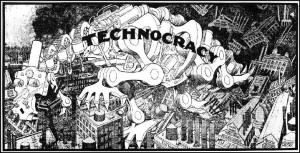
technocracy

I don’t make any money from my work. But you can support Politics and Insights and contribute by making a donation which will help me continue to research and write informative, insightful and independent articles, and to provide support to others. The smallest amount is much appreciated, and helps to keep my articles free and accessible to all – thank you.

DonatenowButton
cards

Frank Field’s New Report: Fixing Broken Britain?


In a study report that was published today – Fixing Broken Britain? An audit of working-age welfare reform since 2010, Labour MP Frank Field and co-author Andrew Forsey argue that: 

The Department for Business, Innovation and Skills should take a lead role in tackling the dependence of employers and landlords, whose subsidies in the form of tax credits and Housing Benefit have grown exponentially, by raising wages and productivity.

… the next front in welfare reform will see a fundamental switch from the Department for Work and Pensions – historically always responsible for welfare reform – to the Department for Business, Innovation and Skills, reflecting the new reform agenda.

Field and Forsey, writing for the cross-party think tank Civitas, propose that the next step of welfare reform:

 … involves a renewed drive to help those who have not yet been found a job under the Work Programme – principally the over-50s and the disabled. This should involve weighting the payment-by-results systems further in favour of those claimants facing the steepest barriers to work. This major task, and the prompt and efficient payment of benefits, should be the primary objective of the Department for Work and Pensions.

We believe the payment-by-results system the government introduced now requires a significant recalibration to give the most disadvantaged participants a fighting chance of getting and keeping a job.

The language used in the publication is controversial and I was both concerned and disappointed to see the phrase “welfare dependency” used more than once. It alludes to the Conservative claims of a so-called “culture of dependency”, for which there has never been any supportive empirical evidence presented, (and that’s despite Sir Keith Joseph’s notorious best efforts and meticulous but ultimately forlorn research into a neoliberal New Right myth.)

However, there is much empirical evidence to support structural explanations of unemployment and poverty, but the current government has tended to psychopoliticise these issues, blaming the character and attitudes of unemployed people, reflected in language shifts – for example, the frequent use of words such as “worklessness” which implies responsibility and choice – making unfortunate circumstances a very personal  burden – as opposed to “unemployment”, which at least accommodates factors such as labour market constraints, economic conditions, structural inequalities, state responsibilities and the consequences of political decision-making.

Field and Forsey also recommend “identifying claimants’ strengths and difficulties” as early as possible once they begin claiming benefit; early referrals to the new Work and Health Programme for those on any benefit in most need of support; and lifting the cap on numbers who can enrol on the voluntary welfare-to-work programme for claimants with disabilities, and extending the time for which they can participate.

The problem is that referrals are unlikely to be on a voluntary basis. One of the aims of the Work and Health Programme is to enlist the support of GPs in “prescribing” work coaches to sick and disabled people. Given the confidential nature of the patient/doctor relationship, such an intrusive measure is likely to ultimately undermine people’s trust in their GP, and leave sick people who genuinely cannot work feeling harrassed and coerced by the state. There is good evidence that the work programme has not increased sustainable employment outcomes, and furthermore, it has harmed people with mental health problems.

In fairness to Field and Dorsey, they do accommodate some structural factors in their analysis. They say:

A second major new front against benefit dependency involves raising the earnings of low-paid workers, which requires a national productivity strategy that can be built around the new National Living Wage. The major objective here is to prevent yesterday’s workless poor becoming today’s working poor.

The conditionality attached to the receipt of benefit may have made work an easier option, but real wage growth at the bottom end of the labour market has been the missing piece of the government’s welfare reform puzzle.

In order to enshrine work as the best route out of poverty, the next front in welfare reform must build upon the National Living Wage to deliver the higher productivity that can sustain rising real incomes across the board. This policy needs to be driven by the Secretary of State for Business, Innovation and Skills.

Field and Forsey criticise Universal Credit, stating that if it is ever rolled out nationally, it will not “incentivise” work.  They go on to say:

The government’s flagship welfare scheme will only deliver a lower marginal tax rate for certain groups of claimants and even for them it will be undermined by Universal Credit’s failure to encompass council tax support and free school meals.

Because of Universal Credit’s higher taper rate for many claimants the strategy of fixing “broken Britain” by offering lower withdrawal rates than the current system lies in ruins.

If creating an incentive to work is the goal the present system for the vast majority of claimants meets that goal more effectively. Any reduction in the marginal tax rate will only come for particular groups of Universal Credit claimants should the benefit be introduced.

But then, the failure of Universal Credit to encompass also Council Tax support and free school meals will throw all of these calculations into a mild chaos, to put it at its gentlest.

However, it’s clear that the whole point of Universal Credit is to facilitate a further withdrawal of funding for welfare support.

Field and Forsey argue in the report that because there is little prospect of Universal Credit being rolled out fully by 2020,  George Osborne should act now to “protect lower-paid families with children within the framework of the welfare cuts he is planning.”

They formulate a five-point plan for in-work benefit reform in the current parliament:

  • The tax credit system should be centred on lower-paid workers with children, with entitlements to families earning up to twice the level of the National Living Wage, a ceiling of £32,000.
  • By 2020, childless couples and single workers without children should no longer be eligible for support from the tax credit system.
  • Jobcentre Plus should be revamped so that staff have the skills to help claimants in work increase their hours and/or pay, either in their current job or by finding a new one.
  • Tax credit claimants should be allowed to increase their earnings by up to £5,000 in any 18-month period without any clawback of entitlement, so that they do not lose large chunks of income for working more or for better pay.
  • Vulnerable workers who cannot currently work a full week should be allowed to work up to 24 hours a week and claim Jobseeker’s Allowance or Employment and Support Allowance, rather than the current 16-hour maximum.

They say:

These five reforms would be much more effective in protecting those in work on modest earnings than anything the government is proposing. They build around the revolutionary idea the chancellor has introduced into British politics, particularly welfare reform, namely of introducing a National Living Wage.

This move begins the process of transferring the responsibility for lower earners’ welfare to employers and the Department for Business, Innovation and Skills, and away from the Department for Work and Pensions and Her Majesty’s Revenue and Customs.

However, this is a heavily corporate-sponsored “business friendly” neoliberal government with a clear anti-welfare agenda. What could possibly go right?

 —

 This post was written for Welfare Weekly, which is a socially responsible and ethical news provider, specialising in social welfare related news and opinion.

Conservative governments are bad for your health

proper Blond 

Context: the politics of blame

Increasing employment and pushing ill and disabled people into work are key elements of the UK Government’s public health and welfare “reform” agendas. The arguments presented for this approach are primarily economic and particularly, moralistic. The reasoning presented is not founded on biological, psychological or sociological evidence. The government maintains that work is the most effective way to improve the wellbeing of individuals, their families and their communities. There is a perception that unemployment is harmful to physical and mental health, so the corollary has been assumed – that work is beneficial for health. 

However, that does not necessarily follow, and to claim that it does is distinctly unscientific and irrational. As the Conservatives themselves have often pointed out in less appropriate circumstances in order to avoid democratic accountability and responsibility, there is a difference between an association and a causal relationship.

There is a clear ideological context from which the welfare “reforms” proceeded, and the politically-directed media campaigns that have purposefully stigmatised and outgrouped unemployed people demonstrates quite clearly that reducing welfare support is not about a politically calculated extension of social inclusion and social justice policies, Conservative bonhomie, or overall concern for the wellbeing of welfare recipients and people who are disabled.

The government are attempting to entrench neoliberal ideology in our culture by co opting GPs, social workers and other professionals as agents of the state. The idea that “work is a health outcome” has been embedded in policies such as the Orwellian renaming of sick notes (now “fit notes”), which are designed to explore what work a person who is absent from work because of illness may undertake.  However, the government intend a much more far-reaching outcome than simply attempting to reduce the sick “role” and recovery time. The government’s “behavioural change” agenda has become a centrally-orchestrated programme for governance. The provision of public goods and crucial support, from housing and discretionary housing payments to employment benefits and disability support is becoming increasingly conditional. 

Political rhetoric, aimed at perpetuating an extremely divisive and intentionally misleading “strivers and skivers” dichotomy is designed to undermine public support for the welfare state and the other gains of our post-war settlement – the NHS, legal aid and social housing for example – also betrays the lack of coherence, rationality and empirical support for the Conservative’s “reforms.” Furthermore, the extremely targeted, class-contingent and punitive nature of the Conservative austerity programme indicates that the welfare “reforms” were founded on traditional Tory prejudices, rather than on any genuine causal relationship based on empirical evidence and social or economic necessity.

This explains why the government have persistently ignored the many evidence-based concerns raised by academic researchers, campaigners and opposition MPs that their austerity policies are having an extremely harmful effect, most often on our poorest and most vulnerable citizens.

The Conservatives are ideologically bound to notions of a small state, minimal levels of political responsibility and intervention, minimal levels of government spending, the heavy promotion and administration of privatisation, competition, fiscal austerity, deregulation and free trade in order to enhance the role of the private sector in the economy, all of which are the central strands of the neoliberal hegemony. Conservative ideology runs counter to any notion that all citizens must be treated fairly, which also means that they must be given equal economic opportunities and provided with a adequate minimum standard of living. Neoliberal ideology is incompatible with a human rights-based society.

Democracy exists partly to ensure that the powerful are accountable to the public, and particularly to our most vulnerable citizens. This government have blocked that crucial exchange, and show disdain for human rights, the welfare state and the NHS, all of which provides ordinary people and the most vulnerable citizens basic protection from those in power.

Conservatives despise human rights and rights-based social provision. They absurdly claim that welfare provision causes vulnerability, and a “culture of dependency,” despite the fact that there is absolutely no empirical evidence to support this view. History has consistently taught us otherwise. The Conservative’s policies are expressions of contempt for the lessons and empirical evidence from over a century of social history and administration.

Tory rhetoric is designed to have us believe there would be no poor people if the welfare state didn’t somehow “create” them. If the Conservatives must insist on peddling the myth of meritocracy, then surely they must also concede that whilst a neoliberal system has a few beneficiaries, it also creates situations of insolvency and poverty for many others. That is what a system based on competitive individualism is about: it creates a few “winners” and a lot of others lose.

Conservative cuts are based on nothing more than the ridiculous myth that poverty is somehow a lifestyle choice or a moral failing which people can be punished or starved out of. The new Tory neoliberal “paternalists” really seem to believe that if they make life for poor people insufferable, they will simply be “incentivised” to choose to be wealthier. It’s a thinly disguised revamp of the ill-conceived 1834 Poor Law deterrence principle of “less eligibility” – that was supposedly aimed at “making work pay” too. But it didn’t. It’s not possible to frighten and punish people out of poverty. Only a Conservative government would claim to be making work pay by cutting welfare down to the bare bones, rather than increasing wages. The welfare cuts have actually had the effect of driving down wages too.

Of course, by framing the issue of poverty in terms of personal responsibility and morality, the Conservatives have stifled debate and restricted public discussion in the hope that people won’t recognise the wider structural inequalities and economic failings, for which this government are solely responsible.

Debbie Abrahams said: “The Conservatives point the finger at sick and disabled people for the rise in spending. They are still shamelessly spinning their tired “shirkers” and “strivers” narrative, designed to whip up public support for cuts to the most vulnerable. But this divisive rhetoric can no longer conceal the fact their economic strategy has failed. It is the government’s failure that has led to rising social security costs. 

As we saw at the Autumn Statement (2016), borrowing is up, growth is down, deficit targets have been hopelessly missed and wages have flat-lined. At the same time, the government has refused to tackle the driving forces behind increased social security spending, from low pay to high housing costs. Instead, the government is slashing support to those who need it most, exacerbating the financial strain so many are facing this Christmas, and failing its own targets in the process.   

[…] Research by the Joseph Rowntree Foundation suggested that we need to be building 80,000 affordable homes a year to meet demand and keep the current spend on housing benefit stable. This government managed a pathetic 30,000 homes last year. It is this refusal to build enough homes that keeps the housing benefit bill growing. People are left struggling to find somewhere affordable to live, and the state is forced to subsidise the sky-high rents charged by private landlords 

We could also look at tax credits, which currently make up more than £20bn a year in the spending under the cap. Tax credits top up working people’s pay where it is insufficient. Wages today are lower than they were in 2008, and won’t even return to the levels of 2008 until 2021. A record six million workers are paid less than the living wage. This is why tax credit costs have risen – because the government has had to increase the amount spent on topping wages up. 

Labour founded the welfare state to give pensioners and disabled people dignity, to prevent homelessness, children going hungry, and to cover for periods of unemployment or ill-health. It was never designed to be spending tens of billions substituting for low-wage employers or subsidising rip-off landlords.”

Economic productivity is the new health outcome

The claim that “work is good for you” is allegedly based on “scientific evidence” that people in work tend to be healthier than those claiming unemployment and sickness benefits. However, to draw the conclusion that “employment is good for you” from the data is an example of inferring causality inappropriately, from what is only an association. Yet it is being used to prop up Conservative justifications for dismantling the welfare state.

Unemployment has been linked to increased rates of sickness, disability and mental health problems, and to decreased life expectancy. The claim has also been made that it results in an increased use of medication, medical services, and higher hospital admission rates. However, surely it makes much more sense to say that sickness, disability and mental health problems, the use of medication, medical services, and higher hospital admission rates all cause unemployment, rather than the converse. This government seem to have a major problem accepting the fact that sometimes, people really are simply too ill to work.

Most people who are too ill to work are obviously not as healthy as those who can work. That is hardly controversial. However, that doesn’t mean that work itself is good for your health, it just means those who don’t work tend to have worse health than those who do. People don’t work because they have poor health.

Linking ill health with “worklessness” is an ideological preference which ignores other variables. It is much more likely that the “reforms”, which have reduced welfare provision to inadequate levels – leaving people all too often unable to meet their basic needs – is bad for health, rather than being out of work. 

But the Conservatives have used this “evidence” of an association between poor health and unemployment to make an inference based on a “causal link” that hasn’t actually been empirically verified. Iain Duncan Smith has made the claim, for example, that “work is good for you.” He has even claimed that work can make people’s health problems “better.” But that isn’t very likely to be true. It’s akin to claiming that chatting and exercise is a cure for multiple sclerosis, lupus, blindness or cancer. Or that a work coach on prescription will cure rheumatoid arthritis, a disc prolapse or schizophrenia.

This is why I visit my doctor when I am ill, and not Iain Duncan Smith or the government.

The claim that work is good for your health is simply a part of Tory justification narratives for cutting support for sick and disabled people, and hounding people who need to claim benefits. Yet this axiom informs current UK policy towards increased benefit conditionality, harsh sanctions, compulsory work experience and the “workfare” or “work-for-benefits” thinking which the Conservatives favour. However, this is an approach that can never work, unless, of course, the aim is to completely dismantle the welfare state. Oh, hang on…

The biopsychosocial model

The biopsychosocial model (BPS) of ill health is not without controversy, although many see it as more pragmatic or humanistic than the medical model of illness, which came to be regarded as reductionist and deterministic. The biopsychosocial model is the conceptual status quo of contemporary psychiatry, and many believe that it has played an important role in combatting psychiatric dogmatism.

The biological component of the model is based on a traditional allopathic (bio-medical) approach to health. The social part of the model investigates how different social factors such as socioeconomic status, culture and poverty impact on health. The psychological component of the biopsychosocial model looks for potential psychological causes for a health problem such as lack of self-control, emotional turmoil, and negative thinking.

Of course a major criticism is that the BPS model has been used to disingenuously trivialise and euphemise serious physical illnesses, implying either a psychosomatic basis or reducing symptoms to nothing more than a presentation of malingering tactics. This ploy has been exploited by medical insurance companies (infamously by Unum Provident in the USA) and government welfare departments keen to limit or deny access to medical, social care and social security payments, and to manufacture ideologically determined outcomes that are not at all in the best interests of patients, invalidating diagnoses, people’s experience and accounts, and the existence of serious medical conditions. (See also: Getting rich on disability denial, and  A Tale of two Models by Debbie Jolly.)

Unum was involved in advising the government on making the devastating cuts to disabled people’s support in the UK’s controversial Welfare Reform Bill. (See also: The influence of the private insurance industry on the UK welfare reforms.)

This is a government that tends to emphasise citizen responsibilities over rights, moralising and psychologizing social problems, whilst quietly editing out government responsibilities and democratic obligations towards citizens.

For example, poverty, which is caused by political decisions affecting socioeconomic outcomes, is described by the Conservatives, using elaborate victim-blame narratives, and this is particularly objectionable at a time when inequality has never been greater in the UK.

Poverty may only be properly seen in a structural context, including account of the exclusion and oppression experienced by those living in poverty, the global neoliberal order, the gender order, the disability, racial, sexual and other orders which frame social life and precipitate poverty in complex and diverse ways. It’s down to policy-makers to address the structural origins of poverty, not the poor, who are currently regarded as the “collateral damage” – casualities – of politically imposed structural constraints.

Conservative governments are unhealthy

The effects of loss of income on people who can’t work because of illness is a confounding factor, too. How is it possible to isolate the devastating impacts of the Conservative “reforms” and the steady dismantling of the welfare state on unemployed people from the misleading generalisation that unemployment is bad for health? Surely if the Conservatives genuinely believed their own claims, they would be more inclined to increase rather than radically decrease provision and support for unemployed people.

Of course, not all work is beneficial. The review that led to the widespread folk tale that work is good for you is based on research involving people who had common and minor illnesses, and fulfilling, secure jobs. That doesn’t reflect the experiences of many people.

Not all jobs are rewarding and positive experiences, and some work can cause serious risks to health.

Doctor Frank Scheer, a neuroscientist at Harvard Medical School and Brigham and Women’s Hospital in Boston, says:

“There is strong evidence that shift work is related to a number of serious health conditions, like cardiovascular disease, diabetes, and obesity.

These differences we’re seeing can’t just be explained by lifestyle or socioeconomic status.”

Shift work and poor quality working environments and employment conditions are also linked to stomach problems and ulcers, hypertension, depression, musculoskeletal disorders, chronic infections, diabetes, general health complaints, all-cause mortality and an increased risk of accidents or injury. Long working hours are equally linked with a detrimental impact on health, according to medical research – see: The impact of overtime and long work hours on occupational injuries and illnesses: new evidence from the United States.

There is a growing and potentially corrosive problem of low paid, poor quality, precarious and temporary work which threatens levels of social inclusion and, ultimately, the health of the workforce.

Research shows unambiguously that the psychosocial quality of bad jobs is worse than unemployment. Peter Butterworth examined the mental health implications of those moving from unemployment into employment and found that:

“Those who moved into optimal jobs showed significant improvement in mental health compared to those who remained unemployed. Those respondents who moved into poor-quality jobs showed a significant worsening in their mental health compared to those who remained unemployed.”

Overall, unemployed respondents had poorer mental health than those who were employed. However the mental health of those who were unemployed was comparable or superior to those in jobs of the poorest psychosocial quality. (See: The psychosocial quality of work determines whether employment has benefits for mental health: results from a longitudinal national household panel survey.)

More recently, in a letter to the Guardian, the UK’s leading bodies representing psychologists, psychotherapists, psychoanalysts, and counsellors called on the Government “to immediately suspend the benefits sanctions system. It fails to get people back to work and damages their mental health.

Findings from the National Audit Office (NAO) show limited evidence that the sanctions system actually works, or is cost effective.

But, even more worrying, we see evidence from NHS Health Scotland, the Centre for Welfare Conditionality hosted by the University of York, and others, which links sanctions to destitution, disempowerment, and increased rates of mental health problems. This is also emphasised in the recent Public Accounts Committee report, which states that the unexplained variations in the use of benefits sanctions are unacceptable and must be addressed.”

The impact of poverty on health

The largest study of poverty conducted in the UK has laid out the dire extent of British material deprivation – and seriously undercut the government’s claim to be lifting people out of poverty through work.

The Poverty and Social Exclusion in the UK (PSE) project details how, over recent years, the percentage of households living below society’s minimum standard of living has increased from 14% to 33% – despite the fact that the economy has increased in size over the same period. The study found that low wages are a central cause of widespread deprivation. For many people, full-time work is not enough to lift them out of poverty; almost half of the working poor work 40 hours a week or more. And one in six adults in paid work (17%) is poor, suffering low income and unable to afford basic necessities.

Commenting on the study’s findings, Professor Jonathan Bradshaw of the University of York said they showed many parents who work full time still have to make huge sacrifices to try and protect their children from deprivation.

“We already know from DWP data that the majority of children with incomes below the the relative income poverty threshold have a working parent. The PSE survey shows that the majority of deprived children, those lacking two or more socially perceived necessities, and very deprived children (lacking five or more socially perceived necessities) have a working parent.

We found that 65% of the deprived and 58% of the very deprived children had a working parent, and 50% of the deprived and 35% of the very deprived had at least one parent working full-time. Child poverty is not being driven by skivers, but is the consequence of strivers working for low earnings while in-work benefits are being dissipated by government austerity measures.”

Responding to the findings, Clare Bambra, a professor at Durham University, said that the research was a shameful picture of “the devastating and far-reaching human costs of inequality and poverty in the UK today.”

She said:

“It’s shameful for a rich country like ours to be tolerating such levels of poverty especially amongst our children and young people. The mantra that work sets people free from poverty has been shown to be a grand old lie.

We will be living with the long term consequences of this social neglect for decades to come – there are clear links between poverty and reduced life expectancy and higher rates of ill health, especially concentrated in deprived areas and the north.

These findings show us the true cost of austerity.”

Public health experts from Durham University have denounced the impact of Margaret Thatcher’s policies on the wellbeing of the British public in a comprehensive study which examines social inequality in the 1980s.

The study, which looked at over 70 existing research papers, concludes that as a result of unnecessary unemployment, welfare cuts and damaging housing policies, the former prime minister’s legacy includes the unnecessary and unjust premature death of many British citizens, together with a substantial and continuing burden of suffering and loss of wellbeing.

The research shows that there was a massive increase in income inequality under Baroness Thatcher – the richest 0.01 per cent of society had 28 times the mean national average income in 1978 but 70 times the average in 1990, and UK poverty rates went up from 6.7 per cent in 1975 to 12 per cent in 1985.

Baroness Thatcher’s governments wilfully engineered an economic catastrophe across large parts of Britain by dismantling traditional industries such as coal and steel in order to undermine the power of working class organisations, say the researchers. They suggest this ultimately fed through into growing regional disparities in health standards and life expectancy, as well as greatly increased inequalities between the richest and poorest in society.

Professor Clare Bambra from the Wolfson Research Institute for Health and Wellbeing at Durham University, co-author of the research report, commented:

“Our paper shows the importance of politics and of the decisions of governments and politicians in driving health inequalities and population health. Advancements in public health will be limited if governments continue to pursue neoliberal economic policies – such as the current welfare state cuts being carried out under the guise of austerity.”

Thatcher’s policies  have been condemned for causing “unjust premature deaths.” Cameron’s policies are even more class-contingent and cruel.

I think there is a growing body of empirical evidence which indicates clearly that Conservative governments are much worse for public health, prosperity and wellbeing than unemployment.

10407927_677369232332608_5384979058089243718_n

Pictures courtesy of Robert Livingstone


I don’t make any money from my work. I am disabled because of illness and have a very limited income. The budget didn’t do me any favours at all.

But you can help by making a donation to help me continue to research and write informative, insightful and independent articles, and to provide support to others. The smallest amount is much appreciated – thank you.

DonatenowButton cards

Psychologists Against Austerity campaign – call for evidence

 1450041_569755536427312_1698223275_n

I was delighted to be invited recently to join and contribute to several ongoing projects with Psychologists against austerity.

Psychologists Against Austerity is a national campaign that highlights the psychological costs of austerity policies. We take the position that the austerity policies are an ideological choice by the Government and not necessary or inevitable economic measures. Psychologists are often in a position to see the effects that social and economic changes have on people and communities.  We draw attention to these human costs, which in the long-term will have additional social and economic repercussions.

It is our public and professional duty to speak out against the further implementation of austerity policies, as these have direct psychological impacts. We draw on academic research as well as our professional and personal experience to identify the damaging psychological costs of austerity measures, and we have produced a briefing paper detailing this research evidence base. We also outline an alternative vision for a society that creates the conditions for people to have ‘freedom to live a valued life’.

We call for social policy that works towards a more equitable and participatory society. We argue for a community-led approach to mental and emotional wellbeing that develops collective responses to individual needs and strengthens communities; one that supports and liberates, rather than punishing people in times of need.

We have identified five key ‘Austerity Ailments’ based on robust and long standing psychological evidence. They are: 

Humiliation and Shame

Fear and Mistrust

Instability and Insecurity

Isolation and Loneliness

Being Trapped and Powerless

You can read the evidence in full in our briefing paper.

Everyday Austerity

We would like to hear your stories about how the cuts have affected you and your service. We want the wider public and politicians to understand the real life costs of public sector cuts. It can be hard to speak up alone, so we are collating everyone’s stories – together we have more power and a louder voice. We all have stories of frustration, fear and anger, so please use this as a way to tell the world about how the cuts have impacted on you and/or the people you work with. We are interested in stories from everyone who works in, uses, or needs Psychology services.

We may use these stories in other contexts, such as publication and media.

Please visit our page to tell us about your experiences here

PAA-550x369

A critique of Conservative notions of social research

images
The goverment’s archaic positivist approach to social research shows that they need a team of sociologists and social psychologists, rather than the group of “libertarian paternalists” – behavioural economists – at the heart of the cabinet office, who simply nudge the public to behave how they deem appropriate, according to a rigid, deterministic, reductive neoliberal agenda and traditional, class-contingent Conservative prejudices.


Glossary

Epistemology – The study or theory of the nature and grounds of knowledge, especially with reference to its limits, reliability and validity. It’s invariably linked with how a researcher perceives our relationship with the world and what “social reality” is (ontology), and how we ought to investigate that world (methodology). For example, in sociology, some theorists held that social structures largely determine our behaviour, and so behaviour is predictable and objectively measurable, others emphasise human agency, and believe that we shape our own social reality to a degree, and that it’s mutually and meaningfully negotiated and unfixed. Therefore, detail of how we make sense of the world and navigate it is important.

Interpretivism – In sociology, interpretivists assert that the social world is fundamentally unlike the natural world insofar as the social world is meaningful in a way that the natural world is not. As such, social phenomena cannot be studied in the same way as natural phenomena. Interpretivism is concerned with generating explanations and extending understanding rather than simply describing and measuring social phenomena, and establishing basic cause and effect relationships.

Libertarian paternalism – The idea that it is both possible and legitimate for governments, public and private institutions to affect and change the behaviours of citizens whilst also [controversially] “respecting freedom of choice.”

MethodologyA system of methods used in a particular area of study or activity to collect data. In the social sciences there has been disagreement as to whether validity or reliability ought to take priority, which reflected ontological and epistemological differences amongst researchers, with positivism, broadly speaking, being historically linked with structural theories of society – Emile Durkheim’s structural-functionalism, for example – and quantitative methods, usually involving response-limiting surveys, closed-ended questionaires and statistical data collection, whereas interpretive perspectives, such as symbolic interactionism, phenomenology and ethnomethodology, tend to be associated with qualitative methods, favoring open-ended questionaires, interviews and participant observation.

The dichotomy between quantitative and qualitative methodological approaches, theoretical structuralism (macro-level perspectives) and interpretivism (micro-level perspectives) is not nearly so clear as it once was, however, with many sociologists recognising the value of both means of data collection and employing methodological triangulation, reflecting a commitment to methodological and epistemological pluralism. Qualitative methods tend to be more inclusive, lending participants a dialogic, democratic voice regarding their experiences.

Ontology – A branch of metaphysics concerned with the nature of reality and being. It’s important because each perspective within the social sciences is founded on a distinct ontological view.

Positivism – In sociology particularly, the view that society, like the physical world, operates according to general laws, and that all authentic knowledge is that which is verified. However, the verification principle is itself unverifiable.

Positivism tends to present superficial and descriptive rather than in-depth and explanatory accounts of social phenomena. In psychology, behaviourism has been the doctrine most closely associated with positivism. Behaviour from this perspective can be described and explained without the need to make ultimate reference to mental events or to internal psychological processes. Psychology is, according to behaviourists, the “science” of behaviour, and not the mind.

Critical realism – Whilst positivists and empiricists more generally, locate causal relationships at the level of observable surface events, critical realists locate them at the level of deeper, underlying generative mechanisms. For example, in science, gravity is an underlying mechanism that is not directly observable, but it does generate observable effects. In sociology, on a basic level, Marx’s determining base (which determines superstructure) may be regarded as a generative mechanism which gives rise to emergent and observable properties.

Randomised controlled trials (RCTs) – RCT is a positivist research model in which people are randomly assigned to an intervention or a control (a group with no intervention) and this allows comparisons to be made. Widely accepted as the “gold standard” for clinical trials, the foundation for evidence-based medicine, RCTs are used to establish causal relationships. These kinds of trials usually have very strict ethical safeguards to ensure the fair and ethical treatment of all participants, and these safeguards are especially essential in government trials, given the obvious power imbalances and potential for abuse. A basic principle expressed in the Nuremberg Code is the respect due to persons and the value of a person’s autonomy, for example.

In the UK, the Behavioural Insight Team is testing paternalist ideas for conducting public policy by running experiments in which many thousands of participants receive various “treatments” at random. Whilst medical researchers generally observe strict ethical codes of practice, in place to protect subjects, the new behavioural economists are much less transparent in conducting research and testing public policy interventions. Consent to a therapy or a research protocol must possess three features in order to be valid. It should be voluntarily expressed, it should be the expression of a competent subject, and the subject should be adequately informed. It’s highly unlikely that people subjected to the extended use and broadened application of welfare sanctions gave their informed consent to participate in experiments designed to test the theory of “loss aversion,” for example.

There is nothing to prevent a government deliberately exploiting a research framework as a way to test out highly unethical and ideologically-driven policies. How appropriate is it to apply a biomedical model of prescribed policy “treatments” to people experiencing politically and structurally generated social problems, such as unemployment, inequality and poverty, for example?

cogs

The increasing conditionality and politicisation of “truths”

The goverment often claim that any research revealing negative social consequences arising from their draconian policies, which they don’t like to be made public “doesn’t establish a causal link.”  Recently there has been a persistent, aggressive and flat denial that there is any “causal link” between the increased use of food banks and increasing poverty, between benefit sanctions and extreme hardship and harm, between the work capability assessment and an increase in numbers of deaths and suicides, for example.

The government are referring to a scientific maxim: “Correlation doesn’t imply causality.” 

It’s true that correlation is not the same as causation.

It’s certainly true that no conclusion may be drawn regarding the existence or the direction of a cause and effect relationship only from the fact that event A and event B are correlated. Determining whether there is an actual cause and effect relationship requires further investigation. The relationship is more likely to be causal if the correlation coefficient is large and statistically significant, as a general rule of thumb. (For anyone interested in finding out more about quantitative research methods, inferential testing and statistics, this is a good starting point – Inferential Statistics.)

Here are some minimal conditions to consider in order to establish causality, taken from Hills criteria:

  • Strength: A relationship is more likely to be causal if there is a plausible mechanism between the cause and the effect.
  • Coherence: A relationship is more likely to be causal if it is compatible with related facts and theories.
  • Analogy: A relationship is more likely to be causal if there are proven relationships between similar causes and effects.
  • Specificity: A relationship is more likely to be causal if there is no other likely explanation.
  • Temporality: A relationship is more likely to be causal if the effect always occurs after the cause.
  • Gradient: A relationship is more likely to be causal if a greater exposure to the suspected cause leads to a greater effect.
  • Plausibility: A relationship is more likely to be causal if there is a plausible mechanism between the cause and the effect.

Hill’s criteria can be thought of as elements within a broader process of critical thinking in research, as careful considerations in the scientific method or model for deciding if a relationship involves causation. The criteria don’t all have to be met to suggest causality and it may not even be possible to meet them in every case. The important point is that we can consider the criteria as part of a careful and relatively unbiased research process. We can also take other precautionary steps, such as ensuring that there are no outliers or excessive uncontrolled variance, ensuring the populations sampled are representative and generally taking care in our research design, for example.

However, it is inaccurate to say that correlation doesn’t imply causation. It quite often does.

Furthermore, the government are implying that social research is valid only if it conforms to strict and archaic positivist criteria, and they attempt to regularly dismiss the propositions and research findings of social scientists as being “value-laden” or by implying that they are, at least. However, it may also be said that values enter into social inquiry at every level, including decisions to research a social issue or not, decisions to accept established correlations and investigate further, or not, which transforms research into a political act. (One only need examine who is potentially empowered or disempowered through any inquiry and note the government response to see this very clearly).

It’s noteworthy that when it comes to government claims, the same methodological rigour that they advocate for others isn’t applied. Indeed, many policies have clearly been directed by ideology and traditional Tory prejudices, rather than valid research and empirical evidence. For example, it is widely held by the Conservatives that work is the “only route out of poverty”. Yet since 2010, the decline in UK wage levels has been amongst the very worst in Europe. The fall in earnings under the Tory-led Coalition is the biggest in any parliament since 1880, according to analysis by the House of Commons Library, and at a time when the cost of living has spiralled upwards. Many people in work, as a consequence, are now in poverty, empirically contradicting government claims.

web-earnings-graphic

So what is positivism?

Positivism was a philosophical and political movement which enjoyed a very wide currency in the second half of the nineteenth century. It was extensively discredited during the twentieth century.

Auguste Comte (1798-1857,) who was regarded by many as the founding father of social sciences, particularly sociology, and who coined the term “positivism,” was a Conservative. He believed social change should happen only as part of an organic, gradual evolutionary process, and he placed value on traditional social order, conventions and structures. Although the notion of positivism was originally claimed to be about the sovereignty of positive (verified) value-free, scientific facts, its key objective was politically Conservative. Positivism in Comte’s view was “the only guarantee against the communist invasion.” (Therborn, 1976: 224).

The thing about the fact-value distinction is that those who insist on it being rigidly upheld the loudest generally tend to use it the most to disguise their own whopping great ideological commitments. In psychology, we call this common defence mechanism splitting.  “Fact, fact, fact!” cried Mr Thomas Gradgrind. It’s a very traditionally Conservative way of rigidly demarcating the world, imposing hierarchies of priority and order, to assure their own ontological security and maintain the status quo, regardless of how absurd this shrinking island of certainty appears to the many who are exiled from it.

Perhaps unsurprisingly, Comte’s starting point is the same as Hayek’s, namely the existence of a spontaneous order. It’s a Conservative ideological premise, and this is one reason why the current neoliberal Tory government of self-described “libertarian paternalists” embrace positivism without any acknowledgement of its controversy.

However, positivist politics was discarded half a century ago, as a reactionary and totalitarian doctrine. It’s is true to say that, in many respects, Comte was resolutely anti-modern, and he also represents a general retreat from Enlightenment humanism. His somewhat authoritarian positivist ideology, rather than celebrating the rationality of the individual and wanting to protect people from state interference, instead fetishised the scientific method, proposing that a new ruling class of authoritarian technocrats should decide how society ought to be run and how people should behave. This is a view that the current government, with their endorsement and widespread experimental application of nudge theory, would certainly subscribe to.

Science, correlation and causality

Much scientific evidence is based on established correlation of variables – they are observed to occur together. For example, correlation is used in Bell’s theorem to disprove local causality. The combination of limited available methodologies has been used together with the dismissing “correlation doesn’t imply causation” fallacy on occasion to counter important scientific findings. For example, the tobacco industry has historically relied on a dismissal of correlational evidence to reject a link between tobacco and lung cancer, especially in the earliest stages of the research, but there was a clearly and strongly indicated association. 

Science is manifestly progressive, insofar as over time its theories tend to increase in depth, range and predictive power.

Established correlations in both the social and natural sciences may be regarded, then, as a starting point for further in-depth and rigorous research, with the coherence, comprehensiveness and verisimilitude of theoretical propositions increasing over time. This is basically a critical realist position, which is different from the philosophical positivism that dominated science and the social sciences two centuries ago, with an emphasis on strictly reductive empirical evidence and the verification principle (which is itself unverifiable).

Positivist epistemology has been extensively critiqued for its various limitations in studying the complexities of  human experiences. One critique focuses on the positivist tendency to carry out studies from a “value-free” outsider perspective in an effort to maintain objectivity, whilst the insider or subjective perspective is ignored. There is no mind-independent, objective vantage point from which social scientists may escape the insider. A second critique is that positivism is reductionist and deterministic. It emphasises quantification and ignores and removes context, meanings, autonomy, intention and purpose from research questions by ignoring unquantifiable variables.

It therefore doesn’t extend explanations and understanding of how we make sense of the world. A third critique is that positivism entails generalisation of data which renders results inapplicable to individual cases; data are used to describe a population without accounting for significant micro-level or individual variation. Because of these and other problems, positivism lost much favour amongst sociologists and psychologists in particular. 

Verification was never the sole criterion of scientific inquiry. Positivism probably lost much more methodological and epistemological currency in the social sciences than the natural sciences, because humans cannot be investigated in the same way as inert matter. We have the added complication of consciousness and [debatable] degrees of intentionality, so people’s behaviour is much more difficult to measure, observe and predict. There’s a difference between facts and meanings, human behaviours are meaningful and purposeful, human agency arises in contexts of intersubjectively shared meanings. But it does seem that prediction curiously becomes easier at macro-levels when we examine broader social phenomena, mechanisms and processes. (It’s a bit like quantum events: quite difficult to predict at subatomic level, but clarifying, with events apparently becoming more predictable at the level we inhabit and observe every day.)

Now, whilst correlation isn’t quite the same as “cause and effect”, it often strongly indicates a causal link, and what usually follows once we have established a correlation is further rigorous research, eliminating “confounding” variables and bias systematically (we do use rigorous inference testing in the social sciences). Correlation is used when inferring causation; the important point is that such inferences are made after correlations are confirmed as real and all causational relationships are systematically explored using large enough data sets.

The standard process of research and enquiry, scientific or otherwise, doesn’t entail, at any point, a flat political denial that there is any relationship of significance to concern ourselves with, nor does it involve withholding data and a refusal to investigate further.

Positivism and psychology

Positivism was most closely associated with a doctrine known as behaviourism during the mid-20th century in psychology. Behaviourists confined their research to behaviours that could be directly observed and measured. Since we can’t directly observe beliefs, thoughts, intentions, emotions and so forth,  these were not deemed to be legitimate topics for a scientific psychology. One of the assumptions of behaviourists is that free-will is illusory, and that all behaviour is determined by the environment either through association or reinforcement. B.F. Skinner argued that psychology needed to concentrate only on the positive and negative reinforcers of behaviour in order to predict how people will behave, and  everything else in between (like what a person is thinking, or their attitude) is irrelevant because it can’t be measured.

So, to summarise, behaviourism is basically the theory that human (and animal) behaviour can be explained in terms of conditioning, without appeal to wider socioeconomic contexts, consciousness, character, traits, personality, internal states, intentions, purpose, thoughts or feelings, and that psychological disorders and “undesirable” behaviours are best treated by using a system of reinforcement and punishment to alter behaviour “patterns.”

In Skinner’s best-selling book Beyond Freedom and Dignity1971, he argued that freedom and dignity are illusions that hinder the science of behaviour modification, which he claimed could create a better-organised and happier society, where no-one is autonomous, because we have no autonomy. (See also Walden Two1948: Skinner’s dystopian novel).

There is, of course, no doubt that behaviour can be controlled, for example, by threat of violence, actual violence or a pattern of deprivation and reward. Freedom and dignity are values that are intrinsic to human rights. Quite properly so. All totalitarians, bullies  and authoritarians are behaviourists. Skinner has been extensively criticised for his sociopolitical pronouncements, which many perceive to be based on serious philosophical errors. His recommendations are not based on “science”, but on his own covert biases and preferences.

Behaviourism also influenced a positivist school of politics that developed in the 50s and 60s in the USA. Although the term “behavouralism” was applied to this movement, the call for political analysis to be modeled upon the natural sciences, the preoccupation with researching social regularities, a commitment to verificationism, an experimental approach to methodology, an emphasis on quantification and the prioritisation of a fact-value distinction: keeping moral and ethical assessment and empirical explanations distinct, indicate clear parallels with the school of behaviourism and positivism within psychology.

The political behaviouralists proposed, ludicrously, that normative concepts such as “democracy,” “equality,” “justice” and “liberty” should be rejected as they are not scientific – not verifiable or falsifiable and so are beyond the scope of “legitimate” inquiry. 

Behaviourism has been criticised within politics as it threatens to reduce the discipline of political analysis to little more than the study of voting and the behaviour of legislatures. An emphasis on  the observation of data deprives the field of politics of other important viewpoints – it isn’t a pluralist or democratic approach at all – it turns political discourses into monologues and also conflates the fact-value distinction.

Every theory is built upon an ideological premise that led to its formation in the first place and subsequently, the study of  “observable facts” is intentional, selective and purposeful. As Einstein once said: “the theory tells you what you may observe.”

The superficial dichotomisation of facts and values also purposefully separates political statements of what is from what ought to be. Whilst behavouralism is itself premised on prescriptive ideology, any idea that politics should include progressive or responsive prescriptions – moral judgements and actions related to what ought to be – are summarily dismissed.

Most researchers would agree that we ought to attempt to remain as objective as possible, perhaps aiming for a relative value-neutrality, rather than value-freedom, when conducting research. It isn’t possible to be completely objective, because we inhabit the world that we are studying, we share cultural norms and values, we are humans that coexist within an intersubjective realm, after all. We can’t escape the world we are observing, or the mind that is part of the perceptual circuit.

But we can aim for integrity, accountability and transparency. We can be honest, we can critically explore and declare our own interests and values, for example. My own inclination is towards value-frankness, rather than value-freedom – we can make the values which have been incorporated in the choice of the topic of research, and of the formulation of hypotheses clear and explicit at the very outset. The standardised data collection process itself is uncoloured by personal feelings (that is, we can attempt to collect data reliably and systematically.) However, the debate about values and the principle of objectivity is a complex one, and it’s important to note that symbolic interactionists and post modernists, amongst others, have contended that all knowledge is culturally constructed. (That’s a lengthy and important discussion for another time.)

Nudge: from meeting public needs to prioritising political needs

The idea of “nudging” citizens to do the “right thing” for themselves and for society heralds the return of behaviourist psychopolitical theory. Whilst some theorists claim that nudge is premised on notions of cognition, and so isn’t the same as the flat, externalised stimulus-response approach of behaviourism, my observation is that the starting point of nudge theory is that our cognitions are fundamentally biased and faulty, and so the emphasis of nudge intervention is on behaviour modification, rather than on engaging with citizen’s cognitive or deliberative capacities.

In other words, our tendency towards cognitive bias(es) render us incapable of rational decision-making, so the state is bypassing democratic engagement and prescribing involuntary and experimental behavioural change to “remedy” our perceived cognitive deficits.

Behaviourists basically stated that only public events (behaviours of an individual) can be objectively observed, and that therefore private events (intentions, thoughts and feelings) should be ignored. The paternal libertarians are stating that our cognitive processes are broken, and should be ignored. What matters is how people behave. It’s effectively another reductionist, instrumental stimulus-response approach based on the same principles as operant conditioning.

Nudge is very controversial. It’s experimental use on an unconsenting population has some profound implications for democracy,  which is traditionally based on a process of dialogue between the public and government, ensuring that the public are represented: that governments are responsive, shaping policies that address identified social needs. However, Conservative policies are no longer about reflecting citizen’s needs: they are increasingly all about instructing us how to be.

The context-dependency and determination of value-laden nudge theory

Libertarian paternalists are narrowly and uncritically concerned only with the economic consequences of decisions within a neoliberal context, and therefore, their “interventions” will invariably encompass enforcing behavioural modifiers and ensuring adaptations to the context, rather than being genuinely and more broadly in our “best interests.” Defining human agency and rationality in terms of economic outcomes is extremely problematic. And despite the alleged value-neutrality of the new behavioural economics research it is invariably biased towards the status quo and social preservation rather than progressive social change.

At best, the new “behavioural theories” are merely theoretical, at a broadly experimental stage, and therefore profoundly limited in terms of scope and academic rigour; as a mechanism of explanation and in terms of capacity for generating comprehensive and coherent accounts and understandings of human motivation and behaviour.

Furthermore, in relying upon a pseudo-positivistic experimental approach to human cognition, behavioural economists have made some highly questionable ontological and epistemologial assumptions: in the pursuit of methodological individualism, citizens are isolated from the broader structural political, economic and sociocultural and established reciprocal contexts that invariably influence and shape an individuals’s experiences, meanings, motivations, behaviours and attitudes, causing a deeply problematic duality between context and cognition.

Yet many libertarian paternalists reapply the context they evade in explanations of human behaviours to justify the application of their theory in claiming that their “behavioural theories” can be used to serve social, and not necessarily individual, ends, by simply acting upon the individual to make them more “responsible.” But “responsible” is defined only within the confines of a neoliberal economic model. (See, for example: Personal Responsibility and Changing Behaviour: the state of knowledge and its implications for public policyDavid Halpern, Clive Bates, Geoff Mulgan and Stephen Aldridge, 2004.)

In other words, there is a relationship between the world that a person inhabits and a person’s perceptions, intentions and actions. Any theory of behaviour and cognition that ignores context can at best be regarded as very limited and partial. Yet the libertarian paternalists overstep their narrow conceptual bounds, with the difficulty of reconciling individual and social interests somewhat glossed over. They conflate “social interests” with neoliberal outcomes.

The ideological premise on which the government’s “behavioural theories” and assumptions about the negative impacts of neoliberalism on citizens rests is fundamentally flawed, holding individuals responsible for circumstances that arise because of market conditions, the labor market, political decision-making, socioeconomic constraints and the consequences of increasing “liberalisation”, privatisation and marketisation.

Market-based economies both highly value and extend competitive individualism and “efficiency”,  which manifests a highly hierarchical social structure, and entails the adoption of economic Darwinism. By placing a mathematical quality on social life (Bourdieu, 1999), neoliberalism has encouraged formerly autonomous states to regress into penal states that value production, competition and profit above all else, including attendance to social needs and addressing arising adverse structural level constraints, the consequences of political decision-making and wider socioeconomic issues, such as inequality and poverty.

As a doxa, neoliberalism has become a largely unchallenged reality. It now seems almost rational that markets should be the allocators of resources; that competition should be the primary driver of social problem-solving, innovation and behaviour, and that societies should be composed of individuals primarily motivated by economic conditions and their own economic productivity. Despite the Conservative’s pseudo-positivist claims of value-neutrality, the economic system is being increasingly justified by authoritarian moral arguments about how citizens ought to act.

The rise of a new political behaviourism reflects, and aims at perpetuating, the hegemonic nature of neoliberalism.

11196235_481003708719482_8797603064126897147_n

Image courtesy of Tiago Hoisel


The new Work and Health Programme: government plan social experiments to “nudge” sick and disabled people into work


Illustration by Jack Hudson

The government’s Nudge Unit team is currently working with the Department for Work and Pensions and the Department of Health to trial social experiments aimed at finding ways of: “preventing people from falling out of the jobs market and going onto Employment and Support Allowance (ESA).”

“These include GPs prescribing a work coach, and a health and work passport to collate employment and health information. These emerged from research with people on ESA, and are now being tested with local teams of Jobcentres, GPs and employers.”

This is a crass state intrusion on the private and confidential patient-doctor relationship, which ought to be about addressing medical health problems, and supporting people who are ill, not about creating yet another space for obsessive political micromanagement. It’s yet another overextension of the coercive arm of the state to “help” people into work. Furthermore, this move will inevitably distort people’s interactions with their doctors: it will undermine the trust and rapport that the doctor-patient relationship is founded on.

In the current political context, where the government extends a brutally disciplinarian approach to basic social security entitlement, it’s very difficult to see how the plans to place employees from the Department for Work and Pensions in GP practices can be seen as anything but a threatening gesture towards patients who are ill, and who were, up until recent years, quite rightly exempted from working. Now it seems that this group, which includes some of our most vulnerable citizens, are being politically bullied and coerced into working, regardless of the consequences for their health and wellbeing.

Of course the government haven’t announced this latest “intervention” in the lives of disabled people. I found out about it quite by chance because I read Matthew Hancock’s recent conference speech: The Future of Public Services.

I researched a little further and found an article in Pulse which confirmed Hancock’s comment: GP practices to provide advice on job seeking in new pilot scheme.

Hancock is appointed Minister for the Cabinet Office and Paymaster General, and was previously the Minister of State for Business and Enterprise. He headed David Cameron’s “earn or learn” taskforce which aims to have every young person earning or “learning” from April 2017.

He announced that 18 to 21-year-olds who can’t find work would be required to do work experience (free labour for Tory business donors) as well as looking for jobs or face losing their benefits. But then Hancock is keen to commodify everyone and everything, including public data.

However his references to “accountability and transparency” don’t stand up to much scrutiny when we consider the fact that he recently laid a statement before parliament outlining details about the five-person commission that will be asked to decide whether the Freedom of Information act is too expensive and “overly intrusive.”

He goes on to say: “And this brings me onto my second area of reform: experimentation. Because in seeking to improve our services, we need to know what actually works.”

But we need to ask for whom services are being “improved” and for whom does such reform work, exactly?

And did any of the public actually consent to being experimented upon by the state?

Or to having their behaviour modified without their knowledge?

Now that the nudge unit has been privatised, it is protected from public scrutiny, and worryingly, it is also no longer subject to the accountability afforded the public by the Freedom of Information Act.

The Tory welfare “reforms” are a big business profiteering opportunity, whilst lifeline benefits are being steadily withdrawn: policy context

The current frame of reference regarding Conservative welfare policies is an authoritarian and punitive one. It’s inconceivable that a government proposing to continue cutting the lifeline income of sick and disabled people, including a further £120 a month to those people in the ESA Work Related Activity group (WRAG), will suddenly show an interest in actually supporting disabled people. There are also proposals to further limit eligibility for Personal Independence Payments (PIP) for sick and disabled people. 

From the shrinking category of legitimate “disability” to forcing people to work for no pay on exploitative workfare schemes, “nudge” has been used to euphemistically frame punitive policies, “applying the principles of behavioural economics to the important issue of the transition from welfare to work.” (From: Employing BELIEF: Applying behavioural economics to welfare to work, 2010.)

And guess who sponsored the “research” into “nudging” people into workfare? Steve Moore, Business Development Director from esg, which is a leading welfare to work and vocational skills group, created through the merger and acquisition of four leading providers in the DWP and LSC sector.” How surprising.

It’s even more unsurprising that esg was established by two Conservative donors with very close ties to ministers, and were subsequently awarded very lucrative contracts with the Department for Work and Pensions. I think there may have been a “cognitive bias” in operation there, too. But who is nudging the nudgers?

Of course the “aim” of the “research” is: “breaking the cycle of benefit dependency especially for our hardest to help customers, including the “cohort” of disabled people.”

However, there’s no such thing as a “cycle of benefit dependency”, it’s a traditional Tory prejudice and is based on historically unevidenced myths. Poverty arises because of socioeconomic circumstances that are unmitigated through government decision-making. In fact this government has intentionally extended and perpetuated inequality through its policies.

2020health – Working Together is a report from 2012 that promotes the absurd notion of work as a health outcome.  This is a central theme amongst ideas that are driving the fit for work and the work and health and programme. Developing this idea further, Dame Carol Black and David Frost’s Health at Work – an independent review of sickness absence was aimed at reviewing ways of “reducing the cost of sickness to employers, ‘taxpayers’ and the economy.” Seems that the central aim of the review wasn’t a genuine focus on sick and disabled people’s wellbeing and “health outcomes,” then. Black and Frost advocated changing sickness certification to further reduce the influence of GPs in “deciding entitlement to out-of-work sickness benefits.”

The subsequent “fit notes” that replaced GP sick notes (a semantic shift of Orwellian proportions) were designed to substantially limit the sick role and reduce recovery periods, and to “encourage” GPs to disclose what work-related tasks patients may still be able to perform. The idea that employers could provide reasonable adjustments that allowed people who are on sick leave to return to work earlier, however, hasn’t happened in reality.

The British Medical Association (BMA) has been highly critical of the language used by the government when describing the fit for work service. The association said it was “misleading” to claim that fit for work was offering “occupational health advice and support” when the emphasis was on sickness absence management and providing a focused return to work.

The idea that work is a “health” outcome is founded on an absurd and circular Conservative logic that people in work are healthier than those out of work. It’s true that they are, however, the government have yet again confused causes with effects. Work does not make people healthier: it’s simply that healthy people can work and do. People who have long term or chronic illnesses often can’t work. The government’s main objection to sick leave and illness more generally, is that it costs businesses money. As inconvenient as that may be, politically and economically, it isn’t ever going to be possible to cure people of serious illnesses by cruelly coercing them into work.

The government’s removal of essential in-work support for disabled people – such as the Independent Living Fund, and the replacing of Disability Living Allowance  with Personal Independence Payment in order to reduce eligibility, cut costs and “target” support to those most severely disabled, and the cuts to the Access To Work scheme – means that it is now much more difficult for those disabled people who want to work to find suitable and supported employment.

The politics of punishment

There’s a clear connection between the Nudge Unit’s obsession with manipulating “cognitive bias” – in particular, “loss aversion” – and the increased use, extended scope and severity of sanctions, though most people succumbing to the Nudge Unit’s guru effect (ironically, another cognitive bias) think that “nudging” is just about prompting men to pee on the right spot in urinals, or persuading us to donate organs and to pay our taxes on time.

When it comes to technocratic fads like nudge, it’s worth bearing in mind that truth and ethics quite often have an inversely proportional relationship with the profit motive.

For anyone curious as to how such tyrannical behaviour modification techniques like benefit sanctions arose from the bland language, inane, managementspeak acronyms and pseudo-scientific framework of “paternal libertarianism” – nudge – read this paper, focused almost exclusively on New Right obsessions, paying particular attention to the part about “loss aversion” (a cognitive bias according to behavioural economists) on page 7.

And this on page 18: The most obvious policy implication arising from loss aversion is that if policy-makers can clearly convey the losses that certain behaviour will incur, it may encourage people not to do it,” and page 46: “Given that, for most people, losses are more important than comparable gains, it is important that potential losses are defined and made explicit to jobseekers (e.g.the sanctions regime).” 

The recommendation on that page: We believe the regime is currently too complex and, despite people’s tendency towards loss aversion, the lack of clarity around the sanctions regime can make it ineffective. Complexity prevents claimants from fully appreciating the financial losses they face if they do not comply with the conditions of their benefit.”

The Conservatives duly “simplified” sanctions by extending them in terms of severity, frequency and by broadening the scope of their application to include previously protected social groups.

The paper was written in November 2010, prior to the Coalition policy of increased “conditionality” and extended sanctions element of the Tory-led welfare “reforms” in 2012.

Sanctioning welfare recipients by removing their lifeline benefit – originally calculated to meet the cost of only basic survival needs – food, fuel and shelter – isn’t about “arranging choice architecture”, it’s not nudging: it’s operant conditioning. It’s a brand of particularly dystopic, psychopolitical neobehaviourism, and is all about a totalitarian level of micromanaging people to ensure they are obedient and conform to meet the needs of the “choice architects” and policy-makers.

Nudge even permeates language, prompting semantic shifts towards bland descriptors which mask power and class relations, coercive state actions and political intentions. One only need to look at the context in which the government use words like “fair”, “support”, “help” “justice” and “reform” to recognise linguistic behaviourism in action. Or if you prefer, Orwellian doublespeak.

It’s rather difficult to see how starving people and threatening them with destitution can possibly improve the well-being of many socially excluded people, and help to bring them to inclusion.”

The conclusion that Ancel Keys drew from the Minnesota Starvation Experiment in the the US during the 1940s, (which explored the physical and psychological effects of undernutrition, and stressed the dramatic, adverse effect that starvation had on competence, motivation, behaviour, mental attitude and personality) was that “democracy and nation building would not be possible in a population that did not have access to sufficient food.”

No amount of bland and meaningless psychobabble or intransigent, ideologically-tainted policies can legitimize the economic sanctioning of people who are already poor and in need of financial assistance.

Apparently, citizenship and entitlement to basic rights and autonomy is a status conferred on only the currently economically productive. Previous employment and contributions don’t count as “responsibility,” and don’t earn you any rights – the government believes that citizens owe a perpetual debt of unconditional service to the Conservative’s steeply stratified economy. Not much of a social contract, then. Cameron says he wants to “build a responsible society” by removing people’s rights and reducing or removing their lifeline income. Presumably, free invisible bootstraps are part of the deal.

Government decision-making has contributed the most significant influence on “health outcomes.” Conservative policies have entailed a vicious cutting back of support and a reduction of essential provision for sick and disabled people. In fact this group have been disproportionately targeted for austerity cuts time and time again, massively reducing their lifeline income. It’s not being “workless” that has a detrimental impact on people’s health and wellbeing: it is the deliberate impoverishment of those requiring state aid and support, funded from the public purse, (including contributions from those who now need support), which is being dogmatically and steadily withdrawn.

Making work pay for whom?

If work truly paid, then there would be no need to incentivise” almost 1.2 million low-paid workers claiming the new universal credit with the threat of in-work benefit sanctions if they fail to “take steps to boost their earnings.”

It’s very difficult to see how punishing individuals for perhaps being too ill to work more that a few hours, or those working for low pay or part-time in the context of a chronically weak labour market, depressed wages and with little scope for effective negotiating and collective bargaining can possibly be justified. It’s an utterly barbaric way for a government to treat citizens.

Surely if the government was genuinely seeking to increase choices and to widen access to the workplace for sick and disabled people, it would not be cutting the very programmes supporting and extending this aim, such as the Access to Work scheme  – a fund that helps people and employers to cover the extra living costs arising due to disabilities that might present barriers to work – and the Independent Living Fund.

This government has pushed at the public’s rational and moral boundaries, establishing and attempting to justify a draconian trend of punishing those unable to work, and what was previously unthinkable – stigmatising and punishing legally protected social groups such as sick and disabled people – has become somehow acceptable. We are on a very slippery slope, clearly mapped out previously by Allport’s scale of prejudice.

People’s needs don’t disappear just because the government has decided to “pay down” an ever-growing debt and build a “surplus” by taking money from those that have the least. Or because the government doesn’t like “big state interventions.”

So the recent proposed cut to ESA – and this is a group of sick and disabled people deemed physically incapable of work by doctors – is completely unjustified and unjustifiable. No amount of pseudo-psychology and paternalist cruelty can motivate or “incentivise” people who are medically ill.

It’s for disabled individuals and their doctors – professionals, specialists and experts – to decide if a person can work or not, it’s not the role of the state, motivated only by a perverse economic Darwinist ideology. Maslow taught us that we must attend to our physiological needs before we may be motivated to meet higher level psychosocial ones.

Iain Duncan Smith is a zealot who actually tries to justify further punitive cuts to disabled people’s provision by claiming that working is “good” for people and is the only “route out of poverty.”

Presumably he believes work can cure people of the serious afflictions that they erroneously thought exempted them from full-time employment. 

He stated: “There is one area on which I believe we haven’t focused enough – how work is good for your health. Work can help keep people healthy as well as help promote recovery if someone falls ill. So, it is right that we look at how the system supports people who are sick and helps them into work.”

Duncan Smith undoubtedly “just knows” that his absurd claim is “right.” He’s never really grown out of his “magical thinking” stage, or transcended his dereistic tendencies. His department had to manufacture “evidence” recently in a ridiculous attempt to support Iain Duncan Smith’s imaginative, paternalist claim that punitive sanctions are somehow “beneficial” to claimants, by using fake characters to supply fake testimonials, but this was rumbled and exposed by a well-placed Freedom of Information request from Welfare Weekly.

Recent research indicates that not all work serves to “keep people healthy” nor does it ever “promote recovery.” This assumption that work can promote recovery in the case of people with severe illness and disability – which is why people claim ESA – is particularly bizarre. We have yet to hear of a single case involving a job miracle entailing people’s limbs growing back, vision being restored, or a wonder cure for heart failure, cerebral palsy, multiple sclerosis and lupus, for example.

The government’s Fit for Work scheme is founded on exactly the same misinformative nonsense. It supports profit-making for wealthy employers, at the expense of the health and wellbeing of employees that have been signed off work because of medically and professionally recognised illness that acts as a real barrier to work.

Furthermore, there is no proof that work in itself is beneficial. Indeed much research evidence strongly suggests otherwise.

And where have we heard these ideas from Iain Duncan Smith before?

Arbeit macht frei.

If work really paid then surely there would be no need to “nudge” people by using sanctions, regardless of whether or not they are employed. “Making work pay” is all about reducing support for those who the government deems “undeserving,” to “discourage welfare dependency” by making any support as horrible as the workhouse – founded on the principle of “less eligibility”, where conditions for those in need of support were punitive and kept people in a state of desperation so that even the lowest paid work in the worst of conditions would seem appealing.

The public/private divide

For a government that claims a minarchist philosophy, remarkably it has engineered an unprecedented blurring of public/private boundaries and a persistent violation of traditionally private experiences, including thoughts, beliefs, preferences, autonomy and attitudes via legislations and of course a heavy-handed fiscal conflation of public interests with private ones.

This also caught my attention from Matthew Hancock’s speech transcript:

“My case is that we need continuous improvement in public services. And for that we must reform the relationship between citizen and state. [My bolding]

“The case for reform is strong. Because people have high and rising expectations about what our public services should deliver. Because budgets are tight, and we have to make significant savings for our country to live within her means.”

Basically, the “paternalistic libertarian” message here is that we will have to expect less and less from the state, as the balance between rights and responsibilities is heavily weighted towards the latter, hence requiring the “reform” of the relationship between citizen and state.

However, surely it is active, democratic participation in processes of deliberation and decision-making that ensures that individuals are citizens, not subjects.

Social democracy evolved to include the idea of access to social goods and improving living standards as a means of widening and legitimizing the scope of political representation.

Political policies are defined as (1) The basic principles by which a government is guided. (2) The declared objectives that a government  seeks to achieve and preserve in the interest of national community. As applied to a law, ordinance, or Rule of Law, it’s the general purpose or tendency considered as directed to the welfare or prosperity of the state or community.

Once upon a time, policy was a response from government aimed at meeting public needs. It was part of an intimate democratic dialogue between the state and citizens. Traditional methods of participating in government decision-making include:

  • political parties or individual politicians
  • lobbying decision makers in government
  • community groups
  • voluntary organisations
  • public opinion
  • public consultations
  • the media

Nowadays, policies have been unanchored from any democratic dialogue regarding public needs and are more about monologues aimed at shaping those needs to suit the government. 

Nudge does not entail citizen involvement in either its origin or design. The state intrusions are at such an existential level, of an increasingly authoritarian nature, and are of course reserved for the poorest, who are deemed “irrational” and incapable of making “the right decisions.”

Yet those “faulty decisions” are deemed so from the perspective of the Behavioural Insights Team, (the “Nudge Unit”) who are not social psychologists: they are predominantly concerned with behavioural economics, decision-making and how governments influence people – “economologists”, changing people’s behaviours, enforcing compliance to fulfil political aims. That turns democracy completely on its head.

The Nudge Unit gurus claim that we need help to “correct our cognitive biases”, but those who make policies have their own whopping biases, too.

Nudge is the new fudging

Nudge is a prop for New Right neoliberal ideology that is aimed at dismantling a rights-based society and replacing it with an insidiously nudged, manipulated, compliant, and entirely “responsible”, “self-reliant” population of divided, isolated state-determined individuals who expect nothing from their elected government.

The Conservatives are obsessive about strict social taxonomies and economic enclosures. The Nudge Unit was set up by David Cameron in 2010 to try to “improve” public services and save money. The asymmetrical, class-contingent application of paternalistic libertarian “insights” establishes a hierarchy of decision-making “competence” and autonomy, which unsurprisingly corresponds with the hierarchy of wealth distribution.

So Nudge inevitably will deepen and perpetuate existing inequality and prejudice, adding a dimension of patronising psycho-moral suprematism to add further insult to politically inflicted injury. Nudge is a fashionable fad that is overhyped, trivial, unreliable; a smokescreen, a prop for neoliberalism and monstrously unfair, bad policy-making.

As someone who (despite the central dismal and patronising assumptions about the irrationality of others that king nudgers have as a central cognitive bias and the traditional prejudices that Tory ideology narrates,) manages to make my own decisions relatively without bias, intelligently, rationally, critically, carefully and coherently, and that, along with my professional and academic background, I can and will conclude that no matter how you dress it up, nudge is a pretentious, cringeworthy pseudo-intellectual dead-end.

 A Nudge for the Conservatives from history

The more things change for the Tories, the more they tend to stay the same.

In the 1870s, England had a recession and the Conservatives launched a Crusade of cuts to welfare expenditure to diminish “dependency” on poor law outdoor relief – non-institutional benefits called “out-relief” because it was paid to the poor in their own homes from taxation, rather than their having to go into the punitive “deterrent” workhouses.

The Crusade included cutting medical payments to lone mothers, widows, the elderly, chronically sick and disabled people and those with mental illness. The 1834 Poor Law amendment was shaped by people such as Jeremy Bentham, who argued for a disciplinary, punitive approach to social problems and particularly poverty, whilst Thomas Malthus focused attention on overpopulation, and moralising about the growth of illegitimacy. He placed emphasis on moral restraint rather than poor relief as the best means of easing the poverty of the lower classes. 

David Ricardo argued that there was a problem with poor relief provision “interfering” with an iron law of wages. Ricardo claimed that aid given to poor workers under the old Poor Law to supplement their wages had the effect of undermining the wages of other workers, so that the Roundsman System and Speenhamland system led employers to reduce wages, and needed reform to help workers who were not getting such aid and rate-payers whose poor-rates were going to subsidise low-wage employers. Yet we found, despite Ricardo’s pet theory, that the poor law deterrent element served to push wages down further.

The effect of poor relief, in the absurd view of the reformers, was to undermine the position of the “independent labourer.” They also wanted to “make work pay.” And end the “something for nothing” culture. But much subsequent evidence shows that reducing support for people out of work actually drives wages and working conditions down.

Neither the punitive poor law amendment act of 1834 or the Crusade “helped” people into work or addressed the lack of available paid work – that’s unemployment, not the made-up and intentionally stigmatizing word “worklessness”.

And its utter failure as a credible account of poverty – the-blame-the-individual narrative and the notion that relief discourages “self-reliance” – fuelled the national insurance act of 1911 and the development of the welfare state along with the other civilising and civilised benefits of the post-war settlement. 

The Conservatives inadvertently taught us as a society precisely why we need a welfare state.

We learned that it isn’t possible to be “thrifty” or help ourselves if we haven’t got the means for meeting basic survival needs. Nor is it possible to be nudged out of poverty when the means of doing so are not actually available. No amount of moralising and pseudo-psychologising about poor people actually works to address poverty, and structural socioeconomic inequalities.

The government’s undeclared preoccupation with behavioural change through personal responsibility is simply a revamped version of Samuel Smiles’s bible of Victorian and over-moralising, a hobby-horse: “thrift and self-help” – but only for the poor, of course. Smiles and other powerful, wealthy and privileged Conservative thinkers, such as Herbert Spencer, claimed that poverty was caused largely by the irresponsible habits of the poor during that era. But we learned historically that socioeconomic circumstances caused by political decision-making creates poverty.

Conservative rhetoric is designed to have us believe there would be no poor people if the welfare state didn’t somehow “create” them. If the Tories must insist on peddling the myth of meritocracy, then surely they must also concede that whilst such a system has some beneficiaries, it also creates situations of insolvency and poverty for others.

In other words, the same system that allows some people to become very wealthy is the same system that condemns others to poverty.

This wide recognition that the raw “market forces” of the old liberal laissez-faire (and the current starker neoliberalism) causes casualties is why the welfare state came into being, after all – because when we allow such competitive economic dogmas to manifest, there are invariably winners and losers.

That is the nature of “competitive individualism,” and along with inequality, it’s an implicit, undeniable and fundamental part of the meritocracy myth and neoliberal script. And that’s before we consider the fact that whenever there is a Conservative government, there is no such thing as a “free market”: in reality, all markets are rigged for elites.

Public policy is not an ideological tool for a so-called democratic government to simply get its own way. Democracy means that the voices of citizens, especially members of protected social groups, need to be included in political decision-making, rather than so frankly excluded.

We elect governments to meet public needs, not to “change behaviours” of citizens to suit government needs and prop up policy “outcomes” that are driven entirely by traditional Tory prejudice and ideology.

And by the way, we call any political notion that citizens should be totally subject to an absolute state authority “totalitarianism,” not “nudge.”

demcracy
Courtesy of Robert Livingstone

Update: The government have since announced the introduction of a number of “policy initiatives” aimed at reducing the number of people claiming Employment and Support Allowance (ESA). These initiatives are currently still at a research and trialing stage. Health Management, a subsidiary of MAXIMUS are to deliver the fit for work programme, which was set up based on recommendations from the Health at Work – an independent review of sickness absence report by Dame Carol Black and David Frost. The review was aimed at “reducing the cost of sickness to employers, ‘taxpayers’ and the economy.”

Fit for Work occupational health professional will have access to people’s diagnoses from their fit notes, the fit note end date and any further information that the GP considers relevant to their absence from work or current treatment (at the discretion of the GP). The primary referral route for an assessment for the Maximus programme will be via the GP.

The government is cutting funding for contracted-out employment support by 80%, following the Spending Review. The Department for Work and Pensions has indicated that total spending on employment will be reduced, including not renewing Mandatory Work Activity and Community Work Placements, the new Work and Health Programme will have funding of around £130 million a year – around 20% of the level of funding for the unsuccessful Work Programme and Work Choice, which it will replace.

Iain Duncan Smith says: “This Spending Review will see the start of genuine integration between the health and work sectors, with a renewed focus on supporting people with health conditions and disabilities return to and remain in work. We will increase spending in this area, expanding Access to Work and Fit for Work, and investing in the Health and Work Innovation Fund and the new Work and Health Programme.” 

Meeting the Government’s goal of halving the employment gap between disabled and non-disabled workers – moving around one million more disabled people into work – will be no easy task. Not least because despite Iain Duncan Smith’s ideological commitments, and aims to “reduce welfare dependency,” most disabled people who don’t work (and claim ESA) can’t do so because of genuine and insurmountable barriers such as incapacitating and devastating, life-changing illness. No amount of targeting those people with the Conservative doublespeak variant of “help” and nasty “incentivising” via welfare sanctions and benefit cuts will remedy that.


If the Tories don’t like being compared to the Nazis, they need to stop behaving like despots.


2 authoritarians

Two authoritarians on the far right of the political spectrum.

Apparently the Conservatives are cross about being compared with the Nazis. Mike Sivier at Vox Political wrote about the circumstances of the comparison, which arose on Monday: This ignorant Tory councillor had better try justifying the deaths his party has caused.

Human Rights abuses

This is a government that is currently at the centre of a United Nations inquiry into abuses of the human rights of sick and disabled people, and is also in breach of the rights of women and children, because of their anti-humanist, draconian welfare “reforms”.

While I am very aware that we need take care not to trivialise the terrible events of the Holocaust by making casual comparisons, there are some clear and important parallels with what is happening to sick and disabled people, poor people and those who are unemployed in the UK and the ideological processes in Nazi Germany: events on a political, cultural and a psychosocial level, that I feel are crucially important to recognise.

Conservative policies are entirely ideologically driven. We have a government that frequently uses words like workshy to describe vulnerable social groups. This is a government that is intentionally scapegoating poor, unemployed, disabled people and migrants. A few  years ago, a Tory councillor said that “the best thing for disabled children is the guillotine.” More recently, another Tory councillor called for the extermination of gypsies, more than one Tory MP has called for illegal and discriminatory levels of pay for disabled people.

These weren’t “slips”, it’s patently clear that the Tories believe these comments are acceptable, and we need only look at the discriminatory nature of policies such as the legal aid bill, the wider welfare “reforms” and research the consequences of austerity for the poorest and the vulnerable citizens – those with the “least broad shoulders” –  to understand that these comments reflect how Conservatives think.

This is a government that is manipulating public prejudice to justify massive socio-economic inequalities and their own policies that are creating a steeply hierarchical society based on social Darwinist survival of the wealthiest libertarian, minarchist principles. Society is being re-arranged by the Conservatives into hierarchies of human worth, based on traditional 19th century notions of ‘deserving’ and ‘undeserving’.

Conservatives have always seen society and human relationships in terms of hierarchies, based on “red in tooth and claw” Darwinist conflict. A hierarchy is any system of persons or things ranked one above the other. The government claim that this kind of inequality and ‘competition’ for scarce resources is somehow ‘good’ for the economy. They say that people who are higher in the hierarchy got there on merit. However, at least a third of wealthy people inhereited their wealth and power. Cameron included.

Hierarchy was originally used to describe the system of church government by priests graded into ranks. Organised religion is very hierarchical. Hierarchical thinking is about seeing the world through systems of domination, ranks and importance. But the central principle of human rights is that we each have equal worth: that we are all equally important. But hierarchies ensure that privilege and decision-making is not socially distributed. Nor is power.

The very way that Tories think leads to a collision between their ideology and our human rights, and is completely incompatible with the principles of equality and democracy. Tories think that some people hold a more important place in society than others. This reduces people – they become inferiors or superiors, and really, that is about unequal distribution of power, subordination and domination – those power relationships are no longer entirely notional, we have moved some distance from being a liberal democracy these past five years – and feudalism and manorialism are very Tory ideals.

To summarise, there are strong links between the right-wing idea of competitive individualism, Social Darwinism, social inequalities, eugenics, nationalism, fascism and authoritarianism. Those ideas are implicit in Tory rhetoric, because they form the very foundations of Tory ideology. A society with inequalities is and always has been the ideologically founded and rationalised product of Conservative Governments.

The creation of scapegoats, categories of others and outgrouping

The malicious creation of socio-economic scapegoats, involving vicious stigmatisation of vulnerable social groups, particularly endorsed by the mainstream media, is simply a means of manipulating public perceptions and securing public acceptance of the increasingly punitive and repressive basis of the Tories’ welfare “reforms”, and the steady stripping away of essential state support and provision. At the same time, wages are depressed, many jobs are insecure, or zero-hour contracts and working conditions are declining.

web-earnings-graphic

A coerced labor force is a key feature of most despotic, authoritarian, totalitarian and fascist states and as history has taught us, ALL eugenicist-founded tyrannies.

The political construction of social problems also marks an era of increasing state control of citizens with behaviour modification techniques, (under the guise of “paternalistic libertarianism”) all of which are a part of the process of restricting access rights to welfare provision.

The mainstream media has been complicit in the process of constructing deviant welfare stereotypes and in engaging prejudice and generating moral outrage from the public:

“If working people ever get to discover where their tax money really ends up, at a time when they find it tough enough to feed their own families, let alone those of workshy scroungers, then that’ll be the end of the line for our welfare state gravy train.” James Delingpole 2014

Poverty cannot be explained away by reference to simple narratives of the workshy scrounger as Delingpole claims, no matter how much he would like to apply such simplistic, blunt, stigmatising, dehumanising labels that originated from the Nazis (see arbeitssheu.)

This past five years we have witnessed an extraordinary breakdown of the public/private divide, and a phenomenological intrusion on the part of the state and media into the lives of the poorest members of society. (For example, see: The right-wing moral hobby horse: thrift and self-help, but only for the poor.)

Ideology

Hannah Arendt wrote extensively about totalitarian regimes, in particular Nazism and Stalinism, which she distinguishes from Italian Fascism, because Hitler and Stalin sought to eliminate all restraints upon the power of the State and furthermore, they sought to dominate and control every aspect of everyone’s life. There are parallels here, especially when one considers the continued attempts at dismantling democratic processes and safeguards since the Coalition first took office. And the quiet editing and steady erosion of our protective laws

Between February 1933 and the start of World War Two, Nazi Germany underwent an economic “recovery” according to the government. Rather like the “recovery” that Osborne and Cameron are currently claiming, which isn’t apparent to the majority of citizens.

This economic miracle, sold to the people of Germany, entailed a huge reduction in unemployment. However, the main reason for this was fear – anyone who was found guilty of being workshy (arbeitssheucould then be condemned to the concentration camps that were situated throughout Germany. Hitler frequently referred to the economic miracle, whilst people previously employed in what was the professional class were made to undertake manual labour on the autobahns. People didn’t refuse the downgraded status and pay, or complain, lest they became Arbeitsscheu Reich compulsory labor camp prisoners, and awarded a black triangle badge for their perceived mental inferiority and Otherness.

Behaviour can be controlled by manipulating fear, using a pattern of deprivation. Benefit sanctions, for example, leave “workshy”people without the means to meet their basic survival needs and are applied for periods of weeks or months and up to a maximum of 3 years. That the government of a so-called first world liberal democracy is so frankly inflicting such grotesquely cruel punishments on vulnerable citizens is truly horrific. It’s also terrifying that the media and to some extent, the wider British public are complicit in this: they fail to recognise that the Social Darwinism inherent in Tory ideological grammar is being communicated through discourses and policies embodying crude behaviour modification techniques and an implicit eugenics subtext .

There were various rationales for the Nazi Aktion T4 programme, which include eugenics, Social Darwinism, racial hygiene, cost effectiveness and reducing the welfare budget.

The social psychology of eugenics

Gordon Allport studied the psychological and social processes that create a society’s progression from prejudice and discrimination to genocide. In his research of how the Holocaust happened, he describes socio-political processes that foster increasing social prejudice and discrimination and he demonstrates how the unthinkable becomes tenable: it happens incrementally, because of a steady erosion of our moral and rational boundaries, and propaganda-driven changes in our attitudes towards politically defined others, that advances culturally, by almost inscrutable degrees.

The process always begins with political scapegoating of a social group and with ideologies that identify that group as  the Other: an “enemy” or a social “burden” in some way. A history of devaluation of the group that becomes the target, authoritarian culture, and the passivity of internal and external witnesses (bystanders) all contribute to the probability that violence against that group will develop, and ultimately, if the process is allowed to continue evolving, extermination of the group being targeted.

Economic recession, uncertainty and authoritarian or totalitarian political systems contribute to shaping the social conditions that seem to trigger Allport’s escalating scale of prejudice.

In the UK, the media is certainly being used by the right-wing as an outlet for blatant political propaganda, and much of it is manifested as a pathological persuasion to hate others. The Conservatives clearly have strong authoritarian tendencies, and that is most evident in their anti-democratic approach to policy, human rights, equality, social inclusion and processes of government accountability.

Vulnerable groups are those which our established principles of social justice demand we intervene to help, support and protect.  However, the Conservative’s rhetoric is aimed at a deliberate identification of citizens as having inferior behaviour. The poorest citizens are presented as a problem group because of their individual faulty characteristics, and this is intentionally diverting attention from wider socio-economic and political causes of vulnerability. Individual subjects experiencing hardships have been placed beyond state protection and are now the objects of policies that embody behaviourism, and pathologising, punitive and coercive elements of social control. Vulnerable people are no longer regarded as human subjects, the state is acting upon them, not for or on behalf of them.

People are still debating if Stalin’s Holodomor conforms to a legal definition of genocide, no-one doubts that Hitler’s gas chambers do, though Hitler also killed thousands by starvation.

Our own government have formulated and implemented policies that punish unemployed people for being “workshy” – for failing to meet the never-ending benefit conditionality requirements which entails the use of negative incentives and behaviour modification to “support” a person’s into  work –  by withdrawing their lifeline benefit. We also know that sanction targets have led to many people losing lifeline benefits for incoherent and grossly unfair reasons that have nothing to do with an unwillingness to cooperate or work.

Since benefits were originally calculated to meet basic living requirements – food, fuel and shelter – it’s  inconceivable that the government haven’t already considered the consequences of removing people’s means of meeting these fundamental survival needs. Of course, the Tory claim that this draconian measure is to incentivise people to “find work” doesn’t stand up to scrutiny when we consider that there isn’t enough work for everyone, and certainly not enough work around that pays an adequate amount to actually survive on.

Furthermore it flies in the face of long-established and conventional wisdom which informs us that if you reduce people by removing their means of survival, those people cannot be motivated to do anything else but to struggle and survive. Maslow tells us that unless we meet basic survival needs, we cannot be motivated to meet higher level psychosocial ones.

Tory austerity is all about ideology – the dehumanisation of the poor, and the destruction of public services and provisions – state infrastructure – and nothing to do with the state of the economy. It’s also about cutting money from the poorest and handing it to the wealthiestMany economists agree that austerity is damaging to the economy.

There has been a media complicity with irrational and increasingly punitive Tory policies. But why are the public so compliant?

Decades of  research findings in sociology and psychology inform us that as soon as a group can be defined as an outgroup, people will start to view them differently. The very act of demarcating groups begins a process of ostracization.

As well as the political and social definitions of others, there also exists deeper, largely unconscious beliefs that may have even more profound and insidious effects. These are related to whether people claiming benefits are even felt to be truly, properly human in the same way that “we” are.

This is called infrahumanisation. Infra means “below”, as in below or less than fully human. The term was coined by a researcher at the University of Louvain called Jacque-Philippe Leyens to distinguish this form of dehumanisation from the more extreme kind associated with genocide.

However, I don’t regard one form of dehumanisation as being discrete from another, since studies show consistently that it tends to escalate when social prejudice increases. It’s a process involving accumulation.

According to infrahumanisation theory, the denial of uniquely human emotions to the outgroup is reflective of a tacit belief that they are less human than the ingroup.

Poor people, sick and disabled people, homeless people people with mental illness and social security claimants are the most frequently outgrouped. It is these most stigmatised groups that people have the most trouble imagining having the same uniquely human qualities as the rest of us. This removes the “infrahumanised” group from the bonds, moral protection and obligations of our community, because outgrouping de-empathises us.

This would explain why some people attempt to justify the austerity cuts, which clearly fall disproportionately on the most vulnerable. This is probably  why fighting the austerity cuts is much more difficult than simply fighting myths and political propaganda. I think the government are very aware of the infrahumanisation tendency amongst social groups and are manipulating it, because growing social inequality generates a political necessity for social prejudices to use as justification narratives.

The linguistic downgrading of human worth

During a debate in the House of Lords, Freud described the changing number of disabled people likely to receive the employment and support allowance as a “bulge of, effectively, stock. After an outraged response, this was actually transcribed by Hansard as “stopped”, rendering the sentence meaningless.  He is not the only person in the Department of Work and Pensions who uses this term. The website describes disabled people entering the government’s work programme for between three and six months as 3/6Mth stock.

This infrahumanised stock are a source of profit for the companies running the programme. The Department’s delivery plan recommends using  credit reference agency data to cleanse the stock of fraud and error”.

The linguistic downgrading of human life requires dehumanising metaphors: a dehumanising socio-political system using a dehumanising language, and it is becoming familiar and pervasive: it has seeped almost unnoticed into our lives.

Until someone like Freud or Mellins pushes our boundaries of decency a little too far. Then we suddenly see it, and wonder how such prejudiced and discriminatory comments could be deemed acceptable and how anyone could possibly think they would get away with such blatantly offensive comment without being challenged. It’s because they have got away with less blatantly offensive comments previously: it’s just that they pushed more gently and so we didn’t see.

The government also distorts people’s perceptions of the aims of their policies by using techniques of neutralisation. An example of this method of normalising prejudice is the use of the words “incentivise” and “help” in the context of benefit sanctions, which as we know are intentionally extremely punitive, and people have died as a consequence of having their lifeline benefit withdrawn.

As Allport’s scale of prejudice indicates, hate speech and incitement to genocide start from often subliminal expressions of prejudice and subtle dehumanisation, which escalate. Germany didn’t wake up one morning to find Hitler had arranged the murder of millions of people. It happened, as many knew it would, and was happening whilst they knew about it. And many opposed it, too.

The dignity and equal worth of every human being is the axiom of international human rights. International law condemns statements which deny the equality of all human beings.

As a so-called civilised society, so should we.

Much of this was taken from a longer article: Aktion Arbeitsscheu Reich, Human Rights and infrahumanisation

I’ve written at length about the link between Conservative policies and premature deaths of ill and disabled people on this site. And the government’s attempts at hiding that information. For example:

A tale of two suicides and a very undemocratic, inconsistent government

Techniques of neutralisation: David Cameron’s excuses for Iain Duncan Smith

The Tories are epistemological fascists: about the DWP’s Mortality Statistics release

The government need to learn about the link between correlation and causality. Denial of culpability is not good enough.

Black Propaganda

Remembering the Victims of the Government’s Welfare “Reforms”


I don’t make any money from my work. But you can support me by making a donation and help me continue to research and write informative, insightful and independent articles, and to provide support to others. The smallest amount is much appreciated – thank you.

DonatenowButton