Tag: Nudge

The benefit cap, phrenology and the new Conservative character divination

“This is a round up.”

The song is about a world where citizens are deeply suspicious of one another, where fear of the Other is politically instigated and nurtured, social conformity, discrimination, exclusion and prejudice reign supreme. It’s about a society blindly climbing Allport’s ladder.


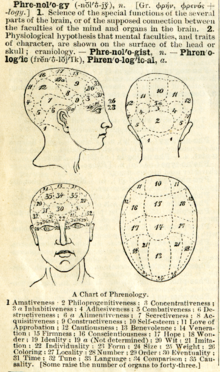
“Of the forehead, when the forehead is perfectly perpendicular, from the hair to the eyebrows, it denotes an utter deficiency of understanding.” Johann Kaspar Lavater, phrenologist (1741–1801).


Back in the nineteenth century, phrenology was the preferred “science” of personality and character divination. The growth in popularity of “scientific” lectures as entertainment also helped spread phrenology to the masses. It was very popular among the middle and working classes, not least because of its simplified principles and wide range of social applications that were supportive of the liberal laissez faire individualism inherent in the dominant Victorian world view. It justified the status quo. Even Queen Victoria and Prince Albert invited the charlatan George Combe to feel the bumps and “read” the heads of their children.

During the early 20th century, there was a revival of interest in phrenology, partly because of studies of evolution, criminology and anthropology (pursued by Cesare Lombroso). Some people with political causes used phrenology as a justification narrative for European superiority over other “lesser” races. By comparing skulls of different ethnic groups it supposedly allowed for ranking of races from least to most evolved.

It’s now largely regarded as an obsolete and curious amalgamation of primitive neuroanatomy, colonialist supremicism with a dash of moral philosophy. However, during the 1930s Belgian colonial authorities in Rwanda used phrenology to explain the so-called superiority of Tutsis over Hutus. More recently in 2007, the US State of Michigan included phrenology (and palm reading) in a list of personal services subject to sales tax. 

Any system of belief that rests on the classification of physical characteristics is almost always used to justify prejudices, social stratifying and the ranking of human worth. It highlights what we are at the expense of the more important who we are. It profoundly dehumanises and alienates us.

Though the saying “you need your bumps feeling” has lived on, may the pseudoscience of phrenology rest in pieces. 

CrIY-YQWEAQyIeg

Phrenology is dead: long live the new moralising pseudoscience

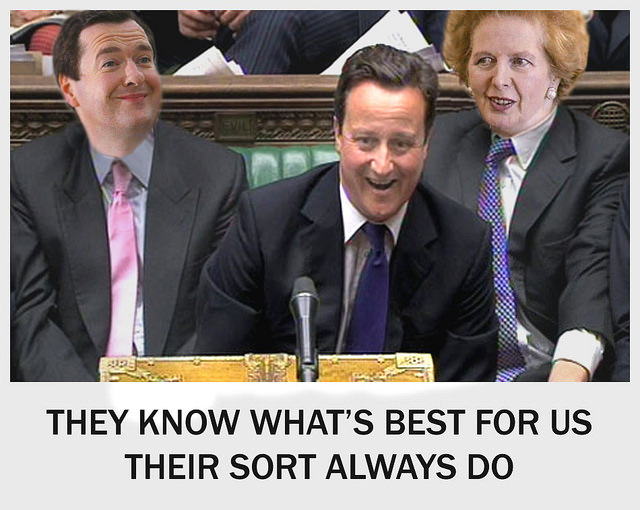
The Conservatives have simplified the art of personality and character divination. They have set up a new economic department of the mind called the Behavioural Insights Unit. This fits with the age old Conservative motif of a “broken Britain”and their obsessive fear of social “decay and disorder.” Apparently, we are always on the point of moral collapse, as a society. And apparently, it isn’t the government’s decision-making that is problematic: poor people are entirely responsible for the poor state of our country. Those who have the very least are to blame. That’s why they need such targeted austerity policies, to ensure they have even less. We can’t have the poor being rewarded with not being poor, that’s just bad for big business.

Under every Conservative government, we suddenly see the proliferation of bad sorts; cognitively biased and morally incompetent people making the wrong choices everywhere and generally being inept, non-resilient and deficient characters. The way to diagnose these problems of character, according to the government, is to establish whether or not someone is “hard working”. This is usually determined by the casting of chicken bones, and a quick look at someone’s bank balance. If it lies offshore, you are generally considered a jolly good sort.

If you need to claim social security, be it in-work or out-of-work support, then you are most definitely a “wrong sort”; a faulty person and therefore in need of some state treatment to put you right, just to ensure that your behaviours are optimal and aligned with politically defined neoliberal outcomes. Apparently, poor people are the new “criminal types.” The only cure, according to the government, is to make poor people even poorer, by a variety of methods, including a thorough, coercive nudging: a “remedial” income sanctioning and increased conditionality to eligibility for support; benefit cuts; increasing welfare caps and a systematic dismantling of the welfare state more generally,

Oh, and regular shaming, outgrouping, stigmatising and scapegoating in the meanstream media and political rhetoric, designed to create folk devils and moral panic.

The new benefit cap: a policy designed by the neoliberal rune casters

The regressive benefit cap will save a paltry amount of money in the short term. In the long term it will cost our health and social services many millions. It’s misleading of the government to claim that it will save the “tax payers” money, since most people needing to claim social security have worked and paid taxes too. VAT is also a tax, and last time I checked, people needing support because they lost their job or became sick or injured are not exempt from paying taxes. In fact the poorest families pay the highest proportion of their income in tax

We forget that people in poverty pay taxes because we forget how many different ways we are taxed:

  • VAT
  • Duties
  • Income tax
  • National Insurance
  • Council tax
  • Licences
  • Social care charges, and many others taxes
  • Bedroom tax

Of course there’s a stark contrast in the way the state coerces the poorest citizens into behaving “responsibly”, carrying the full burden of austerity, while there is an abject failure to rein in executive pay, or to tax the Conservative party paymasters, and recover the billions lost in revenue to the Treasury through tax havens.

Poor people get the bargain basement package of behavioural incentives – which is all stick and no carrots – whereas the wealthy get the deluxe kit, with no stick and plenty of financial rewards. 

Nearly a quarter of a million children from poor families will be hit by the extended household benefit cap due to be introduced this autumn, according to the government’s latest analysis of the impact of the policy. It will see an average of £60 a week taken out of the incomes of affected households that are already poor, pushing them even deeper into poverty. About 61% of those affected will be female lone parents.

The cap will damage the life chances of hundreds of thousands of children, and force already poor families to drastically cut back on the amount they spend on essential items to meet basic needs, such as food, fuel and clothing. Originally benefit rates were calculated to meet basic survival needs – covering the costs of food, fuel and shelter only. 

The new cap unjustifiably restricts the total amount an individual household can receive in benefits to £23,000 a year in London (£442 a week) and £20,000 in the rest of the UK (£385 a week). It replaces the existing cap level of £26,000. All of this support is dependent on whether or not you comply with the very complex conditionality criteria. The support can be withdrawn suddenly, in the form of a sanction, for any number of reasons, and quite often, because your benefit advisor simply has targets to reach in order to let you know that nothing at all may be taken for granted: eating, feeding your children, sleeping indoors and keeping warm in particular.  

The government claims the cap incentivises people to search for work, and says that 23,000 affected households have taken a job since the introduction of the first cap in 2013. However, the government uses “off flow” as a measurement of employment, which is unreliable, as studies have indicated many claimants simply vanish from record.

Worryingly, an audit in January this year found that the whereabouts of 1.5 million people leaving the welfare records each year is “a mystery.” The authors also raise concern that the wellbeing of at least a third of those who have been sanctioned “is anybody’s guess.” It’s not the first time these concerns have been raised.

It emerged in 2014, during an inquiry which was instigated by the parliamentary Work and Pensions Select Committee, that research conducted by Professor David Stuckler shows more than 500,000 Job Seekers Allowance (JSA) claimants have disappeared from unemployment statistics, without finding work, since the sanctions regime was toughened in October, 2012.

This means that in August 2014, the claimant count – which is used to gauge unemployment – is likely to be very much higher than the 970,000 figure that the government is claiming, if those who have been sanctioned are included.

A Department for Work and Pensions (DWP) spokesman said: “The benefit cap restored fairness to the system by ending the days of limitless benefit claims and provides a clear incentive to move into work.”

However, firstly, social security is based on a national insurance contribution principle, and was already fair. Most people have worked and contributed to their own provision. Secondly, people in work are also poor. Those on low pay who need to claim additional support are also being sanctioned for “non-compliance”. In fact  much of our welfare spending goes towards supporting those people in work on low wages. We spend most on pensions, a large amount on in-work benefits and relatively little provision is for those out of work. The DWP don’t half chat some rubbish. A fair system would entail the government ensuring that employers pay adequate wages that cover rising living costs, instead of permitting employers to profit from our welfare state.

In a deregulated labour market, poorly paid workers are now held individually and entirely responsible for how much they earn, how many hours they work, and generally “progressing in work”. If they don’t “progress”, then what used to be an issue for trade unions and collective bargaining is now an issue addressed by punitive social security law, authoritarian welfare “advisors” and financial penalties.  

You can see where the incremental increases in the benefit cap are leading the public. The justifications and line of reasoning presented by the Conservatives are leading us down a cul-de-sac of rationale, where the welfare state is completely dismantled, and the reason given will be that this ensures “everyone works”, regardless of labour market conditions and the availability of reasonable quality and secure jobs that pay enough to support people, meeting their basic needs sufficiently to lift them out of poverty.

If these measures are intended to force people into work, this government’s self-defeating, never-ending austerity policy is hardly the ideal economic climate for job creation and growth, and where are the affordable social homes for the growing ranks of low paid workers in precarious financial situations because of increasing job insecurity and zero hour contracts? The gig economy is a political fig leaf.

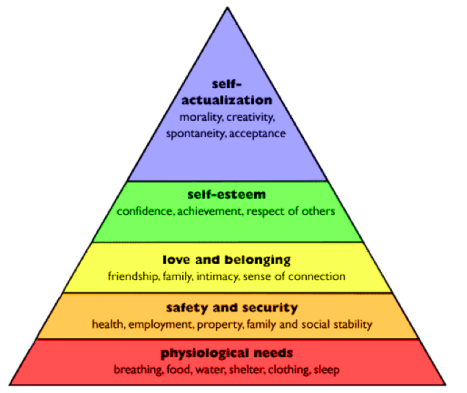
An official evaluation of the cap by the Institute for Fiscal Studies in 2014 found the “large majority” of capped claimants did not respond by moving into work, and a DWP-backed study in Oxford published in June found that cutting benefit entitlements made it less likely that unemployed people would get a job. Not that we didn’t already know this. If people cannot meet their basic needs, then they simply struggle to survive and cannot be “incentivised” to meet higher level psychosocial needs. The government need to read about Maslow’s hierarchy of needs, and the Minnesota starvation experiment. (See Welfare sanctions can’t possibly “incentivise” people to work .)

Joanna Kennedy, chief executive of the charity Z2K, said: “Our experience helping those affected by the original cap shows that many of those families will have to reduce even further the amount they spend on feeding and clothing their children, and heating their home to avoid falling into rent arrears and facing eviction and homelessness.”

As Patrick Butler points out in the Guardian, the government have already been ordered to exempt carers from the cap after a judge ruled last year that it unlawfully discriminated against disabled people by capping benefits for relatives who cared for them full time. Ministers had argued that carers who looked after family members for upwards of 35 hours a week should be treated as unemployed.

A previous court ruling found that the benefit cap breached the UK’s obligations on international children’s rights because the draconian cuts to household income it produced left families unable to meet their basic needs. This is the fifth wealthiest nation in the world, and supposedly a first world liberal democracy.

The deputy president of the supreme court, Lady Hale, said in her judgment: “Claimants affected by the cap will, by definition, not receive the sums of money which the state deems necessary for them adequately to house, feed, clothe and warm themselves and their children.

As Stephen Preece from Welfare Weekly pointed out yesterday, the word vulnerable suggests that people are weak, when in fact they are only made vulnerable through the actions or inaction of those around them, including (and especially) the government. I agree. To label people as vulnerable displaces responsibility from government and diverts us from the reality and nature of the punitive policies aimed at poor citizens – this is political oppression. 

Ideological justification narratives and pseudoscience

I waded through the government document Welfare Reform and Work Act: Impact Assessment for the benefit cap. Basically the government use inane nudge language and their central aim is to “incentivise behavioural change” throughout the assessment. But they then claim that they can’t predict or accurately measure that. It is very difficult to measure psychobabble accurately though, it has to be said.

There are a lot of techniques of neutralisation and euphemisms peppered throughout the document. For example, taking money away from the poorest citizens is variously described as: “achieving fairness for taxpayers” (as previously stated, people claiming benefits have usually worked: they have and continue to pay taxes); “ensures there is a reasonable safety net of support for the most vulnerable” (by cutting it away further).and “strengthening work incentives”. 

For those alleged free riders claiming support because they fell on hard times, “doing the right thing” and “moving into work” is deemed to be the ultimate aim of the cap, regardless of whether or not the work is secure, appropriate, with adequate levels of pay to lift people out of poverty. Work, in other words, will set us free.

I also took the time and trouble to read the studies that the government cited as “evidence” to support their pseudoscientific claims. The government misquoted and misapplied the research they used, too. They made claims that were NOT substantiated by the scant research referenced. And there are many more studies that completely refute the outrageous and ideologically premised government claims made in this document. 

For example, Freud makes the claims that: “Children in households where neither parent is in work are much more likely to have challenging behaviour at age 5 than children in households where both parents are in paid employment. Growing up in a workless household is associated with poorer academic attainment and a higher risk of being not in education, employment and training (NEET) in late adolescence.”

The study cited was Barnes, M. et al. (2012) Intergenerational Transmission of Worklessness: Evidence from the Millennium Cohort Study and Longitudinal Study of Young People in England. Department for Education research report 234. It says:

“Though it must be stated that much of the association between parental worklessness and these outcomes was attributable to these other risk factors facing workless families. Parental worklessness had no independent effect on a number of other outcomes, such as children’s wellbeing (not being happy at school, being bullied and bullying other children), feelings of lack of control, becoming a teen parent, and risky behaviour. This evidence provides limited support for a policy agenda targeted only at getting parents back into work. ”

It is poverty, not “worklessness” that creates poor social outcomes. That is why around half of the people queuing at food banks are those in work. The biggest proportion of welfare support paid out is in-work benefits.

Freud also states that: “A lower cap recognises that many hard working families earn less than median earnings – a lower cap provides a strong work incentive.”

Actually, raising wages in line with the cost of living would be a far better incentive, instead of punishing unemployed people for the failings of a Conservative government that always oversees an increasingly desperate reserve army of labour, and ever-falling wages. 

Perhaps one of the most outrageous claims made in the document is that the cap is consistent with “UN Convention on the Rights of Persons with Disabilities.” Those sick and disabled people in the ESA work-related activity group are not protected from the cap. The government is currently being investigated by the UN for “gross and systematic” abuses of the human rights of disabled people, because of the previous welfare “reforms” (a euphemism for cuts).

This is an authoritarian government that is coercing people into any low paid and insecure work, regardless of how suitable it is. It’s about dismantling the welfare state, bit by bit. It is about ensuring people are desperate so that people’s right to turn down jobs that are unsuitable, thus reducing any kind of scope for collective bargaining to improve working conditions and pay, is removed. It’s also about bullying people into doing what the government wants then to do, removing autonomy and choices. That isn’t “incentivising”, it’s plain and brutal state coercion. All bullies and tyrants are behaviourists. 

It’s impossible not to feel at least a degree of concern and outrage reading such incoherent, flimsy and glib rubbish from an ideologically-driven government waging a full on class war on the poorest citizens, and then claiming that is somehow “fair” to the “taxpayer”. And it’s noteworthy that there is a harking back to the discredited and prejudiced theories of Keith Joseph – “intergenerational worklessness” – which were debunked by the theorists’ OWN research back in the Thatcher era. It is being paraded as irrefutable fact once again. 

I’m expecting a government phrenology unit to be established soon.

And an announcement that the Department for Work and Pensions is to be renamed the Malleus Maleficarum.
220px-1895-Dictionary-Phrenolog


CONTRIBUTE TO POLITICS AND INSIGHTS

I don’t make any money from my work. But you can contribute by making a donation and help me continue to research and write informative, insightful and independent articles, and to provide support to others. The smallest amount is much appreciated – thank you.

DonatenowButton cards

Two-way mirrors, hidden observers: welcome to the Department for Work and Pensions laboratory

018

I regularly write to raise concerns about the current government’s misuse of psychology in public policies and research. There has been a shift towards the formulation of targeted, prejudiced, class contingent policies which have the central aim of “changing behaviours”  and enforcing “compliance” and conformity. This behaviourist approach has some profound implications for democracy. It constrains autonomy and curtails the basic liberties of targeted citizens, it does not include safeguards or a space for citizens’ qualitative accounts and feedback, while also excluding them from any political consideration of their human rights. 

On the government website, a contract finder notice for the “Provision of Research Laboratory Facilities” for the Department for Work and Pensions says:

“The Department for Work and Pensions (DWP) requires research to be undertaken, in a research laboratory environment, with recipients of the Carers Allowance and recipients of the Employment and Support Allowance (ESA).

In a typical lab situation DWP shall have one DWP researcher in a room with the participant and other DWP researchers (if appropriate) and invited observers behind a two way mirror evaluating what is happening. As well as viewing the interview they can also see the activity on the web screen via monitors in their room.

The proceedings are currently recorded on MP4 for subsequent use when research findings are being reported. The participants cannot see the people in the viewing facility though they know they are there. There needs to be flexibility to be able to undertake the research in the North West and Leeds and be able to recruit for participants to attend a Government Lab set up at Aviation House in London WC2B 6NH.” 

Northern Voices T/A The Talking Shop is a Manchester based market research and public opinion polling company that has been awarded the contract in June this year. This company will be paid up to £60,000 for experimenting on sick and disabled claimants, using covert observation from behind a two-way mirror, studying eye movements, facial expressions and body language. 

Eye movement measurements are frequently used, though controversially, in criminal psychology, too, as a somewhat unreliable method of “lie detection.” Questions arise regarding precisely how eye movements, perception and cognition are related, and to date, this question hasn’t been answered by academics. 

It struck me that the experimental set up is very reminiscent of the social psychology experiments conducted in the 60s and early 70s to study social conformity and obedience to authority. However, the welfare “reforms” were specifically designed to coerce people claiming welfare into conformity – “to do the ‘right thing'”-  and compliance with a harsh “conditionality” regime and ever-shrinking eligibility criteria. It’s hardly a secret that the New Right Conservatives and neoliberals have always loathed the welfare state, and along with the other social gains of our post-war settlement, it is being systematically dismantled.

The wider context is significant, both in terms of its impact on individual citizen’s experiences and behaviours, and on the way that theory is formulated to conflate and align citizen’s needs with neoliberal outcomes, and this is also reflected in how research is being designed and used.

Some context

In the UK, the Behavioural Insight Team has been testing libertarian paternalist ideas for conducting public policy by running experiments in which many thousands of participants receive various policy “treatments.” A lot of the actual research work is contracted out to private providers. Whilst medical researchers generally observe strict ethical codes of practice, in place to protect subjects, the new behavioural economists and profit-driven private companies are less transparent in conducting behavioural research “interventions.” There are no ethical and safeguarding guidelines in place to protect participants.

Earlier this year I wrote about a Department for Work and Pensions Trial that was about “testing whether conditionality and the use of financial sanctions are effective for people that need to claim benefits in low paid work.” A secretly released document (which said: This document is for internal use only and should not be shared with external partners or claimants.) was particularly focused on methods of enforcing the “cultural and behavioural change” of people claiming both in-work and out-of-work social security.

Evaluation of the Trial will be the responsibility of the Labour Market Trials Unit (LMTU). Evaluation will “measure the impact of the Trial’s 3 group approaches, but understand more about claimant attitudes to progression over time and how the Trial has influenced behaviour changes.”

Worryingly, claimant participation in the Trial was mandatory. There was no appropriate procedure to obtain and record clearly informed consent from research participants. Furthermore, the Trial is founded on a coercive psychomanagement and political approach to labour market constraints, and is clearly expressed as a psychological intervention, explicitly aimed at “behavioural change” and this raises some serious concerns about the lack of research ethics and codes of conduct in government research. It’s also very worrying that this “intervention” is to be delivered by non-qualified work coaches.

The British Psychological Society (BPS) have issued a code of ethics in psychology that provides guidelines for the conduct of research. Some of the more important and pertinent ethical considerations are as follows:

  • Informed Consent.

Participants must be given the following information:

  •  A statement that participation is voluntary and that refusal to participate will not result in any consequences or any loss of benefits that the person is otherwise entitled to receive.
  • Purpose of the research.
  •  Procedures involved in the research.
  •  All foreseeable risks and discomforts to the participant (if there are any). These include not only physical injury but also possible psychological.
  •  Subjects’ right to confidentiality and the right to withdraw from the study at any time without any consequences.

Protection of Participants

  • Researchers must ensure that those taking part in research will not be caused distress. They must be protected from physical and mental harm. This means you must not embarrass, frighten, offend or harm participants.
  • Normally, the risk of harm must be no greater than in ordinary life, i.e. participants should not be exposed to risks greater than or additional to those encountered in their normal lifestyles. Withdrawing lifeline support that is calculated to meet the costs of only minimum requirements for basic survival – food, fuel and shelter – as a punishment for non-compliance WILL INVARIABLY cause distress, harm and loss of dignity for the subjects that are coerced into participating in this Trial. Participants should be able to leave a study at any time if they feel uncomfortable.

Behavioural “rights” and the politics of moralising

Consent to a therapy or research protocol must possess a minimum of three features in order to be valid. These are: it should be voluntarily expressed, it should be the expression of a competent subject, and the subject must be be adequately informed of the details.This raises some serious concerns about experimental social research, especially when it may involve people with mental health disabilities who may be highly vulnerable.

It’s highly unlikely that people subjected to the extended use and broadened application of welfare sanctions gave their informed consent to participate in experiments designed to test the nudge theory of “cognitive bias,” for example. The extended use of sanctions in the Welfare Reform Act 2012 was originally advised by the Behavioural Insights Team (the Nudge Unit) back in 2010. It was based on the manipulation of an alleged cognitive bias that we have – loss aversion – and designed as a method of coercing conformity to increasingly unreasonable state-imposed conditionality rules, and as punishment for the perceived “non-compliance” of unemployed people.

There is nothing to prevent a government deliberately exploiting a research framework as a way to test out highly unethical and ideologically-driven policies. How appropriate is it to apply a biomedical model of prescribed policy “treatments” to people experiencing politically and structurally generated social problems, such as unemployment, inequality and poverty, for example? 

The fact that this government regards work as a “health outcome” should raise alarm bells. (Please see: Let’s keep the job centre out of GP surgeries and the DWP out of our confidential medical records). The government have already stigmatised unemployment, and redefined it as a psychological disorder.

Furthermore, the research models being used are framed by a profoundly undemocratic conservative neopositivism, which emphasises directed quantitative data collection and excludes the accounts, experiences, narratives and language of research participants. Much of the research is prejudiced, and starts from an authoritarian premise that people experiencing socioeconomic problems do so because they make the “wrong choices” and that they need to be “incentivised to change their behaviours”.

An element of the “laboratory  research environment” research went ahead in March last year. It’s stated aim was to “to improve the Carer’s Allowance Digital Service.”  The recruitment brief specifies that:

“These self employed people shouldn’t have accounts prepared by an accountant however it’s mandatory that they bring with them details of their self-employment eg a log book or papers of incoming and outgoings. We also need these people to be looking after someone who has a disability.”

It’s become normalised that many millionaires avoid paying taxes and contributing to the society that they have gained so much from. I don’t see anyone intimidating them, demanding details of their “incoming and outgoings,” yet that would profit society far, far more.

Wouldn’t you think that if this were genuinely about supporting carers using software or accessing services online, it would be designed to be USER LED – a direct face-to-face approach would be the usual way, with an input from those service users, which is qualitative and much more reliable, authentic and useful than the account of a group of strangers hiding behind mirrored glass, observing people and applying controversial psychology techniques.

Measuring eye movements is usually coupled with other more inclusive qualitative methodologies, such as introspective verbal protocols, since used on its own, it is unreliable in that it fails to indicate specific kinds of cognitive processing or content. This dialogic approach, however, isn’t included in the government’s research brief. (Please see The importance of citizen’s qualitative accounts in democratic inclusion and political participation.)

The central premise of justifications for “behavioural interventions” is that the general public has numerous cognitive biases that lead to “faulty” decision-making. Current research and interventions are largely aimed at the poorest citizens, however, exposing a government bias that wealthy people are somehow cognitively competent. Yet many of this powerful, offshore hoarding minority class want to see worker’s rights, welfare support and our public services dismantled.

Not a rational or civilised class, on the whole, then.

As I have previously stated, the behavioural approach removes people from the socioeconomic and political context that they inhabit and isolates them from meaningful and impacting socio-structural events and political decision-making, placing the burden of responsibility and obligation entirely within those who are suffering the inevitable systemic consequences of neoliberal policies. In such an economic system of “market forces” based on competition, there are invariably winners and losers. It’s hardly rational or fair to punish those who are simply adversely affected by an intrinsically flawed and unfair system of socioeconomic organisation for which there was never a consensus. It was simply imposed on the UK public, without any legitimate, informed consent.

Can you imagine the government carrying out this kind of research and stigmatising, intimidating methodology on billionaires interacting with their accountants, completing their tax returns or interacting with their offshore banks? No, I thought not. 

It’s noteworthy that current Nudge Unit policy is to keep those being targeted for nudges “naive” as people tend to temporarily alter their behaviour when they know they are being observed and that skews research results. In sociology and social psychology, this is called the Hawthorne effect.

However, that approach is profoundly incompatible with established ethical research frameworks, and fundamental human rights, which, as I’ve outlined, always specify a central requirement of participants’ informed consent.

Similarly, the starting premise of laboratory usability testing is that “what people say they do with products is not always what they actually do.” In other words, we cannot trust the public to tell us what they need.

Userbility testing, an American import, is designed to “target” users’ needs and preferences by observing their behaviour. However, a big part of the motivation for this kind of research is Building credibility for usability activities within an organization.” The government often use research like this to formulate justification narratives for controversial, coercive and punitive policies.

Democracy is meant to involve the election of a government that reflects on social problems objectively, recognises and serves public needs, and designs policy in response to what citizens actually need; it’s not about governments that coerce people to “change their behaviour” in accordance to a partisan, ideological agenda. We call the kind of government that does that “totalitarian.”

I am not the only person who is very concerned about this development.  

A spokesperson for Fightback 4 Justice said:

“This is the company that has won the tender experimenting with Carers claimants using body language techniques and 2 way mirrors. If anyone gets called into one of these meetings please get in touch as I’d be happy to attend. I am very very concerned about a potential breach of a person’s human rights here particularly where mental health is one of the claimants conditions. Nothing about this “study” seems ethical in my legal opinion. A room with a 2 way mirror and capacity for 12 people studying body language and facial expressions is wrong in so many ways, DWP are giving the wrong impression that claimants are potential criminals with this latest research in my view.” Michelle (legal advocate).

The Talking Shop’s research studios

images

Related

The politics of blame and in-work conditionality

Nudging conformity and benefit sanctions

G4S are employing Cognitive Behavioural Therapists to deliver “get to work therapy”

The new Work and Health Programme: government plan social experiments to “nudge” sick and disabled people into work

The importance of citizen’s qualitative accounts in democratic inclusion and political participation

Let’s keep the job centre out of GP surgeries and the DWP out of our confidential medical records

The Conservative approach to social research – that way madness lies

A critique of Conservative notions of social research


CONTRIBUTE TO POLITICS AND INSIGHTS

I don’t make any money from my work. But you can contribute by making a donation and help me continue to research and write informative, insightful and independent articles, and to provide support to others. The smallest amount is much appreciated – thank you.

DonatenowButton

Basic Income Guarantee gains popularity across the political spectrum

10385552_479102985558780_2515272025941356803_n

Basic income (which is sometimes called “citizen’s income” or “universal income”) is the idea that absolute poverty can be alleviated by providing every member of a society with an unconditional subsistence income. Supporters of basic income argue that it would alleviate absolute poverty and would also motivate people to work because they would always better off, as work-related income would be additional to their subsistence income. 

Earlier this year I wrote  about the Labour Party’s consideration of the universal basic income as a part of its new policy, during their talk at the London School of Economics. John McDonnell said: “It’s an idea we want to look at. Child benefit was a form of basic income so it’s not something that I would rule out.”

At the very least, this indicates the idea of universal provision has regained some credence in the face of a longstanding and seemingly unchallengeable political norm of increasing means-testing and welfare conditionality, established by the Thatcher adminstration, and radically extended by the current government.

Although basic income is a feature in many proposed models of market socialism, and has been particularly popular with the Green Party, support for basic income has also been expressed by several people associated with right-wing political views. While adherents of such views generally favour minimization or abolition of the public provision of welfare services, some have cited basic income as a viable strategy to reduce the amount of bureaucratic administration that is prevalent in many contemporary welfare systems. Others have contended that it could also act as a form of compensation for fiat currency inflation

Though the details vary, the basic income model has been advocated by  Right-wing thinkers such as Charles Murray, Milton Friedman and the Adam Smith Institute, amongst others. Libertarians who object to income redistribution in principle usually concede that a Negative Income Tax is the least controversial form of welfare, because it is administratively simple and “perverts incentives” less than most welfare schemes. It is particularly appealing to many liberals and libertarians because it is unpaternalistic – it’s highly compatible with laissez faire and neoliberal economic models. However, the current government are libertarian paternalists, blending a small state ideology with a psychocratic approach to governing, using behavioural change techniques (Nudge) to fulfil ideologically-driven policy outcomes.

Last year, the Citizen’s Income Trust (CIT), which has given advice to the Green Party and often cited by the Greens, has modelled the party’s scheme and discovered a major design flaw. It was revealed that that 35.15% of households would lose money, with many of the biggest losers among the poorest households. At the time, Malcolm Torry, director of the CIT, which is a small charitable research body, said: “I am not sure the Green party has yet taken on our new research or the need to retain a means-tested element. We have only just published the new work.”

The criticisms of the scheme, as well as doubts about costings, led the Greens to make a temporary tactical retreat on the issue, with the party’s leader, Natalie Bennett, saying detailed costings for the policy would not be available in the manifesto last March. The Greens had proposed a citizen’s income of around £72 to every adult in Britain regardless of wealth and existing income, which would cost the Treasury around £280bn.

One longstanding criticism of basic income is that it would provide  payments to citizens that are already very wealthy, perpetuating social inequality, and wasting resources. Another is that it does not take into account the long-term impacts and provide adequate support for those who cannot work, such as those who are ill and disabled. Such detail matters very much, and we must not allow basic income to be used as an excuse for dismantling essential welfare support for social groups that need long-term aid to survive.

The CIT added that if the policy was applied without a means-tested component, then poorer households would end up receiving far less in state benefits than they would under the existing system. 

However, one of the strongest arguments for basic income is that people would no longer be compelled to work in order to meet their basic needs. This means that employers would find it difficult to exploit workers, and would be pushed to offer decent wages, good terms and employment conditions in order to attract workers. People would have greater freedom to pursue meaningful, suitable and appropriate employment rather than having to take any job to avoid poverty and destitution. De-commodifying labor by decoupling work from income liberates people from the “tyranny of wage slavery” and leaves a space for innovation, creativitity and rebalances power relationships between wealthy, profit-motivated employers and employees.

It seems that the idea of basic income is gaining support. Reform Scotland, an independent non-party think tank, also propose in their recent report – The Basic Income Guaranteethat  the current work-related benefits system is replaced with a new Basic Income Guarantee (BIG).

However, despite claims that the think tank is independent of political parties, Reform Scotland is a public policy institute which works to promote increased economic prosperity and more effective public services based on the libertarian paternalist notions and Conservative principles of limited government and personal responsibility. Reform Scotland is funded by donations from private individuals, charitable trusts and corporate organisations.

The calculations used in the report imply that a Basic Income Guarantee would cost more initially to implement, but the think tank argue that there are strong arguments (which are couched in Conservative terms) to suggest that it would lead to “changed behaviour” and “a bigger workforce.” The think tank proposes that there remains a “disincentive” to work (the so-called “welfare trap”) which is caused by the high level of marginal taxes faced by those moving into work or increasing their hours. In their report, Reform Scotland say: “Our conclusion is that the benefits system should protect the unemployed and under-employed but at the same time must reduce – and ideally remove – any disincentives to take work, particularly part-time work. The manifest failing of the present system is the cash penalty many face when they take a job.”

Reform Scotland is proposing a Basic Income Guarantee which is paid to all working-age adults and children, whether in or out of work. All earnings would be taxed, but the basic income would never be withdrawn, meaning that “work would always pay.”

The think tank argues that radical reform of the current welfare system is required and that a Basic Income Guarantee is the best way forward. This would give every working-age person a basic income from the state of £5,200 per year, and every child £2,600.  The income would be a right of citizenship and would be the same regardless of income or gender. It would be non-means tested and would not increase or decrease as someone’s income changes, thereby removing the need for the associated bureaucracy.

The Basic Income Guarantee would replace a number of means-tested work related benefits, as well as child benefit, and would be a new way of providing a social safety net.

Welfare spending on working-age people has decreased since 2010, and the report highlights a context of the rising costs of pensions, and of £207.6 billion spent on welfare in 2014/15, £114 billion was in relation to pensioners. Of this, about £93 billion is made up by the state pension and pensioner credit. The Reform Scotland proposals therefore relate to the remaining  £93.6 billion, spent on working-age adults and children.

The report, written by former Scottish Green Party Head of Media, James Mackenzie, and former Scottish Liberal Democrat Policy Convener, Siobhan Mathers, in conjunction with Geoff Mawdsley and Alison Payne of Reform Scotland, seeks to promote informed debate of this idea by examining what the level of the basic income might be and how much implementing it would cost.

Reform Scotland’s report also calls for a single department to be responsible for welfare payments, ending the current split between HMRC and the DWP.

Commenting on the report, author James Mackenzie, former Scottish Green Party Head of Media, said: Basic income is one of those ideas that should appeal right across the political spectrum. When I was unemployed I remember having to think hard about whether to accept part time or short-term work because of the impact on my income. We should be making it easier for people to work who can and who want to, not penalising them. Basic income does just that, as well as helping those who have caring responsibilities, or who want to volunteer or study. 

There’s a resurgence of interest in the idea around the world, especially in Europe, with proposals being considered in Switzerland, Holland, France and elsewhere. The principle is the same everywhere, but policy makers need to know more about the practicalities. Now, for the first time, we are providing some detailed information about how it could work in Scotland, either after independence or after the devolution of the necessary powers.”

Co-author Siobhan Mathers, Reform Scotland advisory board member and former Scottish Liberal Democrat Policy Convener said: “There is a great opportunity for Scotland to design a welfare system that best suits its needs in the 21st Century. We could leave behind the unnecessary complexity of the UK system and provide a fair Basic Income Guarantee for all. This would make any transitions in and out of work more manageable and provide a clear, fair safety net for all.”

We have seen an unprecedented increase in a dark, unaccountable bureacracy this past five years, with private companies such as Atos, Maximus, and the likes of A4E and other private welfare-for-work providers marking the increased conditionality of welfare support – for both out of work support, and soon, for support paid to those in low paid and part-time work.

Conservative inclination has been towards substantially raising the (increasingly privatised and for profit) administrative costs of welfare, whilst at the same time radically reducing the lifeline benefits for people needing support for meeting basic needs.

Conservatives may well raise the “something for nothing” objection to basic income, which is founded on the absurd idea that the only way people may contribute to society is through paid labor.

Yet non-remunerated activities such as bringing up children, caring for elderly or sick and disabled relatives, supporting vulnerable neighbours, community work, volunteering for charities or investing time and effort in other voluntary endeavours such as contributions to the arts, sharing knowledge, education, writing, are all clearly valuable contributions to society. But these skills and activities have been steadily devalued, whilst providing an increasingly disposable (“flexible”) labor force is seen by the Conservatives as somehow fulfilling the best of our potential.

Reform Scotland has previously argued, when putting forward its Devolution Plus proposals, that there is plenty of logic behind bringing together the policy areas associated with alleviating poverty that are currently devolved, such as social inclusion and housing, with benefit provision, which remains reserved. This would help to provide a more coherent approach to tackling poverty and inequality.

The debate on this issue will, no doubt, continue in the years to come.


I don’t make any money from my work. But you can support Politics and Insights and contribute by making a donation which will help me continue to research and write informative, insightful and independent articles, and to provide support to others. The smallest amount is much appreciated, and helps to keep my articles free and accessible to all – thank you.

DonatenowButton
cards

327,379 sick and disabled people were not paid their Christmas Bonus last year

david-cameron-main.jpg


Labour’s shadow Work and Pensions Secretary, Owen Smith MP, has accused the Department of Work and Pensions (DWP) of being “cruel and incompetent”, after at least 327,379 sick and disabled people were left without their £10 Christmas Bonus.

Benefits were originally calculated to meet only the basic costs of food, fuel and shelter. The Pensioners and Family Income Supplement Payments Act 1972 ensured that a Christmas Bonus of £10 is paid to the recipients of some benefits as a one off payment. The subsequent Pensioners’ Payments and Social Security Act of 1979 established the Bonus permanently, although the amount has never been uprated in line with rising prices and living costs. 

On the government site, it says:

The Christmas Bonus is a one-off tax-free £10 payment made before Christmas, paid to people who get certain benefits in the qualifying week. This is normally the first full week of December.

You don’t need to claim – you should get paid automatically.

Mr Smith said:

“They’ve [the DWP] now been forced to admit that 300,000 people went short because they couldn’t even manage to make a simple payment in time for the holidays.

People have always known the Tories are cruel, but they used to think they were at least competent.

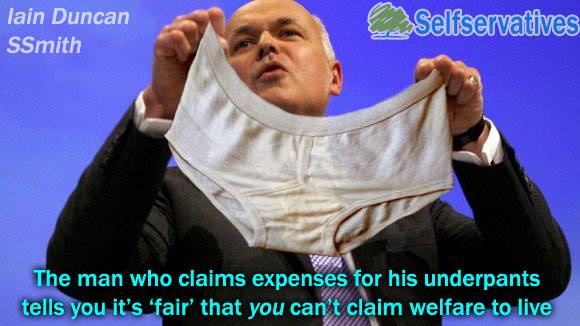
Iain Duncan Smith seems to be having a good go at proving they’re both cruel and incompetent.”

A DWP spokesperson responded, saying 

“All regular ESA payments were made on time over Christmas, with the majority of people receiving their additional Christmas seasonal payment on schedule.

Due to an administrative error, a small minority may not receive their additional Christmas seasonal payment until the end of January.”

Some people have yet to receive their payment. How long does it take to fix an “administrative error”?

I can’t help but wonder about the reason presented by the DWP for the payment delays. I don’t believe it’s the truth, although I’d be amongst the first to acknowledge the Department’s wide-ranging ineptitude.

I am a sick and disabled person who claims ESA. Having worked all of my life, and after being forced though illness to give up a job and profession that I loved, I have to say that my standard of living has very drastically dropped, and I have experienced absolute poverty – times when I have not been able to meet even basic needs, such as keeping  warm and eating adequately. In 2012, a tribunal agreed with my decision to leave work on the grounds that my illness is now so severe it presents unacceptable risks to myself and potentially, to others in the work environment, as I am no longer able to fulfil even the basic responsibilities that my work entailed, reliably, consistently and safely. My consultant and GP fully supported my decision.

I wasn’t paid the Christmas Bonus in 2012, 2013 and 2014. I rang the DWP in 2014, when I realised I was entitled to the payment. After being told twice that the money had been paid into my account and it hadn’t, in October 2015, I finally received the backdated payments. I got a bizarre letter explaining that whilst the DWP had said they had paid me, they hadn’t, which I already knew.

I received my Christmas Bonus for 2015 on 14 January. It seems to me that the DWP seldom pay the Bonus unless you actually ask for it (several times) or unless an MP applies some ethical and rational pressure, as Owen Smith has done.

The government believe that any kind of welfare support creates perverse incentives for people not to work. There is no empirical evidence to support this claim. They also think that the general public are “cognitively incompetent,” drawing on the new paternalist behavioural economics (“nudge”) theoretical framework, their basic proposition is that we are fundamentally irrational and make faulty decisions that are founded entirely on our “cognitive biases.” Of course the new army of self-appointed cognitive experts and nudgers exist outside the realms of their own universal theory of “human nature” and are thus exempted from nudges. Poor people who need financial support are not.

The Tories also claim that one of the problems of providing social security arises because we believe the resulting income gain from employment is not enough to compensate for the (increased) work effort. However, the truly rational solution of course would be to raise the lowest wages, to provide a clear and positive “incentive” to work, when people are able, but instead the government have opted for a psychocratic, punitive approach, stigmatising those who are too ill to work to justify cutting essential lifeline benefits to amounts that barely cover the cost of meeting basic survival needs, adding the perpetual threat and administration of sanctions – which entail the complete withdrawal of support –  for any perceived non-compliance.

The conditionality regime means that eligibility for support requires constantly demonstrating an unbounded willingness to attend often pointless, resource and time-consuming jobcentre lectures from work coaches and advisors and applying for any job presented, regardless of its appropriateness, security or pay.

The Tories ludicrously claim that this punitive approach, entailing the systematic withdrawing of essential support, and the incremental dismantling of the welfare state, is “making welfare fair”,  “making work pay” , “helping people into work” and “supporting sick and disabled people” indicating an Orwellian tendency to turn the meaning of ordinary words into a form of tyranny.

Sanctions are founded on and legitimised by claptrap and psychobabble that originated from the pseudoscientific Behavioural Insights Team, too.  Perhaps the Tory “Grudge” Unit is a much more appropriate name for this mean and vindictive collection of neoliberal cognitive supremicists and economic Darwinists. Armchair psychopaths.

In particular, sanctions are founded on a theory of a cognitive bias called “loss aversion” which is being manipulated and turned into a big state stick to ensure that poor people are compliant with draconian benefit conditionality. “Loss aversion” is a behavioural economics theory that attempts to euphemise draconian policies; a substituted expression that serves as a technique of neutralisation for diabolical state actions designed to instil a deep fear of destitution and starvation amongst the increasingly growing precariat, we are perpetually “downsizing” our needs and expectations to become desperate, impoverished, needing to claim support from a system that most, if not all of us have paid into.

From the shrinking category of legitimate “disability” to forcing people to work in insecure jobs for low wages or for no pay at all on exploitative work fare schemes, nudge is being used to prop up neoliberal ideology, social conservatism, and to euphemistically frame punitive policies, “applying the principles of behavioural economics to the important issue of the transition from welfare to work.” (See Employing BELIEF:Applying behavioural economics to welfare to work, 2010 and Nudging Conformity and Benefit Sanctions, 2015.)

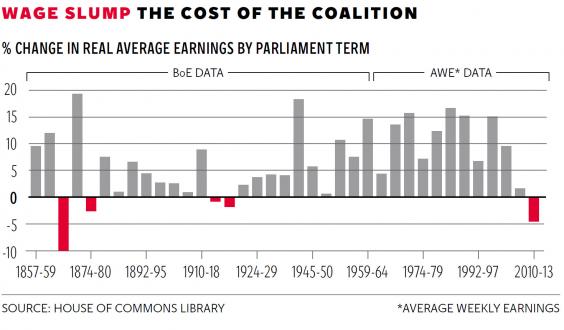
The steady drop in real wages since 2010, according to the Office for National Statistics, is the longest for 50 years. The fall in earnings under the Conservatives is the biggest in any parliament since 1880, according to analysis by the House of Commons Library.  “Making work pay” for whom, we should ask.

The Tories have a strongly anti-welfare ideology, and they also advocate using the tools of behavioural economics to “incentivise” people to work, and further claim that social security encourages dependency. Nudge theorists have proposed that making people’s present more livable with any kind of “cash gifts” only amplifies the alleged cognitive tendency people have to overestimate the magnitude of immediate benefits relative to the more distant ones of working. This is the kind of thinking that underpins Conservative policies aimed at keeping people who need to claim support perpetually poor, insecure and fearful.

However, there’s no such thing as a “cycle of benefit dependency”, it’s a traditional Tory prejudice and is based on historically unevidenced myths. Poverty arises because of socioeconomic circumstances that are unmitigated through government decision-making. In fact this government has intentionally extended and perpetuated inequality through its policies.

It’s therefore easy to see how deliberately withholding the Christmas Bonus would be justified by government officials. This government believes that people who have fallen on hard times and are desperate for financial support are driven by a “culture of entitlement.” People needing social security are being politically redefined as economic free riders. But most people claiming benefit have paid tax, national insurance, and continue to pay VAT and other hidden taxes. There is no discrete class of taxpayers: we ALL pay taxes, except of course for a number of the very wealthy and big businesses. Implying that people claiming social security are a “burden” on working people’s taxes is a fact screen, erected to prop up Tory ideology. Meanwhile the welfare state is being steadily dismantled by a government of neoliberal ideologues.

Perhaps this was just another paternalist experimental “trial” aimed at nudging sick and disabled people into work, and of course, it would be based entirely on operationalising the whopping cognitive biases and traditional prejudices of the Tories.

1002589_521987671204099_896277269_n (1)

Welfare sanctions can’t possibly “incentivise” people to work

Maslow

Abraham Maslow’s Hierarchy of Human Needs

A summary

The Conservative-led welfare “reforms” had the stated aim of ensuring that benefit claimants – who have been stigmatised and inaccurately redefined as economic free-riders are entitled to a minimum income provided that they uphold responsibilities, which entail being pushed into any available work. Conditionality for social security has been around as long as the welfare state. Eligibility criteria have always been an intrinsic part of the benefits system. For example, to qualify for jobseekers’ allowance, a person has to be out of work, able to work, and seeking employment.

But in recent years welfare conditionality has become conflated with severe financial penalities (sanctions), and has mutated into an ever more stringent, complex, demanding set of often arbitrary requirements, involving frequent and rigid jobcentre appointments, meeting job application targets, providing evidence of job searches and mandatory participation in workfare schemes. The emphasis of welfare provision has shifted from providing support for people seeking employment to increasing conditionality of conduct, enforcing particular patterns of behaviour and monitoring compliance.  In short, welfare has become a hostile environment, designed specifically to deter claims for support.

Sanctions are “penalties that reduce or terminate welfare benefits in cases where claimants are deemed to be out of compliance with  requirements.” They are, in many respects, the neoliberal-paternalist tool of discipline par excellence – the threat that puts a big stick behind coercive welfare programme rules and “incentivises” citizen compliance with a heavily monitoring and supervisory administration. The Conservatives have broadened the scope of behaviours that are subject to sanction, and have widened the application to include previously protected social groups, such as sick and disabled people and lone parents.

There is plenty of evidence that sanctions don’t help people to find work, and that the punitive application of severe financial penalities is having a detrimental and sometimes catastrophic impact on people’s lives. We can see from a growing body of research how sanctions are not working in the way the government claim they intended.

Sanctions, under which people lose benefit payments for between four weeks and three years for “non-compliance”, have come under fire for being unfair, punitive, failing to increase job prospects, and causing hunger, debt and ill-health among jobseekers. And sometimes, causing death.

I’ve always felt that it is self evident – common sense – that if people are already claiming financial assistance which was designed to meet only very basic needs, such as provision for food, fuel and shelter, then imposing further financial penalities would simply reduce those people to a struggle for basic survival, which will inevitably demotivate them and stifle their potential.

However, the current government demand an empirical rigour from those presenting criticism of their policy, yet they curiously fail in meeting the same exacting standards that they demand of others. Often, the claim that “no causal link has been established” is used as a way of ensuring that established correlative relationships, (which often do imply causality,) are not investigated further. Qualitative evidence – case studies, for example – is very often rather undemocratically dismissed as “anecdotal,” which of course stifles further opportunities for research and inquiry.

The Conservative shift in emphasis from structural to psychological explanations of poverty has far-reaching consequences. The partisan reconceptualision of poverty makes it much harder to define and very difficult to measure. Such a conceptual change disconnects poverty from more than a century of detailed empirical and theoretical research, and we are witnessing an increasingly experimental approach to policy-making, aimed at changing the behaviour of individuals, without their consent.

This approach isolates citizens from the broader structural political, economic, sociocultural and reciprocal contexts that invariably influence and shape an individuals’s experiences, meanings, motivations, behaviours and attitudes, causing a problematic duality between context and cognition. It also places unfair and unreasonable responsibility on citizens for circumstances which lie outside of their control, such as the socioeconomic consequences of political decision-making.

I want to discuss two further considerations to add to the growing criticism of the extended use of sanctioning, which are related to why sanctions don’t work. One is that imposing such severe financial penalities on people who need social security support to meet their basic needs cannot possibly bring about positive “behaviour change” or “incentivise” people to find employment, as claimed. This is because of the evidenced and documented broad-ranging negative impacts of financial insecurity and deprivation – particularly food poverty – on human physical health, motivation, behaviour and mental states.

The second related consideration is that “behavioural theories” on which the government rests the case for extending and increasing benefit sanctions are simply inadequate and flawed, having been imported from a limited behavioural economics model (otherwise known as nudge” and libertarian paternalism) which is itself ideologically premised.

I also explored in depth how sanctions and workfare arose from and were justified by nudge theory, which is now institutionalised and deeply embedded in Conservative policy-making. Sanctions entail the manipulation of a specific theoretical cognitive bias called loss aversion.

At best, the new “behavioural theories” are merely theoretical  propositions, at a broadly experimental stage, and therefore profoundly limited in terms of scope and academic rigour, as a mechanism of explanation, and in terms of capacity for generating comprehensive, coherent accounts and understanding about human motivation and behaviour.

I reviewed research and explored existing empirical evidence regarding the negative impacts of food poverty on physical health, motivation and mental health. In particular, I focussed on the Minnesota Semistarvation Experiment and linked the study findings with Abraham Maslow’s central idea about cognitive priority, which is embedded in the iconic hierarchy of needs pyramid. Maslow’s central proposition is verified by empirical evidence from the Minnesota Experiment.

The Minnesota Experiment explored the physical impacts of hunger in depth, but also studied the effects on attitude, cognitive and social functioning and the behaviour patterns of those who have experienced semistarvation. The experiment highlighted a marked loss of ambition, self-discipline, motivation and willpower amongst the subjects once food deprivation commenced. There was a marked flattening of affect, and in the absence of other emotions, Doctor Ancel Keys observed the resignation and submission that hunger manifests.

The understanding that food deprivation dramatically alters emotions, motivation, personality and that nutrition directly and predictably affects the mind as well as the body is one of the legacies of the experiment.

The experiment highlighted very clearly that there’s a striking sense of immediacy and fixation that arises when there are barriers to fulfiling basic physical needs – human motivation is frozen to meet survival needs, which take precedence over all other needs. This is observed and reflected in both the researcher’s and the subject’s accounts throughout the study. If a person is starving, the desire to obtain food will trump all other goals and dominate the person’s thought processes.

In a nutshell, this means that if people can’t meet their basic survival needs, it is extremely unlikely that they will have either the capability or motivation to meet higher level psychosocial needs, including social obligations and responsibilities to seek work. Abraham Maslow’s humanist account of motivation also highlights the same connection between fundamental motives and immediate situational threats.

Ancel Keys published a full report about the experiment in 1950. It was a substantial two-volume work titled The Biology of Human Starvation. To this day, it remains the most comprehensive scientific examination of the physical and psychological effects of hunger.

Keys emphasised the dramatic effect that semistarvation has on motivation, mental attitude and personality, and he concluded that democracy and nation building would not be possible in a population that did not have access to sufficient food.

I also explored the link between deprivation and an increased risk of mental illnesses, including schizophrenia, depression, anxiety and substance addiction. Poverty can act as both a causal factor (e.g. stress resulting from poverty triggering depression) and a consequence of mental illness (e.g. schizophrenic symptoms leading to decreased socioeconomic status and prospects).

Poverty is a significant risk factor in a wide range of psychological illnesses. Researchers recently reviewed evidence for the effects of socioeconomic status on three categories: schizophrenia, mood and anxiety disorders and substance abuse. Whilst not a comprehensive list of conditions associated with poverty, the issues raised in these three areas can be generalised, and have clear relevance for policy-makers.

The researchers concluded: “Fundamentally, poverty is an economic issue, not a psychological one. Understanding the psychological processes associated with poverty can improve the efficacy of economically focused reform, but is not a panacea. The proposals suggested here would supplement a focused economic strategy aimed at reducing poverty.” (Source: A review of psychological research into the causes and consequences of poverty – Ben Fell, Miles Hewstone, 2015.)

There is no evidence that keeping benefits at below subsistence level or imposing punitive sanctions “incentivises” people to work and research indicates it is likely to have the opposite effect. In 2010/2011 there 61,468 people were given 3 days emergency food and support by the Trussell Trust and this rose to 913,138 people in 2013-2014.

Hanna, Gabriel Kreindler, and Benjamin Olken re-analyzed data from seven randomized experiments evaluating cash programs in developing countries and found “no systematic evidence that cash transfer programs discourage work.”

The phrase “welfare dependency” purposefully diverts us from political prejudice, discrimation via policies and disperses public sympathies towards the poorest citizens.

Conservative claims about welfare sanctions are incommensurable with reality, evidence, academic frameworks and commonly accepted wisdom. It’s inconceivable that this government have failed to comprehend that imposing punishment in the form of financial sanctions on people who already have very limited resources for meeting their basic survival needs is not only irrational, it is absurdly and spectacularly cruel.

Minnes

 The Minnesota semistarvation experiment

This is a summary of a much longer, detailed piece of research and review work about welfare sanctions. You can see the original here

Further study of the impact of food deprivation and starvation on psychological and cognitive deterioration: The Psychological Effects of Starvation in the Holocaust

Cognitive function deficits and demotivation associated with food deprivation and hypoglycaemia: Blood glucose influences memory and attention in young adults

Nutritional deficiencies and detrimental consequences for mental health: Nutrition and mental health

A comprehensive study of the detrimental impacts of food insecurity on the development, behaviour, mental health and wellbeing, learning, educational attainment, citizenship and physical health of children in America: Child Food Insecurity: The Economic Impact on our Nation

Comprehensive computerized assessment of cognitive sequelae of a complete 12-16 hour fast

The Minnesota food deprivation experiment also established a link between food insecurity and deprivation and later unhealthful eating practice, eating disorders and obesity: Journal of the American Dietetic Association


Corporate nudging and the graveyard shift: would a stint in a coffin inspire you to work harder?

The emergence of Nudge theory in the 2000s – generally described as a system for change/societal-management, has increasingly been used by governments to understand and alter group behaviour – reinforces the principle that governance must be driven by needs of the people being governed, not by the governing authority.

Nudge theory has found its way into the business management and corporate culture. Although Nudge was initially developed as a concept by behavioural economists, its stated aim was the improvement of society, theorists claimed it was not designed as a mechanism for commercial exploitation, or government manipulation. However, there are no safeguards in place to prevent such exploitation and manipulation in the application of Nudge theories.  

Imagine the scene. You knew office morale had been low for a while, but you never thought senior management would go to quite such lengths to try and get everyone enthusiastic about their jobs again.

You and your co-workers file slowly into the meeting room and an array of perfectly aligned coffins comes into view. As your team development manager smiles and asks you to climb into a coffin – after all, it has your name on it – you are met by a photograph of yourself taken years ago when you still were optimistic about the future: “Now hug the image of yourself” is the final instruction before the coffin’s lid is closed.

No, this is not some bizarre scene from a Philip K Dick novel but an actual motivation exercise reported to have occurred in South Korea.

Faced with high stress levels and low productivity in corporate Korea, some employers have upped the ante, trying to get employees to embrace life at work rather than seek ever more desperate forms of escape. Firms send staff to the Hyowon Healing Centre, where its president explains the rationale behind the coffin ritual: “Our company has always encouraged employees to change their old ways of thinking, but it was hard to bring about any real difference … I thought going inside a coffin would be such a shocking experience it would completely reset their minds for a completely fresh start in their attitudes.”

To get employees in the mood they are shown videos of people overcoming debilitating conditions including cancer. As one employee robotically says as he emerges from a coffin: “I’ve realised I’ve made lots of mistakes. I hope to be more passionate in all the work I do, and spend more time with my family.”

What on earth is going on here? Actually, this extreme motivational technique is symptomatic of how work has changed over the last 20 years. What some call 24/7 capitalism has seen work overtake all other social activities to become the centre of society.

This is not only down to mobile technology, as some have argued, since there is nothing inherent in a smartphone that makes us work 24/7. No, the compulsion to check email and always be “poised to work” stems from the expectation that if you are not ready for that call from the boss then you are somehow deficient, disposable and lacking important qualities. No wonder a survey found 80% of employers find it perfectly appropriate to contact workers outside of business hours.

This weird “24/7 perpetual worker” was always the ideal goal of neoliberal economists such as Friedrich Hayek and Gary Becker. Because homo economicus is considered a superior being, we are constantly encouraged to transform ourselves into tradeable “human capital” and “permanent enterprises” that never switch off in case we miss that crucial deal.

We would expect unions and anti-work lobbyist to be at the forefront of resisting this trend. And they are. But large corporations are also trying to deal with the fallout, recognising the all-too human limits of this extreme ethos. Having unleashed 24/7 capitalism – and the ideal-worker to go with it – some businesses are frantically trying to put the genie back in the bottle.

Some firms in Europe and the US, for example, now deactivate their employees’ email after business hours because they realise that the obsessive-compulsive behaviour it inspires is bad for the worker and bad for business.

A Barclays’ banker was fired after it was leaked he declared to summer interns: “I recommend bringing a pillow to the office (yoga mat works as well). It makes sleeping under your desk a lot more comfortable, in the very likely scenario that you have to do that.” In light of the tragic case of Moritz Erhardt, the intern who died of an epileptic seizure after working nonstop for 72 hours, the comment was deemed very bad taste.

No wonder South Korean employers are taking extreme measures to put work back into perspective: actually ordering workers into a coffin and reminding them that life isn’t all that bad … death is worse.

The intertwined relationship between work and dying is the dark-side of the neoliberal fantasy and ‘ideal’ worker, which probably can’t be reversed so easily. When our society is reconfigured singly around our job or search for one, then work becomes more than something we do among other things: it becomes who we are. Thus escaping our job when things go wrong becomes exceedingly difficult. For how do you escape yourself?

It seems that neoliberal capitalism wants its cake, and to eat it too: a life of nonstop work and normal, balanced individuals. But something has to give.

Indeed, we can imagine the “coffin exercise” backfiring, an employee refusing to ever return to the pettiness of office life after realising that her existence must add up to more than merely sending emails all day. Inspired by neoliberal capitalism’s own contradictions, perhaps we are on the cusp of a new workers’ movement and the coffin exercise is not so morbidly wacky after all.

4928

You can read the original article here.

The media need a nudge: the government using ‘behavioural science’ to manipulate the public isn’t a recent development, nudging has been happening since 2010

8+Ways+to+Protect+Yourself+From+Emotional+Manipulation

Last year I wrote a critical article about the government’s Nudge Unit. The ideas of libertarian paternalism were popularised around five years ago by the legal theorist Cass Sunstein and the behavioural economist Richard Thaler, in their bestselling book Nudge. Sunstein and Thaler argue that we are fundamentally “irrational” and that many of our choices are influenced negatively by “cognitive bias.” They go on to propose that policymakers can and ought to nudge citizens towards making choices that are supposedly in their best interests and in the best interests of society.

But who nudges the nudgers?

Who decides what is in our “best interests”?

And how can human interests be so narrowly defined and measured in terms of economic outcomes, within a highly competitive, “survival of the fittest” neoliberal framework? The Nudge Unit is concerned with behavioural economics, not human happiness and wellbeing.

The welfare reforms, especially the increased application of behavioural conditionality criteria and the extended use of benefit sanctions, are based on a principle borrowed from behavioural economics theory – the cognitive bias called “loss aversion.” It refers to the idea that people’s tendency is to strongly prefer avoiding losses to acquiring gains. The idea is embedded in the use of sanctions to “nudge” people towards compliance with welfare rules of conditionality, by using a threat of punitive financial loss, since the longstanding, underpinning Conservative assumption is that people are unemployed because of behavioural deficits.

I’ve argued elsewhere, however, that benefit sanctions are more closely aligned with operant conditioning (behaviourism) than “libertarian paternalism,” since sanctions are a severe punishment intended to modify behaviour and restrict choices to that of compliance and conformity or destitution. But nudge was always going to be an attractive presentation at the top of a very slippery slope all the way down to open state coercion. Most people think that nudge is just about helping men to pee on the right spot on urinals, getting us to pay our taxes on time, or to save for our old age. It isn’t.

How can sanctioning ever be considered a rational political action –  that taking away lifeline income from people who are already struggling to meet their basic needs is somehow justifiable, or “in their best interests” or about making welfare “fair”?  The government claim that sanctions “incentivise” people to look for work. But there is an established body of empirical evidence which demonstrates clearly that denying people the means of meeting basic needs, such as money for food and fuel, undermines their physical, emotional and psychological wellbeing, and serves to further “disincentivise” people who are already trapped at a basic level of struggling to simply survive.

The Minnesota Semistarvation Experiment for example, provided empirical evidence and a highly detailed account regarding the negative impacts of food deprivation on human motivation, behaviour, sociability, physical and psychological health. Abraham Maslow, a humanist psychologist who studied human potential, needs and motivation, said that if a person is starving, the desire to obtain food will trump all other goals and dominate the person’s thought processes. This idea of cognitive priority is also represented in his classic hierarchy of needs. 

0_0_0_0_370_308_csupload_52703375

Maslow’s hierarchy of needs

In a nutshell, this means that if people can’t meet their basic survival needs, it is extremely unlikely that they will have either the capability or motivation to meet higher level psychosocial needs, including social obligations and responsibilities to job seek.

Libertarian paternalists claim that whilst it is legitimate for government, private and public institutions to affect behaviour the aims should be to ensure that “people should be free to opt out of specified arrangements if they choose to do so.” The nudges favoured by libertarian paternalists are also supposed to be “unobtrusive.” That clearly is not the case with the application of coercive, draconian Conservative welfare sanctions. (See Nudging conformity and benefit sanctions.)

Evidently the government have more than a few whopping cognitive biases of their own.

I have previously criticised nudge because of its fundamental incompatibility with traditional democratic principles, and human rights frameworks, amongst other things. Democracy is based on a process of dialogue between the public and government, ensuring that the public are represented: that governments are responsive, shaping policies that address identified social needs. However, policies are no longer about representing and reflecting citizen’s needs: they are all about telling us how to be.

I’ve also pointed out that nudge operates to manipulate at a much broader level, too. The intentional political construction of folk devils and purposeful culturally amplified references to a stereotype embodying fecklessness, idleness and irresponsibility, utilising moral panic and manufactured public outrage as an effective platform for punitive welfare reform legislation, is one example of the value-laden application of pseudoscientific “behavioural insights” theory. The new paternalists have drawn on our psychosocial inclinations towards conformity, which is evident in the increasing political use of manipulative normative messaging. (For example, see: The Behavioral Insights Team in the U.K. used social normative messages to increase tax compliance in 2011.) 

The paternalist’s behavioural theories have been used to increasingly normalise a moral narrative based on a crude underpinning “deserving” and “undeserving” dichotomy, that justifies state interventions imposing conditions of extreme deprivation amongst some social groups – especially those previously considered legally protected. Public rational and moral boundaries have been and continue to be nudged and shifted, incrementally. Gordon Allport outlined a remarkably similar process in his classic political psychology text, The Nature of Prejudice, which describes the psychosocial processes involved in the construction of categorical others, and the subsequent escalating scale of prejudice and discrimination.

So we really do need to ask exactly in whose “best interests” the new paternalist “economologists” are acting. Nudge is being targeted specifically at the casualties of inequality, which is itself an inevitability of neoliberalism. The premise of nudge theory is that poor people make “bad choices” rather than their circumstances being recognised as an inexorable consequence of a broader context in which political decisions and the economic Darwinism that neoliberalism entails creates “winners and losers.”

I have seen very little criticism of nudge in the mainstream media until very recently. On Monday the Independent published an article about how the Chancellor exploited our cognitive biases to secure his cuts to welfare, drawing particularly on the loss aversion theory. To reiterate, in economics decision theory, loss aversion refers to people’s tendency to strongly prefer avoiding losses to acquiring gains.

From the Independent article:

“Researchers have also found that people do not treat possible forgone gains resulting from a decision in the same way as equivalent potential out-of-pocket losses from that same decision. The forgone gains are much less psychologically painful to contemplate than the losses. Indeed, the gains are sometimes ignored altogether.

There was an apparent attempt to harness this particular psychological bias in George Osborne’s Autumn Statement. Of course the Chancellor was forced into a memorable U-turn on his wildly unpopular tax credit cuts. Millions of poor working families will now not see their benefits cut in cash terms next April. Yet the Chancellor still gets virtually all his previously targeted savings from the welfare bill by 2020.

How? Because the working age welfare system will still become much less generous in five years’ time. As research from the Institute for Fiscal Studies and the Resolution Foundation has shown, the typical low-income working family in 2020 will be hit just as hard as they were going to be before the Autumn Statement U-turn. The Chancellor seems to be calculating that the pain of future forgone gains will be less politically toxic than immediate cash losses.”

 image002

It’s hardly a revelation that the Conservative government are manipulating public opinion, using scapegoating, outgrouping and the creation of folk devils in order desensitize the public to the plight of the poorest citizens and to justify dismantling the welfare state incrementally. As I’ve pointed out previously, this has been going on since 2010, hidden in plain view.

In the article, Ben Chu also goes on to say:

“Experiments by Daniel Kahneman, Jack Knetsch and Richard Thaler also suggest that this stealth approach fits with people’s sense of fairness. They found that in a time of recession and high unemployment most people they surveyed thought a hypothetical company that cut pay in cash terms was acting unfairly, while one that merely raised it by less than inflation was behaving fairly.

There was another exploitation of our psychological biases in the Autumn Statement. The Chancellor announced an increase in stamp duty for people buying residential properties to let. That underscored the fact that the Chancellor remains wedded to the stamp duty tax, despite pressure from public finance experts to shift to a more progressive and efficient annual property tax (perhaps an overhauled council tax).

But Mr Osborne, like all his recent predecessors, realises that stamp duty, for all its deficiencies, tends to be less resented as a form of taxing property. Why? Because of “anchoring”. When people buy a house they are mentally prepared to part with a huge sum, usually far bigger than any other transaction they will make in their lives. The additional stamp duty payable to the Treasury on top of this massive sum, large though it is, seems less offensive. People resent it less than they would if the tax were collected annually in the form of a property tax – even if, for most, it would actually make little difference over the longer term. Sticking with stamp duty is the path of least resistance.”

There is another economologist “experiment” that seems to have slipped under the radar of the media – an experiment to nudge sick and disabled people into work, attempting to utilise GPs in a blatant overextension of the intrusive and coercive arm of the state. It is aimed at ensuring sick and disabled people don’t claim benefits. I don’t recall any mention of behaviourist social experiments on the public in the Conservative manifesto.

When I am ill, I visit a doctor. I expect professional and expert support. I wouldn’t consider consulting Iain Duncan Smith about my medical conditions. Or the government more generally. There are very good reasons for that. I’m sure that Iain Duncan Smith has Dunning–Kruger syndrome. He thinks he knows better than doctors and unreliably informs us that work can set you free, it can help prevent and cure illness.  Yet I’ve never heard of a single case of work curing blindness, heart disease, rheumatoid arthritis, cerebral palsy, multiple sclerosis, cancer or even so much as a migraine. I’ve also yet to hear of a person’s missing limbs miraculously growing back. The Conservative “medical intervention” entails a single prescription: a work coach from the job centre. State medicine – a single dose to be taken daily: Conservative ideology, traditional prejudice and some patronising and extremely coercive paternalism. The blue pill.

I don’t agree with the conclusions that Ben Chu draws in his article. Whilst he acknowledges that:

“The Government has a Behavioural Insights Team (or “Nudge Unit”) whose objective is to exploit the public’s psychological biases,” he goes on to say that it’s merely “to push progressive policies, such as getting us to save more for retirement and helping us make “better choices”, perhaps by counteracting the negative impact of loss aversion. But, as we’ve seen, the Chancellor is not above exploiting our biases in a cynical fashion too.” 

Progressive policies? The draconian welfare “reforms” aren’t remotely “progressive.” In the UK, the growth and institutionalisation of prejudice and discrimination is reflected in the increasing tendency towards the transgression of international legal human rights frameworks at the level of public policy-making. Policies that target protected social groups with moralising, stereotypical (and nudge-driven) normative messages, accompanied with operant disciplinary measures, have led to extremely negative and harmful outcomes for the poorest and most vulnerable citizens, but there is a marked political and social indifference to the serious implications and consequences of such policies.

There is a relationship between the world that a person inhabits and that person’s actions. Any theory of behaviour and cognition that ignores context can at best be regarded as very limited and partial. Yet the libertarian paternalists overstep their narrow conceptual bounds, with the difficulty of reconciling individual and social interests somewhat glossed over. They conflate “social interests” with neoliberal outcomes.

The asymmetrical, class-contingent application of paternalistic libertarian “insights” establishes a hierarchy of decision-making “competence” and autonomy, which unsurprisingly corresponds with the hierarchy of wealth distribution.

So nudge inevitably will deepen and perpetuate existing inequality and prejudice, adding a dimension of patronising psycho-moral suprematism to add further insult to politically inflicted injury. Nudge is a technocratic fad that is overhyped, theoretically trivial, unreliable; a smokescreen, a prop for neoliberalism and monstrously unfair, bad policy-making.

Libertarian paternalists are narrowly and uncritically concerned only with the economic consequences of decisions within a neoliberal context, and therefore, their “interventions” will invariably encompass enforcing behavioural modifiers and ensuring adaptations to the context, rather than being genuinely and more broadly in our “best interests.” Defining human agency and rationality in terms of economic outcomes is extremely problematic. And despite the alleged value-neutrality of the new behavioural economics research it is invariably biased towards the status quo and social preservation rather than progressive social change.

At best, the new “behavioural science” is merely theoretical, at a broadly experimental stage, and therefore profoundly limited in terms of scope and academic rigour, as a mechanism of explanation, and in terms of its capacity for generating comprehensive and coherent accounts and understandings of human motivation and behaviour.

At worst, the rise of this new form of psychopolitical behaviourism reflects, and aims at perpetuating, the hegemonic nature of neoliberalism.

But for the record, when a government attempts to micromanage and manipulate the behaviour of citizens, we call that “totalitarianism” not “nudge.” 

behavchange.jpg

Related reading

A critique of Conservative notions of social research

The government plan social experiments to “nudge” sick and disabled people into work

Mind the MINDSPACE: the nudge that knocked democracy down

Nudging conformity and benefit sanctions

A critique of Conservative notions of social research

images
The goverment’s archaic positivist approach to social research shows that they need a team of sociologists and social psychologists, rather than the group of “libertarian paternalists” – behavioural economists – at the heart of the cabinet office, who simply nudge the public to behave how they deem appropriate, according to a rigid, deterministic, reductive neoliberal agenda and traditional, class-contingent Conservative prejudices.


Glossary

Epistemology – The study or theory of the nature and grounds of knowledge, especially with reference to its limits, reliability and validity. It’s invariably linked with how a researcher perceives our relationship with the world and what “social reality” is (ontology), and how we ought to investigate that world (methodology). For example, in sociology, some theorists held that social structures largely determine our behaviour, and so behaviour is predictable and objectively measurable, others emphasise human agency, and believe that we shape our own social reality to a degree, and that it’s mutually and meaningfully negotiated and unfixed. Therefore, detail of how we make sense of the world and navigate it is important.

Interpretivism – In sociology, interpretivists assert that the social world is fundamentally unlike the natural world insofar as the social world is meaningful in a way that the natural world is not. As such, social phenomena cannot be studied in the same way as natural phenomena. Interpretivism is concerned with generating explanations and extending understanding rather than simply describing and measuring social phenomena, and establishing basic cause and effect relationships.

Libertarian paternalism – The idea that it is both possible and legitimate for governments, public and private institutions to affect and change the behaviours of citizens whilst also [controversially] “respecting freedom of choice.”

MethodologyA system of methods used in a particular area of study or activity to collect data. In the social sciences there has been disagreement as to whether validity or reliability ought to take priority, which reflected ontological and epistemological differences amongst researchers, with positivism, broadly speaking, being historically linked with structural theories of society – Emile Durkheim’s structural-functionalism, for example – and quantitative methods, usually involving response-limiting surveys, closed-ended questionaires and statistical data collection, whereas interpretive perspectives, such as symbolic interactionism, phenomenology and ethnomethodology, tend to be associated with qualitative methods, favoring open-ended questionaires, interviews and participant observation.

The dichotomy between quantitative and qualitative methodological approaches, theoretical structuralism (macro-level perspectives) and interpretivism (micro-level perspectives) is not nearly so clear as it once was, however, with many sociologists recognising the value of both means of data collection and employing methodological triangulation, reflecting a commitment to methodological and epistemological pluralism. Qualitative methods tend to be more inclusive, lending participants a dialogic, democratic voice regarding their experiences.

Ontology – A branch of metaphysics concerned with the nature of reality and being. It’s important because each perspective within the social sciences is founded on a distinct ontological view.

Positivism – In sociology particularly, the view that society, like the physical world, operates according to general laws, and that all authentic knowledge is that which is verified. However, the verification principle is itself unverifiable.

Positivism tends to present superficial and descriptive rather than in-depth and explanatory accounts of social phenomena. In psychology, behaviourism has been the doctrine most closely associated with positivism. Behaviour from this perspective can be described and explained without the need to make ultimate reference to mental events or to internal psychological processes. Psychology is, according to behaviourists, the “science” of behaviour, and not the mind.

Critical realism – Whilst positivists and empiricists more generally, locate causal relationships at the level of observable surface events, critical realists locate them at the level of deeper, underlying generative mechanisms. For example, in science, gravity is an underlying mechanism that is not directly observable, but it does generate observable effects. In sociology, on a basic level, Marx’s determining base (which determines superstructure) may be regarded as a generative mechanism which gives rise to emergent and observable properties.

Randomised controlled trials (RCTs) – RCT is a positivist research model in which people are randomly assigned to an intervention or a control (a group with no intervention) and this allows comparisons to be made. Widely accepted as the “gold standard” for clinical trials, the foundation for evidence-based medicine, RCTs are used to establish causal relationships. These kinds of trials usually have very strict ethical safeguards to ensure the fair and ethical treatment of all participants, and these safeguards are especially essential in government trials, given the obvious power imbalances and potential for abuse. A basic principle expressed in the Nuremberg Code is the respect due to persons and the value of a person’s autonomy, for example.

In the UK, the Behavioural Insight Team is testing paternalist ideas for conducting public policy by running experiments in which many thousands of participants receive various “treatments” at random. Whilst medical researchers generally observe strict ethical codes of practice, in place to protect subjects, the new behavioural economists are much less transparent in conducting research and testing public policy interventions. Consent to a therapy or a research protocol must possess three features in order to be valid. It should be voluntarily expressed, it should be the expression of a competent subject, and the subject should be adequately informed. It’s highly unlikely that people subjected to the extended use and broadened application of welfare sanctions gave their informed consent to participate in experiments designed to test the theory of “loss aversion,” for example.

There is nothing to prevent a government deliberately exploiting a research framework as a way to test out highly unethical and ideologically-driven policies. How appropriate is it to apply a biomedical model of prescribed policy “treatments” to people experiencing politically and structurally generated social problems, such as unemployment, inequality and poverty, for example?

cogs

The increasing conditionality and politicisation of “truths”

The goverment often claim that any research revealing negative social consequences arising from their draconian policies, which they don’t like to be made public “doesn’t establish a causal link.”  Recently there has been a persistent, aggressive and flat denial that there is any “causal link” between the increased use of food banks and increasing poverty, between benefit sanctions and extreme hardship and harm, between the work capability assessment and an increase in numbers of deaths and suicides, for example.

The government are referring to a scientific maxim: “Correlation doesn’t imply causality.” 

It’s true that correlation is not the same as causation.

It’s certainly true that no conclusion may be drawn regarding the existence or the direction of a cause and effect relationship only from the fact that event A and event B are correlated. Determining whether there is an actual cause and effect relationship requires further investigation. The relationship is more likely to be causal if the correlation coefficient is large and statistically significant, as a general rule of thumb. (For anyone interested in finding out more about quantitative research methods, inferential testing and statistics, this is a good starting point – Inferential Statistics.)

Here are some minimal conditions to consider in order to establish causality, taken from Hills criteria:

  • Strength: A relationship is more likely to be causal if there is a plausible mechanism between the cause and the effect.
  • Coherence: A relationship is more likely to be causal if it is compatible with related facts and theories.
  • Analogy: A relationship is more likely to be causal if there are proven relationships between similar causes and effects.
  • Specificity: A relationship is more likely to be causal if there is no other likely explanation.
  • Temporality: A relationship is more likely to be causal if the effect always occurs after the cause.
  • Gradient: A relationship is more likely to be causal if a greater exposure to the suspected cause leads to a greater effect.
  • Plausibility: A relationship is more likely to be causal if there is a plausible mechanism between the cause and the effect.

Hill’s criteria can be thought of as elements within a broader process of critical thinking in research, as careful considerations in the scientific method or model for deciding if a relationship involves causation. The criteria don’t all have to be met to suggest causality and it may not even be possible to meet them in every case. The important point is that we can consider the criteria as part of a careful and relatively unbiased research process. We can also take other precautionary steps, such as ensuring that there are no outliers or excessive uncontrolled variance, ensuring the populations sampled are representative and generally taking care in our research design, for example.

However, it is inaccurate to say that correlation doesn’t imply causation. It quite often does.

Furthermore, the government are implying that social research is valid only if it conforms to strict and archaic positivist criteria, and they attempt to regularly dismiss the propositions and research findings of social scientists as being “value-laden” or by implying that they are, at least. However, it may also be said that values enter into social inquiry at every level, including decisions to research a social issue or not, decisions to accept established correlations and investigate further, or not, which transforms research into a political act. (One only need examine who is potentially empowered or disempowered through any inquiry and note the government response to see this very clearly).

It’s noteworthy that when it comes to government claims, the same methodological rigour that they advocate for others isn’t applied. Indeed, many policies have clearly been directed by ideology and traditional Tory prejudices, rather than valid research and empirical evidence. For example, it is widely held by the Conservatives that work is the “only route out of poverty”. Yet since 2010, the decline in UK wage levels has been amongst the very worst in Europe. The fall in earnings under the Tory-led Coalition is the biggest in any parliament since 1880, according to analysis by the House of Commons Library, and at a time when the cost of living has spiralled upwards. Many people in work, as a consequence, are now in poverty, empirically contradicting government claims.

web-earnings-graphic

So what is positivism?

Positivism was a philosophical and political movement which enjoyed a very wide currency in the second half of the nineteenth century. It was extensively discredited during the twentieth century.

Auguste Comte (1798-1857,) who was regarded by many as the founding father of social sciences, particularly sociology, and who coined the term “positivism,” was a Conservative. He believed social change should happen only as part of an organic, gradual evolutionary process, and he placed value on traditional social order, conventions and structures. Although the notion of positivism was originally claimed to be about the sovereignty of positive (verified) value-free, scientific facts, its key objective was politically Conservative. Positivism in Comte’s view was “the only guarantee against the communist invasion.” (Therborn, 1976: 224).

The thing about the fact-value distinction is that those who insist on it being rigidly upheld the loudest generally tend to use it the most to disguise their own whopping great ideological commitments. In psychology, we call this common defence mechanism splitting.  “Fact, fact, fact!” cried Mr Thomas Gradgrind. It’s a very traditionally Conservative way of rigidly demarcating the world, imposing hierarchies of priority and order, to assure their own ontological security and maintain the status quo, regardless of how absurd this shrinking island of certainty appears to the many who are exiled from it.

Perhaps unsurprisingly, Comte’s starting point is the same as Hayek’s, namely the existence of a spontaneous order. It’s a Conservative ideological premise, and this is one reason why the current neoliberal Tory government of self-described “libertarian paternalists” embrace positivism without any acknowledgement of its controversy.

However, positivist politics was discarded half a century ago, as a reactionary and totalitarian doctrine. It’s is true to say that, in many respects, Comte was resolutely anti-modern, and he also represents a general retreat from Enlightenment humanism. His somewhat authoritarian positivist ideology, rather than celebrating the rationality of the individual and wanting to protect people from state interference, instead fetishised the scientific method, proposing that a new ruling class of authoritarian technocrats should decide how society ought to be run and how people should behave. This is a view that the current government, with their endorsement and widespread experimental application of nudge theory, would certainly subscribe to.

Science, correlation and causality

Much scientific evidence is based on established correlation of variables – they are observed to occur together. For example, correlation is used in Bell’s theorem to disprove local causality. The combination of limited available methodologies has been used together with the dismissing “correlation doesn’t imply causation” fallacy on occasion to counter important scientific findings. For example, the tobacco industry has historically relied on a dismissal of correlational evidence to reject a link between tobacco and lung cancer, especially in the earliest stages of the research, but there was a clearly and strongly indicated association. 

Science is manifestly progressive, insofar as over time its theories tend to increase in depth, range and predictive power.

Established correlations in both the social and natural sciences may be regarded, then, as a starting point for further in-depth and rigorous research, with the coherence, comprehensiveness and verisimilitude of theoretical propositions increasing over time. This is basically a critical realist position, which is different from the philosophical positivism that dominated science and the social sciences two centuries ago, with an emphasis on strictly reductive empirical evidence and the verification principle (which is itself unverifiable).

Positivist epistemology has been extensively critiqued for its various limitations in studying the complexities of  human experiences. One critique focuses on the positivist tendency to carry out studies from a “value-free” outsider perspective in an effort to maintain objectivity, whilst the insider or subjective perspective is ignored. There is no mind-independent, objective vantage point from which social scientists may escape the insider. A second critique is that positivism is reductionist and deterministic. It emphasises quantification and ignores and removes context, meanings, autonomy, intention and purpose from research questions by ignoring unquantifiable variables.

It therefore doesn’t extend explanations and understanding of how we make sense of the world. A third critique is that positivism entails generalisation of data which renders results inapplicable to individual cases; data are used to describe a population without accounting for significant micro-level or individual variation. Because of these and other problems, positivism lost much favour amongst sociologists and psychologists in particular. 

Verification was never the sole criterion of scientific inquiry. Positivism probably lost much more methodological and epistemological currency in the social sciences than the natural sciences, because humans cannot be investigated in the same way as inert matter. We have the added complication of consciousness and [debatable] degrees of intentionality, so people’s behaviour is much more difficult to measure, observe and predict. There’s a difference between facts and meanings, human behaviours are meaningful and purposeful, human agency arises in contexts of intersubjectively shared meanings. But it does seem that prediction curiously becomes easier at macro-levels when we examine broader social phenomena, mechanisms and processes. (It’s a bit like quantum events: quite difficult to predict at subatomic level, but clarifying, with events apparently becoming more predictable at the level we inhabit and observe every day.)

Now, whilst correlation isn’t quite the same as “cause and effect”, it often strongly indicates a causal link, and what usually follows once we have established a correlation is further rigorous research, eliminating “confounding” variables and bias systematically (we do use rigorous inference testing in the social sciences). Correlation is used when inferring causation; the important point is that such inferences are made after correlations are confirmed as real and all causational relationships are systematically explored using large enough data sets.

The standard process of research and enquiry, scientific or otherwise, doesn’t entail, at any point, a flat political denial that there is any relationship of significance to concern ourselves with, nor does it involve withholding data and a refusal to investigate further.

Positivism and psychology

Positivism was most closely associated with a doctrine known as behaviourism during the mid-20th century in psychology. Behaviourists confined their research to behaviours that could be directly observed and measured. Since we can’t directly observe beliefs, thoughts, intentions, emotions and so forth,  these were not deemed to be legitimate topics for a scientific psychology. One of the assumptions of behaviourists is that free-will is illusory, and that all behaviour is determined by the environment either through association or reinforcement. B.F. Skinner argued that psychology needed to concentrate only on the positive and negative reinforcers of behaviour in order to predict how people will behave, and  everything else in between (like what a person is thinking, or their attitude) is irrelevant because it can’t be measured.

So, to summarise, behaviourism is basically the theory that human (and animal) behaviour can be explained in terms of conditioning, without appeal to wider socioeconomic contexts, consciousness, character, traits, personality, internal states, intentions, purpose, thoughts or feelings, and that psychological disorders and “undesirable” behaviours are best treated by using a system of reinforcement and punishment to alter behaviour “patterns.”

In Skinner’s best-selling book Beyond Freedom and Dignity1971, he argued that freedom and dignity are illusions that hinder the science of behaviour modification, which he claimed could create a better-organised and happier society, where no-one is autonomous, because we have no autonomy. (See also Walden Two1948: Skinner’s dystopian novel).

There is, of course, no doubt that behaviour can be controlled, for example, by threat of violence, actual violence or a pattern of deprivation and reward. Freedom and dignity are values that are intrinsic to human rights. Quite properly so. All totalitarians, bullies  and authoritarians are behaviourists. Skinner has been extensively criticised for his sociopolitical pronouncements, which many perceive to be based on serious philosophical errors. His recommendations are not based on “science”, but on his own covert biases and preferences.

Behaviourism also influenced a positivist school of politics that developed in the 50s and 60s in the USA. Although the term “behavouralism” was applied to this movement, the call for political analysis to be modeled upon the natural sciences, the preoccupation with researching social regularities, a commitment to verificationism, an experimental approach to methodology, an emphasis on quantification and the prioritisation of a fact-value distinction: keeping moral and ethical assessment and empirical explanations distinct, indicate clear parallels with the school of behaviourism and positivism within psychology.

The political behaviouralists proposed, ludicrously, that normative concepts such as “democracy,” “equality,” “justice” and “liberty” should be rejected as they are not scientific – not verifiable or falsifiable and so are beyond the scope of “legitimate” inquiry. 

Behaviourism has been criticised within politics as it threatens to reduce the discipline of political analysis to little more than the study of voting and the behaviour of legislatures. An emphasis on  the observation of data deprives the field of politics of other important viewpoints – it isn’t a pluralist or democratic approach at all – it turns political discourses into monologues and also conflates the fact-value distinction.

Every theory is built upon an ideological premise that led to its formation in the first place and subsequently, the study of  “observable facts” is intentional, selective and purposeful. As Einstein once said: “the theory tells you what you may observe.”

The superficial dichotomisation of facts and values also purposefully separates political statements of what is from what ought to be. Whilst behavouralism is itself premised on prescriptive ideology, any idea that politics should include progressive or responsive prescriptions – moral judgements and actions related to what ought to be – are summarily dismissed.

Most researchers would agree that we ought to attempt to remain as objective as possible, perhaps aiming for a relative value-neutrality, rather than value-freedom, when conducting research. It isn’t possible to be completely objective, because we inhabit the world that we are studying, we share cultural norms and values, we are humans that coexist within an intersubjective realm, after all. We can’t escape the world we are observing, or the mind that is part of the perceptual circuit.

But we can aim for integrity, accountability and transparency. We can be honest, we can critically explore and declare our own interests and values, for example. My own inclination is towards value-frankness, rather than value-freedom – we can make the values which have been incorporated in the choice of the topic of research, and of the formulation of hypotheses clear and explicit at the very outset. The standardised data collection process itself is uncoloured by personal feelings (that is, we can attempt to collect data reliably and systematically.) However, the debate about values and the principle of objectivity is a complex one, and it’s important to note that symbolic interactionists and post modernists, amongst others, have contended that all knowledge is culturally constructed. (That’s a lengthy and important discussion for another time.)

Nudge: from meeting public needs to prioritising political needs

The idea of “nudging” citizens to do the “right thing” for themselves and for society heralds the return of behaviourist psychopolitical theory. Whilst some theorists claim that nudge is premised on notions of cognition, and so isn’t the same as the flat, externalised stimulus-response approach of behaviourism, my observation is that the starting point of nudge theory is that our cognitions are fundamentally biased and faulty, and so the emphasis of nudge intervention is on behaviour modification, rather than on engaging with citizen’s cognitive or deliberative capacities.

In other words, our tendency towards cognitive bias(es) render us incapable of rational decision-making, so the state is bypassing democratic engagement and prescribing involuntary and experimental behavioural change to “remedy” our perceived cognitive deficits.

Behaviourists basically stated that only public events (behaviours of an individual) can be objectively observed, and that therefore private events (intentions, thoughts and feelings) should be ignored. The paternal libertarians are stating that our cognitive processes are broken, and should be ignored. What matters is how people behave. It’s effectively another reductionist, instrumental stimulus-response approach based on the same principles as operant conditioning.

Nudge is very controversial. It’s experimental use on an unconsenting population has some profound implications for democracy,  which is traditionally based on a process of dialogue between the public and government, ensuring that the public are represented: that governments are responsive, shaping policies that address identified social needs. However, Conservative policies are no longer about reflecting citizen’s needs: they are increasingly all about instructing us how to be.

The context-dependency and determination of value-laden nudge theory

Libertarian paternalists are narrowly and uncritically concerned only with the economic consequences of decisions within a neoliberal context, and therefore, their “interventions” will invariably encompass enforcing behavioural modifiers and ensuring adaptations to the context, rather than being genuinely and more broadly in our “best interests.” Defining human agency and rationality in terms of economic outcomes is extremely problematic. And despite the alleged value-neutrality of the new behavioural economics research it is invariably biased towards the status quo and social preservation rather than progressive social change.

At best, the new “behavioural theories” are merely theoretical, at a broadly experimental stage, and therefore profoundly limited in terms of scope and academic rigour; as a mechanism of explanation and in terms of capacity for generating comprehensive and coherent accounts and understandings of human motivation and behaviour.

Furthermore, in relying upon a pseudo-positivistic experimental approach to human cognition, behavioural economists have made some highly questionable ontological and epistemologial assumptions: in the pursuit of methodological individualism, citizens are isolated from the broader structural political, economic and sociocultural and established reciprocal contexts that invariably influence and shape an individuals’s experiences, meanings, motivations, behaviours and attitudes, causing a deeply problematic duality between context and cognition.

Yet many libertarian paternalists reapply the context they evade in explanations of human behaviours to justify the application of their theory in claiming that their “behavioural theories” can be used to serve social, and not necessarily individual, ends, by simply acting upon the individual to make them more “responsible.” But “responsible” is defined only within the confines of a neoliberal economic model. (See, for example: Personal Responsibility and Changing Behaviour: the state of knowledge and its implications for public policyDavid Halpern, Clive Bates, Geoff Mulgan and Stephen Aldridge, 2004.)

In other words, there is a relationship between the world that a person inhabits and a person’s perceptions, intentions and actions. Any theory of behaviour and cognition that ignores context can at best be regarded as very limited and partial. Yet the libertarian paternalists overstep their narrow conceptual bounds, with the difficulty of reconciling individual and social interests somewhat glossed over. They conflate “social interests” with neoliberal outcomes.

The ideological premise on which the government’s “behavioural theories” and assumptions about the negative impacts of neoliberalism on citizens rests is fundamentally flawed, holding individuals responsible for circumstances that arise because of market conditions, the labor market, political decision-making, socioeconomic constraints and the consequences of increasing “liberalisation”, privatisation and marketisation.

Market-based economies both highly value and extend competitive individualism and “efficiency”,  which manifests a highly hierarchical social structure, and entails the adoption of economic Darwinism. By placing a mathematical quality on social life (Bourdieu, 1999), neoliberalism has encouraged formerly autonomous states to regress into penal states that value production, competition and profit above all else, including attendance to social needs and addressing arising adverse structural level constraints, the consequences of political decision-making and wider socioeconomic issues, such as inequality and poverty.

As a doxa, neoliberalism has become a largely unchallenged reality. It now seems almost rational that markets should be the allocators of resources; that competition should be the primary driver of social problem-solving, innovation and behaviour, and that societies should be composed of individuals primarily motivated by economic conditions and their own economic productivity. Despite the Conservative’s pseudo-positivist claims of value-neutrality, the economic system is being increasingly justified by authoritarian moral arguments about how citizens ought to act.

The rise of a new political behaviourism reflects, and aims at perpetuating, the hegemonic nature of neoliberalism.

11196235_481003708719482_8797603064126897147_n

Image courtesy of Tiago Hoisel


The Minnesota Starvation Experiment provided empirical evidence that demonstrates clearly why welfare sanctions can’t possibly work as an “incentive” to “make work pay”

behavchange

“Behavioural theory is a powerful tool for the government communicator, but you don’t need to be an experienced social scientist to apply it successfully to your work.”

Alex Aiken
Executive Director of
Government Communications (Source).


Introduction

The Conservatives have always used emotive and morally-laden narratives that revolve around notions of “national decline” and a “broken society” to demarcate “us and them”, using overly simplistic binary schema. Conservative rhetoric reflexively defines what the nation is and who it excludes, always creating categories of others.

David Cameron’s government have purposefully manufactured a minimal group paradigm which is founded on a false dichotomy. People who “work hard” are deemed “responsible” citizens and the rest are stigmatized, labelled as “scroungers” and outgrouped (inaccurately) as irresponsible economic free riders. This prejudiced distinction requires a single snapshot of just one frozen point in time, and an assumption that people who claim welfare support are the same people year after year, but longitudinal studies indicate that over the course of their lives, most people move in and out of employment. Most people claiming welfare support have worked and made responsible contributions to society.

The Conservatives also claim that welfare provision itself is problematic, because it creates “a culture of dependency.” Yet there has never been evidence to support this claim. In fact, a recent international study of social safety nets from the Massachusetts Institute of Technology (MIT) and Harvard economists refutes the Conservative “scrounger” stereotype and dependency rhetoric. Abhijit Banerjee, Rema Hanna, Gabriel Kreindler, and Benjamin Olken re-analyzed data from seven randomized experiments evaluating cash programmes in poor countries and found “no systematic evidence that cash transfer programmes discourage work.”

The phrase “welfare dependencywas designed to intentionally divert attention from political prejudice, discrimation via policies and to disperse public sympathies towards the poorest citizens.

The Conservatives have always constructed discourses and shaped institutions which isolate some social groups from health, social and political resources, with justification narratives based on a process of class-contingent personalisations of social problems, such as poverty, using quack psychology and pseudoscience. However, it is social conditions which lead to deprivation of opportunities, and that outcome is a direct consequence of inadequate and biased political decision-making and policy.

Conditionality

One of the uniquely important features of Britain’s welfare state is the National Insurance system, based on the principle that people establish a right to benefits by making regular contributions into a fund throughout their working lives. The contribution principle has been a part of the welfare state since its inception. A system of social security where claims are, in principle, based on entitlements established by past contributions expresses an important moral rule about how a benefits system should operate, based on reciprocity and collective responsibility, and it is a rule which attracts widespread public commitment. National Insurance is felt intuitively by most people to be a fair way of organising welfare.

The Conservative-led welfare “reforms” had the stated aim of ensuring that benefit claimants – redefined as an outgroup of free-riders – are entitled to a minimum income provided that they uphold responsibilities, which entail being pushed into any available work. The  Government claim that sanctions “incentivise” people to look for employment.

Conditionality for social security has been around as long as the welfare state. Eligibility criteria have always been an intrinsic part of the social security system. For example, to qualify for jobseekers allowance, a person has to be out of work, able to work, and seeking employment.

But in recent years conditionality has become conflated with severe financial penalities (sanctions), and has mutated into an ever more stringent, complex, demanding set of often arbitrary requirements, involving frequent and rigidly imposed jobcentre appointments, meeting job application targets, providing evidence of job searches and mandatory participation in workfare schemes. The emphasis of welfare provision has shifted from providing support for people seeking employment to increasing conditionality of conduct, enforcing particular patterns of behaviour and monitoring claimant compliance.

Sanctions are “penalties that reduce or terminate welfare benefits in cases where claimants are deemed to be out of compliance with  requirements.” They are, in many respects, the neoliberal-paternalist tool of discipline par excellence – the threat that puts a big stick behind coercive welfare programme rules and “incentivises” citizen compliance with a heavily monitoring and supervisory administration. The Conservatives have broadened the scope of behaviours that are subject to sanction, and have widened the application of sanctions to include previously protected social groups, such as ill and disabled people, pregnant women and lone parents.

The new paternalists often present their position as striking a moderate, reasonable middle ground between rigid anti-paternalism on the one hand and an overly intrusive “hard” paternalism on the other. But the claim to moderation is difficult to sustain, especially when we consider the behavioural modification technique utilised here – punishment – and the consequences of sanctioning welfare recipients, many of whom are already struggling to meet their basic needs.

Nudge permits policy-makers to indulge their ideological impulses whilst presenting them as “objective science.” From the perspective of libertarian paternalists, the problems of neoliberalism don’t lie in the market, or in growing inequality and social stratification: neoliberalism isn’t flawed, nor are governments – we are. Governments don’t make mistakes – only citizens do.

Work programme providers are sanctioning twice as many people as they are signposting into employment (David Etherington, Anne Daguerre, 2015), emphasising the distorted priorities of “welfare to work” services, and indicating a significant gap between claimant obligations and employment outcomes.

Ethical considerations of injustice and the adverse consequences of welfare sanctions have been raised by politicians, charities, campaigners and academics. Professor David Stuckler of Oxford University’s Department of Sociology, among others, has found clear evidence of a link between people seeking food aid and unemployment, welfare sanctions and budget cuts, although the government has, on the whole, tried to deny a direct “causal link” between the harsh welfare “reforms” and food deprivation. However, a clear correlation has been established.

The current government demand an empirical rigour from those presenting legitimate criticism of their policy, yet they curiously fail in meeting the same exacting standards that they demand of others. Often, the claim that “no causal link has been established” is used as a way of ensuring that established, defined correlative relationships, (which often do imply causality,) are not investigated further. Qualitative evidence – case studies, for example – is very often rather undemocratically dismissed as “anecdotal,” which of course stifles further opportunities for important research and inquiry regarding the consequences and impacts of government policy. This also undermines the process of a genuine evidence-based policy-making, leaving a space for a rather less democratic ideology-based political decision-making.

Further concerns have arisen that food banks have become an institutional part of our steadily diminishing welfare state, normalising food insecurity and deprivation among people both in and out of work.

There is no evidence that keeping benefits at below subsistence level “incentivises” people to work. In fact research indicates it is likely to have the opposite effect. In 2010/2011, 61,468 people were given 3 days emergency food and support by the Trussell Trust and this rose to 913,138 people in 2013-2014.

At least four million people in the UK do not have access to a healthy diet; nearly 13 million people live below the poverty line, and it is becoming increasingly difficult for them to afford food. More than half a million children in the UK are now living in families who are unable to provide a minimally acceptable, nutritious diet. (Source: Welfare Reform, Work First Policies And Benefit Conditionality: Reinforcing Poverty And Social Exclusion? Centre for Enterprise and Economic Development Research, 2015.)

There is plenty of evidence that sanctions don’t help people to find work, and that the punitive application of severe financial penalties is having an extremely detrimental, sometimes catastrophic impact on people’s lives. We can see from a growing body of research how sanctions are not working in the way the government claim they intended.

Sanctions, under which people lose benefit payments for between four weeks and three years for “non-compliance”, have come under fire for being unfair, punitive, failing to increase job prospects, and causing hunger, debt and ill-health among jobseekers. And sometimes they result in death.

I want to discuss two further considerations to add to growing criticism of the extended use of sanctioning which are related to why sanctions don’t work. One is that imposing such severe financial penalties on people who need social security support to meet their basic needs cannot possibly bring about positive “behaviour change” or “incentivise” people to find employment, as claimed. This is because of the evidenced and documented broad-ranging negative impacts of financial insecurity and deprivation – particularly food poverty – on human physical health, motivation, behaviour and mental health.

The second related consideration is that “behavioural theories” on which the government rests the case for extending and increasing benefit sanctions, are simply inadequate and flawed, having been imported from a limited behavioural economics model (otherwise known as libertarian paternalism) which is itself ideologically premised.

At best, the new “behavioural science” is merely a set of theoretical propositions, at a broadly experimental stage, and therefore profoundly limited in terms of scope and academic rigour. As a mechanism of explanation, it is lacking  in terms of capacity for generating comprehensive, coherent accounts and understanding about human motivation and behaviour.

Furthermore, in relying upon a pseudo-positivistic experimental approach to human cognition, behavioural economists have made some highly questionable ontological and epistemologial assumptions: in the pursuit of methodological individualism, citizens are consequently isolated from the broader structural political, economic, sociocultural and established reciprocal contexts that invariably influence and shape an individual’s experiences, meanings, motivations, behaviours and attitudes, causing a problematic duality between context and cognition. The libertarian paternalist approach also places unfair and unreasonable responsibility on citizens for circumstances which lie outside of their control, such as the socioeconomic consequences of political decision-making.

Yet many libertarian paternalists reapply the context they evade in explanations of human behaviours to justify the application of their theory, claiming that their collective “behavioural theories” can be used to serve social, and not necessarily individual ends, by simply acting upon the individual to make them more “responsible.” (See, for example: Personal Responsibility and Changing Behaviour: the state of knowledge and its implications for public policy, David Halpern, Clive Bates, Geoff Mulgan and Stephen Aldridge, 2004.)

In other words, there is a relationship between the world that a person inhabits and that person’s actions. Any theory of behaviour and cognition that ignores context can at best be regarded as very limited and partial. Yet the libertarian paternalists overstep their narrow conceptual bounds, with the difficulty of reconciling individual and social interests glossed over somewhat.

The ideological premise on which the government’s “behavioural theories” and assumptions about unemployed and ill  and disabled people rests is also fundamentally flawed. Neoliberalism and social Conservatism are not working to extend wealth and opportunity to a majority of citizens. The shift away from a collective rights-based democratic society to a state-imposed moral paternalism, comprised almost entirely of unfunded, unsupported, decontextualised “responsible” individuals is simply an ideological edit of reality, hidden in plain sight within the tyranny of decision-makers deciding and shaping our “best interests”, to justify authoritarian socioeconomic policies that generate and perpetuate inequality and poverty. Libertarian paternalists don’t have much of a vocabulary for discussing any sort of collective, democratic, or autonomous and deliberative decision-making.

The Conservatives and a largely complicit media convey the message that poor people suffer from some sort of character flaw – a poverty of aspiration, a deviance from the decent, hard-working norm. That’s untrue, of course: poor people simply suffer from material poverty which may steal motivation and aspiration from any and every person that is reduced to struggling for basic survival.

It’s not a coincidence that those countries with institutions designed to alleviate poverty and inequality – such as a robust welfare state, a strong role for collective bargaining, a stronger tax and transfer system, have lower levels of income inequality and poverty.

url

The Minnesota Starvation Experiment volunteers

1. “Starved people can’t be taught democracy.” Ancel Keys

Imposing punishment in the form of financial sanctions on people who already have only very limited resources for meeting their basic survival needs is not only irrational, it is absurdly and spectacularly cruel. There is a body of evidence from a landmark study that describes in detail the negative impacts of food deprivation on physical and psychological health, including an account of the detrimental effects of hunger on motivation and behaviour.

During World War Two, many conscientious objectors wanted to contribute to the war effort meaningfully, and according to their beliefs. In the US, 36 conscientious objectors volunteered for medical research as an alternative to military service. The research was designed to explore the effects of hunger, to provide postwar rehabilitation for the many Europeans who had suffered near starvation and malnutrition during the war.

A high proportion of the volunteers were members of the historic peace churches (Brethren, Quakers, and Mennonites). The subjects, all healthy males, participated in a study of human semistarvation conducted by Ancel Keys and his colleagues at the University of Minnesota. The Minnesota Starvation Experiment, as it was later known, was a grueling six month study designed to gain insight into the physical and psychological effects of food deprivation. Those selected to participate in the experiment were a highly motivated and well-educated group; all had completed some college coursework, 18 had graduated, and a few had already begun graduate-level coursework.

images
The Minnesota laboratory

During the experiment, the participants were subjected to semistarvation, most lost 25% of their body weight in total. The participants underwent extensive tests throughout the experiment. Body weight, size, and strength were recorded, and basic functions were tracked using X-rays, electrocardiograms, blood samples, and metabolic studies. Psychomotor and endurance tests were given, as the men walked on the laboratory treadmills, and participants received intelligence and personality tests from a team of psychologists.

The men ate meals twice a day. Typical meals consisted of cabbage, turnips and half a glass of milk. On another day, it might be rye bread and some beans. Keys designed the meals to be carbohydrate rich and protein poor, simulating what people in Europe might be eating, with an emphasis on potatoes, cabbage, macaroni and whole wheat bread (all in meagre proportions). Despite the reduction in food, Keys insisted that the men try to maintain their active lifestyle, including the 22 miles of walking each week.

The negative effects of the reduced food intake quickly became apparent. The men rapidly showed a remarkable decline in strength and energy. Keys charted a 21 per cent reduction in their physical strength, as measured by their performance, using a variety of methods, including a back lift dynamometer. The men complained that they felt old and constantly tired.

There were marked psychological effects, too. They developed a profound mental apathy. The men had strong political opinions, but as the grip of hunger tightened, political affairs and world events faded into irrelevance for them. Even sex and romance lost their appeal. Food became their overwhelming priority. The men obsessively read cookbooks, staring at pictures of food with almost pornographic obsession. One participant managed to collect over a 100 cookbooks with pictures over the course of the experiment.

Minnes
Some subjects diluted their food with water to make the meagre proportions seem like more. Others would savour each little bite and hold it in their mouth as long as possible. Eating became ritualised and took a long time.

One of the volunteers recalled memorising the location of all of the lifts in the university buildings because he struggled climbing stairs, and even experienced difficulty opening doors, he felt so weak. The researchers recognised that “energy is a commodity to be hoarded – living and eating quarters should be arranged conveniently” in a subsequent leaflet designed to help in accommodating the increasing weakness and lethargy in people needing aid and support to recover from semistarvation.

Within just a few weeks of the study, the psychological stress that affected all of the subjects became too much for one of the men, Franklin Watkins. He had a ‘breakdown’ after having vivid, disturbing dreams of cannibalism in which he was eating the flesh of an old man. He had to leave the experiment. Two more subjects also suffered severe psychological distress and episodes of psychosis during the semistarvation period, resulting in brief stays in the psychiatric ward of the Minnesota university hospital. One of the men had also reported stealing scraps of food from bins.

Among the conclusions from the study was the confirmation that prolonged semistarvation produces significant increases in depression, ‘hysteria’ and ‘hypochondriasis’, which was measured using the Minnesota Multiphasic Personality Inventory. Most volunteers experienced periods of severe emotional distress and depression. There were extreme reactions to the psychological effects during the experiment including self-mutilation (one subject amputated three fingers of his hand with an axe, though the subject was unsure if he had done so intentionally or accidentally.)

The men also became uncharacteristically irritable, introverted and argumentative towards each other, they became less sociable, experiencing an increasing need for privacy and quiet – noise of all kinds seemed to be very distracting and bothersome and especially so during mealtimes. The men became increasingly apathetic and frequently depressed.

The volunteers reported decreased tolerance for cold temperatures, and requested additional blankets, even in the middle of summer. They experienced dizziness, extreme tiredness, muscle soreness, hair loss, reduced coordination, and ringing in their ears. They were forced to withdraw from their university classes because they simply didn’t have the energy or motivation to attend and to concentrate. Other recorded problems were anemia, profound fatigue, apathy, extreme weakness, irritability, neurological deficits, and lower extremity fluid retention, slowed heart rate among other symptoms.

The Minnesota Experiment also focused study on attitudes, cognitive and social functioning and the behaviour patterns of those who have experienced semistarvation. The experiment illuminated a loss of ambition, self-discipline, motivation and willpower amongst the men once food deprivation commenced. There was a flattening of affect, and in the absence of all other emotions, Doctor Keys observed the resignation and submission that hunger very often manifests.

The understanding that food deprivation dramatically alters emotions, motivation, personality, and that nutrition directly and predictably affects the mind as well as the body is one of the legacies of the experiment.

In the last months of the experiment, the volunteers were fed back to health. Different groups were presented with different foods and calorie allowances. But it was months, even years – long after the men had returned home – before they had all fully recovered. Keys published his full report about the experiment in 1950. It was a substantial two-volume work titled The Biology of Human Starvation. To this day, it remains the most comprehensive scientific examination of the physical and psychological effects of hunger.

Keys emphasised the dramatic effect that semistarvation had on motivation, mental attitude and personality, and he concluded that democracy and nation building would not be possible in a population that did not have access to sufficient food.

 —


Further study of the impact of food deprivation and starvation on
psychological and cognitive deterioration – The Psychological Effects of Starvation in the Holocaust

Cognitive function deficits and demotivation associated with food deprivation: Blood glucose influences memory and attention in young adults

Nutritional deficiencies and detrimental consequences for mental health: Nutrition and mental health

A comprehensive study of the detrimental impacts of food insecurity on the development, behaviour, mental health and wellbeing, learning, educational attainment, citizenship and physical health of children in America: Child Food Insecurity: The Economic Impact on our Nation

The effects of breakfast on cognitive performance, academic performance and in-class behaviour in adolescents

Comprehensive computerized assessment of cognitive sequelae of a complete 12-16 hour fast

The Minnesota food deprivation experiment also established a link between food insecurity and deprivation and later unhealthful eating practice, eating disorders and obesity – Journal of the American Dietetic Association

2. Abraham Maslow and the hierarchy of human needs

“It is quite true that man lives by bread alone – when there is no bread.”

Maslow was humanist psychologist. He proposed his classical theory of motivation and the hierarchical nature of human needs in 1943. His critical insights have been translated into an iconic pyramid diagram, which depicts the full spectrum of needs, ranging from physical to psychosocial. Maslow believed that people possess a set of simple motivation systems that are unrelated to the punishments and rewards that behaviourists proposed, or the complexities of unconscious desires proposed by the psychoanalysts.

Maslow said basically that the imperative to fulfil basic needs will become stronger the longer the duration that they are denied. For example, the longer a person goes without food, the more hungry and preoccupied with food they will become.

So, a person must satisfy lower level basic biological needs before progressing on to meet higher level personal growth needs. A pressing need would have to be satisfied before someone would give their attention to the next highest need. If a person has not managed to meet their basic physical needs, it’s highly unlikely that they will be motivated to fulfil higher level psychosocial ones.

Maslow recognised that although every human is capable and has the desire to move up the hierarchy of needs to fulfil their potential, progress is often disrupted by a failure to meet lower level needs. Life experiences, including the loss of a job, loss of a home, poverty, illness, for example, may cause an individual to become trapped at the lower needs levels of the hierarchy.

0_0_0_0_370_308_csupload_52703375
Maslow’s hierarchy of human needs

Some theorists have claimed that while Maslow’s hierarchy makes sense – it’s founded on an intuitive truth – it lacks scientific support. However, Maslow’s theory has certainly been verified by the findings of the Minnesota Experiment and other studies of the effects of food deprivation. Abraham Maslow’s humanist account of motivation also highlights the same connection between fundamental motives and immediate situational threats.

The experiment highlighted a striking sense of immediacy and fixation that arises when there are barriers to fulfilling basic physical needs – human motivation is frozen to meet survival needs, which take precedence over all other needs. This is observed and reflected in both the researcher’s and the subject’s accounts throughout the study. If a person is starving, the desire to obtain food will trump all other goals and dominate the person’s thought processes. This idea of cognitive priority is also clearly expressed in Maslow’s needs hierarchy. 

In a nutshell, this means that if people can’t meet their basic survival needs, it is extremely unlikely that they will have either the capability or motivation to meet higher level psychosocial needs, including social obligations and responsibilities to seek employment.


Conclusions: the poverty of responsibility and the politics of blame

American Conservative academic, Lawrence Mead, argued in 2010 that the government needed to “enforce values that have broken down” such as the “work ethic”, with an expensive, intrusive bureaucracy that “helped and hassled” people back to work. Mead was a Conservative political “scientist” who said that poverty was largely due to a breakdown of public authority. Poverty reflected disorder more than denials of opportunity. He felt that the poor were “too free,” rather than not free enough.

He believed that benefits should be “mean and conditional,” forcing recipients to take any available jobs. Calling himself a “new paternalist”, his proposal is that people must be taught to blame themselves for their hardships and accept that they deserve them. He believed that workfare should be an onerous threat, so that people opt out of the social security system altogether. (See: Guardian, June 16, 2010). Mead provided the theoretical basis for the American welfare reforms of the 1990s, which required adult recipients of welfare to work as a condition of aid.

The consequences of the US reforms have been dire for many families, both in and out of work. Many are now facing destitution as a consequence of the US welfare safety net being cut away. Mead also considerably influenced the UK Conservative-led welfare reforms.

The extremely conditional welfare approach that Mead advocated rests on the assumption that the problems it seeks to address are fundamentally behavioural in nature (rather than structural) and are therefore amenable to remedy through paternalist punishment, or, to borrow from the libertarian paternalist bland lexicon, through manipulation of  “cognitive biases“, in this case, one specifically known as loss aversion.

A paper, written in 2010 – Applying behavioural economics to welfare to work contained outlines of the pseudo-psychological justification for increasing the use of sanctions. The “research” was sponsored by Steve Moore, Business Development Director of esg , a key welfare to work consortium, which was established by two Tory donors with close ties to ministers. The Government’s Behavioural Insights Team (the “Nudge” Unit) provided a tenuous theoretical framework and a psychobabbled rationale for increasing and extending the use of benefit sanctions, transforming welfare provision into a system of directed political prejudice, discrimination and punishment.

The following year, in June, the government announced that it would toughen the sanctions regime, making it much more difficult for claimants to temporarily sign off benefits to avoid being forced into unpaid work. Perhaps the woefully under-recognised and under-acknowledged cognitive bias called “vested interests escaped the attention of libertarian paternalists, when esg were awarded two extremely lucrative government contracts with Iain Duncan Smith’s Department for Work and Pensions in 2011, which amounted to £73million.

So, the paper provides a justification narrative for welfare sanctions and mandatory work fare, and it also preempts an opportunity for work fare providers to make lots of profit and to subsidise private businesses with free labor at the expense of the UK’s poorest citizens and taxpayers. Yet the government’s own research also showed that the scheme does not help unemployed people to find paid employment once they have finished the four weeks of mandatory work “experience”. It also has no positive effect in “helping people off benefits” and into employment in the long term.

The libertarian paternalist justification narrative is basically a pseudoscientific attempt to pathologise and homogenise the psychology of unemployed people, justifying the need for a very lucrative “remedy,” which is costing the poorest citizens their autonomy, health and wellbeing. It’s also costing the public purse far more than it would to simply provide social security for people needing support in meeting their basic needs.

Furthermore, as I have previously pointed out, it flies in the face of established empirical evidence.

From the document in 2010, on page 18: The most obvious policy implication arising from loss aversion is that if policy-makers can clearly convey the losses that certain behaviour will incur, it may encourage people not to do it.” This of course assumes that being without a job is because of nothing more complex than opting for a “lifestyle choice.” 

And page 46: “Given that, for most people, losses are more important than comparable gains, it is important that potential losses are defined and made explicit to jobseekers (e.g.the sanctions regime).”

The recommendation on page 46: We believe the regime is currently too complex and, despite people’s tendency towards loss aversion, the lack of clarity around the sanctions regime can make it ineffective. Complexity prevents claimants from fully appreciating the financial losses they face if they do not comply with the conditions of their benefit.”

The Conservatives subsequently “simplified” sanctions by extending their use to previously protected groups, such as ill and disabled people and lone parents, increasing their severity and increasing the frequency of their use from 2012.

Of course there is a problem in assuming that punishing people will make them behave more “rationally,” and that is aside from the ethical dilemmas presented with neoliberal paternalists and businesses deciding what is “rational” and in other people’s “best interests.”

Deprivation substantially increases the risk of mental illnesses, including schizophrenia, depression, anxiety and substance addiction. Poverty can act as both a causal factor (e.g. stress resulting from poverty triggering depression) and a consequence of mental illness (e.g. schizophrenic symptoms leading to decreased socioeconomic status and prospects).

Poverty is a significant risk factor in a wide range of psychological illnesses. Researchers recently reviewed evidence for the effects of socioeconomic status on three categories: schizophrenia, mood and anxiety disorders and substance abuse. While not a comprehensive list of conditions associated with poverty, the issues raised in these three areas can be generalised, and have clear relevance for policy-makers.

The researchers concluded: “Fundamentally, poverty is an economic issue, not a psychological one. Understanding the psychological processes associated with poverty can improve the efficacy of economically focused reform, but is not a panacea. The proposals suggested here would supplement a focused economic strategy aimed at reducing poverty.” (Source: A review of psychological research into the causes and consequences of poverty, Ben Fell, Miles Hewstone, 2015.)

The Conservative shift in emphasis from structural to psychological explanations of poverty has far-reaching consequences. The recent partisan reconceptualision of poverty makes it much more difficult to define and measure. Such a conceptual change disconnects poverty from more than a century of detailed empirical and theoretical research, and we are witnessing an increasingly experimental approach to policy-making, as opposed to an evidence-based one, aimed solely at changing the behaviour of individuals, (to meet the demands of policy-makers) without their consent.

At least the Treasury is benefiting from the new conditionality and sanctions regime. Earlier this year, the Work and Pensions select committee heard independent estimates (committee member Debbie Abrahams MP said the DWP will not give or does not have figures) that since late 2012 sanctions had resulted in at least £275m being withheld from benefit claimants (the comparable figure for 2010 was £50m).

Many people in work are still living in poverty and reliant on in-work benefits, which undermines the libertarian paternalist case for increasing benefit conditionality somewhat, although those in low-paid work are still likely to be less poor than those reliant on out-of-work benefits. The Conservative “making work pay” slogan is a cryptographic reference to the punitive paternalist 1834 Poor Law principle of less eligibility.

But part of the government’s Universal Credit legislation is founded on the idea that working people in receipt of in-work benefits may face punitive benefits sanctions if they are deemed to be not trying hard enough to find higher paid work. It’s not as if the Conservatives have ever valued legitimate collective wage bargaining. In fact their legislative track record consistently demonstrates that they hate it, prioritising the authority of the state above all else.

Workplace disagreements about wages and conditions are now typically resolved neither by collective bargaining nor litigation but are left to management prerogative. Conservative aspirations are clear. They want cheap labor and low cost workers, unable to withdraw their labor, unprotected by either trade unions or employment rights and threatened with destitution via benefit sanction cuts if they refuse to accept low paid, low standard work. This is thought to “increase economic competitiveness.” Similarly, desperation and the “deterrent” effect of the 1834 Poor Law amendment served to drive down wages. In the Conservative’s view, trade unions distort the free labor market, which runs counter to New Right and neoliberal dogma.

Since 2010, the decline in UK wage levels has been among the very worst in Europe. The fall in earnings under the Coalition is the biggest in any parliament since 1880, according to analysis by the House of Commons Library, and at a time when the cost of living has spiralled upwards.

web-earnings-graphic

There has been a powerful shift back from progressive notions of collective social justice and equality to increasingly absurd, unfair and enforced individual responsibilities without concomitant rights, the underpinning Conservative view is that that socioeconomic inequality resulting from the free market is necessary and not something that the state need or should do anything about. Inequality in the UK is now greater than in any other European Union country, and including in the US. Yet the subsequent growing poverty and uncertainties of the labor market are irrationally held to be the responsibility of the individual.

In fact the state is forcefully redistributing the risks and burdens of job-market instability from the state to unemployed individuals. The “problem” of an entirely politically-defined  “welfare dependency” is presented with a “solution” in terms of a one-way transition into low-waged, poor quality work, which does not alleviate poverty.

Any analysis of the British economy over the past 40 years shows how the decline of union power since the early 1980s has coincided with the fall in the proportion of GDP that goes to wages, and the rise of private business profits. Boardroom pay has sky-rocketed whilst wages have been held down, as chief executives and directors no longer fear the effect of their pay rises on their staff. It’s a neoliberal myth that if firms are profitable, they are more likely to employ more workers, or that falling profitability is likely to reduce the demand for labor. One problem is that the government and employers have come to see the workforce as a disposable cost rather than an asset.

Wage repression has nothing whatsoever to do with workers, and threatening to punish low paid workers for their employer’s profit motive and the vagaries of an unregulated (liberalised) labor market by removing the in-work benefits that ensure exploited workers don’t face destitution is not only absurd, it is extremely cruel. The steady erosion of the post-war welfare state, and the increasing use of punitive approaches has served to further facilitate private sector wage repression. Nineteenth century notions of punitive deterrence have replaced civilised notions of citizen rights and entitlement, once again penalising people for the manifested symptoms but sidestepping the root causes of poverty.

Libertarian paternalist nudges may only work by stigmatising particular behaviours. The new “behavioural science” reflects an ideological and cultural rejuvenation of the Conservative’s ancient moral and prejudiced critique of the poor, polished by nothing more than pseudoscientific attempts at erecting a stage of credibility, using a kind of linguistic alchemy, based on purposefully manufactured semantic shifts and bland, meaningless acronyms.

What was once summarily dismissed from Victorian moralists such as Samuel Smiles, and Herbert Spencer, who is best known for the expression, and sociopolitical application of the social Darwinist phrase survival of the fittest, is now being recodified into the bland terminology and inane managementspeak acronyms emanating from the behavioural economics “insights” team – the semi-privatised Nudge Unit at the heart of the Cabinet Office.

This was the race to the bottom situation for many people in Victorian England, where conditions in the workhouses became appalling because conditions for unskilled workers were also appalling. It established a kind of market competition situation of the conditions of poverty, where “making work pay” invariably means never-ending reductions in the standard of living for unemployed people and those in low paid work. Benefit sanctions amount to cutting unemployment benefits, reducing choices by forcing people into any available low paid employment and have exactly the same effect: they drive down wages and devalue labour.

Narratives are representations of connected events and characters that have an identifiable structure, and contain implicit or explicit messages about social norms, and the topic being addressed as such may impact attitudes and behaviour. One way to shift perceptions and “change behaviours”, according to the new ‘economologists’, is through intensive social norms media campaigns. Media narratives are being nudged, too.

From MINDSPACE: Influencing behaviour through public policy,  David Halpern et al (2010):

“Framing is crucial when attempting to engage the public with behaviour change.”

“There are ways in which governments can boost their authority, and minimise psychological reactance in the public.”

Sometimes campaigns can increase perceptions of undesirable behaviour.”

Research shows that public ideas about poverty and unemployment depend heavily on how the issues are framed. When news media presentations frame poverty, for example, in terms of general outcome, people tend to believe that society collectively shares the responsibility for poverty. When poverty is framed as particular instances of individual poor people, responsibility is assigned to those individuals. In 1986, The General Social Survey documented how various descriptions of poor families influence the amount of assistance that people think they ought to have. Political framing is a powerful tool of social control. It agendarises issues (according to a dominant and Conservative economic, moral and social system that values thrift and moderation in all things, but mostly for the poorest people) and establishes the operational parameters of public debate.

The most controversial government policies are, to a large extent, reliant on dominant media narratives and images for garnering public endorsement. Prevailing patterns have emerged that systematically and intentionally stigmatise and scapegoat unemployed citizens, framing inequality and poverty as “causally linked” with degrees of personal responsibility, which is then used as a means of securing public acceptance for “rolling back the state.” News media define political issues for much of the public, and set simplistic access levels, often reducing  complex issues to basic dichotomies – and establishing default settings, to borrow from the lexicon of libertarian paternalists. Default settings allow policy-makers to shift the goalposts, and align public attitudes and behaviours with new policy objectives and outcomes. And ideology.

For example, one established default setting, is that hard work, regardless of how appropriate or rewarding, is the only means of escaping poverty. A variety of methods have been used to establish this, although the new paternalists tend to rely heavily on notions of political authority to manipulate social norms, the mainstream media has played a significant role in extending and propping up definitions of an ingroup of “hardworking families,” while othering, pathologising and outgrouping categories of persons previously considered exempt from employment, such as chronically ill and disabled people and lone parents.

The perpetual circulation of media images and discourse relating to characters pre-figured as welfare dependents, and accounts of the notion of a spiralling culture of dependency this past five years closely correspond with New Right narratives.

The marked shift from the principle of welfare provision on the basis of need to one that revisits nineteenth century notions of “deservingness” as a key moral criterion for the allocation of societal goods, with deservingness defined primarily in relation to preparedness to make societal contribution via paid work is likely to widen inequality. In fact behaviour theory approaches to policy simply prop up old Conservative prejudices about the nature of poverty, and provide pseudoscientific justification narratives for austerity, neoliberal and Conservative ideology. As such, nudge is revealed for what it is: an insidious form of behaviourism: operant conditioning; social engineering and the targeted and class-contingent restriction of citizen autonomy.

There are many examples on record of sanctions being applied unfairly, and of the devastating impact that sanctions are having on people who need to claim social security. Dr David Webster of Glasgow University has argued that benefit claimants are being subjected to an “amateurish, secret penal system which is more severe than the mainstream judicial system,” and that “the number of financial penalties (sanctions) imposed on benefit claimants by the Department of Work and Pensions now exceeds the number of fines imposed by the courts.

Furthermore, decisions on the “guilt” of noncompliance” are made in secret by officials who have no independent responsibility to act lawfully. Professor Michael Adler has raised concern that benefit sanctions are incompatable with the rule of law.

There is no doubt that sanctions are regressive, taking income that is designed to meet basic survival needs from families and individuals who are already very resource-constrained, is particularly draconian. But even by the proclaimed standards of the Department for Work and Pensions, sanctions are being applied unfairly, it’s a policy that has been based on discretionary arbitrary judgments, and the injustice and adverse consequences of welfare sanctions make their continued use untenable. As well as having clearly detrimental material and biological impacts, sanctions have unsurprisingly been associated with negative physical and mental health outcomes, increased stress and reduced emotional wellbeing recently, once again. (Dorsett, 2008; Goodwin, 2008; Griggs and Evans, 2010).

There has been a wealth of evidence that refutes the Conservative claim that benefit sanctions “incentivise” people and “help” them into employment. There is a distinction between compliance with welfare conditionality rules, off-flow  measurement and employment. Furthermore, there is no evidence that applying behaviourist principles to the treatment of people claiming social security, any subsequent behaviour change and positive employment outcomes are in any way correlated.

Sanctions don’t work, and the politics of punishment has no place in a so-called civilised society

The Conservative government have taken what can, at best, be described as an ambivalent attitude to evidence-gathering and presentation to support their claims to date. There is no evidence that welfare sanctions improve employment outcomes. There is no evidence that sanctions “change behaviours.” 

There is, in any case, a substantial difference between people conforming with welfare conditionality and rules, and gaining appropriate employment. And a further distinction between compliance and conversion. One difficulty is that since 2011, Job Centre Plus’s (JCP) primary key performance indicator has been off-flow from benefit at the 13th, 26th, 39th and 52nd weeks of claims. Previously JCP’s performance had been measured against a range of performance indicators, including off-flows from benefit into employment.

Indeed, when asked for evidence by the Work and Pensions Committee, one minister, in her determination to defend the Conservative sanction regime, regrettably provided misleading information on the destinations of JSA, Income Support and Employment Support Allowance claimants from 2011, that pre-dated the new sanctions regime introduced in 2012, in an attempt to challenge the findings of the University of Oxford/LSHTM study on the effects of sanctions on getting JSA claimants off-flow. (Fewer than 20 per cent of this group of people who were no longer in receipt of JSA were recorded as finding employment.) Source: Benefit sanctions policy beyond the Oakley Review – Work and Pensions.

National Assistance Scales were originally based on specialist calculation of the cost of a “basket of essential goods” necessary to sustain life that were devised by Seebohm Rowntree for Sir William Beveridge when he founded the Welfare State in the 1940s. Rowntree fixed his primary poverty threshold, in his pioneering study of poverty in York (1901), as the income required to purchase only physical necessities. The scales were devised to determine levels of support for unemployed people, sick and disabled people, and those who had retired or were widowed.

Rowntree’s research helped to advance our understanding of poverty. For example, he discovered that it was caused by structural factors –  resulting from unemployment and low wages, in 1899 – and not behavioural factors. Rowntree and Laver cited full employment policies, rises in real wages and the expansion of social welfare programmes as the key factors behind the significant fall in poverty by the 1950s. They could also demonstrate that, while 60% of poverty in 1936 was caused by low wages or unemployment, the corresponding figure by 1950 was only 1%. But we have witnessed a regression since Thatcher’s New Right era, and continue to do so because of an incoherent Conservative anti-welfare ideology, scapegoating narratives and neoliberal approaches to dismantling the social gains of the post-war democratic settlement.

Yet Rowntree’s basic approach to defining and addressing poverty remains unchallenged, both in terms of its empirical basis and in terms of positive social outcomes. There is categorically no doubt that human beings have to meet physical needs, having access to fundamental necessities such as food, fuel, clothing and shelter, for survival.

There is a weight of empirical evidence confirming that food deprivation is profoundly psychologically harmful as much as it is physiologically damaging. If people can’t meet their basic survival needs, it is extremely unlikely that they will either have the capability or motivation to meet higher level psychosocial needs, including social obligations, fulfilling responsibilities to find work and to meet conditionality requirements.

There is a clear relationship between human needs, human rights, and social justice. Needs are an important concept that guide empowerment based practices and the concept is intrinsic to social justice. Furthermore, the meeting of physiological and safety needs of citizens ought to be the very foundation of economic justice as well as the development of a democratic society.

An elitist, technocratic government that believes citizens are not reliably competent thinkers will treat those citizens differently to one that respects their reflective autonomy. Especially a government that has decided in the face of a history of contradictory evidence, that the “faulty behaviour” and decision-making of  individuals is the cause of social problems, such as inequality, poverty and unemployment.

Sanctioning  people who need financial support to meet their basic needs is cruel and can never work to “incentivise” people to “change their behaviours.” One reason is that poverty is not caused by the behaviour of poor people. Another is that sanctions work to demotivate and damage people, creating further perverse barriers to choices and opportunities, as well as stifling human potential.

Earlier this year, the Work and Pensions Select Committee heard evidence of a social security system that is built upon fear and intimidation. The Committee heard how sanctions can devastate claimant health and wellbeing. They impoverish already poor people and drive them to food banks. They can leave claimants even further away from work. Jobcentres routinely harass vulnerable jobseekers, “tripping them up” so they can stop their benefits and hit management-imposed sanctions targets (or as the Department for Work and Pensions would have it, “expectations” or “norms”).

Conservative claims about welfare sanctions are incommensurable with reality, evidence, academic frameworks and commonly accepted wisdom. It’s inconceivable that this government have failed to comprehend that imposing punishment in the form of financial sanctions on people who already have very limited resources for meeting their basic survival needs is not only irrational, it is absurdly and spectacularly cruel.

Sanctions are callous, dysfunctional and regressive, founded entirely on traditional Conservative prejudices about poor people and ideological assumptions. It is absolutely unacceptable that a government treats some people, including some of the UK’s most vulnerable citizens, in such horrifically cruel and dismissive way, in what was once a civilised first-world liberal democracy.

 
 images

The new Work and Health Programme: government plan social experiments to “nudge” sick and disabled people into work


Illustration by Jack Hudson

The government’s Nudge Unit team is currently working with the Department for Work and Pensions and the Department of Health to trial social experiments aimed at finding ways of: “preventing people from falling out of the jobs market and going onto Employment and Support Allowance (ESA).”

“These include GPs prescribing a work coach, and a health and work passport to collate employment and health information. These emerged from research with people on ESA, and are now being tested with local teams of Jobcentres, GPs and employers.”

This is a crass state intrusion on the private and confidential patient-doctor relationship, which ought to be about addressing medical health problems, and supporting people who are ill, not about creating yet another space for obsessive political micromanagement. It’s yet another overextension of the coercive arm of the state to “help” people into work. Furthermore, this move will inevitably distort people’s interactions with their doctors: it will undermine the trust and rapport that the doctor-patient relationship is founded on.

In the current political context, where the government extends a brutally disciplinarian approach to basic social security entitlement, it’s very difficult to see how the plans to place employees from the Department for Work and Pensions in GP practices can be seen as anything but a threatening gesture towards patients who are ill, and who were, up until recent years, quite rightly exempted from working. Now it seems that this group, which includes some of our most vulnerable citizens, are being politically bullied and coerced into working, regardless of the consequences for their health and wellbeing.

Of course the government haven’t announced this latest “intervention” in the lives of disabled people. I found out about it quite by chance because I read Matthew Hancock’s recent conference speech: The Future of Public Services.

I researched a little further and found an article in Pulse which confirmed Hancock’s comment: GP practices to provide advice on job seeking in new pilot scheme.

Hancock is appointed Minister for the Cabinet Office and Paymaster General, and was previously the Minister of State for Business and Enterprise. He headed David Cameron’s “earn or learn” taskforce which aims to have every young person earning or “learning” from April 2017.

He announced that 18 to 21-year-olds who can’t find work would be required to do work experience (free labour for Tory business donors) as well as looking for jobs or face losing their benefits. But then Hancock is keen to commodify everyone and everything, including public data.

However his references to “accountability and transparency” don’t stand up to much scrutiny when we consider the fact that he recently laid a statement before parliament outlining details about the five-person commission that will be asked to decide whether the Freedom of Information act is too expensive and “overly intrusive.”

He goes on to say: “And this brings me onto my second area of reform: experimentation. Because in seeking to improve our services, we need to know what actually works.”

But we need to ask for whom services are being “improved” and for whom does such reform work, exactly?

And did any of the public actually consent to being experimented upon by the state?

Or to having their behaviour modified without their knowledge?

Now that the nudge unit has been privatised, it is protected from public scrutiny, and worryingly, it is also no longer subject to the accountability afforded the public by the Freedom of Information Act.

The Tory welfare “reforms” are a big business profiteering opportunity, whilst lifeline benefits are being steadily withdrawn: policy context

The current frame of reference regarding Conservative welfare policies is an authoritarian and punitive one. It’s inconceivable that a government proposing to continue cutting the lifeline income of sick and disabled people, including a further £120 a month to those people in the ESA Work Related Activity group (WRAG), will suddenly show an interest in actually supporting disabled people. There are also proposals to further limit eligibility for Personal Independence Payments (PIP) for sick and disabled people. 

From the shrinking category of legitimate “disability” to forcing people to work for no pay on exploitative workfare schemes, “nudge” has been used to euphemistically frame punitive policies, “applying the principles of behavioural economics to the important issue of the transition from welfare to work.” (From: Employing BELIEF: Applying behavioural economics to welfare to work, 2010.)

And guess who sponsored the “research” into “nudging” people into workfare? Steve Moore, Business Development Director from esg, which is a leading welfare to work and vocational skills group, created through the merger and acquisition of four leading providers in the DWP and LSC sector.” How surprising.

It’s even more unsurprising that esg was established by two Conservative donors with very close ties to ministers, and were subsequently awarded very lucrative contracts with the Department for Work and Pensions. I think there may have been a “cognitive bias” in operation there, too. But who is nudging the nudgers?

Of course the “aim” of the “research” is: “breaking the cycle of benefit dependency especially for our hardest to help customers, including the “cohort” of disabled people.”

However, there’s no such thing as a “cycle of benefit dependency”, it’s a traditional Tory prejudice and is based on historically unevidenced myths. Poverty arises because of socioeconomic circumstances that are unmitigated through government decision-making. In fact this government has intentionally extended and perpetuated inequality through its policies.

2020health – Working Together is a report from 2012 that promotes the absurd notion of work as a health outcome.  This is a central theme amongst ideas that are driving the fit for work and the work and health and programme. Developing this idea further, Dame Carol Black and David Frost’s Health at Work – an independent review of sickness absence was aimed at reviewing ways of “reducing the cost of sickness to employers, ‘taxpayers’ and the economy.” Seems that the central aim of the review wasn’t a genuine focus on sick and disabled people’s wellbeing and “health outcomes,” then. Black and Frost advocated changing sickness certification to further reduce the influence of GPs in “deciding entitlement to out-of-work sickness benefits.”

The subsequent “fit notes” that replaced GP sick notes (a semantic shift of Orwellian proportions) were designed to substantially limit the sick role and reduce recovery periods, and to “encourage” GPs to disclose what work-related tasks patients may still be able to perform. The idea that employers could provide reasonable adjustments that allowed people who are on sick leave to return to work earlier, however, hasn’t happened in reality.

The British Medical Association (BMA) has been highly critical of the language used by the government when describing the fit for work service. The association said it was “misleading” to claim that fit for work was offering “occupational health advice and support” when the emphasis was on sickness absence management and providing a focused return to work.

The idea that work is a “health” outcome is founded on an absurd and circular Conservative logic that people in work are healthier than those out of work. It’s true that they are, however, the government have yet again confused causes with effects. Work does not make people healthier: it’s simply that healthy people can work and do. People who have long term or chronic illnesses often can’t work. The government’s main objection to sick leave and illness more generally, is that it costs businesses money. As inconvenient as that may be, politically and economically, it isn’t ever going to be possible to cure people of serious illnesses by cruelly coercing them into work.

The government’s removal of essential in-work support for disabled people – such as the Independent Living Fund, and the replacing of Disability Living Allowance  with Personal Independence Payment in order to reduce eligibility, cut costs and “target” support to those most severely disabled, and the cuts to the Access To Work scheme – means that it is now much more difficult for those disabled people who want to work to find suitable and supported employment.

The politics of punishment

There’s a clear connection between the Nudge Unit’s obsession with manipulating “cognitive bias” – in particular, “loss aversion” – and the increased use, extended scope and severity of sanctions, though most people succumbing to the Nudge Unit’s guru effect (ironically, another cognitive bias) think that “nudging” is just about prompting men to pee on the right spot in urinals, or persuading us to donate organs and to pay our taxes on time.

When it comes to technocratic fads like nudge, it’s worth bearing in mind that truth and ethics quite often have an inversely proportional relationship with the profit motive.

For anyone curious as to how such tyrannical behaviour modification techniques like benefit sanctions arose from the bland language, inane, managementspeak acronyms and pseudo-scientific framework of “paternal libertarianism” – nudge – read this paper, focused almost exclusively on New Right obsessions, paying particular attention to the part about “loss aversion” (a cognitive bias according to behavioural economists) on page 7.

And this on page 18: The most obvious policy implication arising from loss aversion is that if policy-makers can clearly convey the losses that certain behaviour will incur, it may encourage people not to do it,” and page 46: “Given that, for most people, losses are more important than comparable gains, it is important that potential losses are defined and made explicit to jobseekers (e.g.the sanctions regime).” 

The recommendation on that page: We believe the regime is currently too complex and, despite people’s tendency towards loss aversion, the lack of clarity around the sanctions regime can make it ineffective. Complexity prevents claimants from fully appreciating the financial losses they face if they do not comply with the conditions of their benefit.”

The Conservatives duly “simplified” sanctions by extending them in terms of severity, frequency and by broadening the scope of their application to include previously protected social groups.

The paper was written in November 2010, prior to the Coalition policy of increased “conditionality” and extended sanctions element of the Tory-led welfare “reforms” in 2012.

Sanctioning welfare recipients by removing their lifeline benefit – originally calculated to meet the cost of only basic survival needs – food, fuel and shelter – isn’t about “arranging choice architecture”, it’s not nudging: it’s operant conditioning. It’s a brand of particularly dystopic, psychopolitical neobehaviourism, and is all about a totalitarian level of micromanaging people to ensure they are obedient and conform to meet the needs of the “choice architects” and policy-makers.

Nudge even permeates language, prompting semantic shifts towards bland descriptors which mask power and class relations, coercive state actions and political intentions. One only need to look at the context in which the government use words like “fair”, “support”, “help” “justice” and “reform” to recognise linguistic behaviourism in action. Or if you prefer, Orwellian doublespeak.

It’s rather difficult to see how starving people and threatening them with destitution can possibly improve the well-being of many socially excluded people, and help to bring them to inclusion.”

The conclusion that Ancel Keys drew from the Minnesota Starvation Experiment in the the US during the 1940s, (which explored the physical and psychological effects of undernutrition, and stressed the dramatic, adverse effect that starvation had on competence, motivation, behaviour, mental attitude and personality) was that “democracy and nation building would not be possible in a population that did not have access to sufficient food.”

No amount of bland and meaningless psychobabble or intransigent, ideologically-tainted policies can legitimize the economic sanctioning of people who are already poor and in need of financial assistance.

Apparently, citizenship and entitlement to basic rights and autonomy is a status conferred on only the currently economically productive. Previous employment and contributions don’t count as “responsibility,” and don’t earn you any rights – the government believes that citizens owe a perpetual debt of unconditional service to the Conservative’s steeply stratified economy. Not much of a social contract, then. Cameron says he wants to “build a responsible society” by removing people’s rights and reducing or removing their lifeline income. Presumably, free invisible bootstraps are part of the deal.

Government decision-making has contributed the most significant influence on “health outcomes.” Conservative policies have entailed a vicious cutting back of support and a reduction of essential provision for sick and disabled people. In fact this group have been disproportionately targeted for austerity cuts time and time again, massively reducing their lifeline income. It’s not being “workless” that has a detrimental impact on people’s health and wellbeing: it is the deliberate impoverishment of those requiring state aid and support, funded from the public purse, (including contributions from those who now need support), which is being dogmatically and steadily withdrawn.

Making work pay for whom?

If work truly paid, then there would be no need to incentivise” almost 1.2 million low-paid workers claiming the new universal credit with the threat of in-work benefit sanctions if they fail to “take steps to boost their earnings.”

It’s very difficult to see how punishing individuals for perhaps being too ill to work more that a few hours, or those working for low pay or part-time in the context of a chronically weak labour market, depressed wages and with little scope for effective negotiating and collective bargaining can possibly be justified. It’s an utterly barbaric way for a government to treat citizens.

Surely if the government was genuinely seeking to increase choices and to widen access to the workplace for sick and disabled people, it would not be cutting the very programmes supporting and extending this aim, such as the Access to Work scheme  – a fund that helps people and employers to cover the extra living costs arising due to disabilities that might present barriers to work – and the Independent Living Fund.

This government has pushed at the public’s rational and moral boundaries, establishing and attempting to justify a draconian trend of punishing those unable to work, and what was previously unthinkable – stigmatising and punishing legally protected social groups such as sick and disabled people – has become somehow acceptable. We are on a very slippery slope, clearly mapped out previously by Allport’s scale of prejudice.

People’s needs don’t disappear just because the government has decided to “pay down” an ever-growing debt and build a “surplus” by taking money from those that have the least. Or because the government doesn’t like “big state interventions.”

So the recent proposed cut to ESA – and this is a group of sick and disabled people deemed physically incapable of work by doctors – is completely unjustified and unjustifiable. No amount of pseudo-psychology and paternalist cruelty can motivate or “incentivise” people who are medically ill.

It’s for disabled individuals and their doctors – professionals, specialists and experts – to decide if a person can work or not, it’s not the role of the state, motivated only by a perverse economic Darwinist ideology. Maslow taught us that we must attend to our physiological needs before we may be motivated to meet higher level psychosocial ones.

Iain Duncan Smith is a zealot who actually tries to justify further punitive cuts to disabled people’s provision by claiming that working is “good” for people and is the only “route out of poverty.”

Presumably he believes work can cure people of the serious afflictions that they erroneously thought exempted them from full-time employment. 

He stated: “There is one area on which I believe we haven’t focused enough – how work is good for your health. Work can help keep people healthy as well as help promote recovery if someone falls ill. So, it is right that we look at how the system supports people who are sick and helps them into work.”

Duncan Smith undoubtedly “just knows” that his absurd claim is “right.” He’s never really grown out of his “magical thinking” stage, or transcended his dereistic tendencies. His department had to manufacture “evidence” recently in a ridiculous attempt to support Iain Duncan Smith’s imaginative, paternalist claim that punitive sanctions are somehow “beneficial” to claimants, by using fake characters to supply fake testimonials, but this was rumbled and exposed by a well-placed Freedom of Information request from Welfare Weekly.

Recent research indicates that not all work serves to “keep people healthy” nor does it ever “promote recovery.” This assumption that work can promote recovery in the case of people with severe illness and disability – which is why people claim ESA – is particularly bizarre. We have yet to hear of a single case involving a job miracle entailing people’s limbs growing back, vision being restored, or a wonder cure for heart failure, cerebral palsy, multiple sclerosis and lupus, for example.

The government’s Fit for Work scheme is founded on exactly the same misinformative nonsense. It supports profit-making for wealthy employers, at the expense of the health and wellbeing of employees that have been signed off work because of medically and professionally recognised illness that acts as a real barrier to work.

Furthermore, there is no proof that work in itself is beneficial. Indeed much research evidence strongly suggests otherwise.

And where have we heard these ideas from Iain Duncan Smith before?

Arbeit macht frei.

If work really paid then surely there would be no need to “nudge” people by using sanctions, regardless of whether or not they are employed. “Making work pay” is all about reducing support for those who the government deems “undeserving,” to “discourage welfare dependency” by making any support as horrible as the workhouse – founded on the principle of “less eligibility”, where conditions for those in need of support were punitive and kept people in a state of desperation so that even the lowest paid work in the worst of conditions would seem appealing.

The public/private divide

For a government that claims a minarchist philosophy, remarkably it has engineered an unprecedented blurring of public/private boundaries and a persistent violation of traditionally private experiences, including thoughts, beliefs, preferences, autonomy and attitudes via legislations and of course a heavy-handed fiscal conflation of public interests with private ones.

This also caught my attention from Matthew Hancock’s speech transcript:

“My case is that we need continuous improvement in public services. And for that we must reform the relationship between citizen and state. [My bolding]

“The case for reform is strong. Because people have high and rising expectations about what our public services should deliver. Because budgets are tight, and we have to make significant savings for our country to live within her means.”

Basically, the “paternalistic libertarian” message here is that we will have to expect less and less from the state, as the balance between rights and responsibilities is heavily weighted towards the latter, hence requiring the “reform” of the relationship between citizen and state.

However, surely it is active, democratic participation in processes of deliberation and decision-making that ensures that individuals are citizens, not subjects.

Social democracy evolved to include the idea of access to social goods and improving living standards as a means of widening and legitimizing the scope of political representation.

Political policies are defined as (1) The basic principles by which a government is guided. (2) The declared objectives that a government  seeks to achieve and preserve in the interest of national community. As applied to a law, ordinance, or Rule of Law, it’s the general purpose or tendency considered as directed to the welfare or prosperity of the state or community.

Once upon a time, policy was a response from government aimed at meeting public needs. It was part of an intimate democratic dialogue between the state and citizens. Traditional methods of participating in government decision-making include:

  • political parties or individual politicians
  • lobbying decision makers in government
  • community groups
  • voluntary organisations
  • public opinion
  • public consultations
  • the media

Nowadays, policies have been unanchored from any democratic dialogue regarding public needs and are more about monologues aimed at shaping those needs to suit the government. 

Nudge does not entail citizen involvement in either its origin or design. The state intrusions are at such an existential level, of an increasingly authoritarian nature, and are of course reserved for the poorest, who are deemed “irrational” and incapable of making “the right decisions.”

Yet those “faulty decisions” are deemed so from the perspective of the Behavioural Insights Team, (the “Nudge Unit”) who are not social psychologists: they are predominantly concerned with behavioural economics, decision-making and how governments influence people – “economologists”, changing people’s behaviours, enforcing compliance to fulfil political aims. That turns democracy completely on its head.

The Nudge Unit gurus claim that we need help to “correct our cognitive biases”, but those who make policies have their own whopping biases, too.

Nudge is the new fudging

Nudge is a prop for New Right neoliberal ideology that is aimed at dismantling a rights-based society and replacing it with an insidiously nudged, manipulated, compliant, and entirely “responsible”, “self-reliant” population of divided, isolated state-determined individuals who expect nothing from their elected government.

The Conservatives are obsessive about strict social taxonomies and economic enclosures. The Nudge Unit was set up by David Cameron in 2010 to try to “improve” public services and save money. The asymmetrical, class-contingent application of paternalistic libertarian “insights” establishes a hierarchy of decision-making “competence” and autonomy, which unsurprisingly corresponds with the hierarchy of wealth distribution.

So Nudge inevitably will deepen and perpetuate existing inequality and prejudice, adding a dimension of patronising psycho-moral suprematism to add further insult to politically inflicted injury. Nudge is a fashionable fad that is overhyped, trivial, unreliable; a smokescreen, a prop for neoliberalism and monstrously unfair, bad policy-making.

As someone who (despite the central dismal and patronising assumptions about the irrationality of others that king nudgers have as a central cognitive bias and the traditional prejudices that Tory ideology narrates,) manages to make my own decisions relatively without bias, intelligently, rationally, critically, carefully and coherently, and that, along with my professional and academic background, I can and will conclude that no matter how you dress it up, nudge is a pretentious, cringeworthy pseudo-intellectual dead-end.

 A Nudge for the Conservatives from history

The more things change for the Tories, the more they tend to stay the same.

In the 1870s, England had a recession and the Conservatives launched a Crusade of cuts to welfare expenditure to diminish “dependency” on poor law outdoor relief – non-institutional benefits called “out-relief” because it was paid to the poor in their own homes from taxation, rather than their having to go into the punitive “deterrent” workhouses.

The Crusade included cutting medical payments to lone mothers, widows, the elderly, chronically sick and disabled people and those with mental illness. The 1834 Poor Law amendment was shaped by people such as Jeremy Bentham, who argued for a disciplinary, punitive approach to social problems and particularly poverty, whilst Thomas Malthus focused attention on overpopulation, and moralising about the growth of illegitimacy. He placed emphasis on moral restraint rather than poor relief as the best means of easing the poverty of the lower classes. 

David Ricardo argued that there was a problem with poor relief provision “interfering” with an iron law of wages. Ricardo claimed that aid given to poor workers under the old Poor Law to supplement their wages had the effect of undermining the wages of other workers, so that the Roundsman System and Speenhamland system led employers to reduce wages, and needed reform to help workers who were not getting such aid and rate-payers whose poor-rates were going to subsidise low-wage employers. Yet we found, despite Ricardo’s pet theory, that the poor law deterrent element served to push wages down further.

The effect of poor relief, in the absurd view of the reformers, was to undermine the position of the “independent labourer.” They also wanted to “make work pay.” And end the “something for nothing” culture. But much subsequent evidence shows that reducing support for people out of work actually drives wages and working conditions down.

Neither the punitive poor law amendment act of 1834 or the Crusade “helped” people into work or addressed the lack of available paid work – that’s unemployment, not the made-up and intentionally stigmatizing word “worklessness”.

And its utter failure as a credible account of poverty – the-blame-the-individual narrative and the notion that relief discourages “self-reliance” – fuelled the national insurance act of 1911 and the development of the welfare state along with the other civilising and civilised benefits of the post-war settlement. 

The Conservatives inadvertently taught us as a society precisely why we need a welfare state.

We learned that it isn’t possible to be “thrifty” or help ourselves if we haven’t got the means for meeting basic survival needs. Nor is it possible to be nudged out of poverty when the means of doing so are not actually available. No amount of moralising and pseudo-psychologising about poor people actually works to address poverty, and structural socioeconomic inequalities.

The government’s undeclared preoccupation with behavioural change through personal responsibility is simply a revamped version of Samuel Smiles’s bible of Victorian and over-moralising, a hobby-horse: “thrift and self-help” – but only for the poor, of course. Smiles and other powerful, wealthy and privileged Conservative thinkers, such as Herbert Spencer, claimed that poverty was caused largely by the irresponsible habits of the poor during that era. But we learned historically that socioeconomic circumstances caused by political decision-making creates poverty.

Conservative rhetoric is designed to have us believe there would be no poor people if the welfare state didn’t somehow “create” them. If the Tories must insist on peddling the myth of meritocracy, then surely they must also concede that whilst such a system has some beneficiaries, it also creates situations of insolvency and poverty for others.

In other words, the same system that allows some people to become very wealthy is the same system that condemns others to poverty.

This wide recognition that the raw “market forces” of the old liberal laissez-faire (and the current starker neoliberalism) causes casualties is why the welfare state came into being, after all – because when we allow such competitive economic dogmas to manifest, there are invariably winners and losers.

That is the nature of “competitive individualism,” and along with inequality, it’s an implicit, undeniable and fundamental part of the meritocracy myth and neoliberal script. And that’s before we consider the fact that whenever there is a Conservative government, there is no such thing as a “free market”: in reality, all markets are rigged for elites.

Public policy is not an ideological tool for a so-called democratic government to simply get its own way. Democracy means that the voices of citizens, especially members of protected social groups, need to be included in political decision-making, rather than so frankly excluded.

We elect governments to meet public needs, not to “change behaviours” of citizens to suit government needs and prop up policy “outcomes” that are driven entirely by traditional Tory prejudice and ideology.

And by the way, we call any political notion that citizens should be totally subject to an absolute state authority “totalitarianism,” not “nudge.”

demcracy
Courtesy of Robert Livingstone

Update: The government have since announced the introduction of a number of “policy initiatives” aimed at reducing the number of people claiming Employment and Support Allowance (ESA). These initiatives are currently still at a research and trialing stage. Health Management, a subsidiary of MAXIMUS are to deliver the fit for work programme, which was set up based on recommendations from the Health at Work – an independent review of sickness absence report by Dame Carol Black and David Frost. The review was aimed at “reducing the cost of sickness to employers, ‘taxpayers’ and the economy.”

Fit for Work occupational health professional will have access to people’s diagnoses from their fit notes, the fit note end date and any further information that the GP considers relevant to their absence from work or current treatment (at the discretion of the GP). The primary referral route for an assessment for the Maximus programme will be via the GP.

The government is cutting funding for contracted-out employment support by 80%, following the Spending Review. The Department for Work and Pensions has indicated that total spending on employment will be reduced, including not renewing Mandatory Work Activity and Community Work Placements, the new Work and Health Programme will have funding of around £130 million a year – around 20% of the level of funding for the unsuccessful Work Programme and Work Choice, which it will replace.

Iain Duncan Smith says: “This Spending Review will see the start of genuine integration between the health and work sectors, with a renewed focus on supporting people with health conditions and disabilities return to and remain in work. We will increase spending in this area, expanding Access to Work and Fit for Work, and investing in the Health and Work Innovation Fund and the new Work and Health Programme.” 

Meeting the Government’s goal of halving the employment gap between disabled and non-disabled workers – moving around one million more disabled people into work – will be no easy task. Not least because despite Iain Duncan Smith’s ideological commitments, and aims to “reduce welfare dependency,” most disabled people who don’t work (and claim ESA) can’t do so because of genuine and insurmountable barriers such as incapacitating and devastating, life-changing illness. No amount of targeting those people with the Conservative doublespeak variant of “help” and nasty “incentivising” via welfare sanctions and benefit cuts will remedy that.