Tag: Perverse incentives

New research shows welfare sanctions are punitive, create perverse incentives and are potentially life-threatening

Image result for 3 year study show sanctions don't work

Two days ago I published an article about people who have been harmed by welfare  sanctions because they were chronically ill. Two of those people died as a consequence of actions taken by the Department for work and Pensions – see Welfare sanctions are killing people with chronic illnesses

Several studies over the last few years have found there no evidence that benefit sanctions ‘help’ claimants find employment, and most have concluded that sanctions have an extremely detrimental impact on people claiming welfare support.

However, the Conservatives still insist that benefit conditionality and sanctions regime is ‘helping’ people into work. 

Yesterday, an important study was published, which warned what many of us have known for a long time – that sanctions are potentially life-threatening. The authors of the study warn that sanctioning is  “ineffective” and presents “perverse and punitive incentive that are detrimental to health”.

The study – Where your mental health just disappears overnightdrew on an inclusive and democratic qualitative methodology, adding valuable insight as well as empirical evidence that verifies that sanctions are harmful, life-threatening and do not work as a positive incentive to ‘help’ people into work. The authors’ conclusions further validate the wide and growing consensus that sanctions should be completely halted.

The researchers say that benefits sanctions and conditions are simply pushing disabled people further from employment as well as damaging their health.

The research was carried out jointly by the University of Essex and Inclusion London, and it was designed to investigate the experiences of people claiming the Work Related Activity (WRAG) component of Employment and Support Allowance (ESA).  

The authors of the report are: Ellen Clifford of Inclusion London, Jaimini Mehta, a Trainee Clinical Psychologist at the University of Essex, Dr Danny Taggart, Honorary Clinical Psychologist and Dr Ewen Speed, both from School of Health and Social Care, also at the University of Essex.

WRAG claimants are deemed suitable for some work related activity and failure to engage can lead to ESA payments being cut or ‘sanctioned’. Under Universal Credit, the ESA WRAG is being replaced by the Limited Capability for Work group (LCW). The ESA Support Group is replaced by the Limited Capability for Work Related Activity group (LCWRA). 

The research team found that all of the participants in the study experienced significantly detrimental effects on their mental health. The impact of sanctions was life threatening for some people.

For many, the underlying fear from the threat of sanctions meant living in a state of constant anxiety and fear. This chronic state of poor psychological welfare and constant sense of insecurity caused by the adverse consequences of conditionality can make it very difficult for people to engage in work related activity and was made worse by the extremely unpredictable way conditionality was applied, leaving some participants unsure of how to avoid sanctions. The researchers concluded that conditionality is an ineffective psychological intervention. It does not work as the government have claimed.

The research report and findings were launched at an event in Parliament hosted by the  cross-bench peer Baroness Tanni Grey-Thompson.

Ellen Clifford, Campaigns and Policy Manager at Inclusion London, said: “This important research adds to the growing weight of evidence that conditionality and sanctions are not only harmful to individuals causing mental and physical negative impacts, but are also counter-productive in their aim of pushing more disabled people into paid work.

“Universal Credit, which is set to affect around 7 million people with 58% of households affected containing a disabled person, will extend and entrench conditionality.

“This is yet another reason why the roll out of Universal Credit must be stopped and a new system designed based on evidence based approaches and co-produced with disabled people and benefit claimants.”

The results also showed that participants wanted to engage in work and many found meaning in vocational activity. However, the WRAG prioritised less meaningful tasks.

In addition, it was found that rather than ‘incentivising’ work related activity, conditionality meant participants were driven by a range of behaviourist “perverse and punitive incentives”, being asked to engage in activity that undermined their self-confidence and required them to understate their previous achievements.

Other themes that emerged during the study included more negative experiences of conditionality, which included feeling controlled, a lack of autonomy and work activities which participants felt were inappropriate or in conflict with their personal values.

The government have claimed that generous welfare creates ‘perverse incentives’ by making people too comfortable and disinclined to look for work. However, international research has indicated that this isn’t true. One study found that generous welfare actually creates a greater work ethic than less generous provision.

Dr Danny Taggart, Lecturer in Clinical Psychology at the University of Essex, said: “Based on these findings, the psychological model of behaviour change that underpins conditionality and sanctioning is fundamentally flawed.

“The use of incentives to encourage people to engage in work related activity is empirically untested and draws on research with populations who are not faced with the complex needs of disabled people.

“The perverse and punitive incentives outlined in this study rendered participants so anxious that they were paradoxically less able to focus on engagement in vocational activity.

“More research needs to be undertaken to understand how to best support disabled people into meaningful vocational activity, something that both the government and a majority of disabled people want.

“This study adds further evidence to support any future research being undertaken in collaboration with disabled people’s organisations who are better able to understand the needs of disabled people.” 

Participants in the study commented on some of the perverse incentives: “The new payments for ESA from this year are £73 a week as opposed to £102. Well if you’re on £102 a week because you’ve been on it for longer than 6 or 12 months and you know if you go back to work and it turns out you’re not well enough to carry on then you’re coming back at the new rate of £73 per week. That’s going make you more cautious and its counter-productive and it increases the stress.” (Daniel). 

“After 13 weeks I have to go and put a new claim in. After 13 weeks if the job doesn’t last, or if I get made redundant, or if I get terminated or the contract stops, I then have to go into starting all over again. Reassessment etc. So, I’m worse off.” (Dipesh).

Another form of perverse and punitive incentive arises because qualifications are regarded as an impediment to employment, not an asset; “So when the Job Centre says to you, you should remove your degree from your CV because they don’t want you to be over qualified when you apply for the jobs they give… The impact on your feeling of self-worth… They told me to remove it and if I didn’t I would be punished and would be sanctioned… This is the way that the Job Centre chip away at your confidence and all those sorts of things.” (Charlie).

The report discusses the stark impact of sanctions, described by ‘Charlie’. The authors say: “We include a fuller narrative in this case as it incorporates a number of the themes that came up for the sample as a whole – the perverse and punitive incentives and double binds involved in the WRAG, the mental health crises caused by Conditionality and Sanctioning, and how these pushed people further away from employment.

Charlie explains: “It became a really stressful time for me… we didn’t have a foodbank that was open regularly so I didn’t have that as an option… So, what I was doing instead, because quite quickly my electricity went out… So, all my food was spoilt that was in the freezer. I managed to last for another 5-6 days of food from stuff that I had in the house. So, after that I started to go, I was on a work programme but was never called in. So, I’d go in anyway and there were oranges and apples in a fruit bowl, so I would just go in there and steal the oranges and bananas so I would have something to eat. Then they finally made a decision that I was going to be sanctioned… And there was this image which will probably stay with me for the rest of my life. 

“On Christmas day I was sat alone, at home just waiting for darkness to come so I could go to sleep and I was watching through my window all the happy families enjoying Christmas and that just blew me away. And I think I had a breakdown on that day and it was really hard to recover from and I’m still struggling with it. And it was only my aunt,
I’ve got an aunt in Scotland, every year she sends me £10 for my birthday and £10 for Christmas. And so on the Saturday after Christmas, the first postal day, I received £20 from her and so then I could buy some electricity and food. I was then promptly sick because I’d gorged myself, because I ate too quickly.” 

The authors add Charlie’s description of a meeting with the same advisor who had sanctioned him following the Christmas break and how it has affected him since: “So finally, when new year had ended and I had to go back and sign with that same woman who had sanctioned me. She said that being sanctioned had shown her that I didn’t have a work ethic. Now I’d been working pretty much solidly since I was 16 and it was only out of redundancy that I was out of work… 

“The problem I had with that was the woman who sanctioned me was in the same place and it made me extremely nervous. I now have a problem going into the Job Centre because I literally start shaking because of the damage that the benefit sanction did to me… So yeah that was part, the sanction was one of the reasons that triggered the mental health and problems I’m having now…it was awful and I ended up trying to commit suicide… to me that was the last straw and I went home and I just emptied the drawer of tablets or whatever and I ended up in A&E for a couple of days after they’d pumped my stomach out.” (Charlie).

The report also echoes a substantial part of my own work in critiquing the behaviourist thinking that underpins the idea of sanctions. The ideas of conditionality and sanctions  arose from Behavioural Economics theories. (See also my take on the hostile environment created by welfare policy and practices that are based on behaviourism and a language of neoliberal ‘incentives’ –  The connection between Universal Credit, ordeals and experiments in electrocuting laboratory rats).

The study finds “no evidence to support the use of this modified form of Behavioural Economics in relation to Disabled people”.

The report authors say: “These models of behaviour change are not applicable for Disabled People accessing benefits. The incentives offered by Conditionality and Sanctioning involve threats of removing people’s ability to access basic resources. This induces a state of anticipatory fear that negatively impacts on their mental health and renders them less able to engage in work related activity.”

The report concludes that the DWP should end sanctions for disabled people. The authors recommended that the DWP works inclusively with disabled groups to come up with a better system.

It was once a common sense view that if you remove people’s means of meeting basic survival needs – such as for food, fuel and shelter –  their lives will be placed at risk. Welfare support was originally designed to cover basic needs only, so that when people faced difficult circumstances such as losing their job, or illness, they weren’t plunged into absolute poverty. Now our social security does not adequately meet basic survival needs. It’s become acceptable for a state to use the threat and reality of hunger and destitution to coerce citizens into conformity.

Why sanctions and conditionality cannot possibly work

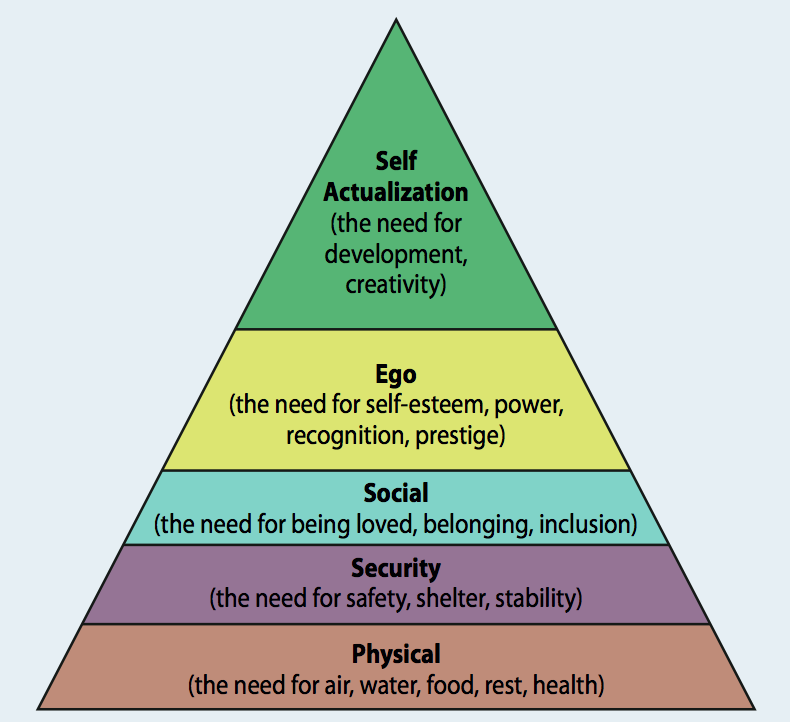
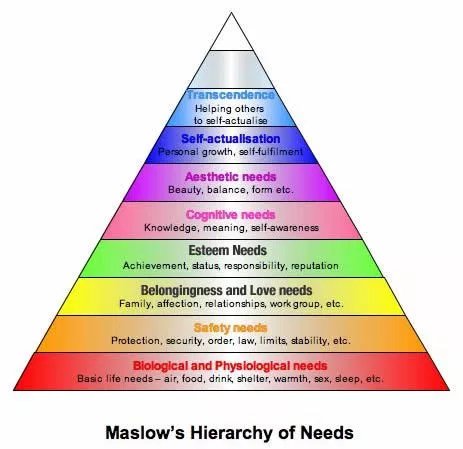
One fundamental reason why sanctions can never work as the government has claimed, to ‘incentivise’ people into work centres on Abraham Maslow’s groundbreaking work on human needs. Maslow highlights that people can’t fulfil their ‘higher level’ psychosocial needs when their survival needs are compromised. When people are reduced to a struggle for survival, that takes up all of their motivation and becomes their only priority. 

The Minnesota Starvation experiment verified Maslow’s theory. 

One of the uniquely important features of Britain’s welfare state was the National Insurance system, based on the principle that people establish a right to benefits by making regular contributions into a fund throughout their working lives. The contribution principle has been a part of the welfare state since its inception. A system of social security where claims are, in principle, based on entitlements established by past contributions expresses an important moral rule about how a benefits system should operate, based on reciprocity and collective responsibility, and it is a rule which attracts widespread public commitment. National Insurance is felt intuitively by most people to be a fair way of organising welfare.

The Conservative-led welfare reforms had the stated aim of ensuring that benefit claimants – redefined as an outgroup of free-riders – are entitled to a minimum income provided that they uphold responsibilities, which entail being pushed into any available work, regardless of its pay, conditions and appropriateness. The government claim that sanctions “incentivise” people to look for employment.

Conditionality for social security has been around as long as the welfare state. Eligibility criteria, for example, have always been an intrinsic part of the social security system. For example, to qualify for jobseekers allowance, a person has to be out of work, able to work, and seeking employment.

But in recent years conditionality has become conflated with severe financial penalities (sanctions), and has mutated into an ever more stringent, complex, demanding set of often arbitrary requirements, involving frequent and rigidly imposed jobcentre appointments, meeting job application targets, providing evidence of job searches and mandatory participation in workfare schemes. The emphasis of welfare provision has shifted from providing support for people seeking employment to increasing conditionality of conduct, in a paternalist attempt to enforce particular patterns of behaviour and to monitor claimant compliance.

The Conservatives have broadened the scope of behaviours that are subject to sanction, and have widened the application of sanctions to include previously protected social groups, such as ill and disabled people, pregnant women and lone parents.

Ethical considerations of injustice and the adverse consequences of welfare sanctions have been raised by politicians, charities, campaigners and academics. Professor David Stuckler of Oxford University’s Department of Sociology, amongst others, has found clear evidence of a link between people seeking food aid and unemployment, welfare sanctions and budget cuts, although the government has, on the whole, tried to deny a direct “causal link” between the harsh welfare “reforms” and food deprivation. However, a clear correlation has been established. 

A little more about behavioural economics and welfare policy

I’ve written extensively and critically about how Behavioural Economics and the ‘behaviourist turn’ has become embedded in welfare policies and administration. 

The use of targeted citizen behavioural conditionality in neoliberal policy making has expanded globally and is strongly linked to the growth in popularity of behavioural economics theory (“nudge”) and the New Right brand of “libertarian paternalism.”

Reconstructing citizenship as highly conditional stands in sharp contrast to democratic principles, rights-based policies and to policies based on prior financial contribution, as underpinned in the social insurance and social security frameworks that arose from the post-war settlement.

The fact that the poorest citizens are being targeted with theory-based “interventions” also indicates discriminatory policy, reflecting traditional Conservative class-based prejudices. It’s a very authoritarian approach to poverty and inequality which simply strengthens existing power hierarchies, rather than addressing the unequal distribution of power and wealth in the UK. 

Some of us have dubbed this trend neuroliberalism because it serves as a justification for enforcing politically defined neoliberal outcomes. A hierarchical socioeconomic organisation is being shaped by increasingly authoritarian policies, placing the responsibility for growing inequality and poverty on individuals, sidestepping the traditional (and very real) structural explanations of social and economic problems, and political responsibility towards citizens.

Such a behavioural approach to poverty also adds a dimension of cognitive prejudice which serves to reinforce and established power relations and inequality. It is assumed that those with power and wealth have cognitive competence and know which specific behaviours and decisions are “best” for poor citizens.

Apparently, the theories and “insights” of cognitive bias don’t apply to the theorists applying them to increasingly marginalised social groups. No one is nudging the nudgers. Policy has increasingly extended a neoliberal cognitive competence and decision-making hierarchy as well as massive inequalities in power, status and wealth.

It’s interesting that the Behavioural Insights Team have more recently claimed that the state using the threat of benefit sanctions may be counterproductive”. Yet the idea of increasing welfare conditionality and enlarging the scope and increasing the frequency of benefit sanctions originated from the behavioural economics theories of the Nudge Unit in the first place.

The increased use and rising severity of benefit sanctions became an integrated part of welfare conditionality in the Conservative’s Welfare Reform Act, 2012. The current sanction regime is based on a principle borrowed from behavioural economics theory – an alleged cognitive bias we have called “loss aversion.”

It refers to the idea that people’s tendency is to strongly prefer avoiding losses to acquiring gains. The idea is embedded in the use of sanctions to “nudge” people towards compliance with welfare rules of conditionality, by using a threat of punitive financial loss, since the longstanding, underpinning Conservative assumption is that people are unemployed because of alleged behavioural deficits and poor decision-making. Hence the need for policies that “rectify” behaviour.

I’ve argued elsewhere, however, that benefit sanctions are more closely aligned with operant conditioning (behaviourism) than “libertarian paternalism,” since sanctions are a severe punishment intended to modify behaviour and restrict choices to that of compliance and conformity or destitution. At the very least this approach indicates a slippery slope from “arranging choice architecture” in order to “support right decisions” that assumed to benefit people, to downright punitive and coercive policies that entail psycho-compulsion, such as sanctioning and mandatory workfare. 

For anyone curious as to how such tyrannical behaviour modification techniques like benefit sanctions arose from the bland language, inane, managementspeak acronyms and pseudo-scientific framework of “paternal libertarianism” – nudge – here is an interesting read: Employing BELIEF: Applying behavioural economics to welfare to work, which is focused almost exclusively on New Right small state obsessions. Pay particular attention to the part about the alleged cognitive bias called loss aversion, on page 7.

And this on page 18:

“The most obvious policy implication arising from loss aversion is that if policy-makers can clearly convey the losses that certain behaviour will incur, it may encourage people not to do it”.

And page 46:

“Given that, for most people, losses are more important than comparable gains, it is important that potential losses are defined and made explicit to jobseekers (eg the sanctions regime)”.

The recommendation on that page:

“We believe the regime is currently too complex and, despite people’s tendency towards loss aversion, the lack of clarity around the sanctions regime can make it ineffective. Complexity prevents claimants from fully appreciating the financial losses they face if they do not comply with the conditions of their benefit”.

The paper was written in November 2010, prior to the Coalition policy of increased conditionality and the extended sanctions element of the Conservative-led welfare reforms in 2012. 

The Conservatives duly “simplified” sanctions by extending them in terms of severity and increasing the frequency of use. Sanctions have also been extended to include previously protected social groups, such as lone parents, sick and disabled people.

Unsurprisingly, none of the groups affected by conditionality and sanctions were ever consulted, nor were they included in the design of the government’s draconian welfare policies.

The misuse of psychology by the government to explain unemployment (it’s claimed to happen because people have the “wrong attitude” for work) and as a means to achieve the “right” attitude for job readiness. Psycho-compulsion is the imposition of often pseudo-psychological explanations of unemployment and justifications of mandatory activities which are aimed at changing beliefs, attitudes and disposition. The Behavioural Insights Team have previously propped up this approach.

Techniques of neutralisation

It is unlikely that the government will acknowledge the findings of the new study which presents further robust evidence that unacceptable, punitive welfare policies are causing distress, fear, anxiety, harm, and sometimes, death.

To date, we have witnessed ministers using techniques of neutralisation to express faux outrage and to dismiss legitimate concerns and valid criticism of their policies and the consequences on citizens as “scaremongering”. 

It isn’t ‘scaremongering’ to express concern about punitive policies that are targeted to reduce the income of social groups that are already struggling because of limited resources, nor is it much of an inferential leap to recognise that such punitive policies will have adverse consequences. 

Political denial is oppressive – it serves to sustain and amplify a narrow, hegemonic political narrative, stifling pluralism and excluding marginalised social groups, excluding qualitative and first hand accounts of citizen’s experiences, discrediting and negating counternarratives; it sidesteps democratic accountability; stultifies essential public debate; obscures evidence and hides politically inconvenient, exigent truths.

Research has frequently been dismissed by the Conservatives as ‘anecdotal’. The government  often claims that there is ‘no causal link’ established between policies and harm. However, denial of causality does not reduce the probability of it, especially in cases where a correlation has been well-established and evidenced.

The government have no empirical evidence to verify their own claims that their ideologically-driven punitive policies do not cause harm and distress, while evidence is mounting that not only do their policies cause harm, they simply don’t work to fulfil their stated aim.

You can read the new research report from Inclusion London and the University of Essex in full here.

Related

DWP sanctions have now been branded ‘life-threatening’

Two key studies show that punitive benefit sanctions don’t ‘incentivise’ people to work, as claimed by the government

The new Work and Health Programme: government plan social experiments to “nudge” sick and disabled people into work

Exclusive: DWP Admit Using Fake Claimant’s Comments In Benefit Sanctions Leaflet

Benefit Sanctions Can’t Possibly ‘Incentivise’ People To Work – And Here’s Why

Nudging conformity and benefit sanctions

Work as a health outcome, making work pay and other Conservative myths and magical thinking


I don’t make any money from my work. But you can make a donation if you like, to help me continue to research and write free, informative, insightful and independent articles, and to provide support to others. The smallest amount is much appreciated – thank you.

DonatenowButton

Cash for Care: nudging doctors to ration healthcare provision

Image result for NHS rationing treatment

Today, while everyone is being distracted by the continuing resignations from Theresa May’s disintegrating government, the Conservatives are openly talking among themselves (again) about charging for NHS services. So much for the government’s continued reassurances and promises about UK healthcare continuing to remain ‘free at the point of access.’  

The NHS has never been safe in  Conservatives hands.

Last week I wrote an article about the stealthy creep of rationing of treatments in the NHS, and how gatekeeping has become a watchword within our public services over the past seven years. It’s being driven by the government’s deep affection for neoliberal dogma, the drive for never-ending ‘efficiency savings’ and the Conservatives’ lean, mean austerity machine. Perish the thought that the public may actually need to use the public services that they have funded through their contributions to the Treasury, in good faith. 

One important point I didn’t raise in the article was about how the marketisation of the NHS has given rise to ‘perverse incentives’, which violate the very principles on which the national health service was founded. Neoliberal policies have shifted priorities to developing profitable ‘care markets’ making ‘efficiency’ savings and containing costs, rather than delivering universal health care.

Another shift in emphasis is the “behavioural turn”. It’s politically convenient to claim that people’s behaviours are a major determinant of their health. Some illnesses are undoubtedly related to lifestyle – type two diabetes, for example. But it is difficult to blame individual’s behaviours for type one diabetes, which is an autoimmune disease, and these may happen to people who lead very healthy lifestyles, as well as those who don’t. This ‘behavioural turn’ shifts emphasis from the impact of structural conditions – such as rising inequality and poverty – on public health. It also provides a political justification narrative for cuts to healthcare and welfare provision. (See also The NHS is to hire 300 employment coaches to find patients jobs to “keep them out of hospital”. )

Behavioural economists have claimed that ‘nudge’ presents an effective way to ‘change behaviours’ within the NHS and ‘improve outcomes’ at lower cost than traditional policy tools. Back in 2015, the Nudge Unit were looking for “many potentially fruitful areas in which to use behavioural insight to improve health and health-service efficiency, either by retrofitting existing processes or by designing completely new services most effectively.” ‘Fruitful’ as in lucrative for the part-privatised company, but not so lucrative for the NHS.

Behavioural economists are working for the government and public sector to “harness [public] behaviours to shift and reduce patterns of demand in many public services.” The problem is that human needs arising from illness are not quite the same thing as human behaviours and roles, yet the government are increasingly conflating the two. (See discussion on Talcott Parsons and the ‘sick role’ in this article, for example, along with that on ‘work is a health outcome’.)

Public services are associated with fundamental human rights, which in turn are based on notions of fundamental human need. Addressing basic human needs is fundamental to survival.

As Abraham Maslow concluded, motivation for behaviours is is closely related to fulfilling our basic needs, because if they are not met, then people will simply strive to make up the deficit as a priority. This undermines aspiration and human potential. Fulfilment of psychosocial needs will become a motive for behaviour only as long as basic physiological needs ‘below’ it have been satisfied. Health is a fundamental human need. To paraphrase Maslow, we don’t live by bread alone, unless there is no bread.

Public services are an essential part of developed democracies, they ensure all citizens can meet their basic needs, and therefore, the provision promotes wider social and economic wellbeing and progress.

Image result for maslow's hierarchy

Maslow’s hierarchy of human needs

The Nudge Unit had already run a trial in Nottingham, which provided feedback to doctors of the cost of a commonly used discretionary lab test. This prompt retained clinical freedom, and did not ask doctors to order fewer tests – but the number of
tests fell by a third.

anttibiotic resistance

In 2016 the UK government set a target to half ‘inappropriate’ antibiotic prescribing by 2020. The Nudge Unit set out to “improve prescribing in line with government ambitions”. 

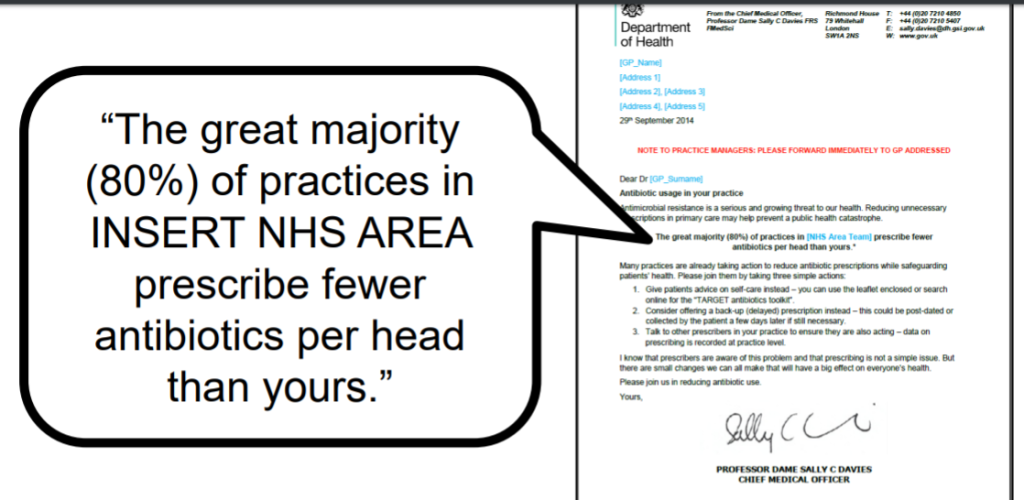
Behavioural economists from the Unit claimed that by informing doctors that they are prescribing more antibiotics relative to 80 per cent of their peers, they are reducing the number of ‘unnecessary’ prescriptions by 3.3 per cent (more than 73,000 prescriptions) – helping to address what the Chief Medical Officer has identified as perhaps the greatest medical threat of our age – antibiotic resistance. 

Between 2014 and 2015, the Behavioural Insights Team sent letters to 800 GP practices, telling them that other practices were recommending the use of antibiotics in fewer cases. (There is no evidence presented to determine if this was actually true, and judging by the template letter, it’s highly unlikely that it was true.)

The nudge method employed is called ‘social norming’, which operate as a kind of community enforcement, as norms are unwritten rules that define ‘appropriate’ behaviours for social groups. We tend to conform to the expectations of others. Changing perceptions of norms alters people’s expectations and behaviour.

Understanding norms provides a key to understanding social influence in general and conformity in particular. The Conservatives have traditionally placed a significant emphasis on social conformity.

There are ‘hotspots’ where more antibiotics are prescribed. However, the fact that these places tend to be some of the most deprived areas of the country strongly hints that there are underlying socioeconomic factors at play that cannot be solved with a nudge or prod. Research indicates that community socioeconomic variables may play a significant role in sepsis-attributable mortality, for example.

Social problems such as poverty and inequalities in health arise because of unequal distributions of wealth and power, therefore these problems require solutions involving  addressing socioeconomic inequality. As it is, the government is unprepared to spend public funds on public services to redistribute resources. 

The behavioural study did not include any consideration of socioeconomic variables on rates or severity of infection, or types of infection. 

The idea that ‘changing the prescribing habits in hospitals’ and GP surgeries will impact on antibiotic resistance is based on an assumption that doctors over prescribe antibiotics in the first place. There is no evidence that this is the case, and it’s very worrying that anyone would think that targeting doctors with behaviourally-based remedies will address antibiotic resistance and assure us, at the same time, that antibiotics are actually prescribed when appropriate, and tailored, ensuring the safety and wellbeing of the patient, rather than being prescribed according to arbitrary percentage norms distributed by behavioural economists.

The trials did not include sufficient data regarding clinical detail or diagnostic uncertainty that might justify antibiotic prescribing in individual cases.

One of the nudge unit team’s key aims is to design policies which reduce costs. They say: “The solution to the problem of AMR is not just to produce new and better drugs – that takes time, and a great deal of money. We must also reduce our use of antibiotics when they are not needed. Sadly, it seems that they are used unnecessarily twenty percent of the time in the UK”.

The various Nudge Unit reports on behavioural strategies that target doctors don’t mention any follow-up research to ensure that the reduction in antibiotic prescriptions did not correlate with an increase in the severity of infections or poor outcomes for patients. In fact one report highlighted that those who were admitted to hospital because their condition deteriorated were excluded from the trial, as they no longer met the inclusion criteria. That effectively means that any adverse consequences for patients who were not given antibiotic treatment was not reported. And that matters.

The authors say “We as the authors debated at length as to whether we should emphasise the fact that 80% of the prescriptions are being used in necessary cases.” 

There is no indication of how ‘necessary cases’ are determined, and more to the point, who determines what is a ‘necessary case’ for antibiotic treatment. Furthermore, the report uses some troubling language, for example, doctors prescribing antibiotics ‘above average’ were referred to more than once as the “worst offenders.” However, as I’ve already touched on, patients needs may well vary depending on a range of variables, such as the socioeconomic conditions of their community, and of course, complex individual comorbidities, which may not be mentioned in full when doctors write up the account for the prescription.

Sepsis, which may arise from any kind of infection is notoriously difficult to diagnose. It is insidious and can advance very rapidly.  It’s even more difficult to determine when a patient has other conditions. For example, sepsis can arise when someone has flu. That happened to me, when I had developed pneumonia without realising that I had. It’s standard practice for paramedics to administer a broad spectrum antibiotic and intravenous fluids to treat suspected sepsis and septic shock. This can often save lives. Sepsis kills and disables millions and requires early suspicion and antibiotic treatment for survival.

Once the causative agent for the infection is found, the IV antibiotics may then be tailored to treat it. The wait without any treatment until a firm diagnosis is potentially life-threatening. But the biochemical tests, such as CRP, and X-rays take time. 

Treatment guidelines call for the administration of broad-spectrum antibiotics within the first hour following suspicion of septic shock. Prompt antimicrobial therapy is important, as risk of dying increases by approximately 10% for every hour of delay in receiving antibiotics. This time constraint does not allow the culture, identification, and testing for antibiotic sensitivity of the specific microorganism responsible for the infection. Therefore, combination antimicrobial therapy, which covers a wide range of potential causative organisms, is tied to better ‘outcomes’. 

In the trial, behavioural economists referred to medical notes, and if there is no diagnosis, the necessity of the prescription is then questioned. Knowledge of complex medical histories may also influence doctors’ decisions, and this may not have been mentioned on medical record. A cough and breathlessness is a common symptom influenza. However, a patient with a condition that compromises their immunity, or someone who needs immune suppressants, for example, is rather more at risk of developing bacterial pneumonia than others, and someone with COPD or asthma is also at increased risk.  

If a person dies because treatment was not given promptly in high suspicion cases of severe infection and sepsis, who is to be held accountable, especially in a political context where treatments are being rationed and prescriptions are being increasingly policed?

It’s also worth bearing in mind that massive doses of antibiotics are added to livestock feed as a preventative measure and to promote growth before the animals are slaughtered and enter the food chain. Using antibiotics during the production of meat has been heavily criticised by physicians and scientists, as well as animal activists. The pharmaceutical industry is making billions annually from antibiotics fed to livestock, which highlights the perverse incentives of the profit motive and potentially catastrophic impact on humans. It is estimated that between 70 – 80 percent of the total of antibiotics used around the world are used within the animal farming and food industry. No-one is nudging the culprits. 

The potential threat to human health resulting from inappropriate, profit seeking antibiotic use in food animals is significant, as pathogenic-resistant organisms propagated in these livestock are poised to enter the food supply and could be widely disseminated in food products.

Antibiotics used on farms can spill over into the surrounding environment, for instance through water run-off and slurry, according to a report from the UN’s environment body, last year, with the potential to create resistance to the drugs across a wide area.

In 2013, researchers showed that people who simply lived near pig farms or crop fields fertilized with pig manure are 30% more likely to become infected with methicillin-resistant Staphylococcus aureus bacteria.

Cash for care – rationing referrals to hospital consultants and diagnostic testing

It was announced in April this year that General Practitioners (GPs) across England will be able to “better manage” hospital referrals with a “digital traffic light system” developed by the Downing Street policy wonks. This nudge is designed to target the ‘referral behaviours’ of GPs.

GPs are being offered cash payments as an ‘incentive’ to not refer patients to hospitals – including cancer patients – according to an investigation by Pulse, a website for GPs. 

Furthermore, a leaked letter sent by NHS to England to Clinical Commissioning Groups (CCGs) and seen by Pulse magazine last year, asks that all family doctors in England to seek approval from a medical panel for all non-urgent hospital referrals.  

A “clinical peer review of all referrals from general practice by September 2017”, will be required, the letter said. 

To ‘incentivise’ the scheme, the letter said that there will be “significant additional funding” for commissioners that establish peer-led policing schemes. It added that it could reduce hospital referral rates by up to by 30 per cent. NHS England said that they want to introduce the “peer review scheme” whereby GPs check the referrals of one another to ensure they are ‘appropriate’. However, experts warn this increasingly Kafkaesque layer of bureaucracy could lead to more problems and possible conflict with patients’ safety and standard of care. 

In a trial of the nudge scheme, four NHS clinical commissioning groups (CCGs) have been using “profit share” initiatives to ration care, to help them ‘operate within their budgets’. Clinical Commissioning Groups hold the budget for the NHS locally and decide which services are provided for patients. 

Through this scheme, GPs are told they will receive up to half of the money that is saved by fewer patients going to hospitals for tests and treatments.

So to clarify, surgeries are being offered financial ‘incentives’ for not sending patients to hospital to save money, that is then reinvested in part to implement further rationing of healthcare. The move has been widely condemned as a “dereliction of duty” by the community of medical experts and professionals. Referrals to consultants often involve important diagnostic procedures, therefore there is often no way of knowing for sure in advance of the referral whether or not it is “warranted”.

The NHS has had ‘referral management centres’ in place for many years.  However, last year they were at the epicentre of a scandal when it was revealed that the use of these centres has increased 10-fold over recent years. Furthermore, the centres are privately run and extremely expensive to employ, diverting funds that could simply be spent on patient care.

Moreover, those who were reviewing the referrals were also found to have varying levels of clinical knowledge, and so were not always able to correctly identify which referrals were ‘necessary’. They were also extremely inefficient as patients were forced to wait a long time for appointments. 

The Pulse investigation into referral incentive schemes being run by NHS clinical commissioning groups (CCGs) across England found some regions offering GPs as much as 50 per cent of any savings they can make. The “profit-share” arrangements mean practices stand to benefit financially by not sending patients for treatment or to see a specialist.

Hospitals are paid for operations and other activity, so by sending patients to cheaper services run by GP practices – such as diabetes and pulmonary clinics – or by keeping them out of hospital altogether, practices can increase the size of savings. GPs are not paid per procedure. Rather, they receive a single payment when each patient is registered with them. 

Currently, when doctors are referring patients for appointments with hospital consultants, the nudge – in the form of a “Capacity Alert System” – operates by displaying a red light next to hospitals with lengthy waiting times, and a green light next to those with more availability, on the system. 

The system underwent two trials in north-east and south-west London over the winter. During these pilots the number of referrals made to overburdened hospitals was reduced by 40%, while those made to hospitals with ‘spare capacity’ rose by 14%, according to NHS England. There was no comment made regarding the impacts of the scheme on patients’ health.

GP leaders have also said it is “insulting” to suggest doctors are sending patients to hospital arbitrarily, and raise significant conflicts of interest.

“Cash incentives based on how many referrals GPs make have no place in the NHS, and frankly, it is insulting to suggest otherwise,” said Professor Helen Stokes-Lampard, chair of the Royal College of GPs.

Of course, it’s important to take measures to ensure that GP referrals are appropriate and high-quality, but payments to reduce referrals would fly in the face of this, and erode the trust our patients have in us to do what is best for them and their health.” 

The NHS has been squeezed for increasingly drastic ‘efficiency savings’ in the past eight years. It’s absurd, however, that a huge amount of money is being spent on restricting access to healthcare, rather than on simply adequately funding healthcare provision.

Dr Peter Swinyard, chair of the Family Doctor Association, said the profit-share schemes were “bizarre”, adding: “From a patient perspective, it means GPs are paid to not look after them.

“It’s a serious dereliction of duty, influenced by CCGs trying to balance their books.”

Meanwhile, NHS Barnsley CCG has identified a £1.4m funding pot to pay its practices if they achieve a reduction in referrals to specialties, including cardiology, pancreatic surgery, and trauma and orthopaedics.

The CCG said the 10 per cent target was “ambitious but achievable”.

Last year it was discovered that the NHS has to spend £1.5 billion in legal costs when patients don’t get what the standard of care expected and pay for from their healthcare providers. In 2015/16, there was a 27% increase in the number of claims and a 72% increase in legal cost, which amounted to £1.5 billion.  With the amount of money that the NHS is spending on legal costs for medical blunders, the NHS could have paid for the training of more than 6,000 doctors. Or eased the rationing of essential healthcare provision.

The purpose of the NHS has been grotesquely distorted: it was never intended to be a bureaucratic gatekeeping exercise that rations healthcare. The purpose of all public services is to provide a public service, not ration provision. Such is the irrationality of the government’s ‘market place’ and ‘profit over human need’ narrative. 

Dr Eric Watts, a consultant haematologist for the NHS, says that the British government couldn’t care less about the fall of the NHS. He said, “This is a triumph of secrecy and implacable lack of care about the NHS by a Government determined to watch it fail then fall.” 

One CCG told Pulse“Ensuring treatment is based on the best clinical evidence and improving historical variation in access is essential for us locally.

“Financially, it is an effective use of local resources which will improve patient experience and outcomes and increase investment in primary care in line with the Five Year Forward View commitments.” Those ‘commitments’ are the increasing implementation of cuts to healthcare provision and funding.

Cuts to care may well improve financial ‘management’ but it cannot be claimed that healthcare rationing “improves health outcomes” for patients. That flies in the face of rationality.

NHS England also said last year that funding will be available for CCGs to start “peer review schemes”, where GPs police each other – checking that their colleagues are referring ‘appropriately’, but it is not clear what it thinks about direct payments linked to cutting referrals.

The “Cash for Cuts” investigation, by GP publication Pulse, asked all 207 CCGs in England about their processes for cutting referrals. Of the 180 who responded, 24 per cent had some kind of incentive scheme aimed at lowering the numbers of referrals. 

This included payments for getting GPs to “peer review” each other’s referrals or other strategies. 

Dr Chaand Nagpaul, from the British Medical Association (BMA) has  also criticised the nudge scheme. He says “It’s a blunt instrument which is not sensitive to the needs of the patient and is delaying patient care. 

“It has become totally mechanistic. It’s either administrative or not necessary for the patient. It’s completely unacceptable. Performance seems to be related to blocking referrals rather than patient care.”

The CCGs have defended the schemes, saying that at the time they were pushed through, the NHS was struggling through the worst winter ever in its history and had not been able to hit target waiting times since 2015. The CCGs have said that the scheme is only to help reducing ‘unnecessary referrals’ and therefore improve outcomes for ‘genuine patients’, and not to reduce numbers overall. Who decides which patients are ‘genuine’, and on what criteria? 

Dr Dean Eggitt, who is the British Medical Association’s GP representative for Barnsley, Doncaster, Rotherham and Sheffield, also disagrees with the scheme. 

“The scheme is unsafe and needs to be reviewed urgently,” he said. 

The BMA’s GP committee have said that it had raised concerns nationally where CCGs have set an “arbitrary target” for reducing referrals. 

Before Christmas, Jeremy Hunt, the Health Secretary, announced that he wanted hospitals to find another £300m in savings on basic items like surgical gloves and bandages, and a long-awaited pay rise for nurses is contingent on staff boosting “productivity”.  

A Department of Health and Social Care spokesperson said: “Patients must never have their access to necessary care restricted  – we would expect local clinical commissioning groups and NHS England to intervene immediately if this were the case.” 

I’ve asked NHS England whether it would be reviewing cases where GPs stand to profit financially for not referring patients, along with others, but I have had no response at time of this publication. 

The NHS was founded on the principle of free and open access to healthcare provision for everyone. The nudge schemes I’ve outlined have introduced ‘perverse incentives’ that prompt GPs to ration health care. I have argued elsewhere on many occasions that nudge and the discipline of behavioural economics more generally is technocratic prop for a failing  political and socioeconomic system of organisation – neoliberalism. Rather than review the failures of increasing privatisation and ‘competition’, the government chose to deny them, applying increasingly irrational ‘solutions’ to the logical gaps in their ‘marketplace’ dogma. 

Yet it is blindingly clear that citizens needs and their human rights are being increasingly sidestepped by the absolute prioritisation of the private profit incentive. 

Nudge isn’t about ‘economics theory and practice adapting to human decision making’, as is widely claimed. It isn’t about remedying ‘cognitive biases’. It isn’t about people making ‘flawed decisions’.

It’s about holding citizens responsible for the problems created by a flawed socioeconomic model. It’s about a limited view of human behaviours and potential, because it frames the poorest citizens in an increasingly unequal society as ‘failed entrepreneurs’. Those members of the public who need to access public services are increasingly being portrayed as an economic ‘burden’. As such, nudge places limitations on and replaces genuine problem-solving approaches to public policy.

Nudge is about authoritarian governments using a technocratic prop to adapt human perceptions, behaviours and expectations, aligning them to accommodate inevitable  catastrophic social outcomes. These outcomes are symptomatic of the failings and lack of rational insights of wealthy and powerful neoliberal ideologues, who are determined to dismantle our public services. Without the consent of the majority of citizens. 

Image result for NHS rationing treatment

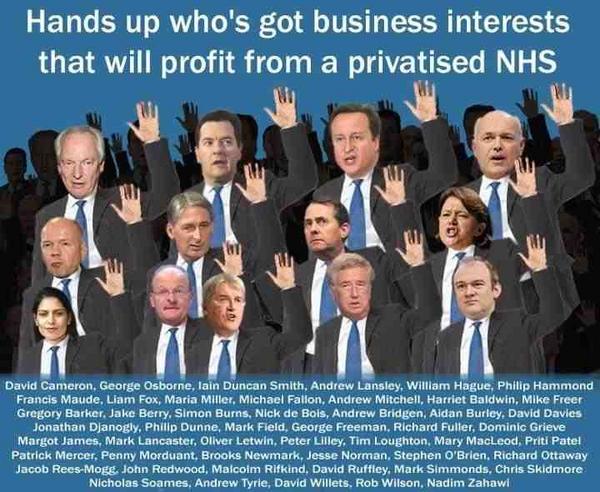
The NHS was never safe in his hands. The company he keeps has made sure of that.

Image result for hands up NHS


I don’t make any money from my work. But if you like, you can support Politics and Insights and contribute by making a donation which will help me continue to research and write informative, insightful and independent articles, and to provide support to others who are vulnerable because of the impacts of government policies. The smallest amount is much appreciated, and helps to keep my articles free and accessible to all – thank you. 

DonatenowButton

Jobcentre tells GP to stop issuing sick notes to patient assessed as ‘fit for work’ and he died.

pizapcom14829621211221

Abbie and her late father, James Harrison.

Julia Savage is a manager at Birkenhead Benefit Centre in Liverpool. She wrote a letter addressed to a GP regarding a seriously ill patient. It said:

“We have decided your patient is capable of work from and including January 10, 2016.

“This means you do not have to give your patient more medical certificates for employment and support allowance purposes unless they appeal against this decision.

“You may need to again if their condition worsens significantly, or they have a new medical condition.” 

The patient, James Harrison, had been declared “fit for work” and the letter stated that he should not get further medical certificates. 

However, 10 months after the Department for Work and Pensions (DWP) contacted his doctor without telling him, James died, aged 55, the Daily Record has reported.

He was clearly not fit for work.

His grieving daughter, Abbie, said: “It’s a disgrace that managers at the Jobcentre, who know nothing about medicine, should interfere in any way in the relationship between a doctor and a patient.

“They have no place at all telling a doctor what they should or shouldn’t give a patient. It has nothing to do with them.

“When the Jobcentre starts to get involved in telling doctors about the health of their patients, that’s a really slippery slope.”

Abbie said James had worked since leaving school at a community centre near his home. But his already poor health went downhill after the centre was shut down because of austerity cuts.

James had a serious lung condition and a hernia before the centre closed, and also developed depression and anxiety afterwards.

Abbie said: “He’d worked all his life. He wasn’t the kind of guy who knew anything about benefits.

“But as his health deteriorated, there wasn’t any chance he could do a job. He applied for employment and support allowance.”

James received Employment and Support Allowance (ESA), but only at the low rate of £70 a week, the same amount as jobseekers’ allowance. He was then sent to attend one of the DWP’s controversial Work Capability Assessments – and declared fit for work.

Despite that decision, Abbie said James remained in constant need of medical help and had to visit his doctor regularly.

However, the GP concerned repeatedly refused to give him a sick note, and James began to suspect the Jobcentre were to blame for this.

Abbie said: “He really needed a note. He was too ill to go to the constant appointments at the Jobcentre and he didn’t want to be sanctioned.

“He became convinced the DWP had been talking to his doctor behind his back.”

Although Abbie felt her father was confused, and didn’t think his explanation was right at the time, she later asked to see her father’s medical records. She found the letter in his file from Julia Savage, the manager at Birkenhead Benefit Centre, in James’s home city of Liverpool.

The letter was addressed to James’s GP.

Context: Government claims that work is a “health outcome”

James Harrison was very worried that his ill health interfered with his obligation to comply with the inflexible and constant conditions attached to his eligibility for welfare support, and that this would lead to sanctions – the withdrawal of his lifeline support, which was calculated to meet basic survival needs only.

The GP should have provided evidence that this was the case. The doctor was advised not to provide further fit notes by the DWP, however, unless James appealed. Yet the circumstances warranted that the GP provide a fit note. 

fit-note-guidance

Last year, the Department for Work and Pensions issued an ideologically directed new guidance to GPs regarding when they should issue a Fit Note. This was updated in December 2016.

In the document, doctors are warned of the dangers of “worklessness” and told they must consider “the vital role that work can play in your patient’s health”.  According to the department, “the evidence is clear that patients benefit from being in some kind of regular work”.

The biopsychosocial model, with a current political emphasis on the psychological element, has become a disingenuous euphemism for psychosomatic illness, which has been exploited by successive governments (and rogue insurance companies) to limit or deny access to social security, medical and social care.

Nobody would deny that illness has biological, psychological and social dimensions, however, the model has been adapted to fit a neoliberal “small state” ideology – one that rests almost entirely on Conservative individualist notions of citizen responsibility, as opposed to a rights-based approach and provision of publicly funded state support.

This approach to disability and ill health has been used by the government to purposefully question the extent to which people claiming social security bear personal responsibility for their own health status, rehabilitation and prompt return to work. It also leads to the alleged concern that a welfare system which was originally designed to provide a livable income to those with disabling health problems, may provide “perverse incentives” for perverse behaviours, entrenching “worklessness” and a “culture of dependency”. It’s worth pointing out at this point that there has never been any empirical evidence to support the Conservative notion of welfare “dependency”. 

Instead of being viewed as a way of diversifying risk and supporting those who have suffered misfortune and ill health, social and private insurance systems are to be understood as perverse incentives that pay people, absurdly, to remain ill and keep them from being economically productive.

The idea that people remain ill deliberately to avoid returning to work  – what Iain Duncan Smith and David Cameron have termed “the sickness benefit culture” – is not only absurd, it’s very offensive. This is a government that not only disregards the professional judgements of doctors, it also disregards the judgements of sick and disabled people. However, we have learned over the last decade that political “management” of people’s medical conditions does not make people healthier or suddenly able to work. Government policies, designed to “change behaviours” of sick and disabled people have resulted in harm, distress and sometimes, in premature deaths

The government have made it clear that there are plans to merge health and employment services. In a move that is both unethical and likely to present significant risk of harm to many patients, health professionals are being tasked to deliver benefit cuts for the DWP. This involves measures to support the imposition of work cures, including setting employment as a clinical outcome and allowing medically unqualified job coaches to directly update a patient’s medical record.

The Conservatives (and the Reform think tank) have also proposed mandatory treatment for people with long term conditions (which was first flagged up in the Conservative Party Manifesto) and this is currently under review, including whether benefit entitlements should be linked to “accepting appropriate treatments or support/taking reasonable steps towards “rehabilitation”.  The work, health and disability green paper and consultation suggests that people with the most severe illnesses in the support group may be subjected to welfare conditionality and sanctions.

Many campaigners have raised concerns about the DWP interfering with people’s medical care and accessing their medical files. I wrote an article last year about how the government plans to merge health and employment services and are now attempting to redefine work as a clinical outcome. I raised concerns about the fact that unemployment has been stigmatised and politically redefined as a psychological disorder, and that the government claims, somewhat incoherently, that the “cure” for unemployment due to illness and disability, and sickness absence from work, is work.

In a critical analysis of the recent work, health and disability green paper, I said: 

“And apparently qualified doctors, the public and our entire health and welfare systems have ingrained “wrong” ideas about sickness and disability, especially doctors, who the government feels should not be responsible for issuing the Conservatives recent Orwellian “fit notes” any more, since they haven’t “worked” as intended and made every single citizen economically productive from their sick beds.

It seems likely, then, that a new “independent” assessment and some multinational private company will most likely very soon have a lucrative role to ensure the government get the “right” results.”

The medical specialists are to be replaced by another profiteering corporate giant who will enforce a political agenda in return for big bucks from the public purse. Health care specialists are seeing their roles being incrementally and systematically  de-professionalised. That means more atrocious and highly irrational attempts from an increasingly authoritarian government at imposing an ideological “cure” – entailing the withdrawal of any support and imposing punitive “behavioural incentives” – on people with medical conditions and disabilities. Doctors, who are clever enough to recognise, diagnose and treat illness, are suddenly deemed by this government to be insufficiently clever to judge if patients are fit for work.

The political de-professionalisation of medicine, medical science and specialisms (consider, for example, the implications of permitting job coaches to update patient medical files), the merging of health and employment services and the recent absurd declaration that work is a clinical “health” outcome, are all carefully calculated strategies that serve as an ideological prop and add to the justification rhetoric regarding the intentional political process of dismantling publicly funded state provision, and the subsequent stealthy privatisation of Social Security and the National Health Service. 

“De-medicalising” illness is also a part of that process:

“Behavioural approaches try to extinguish observed illness behaviour by withdrawal of negative reinforcements such as medication, sympathetic attention, rest, and release from duties, and to encourage healthy behaviour by positive reinforcement: ‘operant-conditioning’ using strong feedback on progress.” Gordon Waddell and Kim Burton in Concepts of rehabilitation for the management of common health problems. The Corporate Medical Group, Department for Work and Pensions, UK. 

Waddell and Burton are cited frequently by the DWP as providing “evidence” that their policies are “evidence based.” Yet the DWP have selectively funded their research, which unfortunately frames and constrains the theoretical starting point, research processes and the outcomes with a heavy ideological bias. 

This framing simply shifts the focus from the medical conditions that cause illness and disability to the “incentives”, behaviours and perceptions of patients and ultimately, to neoliberal notions of personal responsibility and self-sufficient citizenship in a context of a night watchman, non-welfare state. 

Medication, rest, release from duties, sympathetic understanding – the remedies to illness – are being appallingly redefined as “perverse incentives” for ill health, yet the symptoms necessarily precede the prescription of medication, the Orwellian renamed (and political rather than medical) “fit note” and exemption from work duties. Notions of “rehabilitation” and medicine are being redefined as behaviour modification: here it is proposed that operant conditioning in the form of negative reinforcement – which the authors seem to have confused with punishment – will “cure” ill health. 

People cannot simply be “incentivised” into not being ill. 

The political use of the biopsychosocial model to cut costs at the expense of people who are ill will undoubtedly have further extremely serious implications. Such an approach, which draws on behaviourism and punishment (such as the threat and implementation of sanctions) is extremely unethical and makes the issue of consent to medical treatment very problematic if it is linked to the loss of lifeline support or the fear of loss of benefits.

This is clearly the direction that government policy is moving in and this represents a serious threat to the health, welfare, wellbeing and human rights of patients and the political independence of health professionals.


I don’t make any money from my work. But you can contribute by making a donation and help me continue to research and write informative, insightful and independent articles, and to provide support to others. The smallest amount is much appreciated – thank you.

DonatenowButton cards