
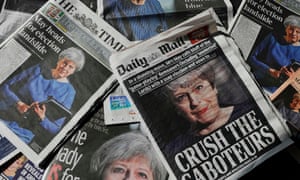
In George Orwell’s Nineteen Eighty-Four, Winston Smith invents the heroic historical figure Comrade Ogilvy, who had “no aim in life except the defeat of the Eurasian enemy and the hunting-down of spies, saboteurs, thought-criminals, and traitors generally”. Theresa May’s world, too, seems to have shrunk to one in which the greatest enemies are the enemies within and democracy must be democratically eliminated for the good of the people.” Steven Poole.
The Daily Mail headline calling those who oppose the government “saboteurs” is the kind of oppressive tactic and despotic language that is commonly used in totalitarian regimes and by dictators. It’s not the kind of media headline expected in liberal democracies, where opposition to the status quo is necessary for the best interests of the country and essential for any meaningful democratic exchange.
Dr. Lawrence Britt examined the fascist regimes of Hitler (Germany), Mussolini (Italy), Franco (Spain), Suharto (Indonesia) and several Latin American regimes. Britt found 14 defining characteristics common to each, and it is becoming increasingly difficult to overlook some of the parallels with the increasingly authoritarian characteristics of our own right wing government here in the UK. Fascism is an authoritarian and nationalistic right wing system of government and social organisation, though not all authoritarian governments are fascist. However, the two terms are quite often used interchangeably.
Controlled mass media is one example of a key defining feature of authoritarianism, with “news” being directly controlled and manipulated by the government, by regulation, or via sympathetic media spokespeople and executives. Censorship is very common. There is often an identifiable obsession with “National Security” – along with fear being used as a “motivational tool” by the government on the public, and also, as a justification for greater degrees of censorship.
The United Nations’ 1948 Universal Declaration of Human Rights states: “Everyone has the right to freedom of opinion and expression; this right includes freedom to hold opinions without interference, and impart information and ideas through any media regardless of frontiers”. However, unlike the United States, Britain has no constitutional guarantee of press freedom.
The right to freedom of expression is fundamental to a functioning democracy – information and ideas help to inform political debate and are essential to public accountability and transparency in government.
Just to clarify, I don’t, however, condone any incitements of hatred. This is not the same thing as free speech. In fact hate speech is designed to close discussion down by intimidating and silencing targeted social groups. In the Uk, several statutes criminalize hate speech against several categories of persons. The statutes forbid communication which is hateful, threatening, or abusive, and which targets a person on account of disability, ethnic or national origin, nationality (including citizenship), race, religion, sexual orientation, or skin colour.
Yet just last year, the European Commission against Racism and Intolerance (ECRI) criticised the right wing Daily Mail and the Sun for “offensive, discriminatory and provocative terminology”.
The ECRI report said hate speech was a serious problem, including against Roma, gypsies and travellers, as well as “unscrupulous press reporting” targeting the LGBT community.
The report also concluded that some reporting on immigration, terrorism and the refugee crisis was “contributing to creating an atmosphere of hostility and rejection”.
It cited Katie Hopkins’ infamous column in The Sun, where she likened refugees to “cockroaches” and sparked a blistering response from the UN High Commissioner for Human Rights, and the same newspaper’s debunked claim over “1 in 5 Brit Muslims’ sympathy for jihadis”. It seems that the tabloids have confused their frequent incitements to hatred, their many contributions to growing social prejudice and hate speech with free speech.
We have witnessed the political right and the tabloids using rhetoric that has increasingly transformed a global economic crisis into an apparently ethno-political one, and this also extends to include the general scapegoating and vilification of other groups and communities that have historically been the victims of prejudice and social exclusion: the poorest citizens, unemployed and disabled people. These far-right rhetorical flourishes define and portray the putative “outsider” as an economic threat. This is then used to justify active political discrimination and exclusion of the constitutive Other.
Only some people have the right to freely express themselves, apparently.
Freedom of expression is a universal human right. It is not the prerogative of the politician. Nor is it the privilege of the journalist. In their day-to-day work, journalists are simply exercising every citizen’s right to free speech.
This includes the right to communicate and to express oneself in any medium, including through words, pictures, images and actions (including through public protest and demonstrations).
However, the UK government is more generally failing to live up to its human rights obligations. Social groups with protected characteristics, such as disabled people and asylum seekers, have fared very badly over the past few years. The tabloids have preempted draconian Conservative policies which target those social groups with extensive stigmatising and scapegoating campaigns. This is another indication of the Conservative’s radical authoritarian turn.
The News Media Association (NMA) say: “Threats to press freedom include attempts to strip back journalistic exemptions under the EU and UK data protection legislation, efforts to water down Freedom of Information legislation which the NMA is campaigning against, new court reporting restrictions, a review of the D-Notice Committee, strengthening police powers to obtain journalistic material, the use of RIPA powers to uncover journalists’ sources, and the continuing campaign to introduce jail sentences for breaches of the Data Protection Act.
Journalists in the UK are also subject to a wide range of legal restrictions which inhibit freedom of expression. These include the libel laws, official secrets and anti-terrorism legislation, the law of contempt and other legal restrictions on court reporting, the law of confidence and development of privacy actions, intellectual property laws, legislation regulating public order, trespass, harassment, anti-discrimination and obscenity.
There is some special provision for journalism and other literary and artistic activities, chiefly intended as protection against prior restraint, in the data protection and human rights legislation. There are some additional, judicial safeguards requiring court orders or judicial consent before the police can gain access to journalistic material or instigate surveillance in certain circumstances, but, in practice, the law provides limited protection to journalistic material and sources.”
The new proposed Espionage Act and a data disclosure law.
The UK government are proposing to change the four Official Secrets Acts, which date back to 1911. They want them scrapped and replaced with a “modernised” Espionage Act and a data disclosure law.
However, the Conservatives have been accused of “criminalising public interest journalism” as it plans to increase the number of years for the “leaking of state secrets” from 2 years to 14, in the first “overhaul” of the Official Secrets Act for over 100 years.
Under the proposals, which were published in February, officials who leak “sensitive information” about the British economy that damages national security could also be jailed. Currently, official secrets legislation is limited to breaches which jeopardise security, intelligence defence, confidential information and international relations.
The government released the proposals citing the “new reality” of the 21st-century internet and national security dangers as justification for a more “robust” system of prosecution.
The recommendations centre around the Official Secrets Act (1989) which governs how public servants in government and the military must keep government information secret and out of publication.
Journalists and civil liberties groups have warned that the threshold for the increased sentence has been lowered and that journalists and whistleblowers acting in the public interest will be effectively gagged.
In the new government recommendations, the threshold for being prosecuted for revealing state secrets will be changed from “having caused definite damage” to the likelihood of causing damage to national interests. The Law Commission also stated that a defendant should be prevented from making a defence that they believed they were working in the public interest.
Michelle Stanistreet, general secretary of the National Union of Journalists, said: “The ramifications of these recommendations are huge for journalists and freedom of the press. Journalists face being criminalised for simply doing their job and the public’s right to know will be severely curtailed by these proposals. The union will respond robustly to the Law Commission’s consultation on changes to the Official Secrets Act.
“The National Union of Journalists is also concerned that the Digital Economy Bill, now in Parliament, threatens to undermine journalists sharing information in the public interest.”
“This union is deeply concerned at yet another attempt by the UK government to curtail the media. The Investigatory Powers Act has put journalists’ sources at risk now that a large number of authorities have the power to intercept reporter’s’ emails, mobile phone and computer records.
“We have plenty of evidence that some police forces routinely used the Regulation of Investigatory Powers Act to get their hands on journalists’ records without their knowledge. The NUJ is also concerned that the Digital Economy Bill, now in Parliament, threatens to undermine journalists sharing information in the public interest.”
The consultation on the UK Government’s new proposals closed earlier this month. Organisations such as Amnesty have submitted their statements and expressed their opposition.
Campaigners say the bill would make any investigation of government culpability harder and lower the amount of accountability in the civil service, military and government.
From the consultation document: “Chapter 6 – Freedom of Expression Enshrined in Article 10 of the European Convention on Human Rights, freedom of expression is a fundamental right. We consider whether compliance with Article 10 requires the introduction of a statutory public interest defence for those who make unauthorised disclosure. Our conclusion is that Article 10 does not require the introduction of a statutory public interest defence. Our view accords with that the House of Lord in R v Shayler.”
Once you hear the jackboots…
Three years ago, I wrote an article – Once you hear the jackboots, it’s too late – which discussed the unannounced visit by government national security agents to smash computer hard drives at the Guardian newspaper offices, though it hit the news unsurprisingly quietly, when Edward Snowden exposed a gross abuse of power and revealed mass surveillance programmes by American and British secret policing agencies (NSA and GCHQ) last year. (More detailed information here).
David Miranda, partner of Glenn Greenwald, Guardian interviewer of the whistleblower Edward Snowden, was held for nine hours at Heathrow Airport and questioned under the Terrorism Act. Officials confiscated electronics equipment including his mobile phone, laptop, camera, memory sticks, DVDs and games consoles. This was a profound attack on press freedoms and the news gathering process, and as Greenwald said: “To detain my partner for a full nine hours while denying him a lawyer, and then seize large amounts of his possessions, is clearly intended to send a message of intimidation.”
My article also outlined another extraordinary and vicious attack on The Guardian, instigated by the Department for Work and Pensions (DWP) communications chief and senior government spin doctor, Richard Caseby, who called for the newspaper to be “blackballed” and prevented from joining the new press regulatory body, because “day after day it gets its facts wrong.” Remarkably, “ineptitude or ideology” were to blame for what he deemed “mistakes” in the paper’s coverage of the DWP’s cuts to benefits. He called for the broadsheet to be kept out of the new Independent Press Standards Organisation (IPSO), set up after the Leveson Inquiry into media standards.
As a former journalist at the establishment-directed Sun and The Sunday Times, Caseby certainly has an axe to grind against the paper that revealed how those right wing papers’ stablemate, the News Of The World, had hacked the voicemail of murdered teenager Millie Dowler, sparking the phone hacking scandal that forced Rupert Murdoch to close the tabloid down.
In connection with Murdoch’s testimony to the Leveson Inquiry “into the ethics of the British press,” editor of Newsweek International, Tunku Varadarajan, referred to him as “the man whose name is synonymous with unethical newspapers.”
Not a shred of concern was raised about any of this or Murdoch’s nasty and corrupt myth production industry, and right wing scapegoating empire, coming from our government, a point worth reflecting on for a moment. Miliband said the phone-hacking was not just a media scandal, but it was a symbol of what was wrong with British politics.
He called for cross-party agreement on new media ownership laws that would cut Murdoch’s current market share, arguing that he has “too much power over British public life.” He said: “If you want to minimise the abuses of power, then that kind of concentration of power is frankly quite dangerous.” I completely agree.
Those that criticise the unscrupulous right wing status quo, on the other hand, are being increasingly filtered out from the media, or censored. Yet journalists are regarded as “democracy’s watchdogs” and the protection of their sources is the “cornerstone of freedom of the press.” And freedom of the press is a cornerstone of democracy. Although enshrined in such terms by the European Court of Human Rights, these democratic safeguarding principles are being attacked in an increasingly open manner all over the world, including in the democratic countries that first proclaimed them.
The erosion of democracy and the Press Freedom Index

Reporters Without Borders (RSF) are a collective of journalists who study freedom of the press at a comparative and international level. RSF publish an annual Press Freedom Index (PFI), which provides a ranking for every country, calculated to indicate how much governments restrict the media. The UK has been consistently in low position (the higher the score, the lower the ranking) for the last five years, this year it dropped lower still, highlighting an increasing intrusion of the government on and restriction of the freedom of the press.
This won’t surprise many, especially given the numerous public announcements in the press by the likes of Iain Duncan Smith over the last few years regarding the government’s “monitoring” of the BBC and other media for “left wing bias”. We have a media with a very heavy weighted right wing bias, yet any criticism of government policy reduces our government to shrieking hysterically that the communists have been infiltrating the establishment. It’s a curious fact that authoritarians project their rigidity, insecurities and micro-controlling tendencies onto everyone else.
I’m sure Chris Patten, Rhona Fairhead and Sir David Cecil Clementi, successive government appointed chairpersons of the BBC Trust, to act as the ultimate decision makers regarding the BBC’s strategic direction, are just the kind of people who are not tied to political ideologies and corporate interests. After all, everyone knows what a veritable hotbed of communism Chris Patten secretly nurtured. (Sorry, my tongue appears to be momentarily stuck to my cheek).
That the UK government felt the need to announce even more surveillance of the BBC indicates a creeping and considerable degree of authoritarianism, and worryingly, it demonstrates how supremely unconcerned and utterly without shame they are in building a public bonfire to burn what remains of media impartiality in the UK.
The current RSF report says that the decline in respect for media freedom in democracies is not new. It was already noticeable in previous Indexes. But what is striking in this year’s Index is the growing scale and the nature of the violations seen.
The erosion of democracy and subsequent muting of the media isn’t a problem peculiar to the UK, it’s happening on a global scale. The RSF report says:
“Most of the movement in the World Press Freedom Index unveiled today by Reporters Without Borders is indicative of a climate of fear and tension combined with increasing control over newsrooms by governments and private-sector interests.”
“Journalism worthy of the name must be defended against the increase in propaganda and media content that is made to order or sponsored by vested interests.”
The Index is based on an evaluation of media freedom that measures pluralism, media independence, the quality of the legal framework and the safety of journalists in 180 countries. It is compiled by means of a survey questionnaire in 20 languages that is completed by experts all over the world. This qualitative analysis is combined with quantitative data on abuses and acts of violence against journalists during the period evaluated.
The report says: “The election of the 45th president of the United States set off a witchhunt against journalists. Donald Trump’s repeated diatribes against the Fourth Estate and its representatives – accusing them of being “among the most dishonest human beings on earth” and of deliberately spreading “fake news” – compromise a long US tradition of defending freedom of expression. The hate speech used by the new boss in the White House and his accusations of lying also helped to disinhibit attacks on the media almost everywhere in the world, including in democratic countries.”
Framing and tilting the media: asking the million dollar questions
Robert Mercier is the plutocrat and right wing US computer scientist and media “strategist” at the heart of a US-based multimillion-dollar propaganda network, who expresses an “unwavering commitment to neutralising left wing bias in the news, media and popular culture”. He funded the setting up of Breitbart and has close links to Steve Bannon, Donald Trump and Nigel Farage. See: Robert Mercer: the big data billionaire waging war on mainstream media.
It is a very troubling development, give the US had a global reputation for promoting a strong free press, protected by the First Amendment. This said, it’s certainly not a recent development that political leaders of western so-called democratic countries have intervened directly in an attempt to modify and direct media reporting. The US is ranked at 43 in the 2017 World Press Freedom Index.
RSF now ranks the UK 40th in the index; a fall from 38th place in 2016. The Nordic countries have the most favourable PFI ranking, with Norway being at the top, followed by Sweden, Finland, and Denmark. It’s an indictment of both UK and US claims to democracy and freedom of the media that three former Soviet countries: Estonia, Latvia, and Lithuania rank more highly. The British press were also outranked by Uruguay, Costa Rica, Jamaica, Namibia, Samoa, Trinidad and Tobago.
RSF’s report says: “Media freedom has never been so threatened and RSF’s “global indicator” has never been so high (3872). This measure of the overall level of media freedom constraints and violations worldwide has risen 14% in the span of five years. In the past year, nearly two thirds (62.2%) of the countries measured have registered a deterioration in their situation, while the number of countries where the media freedom situation was “good” or “fairly good” fell by 2.3%.”
“It was also in late 2016 that the United Kingdom (down 2 places at 40th) adopted a new law extending the surveillance powers of the British intelligence agencies. Dubbed the “Snoopers’ Charter,” the Investigatory Powers Act put the UK in the unenviable position of having adopted “the most extreme surveillance legislation in UK history”, with a law that lacks sufficient protection mechanisms for journalists and their sources. Even more alarming, in early 2017, the Law Commission put forward a proposal for a new ‘Espionage Act’ that would allow the courts to imprison journalists and others for up to 14 years for obtaining leaked information.”
It goes on to say: “The past year also saw a continuation in the trend for media ownership to become concentrated in ever fewer hands, which is exacerbating the media’s dependence on political and economic power holders.”
“A heavy-handed approach towards the press – often in the name of national security – has resulted in the UK slipping down the [PFI]. Parliament adopted the most extreme surveillance legislation in UK history, the Investigatory Powers Act… posing a serious threat to investigative journalism. Even more alarming, the Law Commission’s proposal for a new ‘Espionage Act’ would make it easy to classify journalists as ‘spies’ and jail them for up to 14 years for simply obtaining leaked information.”
The extensive report also warns that:
“Journalism worthy of the name must be defended against the increase in propaganda and media content that is made to order or sponsored by vested interests.”
“It is unfortunately clear that many of the world’s leaders are developing a form of paranoia about legitimate journalism.” (RSF secretary-general Christophe Deloire).
“The climate of fear results in a growing aversion to debate and pluralism, a clampdown on the media by ever more authoritarian and oppressive governments, and reporting in the privately owned media that is increasingly shaped by personal interests. Journalism worthy of the name must be defended against the increase in propaganda and media content that is made to order or sponsored by vested interests. Guaranteeing the public’s right to independent and reliable news and information is essential if humankind’s problems, both local and global, are to be solved.”
The press freedom map below is a visual overview of the situation in each country in the Index. The darker the colour, the worse the PFI ranking.

The mass media are often referred to as the fourth branch of government because of the power they wield and the oversight function they exercise. However, democracy requires the active participation of citizens. Ideally, the media should encourage citizens to engage in the business of governance by informing, educating and mobilising the public.
The notion of the media as a watchdog, as a guardian of public interest, and as a conduit between governors and the governed was once deeply ingrained. The reality, however, is that the media in democracies are failing to live up to this ideal. They are hobbled by stringent and often repressive laws, monopolistic ownership, and too often, the threat of brute force. State controls are not the only constraints. Balanced and impartial reporting is difficult to sustain in a context of neoliberalism because of competitive media markets that put a premium on the superficial and sensational.
Moreover, the media are manipulated and used as proxies in the battle between political groups, in the process sowing divisiveness rather than consensus, hate speech instead of sober debate, and suspicion rather than social trust. The media significantly contribute to public cynicism and democratic decay.
Noam Chomsky has written extensively about the role of the free market media in reinforcing dominant ideology and maintaining the unequal distribution and balance of power. In Manufacturing Consent, Chomsky and Herman explore the media’s role in establishing the apparence of a political and economic orthodoxy (neoliberalism) and extending a seemingly normative compliance with state policies, while also marginalising antithetical or alternative perspectives, dismissing them as heresy. In the US and UK, most left wing commentors have a very diminished media platform from which to present their perspectives and policy proposals.
This “free-market” version of censorship is more subtle and difficult to identify, challenge and undermine than the equivalent propaganda system which was present in Nazi Germany or the Soviet Union.
As Chomsky argues, the mainstream press is corporate owned and so reflects corporate priorities and interests. While acknowledging that some journalists are dedicated and well-intentioned, he says that the choice of topics and issues featured in the mass media, the unquestioned premises on which that “coverage” rests, and the range of opinions that are expressed are all constrained to reinforce the state’s dominant ideology.
Last year, research by YouGov found that the British media is the most right wing in Europe. Readers also ranked the British press as the most biased in all of the seven countries surveyed.
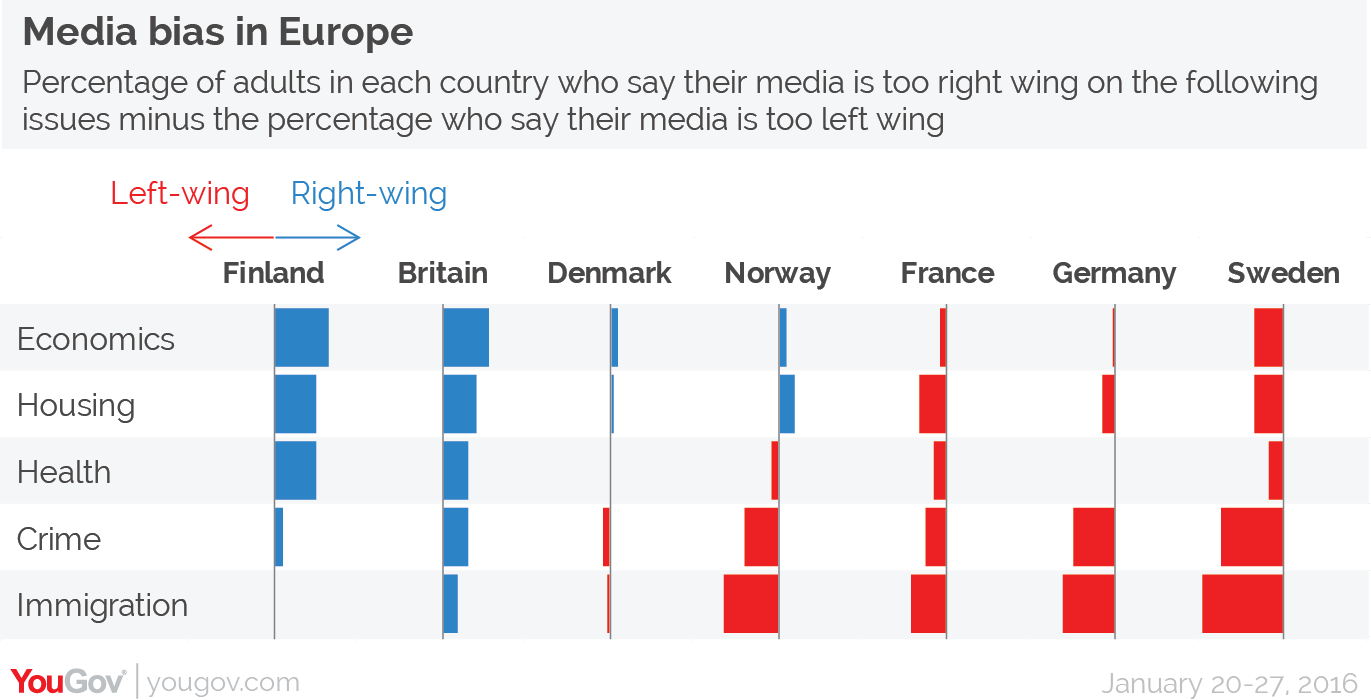
On average British people are more likely than any other country to see the media as skewed towards the right (26% compared to 23% for Finland and 19% for France). Britain’s media is viewed as having a right wing bias, most of all on the subject of economics (net 15 points to the right).
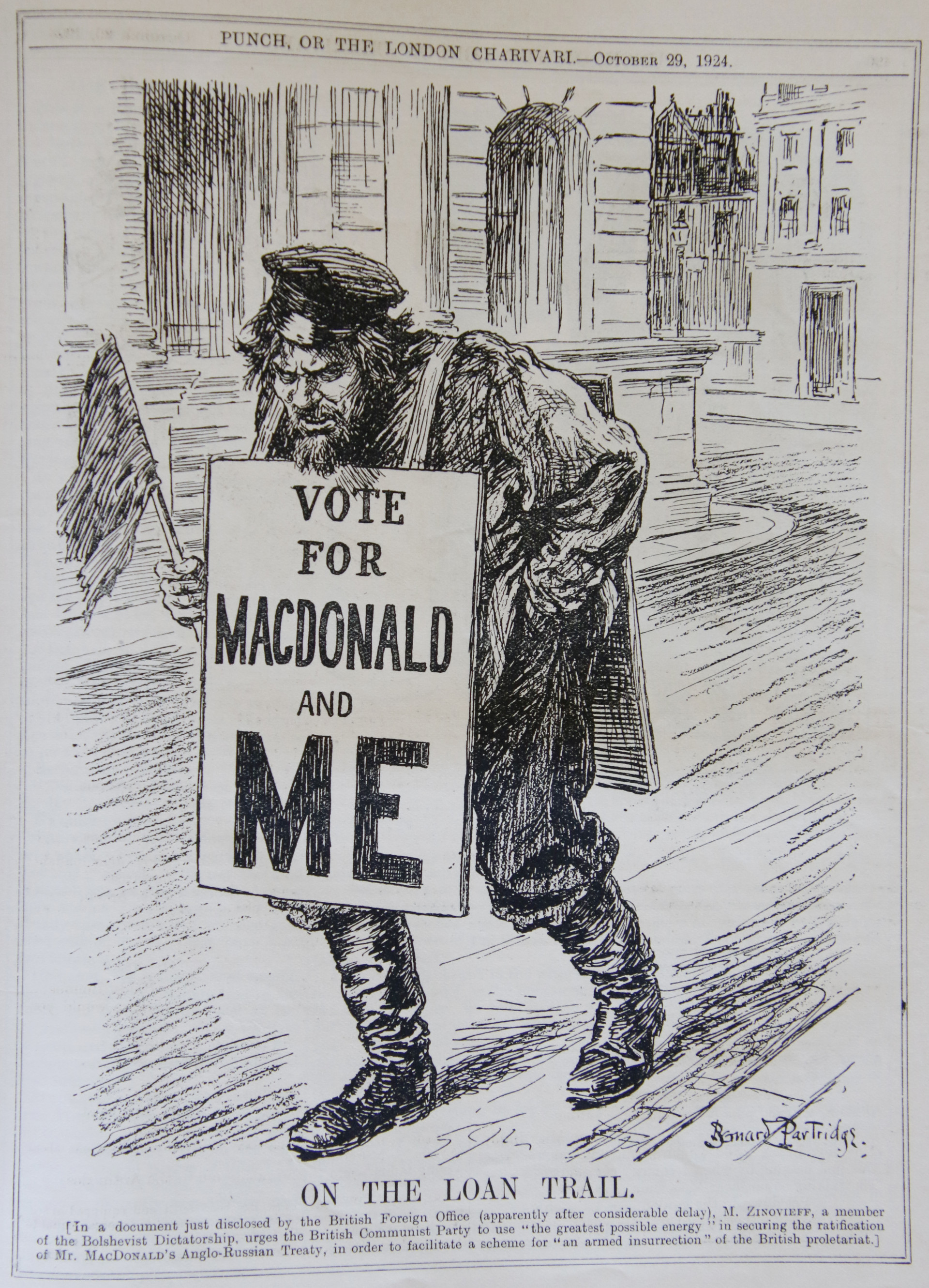
The media have recently portrayed Jeremy Corbyn as both a pacifist and as someone with a paradoxical tendency to “love terrorists”, but then logic and accuracy have never been apparent in most media attacks of the left. (See the Zinoviev letter, for a historic example).
You know the world is in big trouble when diplomacy and negotiation skills are considered a “threat” to security. It seems that the establishment prefer bombing civilians to get other governments to comply with their wishes. I know which is probably going to contribute to keeping peace the most, and it isn’t “humanitarian” bombing.
The “poor relations” between nuclear powers has contributed to an atmosphere that “lends itself to the onset of crisis,” according to a very worrying report by the UN Institute for Disarmament Research. The report goes on to say: “The rise in cyber warfare and hacking has left the technical vulnerabilities of nuclear weapons systems exposed to risk from states and terrorist groups.
Nuclear deterrence works—up until the time it will prove not to work. The risk is inherent and, when luck runs out, the results will be catastrophic.
The report went on to say: “The more arms produced, particularly in countries with unstable societies, the more potential exists for terrorist acquisition and use of nuclear weapons.”
The UN report comes as Donald Trump of the US and Vladmir Putin of Russia have both indicated support for expanding their country’s nuclear weapon arsenals.
Deterrence is at the “greatest risk of breaking down” in North Korea and between India and Pakistan over the disputed territory of Kashmir.
The report also stated an expressed concern over tensions between the West and Russia, which have grown since the annexation of Crimea in 2014. President Putin has maintained Russia would use nuclear weapons if it felt sufficiently threatened.
You know, I think diplomatic skill is a far better quality to look for in a leader, speaking from the perspective of a civilian, in these troubled times.
In most newspapers, including even The Daily Mirror and The Independent, Labour voices that are unreasonably anti-Corbyn outweigh those that are pro-Corbyn. Corbyn’s voice is often absent in the narratives and reporting on him, and when it is present it is often presented in a highly distorted way.
We all want and need a strong and a critical media, a watchdog of the powers that be, but maybe we do not need an “attack dog” who kills off anyone who dares challenge the status quo and dares to suggest we need a different kind of politics.

Ed Miliband eating a bacon butty on Channel four’s The Last Leg
The coming of epistemological totalitarianism in the UK
Epistemology relates to the theory of knowledge, especially with regard to its methods, validity, and scope, and the distinction between justified belief and opinion. In the UK, our “knowledge” is being framed by the right wing media. The media doesn’t exactly tell us how to think, but it does tell us what to think about, by a selective agenda of topics and the framing of public debate.
The UK establishment news media are highly centralised and dominated by elites who serve and maintain the status quo and who detest democracy.

In 2015, I wrote “One particularly successful way of neutralising opposition to an ideology is to ensure that only those ideas that are consistent with that ideology saturate the media and are presented as orthodoxy, to “naturalise” them. The Conservative election campaigns are a thoroughly dispiriting and ruthless masterclass in media control.
Communication in the media is geared towards establishing a dominant paradigm and maintaining an illusion of a consensus. This ultimately serves to reduce democratic choices. Such tactics are nothing less than a political micro-management of your beliefs and are ultimately aimed at nudging your voting decisions and maintaining a profoundly unbalanced, pathological status quo.
Presenting an alternative narrative is difficult because the Tories have not only framed all of the issues to be given public priority – they set and stage-manage the media agenda – they have also almost completely dominated the narrative; they construct and manage the political lexicon and now treat words associated with the left, such as welfare, trade unionism, collective bargaining, like semantic landmines, generating explosions of right wing scorn, derision and ridicule. This form of linguistic totalitarianism discredits any opposition before it even arises.
Words like cooperation, inclusion, mutual aid, reciprocity, equality, nationalisation, redistribution – collective values – are simply dismissed as mere anachronisms that need to be stricken from public conversation and exiled from our collective consciousness, whilst all the time enforcing their own bland language of an anti-democratic political doxa. The political manufacturing of a culture of anti-intellectualism extends this aim, too.”
The London School of Economics (LSE) media and communications department undertook a research project, aiming at contributing to the ongoing public debate regarding the role of mainstream media and of journalists in a media-saturated democracy. In Journalistic Representations of Jeremy Corbyn in the British Press: From “Watchdog” to “Attackdog”, the research team say:
“We set out to recognise and acknowledge the legitimate role of the press to critique and challenge the powers that be, which is often encapsulated by the metaphor of the watchdog. Our systematic content analysis of a representative sample of newspaper articles published in 8 national newspapers between 1 September and 1 November 2015, however, shows that the press reacted in a highly transgressive manner to the new leader of the opposition, hence our reference to the attackdog metaphor.
Our analysis shows that Corbyn was thoroughly delegitimised as a political actor from the moment he became a prominent candidate and even more so after he was elected as party leader, with a strong mandate. This process of delegitimisation occurred in several ways: 1) through lack of or distortion of voice; 2) through ridicule, scorn and personal attacks; and 3) through association, mainly with terrorism.
All this raises, in our view, a number of pressing ethical questions regarding the role of the media in a democracy. Certainly, democracies need their media to challenge power and offer robust debate, but when this transgresses into an antagonism that undermines legitimate political voices that dare to contest the current status quo, then it is not democracy that is served.”

See Cameron ridiculed for hypocrisy and quoting Corbyn out of context.
According to the Independent Press Standards Organization (IPSO), newspapers are obliged to “make a clear distinction between comment, conjecture and fact“ and this has not been applied to media discussion of Jeremy Corbyn, by and large.
You can download the full LSE report here.
Also worth a read: How many of Jeremy Corbyn’s policies do you actually disagree with?
More recently, I explored the role of intentionally deceitful political language and rhetoric in another article which highlights the role that the media play in shaping our public life. Media manipulation involves a series of related techniques in which partisans create images or arguments that favour their own particular interests. Such tactics may include the use of logical fallacies, psychological manipulations, deception, linguistic, rhetorical and propaganda techniques, and often involve the suppression of information or alternative perspectives by simply crowding them out.
Discrediting and minimisation are often used in persuading other people or social groups to stop listening to certain perspectives and arguments, or by simply diverting public attention elsewhere. An example of diversion is the recent widespread scapegoating of refugees and people who need social security, such as disabled people or those who have lost their jobs, in a bid to maintain the hegemony of neoliberalism and its values at a time when its failings were brought into sharp focus during and following the global crisis – also exposing failings in the behaviours and practices of the government and the vulture capitalist financier class.
Neoliberalism always gravitates towards increasing inequality, extending and deepening poverty. Fear mongering is sometimes used with a diversion or misdirection propaganda technique to mask this, and may be pervasive. Sometimes politicians and media commentators suddenly take a debate in a weird and irrational but predictable direction to avoid democratic accountability.
The process often begins with a marginalised group being singled out and held to blame for the socioeconomic problems created by the system of socioeconomic organisation itself. Using the construction of folk devils (welfare “skivers” , “workshy” “something for nothing culture”, “culture of entitlement” or “dependency” for example), the political class and media generate moral panic and outrage, which serves to de-empathise the public and to justify the dehumanisation of politically created outgroups, and draconian policies.
Campaigners against social injustice are labeled “extremist” and politicians on the left who stand up against prejudice and discrimination are labeled “saboteurs”, “weak”, “anti-British” and extensively ridiculed and smeared. Every single Labour leader, with the exception of Blair, has had this treatment from the mainstream media.
During the coalition and Conservative governments, the tabloids have chosen and framed most of the debates that have dominated domestic politics in the UK, ensuring that immigration, welfare, law and order, the role of the state, and Britain’s relationship with Europe have all been discussed in increasingly right wing terms, while almost ironically, the government have colonised progressive rhetoric to cover their intentions. It also serves to further discredit the narrative of the left.
However, there is therefore a growing chasm between Conservative discourse, and policy intentions and outcomes. There isn’t a bridge between rhetoric and reality.
The Conservatives commonly use a nudge technique called “social norming” – a Behavioural Insights Team variant of the bandwaggon propaganda technique – particularly for General Election campaigning. It’s about manipulating a false sense of consensus, and normalising Conservative ideology. It’s also about prompting behavioural change, and as such, this method is a blatant attempt to influence the voting behaviours of the public, by suggesting that many others have already “joined” the Conservative “cause” and are happier or better off for doing so. The technique uses societal pressures to play on several basic emotional elements of human nature.
Oh, and then there is the basic technique of telling lies, of course.
Social norming is an appeal to emotional needs to fit in and belong, and also, to be on the side that wins. It has a kind of self fulfilling prophecy element to it, too. It’s used in advertising – words like “everyone” and “most people” or “many” are used a lot to sell brands and imply a popularity of certain products that usually isn’t real.
Political slogans like “a country that works for everyone” and the previous “all in it together” are examples of poor attempts at social norming. It’s aimed at shifting our normative framework to accommodate the status quo, too, regardless of how the accounts don’t tally with reality. Once you see it, you can’t unsee it.
With this in mind, we need to think about how the conventional political polls are run, who runs them and for what and whose purpose.
I wouldn’t dream of telling you who to vote for in the coming General Election. However, I will ask that you please very carefully consider what you vote for.
—
Independent media organisations like Novara Media, Evolve Politics, Media Diversified, Media Lens, CommonSpace, The Canary, Bella Caledonia, Real Media, The Dorset Eye, Welfare Weekly, Scisco Media, Ekklesia, STRIKE! magazine, The Bristol Cable, Now Then, the Manchester Mule, and many others are taking the fight to the establishment. The new independent media have freedom from institutional dependencies, and in particular, from the influence of government and corporate interests.
Independent media includes any form of autonomous media project that is free from institutional dependencies.
We are not constrained by the interests of society’s major power-brokers.
The independent media collectively reflect a model that is democratic, prefigurative, often collaborative and that has a mutually supportive approach to public interest and conscience-based, as opposed to market-based, media.
We are a collection of diligent witnesses writing a collective, qualitative social testimony, marking and evidencing an era of especially historic political upheavals on a global scale.
The Canary says that independent media “have been ably assisted by an array of skilled and committed bloggers like Vox Political, Another Angry Voice, Pride’s Purge and Politics and Insights (Kitty S Jones) to name but a few.” (Takes a small bow). I would add THE SKWAWKBOX to the list, too.
Related
Don’t buy the lie. To oppose the government is not sabotage – video by Paul Mason
The bias in our mainstream media makes a lot more sense when you see who owns and runs it – Kerry-Anne Mendoza
We need to talk about the mainstream media and the election. Because a disaster is looming – Steve Topple
Inverted totalitarianism and neoliberism
Dishonest ways of being dishonest: an exploration of Conservative euphemisms
Once you hear the jackboots, it’s too late
Through the looking glass darkly: the Conservatives are colonising progressive rhetoric
Hypernormalisation – Adam Curtis
My work is unfunded and I don’t make any money from it. But you can support Politics and Insights and contribute by making a donation which will help me continue to research and write informative, insightful and independent articles, and to provide support to others.



 Politics and Insights