Category: Mental Health

The NHS is to hire 300 employment coaches to find patients jobs to “keep them out of hospital.”

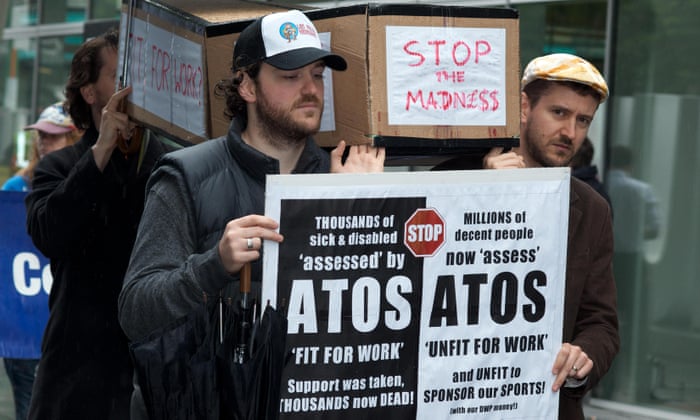
Image result for cognitive therapy for unemployed protests

The government has a problem with the public actually using public services

The government announced the creation of the Joint Health and Work Unit and the Health and Work Service in 2015/16, both with a clear remit to cut benefits and “get people into work.” Given that mental health is a main cause for long-term sickness absence in the UK, a key aspect of this policy is to provide mental health services that get people back into work.

There has already been an attempt to provide mental health services for people who claim social security support, which includes a heavily resisted pilot to put therapists into job centresAnother heavily opposed government proposal was announced as part of the  health and work pilot programme to put job coaches in GP surgeries
The proposals have been widely held to be profoundly anti-therapeutic, potentially very damaging and professionally unethical. 

With such a narrow objective, the delivery will invariably be driven by an ideological agenda, politically motivated outcomes and meeting limited targets, rather than being focused on the wellbeing of individuals who need support and who may be vulnerable. I also discovered almost by chance back in 2015 that the Nudge Unit team have been working with the Department for Work and Pensions and the Department of Health to trial social experiments aimed at finding ways of: “preventing people from falling out of the jobs market and going onto Employment and Support Allowance (ESA).” 

“These include GPs prescribing a work coach, and a health and work passport to collate employment and health information. These emerged from research with people on ESA, and are now being tested with local teams of Jobcentres, GPs and employers.”  Source: Matthew Hancock’s conference speech: The Future of Public Services

GPs have raised their own concerns about sharing patient data with the Department for Work and Pensions – and quite properly so. Pulse reported that the Department for Work and Pensions (DWP) planned to extract information from GP records, including the number of Med3s or so-called “fit notes” issued by each practice and the number of patients recorded as “unfit” or “maybe fit” for work, in an intrusive move described by GP leaders as amounting to “state snooping.”

Part of the reason for this renewed government attack on sick and disabled people is that the government’s flagship fit note scheme, which replaced sick notes five years ago in the hope it would see GPs sending thousands more employees back to workto reduce sickness-related absence, despite GPs having expressed doubts since before its launch, has predicably failed.

The key reason for the failure is that employers did not take responsibility for working with employees and GPs seriously, and more than half (59%) of employers said they felt unable to support employees by making all of the legally required workplace adjustments for those who had fit notes signed as “may be fit for work.” Rather than address this issue with employers, the government has decided instead to simply coerce patients back into work without essential support.

Another reason for the failure of this scheme is that most people who need time off from work are ill and genuinely cannot return to work until they have recovered. Regardless of the government’s concern for the business and state costs of sick leave, people cannot be simply ushered out of illness and into work by the state to “contribute to the economy.” When a GP says a person is “unfit for work”, they generally ARE unfit for work, regardless of whether the government likes that or not.

The government have planned to merge health and employment services, and are now attempting to redefine work as a clinical outcome. Unemployment has been stigmatised and politically redefined as a psychological disorder, the government claims somewhat incoherently that the “cure” for unemployment due to illness and disability, and sickness absence from work, is work.

The latest strand of this ideological anti-welfare crusade was recently announced: the NHS is to hire 300 employment coaches who will find patients jobs to “keep them out of hospital.” The Individual Placement and Support services (IPS) is aimed at ‘supporting’ people with severe mental illness to seek work and ‘hold down a job’. Job coaches will offer assistance on CVs, interview techniques and are expected to work with 20,000 people by 2021. Pilot schemes running in Sussex, Bradford, Northampton and some London boroughs suggest that the coaches manage to find work for at least a quarter of users. The scheme is to be extended nationwide. 

The roll out of mental health employment specialists across the country is based on  analysis of the pilots, which is claimed to show that 2,300 patients have been helped into work in the last year. However, the longer term consequences of the programme are not known, and it is uncertain if there will be any meaningful monitoring regarding efficacy, safeguarding and the uncovering of unintended consequences and risks to participants.

It is held that those in work tend to be in better health, visit their GP less and are less likely to need hospital treatment. The government has assumed that there is a causal relationship expressed in this common sense finding, and make an inferential leap with the claim that “work is a health outcome”.

However, support for this premise is not universal. Some concerns which have been reasonably raised are commonly about the extent to which people will be ‘pushed’ into work they are not able or ready to do, or into bad quality work that is harmful to them, under the misguided notion that any work will be good for them in the long run. 

Of course it may equally be the case that people in better health work because they can, and have less need for healthcare services simply because they are relatively well, rather than because they work. 

Undoubtedly there are some people who may be able to work and who want to, but struggle to find suitable employment without adequate support. This section of the population may also face the lack of knowledge, attitudes and prejudices of potential employers regarding their conditions as a further barrier to gaining appropriate employment. The scheme will be ideal for supporting this group. That is, however, only provided that engagement with the service is voluntary, and does not become mandatory. 

It must also be acknowledged that there are some people who are simply too ill to work. Again, it’s a serious concern that this group may be pressured and coerced to find employment, which may prove to be detrimental to their wellbeing. Furthermore, placing them in work may present unacceptable risk to both themselves and others. How can we possibly know in advance about the longer term risks presented by the impact of an illness, and the potential effects of some medications in the workplace? If something goes catastrophically wrong as a consequence of someone taking up work when they are too unwell to work, who will hold the responsibility for the consequences?

In the current political context where the public are told “work is the route out of poverty” and “work is a health outcome”, people feel obliged to try to work, when they believe they can. But what happens when they are wrong in that belief? Who is responsible, for example, when someone has a loss of consciousness or an episode of altered awareness, caused by a condition or medication, while operating machinery, at the wheel of a taxi, bus or refuse waggon? 

Harry Clarke, who believed that he was fit for work, suffered a loss of consciousness on 22 December 2014 while at the wheel of a moving refuse lorry in Glasgow city centre, resulting in six deaths and leaving 15 people injured. Following numerous warnings from the court about his right to remain silent, Clarke refused to answer key questions about numerous doctors visits and medical tests for dizziness, fainting, vertigo, heart problems, tension headaches, operations on hands and knee pain dating back to 1976. However, one of the biggest revelations of the inquiry was Clarke’s lengthy medical history, which showed he had suffered episodes of dizziness and fainting for decades prior to the tragic crash.

Yet during an inquiry about the case, a health care professional who assessed the Glasgow bin lorry crash driver for the renewal of his HGV licence in 2011 would have deemed him only “temporarily unfit to drive” if she had known he had fainted the year before the accident. Furthermore, Clarke’s conditions would probably not have made him eligible for Employment and Support Allowance (ESA). Dr Joanne Willox told the inquiry panel at Glasgow Sheriff Court that she saw Mr Clarke on 6 December 2011 at the request of his employer Glasgow City Council to complete a HGV renewal application form with him which was to be submitted to the DVLA. 

Dr Willox, an occupational medical adviser for the private company Bupa, on behalf of Glasgow City Council, did not have access to his medical records. She could have requested the records with the patient’s consent if she considered it necessary, though this was not the normal practice and it may have taken time to get the records.

She said it would have been “helpful” to have the records. The inquiry revealed that Clarke had a history of fainting and dizziness, and had in fact previously suffered a similar episode while at the wheel of a stationary bus, in 2010.

The horrific case highlights several issues, not least that employment of people with unpredictable or undiagnosed medical conditions does not only pose a threat to the person, but it may potentially be contrary to public safety, too. It also highlights that a privately contracted occupational health professional who had no knowledge of Clarke’s medical history, was unsuitably tasked to make a judgement about his potential ability to work as a refuse waggon driver. Employing people who are ill and later found to be unfit for the role is potentially in contravention of the Health and Safety at Work Act. 

Another horrific example of the dangers presented by placing trust in unqualified bureaucrats and the state – who have ideological interests that often lie in conflict with those of patients – to make decisions about citizens’ health and welfare arose when a manager at Birkenhead Benefit Centre in Liverpool wrote a letter, addressed to a GP, regarding a seriously ill patient. It said:

We have decided your patient is capable of work from and including January 10, 2016.

“This means you do not have to give your patient more medical certificates for employment and support allowance purposes unless they appeal against this decision.

“You may need to again if their condition worsens significantly, or they have a new medical condition.” (My emphasis)

The job centre manager was wrong. The health care professional, assessing the patient on behalf of the private company contracted to carry out the ESA assessment, on behalf of the government, was wrong. 

The patient, James Harrison, had been declared “fit for work” and the letter stated that he should not get further medical certificates. However, 10 months after the Department for Work and Pensions (DWP) contacted his doctor without telling him, James died, aged 55.

He was clearly not fit for work.

James’ grieving daughter, Abbie, said: “It’s a disgrace that managers at the Jobcentre, who know nothing about medicine, should interfere in any way in the relationship between a doctor and a patient.

“They have no place at all telling a doctor what they should or shouldn’t give a patient. It has nothing to do with them.

“When the Jobcentre starts to get involved in telling doctors about the health of their patients, that’s a really slippery slope.” (See Jobcentre tells GP to stop issuing sick notes to patient assessed as ‘fit for work’ and he died.)

It has become very evident over recent years that the labour market is not delivering an adequate income for many citizens and despite “record levels of employment”, the problem seems to be getting bigger. The government’s answer to the problem has been to extend punishment those on low pay, rather than tackle employers who pay exploitative, low wages.

The neoliberal narrative and Conservative antiwelfarism

Some of the underpinning language used to justify this approach also troubles me, as it is clearly couched in economic terms. It’s about cutting costs, propping up the economy as a whole and “rewarding” tax payers. Here, it is implied that people who are ill are somehow a burden on tax payers. However, most people who become ill have also worked and contributed to the Treasury. Furthermore, people who aren’t in employment also pay taxes, too, be it VAT, council tax, or a range of other stealth taxes from which even the poorest citizens are no longer exempted. 

Claire Murdoch, NHS England national mental health director, said: “Helping people with mental ill health to find and keep a job is good for individual wellbeing and good for the health of our economy. Tackling severe mental illness is not just about getting medication and treatment right, but ensuring people can recover to live independently with their condition, including the reward and satisfaction of getting and keeping a job.

In our 70th year, mental health is one of the NHS’ top priorities, and ensuring services are integrated, so people get whole-person care, means our patients get better outcomes and taxpayers are rewarded as treatment is more efficient. One in seven of us will go through mental ill health whilst at work, so delivering a safety net, to help people back in to work when they fall ill, will minimise harm and make our country’s workforce more productive.”

NHS England say: “As part of patients’ care and support package, work coaches in NHS Individual Placement and Support (IPS) services, offer advice about finding a job, help them to prepare for an interview and can speak with potential employers about how someone’s condition can be managed so that they can work effectively while staying in good health.

“The trained specialists also improve the health of people with severe mental illness, reducing the need for urgent hospital admissions and GP appointments. Research shows that type of support can free up as much as £6,000 per patient, which can be invested in other frontline care.”

Again, the language is loaded, it’s a narrative with a scattering of casual cost-cutting phrases and prioritises a ‘productive workforce.’ There isn’t any discussion regarding the claim to ‘minimise harm’, it seems to be assumed that work in itself will take care of that. It’s also a little worrying that employers and work coaches are to be included in the ‘management’ of employees’ illnesses. When I am ill, I don’t want the advice or ‘management’ of a boss or a work coach, I want impartial medical diagnosis, treatment and advice from my doctor, not a ‘nudge’ or trite armchair psychology and pseudoscientific platitudes from the state.

It’s difficult to see how someone with a serious, chronic or progressive illness, can actually ‘manage’ their illness and ‘move back into work.’ The use of the extremely misinformed, patronising and very misleading term manage implies that very ill people actually have some kind of choice in the matter.

Implicit in this narrative is the idea that illness is caused by deviant behaviours. The ‘cure’ therefore, is to simply address and remedy the faulty behaviours. 

The sick role and the resurrection of Talcott Parsons: disciplining disabled people

There is a lack of coherence within the narratives of contemporary Conservative governance, which is simultaneously neoliberal – grounded in free market principles and the ideal of a small, ‘non-intrusive’ state – and paternalism – which is founded on an authoritarian, large, extremely intrusive state, which is designed to tell people what is best for them and nudging citizens’ behaviours towards government defined policy outcomes.

The tension between neoliberalism and paternalism which outlines current policy approaches to disability and employment policy is filled with ambiguity, inconsistency and contradiction in its definition and understanding of the subject, the nature of the ‘problem’ and the policy ‘solutions’. On the one hand, neoliberalism is a doctrine that demands the withdrawal of social support mechanisms such as welfare, health care and public services, on the other, paternalism is based on state interventions designed to extend politically defined ‘optimal outcomes’.

These apparently contradictory narratives have been embodied in discipline of behavioural economics, which is largely aimed at enforcing the alignment of public expectations, attitudes and behaviours with neoliberal outcomes. It’s a prop for dogma and the status quo. Behavioural economics is concerned with reducing citizens’ expectations of social provision, while enforcing self reliance, and with providing justification narratives for neoliberal policies. 

I have written critical accounts of this somewhat draconian Conservative neoliberal paternalism on more than one occasion. The Conservatives place emphasis on highlighting the obligations of citizens, rather than on their rights, and this is why the work of Talcott Parsons in the early 1950s is especially appealing to them. 

Behavioural medicine was partly influenced by Talcott Parsons’ The Social System, 1951, and his work regarding the sick role, in which he analysed in a framework of citizen’s roles, social obligations, reciprocities and behaviours within a wider capitalist society, with an analysis of rights and obligations during sick leave. From this perspective, the sick role is considered to be sanctioned deviance, which disturbs the function of society. (It’s worth comparing that the government are currently focused on economic function and enhancing the supply side of the labour market.)

Behavioural medicine more generally arose from a view of illness and sick role behaviours as characteristics of individuals, and these concepts were imported from sociological and sociopsychological theories.

However, it should be noted that there is a distinction between the academic social science disciplines, which include critical perspectives of conflict and power, for example, and the recent technocratic “behavioural insights” approach to public policy, which is a monologue that doesn’t include critical analysis, and serves as prop for neoliberalism, conflating citizen’s needs and interests with narrow, politically defined economic outcomes.

We have a government that has regularly misused concepts from psychology and sociology, distorting them to fit a distinct framework of ideology, and justification narratives for draconian policies, usually entailing the diversion of public funds from public services and the provision of social security to wards rewards for the wealthiest citizens, usually in the form of tax cuts. Parsons’ work has generally been defined as sociological functionalism, and functionalism tends to embody very conservative ideas. 

From this perspective, sick people are not productive members of society; therefore this deviation from the norm must be policed. This, according to Parsons, is the role of the medical profession. More recently, however, we have witnessed the rapid extension of this role to include extensive State policing of sick and disabled people, and the introduction of increasingly coercive measures to push citizens into self managing their health conditions, while the medical profession have been increasingly politically sidelined in their provision of advice, care and support, regarding sickness and employment.

Last year, the government proposed extending ‘fit note’ certification beyond GPs to a wider group of non-specialist healthcare professionals, including physiotherapists, psychiatrists and senior nurses, to better ‘identify health conditions and treatments’ to help workers go back into their jobs faster. This is very worrying, since it entails the diagnosis and treatment of conditions by people who are not qualified to undertake this role.

‘Fit notes’ are specifically designed to ‘help’ patients develop a return to work plan, and are meant to be tailored to their individual needs. However, the introduction of fit notes –  a somewhat Orwellian title that refuses to acknowledge people get ill, or permit citizens time to recover, which replaced sick notes –  failed to produce an increase in a more rapid return to work for patients generally, mainly due to the fact that employers failed to support patients with adequate workplace adjustments to accommodate their return.  

It seems many of the psychosocial advocates have ignored the rise of chronic illnesses and the increasing pathologisation of everyday behaviours in health promotion. Parson’s sick role came to be seen as a negative referent rather than as a useful interpretative tool. Parsons’ starting point is his understanding of illness as deviance. Illness is the breakdown of the general “capacity for the effective performance of valued tasks” (Parsons, 1964: 262). Losing this capacity disrupts “loyalty” to particular commitments in specific contexts such as the workplace.

Theories of the social construction of disability also provide an example of the cultural meaning of certain health conditions. The roots of this anti-essentialist approach are found in Stigma bErving Goffman (1963), in which he highlights the social meaning physical impairment comes to acquire via social interactions. The social model of disability tends to conceptually distinguish impairment (the attribute) from disability (the social experience and meaning of impairment). Disability cannot be reduced to a mere biological problem located in an individual’s body  (Barnes, Mercer, and Shakespeare, 1999). Rather than a “personal tragedy” that should be fixed to conform to medically determined standards of “normality” (Zola, 1982), disability becomes politicised.

The issues we then need to confront are about the obstacles that may limit the opportunities for individuals with impairments, and about how those social barriers may be removed.

From a social constructionist perspective, emphasis is placed on how certain illnesses come to have cultural meanings that are not reducible to or determined by biology, and these cultural meanings further burden the afflicted (as opposed to burdening “the tax payer” , the health services, those with profit seeking motives, or the state.)

So to clarify, it is wider society and governments that need a shift in disabling attitudes, perceptions and behaviours, not disabled people.

The insights that arose from the social construction of disability approach are embodied in policies, which include the Disability Discrimination Act 1995, which included an employers’ duty to ensure reasonable adjustments/adaptations; the more recent Equality Act 2010 and the Human Rights Act 1998, which provides an important tool for disabled people to use to challenge discrimination, violations to their human rights and unacceptable treatment.

In contrast, Parsons invokes a social contract in which society’s “gift of life” is repaid by continued contributions and conformity to (apparently unchanging, non-progressive) social expectations. For Parsons, this is more than just a matter of symbolic interaction, it has far more concrete, material implications: “honour” (deserving) and “shame” (undeserving) which accompany conformity and deviance, have consequences for the allocation of resources, for notions of citizenship, civil rights and social status.

Parsons never managed to accommodate and reflect social change, suffering and distress, poverty, deprivation and conflict in his functionalist perspective. His view of citizens as oversocialised and subjugated in normative conformity was an essentially Conservative one. In fact, the instituted Nudge Unit at the heart of the Cabinet Office and a proliferation of nudge-laden behaviourist policies over recent years indicates this view is a Conservative ideal. 

Furthermore, Parsons’ systems theory was heavily positivistic, anti-voluntaristic and profoundly dehumanising. His mechanistic and unilinear evolutionary theory reads like an instruction manual for the capitalist state.

Parsons thought that social practices should be seen in terms of their function in maintaining order and social structure. You can see why his core ideas would appeal to Conservative neoliberals and rogue multinational companies (such as Unumwho had a hand in the government’s Work, Health and Employment green paper). Conservatives have always been very attached to tautological explanations (insofar that they tend to present circular arguments.)

One question raised in this functional approach is how do we determine what is functional and what is not, and for whom each of these activities and institutions are functional. If there is no method to sort functional from non-functional aspects of society, the functional model is tautological – without any explanatory power to why any activity is regarded as “functional.” The causes are simply explained in terms of perceived effects, and conversely, the effects are explained in terms of perceived causes). 

Because of the highly gendered division of labour in the 1950s, the body in Parsons’ sick role is a male one, defined as controlled by a rational, purposive mind and oriented by it towards an income-generating performance. For Parsons, most illness could be considered to be psychosomatic.

The ‘mind over matter’ dogma is not benign; there are billions of pounds and dollars at stake for the global insurance industry, which is set to profit massively to the detriment of sick and disabled people. The eulogised psychosocial approach is evident throughout the highly publicised UK PACE Trial on treatment regimes that entail Cognitive Behaviour Therapy (CBT) and graded exercise. By curious coincidence, that trial was also significantly about de-medicalising illnesses. Another curious coincidence is that Mansel Aylward sat on the PACE Trial steering group. 

Work will set you free


Arbeit macht frei
(‘work makes you free’) is a German expression which comes from the title of a novel by German philologist Lorenz Diefenbach, Arbeit macht frei: Erzählung von Lorenz Diefenbach (1873), in which gamblers and fraudsters find the path to virtue through work. The Weimar Republic in the 1920s, and later, the Nazis, found the leading character of Diefenbach’s book, whose achievements are defined by ‘concentrating on doing his work’, compelling.

The phrase was used to promote German employment policies. The slogan was placed at the entrances to a number of Nazi concentration camps. It strikes as an almost mystical declaration that self-sacrifice in the form of endless labour does in itself bring a kind of spiritual freedom. However, given the true role of concentration camps such as Auschwitz during the Holocaust as well as the individual prisoner’s knowledge that once they entered the camp, freedom was not likely to be gained by any means other than their death, the terrible and cruel irony of the slogan becomes clear. And the lie. 

Though the context and wording has changed –  “work is a health outcome” – and full employment at any cost is the neoliberal goal, the idea that work has some mystical benefit, such as curing illness, or even simply alleviating poverty and inequality, remains a lie. 

The British Psychological Society (BPS) has expressed concerns about the idea  that employment (of whatever type) should be recognised as a “health outcome”. The Society recognise that suitable work can be good for wellbeing – but this very much depends on the type and quality of work and its social context. 

Furthermore, my own view is that the IPS programme will make it more difficult to ensure and maintain the political independence of health professionals. The private and confidential patient-doctor relationship ought to be a safe space, where citizens may address medical health problems, and doctors can provide support for people who are ill. The government is creating yet another space for an intrusive, overextension of the coercive arm of the state to “help people into work”, regardless of whether or not they are actually well enough to cope with working.

Placing employment advisors in the NHS will not address inequality, and the social conditions that are the consequence of political decision-making and imposed economic frameworks, so it permits the government and society to look the other way, while the government continue to present mental illness as an individual weakness or vulnerability, and a consequence of “worklessness” rather than a fairly predictable result of living in a highly unequal, competitive society, and arising because of experiences of living stigmatised, marginalised lives because of politically expedient policy-directed material deprivation. 

Feeding a myth 

I found a document almost by accident, while researching the Health, Work and Disability green paper a couple of years back. It presents further evidence that government policy is not founded on empirical evidence, but rather, it is often founded on deceitful contrivance. The Department for Work and Pensions research document published back in 2011 –Routes onto Employment and Support Allowance– said that if people believed that work was good for them, they were less likely to claim or stay on disability benefits. 

It was decided that people should be “encouraged” to believe that work was “good” for health. There is no empirical basis for the belief, and the purpose of encouraging it is simply to cut the numbers of disabled people claiming ESA by “encouraging” them into work. Some people’s work is undoubtedly a source of wellbeing and provides a sense of purpose.

That is not the same thing as being work being miraculously “good for health”. For a government to use data regarding opinion rather than empirical evidence to claim that work is “good” for health indicates a ruthless mercenary approach to fulfill their broader aim of dismantling social security and relentless determination to uphold their ideological commitment to supply-side policy, regardless of the harmful social costs.

From the document: “The belief that work improves health also positively influenced work entry rates; as such, encouraging people in this belief may also play a role in promoting return to work.”

The aim of the research was to “examine the characteristics of ESA claimants and to explore their employment trajectories over a period of approximately 18 months in order to provide information about the flow of claimants onto and off ESA.”

The document also says: “Work entry rates were highest among claimants whose claim was closed or withdrawn suggesting that recovery from short-term health conditions is a key trigger to moving into employment among this group.”

“The highest employment entry rates were among people flowing onto ESA from non-manual occupations. In comparison, only nine per cent of people from non-work backgrounds who were allowed ESA had returned to work by the time of the follow-up survey. People least likely to have moved into employment were from non-work backgrounds with a fragmented longer-term work history. Avoiding long-term unemployment and inactivity, especially among younger age groups, should, therefore, be a policy priority. ” 

“Given the importance of health status in influencing a return to work, measures to facilitate access to treatment, and prevent deterioration in health and the development of secondary conditions are likely to improve return to work rates”

Rather than make a link between manual work, lack of reasonable adjustments in the work place and the impact this may have on longer term ill health, the government chose instead to promote the cost-cutting and unverified, irrational belief that work is a “health” outcome. Furthermore, the research does conclude that health status itself is the greatest determinant in whether or not people return to work. That means that those not in work are not recovered and have longer term health problems that tend not to get better.

Work does not “cure” ill health. To mislead people in such a way is not only atrocious political expediency, it’s actually downright dangerous.

As neoliberals, the Conservatives see the state as a means to reshape social institutions and social relationships based on the model of a competitive market place. This requires a highly invasive power and mechanisms of persuasion, manifested in an authoritarian turn. Public interests are conflated with narrow economic outcomes. Public behaviours are politically micromanaged. Social groups that don’t conform to ideologically defined economic outcomes are politically stigmatised and economically outgrouped.

Nicola Oliver, from Northamptonshire Healthcare NHS Foundation Trust, said: “Employment support linked to mental health means people can live the life they want to lead.

“If you help someone into a job they really like – which means they are inspired to get up in the morning and want to manage their symptoms – they’re likely to say to their clinician ‘This is what I want to do, help me to overcome these barriers.’ In this way, you’re motivating the person to manage their own condition” (My emphasis).

Mental health employment specialists in the IPS service are part of community mental health teams. They currently operate in parts of the country including Sussex, Bradford, Northampton and some London boroughs, which have seen 9,000 people in the past twelve months. NHS England will be providing £10 million funding to expand access over the next two years, with further investment to follow. By 2021, NHS England anticipates that 20,000 people with severe mental illness will receive tailored care and employment advice via the NHS, suggesting that around 5,000 people with mental ill health avoid unemployment thanks to ‘better health care’.

IPS is one of a number of integrated mental health services which are being introduced or expanded across England, as part of NHS England’s Five Year Forward View for Mental Health, described as a “transformation and investment programme to improve care between 2016 and 2021.”

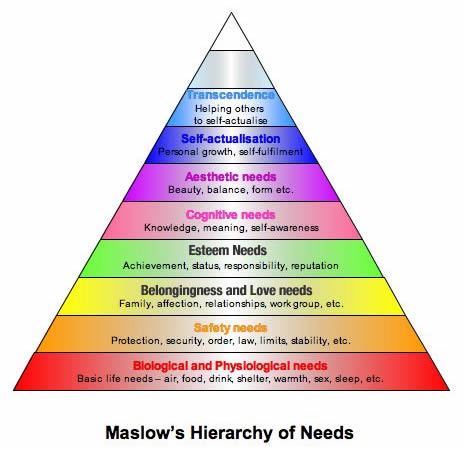
People can only work when their basic needs are met
maslows_hierarchy_of_needs-4

Despite the government’s rhetoric on welfare “dependency”, and the alleged need for removing so-called “perverse incentives” from the social security system by imposing a harsh conditionality framework and a compliance regime – using punitive sanctions – and work capability assessments designed to preclude eligibility to disability benefits, research shows that generous social security regimes make people more likely to want to work, not less. I have written at length over the last few years about why a punitive welfare system can never work, as the government claim, to “incentivise people to find employment. See, for example, The Minnesota Starvation Experiment provided empirical evidence that demonstrates clearly why welfare sanctions can’t possibly work as an “incentive” to “make work pay”).

The government’s welfare “reforms” have already invited scathing international criticism because they have disproportionately targeted cuts at those with the least income. Furthermore, the government have systematically violated the human rights of those with mental and physical disabilities. In a highly critical UN report which followed a lengthy inquiry, it says: “States parties should find an adequate balance between providing an adequate level of income security for persons with disabilities through social security schemes and supporting their labour inclusion. The two sets of measures should be seen as complementary rather than contradictory.”

However, the UK government have continued to conflate social justice and inclusion with punitive policies and cuts – dressed up in the language of “incentives” and “nudge” – aimed at coercing disabled people towards narrow employment outcomes that preferably bypass any form of genuine support and the social security system completely.  (See –UN’s highly critical report confirms UK government has systematically violated the human rights of disabled people).

It’s hardly the case that the state has an even remotely credible track record of assessing people’s medical conditions, nor is it the case that this government bothers itself with empirical evidence, or deigns to listen to concerns raised by citizens, academics, professionals and charities regarding the harm that their policies are causing. This is a government that can’t even manage to observe basic human rights, let alone care about citizen’s best interests, health and wellbeing. In a political context of savage cuts to essential support and services for disabled people, and such blatant disregard of the legislative frameworks that outline their fundamental rights, it is very difficult to trust that this government have the best interests of disabled people in mind with the formulation of Work, Health and Employment related programmes. 

The government’s aim to prompt public services to “speak with one voice” to promote work as a health outcome is founded on highly questionable ethics. This proposed multi-agency approach is reductive, rather than being about formulating expansive, coherent, comprehensive and importantly, responsive provision.

Employment is not therapy. Ultimately, the IPS programme is all about (re)defining the behaviours, experience and reality of a social group to ensure they conform to government ideological incentives and to justify dismantling public services (especially welfare, and increasingly, the NHS – see, for example, Rogue company Unum’s profiteering hand in the government’s work, health and disability green paper).

This is form of gaslighting intended to extend oppressive political control and behavioural micromanagement. In linking receipt of welfare with health services and “state therapy,” with the single intended outcome explicitly expressed as employment, the government is purposefully conflating citizen’s widely varied needs with economic outcomes and diktats, isolating people from traditionally non-partisan networks of relatively unconditional support, such as the health service, social services, community services and mental health services.

Public services “speaking with one voice” will invariably make accessing support conditional, and further isolate already marginalised social groups. It will damage trust between people needing support and professionals who are meant to deliver essential public services, rather than simply extending government dogma, prejudices and discrimination.

Conservatives really seem to believe that the only indication of a person’s functional capacity, value and potential is their economic productivity, and the only indication of their moral worth is their capability and degree of willingness to work. But unsatisfactory employment – low-paid, insecure and unfulfilling work – can result in a decline in health and wellbeing, indicating that it is poverty and growing inequality, rather than unemployment, that increases the risk of experiencing poor mental and physical health.
facade welfare


Disabled mum took fatal overdose after she was refused PIP

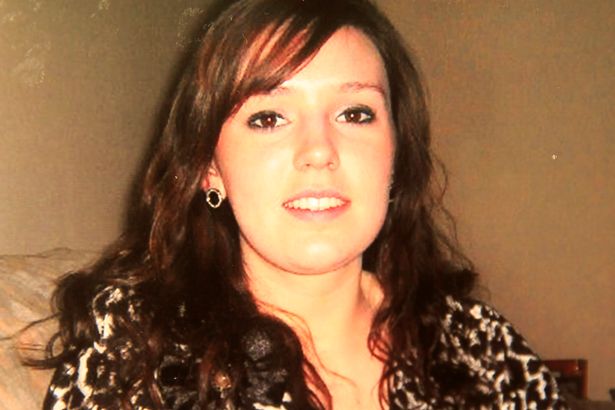
Susan Roberts was found dead because of a morphine overdose (Photo: Philip Coburn)

A disabled mum, Susan Roberts, was found dead at home following an overdose of morphine. Susan died just metres away from a heartbreaking 11-page letter she had written to the Department for Work and Pensions (DWP), detailing her suffering following being told she wasn’t eligible for Personal Independence Payment (PIP). 

Susan, a grandmother of eight, had survived four heart attacks. She died £4,000 in debt, after taking a fatal overdose within hours of being informed that her claim for PIP was unsuccessful. She had previously claimed Disability Living Allowance (DLA) and had been given an indefinite award, as her medical conditions were considered highly unlikely to get better.

The letter from the Department for Work and Pensions (Photo: Philip Coburn)

Susan was asked to apply for PIP by the DWP following the proposed closure of her DLA claim. Many people who have previously been eligible for DLA have found that they lose their support once they are reassessed for PIP. The government introduced PIP to replace DLA and to cut costs in 2013, as a part of their welfare “reform” programme, which inflicted cuts on the poorest citizens. The Conservatives claim that PIP “targets those most in need”. However, many people with the highest level of needs have been turned down for PIP after having indefinite or lifetime awards of DLA.

Susan’s tragic death also highlights that despite their claims, the government are not succeeding in “targeting the most vulnerable people”

Before taking a fatal dose of morphine, Susan had placed the paperwork from the DWP, which informed her that she had been turned down for PIP following mandatory review, a Do Not Resuscitate note and her unsent letter, on her dresser.

Susan was shocked when she was informed that she did not even qualify for an award of PIP at the lower rate. 

She began her heartbreaking letter: “Dear sirs, first of all, I request that you read this through carefully – this is my life after all.”

She said: “I am in a considerable state of depression after receiving your decision about my claim for PIP.”

Describing her health, she said: “My gall bladder needs to be removed because of multiple stones, weight loss, vomiting, excruciating pain – but specialists won’t operate because of my heart condition.”

She then describes the impact of suffering from ME, and explains that she can only manage to do tasks for just two or three hours a day. 

Susan had a stent fitted after her heart attacks and spent most of her time bedbound, largely due to also having ME.

An operation to remove part of her bowel meant she needed help to go to the toilet. She also needed help with her personal care, such as showering and with shopping, as she struggled to walk. But in late 2015, the Conservatives scrapped DLA and replaced it with PIP. Anyone 65 or older on April 8, 2013 still got DLA.

Susan’s daughter, Hayley Storrow, said: “It’s so sad. If she was born a week earlier she may have still been alive today.”

Susan’s PIP assessor had somehow erroneously decided that she could wash and bathe unaided, go to the loo and walk over 200 metres. Shockingly, this type of “error” and gross inaccuracy is very commonplace in the reports produced when disabled people are assessed for their lifeline support. In fact, earlier this year, the Labour party, the Green party and the Liberal Democrats called for the government to act on claims of widespread dishonesty by the medical professionals paid to compile benefits assessment reports, following a two-month investigation by Disability News Service.

Susan added in her letter that she would be virtually housebound without her Motability vehicle and her concluding comment is: “Thank you for reading this, with the greatest respect.”

She lost her Motability car last April because of the DWP’s decision not to award her PIP. Susan had sent a heartbreaking text to her daughter, Hayley, saying: “I’m never going to be able to see you again because they are taking the car.”

Susan is among thousands of disabled people who have lost their specialist Motability vehicles and wheelchairs because of cruel Conservative cuts and the restrictions to the eligibility criteria of PIP, and many more are likely to be affected. 

The PIP is supposed to help with the additional costs of being disabled, and in supporting disabled people in maintaining their independence and dignity, but many people are being denied the benefit because they are not assessed properly, and because the eligibility criteria have been made increasingly restrictive.

This means people previously eligible for the mobility component of DLA lose their cars and wheelchairs once they have been reassessed for the new PIP, if they don’t qualify for the mobility component. For many disabled people, this is a massive blow which impacts on their ability to remain independent, take part in their communities or get and keep a job. PIP is not means tested, so disabled people in work may claim it to help with additional support and extra costs. Many people losing their Motability vehicle will no longer be able to work.

Susan had asked for a review of the DWP decision following her first appeal. On 18 May last year, a letter arrived at her warden-assisted flat to tell her that the PIP award had been turned down yet again.

She was found dead the following morning and despite the letter and papers left out on the dresser, remarkably, a coroner said in October that she “had not taken her own life as there was no suicide note”, ruling it was a “drugs-related death”.

However, her daughter, Hayley, said: “I believe her unsent letter was her suicide note.”

It’s highly unlikely that an accidental overdose would have somehow prompted Susan to include a Do Not Resuscitate note with her letter and the bundle of DWP paperwork, too.

Do Not Resuscitate (DNR) orders are basically notes kept in a patient’s file that they do not want to be resuscitated should their heart stop. The medical establishment views DNR orders as the patient’s choice, though they do request that those considering DNR orders to discuss it with their family members. DNR orders may be requested by patients for a variety of reasons, all of them designed to keep the patient from suffering further. However, DNR laws do not take into account the situation of mentally ill patients framing a DNR order as a preparation for suicide.

The fact that Susan left the DNR note out with her letter and bundle of DWP documents indicates that her overdose was not accidental.

The Coroner’s verdict

By the end of 2015 it had emerged that the UK had experienced the largest annual spike in mortality rates for nearly 50 years.

Much media coverage seems to avoid reporting suicide as a response to structural conditions, and instead tends to emphasise suicide as an outcome of “mental illness” – as an individual act, rather than a problem that is influenced by socioeconomic and political conditions. The government has attempted to reconfigure wider social and economic problems as psychological problems, which has pushed highly politicised individual clinical and state therapeutic interventions – embodied in a rise of the mass provision of cognitive behavioural therapy and mandatory “attitude adjustment” classes for welfare recipients in the UK. This approach reflects political ideology and prejudices, rather than tackling the bigger issues of social inequality, poverty, lack of opportunity and an extremely punitive welfare regime. All of which are largely shaped by government policies.

Earlier this year, the Samaritans pubished their report Dying from Inequalitywhich clearly recognised rising socioeconomic inequality with a higher risk of suicide. The charity called on the government to direct support to those with unstable employment, insecure housing, low income or in areas of socioeconomic deprivation.

Mary Hassell, the senior coroner for inner North London, wrote directly to the DWP in 2015, stating that the suicide of Michael O’Sullivan, a disabled man who hanged himself, had been a direct result of being ruled “fit to work.

The coroner’s verdict of Michael O’Sullivan’s suicide is widely seen as ground-breaking by disability rights campaigners and groups like Disabled People Against Cuts (DPAC) because the DWP, the media and charities usually frame suicide as “complex” with no single cause, which means suicide has rarely been directly linked to the austerity programme, nor have government policies more generally been seen as directly responsible for suicides. 

Suicide is a significant social problem. Over 800,000 people commit suicide every year. Many of these can be quite properly understood as “economic suicides” because they take place against a backdrop of structural adjustment policies and rampant neoliberal market-led reforms. A counter discourse to the government tendency of psychologising socioeconomic conditions, making them the responsibility of individuals, rather than government and wider society, is of course crucial.

Technically, a coroner makes a finding of fact at the end of an Inquest. The coroner cannot attribute blame to any individual and cannot imply a criminal or civil liability, by law. The Coroner must use the evidence heard to decide who the deceased person was, where they died, when they died, and what the cause of their death was. Commonly, the “finding of fact” is referred to as a verdict or conclusion. A conclusion of suicide is decided where the evidence indicates a person has voluntarily acted to destroy his or her life in an intentional way. Inquest verdicts of Suicide (and Unlawful Killing) must be decided “beyond reasonable doubt”. Other causes of death may be decided on “a balance of probability”.

However, there is evidence to suggest that suicides are being under-reported because of the change in Coroner’s statutory regulations and guidelines, in 2013. Interestingly, contrary to the current trend in health and safety inquests, the Ministry of Justice guidance tells coroners that, wherever possible, short-form conclusions should be delivered, rather than the more detailed narrative conclusion.

Furthermore, open conclusions are discouraged, to be used only as a “last resort”. Concerns have been raised about the government’s new short-form conclusions and some organisations, including the Royal College of Psychiatrists, have asked the government to give due consideration to changing the standard of proof required for suicide verdicts. The 2013 reforms also enable the government to suspend an independent inquest into any death in favour of an inquiry, which under the Inquiries Act 2005 can be now be held in secret. 

The House of Commons Health Committee Suicide prevention: interim report Fourth Report of Session 2016–17 says: “Our evidence suggests the need for a more rapid provisional notification of suicide at the time when a suspected death by suicide occurs. We recommend that the Government take action to improve consistency between coroners and to make routine the use of provisional notifications of suicide. Furthermore, we recommend that the standard of proof for conclusions of death by suicide should be changed to the balance of probabilities rather than beyond reasonable doubt.” 

Rule 43 of the Coroners Rules (1984) states that if the Coroner is of the opinion that a death could have been prevented if different action had been taken by a particular person or organisation, he/she may make a recommendation for change. Also, the scope of the coroner’s investigation must be widened to include an investigation of the broad circumstances of the death, including events leading up to the death in question, where this wider investigation is necessary to ensure compliance with Article 2 of the European Convention on Human Rights (right to life). The positive duty to protect life implies a duty to investigate unnatural deaths, including but not confined to deaths in which state agents may be implicated.

Hayley has accused the government of having blood on their hands. She said: “People are living in poverty or considering suicide because of these benefits changes. My Mum won’t be the last to die.”

A DWP spokeswoman said: “Our thoughts are with Mrs Roberts’ family but there is no evidence to suggest any link between her death and her benefit claim.”

There is no evidence to suggest it isn’t, either, without further investigation, which so far, the government have refused to do. There is an established correlation between disability benefit assessments and increased mental health problems, distress and exacerbations of physical illness symptoms, too. While correlation isn’t necessarily the same thing as causation, it quite often implies a causal link, which may only be ruled out following further investigation, rather than political denial.

The DWP has quietly carried out investigations into 60 cases where benefit claimants are said to have taken their own lives. Labour MP Diana Johnson said the figures cast doubt on claims that there is no link between suicide and welfare re-assessments, with the DWP carrying out the internal reviews over the last five years. 

Johnson said: “Ministers have repeatedly claimed there to be no link between suicide and welfare re-assessment whenever figures have come to light.

“This parliamentary answer to me blows this claim out of the water.

“If there was no link, there wouldn’t have been 60 reviews of suicides in the past five years.

“I am appalled that these figures have remained unpublished for so long.”

A written parliamentary question from the Hull North MP revealed that the DWP carried out 15 internal reviews into suicides or alleged suicides of so-called DWP “clients” in 2012/13 alone.

“Families who’ve been left in the dark need to know everything the DWP knows about these cases,” Johnson said.

“Most importantly, we need a welfare system that supports, rather than victimises, the poorest and most vulnerable in our society.”

Susan’s daughter, Hayley said: “When my brother went to mum’s flat after she died, he found 37p in her purse. Even with DLA she was living day to day, scraping by. She was found dead with the PIP refusal letter placed strategically on a dresser.

“She was a poorly woman and this ­decision tipped her over the edge – she was in a desperate situation. I feel if it wasn’t for PIP and the Tory Government, my mum would still be alive. 

“They failed her like they have failed thousands.”

Susan wrote the 11-page letter criticising the decision and outlining her circumstances but as the DWP turned down her initial appeal within six days, she did not have time to send it. 

Hayley said: “I just want Theresa May to know that her rules and regime are killing the most vulnerable people in society.

“With the election coming up, it is so vital that things change.

“I feel any vote for the Tories is going to lead to more deaths.”


If you are experiencing distress and feel suicidal, please don’t suffer in silence. The Samaritans have launched a free telephone national helpline number, 116 123. 

People who are going through a difficult time can access the service round the clock, every single day of the year.

This number is free to call from both landlines and mobiles, including pay-as-you-go mobiles. You do not need to have any credit or call allowance on your plan to call 116 123.


Related

Government guidelines for PIP assessment: a political redefinition of the word ‘objective’

Government subverts judicial process and abandons promise on mental health ‘parity of esteem’ to strip people of PIP entitlement

New discriminatory regulations for PIP come into effect today


I don’t make any money from my work. I am disabled because of illness and have a very limited income. The budget didn’t do me any favours at all.

But you can help by making a donation to help me continue to research and write informative, insightful and independent articles, and to provide support to others. The smallest amount is much appreciated – thank you.

DonatenowButton


An open letter to the government about mental health services – Jane Lake

mental health

This is a guest post, written by Jane Lake.


Well, General Election time is almost upon us again in the UK, and alongside that comes the selection of “key issues” for debate. This time, mental health, particularly provision for young people, seems to have been chosen as one of the key issues to debate and parade. Initially, I felt this was positive, but the more I’ve considered the issue, the more disheartened I’ve become, because I can’t help but feel that highlighting the need to improve one area of the service only confirms my opinion that those in power have little idea of the current state of the service as a whole.

My first contact with Mental Health services was as a vulnerable seventeen year old, over twenty years ago. At that time, I have to say provision was good. I was appointed a CPN (Community Psychiatric Nurse) who would visit my home regularly, a few days a week at first, tapering down to once a week over around a two year period. My CPN would visit me in my home, and would provide invaluable support. In addition to this, I had access to a ‘drop in’ centre, which was open during office hours, and could contact a crisis team in emergencies. The same centre also ran several hobby and activity groups, for example walking, carpet bowls, a craft group. These sessions were staffed by support workers, and, often in the early days, a CPN as well. These groups were invaluable, as they provided a safe space for vulnerable individuals to interact and feel safe. At that time, they were my only social interaction outside my home and immediate family. In addition to this, there was provision for a support worker, which I took advantage of a couple of years after my diagnosis of clinical depression and anxiety, with mild social phobia, to help me interact with the wider community. My GP at that time also put a note on my medical record, stating that every effort should be made to find me an appointment as soon as one was requested.

My first experience of the cuts was when the social groups at the drop in centre gradually closed, one after another, as a result of therre not being a budget for staff to supervise them. My second was the loss of any fuel allowance for my support worker, which effectively meant that there was no point in my continuiing to see her, as the whole reason for my seeing her was to get out and about in my rural community. I discovered approximately four years ago that there was to be no more support worker provision for anyone I attended the groups with anymore, as a result of budget cuts. This included a young adult male, whose elderly and infirm parents were unable to take out because of their health, meaning that he would be completely isolated on a rural farm, with no real social interaction at all outside his immediate family.

Fast forward, then, to my most recent contact with mental health services, and the impact of decades of chipping away at the funds available to mental health services across the country becomes evident, and, frankly, bleak. The drop in centre, which at one time would’ve been my first port of call, had been closed down and sold off several years previously, so my first point of contact had to be through my GP. Because of huge demand and limited supply, it took about two weeks of daily phone calls by my partner to secure a GP appointment. On visiting my GP for a referral back to mental health services, I was informed that there was likely to be a 12 week waiting list until I could be seen by my mental health team. This, whilst longer than the six weeks I had found more typical in earlier years, wasn’t unexpected, and I had little option but to accept it, so accept it I did. I’m hugely fortunate in that I have an excellent support network within my family, but I did find myself wondering how seventeen year old me would’ve coped, facing such a long wait, alone.

My first contact with my mental health team, approximately thirteen weeks later, was very different to my expectations, which had been based on previous, long, experience. Almost the first words I heard from my CPN were “You get six sessions, maximum. It’s up to you whether you’d like to spread those out weekly, fortnightly, or monthly, but there is a maximum of six.” I will admit, I was slightly stunned for a moment, and was also completely unsure as to how best to split my appointments – in previous years, there had never been a mention of a set number of sessions, and I felt somewhat taken aback by the idea that, without any discussion of my current state of health or circumstances, I was being prescribed six sessions. It felt as though my, or, indeed anyone else who might need the services, actual situation wasn’t even relevant – six was the maximum, whether that was enough or not. This wasn’t a clinical decision based on a health assessment, but a bureaucratic law.

At my final session of six, spread out in the end over approximately three months, both myself and my CPN felt that I wasn’t really ready to be completely discharged, so my CPN suggested that I accept a referral for counselling services. I was warned that waiting lists are lengthy, but, again, with little other option, I accepted this. I eventually received an appointment for my first session nine months later. During this nine month waiting period, I had no contact whatsoever with either my GP or mental health team. This was due partly to my social phobia, which makes it difficult for me to request help at all, but was also very largely a result of not being able to get a GP appointment when I felt able to attend one; I can have the confidence one day, but not the next, and so calling back, day after day, just doesn’t really work out for me. I also felt as though I was overtaxing an already overworked system, in full knowledge that there was little my GP could do other than increase or change my medication, which I didn’t really feel would be helpful. I felt unworthy of asking for help, like a nuisance for continually calling, so I stopped calling. I stopped asking for help.

When I attended my first counselling session, I was informed that there was a maximum of fifteen sessions available per patient, but that as my therapist would be being relocated to a different area after twelve weeks, I would actually only be able to receive twelve. As it turned out, I attended nine sessions before, unfortunately, my therapist suffered a family bereavement, which meant a six week gap in treatment. It also meant that I only had one session available following the gap, due to the therapist being relocated. So rather than a fifteen week continuous course, I actually received ten split sessions from a foreshortened course of twelve. Another bureaucratic bit of nonsense, which declares ten sessions a course of therapy, meant that my therapist was unable to put me forward directly to see another counsellor, although he did very strongly suggest that I should go to my GP, explain the broken nature of my particular course, and request a re-referral for more counselling. Apparently this wouldn’t normally be an option, as each patient is only entitled to one course, but because my treatment had been affected by unusual circumstances, he hoped that my GP might consider a second referral.

And that is where I am now. Trying to get the courage together to face making and attending a GP appointment, to request a referral I might or might not get, that if I do get, will probably involve a huge waiting list. Other than my family, I have no support other than my GP. I have no crisis line, because I had my six sessions and was discharged.

But I consider myself fortunate, because at least I do have my family. I generally don’t go out, I exist probably 80% of the time in one room, my bedroom, because my social phobia makes it difficult for me to interact even with guests in my own home. I feel frustrated and sidelined, but I am not alone. What concerns me is that under the current system, those without their own support networks are, in my opinion, at extremely high risk of self harm and suicide. Waiting lists are long, treatment courses are short and not based upon clinical need. At the same time, we sufferers face ever increasing levels of scrutiny, both within the benefits system and from wider media, who seem to want to class anyone unable to work as a scrounger or basically worthless. As a depression sufferer, I already feel worthless a lot of the time, and without my support network, these factors in combination might well push me over the edge.

The mental health system doesn’t need a review, a rethink or scrutiny. What it needs is funding. What it needs is adequate staffing and resources to function as it should. The current system is unfair both on patients, or clients, or service users, or whatever the PC term is these days, and staff, who are expected to fulfill their extremely difficult roles with both hands effectively tied by bureaucracy and no budgets. We don’t need to look to the future and work out innovative new approaches – we need to look to the past, and employ the system we had, the system that worked so much better than the shambles we have now. Stop the rhetoric, the delay and the chat – and just open the purse strings! I feel that if this doesn’t happen, and soon, many will suffer, and lives may be lost, needlessly.

Image result for mental health care cuts UK

Woman sanctioned after miscarriage was left in poverty and suicidal

images

A woman was left with just £24 each week of her social security to live on after suffering a miscarriage and being sanctioned. She has told the Daily Record how she considered suicide after being left with barely anything to buy food and pay bills.

Lyndsey Turnbull told of her ordeal as the Scottish Government formally launched their new welfare-to-work programmes.

Lyndsey from Midlothian, said: “I wanted to get into work but the whole thing seemed geared up to punish those who wanted to get off benefits.”

She was on approximately £140 a fortnight Employment and Support Allowance when she missed an appointment after having a miscarriage around nine weeks into a pregnancy.

She said: “I was in a bad place and couldn’t talk to anyone about it.”

Lyndsey was sanctioned because was too distressed to disclose the reason for missing the appointment, which is absolutely understandable. However, the punitive sanctions framework does not accommodate people’s circumstances and situations when they may be very vulnerable.

Having to face a stern and unsupportive bureaucrat, whose role is to discipline and punish people who cannot comply with rigid welfare conditionality, to discuss deeply personal and distressing circumstances – and such a traumatic event as miscarriage – is the very last thing anyone needs. 

She added: “I went down to £24. I had no food, nothing to pay bills. It was awful.

“I really thought suicide might be the only option – and I wondered how many people would be just like me.”

Fortunately, Lyndsey eventually found someone to talk to at welfare service group Working Links, who helped her to get a second sanction reduced.

She later found a job at a petrol station and she said the new system’s voluntary focus will make it easier for people to get off benefits.

Lyndsey courageously contributed to a group meeting with Scottish National Party (SNP) Employability Minister Jamie Hepburn, to explain the problems she faced with the UK Department for Work and Pension sanctions regime.

Holyrood has no control over major benefits policy. However the new Scottish programmes will be voluntary – with no financial penalties attached – in a bid to get better results.

In other words, they will be genuinely supportive, rather than punitive and mandatory.

Around 4,800 people with disabilities and health conditions will get some help into work, the Daily Record reports.

Employment support is one of the first powers devolved through the Scotland Act 2016, made possible by the Vow of more powers before the independence vote.

Work First Scotland will help 3300 disabled people while Work Able Scotland will focus on 1500 people with long-term health conditions.

The Record revealed last year that the SNP would block any bid by Westminster to impose a sanctions system on the new programmes.

images


Batul Hassan, 49, who also met Hepburn yesterday, was made redundant after 11 years at a local authority and was helped into work by Remploy.

She has dyslexia, dyspraxia and hearing problems and said her previous employer struggled to understand her needs.

Batul, from Edinburgh, added: “The new system has the potential to be a good thing.

“Two contracts mean people can move at the right pace, not lumped together.”

Hepburn said: “The devolved services will have fairness, dignity and respect at their core.

“We believe people will see them as an opportunity to gain new skills through supportive training and coaching.”

The Conservatives have clearly changed the meaning of words such as “fairness”, “support” and “respect”, in order to persuade the public that their punitive policies are somehow acceptable, and to deny the negative consequences they have on people who need the most support.

They are not acceptable.


I don’t make any money from my work. I am disabled because of illness and have a very limited income. Successive Conservative chancellors have left me in increasing poverty. But you can help by making a donation to help me continue to research and write informative, insightful and independent articles, and to provide support to others. The smallest amount is much appreciated – thank you. 

DonatenowButton

Research finds damaging mental health discrimination ‘built into’ Work Capability Assessment. Again.

Research conducted by academics at Edinburgh’s Heriot-Watt and Napier universities confirms what many of us already knew: that the government’s “fit for work” assessment is causing permanent damage to some people’s mental health, from which they are not recovering. 

The researchers say in their report that the Work Capability Assessment (WCA) experience “for many, caused a deterioration in people’s mental health which individuals did not recover from”.

The study comes at the same time as John Pring, journalist from the Disability News Service (DNS) has exposed private provider Maximus in their use of “brutal and dangerous” questions about suicide intention directed at people with mental health problems during their assessments. 

Dr Jay Watts, a clinical psychologist and academic, told DNS that people should only be asked about suicidal ideation by a trained mental health professional who can offer help, or someone in an “existing trusting relationship with the individual”.

Watts said that WCAs were “degrading and humiliating experiences for most if not all claimants” and were carried out in a space which was “not a trustworthy one”.

She said: “Individuals are required to parade their distress and feel compelled to answer intrusive questions (for the means to live relies on this).”

She went on to say: “To ask about suicide or self-harm in this context brings huge risks.”

She added that such questioning “can be suggestive if the environment is unsafe.”

She said that claimants were “battered with multiple questions about that which is most personal” in disability assessments and questioned about suicide while the assessors are “typing away” on their keyboards.

Watts concluded: “I have no doubt that questions on suicidal ideation, and the degrading manner in which they are asked, are one reason behind the suicide spike associated with the WCA process.”

The tragic case of Michael O’Sullivan, who killed himself after being found fit for work by the government’s disability assessors, has also cast a spotlight on the harmful consequences of the work capability assessment, particularly in relation to people with mental health problems. 

Though O’Sullivan’s suicide is the first to have been judged a direct consequence of being found fit for work, the DWP has conducted 49 internal reviews into benefit-related deaths since 2012, according to data released following freedom of information requests by the Disability News Service.

Of these, no fewer than 40 were conducted following the suicide, or apparent suicide, of a person claiming benefit. This is both profoundly shocking and entirely unsurprising. It is the wholly predictable result of a system designed and operated by people who appear to lack even the most basic understanding of the realities of living with mental illness.

Despite providing reports from three doctors, including his GP, stating that he had long-term depression and agoraphobia, and was unable to work, O’Sullivan was taken off employment support allowance (ESA) and placed on jobseeker’s allowance. The decision to find him fit for work was made after an assessment by a Department for Work and Pensions (DWP) doctor, a former orthopaedic surgeon, who did not factor in the views of any of the three doctors treating O’Sullivan.

Work capability assessments discriminate against people with mental health problems and should be “redesigned entirely”, according to Professor Abigail Marks from Heriot-Watt University’s Centre for Research on Work and Wellbeing. This recent study also established, through dozens of in-depth interviews of people who had been through the tests, that “in the worst cases, the WCA experience led to thoughts of suicide”. Mental health charities said the contents of the interviews “reflect what we hear from people every day”.

The researchers interviewed 30 people with existing mental health conditions who had taken the tests throughout 2016. The majority of subjects suffered from depression or anxiety, whilst a smaller number had more complex issues like bipolar disorder or borderline personality disorder. In addition, the team interviewed individuals from advocacy organisations, Citizens Advice Bureau and a former employee of Ingeus, one of the private Work Programme providers.

Marks said: “It is unacceptable that healthcare professionals who act as assessors for the WCA, for example, physiotherapists, nurses, occupational therapists are not fully qualified or trained to assess mental health conditions, yet they seem to be able to override participants’ own GPs, community psychiatric nurses, and therapists.

The WCA must be entirely redesigned, and focus on the potential barriers to work for both physical and mental health problems.”    

The report also highlighted that WCAs make non-Work Programme work experience, or other voluntary work, almost ‘impossible’ for people with mental health conditions. 

Dr Gavin Maclean, research assistant at Edinburgh Napier University, said: “Many of the participants in the study found the experience of the WCA so damaging that they stopped engaging in work-based activity and did not return to it.

This could further reduce their long-term employability and potentially increase their dependency on benefits.”

Dr Sue Cowan, assistant professor of psychology in the School of Social Sciences, said: “For people with severe and enduring mental health conditions, voluntary work may be as ‘good as it gets’, as one of our participants stated.

This does not mean a failure to obtain more. Rather, it is a recognition that an individual is making a choice, and the current system does not recognise or support that in any way.

The assumption that engaging in voluntary work means an individual is fit for employment should be scrapped; there has to be much greater flexibility about undertaking training while on ESA and much greater value must be placed on voluntary work and work-preparation activity.”

The qualitative study highlights in particular a lack of expertise in mental health problems among WCA assessors and advice from the WCA that was not consistent with what people going through the assessment had been told by their own GPs. In one case recorded in the study, a participant recounted a doctor “actually physically gasping” during an appeal because of the poor quality of evidence recorded by a WCA assessor. 

Some participants reported being in tears or having panic attacks during the tests, and others told the researchers that the assessments were “making me feel worse”.

The researchers said that the extreme stress having to deal with multiple stigmas of being unemployed and having a mental health condition became “self-reinforcing and self-perpetuating”, leading to the deterioration of peoples’ condition.

It says in the report: “Our research has reinforced the fact that people with mental health problems face more stigma and discrimination than those with physical health conditions and that this discrimination is built into the WCA.” 

Professor Marks, the lead author of the study, who is based at Heriot-Watt University, told the Independent that people who worked closely with such cases reported that deterioration in mental health conditions was an “almost universal” response to the tests.

Key causes of extreme stress were said to be a claimant’s fear of losing their lifeline income, the prolonged nature of tests, a lack of specialist mental health training amongst assessors, and the fact the test was “clearly geared towards people with physical disabilities.”

This said, many people with physical disabilities have also stated that the WCA experience has had an adverse effect on their mental health. 

Marks says: “A lot of the people we spoke to were in a position where they are preparing to go back to work before their assessment – they were doing training courses, community initiatives, or volunteering.” 

“They said that after the assessment, because the assessment had caused them so much stress, they were unable to go back and take part in those activities because their mental health had had such a deterioration.

“Talking to the advocacy workers, as well, they said it was almost universal that after people had gone through an assessment there was a significant decrease in their mental health.” 

In October last year the Government announced that it would stop repeat Work Capability Assessments for people with chronic conditions, characterising the repeat assessments it was scrapping as “unnecessary stress and bureaucracy”.

Mental health charity Mind said the WCA was clearly “not fit for purpose” and that its lengthy and costly appeals processes could well make matters worse.

“The findings of this report are concerning but sadly not surprising, as they reflect what we hear from people every day,” Ayaz Manji, the charity’s policy and campaigns officer, said.

“People with mental health problems tell us that the current fit-for-work test causes a great deal of additional anxiety. We know the assessors rarely have sufficient knowledge or expertise in mental health, meaning many people don’t get the right outcome and then have to go through a lengthy and costly appeals process. 

“The current approach is not fit for purpose and needs to be replaced by an open and honest conversation based on each person’s individual needs.”

Debbie Abrahams, the shadow work and pensions minister, said the study was more proof that the WCA “is not only unfit for purpose, but is causing harm to some disabled people”.

She added: “That’s why I have committed Labour to scrapping these assessments completely and replacing them with a holistic, person-centred approach.”

As usual, a Department for Work and Pensions spokesperson dismissed the interviewees’ experiences as not “statistically significant”.

Apparently, qualitative data doesn’t count as “empirical evidence”, or contribute to it. Or put another way, if the government don’t want to count it, it doesn’t count.

The spokesperson said: “Only thirty people were interviewed for this report, which fails to acknowledge any of the significant improvements we have made to our assessments – particularly for people with mental health conditions.” 

“Last year alone at least 35,000 work capability assessments took place in Scotland to help ensure people get the right level of support that they need.”

In fact, 37 interviews were conducted for the study. Furthermore, there is much evidence outside of this study that supports the findings. Qualitative evidence often provides richer, more in-depth, detailed evidence than quantitative studies tend to permit. Yet the government insist that citizens’ own accounts are not important, regularly dismissing them as “anecdotal”.

The government have also failed to conduct a quantitative investigation into the established correlation between WCAs and a deterioration in mental health conditions.

In 2015, the “fit for work” tests, introduced to assess eligibility for disability benefit ESA, were again found to have caused relapses in patients with serious mental health conditions, Dr Jed Boarman, consultant with the Royal College of Psychiatrists, called for an  overhaul of the process.

Boardman, a consultant psychiatrist at the South London and Maudsley NHS trust, also said the WCA discriminates against those with mental health issues. 

Boardman, who treats patients with serious and long-term mental health problems, said: “People with severe long-term problems get very distressed about being assessed, probably because mistakes are made, because the process isn’t perfect, because they don’t feel they are being listened to in their interviews.

“You do see people relapsing as a consequence of getting distressed.”

His comments followed a study, published the previous month, that linked the WCA tests with an additional 590 suicides, increased mental health problems and hundreds of thousands of antidepressant prescriptions.

The study, published by the Journal of Epidemiology and Community Health, showed a correlation between worsening mental health and assessments under the WCA.

The Department for Work and Pensions described the study as “misleading.”

The study’s main author, Benjamin Barr, said it was crucial the DWP takes seriously concerns that WCAs are “severely damaging” mental health. He called on the department to release data it holds to researchers to allow further analysis of the health impact of the controversial test.

Boardman added: “Their primary criticism of our study is that we don’t have data specifically on people going through the WCA and consequent mental health problems,” said Barr, from the University of Liverpool. “They have data on who has died following the WCA and they could facilitate linkage of that data with health causes.”

Thousands of claimants have died after being found fit for work, according to statistics released in August 2015 by the DWP, following a freedom of information request and a determined and successful court appeal by Mike Sivier of Vox Political. Ministers insisted that the figures they have released could not be used to link claimant deaths to welfare reforms, but the government has refused to release figures that would make it possible to assess whether the death rate for people found fit for work is higher than normal.

Boardman and Mark’s concerns are echoed by psychologists and benefit advisers working with claimants, who say they have gathered a lot of qualitative evidence that WCAs cause much additional psychological distress for those with mental health issues.

Related

Maximus ‘admits’ using brutal and dangerous suicide questions – John Pring

Man leaves coroner letter as he fears Work Capability Assessment will kill him

Doctors bribed with 70-90k salaries to join Maximus and “endorse a political agenda regardless of how it affects patients.”

What you need to know about Atos

The importance of citizen’s qualitative accounts in democratic inclusion and political participation

Dying from inequality: socioeconomic disadvantage and suicidal behaviour – report from Samaritans


I don’t make any money from my work. I am disabled because of illness and have a very limited income. The budget didn’t do me any favours at all.

But you can help by making a donation to help me continue to research and write informative, insightful and independent articles, and to provide support to others. The smallest amount is much appreciated – thank you.

DonatenowButton cards

IAPT is value-laden, non-prefigurative, non-dialogic, antidemocratic and reflects a political agenda

arnstein-ladder-citizenship-participation

Arnstein’s ladder of citizen participation and inclusion. It represents the redistribution of power that enables marginalised citizens, presently excluded from the political and economic processes, to be purposefully included in the future.

The government’s Work and Health Programme, due to be rolled out this autumn, involves a plan to integrate health and employment services, aligning the outcome frameworks of health services, Improving Access to Psychological Therapies (IAPT), Jobcentre Plus and the Work Programme.

But the government’s aim to prompt public services and commissioned providers to “speak with one voice” is founded on traditional Conservative prejudices about people who need support. This proposed multi-agency approach is reductive, rather than being about formulating expansive, coherent, comprehensive and importantly, responsive mental health provision.

What’s on offer is psychopolitics, not therapy. It’s about (re)defining the experience and reality of a marginalised social group to justify dismantling public services (especially welfare). In linking receipt of welfare with health services and state therapy, with the single politically intended outcome of employment, the government is purposefully conflating citizens’ widely varied needs with economic outcomes and diktats, which will isolate people from traditionally non-partisan networks of unconditional support, such as the health service, social services, community services and mental health services.

Services “speaking with one voice” will invariably make accessing support conditional, and further isolate marginalised social groups. It will damage trust between people needing support and professionals who are meant to deliver essential public services, rather than simply extending government dogma, prejudices and discrimination. And meeting ideologically designed targets.

As neoliberals, the Conservatives see the state as a means to reshape social institutions and social relationships hierarchically, based on a model of a competitive market place. This requires a highly invasive power and mechanisms of persuasion, manifested in an authoritarian turn. Public interests are conflated with narrow economic outcomes. Public behaviours are politically micromanaged and modified. Social groups that don’t conform to ideologically defined economic outcomes and politically defined norms are stigmatised and outgrouped. 

Othering and outgrouping have become common political practices, it seems.

The Work and Health Programme is a welfare-to-work programme for people with disabilities, mental health problems and for long-term unemployed people, due to be rolled out in the autumn. In the recent Work, Health and Disability green paper, the government mentioned new mandatory “health and work conversations” in which work coaches will use “specially designed techniques” to “help” those people in the ESA Support Group – those assessed by their own doctors and the state as being unlikely to work in the near future – “identify their health and work goals, draw out their strengths, make realistic plans, and build resilience and motivation.” 

Apparently these “conversations” were “co-designed” by the Behavioural Insights Team.

Democracy is based on a process of dialogue between the public and government, ensuring that the public are represented: that governments are responsive, shaping policies that address identified social needs.

However, policies increasingly reflect a behaviourist turn. They are no longer about reflecting citizens’ needs: they are increasingly about telling some citizens how to be. This has some profound implications for democracy.

Neoliberal policies increasingly extend behaviour modification techniques that aim to quantifiably change the perceptions and behaviours of citizens, aligning them with narrow neoliberal outcomes through rewards or “consequences.” Rewards, such as tax cuts, are aimed at the wealthiest, whereas the most vulnerable citizens who are the poorest are simply presented with imposed cuts to their lifeline support as an “incentive” to not be poor. Taking money from the poorest is apparently “for their own good”.   

Defining human agency and rationality in terms of economic outcomes is extremely problematic. And dehumanising. Despite the alleged value-neutrality of behavioural economic theory and CBT, both have become invariably biased towards the status quo rather than progressive change and social justice.

Behavoural economics theory has permited policy-makers to indulge ideological impulses whilst presenting them as “objective science.” From a libertarian paternalist perspective, the problems of neoliberalism don’t lie in the market, or in growing inequality and poverty: neoliberalism isn’t flawed, nor are governments – we are. Governments and behavioural economists don’t make mistakes – only citizens do. No-one is nudging the nudgers. It’s assumed that their decision-making is infallible and they have no whopping cognitive biases of their own. 

“There’s no reason to think that markets always drive people to what’s good for them.” Richard Thaler.

There’s no reason whatsoever to think that markets are good for people at all. Let’s not confuse economics with psychology, or competitive individualism and economic Darwinism with collectivism and mutual aid. Behavioural economics may offer us titbit theories explaining individual consumer’s decision making, but it’s been rather unreliable in explaining socioeconomic and political contexts and complex systems such as financial crises, and of course behavioual economists don’t feel the same pressing need to explore the decision making and “cognitive bias” of the handful of people who cause those.

It wasn’t those with mental health problems currently claiming social security. They do much less damage to the economy, in fact IAPT means vulture capitalist private companies like G4S and trusts like Southern Care can turn a profit offering “support”. 

The current emphasis on quantitative methodology and standardisation has led to an overwhelming focus on measurement in IAPT settings. Mental health services are now dominated by IAPT, which focuses exclusively on “evidence-based” and short-term interventions for clients with particular diagnoses – mostly anxiety disorders and depression. Most workers in IAPT services offer CBT, often by minimally trained psychological wellbeing practitioners offering “low-intensity” interventions over few sessions.

Verificationism and standardisation leads to a focus on measurement in IAPT settings. CBT mutes the causes of distress, which do not reside “within” the individual: they are intersubjectively constructed, with cultural, socioeconomic and political dimensions. Furthermore, there is little room left for authentic dialogue – qualitative accounts of client’s experiences are not accommodated. In this context, CBT is authoritarian, rather than being prefigurative and genuinely dialogic.

Under the government’s plans, therapists from the IAPT programme are to support jobcentre staff to assess and treat claimants, who may be referred to online cognitive behavioural therapy (CBT) courses. 

We must question the ethics of linking receipt of welfare with “state therapy,” which, upon closer scrutiny, is not therapy at all. Linked to such a narrow outcome – getting a job – it amounts to little more than a blunt behaviour modification programme. The fact that the Conservatives have planned to make receipt of benefits contingent on participation in “treatment” also worryingly takes away the fundamental right of consent.

CBT facilitates the identification of “negative thinking patterns” and associated “problematic behaviours” and “challenges” them. This approach is at first glance a problem-solving approach, however, it’s of course premised on the assumption that interpreting situations “negatively” is a bad thing, and that thinking positively about bad events is beneficial.

The onus is on the individual to adapt by perceiving their circumstances in a stoical and purely “rational” way. 

So we need to ask what are the circumstances that we expect people to accept stoically. Socioeconomic inequality? Precarity? Absolute poverty? Sanctions? Work fare? Being forced to accept very poorly paid work, abysmal working conditions and no security? The loss of social support, public services and essential safety nets? Starvation and destitution?  

It’s all very well challenging people’s thoughts but for whom is CBT being used. For what purpose? It seems to me that this is about coercing those people on the wrong side of draconian government policy to accommodate that; to mute negative responses to negative situations. CBT in this context is not based on a genuinely liberational approach, nor is it based on democratic dialogue. It’s about modifying and controlling behaviour, particularly when it’s aimed at such narrow, politically defined and specific economic outcomes, which extend and perpetuate inequality. In this context, CBT becomes state “therapy” used only as an ideological prop for neoliberalism.

CBT tends to generate oversimplifications of the causes human distress. It’s not about helping people make better choices, it’s about coercing people to make the choices that policymakers want them to make. Those “choices” are based on enforced conformity to the ideological commitments of policymakers.

It’s assumed that the causes of unemployment are personal and attitudinal rather than sociopolitical or because of health barriers, and that particular assumption authorises intrusive state interventions that encode a Conservative moral framework, which places responsibility on the individual, who is characterised as “faulty” in some way. The deeply flawed political/economic system that entrenches inequality isn’t challenged at all: its victims are discredited and stigmatised instead.

Yet historically (and empirically), it has been widely accepted that poverty significantly increases the risk of mental health problems and can be both a causal factor and a consequence of mental ill health. Mental health is shaped by the wide-ranging characteristics and circumstances (including inequalities) of the social, economic and physical environments in which people live. Successfully supporting the mental health and wellbeing of people living in poverty, and reducing the number of people with mental health problems experiencing poverty, requires engagement with this complexity.

There is also widely held assumption that working is good for mental health, and that being in employment indicates mental wellbeing. It’s well-established that poverty is strongly linked with a higher likelihood of being diagnosed with a mental illness. That does not mean working is therefore somehow “good” for mental health. Encouraging people to work should entail genuine support, it shouldn’t entail taking away their lifeline income as punishment “incentive” if they can’t work.

An adequate level of social security to meet people’s basic survival needs is not mutually exclusive from encouraging people to find a suitable job.

It’s worth noting that research indicates in countries with an adequate social safety net, poor employment (low pay, short-term contracts), rather than “worklessness”, has the biggest detrimental impact on mental health. 

CBT does not address the socioeconomic and political context. It permits society to look the other way, whilst the government continue to present mental illness as an individual weakness or vulnerability, and a consequence of “worklessness” rather than a fairly predictable result of living a distressing, stigmatised, excluded existence and material deprivation in an increasingly unequal society.

Inequality and poverty arise because of ideology and policy-formulated socioeconomic circumstances, but the government have transformed established explanations into a project of constructing behavioural and cognitive problems as “medical diagnoses” for politically created socioeconomic problems. Austerity targets the poorest disproportionately for cuts to income and essential services, it’s one ideologically-driven political decision taken amongst alternative, effective and more humane choices.

Both nudge and CBT are being used to prop up austerity and reflect neoliberal managementspeak at its very worst. Neoliberal policies are causing profound damage, harm and distress to those they were never actually designed to “help”. Let’s not permit techniques of neutralisation: the use of rhetoric to obscure the real intention behind policies. It’s nothing less than political gaslighting.

The government’s profound antiwelfarist rhetoric indicates that there’s no genuine intention to support those people with mental health problems and others in need, despite their semantic thrifts and diversions.

Policies are expressed political intentions regarding how our society is organised and governed. They have calculated social and economic aims and consequences. In democratic societies, all citizen’s accounts of the impacts of policies ought to matter. 

However, in the UK, the way that policies are justified is being increasingly detached from their aims and consequences, partly because democratic processes and basic human rights are being disassembled or side-stepped, partly because the government employs the widespread use of linguistic strategies and techniques of persuasion to intentionally divert us from the aims and consequences of their ideologically driven and increasingly dehumanising policies. Furthermore, policies have become increasingly detached from public interests and needs. 

For people with mental health problems, policies are being formulated to act upon them as if they are objects, rather than autonomous human subjects. Such a dehumanising approach has contributed significantly to a wider process of social outgrouping, increasing stigmatisation and ultimately, to further socioeconomic and mental health inequalities.

It’s the government that need to change their behaviour.

It’s us that need to make a stand against hegemonic neoliberal discourse and injustice.

cp5w8ifxgaauf-u

This article was written for a zine to mark the protest at the 10th annual New Savoy conference on 15 March in London #newsavoy2017. You can read the zine, with other people’s excellent contributions, here.

Also, see: New Savoy Protest against psycho-compulsion of MH claimants – 15th March 2017.

You can read about the background to the Mental Wealth Alliance and the New Savoy demo and lobby here.

You can watch the video here from Let Me Look TV: Protest at the 10th Annual New Savoy Conference 15 March 2017.

Please share.

Related

The power of positive thinking is really political gaslighting

The importance of citizen’s qualitative accounts in democratic inclusion and political participation

A critique of the ‘Origins of Happiness’ study

A critique of Conservative notions of social research

Research finds damaging mental health discrimination ‘built into’ Work Capability Assessment. Again.

The Conservative approach to social research – that way madness lies


I don’t make any money from my work. I am disabled because of illness and have a very limited income. The budget didn’t do me any favours at all.

But you can help by making a donation to help me continue to research and write informative, insightful and independent articles, and to provide support to others. The smallest amount is much appreciated – thank you.

DonatenowButton cards

Dying from inequality: socioeconomic disadvantage and suicidal behaviour – report from Samaritans

cn_fairchange_comp1

As Samaritans release a report ahead of Wednesday’s Budget linking inequality with a higher risk of suicide, the charity is calling on the government, businesses, industry and sector leaders to be aware of the risks of suicide and to direct support to those with unstable employment, insecure housing, low income or in areas of socioeconomic deprivation.

The report, Dying from Inequality, produced in conjunction with leading researchers and academics, is far-reaching and highlights clear areas of risk to communities and individuals, including the closure and downsizing of businesses, those in manual, low-skilled employment, those facing unmanageable debt and those with poor housing conditions.

In today’s press release, Samaritans’ CEO Ruth Sutherland says, “Suicide is an inequality issue that we have known about for some time, this report says that’s not right, it’s not fair and it’s got to change. Most importantly this report sets out, for the first time, what needs to happen to save lives. Addressing inequality would remove the barriers to help and support where they are needed most and reduce the need for that support in the first place. Government, public services, employers, service providers, communities, family and friends all have a role in making sure help is relevant and accessible when it matters most.

“Everyone can feel overwhelmed at times in their life. People at risk of suicide may have employers, or they may seek help at job centres, or go to their GP. They may come into contact with national and local government agencies, perhaps on a daily basis. So, in the light of this report we are asking key people and organisations from across society, for example those working in housing, in businesses, medical staff, job centre managers, to all take action to make sure their service, their organisation, their community is doing all it can to promote mental health and prevent the tragedy of suicide. 

Samaritans has already started addressing the inequalities driving people to suicide, by making its helpline number free to call, by calling on Government for more frontline staff to be trained in suicide prevention in England and by campaigning for local authorities to have effective suicide prevention plans in place. Now, in response to the findings of this report, the next steps will involve instigating working groups, in different sectors, bringing together businesses and charities who can influence in the areas highlighted, in order to tackle this issue in a collaborative, systematic and effective way to ensure that fewer people die by suicide.”

Sutherland continues: “Each suicide statistic is a person. The employee on a zero hour’s contract is somebody’s parent or child. A person at risk of losing their home may be a sibling or a friend. And each one of them will leave others devastated, and potentially more disadvantaged too, if they take their own life. This is a call for us as individuals to care more and for organisations that can make a difference, to do so.”

She went on to say: “Living in poverty shouldn’t mean losing your life. Going through difficult times like losing your job or being in debt shouldn’t mean not wanting to live. But that is what’s happening in the UK and Ireland today. Suicide is killing the most disadvantaged and vulnerable people, devastating families and communities.”

Some key points from the report summary:

There is no single reason why people take their own lives. Suicide is a complex and multi-faceted behaviour, resulting from a wide range of psychological, social, economic and cultural risk factors which interact and increase an individual’s level of risk.

Socioeconomic disadvantage is a key risk factor for suicidal behaviour.

Socioeconomic disadvantage or living in an area of socioeconomic deprivation increases the risk of suicidal behaviour.

The research evidence was considered at three levels: societal, community and individual: 

Societal: political, economic and social policies related to, for example, economic change, employment, social support and the labour market; stigmatised attitudes towards people on the basis of their socioeconomic standing or their suicidal behaviour.

Community: the local economic, social, cultural and physical environment, including, for example, geographical location, job opportunities, service availability and accessibility, and home ownership.

Individual: demographic characteristics, such as gender and age; socioeconomic position, including occupational social class and type of employment; mental health; and health-related behaviours.

Suicide risk increases during periods of economic recession, particularly when recessions are associated with a steep rise in unemployment, and this risk remains high when crises end, especially for individuals whose economic circumstances do not improve. Countries with higher levels of per capita spending on active labour market programmes, and which have more generous unemployment benefits, experience lower recession-related rises in suicides.

During the most recent recession (2008-09), there was a 0.54% increase in suicides for every 1% increase in indebtedness across 20 EU countries, including the UK and Ireland. Social and employment protection for the most vulnerable in society, and labour market programmes to help unemployed people find work, can reduce suicidal behaviour by reducing both the real and perceived risks of job insecurity and by increasing protective factors, such as social contact. In order to be effective, however, programmes must be meaningful to participants and felt to be non-stigmatising.

There is a strong association between area-level deprivation and suicidal behaviour: as area-level deprivation increases, so does suicidal behaviour. Suicide rates are two to three times higher in the most deprived neighbourhoods compared to the most affluent.

Admissions to hospital following self-harm are two times higher in the most deprived neighbourhoods compared to the most affluent. Multiple and large employer closures resulting in unemployment can increase stress in a local community, break down social connections and increase feelings of hopelessness and depression, all of which are recognised risk factors for suicidal behaviour.  

While the economic situation and policy approaches vary across the nations in which Samaritans operates, the link between socioeconomic disadvantage and increased risk of suicide is evident in all these nations. It is therefore essential that we understand why this link exists. We all need to address this inequality issue which is resulting in the tragic loss of lives.

Features of socioeconomic disadvantage include low income, unmanageable debt, poor housing conditions, lack of educational qualifications, unemployment and living in a socioeconomically deprived area. Individual Individuals experiencing socioeconomic disadvantage and adverse experiences, such as unemployment and unmanageable debt, are at increased risk of suicidal behaviour, particularly during periods of economic recession.

The risk of suicidal behaviour is increased among those experiencing job insecurity and downsizing or those engaged in non-traditional work situations, such as part-time, irregular and short-term contracts with various employers. The experience of being declared bankrupt, losing one’s home or not being able to repay debts to family and friends is not only stressful but can also feel humiliating. This can lead to an increased risk of suicidal behaviour.

The risk of suicidal behaviour increases when an individual faces negative life events, such as adversity, relationship breakdown, social isolation, or experiences stigma, emotional distress or poor mental health.

Socioeconomically disadvantaged individuals are more likely to experience ongoing stress and negative life events, thus increasing their risk of suicidal behaviour. In the UK, socioeconomically disadvantaged individuals are less likely to seek help for mental health problems than the more affluent, and are less likely to be referred to specialist mental health services following self-harm by GPs located in deprived areas.

Different welfare states have been shown to have different effects on social and health inequalities. High quality public service provision leads to a more cohesive society than policies based on means-testing which may generate social divisions. Given the link between inequalities and suicidal behaviour, labour market policy design can help improve wellbeing and reduce the risk of suicide.

Employment

Evidence on the association between working conditions, debt and suicide suggests that increased, involuntary part-time work, job insecurity and workplace downsizing are important risk factors for suicidal behaviour. It is not only unemployed people who are at increased risk. Employees who keep their jobs during a workplace downsizing may experience job insecurity and negative relationships with their peers, as well as stress from an increased workload. People who are self-employed can also be affected if demand for their business decreases. 

Unemployment benefits

Generous unemployment benefits and other types of social protection can reduce the risk of suicidal behaviour. Suicide rates tend to increase in countries which implement significant budget cuts, which was evident during the 2008-09 recession in some EU countries (Karanikolos et al., 2013). Unemployment benefits compensate for some of the income loss experienced from involuntary unemployment. Depending on the level of benefits, they should help ease financial worries that may lead to suicidal behaviour. However, means-tested benefits may actually contribute to suicidal behaviour, if recipients feel stigmatised, leading to feelings of shame, worthlessness, a loss of status, and a deterioration of mental health.

Employment protection

Strong employment protection should reduce real and perceived risks around job insecurity and unemployment, resulting in a positive impact on mental health. In contrast, weak employment protection is likely to increase real and perceived insecurity, and could lead to precarious forms of employment, such as temporary or zero-hours contracts, with adverse effects on mental health.

Inexperienced workers with low skills are particularly vulnerable in such contexts, since they are most likely to be on contracts which are less well protected and more precarious. The risk of mental health problems is increased among those engaged in non-traditional work situations, such as part-time, irregular and short-term contracts with various employers, especially where there is little or no choice, as well as for those experiencing job insecurity and downsizing. Suicidal behaviour can be reduced amongst the most vulnerable in society through social and employment protection and labour market programmes. This will reduce the real and perceived risks of job insecurity and reduce stigma of unemployment.

Recommendations:

Individuals, communities and wider society can all play a part in reducing the risk of suicidal behaviour. Governments need to take a lead by placing a stronger emphasis on suicide prevention as an inequality issue.

National suicide prevention strategies need to target efforts towards the most vulnerable people and places, in order to reduce geographical inequalities in suicide. Effective cross-governmental approaches are required, with mental health services improved and protected.

Suicide prevention needs to be a government priority in welfare, education, housing and employment policies. Workplaces should have in place a suicide prevention plan, and provide better psychological support to all employees, especially those experiencing job insecurity or those affected by downsizing.

Poverty and debt need to be destigmatised so that individuals feel valued and able to access support without fear of being judged. Every local area should have a suicide prevention plan in place. This should include the development and maintenance of services that provide support to individuals experiencing socioeconomic disadvantage.

Staff and volunteers in services accessed by socioeconomically disadvantaged individuals or groups should receive specialist training in recognising, understanding and responding to individuals who are in distress and may be suicidal (even if they do not say they are feeling suicidal). People bereaved or affected by suicidal behaviour, and therefore at higher risk of suicide themselves, should be offered tailored psychological, practical and financial support particularly in disadvantaged communities.

It is well understood that adverse individual or family circumstances, such as relationship breakdown, unemployment or debt, can result in a higher risk of suicidal behaviour (Gunnell & Chang 2016). What is less well known is the potential impact of the place where people live (neighbourhood, city, region) on the likelihood of suicidal behaviour.

The public health evidence is clear: as area-level deprivation increases, so does suicidal behaviour. For both men and women, those living in the most deprived neighbourhoods are more likely to engage in suicidal behaviour; and every increase in area-level affluence results in a reduction in the risk of suicidal behaviour.

The health of people in a neighbourhood, town, region or country is the product of the demographic, behavioural, socioeconomic and other characteristics of the people who live there. Compositional factors that are likely to increase the risk of suicidal behaviour in areas of socioeconomic deprivation include (O’Reilly et al., 2008; Lorant et al., 2005): experiencing multiple negative life events, such as poor health, unemployment, poor living conditions feeling powerless, stigmatised, disrespected, social disconnectedness, such as social isolation, poor social support other features of social exclusion, such as poverty, and poor educational attainment.

People living in the most deprived areas are more likely to engage in suicidal behaviour. Suicide rates are two to three times higher in the most deprived neighbourhoods compared to the most affluent, and rates of hospitalised self-harm are also twice as high. Neighbourhoods that are the most deprived have worse health than those that are less deprived and this association follows a gradient: for each increase in deprivation, there is a decrease in health. Additional support for those living in deprived areas is needed to reduce geographical inequalities in health and the risk of suicidal behaviour.

Experiences of childhood adversity, negative life events, and the cumulative effects of stress are associated with feelings of entrapment and hopelessness and increase the risk of suicidal behaviour, especially among those who are socioeconomically disadvantaged.

Stressful life events and childhood adversity

Exposure to negative life events, particularly those involving loss, such as bereavement or a relationship breakdown, heightens the risk of suicidal behaviour. Socioeconomically disadvantaged individuals are more likely to experience such negative life events, and therefore more likely to engage in suicidal behaviour. Experiencing childhood adversity increases the likelihood that individuals will become socioeconomically disadvantaged in later life.

For example, unemployment is more likely among those who have adverse childhood experiences, particularly men who have experienced childhood sexual abuse. Stress response and allostatic load Ongoing exposure to stress and adversity may gradually reduce an individual’s biological stress regulation resources, leading to a cumulative physiological toll known as “allostatic load” (Seeman et al., 2010).

Socioeconomic disadvantage itself is a stressor linked to increased allostatic load, but it may also influence allostatic load indirectly by increasing the likelihood of individuals experiencing childhood adversity and other stressful life events. Increased allostatic load brought about by the chronic and acute stresses associated with socioeconomic disadvantage may contribute to suicidal behaviour.

Socioeconomic disadvantage, from a psychological perspective, makes a major contribution to the occurrence of suicidal behaviour.


You can read the full summary report here

The full version of the report will be available on 10th March


I don’t make any money from my work. I am disabled because of illness and have a very limited income. But you can help by making a donation to help me continue to research and write informative, insightful and independent articles, and to provide support to others. The smallest amount is much appreciated – thank you. 

DonatenowButton cards

Young woman who committed suicide was called ‘a f****** waste of space’ by mental health worker

agp_mdm_170217hannah_015jpg

Suicidal Hannah Groves did not get the support and care she needed

The  Mirror reports: “In the UK the number of ­women taking their own lives has grown steadily since 2011. Mental health issues make up 23 per cent of those with health problems making contact with the NHS. But mental health provision has received only 13 per cent of the overall funding. Since 2011 the number of beds for mental health patients has fallen by 8 per cent.”

Last year female suicides hit a ten year high.  In 2015 – 2016, only 55% of mental health trusts reported increases to budgets since 2012, when “parity of esteem” with physical health was promised by the government.

Last year, a leaked report by a government taskforce painted a bleak picture of England’s mental health services, revealing that the number of people killing themselves was soaring, three-quarters of those with psychiatric conditions were not being helped, and sick children were being sent “almost anywhere in the country” for treatment. Suicide in England is now rising “following many years of decline”, with 4,477 suicides in an average year. There has also been a 10% increase in the number of people sectioned under the Mental Health Act over the past year, suggesting their needs are not being met early enough. In some parts of the country, more than 10% of children seeking help are having appointments with specialists cancelled as a result of staff shortages.

Commenting on the situation last year, Labour’s mental health spokesperson, Luciana Berger, said the figures are a “wake-up call” for ministers.

“Ministers talk about making mental health a priority, but in reality they have presided over service cuts, staff shortages and widespread poor-quality care, with devastating consequences,” she said.

“It is particularly worrying that women’s suicide rates in England are now the highest they have been for a decade. Ministers must identify the reasons behind this drastic increase and take the urgent action needed to tackle it.”

Hannah Groves is one victim of a growing mental health crisis among women, as female suicide rates hit a ten-year high last yearHannah’s desperate mother begged for help in vain more than 100 times over nine days before her daughter killed herself.

Mandy Park’s distraught pleas were not only ignored by a Southern Health Trust mental health worker, they were ridiculed. Hannah was labelled an “attention seeker” and a “f***ing waste of space”.

Hours later Hannah was found dead at home, aged just 20. Hannah had made numerous suicide attempts in the nine days before her death yet was repeatedly ­denied admission to hospital.

Last year, the privatised Southern Health NHS Trust – which runs a series of mental health services across the county and is headquartered in Tatchbury Mount, Calmore – was condemned by the Care Quality Commission after failing to protect patients and investigate the deaths of hundreds of people in its care, following a scathing independent report. The Trust has been the subject of independent government reviews since it was revealed it failed to investigate the unexpected deaths of hundreds of its patients between 2011 and 2015. See also: Southern Health NHS Trust, a Drowning and a Call for Better Care Everywhere and Embattled NHS trust boss quits role but will keep salary and benefits in new job and Southern Health criticised for putting ‘patients at risk’.

Hannah was a straight-A student studying French at university, and she had no mental health ­problems until October 2012. Mandy believes she suffered a sudden onset of psychosis, but this was not diagnosed because she was not ­properly assessed.

On the night she got ill, Mandy gave Hannah a lift to her boyfriend’s and later had a ­panicked call from him.She picked up her daughter but on the trip home Hanna ­repeatedly tried to jump from the ­moving car. She also attempted to run into oncoming traffic.

Mandy said: “She was such a sweet, gentle person. But it was like she was possessed.

“Her voice had changed and she was speaking in a monotone.

“She didn’t smoke but she would pace the floor, chain-smoking and ­staring into space. I was terrified of my own girl. She kept saying she felt numb.”

Mandy took Hannah to A&E where the medical staff referred her to the Trust’s mental health crisis team. However, staff from the trust assessed Hannah and decided she did not meet the ­criteria for a bed in Antelope House, in her home town Southampton.

Over the next week she ­repeatedly attempted suicide. Mandy took her to ­hospital, to her GP and even to an out of area mental heath facility, desperately trying to get help.

Police and paramedics regularly attended the family home and she begged mental health workers to intervene, in vain.

Mandy said: “One time she had a scarf round her neck and I had to hold her down. I spent hours on the phone to the mental health team but they would sigh as soon as I told them who I was.

Hannah even got hold of the phone herself and was repeatedly telling them she was going to kill herself but they did nothing.”

Three days before her death, Hannah was taken to A&E once more, but was sent home again by the mental health Trust.

Mandy said: “Hannah fell on the floor in a heap. It was heartbretking. She knew she needed help.”

The evening before Hannah’s death, on October 22, 2012, her boyfriend brought her orange roses and she wrote the words “I’m still alive” on a chalkboard.  Mandy ­recalled she was so hopeful, she said: “I thought I was getting her back.”

The next day Mandy had to call the police after Hannah threatened to kill her family. She was arrested under the Mental Health Act.

Again, staff at Antelope House refused to admit her after a social worker told the police detention officer she was a “f***ing waste of space” an “attention seeker”.

Just hours later, Mandy found her daughter’s body. She had left her home for a matter of minutes to call the crisis team, begging for help once again.

Mandy painfully remembers “At the hospital I stood there while they did CPR. Then they said there was nothing more they could do. I fell on the floor, screaming the place down.”

The grieving mother decided to call medical ­negligence solicitor, Nick Fairweather, to fight for justice in her daughter’s memory.

Mandy was heartbroken and ­physically sick when she heard the comments about Hannah, who was a constant danger to herself.

Mandy said: “It beggars belief that ­anyone could treat another human that way.

“Hannah changed overnight from a happy young ­woman to a ­totally different person. She was my world.

“I love and miss her. She had so much to live for and to give. If she’d got the right treatment she’d still be here.”

Last month Mandy, a former ­support worker for deaf children, was awarded £260,000 in an ­out-of-court medical negligence settlement from Southern Health Trust.

The Trust admitted that Mandy had been a “secondary victim” of its ­failings after she developed post-traumatic stress ­disorder and spent six weeks in a ­specialist mental health facility. She has also ­contemplated ­suicide, but felt she could not leave her son Patrick, 21, without a mum.

Mandy said: “Finding Hannah’s body was the worst moment of my life. I have flashbacks every day. It’s like a film on a constant loop.

“The effects of these ­failings have been catastrophic. I’m ­terrified it will happen to someone else’s child.”

The Health Care Professions Council ruled the insults about Hannah were “undoubtedly spoken” but failed to prove the case against a named social ­worker.

Coroner Keith Wiseman ­delivered a narrative verdict at her inquest and ruled the Trust had “not adequately identified” the risks to Hannah.

Mandy said: “Everyone says I did ­everything I could but there are times when the guilt kicks in. I wonder if I should’ve just handcuffed us both to Antelope House.

“It’s 2017 but our attitude to mental health beggars belief – especially from those supposedly trained in this field.”

 She added: “A lot of people do judge, and say, ‘Snap out of it.’ But no one would ever tell you to snap out of it if you had cancer. Something has to change.” 

Julie Dawes, interim chief ­executive of Southern Health said: “I apologise again on behalf of the trust for letting Miss Groves down in 2012 and I send my condolences to her family.”


If you feel suicidal, need support and someone to speak to, Samaritans operates a 24-hour service available every day of the year. Call 116 123 or email jo@samaritans.org 


I don’t make any money from my work. I am disabled because of illness and have a very limited income. But you can help by making a donation to help me continue to research and write informative, insightful and independent articles, and to provide support to others. The smallest amount is much appreciated – thank you. 

DonatenowButton cards

Protest at the 10th annual New Savoy conference – Mental Wealth Alliance


image-04-02-2017-at-15-15

        Map of venue here 

Find out more about the Mental Wealth Alliance and the background to this New Savoy action here

Source: the free psychotherapy network

“As the links between mental health and DWP benefits policies have developed (see this Government catalogue of Work and Health reports between 2005 and 2014 – https://www.gov.uk/government/collections/health-work-and-wellbeing-evidence-and-research ) so has the link between Psy Professional bodies and the DWP.

New Savoy has welcomed this marriage of workfare and IAPT/psychological well-being support. See their statement on welfare reform here – http://www.newsavoypartnership.org/joint-pledge-on-welfare.htm 

For several years New Savoy invited DWP and DoH ministers to open their conferences (e.g. Lord Freud and Norman Lamb).

The Kitty Jones blog is very informative on the developing use of psychological coercion within the workfare system (e.g. https://kittysjones.wordpress.com/2015/10/28/the-government-plan-to-nudge-sick-and-disabled-people-into-work/) as is the Friedli and Stearn paper – http://mh.bmj.com/content/41/1/40.full

It was in the spring of 2015, when Osborne’s budget proposed co-locating IAPT workers in Jobcentres, that a number of Alliance and PCSR therapists contacted MH activist groups like the Mental Health Resistance Network and DPAC to see if we could work together to oppose the use of psychological therapy to get people off benefits and back to work.

The issue for us, of course, was the abuse of therapeutic ethics and practice through its application to support the goals and culture of DWP workfare – a policy direction based on political ideology, not clinical need.

We see a shared cause between MH claimants on the receiving end of these policies and the unethical and demeaning working conditions of practitioners/workers providing the services. On the latter, see for example – https://www.theguardian.com/healthcare-network/2016/feb/17/were-not-surprised-half-our-psychologist-colleagues-are-depressed

The Mental Wealth Alliance (formerly MW Foundation) was born out of subsequent meetings between MH activists, professionals and welfare campaigners. It is an umbrella for 18 organisations concerned with MH, therapy and welfare:

Mental Health Resistance Network; Disabled People Against Cuts; Recovery in the Bin; Boycott Workfare; The Survivors Trust; Alliance for Counselling and Psychotherapy; College of Psychoanalysts; Psychotherapists and Counsellors for Social Responsibility; Psychologists Against Austerity; Free Psychotherapy Network; Psychotherapists and Counsellors Union; Critical Mental Health Nurses’ Network; Social Work Action Network (Mental Health Charter); National Unemployed Workers Combine; Merseyside County Association of Trades Union Councils; Scottish Unemployed Workers’ Network; National Health Action Party; Making Waves

In April 2015 the Alliance for Counselling and Psychotherapy organised a Guardian letter signed by over 400 psy professionals on the consequences for people’s mental health of the Governments austerity cuts, and in particular the plans to expand the use of therapists to ‘encourage’ MH benefits claimants into work – https://freepsychotherapynetwork.com/mwa-response-to-the-psy-professional-bodies-statement-on-benefit-sanctions-and-mental-health-301116/

https://www.theguardian.com/society/2015/apr/17/austerity-and-a-malign-benefits-regime-are-profoundly-damaging-mental-health

At the same time, the MWA began an exchange of letters with the five main psy professional organisations, expressing  our outrage at their support for and participation in DWP workfare programmes. The latest contribution from MWA to this exchange is the response to their statement on sanctions which can be found here – https://freepsychotherapynetwork.com/mwa-response-to-the-psy-professional-bodies-statement-on-benefit-sanctions-and-mental-health-301116/.    

The earlier exchanges can be found here – https://allianceblogs.wordpress.com/2016/04/28/mwf_letters_2/ 

The only organisation that has responded to our request to meet and talk about the issues is BABCP who we met in November last year, shortly before the recent statement on sanctions.

Members of the MWA have campaigned together against the co-location of IAPT, psychological support services in Jobcentres in June 2015 – https://www.theguardian.com/society/2015/jun/26/mental-health-protest-clinic-jobcentre-streatham 

The locating of DWP work counsellors in GP practices in March 2016 – http://islingtonnow.co.uk/2016/03/07/putting-job-advisers-in-doctors-surgeries-will-harm-patients-say-protesters/

New Savoy partnership July 2016 – http://dpac.uk.net/2016/06/protest-against-work-cure-therapy-5th-july-london/ and video here –  https://www.youtube.com/watch?v=VBbXK1Ac7W0 

Here is the double sided leaflet we gave out to attendees of the conference. Very relevant to the March protest – https://freepsychotherapynetwork.files.wordpress.com/2016/07/notinournamenothingaboutus-final.pdf

Associates of MWA helped organise a lobby at the BPS annual conference this January – https://freepsychotherapynetwork.com/united-against-welfare-cuts-against-reform-report-from-the-lobby-of-the-british-psychological-society-conference-18th-january-2017/

We have held two major conferences – in Bermondsey and Liverpool – on welfare reform and psycho-compulsion. Reports here – https://allianceblogs.wordpress.com/2016/04/15/welfare-coercion-conference-report-part-1/  and here – http://socialworkfuture.org/campaigns-events/529-mh-and-welfare-reform-conference-report

We have participated in the Free Psychotherapy Network’s conference and the Psychologists and the Benefits System conference in Manchester – http://www.walkthetalk2015.org/news/psychologists-and-benefits-system.”

My contribution to the latter is here – https://kittysjones.wordpress.com/2016/10/11/welfare-conditional-citizenship-and-the-neuroliberal-state-conference-presentation/

Read more here – Some background to the MWA and the New Savoy demo and lobby Wednesday 15th March 2017


Tory MP says PIP should only go to ‘really disabled’ people, not those with anxiety ‘taking pills at home’

tories-19

George Freeman, MP for Norfolk and chair of the Prime Minister’s Policy Board, has defended the government’s decision to subvert the judicial system, by disregarding the rulings of two independent tribunals concerning Personal Independence Payment (PIP) for disabled people.

In an interview on Pienaar’s Politics, on BBC 5 Live, Freeman said: 

“These tweaks [new regulations to cut PIP eligibility] are actually about rolling back some bizarre decisions by tribunals that now mean benefits are being given to people who are taking pills at home, who suffer from anxiety”.

He claimed that the “bizarre” upper tribunal rulings meant that “claimants with psychological problems, who are unable to travel without help, should be treated in a similar way to those who are blind.”

He said: “We want to make sure we get the money to the really disabled people who need it.”

He added that both he and the Prime Minister “totally” understood anxiety, and went on to say: “We’ve set out in the mental health strategy how seriously we take it.” 

He said: “Personal Independence Payments reforms were needed to roll back the bizarre decisions of tribunals.” 

Freeman’s controversial comments about people with anxiety “at home taking pills” implies that those with mental health problems are faking their disability. He trivialises the often wide-ranging disabling consequences of mental ill health, and clearly implies that he regards mental illnesses as somehow not “real” disabilities.

His comments contradict the government’s pledge to ensure that mental health and physical health are given a parity of esteem, just months after the Prime Minister pledged to take action to tackle the stigma around mental health problems. 

Yet people with the following mental health conditions are likely to be affected by the reversal of the Independent Tribunal’s ruling on PIP mobility awards – those in particular who suffer “overwhelming psychological distress” when travelling alone:

Mood disorders – Other / type not known, Psychotic disorders – Other / type not known, Schizophrenia, Schizoaffective disorder, Phobia – Social Panic disorder, Learning disability – Other / type not known, Generalized anxiety disorder, Agoraphobia, Alcohol misuse, Anxiety and depressive disorders – mixed Anxiety disorders – Other / type not known, Autism, Bipolar affective disorder (Hypomania / Mania), Cognitive disorder due to stroke, Cognitive disorders – Other / type not known, Dementia, Depressive disorder, Drug misuse, Stress reaction disorders – Other / type not known, Post-traumatic stress disorder (PTSD), Phobia – Specific Personality disorder, Obsessive compulsive disorder (OCD).

Note that some of the listed conditions have known physiological causes, too, such as “Cognitive disorder due to stroke”, whereas Agoraphobia, “Stress reaction disorders”, PTDS, some anxiety and depressive disorders, substance use and PTDS, for example, most often arise because of context, circumstances, events and  experiences, whilst the aetiology of some of the other listed conditions is not yet clearly understood by medical experts.

Regardless of the cause of an illness, it is not possible or appropriate to use constructed and arbitrary taxonomies and hierarchical ranks of disability to decide in advance of an assessment how those conditions negatively impact on disabled people’s capacity to live their lives, to perform tasks, their dignity, social inclusion and independence. Freeman’s generalisation was therefore completely inappropriate.

Freeman’s comments signposted the Conservative’s “deserving” and “undeserving” narrative, implying that some disabled people are faking their illnesses. However, disabled people do not “cheat” the social security system: the system has been redesigned by the government to cheat disabled people.

Criticism

Despite some scathing comments and challenges from the opposition, Freeman maintains: “My point was that these PIP reforms are partly about rolling back some frankly bizarre decisions in tribunals which have seen money that should go to the most disabled spent on people with really much less urgent conditions.”

The chief executive of Scope, Mark Atkinson. said: “It is unhelpful to make crude distinctions between those with physical impairments and mental health issues because the kind of impairment someone has is not a good indicator of the costs they will face.

Many disabled people will be now be anxiously waiting to hear as to whether or not these tighter rules will affect their current PIP award.

The government must offer clarity and reassurance that these new measures will not negatively affect the financial support that disabled people receive now or in the future, and that they stand by their commitment to making no further changes to disability benefits in this Parliament.”

Debbie Abrahams MP, Shadow Work and Pensions Secretary has also responded to the comments by Freeman. She said:

“Mr Freeman must immediately apologise for the comments he made regarding sick and disabled people.

Freeman dismissed the needs of people with mental health conditions saying support should go to “really disabled people” rather than those who are “taking pills at home, who suffer from anxiety.

Not only does this fly in the face of the commitment to ‘parity of esteem’ for people with mental health conditions, but it directly contradicts Theresa May’s comments on mental health and two recent tribunal judgements.”

The Shadow Chancellor, John McDonnell, has called on Philip Hammond not to go ahead with the £3.7bn worth of cuts to PIP which will hit 160,000 disabled people.

The announcement about the two controversial regulations to be imposed without any parliamentary scrutiny and debate, and without any democratic dialogue with disabled people, was sneaked out last week by the government. It will mean 160,000 disabled people are likely to see a loss in their income as a direct effect of the changes made by the government to how PIP is awarded.

 McDonnell said

“Theresa May has used the cover of the by-elections to sneak out this announcement hurting so many vulnerable disabled people.

His is a return to the worst politics of spin that so tarnished our politics for so long. It is an act of immense bad faith. She is degrading politics and demeaning the role of Prime Minister.

Next week the Tories will make out that the economy and the public finances are doing better, however, they are planning to go ahead with a £3.7 billion cut to the disabled.

This time last year when the economy and public finances were not doing as well, and the then Chancellor George Osborne tried to cut PIP, Labour stopped him. And in his u-turn he claimed that he could “absorb” the cost of reversing this cut.

Hammond can’t hide from these PIP cuts in his Budget. He needs to explain why he can’t absorb them like his predecessor while he is still going ahead with tax giveaways to the very wealthiest in our country.”

But cutting PIP may cost more than it will save. 

PIP is an in-work benefit as well as being accessible to disabled people out of work. Cutting PIP will invariably mean that some disabled people can no longer remain sufficiently independent to work. Many have lost their higher mobility rate component when they were reassessed for PIP after claiming Disability Living Allowance (DLA), and as a consequence, have lost their motability vehicles – which includes wheelchairs as well as specially adapted cars –  leaving many completely housebound and unable to work. 

The Conservative claim that “the government is committed to supporting the most vulnerable” doesn’t stand up to scrutiny, given the Conservative’s policy record, including cruelly scrapping the Independent Living Fund, which has had a hugely negative impact on those trying their best to lead independent and dignified lives, and the Access To Work funding has been severely cut, this is also a fund that helps people and employers to cover the extra living costs arising due to disabilities that might present barriers to work.

The mental-physical illness distinction is a false dichotomy

It’s not appropriate to dichotomise mental and physical illness, as they are not clearly distinct. Most people would probably recognise that trauma, anxiety and stress can exacerbate illnesses that have a clear physiological basis. However, illnesses that have clearly defined “physical” symptoms can often also cause mental illness. Depression resulting from dealing with chronic pain and adapting to progressive illness and increasing disability is one example of the overlap between the physical and mental dimensions of illness.

I have lupus, which is an autoimmune illness that potentially progressively damages the joints, tendons, muscles, nerves, skin, eyes, blood cells, capacity to fight infections, heart, lungs, kidneys, stomach and liver. And the brain.

Most people with lupus complain of severe headaches, cognitive dysfunction, short-term memory loss and often, coordination difficulties. However, some suffer from depression and anxiety as a direct consequence of inflammatory changes in the brain, and some people also experience mood disorders.  Other forms of neuropsychiatric lupus include psychosis, seizures, stroke and vascular dementia, chorea and cerebrovascular disease. There is often no clear boundary between the mental and physical symptoms of illness.

Health and wellbeing have socioeconomic determinants

Another important consideration is the context in which people live, this also has a significant impact on health and wellbeing. There is an extremely unequal distribution of power and wealth in the UK. There are also corresponding unequal distributions of opportunity, health and psychological wellbeing, inclusion, human rights and citizen freedoms more generally, such as freedom of choice and participation in democracy.

Precarity and anxiety directed by the state through targeted and discriminatory policies at the poorest citizens mediates and maintains a repressive state–citizen power relationship.

There is also an emerging and clear “cognitive” hierarchy: those in positions of power are formulating policies that are premised on a fundamental assumption that poverty happens because of something that poor people don’t do, or that they do “wrong”, and this happens because of cognitive errors and  “wrong” behaviours and attitudes. The assumption, of course, is that the policy decision-makers are more cognitively and behaviourally competent than those they are “nudging” to change their thinking and behaviour.

However, we know that an economic system founded on mythical “market forces, an even more mythical meritocracy – amongst other just-world fallacies – and competitive individualism, which sets citizen groups fighting for increasingly scarce resources, creates just a few “winners”(around 1%) and many more who are dispossessed (99%). 

Policies controversially aimed at “correcting behaviours” are increasingly punitive (benefit sanctions, increased welfare conditionality generally and restrictions on child tax credits are examples of the government’s behaviourist approach) that draw on psychosocial dynamics – imported from techniques of persuasion at the low end of the advertising industry – build and reproduce socioeconomic hierarchies, not only materially, but through dominant discursive practices, and also through inflicting precarity and perpetual anxiety on those people who have the least share of national wealth. 

It’s remarkable that a government that claims “work is beneficial to health” also fail to recognise the impact of neoliberal socioeconomic organisation, prejudiced political narratives and draconian policies, the relationship between growing inequality and increasing poverty, and how this toxic context has a detrimental effect on people’s physical health and psychological wellbeing.

The Conservatives are so busy diverting public attention, and pointing out what they think those people who need mitigation from the worst ravages of neoliberalism are “doing wrong”, they fail to recognise and acknowledge what it is that the government is doing wrong.

When people are attacked, oppressed and controlled psychologically by a so-called democratic government that embeds punishment at the heart of public policies to target the poorest citizens, it’s hardly surprising they become increasingly ill.

slide_3
I wrote a longer article about this for Scisco Media, which can be read here: Social security has been redesigned to cheat disabled people


I don’t make any money from my work. I am disabled because of illness and often struggle as have a very limited income. But you can help by making a donation to help me continue to research and write informative, insightful and independent articles, and to provide support to others. The smallest amount is much appreciated – thank you.

DonatenowButton cards