Category: Psychopolitics

The first digital antipsychotic pill with tracking. In an authoritarian state, what could possibly go right?

In the United State, regulators have approved the first “digital pill” with a tracking system. According the Financial Times, this is a pill with an inbuilt sensor, which opens up a new front in pharmaceuticals and the “internet of things”. 

The tablet can be tracked inside the stomach, relaying data on whether, and when, patients have taken “vital medication”. So far, the US Food and Drug Administration has given the green light for it to be used in an antipsychotic medication with the aim that the data can be used “to help doctors and patients better manage treatment.”

Patients who agree to take the digital medication, a version of the antipsychotic drug Abilify, can sign consent forms allowing their doctors and up to four other people, including family members, to receive electronic data showing the date and time pills are ingested.

Dr. Peter Kramer, a psychiatrist and the author of Listening to Prozac, raised concerns about “packaging a medication with a tattletale.”

While ethical for “a fully competent patient who wants to lash him or herself to the mast,” he said, “‘digital drug’ sounds like a potentially coercive tool.”

Other companies are developing digital medication technologies, including another ingestible sensor and visual recognition technology capable of confirming whether a patient has placed a pill on the tongue and has swallowed it. 

The newly approved pill, called Abilify MyCite, is a collaboration between Abilify’s manufacturer, Otsuka, and the Silicon Valley based Proteus Digital Health, the company that created the sensor.

The sensor, which contains copper, magnesium and silicon, generates an electrical signal when splashed by stomach fluid, “like a potato battery,” according to Andrew Thompson, Proteus’s president and chief executive.

After several minutes, the signal is detected by a Band-Aid-like patch that must be worn on the left rib cage and replaced after seven days, said Andrew Wright, Otsuka America’s vice president for digital medicine. The patch then sends the date and time of pill ingestion and the patient’s activity level via Bluetooth to a cellphone app.

Abilify is prescribed to people with schizophrenia, bipolar disorder and, in conjunction with an antidepressant, major depressive disorder. The symptoms of schizophrenia and related disorders can include paranoia and delusions, so you do have to wonder how widely digital Abilify will be accepted, given that it is designed to monitor behaviours and transmit signals from within a person’s body to communicate with their doctor.  

Dr. Jeffrey Lieberman, chairman of psychiatry at Columbia University and New York-Presbyterian Hospital, said many psychiatrists would likely want to try digital Abilify, especially for patients who just experienced their first psychotic episode and are at risk of stopping medication after feeling better.

But he noted it has only been approved to track doses, and has not yet been shown to improve compliance with treatment regimes.

He added, “There’s an irony in it being given to people with mental disorders that can include delusions. It’s like a biomedical Big Brother.”

The FT article goes on to say: “Poor compliance with drug regimes, particularly among sufferers of chronic diseases, is a pervasive problem for pharma companies and health systems, leading to lower consumption of the industry’s products and higher costs for payers when patients’ conditions deteriorate as a result of missing treatment.”

 You can see precisely where the emphasis and priorities lie in that statement. Not a word about the poor dehumanised “patients'” wellbeing and importantly, about their choice. It’s assumed that pharma industry’s products don’t have any adverse effects at all, and that taking the medication is always in the patient’s best interest. It’s assumed that medications will improve someone’s mental health. Apparently the key to good mental health is keeping costs low to tax payers while keeping the pharma industry in business, ensuring that they can keep making profits.

Andrew Thompson, Proteus chief executive, said the technology would allow people with serious mental illness “to engage with their care team about their treatment plan in a new way”. Patients will be able to use a mobile phone to track and “manage” their medication. Worryingly, he is already in talks with other major pharma companies about using the technology in treatments for various chronic conditions.

The tablets contain a sensor, so that when they are swallowed, a signal is sent to a patch worn on the patient’s body, which in turn connects to an app on their phones, showing that they have taken their dose. The doctor who has prescribed the medicine will automatically be sent the data and patients can also choose to nominate family and care team members to receive it.

The wearable patch will also be used to track how much patients are moving around — considered a key indicator of overall health — and allows them to self-report their mood and sleep quality via the app. 

There are some problems with the assumptions behind the development of digital pill, and its proposed use. Firstly, it’s a myth that people with mental health conditions are not very good at taking their medication. Studies have shown that “compliance” with a medication regime is no worse in people with mental health conditions like schizophrenia than it is in long-term physical ailments such as asthma or high blood pressure. In fact demographic factors such as whether a person is single or in a relationship are more likely to play a role in medication compliance.

It is also a taken for granted assumption that pharmaceutical solutions are the best guarantee of positive outcomes for people with mental health conditions. Before concentrating on specific medication issues it is important to remember that medication is not the sole focus of a mental health intervention. This is because the causes of mental illness are complex and various, and quite often do not arise solely from “within” individuals, rather, it often arises because of interactions between environmental factors, circumstances, and individual predispositions and vulnerabilities (including both psychological and biological). Some psychiatrists have stated that mental illness – in all its forms – is intrinsically social.

We know, for example, that discrimination plays a part in explaining why certain groups in our society are more likely to experience poor mental health compared to others. Direct experiences of prejudice and harassment impact negatively on mental wellbeing, while indirect factors such as deprivation and social exclusion also contribute to poor mental health. Studies have highlighted the role that prejudice, stigma and discrimination can play in poor mental health.

It is only by fully acknowledging and understanding the external risk factors for poor mental health that we can develop our understanding of protective factors for good mental health at the individual, community and societal level. 

Sometimes causes are confused with effects

Despite controversies in psychiatry regarding the very complex aetiology of mental illness, including the role of sociological practices, political practices and economic conditions, it is widely held that mental illness arises “within” the individual and has a purely neurobiological origin. Yet there is no conclusive evidence to demonstrate that major mental illnesses are “proven biological diseases of the brain” and that emotional distress results from “chemical imbalances.”

One attempt to explain a physical cause of schizophrenia is the dopamine hypothesis. Dopamine is a neurotransmitter. It is one of the chemicals in the brain which causes neurons to fire. The original dopamine hypothesis stated that people with schizophrenia suffered from an excessive amount of dopamine. This causes the neurons that use dopamine to fire too often and transmit too many “messages”. High dopamine activity leads to acute episodes, and positive symptoms which include delusions, hallucinations and “confused thinking.”

Evidence for this hypothesis comes from that fact that amphetamines increase the amounts of dopamine. Large doses of amphetamine given to people with no history of psychological disorders produce behavior which is very similar to paranoid schizophrenia. Small doses given to people already suffering from schizophrenia tend to worsen their symptoms.

However, the problem with this hypothesis is that we don’t know if the raised dopamine levels are the cause of the schizophrenia, or if the raised dopamine level is the result of schizophrenia. It is not clear which comes first. 

One of the biggest criticisms of the dopamine hypothesis came when Farde et al found no difference between levels of dopamine in people with schizophrenia compared with “healthy” individuals in 1990.

Another problem is that schizophrenia is something of an umbrella term that encompasses a wide array of symptoms, and can be reached by multiple routes that may, nevertheless, impact the same biological pathways. However, there is emerging evidence that different routes to experiences currently deemed indicative of schizophrenia may need different treatments.

For example, preliminary evidence suggests that people with a history of childhood trauma who are diagnosed with schizophrenia are less likely to be helped by antipsychotic drugs. However, more research into this is needed. It has also been suggested that some cases of schizophrenia are actually a form of autoimmune encephalitis, which means that the most effective treatment may be immunotherapy and corticosteroids. People with autoimmune illness such as lupus are also at an increased risk of developing autoimmune mediated psychosis.

Some interventions, such as the family-therapy based dialogue approach, show some promise for many people with schizophrenia diagnoses. Both general interventions and specific ones, tailored to someone’s personal route to the experiences associated with schizophrenia, may be needed. It’s therefore crucial that psychiatrists ask people about all the potentially relevant circumstances and routes.

For example, suffering childhood adversityusing cannabis and having childhood viral infections of the central nervous system all increase the odds of someone being diagnosed with a psychotic disorder (such as schizophrenia) by at least two – to threefold. 

Although the exact causes of most mental illnesses are not known, it is becoming clear through extensive research that many conditions are caused by a complex combination of biological, psychological, social, cultural, political, economic and environmental factors. It’s widely recognised that poverty, social isolation, being unemployed or highly stressed in work can all have an effect on an individual’s mental health. 

Adults in the poorest fifth of the population are much more at risk of developing a mental illness as those on average incomes: around 24% compared with 14%. Those who have an existing mental illness are significantly more likely to be living in poverty, also. 

Poverty can therefore be both a causal factor and a consequence of mental ill-health. Mental health is shaped by the wide-ranging characteristics (including inequalities) of the social, economic, political and physical environments in which people live.

Successfully supporting the mental health and wellbeing of people living in poverty, and reducing the number of people with mental health problems experiencing poverty, requires an engagement with this complexity. Simply medicating a person is neither sufficient nor appropriate. Nor is it ethical. Pharmaceutical companies tend to promote the assumption that mental illness is entirely biomedical. The relationship between economics and health is complex and politically fraught. But it is too important to ignore.

Psychiatric diagnosis tends to reify the complexity of people’s problems. However, in the UK, the political (mis)use of behaviourism has also resulted in the reification of social and economic problems. The government here extend the view that unemployment is evidence of both personal failure and psychological deficit. The use of crude behaviourist psychology in the delivery of social security denies the individuals’ experience of the effects of social and economic inequalities, and has been used to authorise the extension of the state and to justify state-contracted surveillance to individuals’ psychological characteristics.  

In a “business friendly” environoment, with a distinctly authoritarian government, I can’t help but wonder how long will it be before we see the increasingy intrusive Conservative state locking up or drugging patients whose diseases are defined not by organic dysfunction but by politically defined “socially unacceptable behaviours”.

I’m a critic of state entanglement with psychiatry AND psychology. For people with mental health problems in the UK, policies are being formulated to act upon them as if they are objects, rather than autonomous human subjects. Such a dehumanising approach has contributed significantly to a wider process of  social outgrouping, increasing stigmatisation and ultimately, to further socioeconomic and mental health inequalities. Most government policies aimed at ill and disabled people more generally are about cutting costs and removing lifeline support. This has been increasingly justified by a narrative that focuses on problematising sick role behaviours, rather than on the real impacts of illness and the additional needs that being chronically ill invariably generates. 

Earlier this year, George Freeman, Conservative MP for Norfolk and chair of the Prime Minister’s Policy Board, defended the government’s decision to subvert the judicial system, by disregarding the rulings of two independent tribunals concerning Personal Independence Payment (PIP) for disabled people. The government ushered in an “emergency” legislation to reverse the legal decisions in order to cut cost. In an interview on Pienaar’s Politics, on BBC 5 Live, Freeman said: 

“These tweaks [new regulations to cut PIP eligibility] are actually about rolling back some bizarre decisions by tribunals that now mean benefits are being given to people who are taking pills at home, who suffer from anxiety”.

He claimed that the “bizarre” upper tribunal rulings meant that“claimants with psychological problems, who are unable to travel without help, should be treated in a similar way to those who are blind.”

He said: “We want to make sure we get the money to the really disabled people who need it.”

He added that both he and the Prime Minister “totally” understood anxiety, and went on to say: “We’ve set out in the mental health strategy how seriously we take it.” 

He said: “Personal Independence Payments reforms were needed to roll back the bizarre decisions of tribunals.” 

Freeman’s controversial comments about people with anxiety “at home taking pills” implies that those with mental health problems are somehow faking their disability. He trivialises the often wide-ranging disabling consequences of mental ill health, and clearly implies that he regards mental illnesses as somehow not “real” disabilities.

His comments contradict the government’s pledge to ensure that mental health and physical health are given a parity of esteem, just months after the Prime Minister pledged to take action to tackle the stigma around mental health problems. 

Yet people with the following mental health conditions are likely to be affected by the reversal of the Independent Tribunal’s ruling on PIP mobility awards – those in particular who suffer “overwhelming psychological distress” when travelling alone:

Mood disorders – Other / type not known, Psychotic disorders – Other / type not known, Schizophrenia, Schizoaffective disorder, Phobia – Social Panic disorder, Learning disability – Other / type not known, Generalized anxiety disorder, Agoraphobia, Alcohol misuse, Anxiety and depressive disorders – mixed Anxiety disorders – Other / type not known, Autism, Bipolar affective disorder (Hypomania / Mania), Cognitive disorder due to stroke, Cognitive disorders – Other / type not known, Dementia, Depressive disorder, Drug misuse, Stress reaction disorders – Other / type not known, Post-traumatic stress disorder (PTSD), Phobia – Specific Personality disorder, Obsessive compulsive disorder (OCD).

Freeman’s comments signposts the Conservative’s “deserving” and “undeserving” narrative, implying that some disabled people are malingering. However, disabled people do not “cheat” the social security system: the system has been redesigned by the government to cheat disabled people.

When people are attacked, oppressed and controlled psychologically by a so-called democratic government that embeds punishment at the heart of public policies to target the poorest citizens, it’s hardly surprising they become increasingly anxious, depressed and mentally unwell.

An era of technocratic solutions for social problems

Some psychiatrists see a strengthening of psychiatry’s identity as essentially “applied neuroscience”. Although not discounting the importance of the neurological sciences and psychopharmacology, they have argued that psychiatry needs to move beyond the dominance of the current dominant technological paradigm. Such critical practitioners say that psychiatry ought to primarily involve engagement with the non-technical dimensions of their work such as relationships, meanings and values. Psychiatry has operated from within a technological paradigm that, although not ignoring these aspects of work, has kept them as secondary concerns.

Psychiatry sits within a predominantly biomedical idiom. This means that problems with feelings, thoughts, behaviours and relationships can be fully grasped with the same sort of scientific tools that we use to investigate physical problems with our kidneys, blood cells, lungs, and so on.

While psychiatry has generally focused a lot of attention on neuroscience, neuroscientists themselves have become more cautious about the value of reductionist and deterministic approaches to understanding the nature of human thought, emotion and behaviour.

The dominance of this paradigm can be seen in the importance attached to classification systems, causal models of understanding mental distress and the framing of psychiatric care as a series of discrete interventions that can be analysed and measured independent of context.

More recently, models of cognitive psychology, based on “information processing”, have been developed that work within the technological idiom. Psychiatry stubbornly operates within a positivist tradition, and subscribes to the following assumptions: mental health problems arise from faulty mechanisms or processes involving abnormal physiological or psychological events occurring within the individual, these processes can be modelled in causal terms.

These processes are regarded as not being context dependent. They reside “within” the individual. Technological interventions are instrumental and can be designed and studied independently of experiences, subjective states, relationships, and values. However, in 2013, psychiatrist Allen Frances said that “psychiatric diagnosis still relies exclusively on fallible subjective judgments rather than objective biological tests”.

Many people within the growing service user movement seek to reframe experiences of mental illness, distress and alienation by framing them as human experiences, rather than biomedical events, simplistic causal relationships and “scientific” challenges. In a study of users’ views of psychiatric services, Rogers et al found that many service users did not really value the “technical” expertise of professionals. Instead, they were much more concerned with the subjective experience and human elements of their encounters such as being listened to, taken seriously, and treated with dignity, kindness and respect.

Cutting the Stone (Bosch).jpg

The Extraction of the Stone of Madness by Hieronymus Boschfrom around 1494.

In his work, History of Madness, Michel Foucault says “Bosch’s famous doctor is far more insane than the patient he is attempting to cure, and his false knowledge does nothing more than reveal the worst excesses of a madness immediately apparent to all but himself.” 

I have to say I have never seen a person by looking at a brain.

It’s not all “in here”, it’s “out there”: the problem with locating mental illness “within” the individual

To paraphrase R.D Laing, “insanity”, mental illness and psychological distress may be seen as a perfectly rational adjustment to an insane world. Laing examined the nature of human experience from a phenomenological perspective, as well as exploring the possibilities for psychotherapy in an existentially distorted world. He challenges the whole idea of “normality” in society. 

It simply isn’t effective or appropriate to treat distress arising because of, say, socioeconomic problems or difficult relationships with psychotropic drugs alone, administered to people experiencing the consequences of political decision-making, the adverse consequences of socioeconomic organisation, exclusion, stigma, abuse or damaging parenting practices. 

Coping with past or current traumatic experiences such as abuse, bereavement or divorce will also strongly influence an individual’s mental and emotional state which can in turn have an influence on their wider mental health. Psychological interventions are therefore a crucial and integral part of effective treatment for mental illnesses.

However, in the UK, the current political-psychological model also locates social problems “within” the individual. The government plan to merge health and employment services. In a move that is both unethical and likely to present significant risk of harm to many patients, health professionals are being tasked to deliver benefit cuts for the Department for Work an Pensions. This involves measures to support the imposition of work cures, including setting employment as a clinical outcome and allowing medically unqualified job coaches to directly update a patient’s medical record.

The Conservatives have proposed more than once the mandatory treatment for people with long term conditions (which was first flagged up in the Conservative Party Manifesto) and this is currently under review, including whether benefit entitlements should be linked to “accepting appropriate treatments or support/taking reasonable steps towards “rehabilitation”.  The work, health and disability green paper and consultation suggests that people with the most severe illnesses in the support group may also be subjected to welfare conditionality and sanctions.

Such a move has extremely serious implications. It would be extremely unethical and makes the issue of consent to medical treatment very problematic if it is linked to the loss of lifeline support or the fear of loss of benefits. However this is clearly the direction that government policy is moving in and represents a serious threat to the human rights of patients and the independence of health professionals.

The digital pill in an age of surveillance has potential implications for civil liberties

For people with severe and enduring mental health problems, it is crucial that their context is also considered, and it’s important that people are provided with support with their living circumstances, and taking into account their wider social conditions, also. 

Furthermore, there is the important issue of drug tolerability to consider. Antipsychotic drugs are also associated with adverse effects that can lead to poor medication adherence, stigma, distress and impaired quality of life. For example, the stiffness, slowness of movement and tremor of antipsychotic-induced parkinsonism (See Dursun et al, 2004) can make it difficult for a patient to write, fasten buttons and tie shoelaces. Some antipsychotic medications can affect facial expressions, which flatten nonverbal communication and may impact on ordinary social interactions, potentially leading to stigma and further isolation.

Side effect or symptom?

The impact of drug side-effects on patients has not been sufficiently studied. Researchers have stressed the importance of the patient’s subjective experience, in which adverse effects have a role, and are considered and included in the assessment of drugs, though this doesn’t always happen. Although adverse effects are an important outcome, with many antipsychotics, they account for less treatment discontinuation than lack of efficacy; this finding has been noted in naturalistic studies and in Randomised Controlled Trials (RCTs). 

Both older and newer antipsychotic drugs can cause:

  • Uncontrollable movements, such as tics, tremors, or muscle spasms, blank facial expression and abnormal gait (risk is higher with first-generation antipsychotics)
  • Weight gain (risk is higher with second-generation antipsychotics)
  • Photosensitivity – increased sensitivity to sunlight
  • Anxiety
  • Drowsiness
  • Dizziness
  • Restlessness
  • Dry mouth
  • Constipation
  • Nausea
  • Vomiting
  • Blurred vision
  • Low blood pressure
  • Seizures
  • Low white blood cell count
  • Sexual dysfunction in both men and women
  • Menstruation problems in women and feminising effects such as abnormal breast growth and lactation in men. These latter problems are caused by the effect that the newer drugs have on a hormone in the blood called prolactin
  • Osteoporosis
  • Some neuroleptic drugs have withdrawal effects which can be very unpleasant

In addition some side effects of the newer antipsychotics may be confused with the symptoms of schizophrenia, such as apathy and withdrawal.

Antipsychotics can also cause bad interactions with other medications.

Bioethic considerations

One of the serious bioethic considerations is whether the digital medicine could be used coercively, on people against their will or as part of probation, healthcare or welfare conditions, for example.

Otsuka has said: “We intend that this system only be used with patient consent.”

However, here in the UK, the government have been kite-flying the idea of social security support being made conditional to imposed “health” regimes for a while. 

The Conservatives have already made proposals to strip obese or those who are ill because of substance misuse of their welfare benefits if they refuse treatment. This  violates medical ethics. The president of the British Psychological Society responded, at the time, Professor Jamie Hacker Hughes, said people should not be coerced into accepting psychological treatment and, if they were, evidence shows that it simply would not work.

He went on to say: “There is a major issue around consent, because as psychologists we offer interventions but everybody has got a right to accept or refuse treatment. So we have got a big concern about coercion.”

Hacker Hughes lent his voice to a chorus of criticism following the announcement of an official review to consider how best to get people suffering from obesity, drug addiction or alcoholism back into work. 

The government consultation paper, launched in 2015, that raised concerns acknowleged that strong ethical issues were at stake, but at the same time also questioned whether people should continue to receive benefits if they refused state provided treatment.

The government regard work as a health outcome, and believe that welfare creates “perverse incentives” that prevent people from finding employment. However, international research and evidence demonstrates that this is untrue, and that generous welfare states tend to be correlated with a stronger work ethic.

Hacker Hughes said claimants with obesity and addiction problems often faced complex mental health issues. But he warned the government against using sanctions to force people to accept interventions.

“It’s a problem firstly because we don’t believe people should be coerced into accepting any treatment, and secondly there is a problem because the evidence shows that if you are trying to change people’s behaviour, coercion doesn’t work,” he said.

There is a well-documented link between being out of work and psychological problems, but Hacker Hughes pointed out that the government’s plan risked “confusing the symptoms with the cause.”

Paul Atkinson, a London-based psychotherapist and member of the Alliance for Counselling and Psychotherapy, called the government’s proposals an outrage. He said: “It’s the same psychology from the government of punishing rather than working with people. Under a regime like welfare and jobcentres at the moment it is going to be felt as abuse, punitive and moralistic.”

Yes, and that’s because it is.

The government introduced “ordeals” into the welfare system to deter people from claiming the social security that most have paid for via national insurance and tax contributions, in order to “deter” what they see as “welfare dependency”. Yet labor market deregulation, anti-union legislation and other political decisions have also driven down wages, leaving many in work in poverty, also. The government’s “solution” to in-work poverty was to introduce further conditionality, in the form of extremely punitive financial sanctions for people who need to claim in-work welfare support, to “ensure they progress in work”. It is assumed that the problem of low pay resides “within the individual” rather than being the consequence of structural and labor market conditions, the profit incentive, “business friendly” political decision-making and board room choices. Ultimately, it’s down to the unequal distribution of power.

A gaslighting state: punitive psychopolicy interventions

No-one seems to be concerned with monitoring the impact of the government’s “behavioural change” agenda. Strict behavioural requirements and punishments in the form of sanctions are an integral part of the Conservative ideological pseudo-moralisation of welfare, and their  “reforms” aimed at making claiming benefits much less attractive than taking a low paid, insecure, exploitative job. 

Welfare has been redefined: it is preoccupied with assumptions about and modification of the behaviour and character of recipients rather than with the alleviation of poverty and ensuring economic and social wellbeing. Furthermore, the political stigmatisation of people needing benefits is designed purposefully to displace public sympathy for the poor, and to generate moral outrage, which is then used to further justify the steady dismantling of the welfare state. (See Stigmatising unemployment: the government has redefined it as a psychological disorder.)

However, the problems of austerity and the economy were not caused by people claiming welfare, or by any other powerless, scapegoated, marginalised group for that matter, such as migrants. The problems have arisen because of social conservatism and neoliberalism. The victims of the government’s policies and decision-making are being portrayed as miscreants – as perpetrators of the social problems caused by the government’s decisions, rather than as the casualities.

Under the government’s plans, therapists from the NHS’s Improving Access to Psychological Therapies (IAPT) programme are to support jobcentre staff to assess and treat claimants, who may be referred to online cognitive behavioural therapy (CBT) courses.

Again, we really must question the ethics of linking receipt of welfare with “state therapy,” which, upon closer scrutiny, is not therapy at all. Linked to such a narrow outcome – getting a job – this is nothing more than a blunt behaviour modification programme. The fact that the Conservatives plan to make receipt of benefits contingent on participation in “treatment” worryingly takes away the fundamental right of consent.

Not only is the government trespassing on an intimate, existential level; it is tampering with our perceptions and experiences, damaging and isolating the poorest, burdening them with the blame for the consequences of their own policies whilst editing out state responsibilities towards citizens. (See the The power of positive thinking is really political gaslighting, and IAPT is value-laden, non-prefigurative, non-dialogic, antidemocratic and reflects a political agenda.)

It’s very important that we don’t overlook the importance of context regarding psychological distress. The idea that mental “illness” arises strictly “within” the individual, therefore, requiring medicine as treatment, as opposed to, say, different socioeconomic policies, is a controversial one. People’s mental health is, after all, at least influenced by the social, political, cultural and economic spaces that they occupy. 

The current government has a 7 year history of decontextualing structural inequality and poverty, using narratives that “relocate” the causes and effects of an unequal distribution of power and wealth. Such narratives are about coercing the responsibility, internalisation and containment of social problems within some targeted individuals in some marginalised social groups. This process always involves projection, stigmatising, outgrouping and scapegoating. 

Earlier this year, the UK Council for Psychotherapy (UKCP) said that government policies – in particular, the Conservatives’ draconian “reforms” of social security payments and austerity regime – were to blame for a steep rise in the rates of severe anxiety and depression among unemployed people, as benefit cuts and sanctions, together with an extremely punitive and coercive welfare conditionality regime, “are having a toxic impact on mental health”.

It’s hardly ethical, appropriate or effective to impose a medical treatment on people who are suffering because of policies that bring about financial and psychological insecurity, hardships and harms.  

We have witnessed an ongoing attempt by the Conservatives to “rewrite the welfare contract” for disabled people, which has become a key site of controversy within UK welfare reform, and fierce debates about the circumstances in which the use of  conditionality may, or may not, be ethically justified. And denial from the government that their welfare policy is causing some of our most vulnerable citizens harm, hardship and distress. 

Wilkinson and Pickett’s key finding in their work, The Spirit Level: Why More Equal Societies Almost Always Do Better is that it is the inequality itself, and not the overall wealth of a society that is the key factor in creating various pathologies. The authors  show that for each of eleven different health and social problems: physical health, mental health, drug abuse, education, imprisonment, obesity, social mobility, trust and community life, violence, teenage pregnancies, and child wellbeing, outcomes are significantly worse in more unequal rich countries. The evidence also shows that poorer places with more equality have better overall social outcomes than wealthy ones marked by gross inequality. (See also The still face paradigm, the just world fallacy, inequality and the decline of empathy, for further discussion about how neoliberaism itself creates profound psychological trauma, and builds social “empathy walls”).

Theresa May has pledged new initiatives to end “stigma” around mental health and encourage schools and employers to provide mental health support. Despite government assurances mental health services would receive equal treatment to physical health, 40% of NHS trusts saw cuts to mental health services across 2015-2016.

But in the absence of genuine funding commitments, the Prime Minister has faced charges of hypocrisy from mental campaigners, for not doing anywhere near enough to address the root causes of problems faced by disabled and mentally ill people. 

At one point in 2014, there were no mental health beds available for adults in the whole of England, while an NSPCC survey published in October 2015 found that more than a fifth of children referred to child and adolescent mental health services (CAMHS) in England were refused access to support. 

There have recently been a number of high-profile cases reported more than once in the media across the UK when the necessary kind of hospital bed could not be found for mental health patients in England. The NHS Confederation’s Mental Health Network – the representative body for NHS-funded mental health service providers – also heard evidence from its members last year that “there are occasions when there are no routine acute mental health assessment beds available across the country.”

Importantly, Psychologists Against Austerity have said: “Addressing mental health is not just about ensuring more ‘treatment’ is available and stigma is reduced, although they are important. It is fundamentally also about the evidence that ideological economic policies, like the continued austerity programme, have hit the most vulnerable citizens the hardest and have been toxic for mental health.”

The government’s “employment and support programme” for sick and disabled people coincided with at least 590 “additional” suicides, 279,000 cases of mental illness and 725,000 more prescriptions for antidepressants – and one mental health charity found that at least 21 per cent of their patients had experienced suicidal thoughts due to the stress of the draconian Work Capability Assessments. 

It’s crucially important that a positive therapeutic alliance based on trust is developed  between doctors and patients. Specific problems with the therapeutic alliance include doctors failing to acknowledge patients’ concerns, an example of which is the failure to respond to patients who talk about their auditory halluci­nations in schizophrenia (McCabe et al, 2002). Furthermore, doctors appear not to appreciate the degree of distress caused by certain antipsychotic side-effects (Day et al, 1998). There is, therefore a fundamental need for doctors to listen more effectively to patients and elicit their particular concerns about their illness and its treatments. In fact Poor doctor-patient relationships have been cited by recent research as a key factor that influences a patient’s attitude towards treatment.

Critics of psychiatry commonly express a concern that the path of diagnosis and treatment is primarily shaped by profit prerogatives, echoing a common criticism of general medical practice, particularly in the United States, and increasingly, in the UK, where many of the largest psychopharmaceutical producers are based.

It’s an inbuilt “cognitive bias”. 

This critique is not meant to imply that physiological factors in mental illnesss can or should be ignored. However, as I’ve pointed out, the biomedical model avoids the personal, social, cultural, political and economic dimensions of mental illness, in the same way that the political behaviourist (behavioural economics, used in public policy) model does.

One concern is that both the behaviourist and biomedical model protects those formulating provision and care from the pain experienced by those needing support. The temptation to retreat into objectification of those identified as mentally ill may also be a factor in a state cost cutting exercise. 

The UK government has already demonstrated a worrying overreliance on individualistic approaches to socioeconomic problems that prioritise citizen responsibility and “self help”. The behavioural turn has been powerfully influenced by libertarian paternalism – itself a political doctirne, despite its claims to “value-neutrality”.

The Conservatives’ neoliberal policies increasingly embed behaviour modification techniques that aim to quantifiably change the perceptions and behaviours of citizens, aligning them with narrow neoliberal outcomes through rewards or “consequences.” Rewards, such as tax cuts, are aimed at the wealthiest, whereas the most vulnerable citizens who are the poorest are simply presented with imposed cuts to their lifeline support as an “incentive” to not be poor. Taking money from the poorest is apparently “for their own good”, according to the government, as it reduces “dependency”. 

“Dependency” and “need” have somehow become conflated, the government have resisted urges to acknowledge that some citizens have more needs than others for a wide array of reasons, including their mental health status.

Defining human agency and rationality in terms of economic outcomes is extremely problematic. And dehumanising. Despite the alleged value-neutrality of behavioural economic theory and CBT, both have become invariably biased towards the status quo rather than progressive change and social justice.

Behavoural economics theory has permited policy-makers to indulge ideological impulses whilst presenting them as “objective science.” From a libertarian paternalist perspective, the problems of neoliberalism don’t lie in the market, or in growing inequality and poverty: neoliberalism isn’t flawed, nor are governments – we are. Governments and behavioural economists don’t make mistakes – only citizens do. No-one is nudging the nudgers.

It’s assumed that their decision-making is infallible and they have no whopping cognitive biases of their own. One assumption that has become embedded in the poliical narrative is that an adequate level of social security to meet people’s basic survival needs is somehow mutually exclusive from encouraging people to find a suitable job.

In the current political context, it’s easy to see how the medicalisation of political, economic, cultural and social problems may be politically misused, especially by an authoritarian government, and in an ideological era that extolls the virtues of a “small state” and austerity, to exempt the state completely from its fundamental responsibility towards the prosperity, health and wellbeing of citizens.

11196235_481003708719482_8797603064126897147_n

Neoliberalism


I don’t make any money from my work. But you can support me by making a donation and help me continue to research and write informative, insightful and independent articles, and to provide support to others. The smallest amount is much appreciated – thank you.

DonatenowButton


The ‘cognitive bias’ of behavioural economics and neuropolitics

technocracy

Richard Thaler was awarded the Nobel Memorial Prize in Economic Sciences for his contributions to developing the field of behavioural economics last month. Thaler, and legal theorist, Cass Sunstein, who co-authored Nudge: Improving Decisions about Health, Wealth and Happiness (2008), have popularised the ideas of libertarian paternalism, which is basically founded on the idea that it is both possible and legitimate for governments, as well as public and private institutions, to affect and change the behaviours of citizens while also [controversially] “respecting freedom of choice.”

Regular readers will know that I don’t like behavioural economics and its insidious and stealthy creep into many areas of public policy and political rhetoric. The lack of critical debate about the application of libertarian paternalism (which is itself a political doctrine) via policies which are designed as systems of political “incentives” at the very least ought to have generated a sense of disquiet and unease from the public and academics alike. 

Using “psychological insights” in public policy – which amount to little more than cheap political techniques of persuasion – no matter how well-meaning the claimed intention is – amounts to a frank state manipulation of the perceptions and behaviours of the public, without their informed consent. 

Furthermore, the application of libertarian paternalist policies is prejudiced – it’s asymmetric because the embedded “nudges” are allegedly designed to target “help” at people who are deemed to behave irrationally; those who don’t make “optimal” decisions and so are not advancing their own or wider society’s interests, while the state interferes only minimally with people who are deemed to behave “rationally”. 

Of course, by some extraordinary coincidence, those who are regarded as behaving rationally are in the minority – they happen to be the very wealthiest citizens. You could easily be forgiven for thinking that behavioural economics is simply a reverberation from within a totalising New Right neoliberal echo chamber. Of course it follows that poverty is the result of the cognitive “deficits” of the poor.

The government would have you believe that poverty has nothing to do with their programme of austerity, their socioeconomic policies, which are generous and indulgent towards the very wealthy, at the expense of the poorest citizens, and the subsequent steeply rising socioeconomic inequality. It’s because of the faulty decision-making of those in poverty.

The political shift back to a behavioural approach to poverty also adds a dimension of cognitive prejudice which serves to reinforce established power relations and perpetuate another layer of prejudice and inequality. It is assumed that those with power and wealth have cognitive competence and know which specific behaviours and decisions are “best” for poor citizens, who are assumed to lack cognitive skills or “bandwidth” (basic cognitive resources). 

It seems to me that the behavioural economists have colluded with the Conservatives in an ideological re-write of the principles of Abraham Maslow’s hierarchy of human needs. They say, for example:

“Research shows that money worries can absorb cognitive bandwidth, leaving less cognitive resources to make optimal decisions.”

“Absorb cognitive bandwidth”? What a load of technocratic psychobabbling and politically expedient tosh.

The solution to the problem of people’s widespread “money worries” isn’t nudge – which is simply more ideology to prop up existing ideology. The answer is to increase the income of those struggling with financial difficulties after seven years of austerity, stagnant wages and a rising cost of living. No amount of nudging poor people will redistribute wealth or reverse the effects of bad political decision-making.   

Maslow said that hunger, homelessness, being unable to keep warm – problems arising when we don’t have resources to meet our basic physical needs – means that our cognitive priorities are reduced to that of just survival. It means that we can’t fulfil our other “higher level” needs until we address our survival prerequisites. So looking for work and meeting compliance and welfare conditionality commitments by jumping through the endless ordeals that the Department for Work and Pensions put in people’s path to “nudge”  them away from social security isn’t going to happen.

I shouldn’t have to say this in 2017, but I will: people have to meet their needs for food, fuel and shelter, or they will simply die. That’s a pretty all-consuming attention grabber. Or struggling to survive absorbs all of a person’s “cognitive bandwidth” if you prefer. It takes up all of your time and effort and becomes your only priority. It’s hardly rocket science, yet the government and their team of behavioural economists seem to be deliberately failing to grasp this fundamental, empirically verified fact. Rather than addressing the socioeconomic and political reasons for poverty, the emphasis is on intrusive state tinkering with the psychological effects of poverty. 

Maslow once said that “The good or healthy society would then be defined as one that permitted people’s highest purposes to emerge by ensuring the satisfying of all their basic needs.”

Instead in the UK, the government employs a Nudge Unit to define how and justify why the UK is a shamefully regressive place where many ordinary citizens are hungry, homeless and without the essential necessities to live. That’s because of neoliberal policies that create crass inequalities, by the way, and has nothing to do with people’s “cognitive bandwidth” or their “optimal” decision-making capacities. 

Behavioural economics makes the political problem of poverty one of poor people’s decision-making capacity, whereas Maslow saw the problem for what it is – a lack of financial resources to meet basic needs. The answer isn’t to mess about nudging or “incentivising” people, and labelling them as “cognitively incompetent”: it is simply to ensure everyone has enough to eat, has shelter and can keep warm. It’s pretty simple, really, no excuses and no amount of managementspeak and psychobabble may exempt a government from ensuring citizens’ basic survival needs are met. Especially in a very wealthy, developed democracy. 

From the government’s perspective, poor people cause poverty. Apparently the theories and “insights” of cognitive bias don’t apply to the theorists applying them to increasingly marginalised social groups. Nor do behavioural economists bother with the “cognitive bias” of the hoarding wealthy, or those whose decisions caused the global crash and Great Recession and the subsequent political decision-making that led to austerity, more aggressive neoliberalism, exploitatively low, stagnating wages and a punitive welfare state that disciplines and punishes citizens, rather than providing for their basic survival needs – which was its original purpose.

No-one is nudging the nudgers. 

Conservative policies are extending a behavioural, cognitive and decision-making hierarchy that simply reflects the existing and increasingly steep hierarchy of power and wealth and reinforces competitive individualism and the unequal terms and conditions of neoliberalism. Behavioural economics has simply added another facet to traditional Conservative class-based prejudice, and a prop for the Conservatives’ profound ideological dislike of the welfare state and other public services.

It’s not “science”, it’s ideology paraded as science 

In the UK, the Behavioural Insight Team is testing libertarian paternalist ideas for conducting public policy by running experiments in which many thousands of participants receive various “treatments” at random. There are ethical issues arising from the use of randomised control trials (RCTs) to test public policies on an unsuspecting population. While medical researchers generally observe strict ethical codes of practice, in place to protect subjects, the new behavioural economists are much less transparent in conducting research and testing public policy interventions.

Consent to a therapy or a research protocol must possess three features in order to be valid. It should be voluntarily expressed, it should be the expression of a competent subject, and the subject should be adequately informed.

It’s highly unlikely that people subjected to the extended use and broadened application of welfare sanctions gave their informed consent to participate in experiments designed to test the theory of “loss aversion,” for example. (See The Nudge Unit’s u-turn on benefit sanctions indicates the need for even more lucrative nudge interventions, say nudge theorists.) Furthermore, the experiments are shaped by certain underpinning assumptions. They are not value-free, as claimed.

There is of course nothing in place to prevent a government from deliberately exploiting a theoretical perspective and research framework as a way to test out highly unethical and ideologically driven policies. How appropriate is it to apply a biomedical model of prescribed policy “treatments” to people experiencing politically and structurally generated social problems, such as unemployment, inequality and poverty, for example?

Conversely, how appropriate is it to frame illness and disability purely in terms of  individuals’ “faulty” perceptions and behaviours? The de-medicalisation of illness and disability is also a part of the Conservatives’ behaviourist turn, which is part of a justification narrative for the dismantling of support services and social security for ill and disabled people who are unable to work. (I’ve written at length about this here – Rogue company Unum’s profiteering hand in the government’s work, health and disability green paper.)

I guess if the government’s purposeful behavioural modification ordeals fail and you die, then at least the state will know that you were “genuinely” in need of support, after all. This logic operates rather like a medieval inquisitional technique, embedded at the core of the Kafkaesque Work Capability Assessment. The government inform us that this is necessary to aim at sifting out those “most in need” so that the government may “target” support provision to “ensure” that this ever-changing, politically redefined and shrinking group of “those most in need” are somehow distinguished from among the much larger group of those who are, in fact, most in need of support.

The government cannot see the woods because they are so busy indiscriminately pruning and felling the trees. 

Most people lacking a strong masochistic tendency would not try to claim disability support unless they desperately needed to. The very tiny minority of fraudulent claimants (less than 0.7%, and some of that tiny percentage includes bureaucratic errors) are unlikely to be deterred by the introduction of ordeals to the social security system, yet this vicious tactic was suggested by the Institute for Fiscal Studies (IFS) among others, to “deter fraud.”

However, byzantine “eligibility tests”, an authoritarian monitoring regime to coerce conformity and compliance of social security recipients, and a “robust” shaming and prosecution policy deter “genuine” applicants. Such processes are extremely intrusive, punitive and ultimately serve to reinforce public and political prejudices.  

Only those who are truly needy and disadvantaged would tolerate this level of state inflicted, coercive, aggressive and crude behaviourism for the provision of completely inadequate levels of support, through public shaming and through frequent, intrusive administrative forays into their personal lives. 

Governments in neoliberal countries portray welfare support as “profligacy” – an “unsustainable” big state over-indulgence – and couple that with a narrative founded on an inextricable dichotomy – that of the “deserving” and “undeserving” poor. Of course this is intentionally socially divisive: it purposefully marginalises and stigmatises those needing support, while creating resentment among those who don’t.   

The behaviourist perspective of structured ordeals as a deterrent is the same thinking that lies behind welfare sanctions, which are state punishments entailing the cruel removal of lifeline income for “non-compliance” in narrowly and rigidly defined “job seeking behaviours.” Sanctions are also described as a “behavioural incentive” to “help” and “encourage” people into work – the very language being used to describe the punitive actions of the state is also a nudge.

Behavioural linguistic techniques are being used to extend the view that state inflicted punishment is somehow in your best interests. It also serves to deny people’s accounts and experiences of punitive and unfair state interventions resulting in often harrowing adverse outcomes.

People who are ill, it is proposed, should be sanctioned, too, which would entail having their lifeline basic health care removed. Apparently, this stripping away of public services is also for our own good. 

The welfare state originally arose to ensure citizens can meet their basic survival needs. Now it is assumed that those who need social security are psychologically abnormal or inept, and have fundamental character flaws (“undeserving”). Social security is no longer about ensuring minimal standards of living, the government is now preoccupied with disciplining the “feckless” poor, apparently aiming to punish them out of poverty.   

On the face of it, welfare policy has been perceived over recent years as facing the challenge of balancing the three goals of keeping costs low, providing sufficient standards of living, and ensuring “work incentives.” This has sometimes been referred to as the “iron triangle” of welfare reform. The term reflects the difficult implicit trade-off between these three conflicting aims. It’s perceived that improvement of one dimension is usually gained only at the expense of weakening another. 

Neoliberal governments have tended to use aims one and three to justify the prioritisation of the second aim, which entails the lowering of costs “on the taxpayer” by lowering the standard of living for welfare recipients, in order to “incentivise” them to find work. The shift to behavioural explanations of poverty – that people need incentives to find a job in the first place – doesn’t, however, stand up to much scrutiny once we see that a large proportion of welfare spending actually goes towards supplementing low wages for those in work. The largest proportion of welfare spending is on pensions. The proportion of the welfare budget taken up by people who are unemployed is very small.

Image result for welfare spending uk pie chart

In the UK, the government have also introduced behaviourist in-work sanctions for people who “fail to progress” in work. Yet most wages are decided by employers, not employees. It’s not as if we have a government that values collective bargaining and the input of trade unions, after all. That’s a policy, therefore, that simply sets people up for sanctioning. It’s irrational and needlessly cruel.

It’s worth keeping in mind that social security constitutes a country’s lowest income security net. The levels of welfare benefits were originally calculated to meet only essential needs, providing sufficient income to cover the costs of just food, fuel and shelter, and are therefore directly related to the very minimum standards of living. 

Criticism of the “scientific” methodology of behavioural economics: promoting neoliberal outcomes and neurototalitarianism

“Epistemic governance” refers to the cognitive and knowledge-related paradigms that underlie a society. Behavioural economists have presented randomised control trials (RCTs) as providing “naively neutral” evidence of what policy interventions work, but this is misleading. RCTs are advocated as an effective way of determining whether or not a particular intervention has been successful at achieving a specific outcome in a narrow context.

One concern about the use of RCTs in public policy-making is that this method is being promoted as the “gold standard” in a hierarchy of evidence that marginalises qualitative research. Quantitative methodology significantly reduces the scope for citizen feedback and detailed accounts of their experiences. The issues of interpretation and meaning are lost in the desire to “tame complexity with numbers”. Such a non-prefigurative (insofar as it is founded on hierarchical values and doesn’t tend to reflect cultural diversity), non-dialogic approach is profoundly incompatible with democratic principles. 

As libertarian paternalism is specifically designed to lead to predetermined outcomes in terms of the behaviours it aims to produce – and it’s also constructed a rather miserable and prejudiced narrative of some humans’ cognitive capabilities (only poor people, reflecting traditional Conservative prejudices) – a major concern is that the predetermined structuring of choice, together with “re-normalisation” strategies, exclude the potential for public engagement and participation in debates concerning what choices and collective normative changes are actually beneficial, fair, desirable, appropriate, safe, right and wrong.

And of course, that raises a serious question about what constitutes “evidence”? 

It’s not so long ago that the Department for Work and Pensions (DWP) manufactured evidence, using fake testimonies, claiming that people actually felt they had benefitted from welfare sanctions. Yet when pressed regarding the authenticity of the testimonies, the DWP then claimed: 

“The photos used are stock photos and along with the names do not belong to real claimants. The stories are for illustrative purposes only. We want to help people understand when sanctions can be applied and how they can avoid them by taking certain actions. Using practical examples can help us achieve this.” 

Those “testimonies” were neither practical nor genuine “examples”.

Academic research, statements from charities and support organisations, the evidence from the National Audit Office, and many individual case studies detailing severe hardship and harm to citizens because of welfare sanctions, have been presented to the government, all of which indicate that the use of financial penalties and harsh conditionality in administering social security does not help people into work. This evidence has been consistently discounted by the government, with claims that the statements are “politically biased” or that “no causal link between policy and adverse effects has been established”. The government have frequently dismissed citizens’ accounts of their harrowing experiences of sanctions as “anecdotal evidence”.

In this respect, libertarian paternalism may be seen as a form of neurototalitarianism. It’s a form of governance that imposes needs and requirements on citizens without any democratic engagement, without acknowledgement or recognition of citizen’s agency, identity, and their own self-defined needs. 

Although advocates of RCTs have argued that this methodology excludes the unverified claims of “experts” in policy making, it ought to be noted that behavioural economists are nonetheless self-made “experts”, with their own technocratic language and mindset, and their “knowledge” of what human behaviours, cognitive strategies and perceptions are “optimal” and serve the “best interests” of the majority of citizens.

Behavioural economics isn’t “science”: it’s founded on a premise of economic moralism. Nudge is all about “encouraging” citizens to behave in social ways relying on market “incentives”, as opposed to regulations. It’s the invisible hand of the state, where increasing privatisation, deregulation, austerity and the shrinking state corresponds with increasing psychoregulation of citizens.

Yet if anything, behavioural economics has highlighted that the neoliberal state is fundamentally flawed – that there are major limitations of the magical thinking behind the “markets-know-best” politics. 

In their critique of the economic rational-behaviour model, libertarian paternalists nonetheless advocate a perspective of rules, adjustments and remedies that ultimately serve to simply modify behaviours to fit the rational-behaviour model – which describes society in terms of self-interested individuals’ actions as explained through rationality, in which choices are consistent because they are made according to personal preference – to deliver the same neoliberal outcomes, by nudging public decision-making from that based on cognitive bias towards those decisions which are deemed cognitively rational. And what passes as “cognitively rational” is defined in terms of economic outcomes, by the neoliberal state.

This of course overlooks the limits on choice that neoliberal policies themselves impose, within in a system constrained by competitive individualism and “market forces”. It also assumes that the choice architects know what our best interests actually are. 

The state is seen as acting to “re-rationalise” citizens: recalibrating perceptions, cognition and behaviours but without engaging with citizens’ rational processes. One criticism of behavioural economics is that it bypasses rational processes altogether, acting below our level of awareness, and as such, it doesn’t offer opportunities for learning and reflection. It’s more about a stimulus-response type of approach. 

In a paper called Personal Responsibility and Changing Behaviour: the state of knowledge and its implications for public policy (Halpern et al., 2004) a group of libertarian paternalists, touting for business, outline a moral argument in which state policies increasingly should “cajole” people in the direction of personal responsibility and choice, since it is said that such an approach “strengthens individual character” and “moral capacity”, following a parental rationale of a distinctly Conservative disciplinary notion of “tough love” (p. 7).

A patchwork of theories on the ecology of behaviour change are discussed in the report: Ivan Pavlov and Burrhus Frederic Skinner’s outdated accounts of an authoritarian brand of behaviourism and conditioning, adaptation and rewards; Robert Cialdini’s business treatise on marketing, influence, compliance, and automatic behaviour patterns; the work of behavioural economists such as Amos Tversky and Daniel Kahneman (1974) on heuristics; and community theories of behaviour, including concepts such as capability, social networks, social capital and social marketing (from Bourdieu, Coleman, Putnam – all cited in Halpern et al., 2004).

The role of the state here is seen not as a service provider to fulfil citizens’ needs, but as an “enabler”, and a public relations service for neoliberalism. The state has become an ultimate re-calibrator of citizens’ perceptions, attitudes, expectations, values and behaviours within the narrow confines of a neoliberal context.

Furthermore, Halpern says of nudge: “it enables public goods to be provided with a lower tax burden.” Describing tax as a “burden” is a form of default setting. Tax may also be seen as an essential public finance mechanism which is essential to economic and social development, providing sufficient revenue to support the productive and redistributive functions of the state. There is also an assumption that cheaper public goods are desirable, and will maintain their functional capacity and social benefits. 

David Cameron’s “Big Society”, the Conservatives’ shift from a rights-based society, to one that entails “citizen responsibilities”, and of course their “low tax low, welfare” perspective are all designs from the libertarian paternalist’s template. Although nudge has been sold in the UK as a way of reducing state intervention, such policies have in reality become more about justifying the increasing intrusion of the state in our everyday life. 

As I’ve hinted, nudge is about much more than changing behaviours based on cognitive bias to promote state defined citizens’ interests. It is also used to “reset” the public’s normative expectations, and for the promotion and inculcation of a fresh set of normative values of personal responsibility, self-help and self-discipline, claimed to be required in order to fulfil policy goals and justify interventions. Nudge is therefore reshaping public expectations regarding a “new relationship” between citizen and the state, where the burden of obligation is being increasingly and disproportionately placed on the poorest citizens.

Appeals to evidence-based policymaking are particularly misleading when they take out the context for interpreting specific forms of evidence. Libertarian paternalism is an imprecise theoretical approach to governance, and has resisted attempts to definitively codify its principles. 

It seems to be a blend of social marketing techniques, psycholinguistics, psychographics, habituation and (re-)normalisation strategies. Libertarian paternalism draws heavily on psychology, capitalising on our dispositions, manipulating choices, perceptions  and behaviours, by using a neuropolitical approach to fulfil neoliberal outcomes. Some of us have also dubbed this approach “neuroliberalism.”

Appeals to evidence in policymaking and debate are also frequently met with further questions on what sort of evidence counts, what it means – how the evidence is to be interpreted, what evidence is credible and importantly, how the policy question is defined and framed in the first place. As I’ve discussed, claims of “evidence” rest on tacit assumptions made in a specific context, so their transferability to another context is controversial. 

Nudge fails to accommodate a range of diverse knowledge sources, public accounts and it does nothing to address the underlying assumptions embedded in behavioural economics, or those of policy-makers using it as a tool to fulfil their own aims and objectives, nor does it acknowledge its own limitations. It fails to acknowledge and reflect different epistemic (relating to knowledge and/or to the degree of its validation) and ethical concerns. Nudge doesn’t accommodate democratic dialogue with, and alternative accounts from, other experts, and most importantly, from citizens. 

This means that any arising new evidence that may challenge the validity and reliability of behavioural economics theory is generally discounted, regardless of the nature and quality of that evidence. And a further problem is that new evidence also requires its own expert interpretation and assessment.

This is a key problem of epistemic governance. The production of evidence for policymaking should also be governed. Evidence is marshalled, interpreted and made to fit policy frameworks by experts. Those advocating the use of RCTs are experts,  specialising in a highly codified form of knowledge, which is not easily accessible to the general public. The claim is that behavioural economics and the findings of RCTs are relevant to policy. This raises some fundamental questions, then, about who counts as an expert, what counts as expertise and similarly, we definitely need to keep asking: what does and does not count as evidence? 

My point is that epistemic governance – the production of knowledge for governance – also needs be governed. It’s a point that others who research policy have also raised.

In order for research data to be of value and of use, it must be both reliable and valid. Reliability refers to the replicability and repeatability of findings. If the study were to be done a second time, would it yield the same results? If so, the data are reliable. If more than one person is observing behaviour or some event, all observers should agree on what is being recorded in order to claim that the data are reliable. Validity refers to the credibility of the research. Are the findings genuine? If a test is reliable, that does not mean that it is valid.

In order to determine cause and effect relationships, three basic conditions must be met:

  1. co-occurrence
  2. correct sequence or timing
  3. ruling out other explanations or “third factors/variables.”

The production of evidence, via testable hypotheses, to verify “knowledge” is insufficient if it is abstracted from the political context of policymaking in which problems are framed and knowledge is interpreted and given meanings.

I may have laboured the point, but it is a very important one. What counts as “evidence” is defined by the frame of reference, which also shapes which hypotheses are formulated and tested. I have already discussed how other forms of empirical evidence are discounted. The government have all too frequently used the quip “There is no evidence of causality between policy and stated events”.

Yet the Conservatives have refused to monitor the impact of their “reforms”, and have intentionally overlooked the important point that correlation often implies causation. Without conducting further investigation and examining the evidence, the government has no grounds whatsoever to dismiss the possibility of a causal relationship. It seems the government only value the principles of positivism when it comes to confronting other people’s knowledge and evidence that conflicts with their own.

Confirmation bias

To come at these problems from a slightly different angle, it’s worth considering the role of confirmation bias in knowledge production, which is the tendency to search for, select, favor, interpret new evidence as confirmation of one’s existing beliefs, expectations, prejudices, theories and hypotheses because we want them to be true. It is a type of cognitive bias and a systematic error of inductive reasoning

Confirmation biases contribute to overconfidence (a person’s subjective confidence in his or her judgements is reliably greater than the objective accuracy of those judgements.) Iain Duncan Smith provided many memorable examples of cognitive bias. In July 2013, Duncan Smith was found by Andrew Dilnot, then Head of the UK Statistics Authority, to have broken their Code of Practice for Official Statistics for his and the DWP’s use of figures in support of, and to justify government policies.

Dilnot also stated that, following an earlier complaint about the handling of statistics by Duncan Smith’s Department, he had previously been told: “that senior DWP officials had reiterated to their staff the seriousness of their obligations under the Code of Practice and that departmental procedures would be reviewed”. 

Duncan Smith’s defence was that: “You cannot absolutely prove those two things are connected – you cannot disprove what I said. I believe this to be right.” Pseudoscience has thrived using similar arguments: propositions are presented as fact and assumed to be true unless you can actually prove otherwise. Unicorns, telekinesis, gnomes and angels exist because I can’t prove they don’t. 

This led Jonathan Portes, director of the National Institute of Economic and Social Research and former chief economist at the Cabinet Office, to accuse the Conservative Party of going beyond spin and the normal political practice of cherry picking of figures, to the act of actually “making things up” with respect to the impact of government policy on employment and other matters. 

“I believe I’m right” is an example of someone more certain that they are correct than they deserve to be, and this authoritarian approach can maintain or even strengthen beliefs in the face of overwhelming evidence to the contrary. It demonstrates a government that is simply digging in the trenches of ideology.

Flawed decision-making due to such biases have commonly arisen in political and organisational contexts. Yet it is public, not political behaviours, that have come to be regarded as “adaptive” to fit highly partisan political frames of reference. Apparently it’s only citizens who make mistakes in their decision-making, and whose behaviours need to be rectified.

We are being told that a lot of what we think is wrong. This is the foundation on which the shift in political emphasis from macro-level interventions to micro-level psychointerventions rests. Yet without exploring alternative and comparative forms of knowledge, this is simply conjecture in justification of the mass provision of state perceptions, behaviours and endorsed lifestyles, not verified fact. 

Nudging neoliberalism

Behavioural economics has roots in the work of Herbert Simon –  another winner of the Nobel Memorial Prize in Economic Sciences in 1978 – on bounded rationalityand grew enormously under the attention of Daniel Kahneman – another Nobel Prize in Economic Sciences winner – and Amos Tversky (1979), who argued that there are two broad features of human judgment and decision-making: various errors in coding mechanisms known as heuristics and biases, that lead to violations of the “laws” of logic and consistency. All of which differs from the neoclassical rational choice economic model, which portrays self-interested actors making rational choices in the market place. 

The prize in Economics is not one of the original Nobel Prizes, it wasn’t bequeathed by and instituted through Alfred Nobel‘s will. It was controversially established in 1968 through a donation from the Swedish Central Bank, on the bank’s 300th anniversary. In the late 1960s, Sweden’s central bank was actively campaigning for the country to pursue a more “market-friendly” approach, and the prize, which was established in 1968 to commemorate the bank’s 300th anniversary, became a tool with which to support this campaign. Of course, the prize gives economists a stamp of approval for the general public and politicians alike, legitimising their entire philosophy. 

Of the 74 laureates so far, 28 are affiliated with the University of Chicago, home of neoliberalism. Among those 28 winners are the early champions of neoliberalism, such as Milton Friedman and Friedrick Hayek. In fact the award has continually reinforced an ideology of the primacy of the “free market.” Hayek and Friedman lent great prestige to the cause of neoliberalism, which has contributed greatly to the creation of a rightward shift in the intellectual and political climate in western democracies.

Conservatives since Margaret Thatcher and Ronald Reagan have been powerfully influenced by neoliberal economists. Thatcher’s first encounter with Hayek, for example, came when he published The Road to Serfdom in 1944. She read it as an undergraduate at Oxford, where it became a formative part of her authoritarian, distinctive and enduring outlook. She was radicalised at the age of 18.  

One area of influence on Thatcher’s New Right policy in particular was Hayek’s low regard of trade union power and collective wage bargaining, he saw it as the primary reason for the UK’s economic difficulties (inflation) during the 70s, stating:

“There can indeed be little doubt to a detached observer that the privileges then granted to the trade unions have become the chief source of Britain’s economic decline.” 

The incoming Labour government in 1974 were also blamed for failing to curb the unions during the inflation crisis. However, major contributing factors to the growth of inflation were rapidly rising oil prices, which increased by 70%, tripling in the early 1970s, and the “Barber Boom and Bust”. In the 1972 budget, the Conservative chancellor, Anthony Barber, oversaw a major deregulation and liberalisation of the banking system, replaced purchase tax and Selective Employment Tax with Value Added Tax, and also relaxed exchange controls.

During his term, the economy suffered due to stagflation and industrial unrest, including a miners strike which led to the Three-Day Week. In 1972 he delivered a budget which was designed to return the Conservatives to power in an election expected in 1974 or 1975. This budget led to a period known as “The Barber Boom”.

The measures in the budget, which included a growth in credit (due to bank deregulation and liberalisation) and consumer spending, which helped create a consumer bubble, led to high inflation, rising living costs and subsequent wage demands from public sector workers. The Conservatives, however, were not returned to office, and Labour were left to deal with rising inflation subsequently, until Thatcher’s government took office.

Hayek pressed Thatcher to quickly cut public expenditure, urging her to balance the budget in one year rather than five – and (unbelievably) to follow more closely the example of Pinochet’s Chile. 

Under successive Conservative governments, and to some extend, under Blair’s New Labour, our society has been increasingly organised on overarching and totalising neoliberal principles. Socioeconomic conditions in the UK have fostered a hierarchical, unequal, competitive and above all, adversarial society, for many. 

Wealth is a private matter, whereas “national debt” has become public responsibility. The poorest citizens carry the largest burden of the debt, under the guise of austerity, which, the government claim, is an economic “necessity.” We are told there is no alternative. Any challenge to this ideological preference is met with contempt, and derisive comments that any policy entailing a shift from free market thinking and competitive individualism towards a more equitable, collectivist socioeconomic organisation is economically “incompetent”, “dangerous” and would require a “magic money tree” to “fund” it. Neoliberalism is held up as the ONLY choice we have regarding our socioeconomic organisation. Behavioural economics simply endorses and extends this hegemonic view.

Austerity is actually central to neoliberal economic strategy, and is one consequence of  right-wing libertarian “small state” dogma. Paradoxically, the role of the Conservative state has expanded rather than shrank, and is now all about enforcing public compliance and conformity within a socioeconomic system that is failing them, and the maintenance of strategies of fear, diversion, disempowerment, social divisions, a politically manufactured “scarcity”, a lowering of public expectations and the formulation of “deterrents.” And the institutionalisation of techniques of persuasion, public relations strategies and propaganda, to prop up and maintain the status quo.

The Conservative’s answer to the social injuries inflicted by their overarching, aggressive neoliberalism is to apply the sticking plaster of more increasingly aggressive neoliberalism.

The behaviourist turn reflects a subtle form of psychoauthoritarianism, which is all about enforcing neoliberalism.

Some people were critical of the fact that Hayek shared the 1974 Nobel Memorial Prize in Economic Sciences with Gunnar Myrdal for his “pioneering work in the theory of money and economic fluctuations and … penetrating analysis of the interdependence of economic, social and institutional phenomena.” Milton Friedman was awarded the 1976 prize in part for his work on monetarism. Awarding the prize to Friedman caused international protests. Friedman was accused of supporting the military dictatorship in Chile because of the relationship of economists of the University of Chicago to Pinochet.

Nudge is a technocratic and authoritarian solution to the terminal condition of neoliberalism. Nudge is being used to prop up a failing brand of particularly virulent Conservative end-stage capitalism. It’s basically the PR, packaging, marketing and advertising industry for, and enforcement of, neoliberalism. Because neoliberalism can’t sell itself to the public.

Ask General Augusto Pinochet. He used the “caravan of death” method of selling the “economic miracle” – neoliberalism – to the populace of Chile. He felt that in order to market the market economy, he simply had to kill all of his political opponents. The Rettig Commission puts the count of murdered individuals at approximately 3,000 during the 17-year Pinochet’s military junta

Related image 

Behavioural economics provides the government with more subtle form of authoritarianism that is about psychological coercion. But citizens are nonetheless dying as a consequence of government policies.

Technocracy

Although traditionally, decisions made by technocrats are based on information derived from methodology rather than opinion, in the UK, behavioural economists, or at least those using behavioural economics in policy, tend to make decisions derived from ideology. 

Technocracy became a popular movement in the United States during the Great Depression when it was held that technical professionals, like engineers and scientists, would have a better understanding than politicians regarding the economy’s inherent complexity. Technocracy often arises during economically turbulent periods. In the states, we saw the rise of cybernetic and system models of society, from the likes of Talcott Parsons.

We also saw the development of political behaviouralism, a political pseudoscience that did not represent or reflect “genuine” political research. Instead, empirical consideration took precedence over normative and moral examination of politics. (See the is/ought distinction and naturalistic fallacy for further discussion on the key problems with this approach.)

Behaviouralism emphasised “an objective, quantified approach” to explain and predict political behaviours. It is associated with the rise of the behavioural sciences, modelled after the natural sciences. Behaviouralists also claimed they can explain political behaviour from an “unbiased, neutral” point of view.

Of course, behaviouralism is often most often attributed to the work of University of Chicago professor Charles Merriam who wrote in the 1920s and 1930s following the Great Depression.

The more things change, it seems the more they stay the same.

Behaviouralism was also founded on an insistence on distinguishing between facts and values. Quantitative evidence versus the abstract and the “anecdotal”. Sound familiar?

However, there’s also a difference between facts and meanings, human behaviours are meaningful and purposeful, human agency arises in contexts of intersubjectively shared meanings, from which there is no cultural or mind-independent, objective vantage point from which we may observe with value neutrality. And surely, abstract values such as “freedom”, “democracy” and “equality” are necessarily central to political discourse. Democratic politics must necessarily draw on the qualitative and the normative dimensions of social realities. 

Behaviouralism was an inevitable consequence of positivism. Auguste Comte (1798-1857,) who was regarded by many as the founding father of social sciences, particularly sociology, and who coined the term positivism,” was a Conservative. He believed social change should happen only as part of an organic, gradual evolutionary process, and he placed value on traditional social order, conventions and structures. Although the notion of positivism was originally claimed to be about the sovereignty of positive (verified) value-free, scientific facts, its key objective was politically Conservative. Positivism in Comte’s view was “the only guarantee against the communist invasion.” (Therborn, 1976: 224).

The thing about the fact-value distinction is that those who insist on it being rigidly upheld the most generally tend to use it the most to disguise their own whopping great ideological commitments. In psychology, we call this common defence mechanism splitting. It’s a very traditionally Conservative way of rigidly demarcating the world, imposing hierarchies of ranking, priority and order, to assure their own ontological security and maintain the status quo, regardless of how absurd this shrinking island of certainty appears to the many who are exiled from it.

Perhaps unsurprisingly, Comte’s starting point is the same as Hayeks, (another Nobel prize economist), namely the existence of a spontaneous order. It’s a Conservative ideological premise, and this is one reason why the current neoliberal  government embrace the notion of positivism without any acknowledgement of its controversies.  

Behaviouralism was a political, not a scientific concept. Moreover, since behaviouralism is not a research tradition, but a political movement, definitions of behaviouralism follow what behaviouralists wanted. Behaviouralists believe “truth or falsity of values (such as democracy, equality, and freedom, etc.) cannot be established scientifically and are beyond the scope of legitimate inquiry. They are therefore dismissed from legitimate consideration.

Christian Bay believed behaviouralism was a pseudopolitical science and that it did not represent “genuine” political research. Bay objected to empirical consideration taking precedence over normative and moral examination of politics.

In sociology, interpretivist researchers assert that the social world is fundamentally unlike the natural world insofar as the social world is meaningful in a way that the natural world is not. As such, social phenomena cannot be studied in the same way as natural phenomena. Interpretivism is concerned with generating explanations and extending understanding rather than simply describing, ranking and measuring social phenomena, and establishing basic cause and effect relationships. 

Behaviouralism initially represented a movement away from “naive empiricism“, but as an approach, it has been criticised for its naive scientism. Additionally, some critics believe that the separation of fact from value makes the empirical study of politics impossible.

Positivist politics was discarded half a century ago, as a reactionary and totalitarian doctrine. It is true to say that, in many respects, Comte was resolutely anti-modern, and he also represents a general retreat from Enlightenment humanism. His somewhat authoritarian positivist ideology, rather than celebrating the rationality of the individual and wanting to protect people from state interference, instead fetishised the scientific method, proposing that a new ruling class of authoritarian technocrats should decide how society ought to be run, and how people should behave. 

Which brings us back to the present. This is a view that the current government, with their endorsement and widespread experimental application of nudge theory, would certainly subscribe to.

History has witnessed the “scientific” theories of Darwin politically caricatured and applied to policy-making and society. We also witnessed the terrible conclusion of social Darwinism, as it inspired and underpinned the eugenics movement, which clearly played a critical role in the terrible genocide programmes, instigated and implemented by the technocratic government in Nazi Germany.

Leading Nazis, and early 1900 influential German biologists, revealed in their writings that Darwin’s theory and publications had a major influence upon Nazi race policies. The ideal that “all people are created equal”, which came to dominate Western ideology through human rights legislative frameworks, arising following the Second World War in response to the atrocities, has not been universal or constant among nations and cultures. Now, here in the UK, it has once again been replaced by neoliberal ideals of market place individualism and competition for “scarce” resources. 

The first formulation of the term “Nudge” and associated principles was developed in cybernetics by James Wilk around 1995 and described by Brunel University academic D. J. Stewart as “the art of the nudge” (sometimes referred to as micronudges.)

Nudge is founded on a variety of cognitive theories, and its methodology has been largely experimental. (See The new Work and Health Programme: government plan social experiments to “nudge” sick and disabled people into work, for example.)

However, important questions have been raised about this approach as it has been advanced in both theory and practice. The recent adoption of wholesale experimentation by governments on a naive public, for example by the UK’s Behavioural Insights Team, the government of New South Wales, and others (Haynes et al, 2012) has attracted attention. In particular, the ethical implications of conducting experiments and the practical issues of their implementation raise important challenges around the maintenance of internal and external validity and the often competing demands of scientists and political decision-makers.

Behavioural economics has been used as a political legitimation of punitive welfare policies, entailing the removal of support for food, fuel and shelter, in the form of welfare sanctions. The government have refused to listen to evidence that challenges the basis of their justification. Nudge is being used as an authoritarian tool to ensure public conformity with inhumane policies and a neoliberal agenda. 

It also extends a supremacist view, in that the public are regarded as “cognitively incompetent”, the theories rest on the assumption that most people don’t know how to act in their own best interests, whatever those interests may be. Yet those formulating the nudges are somehow adept at making decisions and at deciding what is in our “best interests”. 

The coming of the policy lab and the legitimisation of political experimentation

Psychopolicy platforms are not simply the owners of information but are fast becoming owners of the infrastructures of society, too. Nudge has become a prop for neoliberal hegemony and New Right Conservative ideology. It’s become a technocratic fix – pseudo-psychology that doubles up as “common sense”, aimed at maintaining the socioeconomic order. It’s become a naturalised approach to public policy. 

How can behavioural economists claim objectivity when they are active participants within the (intersubjectively constructed) cultural, political, economic and social environment, sharing the same context that allegedly shapes everyone else’s perceptions, conceptions, cognitive capacities and behaviours? 

How exactly does behavioural economics itself miraculously transcend the reductionist and deterministic confines of bounded rationality, cognitive bias, and escape the stimulus-response chain? If all behaviours are determined, then so are political, psychological and economic theories and policies. And so is the pursuit of “objective” evidence.

As well as shaping behaviour, the psychopolitical messages being disseminated are all-pervasive, entirely ideological and not verifiably or reliably rational: they reflect and are shaping, for example, an anti-welfarism that sits with Conservative agendas for welfare “reform”, austerity, the “efficient” small state and also, are being used to legitimise these policy directions. Behavioural economics theory is even being used to “re-educate” our children as to how and who they should be.

Public and “social innovation” labs are enjoying enormous and lucrative political popularity. Nesta’s Innovation Lab has become a key player in the global circulation of policy lab ideas, and a connective node in a variety of lab networks. The Cabinet Office has established Policy Lab UK, a lab at the centre of government. GovLab in New York, MindLab in Denmark, and many others are now part of a global movement of organisations seeking to apply “radically new methods” to the practices of government

Social-emotional learning (SEL) encompasses concepts such as character, education, growth, mindset, “resilience”, “grit”, perseverance, so-called non-cognitive or non-academic and other mass marketed traditional and ghastly public school values, “personal qualities” and “competences.”  

In the last couple of years, social-emotional learning has emerged as a key policy priority from the work of international policy influencers such as the OECD and World Economic Forum; psychological entrepreneurs such as Angela Duckworth’s Character Lab” and Carol Dweck’s “growth mindset” work; venture capital-backed philanthropic advocates (e.g. Edutopia); powerful lobbying coalitions (CASEL) and institutions (Aspen Institute) and government agencies and partners, especially in the US (for example, the US Department of Education “grit” report of 2013) and in the UK: in 2014 an all-party parliamentary committee produced a sanctimoniousCharacter and Resilience Manifesto” in partnership with the Centre Forum think tank, with the Department for Education following up with funding for schools to outsource the development of character education programmes.

Apparently social mobility depends on the characters of people in a society, and has nothing to do with access to opportunities and socioeconomic inequalities. The Manifesto says: “Character and Resilience are major factors in social mobility but are often overlooked in favour of things which are more tangible and easier to measure.” Or more obvious and strongly correlated.

Social-emotional learning theory is the product of a fast policy network of “psy” entrepreneurs, global policy advice, media advocacy, philanthropy, think tanks, technology research and development and venture capital investment.

Together, this alliance have produced shared narratives and vocabularies, aspirations, and offers techniques of quantification of the “behavioural indicators” of classroom behaviours that correlate to psychologically defined categories of character, mindset, grit, and other personal qualities defined by social-emotional learning theory.

As Agnieszka Bates has argued in The management of ‘emotional labour’ in the corporate re-imagining of primary education in England, that psychological advocates of SEL have conceptualized character as determined, but malleable, as well as measurable. SEL defines and manages the character skills that are most valuable to the labour market. As such, she describes SEL as a psycho-economic fusion of economic goals and psychological discourse in a corporatized education system. Specific algorithms and metrics have already been devised by prominent psycho-economic centres of expertise to measure the economic value of social-emotional learning. 

Policies that prioritise “resilience” tend to put the onus of inequalities, poverty and other difficult circumstances and disaster responses on individuals rather than collective, publicly coordinated efforts. Tied to the emergence of neoliberal discourse, the political promotion of  individual citizens’ resilience diverts attention away from governmental responsibility and towards localised, laissez-faire responses. How the term “resilience” or “grit” is defined affects research focuses; different or insufficient definitions will lead to inconsistent research about the same concepts.

Research on resilience has become more heterogeneous in its outcomes and measures, convincing some researchers to abandon the term altogether due to it being attributed to all outcomes of research where results were more positive than expected. Other researchers have pointed to cultural relativity, for example, in the area of indigenous health, where they have shown the impact of culture, history, community values, and geographical settings on resilience in indigenous communities.

Another problem with this type of character education is that it promotes an amoral and careerist “looking out for number one” perspective. This is simply neoliberal competitive individualism in the guise of psychological constructs, rather than being tethered to, say, social conscience or moral imperatives. Achievement is narrowly defined as an endless competition for money, status, highly specific types of “success” and the next win. 

It’s an important distinction, because while it’s fair to acknowledge that it takes grit, courage and self-control to be a successful doctor, teacher or social worker, exactly the same could be said about a suicide bomber or mass murderer. I‘m sure many psychopaths and villians would have scored extremely well in such character assessments, being gritty, extremely hard-working, resilient, supremely self-controlled, charming and wildly optimistic.

Empathy, justice, collectivism and public service seem to be conspicuously absent in the educational shopping list of desirable dog eat dog character traits.

It’s difficult to miss the major influence of Martin Seligman and Christopher Peterson’s Character Strengths and Virtues, which was a major contribution to the methodological study of “positive psychology,” embedded in SEL. Given their focus on “improving human functioning” and “wellbeing”, positive psychology is closely related to “coaching psychology.”

However, Seligman and Peterson’s 24 “character strengths” were derived from religious and philosophical texts, and not from empirical evidence or scientific discourse, it could be argued that opinion has shaped research here rather than research shaping opinion. Furthermore, most of the 24 strengths do not have significant association with all positive outcomes and various studies yield contradictory results. Additionally, some empirical studies show that development of some character strengths can lead to degradation of other strengths. 

In Positive Psychology: A Foucauldian CritiqueMatthew McDonald and Jean O’Callahan argue that the “character strength” approach reflects a new political system of surveillance that risks creating an unintended consequence: disillusionment and alienation in much the same way that the DSM (Diagnostic and Statistical Manual of Mental Disorders) has achieved by marginalising those whose characters do not conform to society’s norms”. Moreover, it is a new regulatory tool for selection, control, and discrimination in the workplace, just as “personality measures” have been used in the past.

The authors further argue that such an approach may influence organisational culture by manipulating employee identity to control and coerce their workforce into more productive modes of functioning. Finally, they believe that Strength-Approaches support neoliberalism in treating the social domain as an economic domain, to promote self-governance, self-reliance and thus serves as tool in the implementation of current workplace policy and welfare “reform” in a number of Western nations, especially the US and UK.

The authors say that positive psychology privileges particular modes of functioning by classifying and categorising character strengths and virtues, supporting a neoliberal economic and political discourse, and has an “adversarial dialogue, with humanistic psychology.” 

Central to antihumanism more generally is the view that concepts of “human nature” “man”, or “humanity” should be rejected as historically relative or metaphysical. Nietzsche argues in Genealogy of Morals that human rights exist as a means for the weak to constrain the strong; as such, they do not facilitate the emancipation of life, but instead, deny it.

However, human rights were formulated to ensure that the powerful are accountable to citizens, and promote the idea that all life has equal worth, regardless of social status. “Constraining” genocide is not only acceptable, it’s desirable. 

Humanist Tzvetan Todorov identified within modernity a trend of thought which emphasises science and within it, the trend towards a deterministic view of the world. He clearly identifies positivist theorist Auguste Comte as an important proponent of this view. 

For Todorov Scientism does not eliminate the will but decides that since the results of science are valid for everyone, this will must be something shared, not individual. In practice, the individual must submit to the collectivity, which “knows” better than he does.” The autonomy of the will is maintained, but it is the will of the group, not the person…scientism has flourished in two very different political contexts…The first variant of scientism was put into practice by totalitarian regimes.” (The Imperfect Garden. 2001. Pg. 23)

Positivism is a form of epistemological totalitarianism. It is an outdated view that society, like the physical world, operates according to general laws, and that all authentic knowledge is that which is verified.

However, the verification principle is itself unverifiable.

Positivism tends to present superficial and descriptive rather than meaningful, in-depth and explanatory accounts of social events and phenomena. In psychology, behaviourism has been the doctrine most closely associated with positivism. Behaviour from this perspective can be described and explained without the need to make ultimate reference to mental events, emotions or to internal psychological processes. Psychology is, according to behaviourists, the isolated “science” of behaviour, and not the mind.

This approach, which has no regard for human reasoning, meanings and phenomenological experience, is echoed in behavioural economics, which generally doesn’t engage with people at the level of conscious awareness and rationality. It is claimed that nudges only work “in the dark,” as it were.

While positivists more generally locate causal relationships at the level of observable surface events, critical realists locate them at the level of deeper, underlying generative mechanisms. For example, in science, gravity is an underlying mechanism that is not directly observable, but it does generate observable effects. In sociology, on a basic level, Marx’s determining base (which determines superstructure) may be regarded as a generative mechanism which gives rise to emergent and observable properties. 

A RCT is a positivist research model in which people are randomly assigned to an intervention or a control (a group with no intervention) and this allows narrow comparisons to be made. Widely accepted as the “gold standard” for clinical trials, the foundation for evidence-based medicine, RCTs are used to establish causal relationships. These kinds of trials usually have very strict ethical safeguards to ensure the fair and ethical treatment of all participants, and these safeguards are especially essential in government trials, given the obvious power imbalances and potential for abuse. A basic principle expressed in the Nuremberg Code is the respect due to persons and the value of a person’s autonomy. And life.

Epistemology is the study or theory of the nature and grounds of knowledge, especially with reference to its limits, reliability and validity. It’s invariably linked with how a researcher perceives our relationship with the world and what “social reality” is (ontology), and how we ought to investigate that world (methodology).

For example, in sociology, some theorists hold that social structures largely determine our behaviour, and so behaviour is predictable and objectively measurable, others emphasise human agency, and believe that we shape our own social reality to a degree, and that it’s mutually and meaningfully negotiated and unfixed. Therefore, detail of how we make sense of the world and navigate it is crucially important, and so is the context.  Behavioural economics and any form of epistemic governance must surely accommodate and reflect this complexity and plurality of perspective.

Neoliberalism is failing. It’s not failing because populations lack rationality, cognitive capacity or “character”: it’s failing because neoliberalism itself doesn’t accommodate and reflect rationality, nor does it fulfil even basic public needs. It places limits on human development and stifles potential.

The political response is also irrational and reflects cognitive bias. The response, so far, has been aimed at coercing citizens to “adapt” to a failing socioeconomic policy framework, rather than to change the framework itself.

Image result for chomsky neoliberalism


I don’t make any money from my work. I am disabled because of illness and have a very limited income. But you can help by making a donation to help me continue to research and write informative, insightful and independent articles, and to provide support to others. The smallest amount is much appreciated – thank you.

DonatenowButton

More allegations of Tory election fraud, now we need to talk about democracy

The Conservative Party are facing another investigation from the Electoral Commission following evidenced allegations that they operated a secret call centre during the general election campaign, breaching electoral law, an undercover investigation by Channel 4 News has revealed. 

An undercover reporter working for Channel 4 News secured work at Blue Telecoms, a company in Neath, South Wales. In an area plagued by unemployment and low wages, the call centre hired up to a hundred people on zero-hours contracts. For weeks, they contacted thousands of potential voters in marginal seats across the UK. 

The hired callers were told to say they were working for a market research company called “Axe Research”. No such company is registered in England and Wales. Furthermore, callers were instructed to say that the call centre was situated in Cardiff, rather than Neath.

The investigation has uncovered underhand and potentially unlawful practices at the centre, in calls made on behalf of the Conservative Party. These allegations include:

Paid canvassing on behalf of Conservative election candidates – illegal under election law.

● Political cold calling to prohibited numbers

● Misleading calls claiming to be from an “independent market research company” which does not appear to exist

The Conservative Party have admitted it had commissioned Blue Telecoms to carry out “market research and direct marketing calls” during the campaign, and insisted the calls were legal.

A Conservative spokesman said: “Political parties of all colours pay for market research and direct marketing calls. All the scripts supplied by the party for these calls are compliant with data protection and information law.”

Under the Representation of the People Act, it is illegal to employ someone “for payment or promise of payment as a canvasser for the purpose of promoting or procuring a candidate’s election”.

Call centre employees working on behalf of the party used a script that certainly appeared to canvass for support on film, rather than conduct market research. On the day of the election, call centre employees contacted voters to promote individual candidates.

Anya Proops, a QC specialising in information law, told Channel 4 that political parties had to ensure that third parties working on their behalf followed the law.

“It’s an illegal practice, it’s prohibited under the legislation and in so far as it’s something which has tainted the overall result in favour of a political candidate, then it can void that result.” 

Blue Telecoms is run by Sascha Lopez. He told The Guardian: “In relation to the Conservative party project, I am unable to comment on the content of the scripts or calls to TPS [Telephone Preference Service] numbers, as the scripts and lists of who to call and when to call were given to us by Conservative campaign HQ in London and were not influenced by my team.”

However, a whistleblower at the call centre told Channel 4 News that they had been making potentially unlawful phone calls to voters. 

Undecided voters were fed key Conservative campaign messages, including references to the Brexit negotiations and warnings about a hung parliament.

On the day that voters went to the polls, undecided voters were told that: “the election result in your marginal constituency is going to be very close between Theresa May’s Conservatives and Jeremy Corbyn’s Labour Party”. Callers were also recorded quoting media articles that were pro-Conservative. Operating from a script, the staff claimed they were carrying out calls for “market research” and “polling”. 

One caller is recorded saying: “It was reported in the Daily Mirror in September last year that Jeremy Corbyn is not concerned about the numbers of people coming to live in the UK and it was reported on Sky News this year that Theresa May has restated her pledge to reduce net Migration.”

People were then asked: “Just thinking about these reports in the media and the reports that you live in a marginal constituency that may determine who is prime minister. So does knowing that you live in a marginal constituency that will determine who is prime minister for the Brexit negotiations, does that make you a lot more likely to vote for Theresa May’s Conservative candidate or a little more likely to vote for Theresa May’s Conservative candidate, or are you still unsure, or does it not make a difference?”

The broadcaster’s evidence suggests that on the day of the election, staff called voters in 10 marginal seats, including Bridgend, Gower, Clwyd South and Wrexham.

As the election campaign started, the information commissioner, Elizabeth Denham, wrote to all the major political parties reminding them of the law around telephone calls and data protection. She said that calling voters to promote a political party was “direct marketing” and was regulated by law.

A week before the election, the same call centre staff started saying they were calling on behalf of Theresa May’s Conservatives.

The Conservative party said the call centre was conducting “market research” on its behalf, and was not canvassing for votes. The call centre confirmed it was employed by the party, but has so far denied canvassing on its behalf. 

The Channel 4 undercover reporter has captured evidence that certainly seems to refute that claim. 

The use of ‘big data’ and psychographic targeting

Teams of statisticians and behavioural psychologists who subscribe to the burgeoning practice of “psycho­graphic targeting” have designed their own version of a Myers-Briggs personality test. The original test explores “the basic differences in the ways individuals prefer to use their perception and judgement.”

The test data is supplemented by recent issue surveys, and information from online surveilance, together they are used to categorise political supporters, who then receive psychologically tailored canvassing messages, social media targeting, phone calls and doorstep visits. The micro-targeting of voters has been around for a while, but the Conservative operation has deepened the intensity of the effort and the use of vast resources of psychological data.

This is the campaign approach from a government that claims to advocate a “small state” and “minimal interventions”. However the methods being used which entail the manipulation and management of public perceptions and voting behaviours resemble those of authoritarian regimes, not a healthy liberal democracy. 

Authoritarian propagandists attempt to convey power by defining reality. The reality they portray is usually very simple. The account of reality is offered with the primary goal of switching voters’ value systems to align with the authoritarian value system.

This whole approach is the logical conclusion of the libertarian paternalists‘ “behavioural change” agenda that has been embedded in policies designed by the nudge unit since 2010 in the UK. The political misuse of psychology has been disguised as some kind of technocratic “fix” for a failing neoliberal paradigm, and paraded as neutral “science”. However, its role as an authoritarian prop for an ideological imposition on the population has always been apparent to some of us, especially given the more visible evidence of political narratives and the stage management of our democracy via an extremely manipulative mainstream media over recent years.

The Conservatives’ behaviour change agenda is designed to align citizen’s perceptions and behaviours with neoliberal ideology and the interests of the state. However, in democratic societies, governments are traditionally elected to reflect and meet public needs. The use of “behaviour change” policy involves the state acting upon individuals, and instructing them how they must be. This is profoundly undemocratic. In fact it turns democracy completely on its head. 

A dark message for democracy

Political “dark” advertising that is only seen by its intended recipients is a much greater cause for concern than “fake news” in the spread of misinformation, because it is invisible to everyone but the person being targeted. This means that the individually tailored messages are not open to public scrutiny, nor are they fact checked.

A further problem is that no-one is monitoring the impact of the tailored messages and the potential to cause harm to individuals. The dark adverts are designed to exploit people’s psychological vulnerabilities, using personality profiling, which is controversial in itself. Intentionally generating and manipulating fear and anxiety to influence political outcomes isn’t a new thing. Despots have been using fear and slightly less subtle types of citizen “behaviour change” programmes for a long time. 

The right wing media’s blatant propaganda approach to election campaigning on behalf of the Tories had already contributed significantly to a serious erosion of democratic norms in the UK, the undermining of public trust, to such an extent that profoundly anti-democratic alternatives suddenly seem perfectly acceptable here.

The reality is that often, authoritarians construct an incongruent, flimsy and meaningless language of democracy in order to erect a fact proof screen around an undemocratic reality.  They offer a lot of glittering generalities to the public. However, those apparently incoherent, meaningless slogans are especially designed to signal intents to groups from which the government wants to gain approval. Dog whistling and wedge issues are used extensively by the right.  

Dog whistling is closely associated with a broader wedge strategy, whereby the political party introduces a divisive or controversial social issue into a campaign, aligning its own stance with the dissenting faction of its opponent party, with the goal of causing vitriolic debate inside the opposing party, defection of its supporters, and the legitimising of sentiment which had previously been considered inappropriate. Political campaigns use wedge issues to exploit tension within a targeted population, and undermine unity. 

In light of this, it’s hardly a shocking revelation that an authoritarian government is also using highly tailored and underhanded “dark adverts” to target individuals online, on the basis of information gathered about them and then applied to a process of extensive psychological profiling in order to influence voting behaviours, and the election outcome.

UK voters are being targeted with highly specific and manipulative messages in an attempt to influence their vote.

The shadowy world of online political advertising has until recently gone largely unmonitored, despite the huge power and reach of Facebook and despite social media messaging now thought to have contributed to the election of Donald Trump and the Vote Leave victory.

The new forms of psychological electioneering are invisible to all but the individual people they are designed to reach and influence. 

During the EU referendum, Vote Leave spent a whopping 98 per cent of its £6.8m budget on digital advertising, mostly via Facebook. In the 2015 election, the Conservatives spent £1.2m on digital campaigning, compared with Labour’s £160,000. This meant that the Conservatives reached 17 million people per week, while Labour reached only 16 million in their best month. Facebook claimed that the Conservatives had been able to serve adverts to 80 cent of the site’s users in key marginals. It also boasted that the company “played a part on a highly targeted campaign, helping the Conservatives to speak to the right people over and over again.”

The private companies and individuals who are stage managing our democracy

Dr Simon Moores, visiting lecturer in the applied sciences and computing department at Canterbury Christ Church University and a technology ambassador under the Blair government, said the Information Commisioners Office’s recent decision to shine a light on the use of big data in politics was timely. He said:

“A rapid convergence in the data mining, algorithmic and granular analytics capabilities of companies like Cambridge Analytica and Facebook is creating powerful, unregulated and opaque ‘intelligence platforms’. In turn, these can have enormous influence to affect what we learn, how we feel, and how we vote. The algorithms they may produce are frequently hidden from scrutiny and we see only the results of any insights they might choose to publish.”

He goes on to say: ”They were using 40-50,000 different variants of an ad every day that were continuously measuring responses and then adapting and evolving based on that response.”

Strategic Communication Laboratories (SCL) is a British behavioural science company. The SCL Group, that once advised Nato on so-called “psy-ops”, is a private British behavioural research and strategic communication company. The company describes itself as “global election management agency”.  SCL’s approach to propaganda is based upon a methodology developed by the associated Behavioural Dynamics Institute (BDI). Nigel Oakes founded the latter and also set up Strategic Communication Laboratories and using the new methodology from BDI, ran election campaigns and national communication campaigns for a broad variety of international governments. BDI say: “The goal of the BDI is to establish Behavioural Dynamics as a discipline for the study of group behaviour change.”

There isn’t much information around about BDI‘s connection with military operations, though links with NATO are well-established – see Countering propaganda: NATO spearheads use of behavioural change science, for example. From the article: “Target Audience Analysis, a scientific application developed by the UK based Behavioural Dynamics Institute, that involves a comprehensive study of audience groups and forms the basis for interventions aimed at reinforcing or changing attitudes and behaviour.”

SCL on the other hand, has a clearly defined defence and military division who: “Target Audience Analysis, a scientific application developed by the UK based Behavioural Dynamics Institute, that involves a comprehensive study of audience groups and forms the basis for interventions aimed at reinforcing or changing attitudes and behaviour.”

SCL has different “verticals” in politics, military and commercial operations. All of those operations are based on the same methodology (Target Audience Analysis) and, as far as can be discerned from the outside, SCL and affiliates have very obscure corporate structures with confusing ownership.

In the United States, SCL has gained public recognition mainly though its affiliated corporation Cambridge Analytica (CA). It was created in 2013 as an offshoot of its British parent company (the SCL Group,) to participate in US politics. In 2014, CA was involved in 44 US political races. Their site says: Cambridge Analytica uses data to change audience behavior.” 

And:

PERSUASION

“More effectively engage and persuade voters using specially tailored language and visual ad combinations crafted with insights gleaned from behavioral understandings of your electorate.”

And: “Leveraging CA’s massive team of data scientists and academics, CA is able to provide optimal audience segments based on big data and psychographic modeling. Then, using a sophisticated electronic data delivery system, CA is able to provide TV advertising campaign data that may be used to inform media buyers about shows that have the highest concentrations of target audiences and the least amount of waste; all of which leading to higher media ROI [return on investment] and more voter conversions.”

The company is heavily funded by the family of Robert Mercer, an American hedge-fund billionaire. I’ve mentioned Mercer in a previous article about the right’s undue influence on the media and on voting behaviour. Mercer made his money as a pioneer in the field of Computational Linguistics.

Mercer later became joint CEO of Renaissance Technologies, a hedge fund that makes its money by using algorithms to model and trade on the financial markets. 

One of its funds, Medallion, which manages only its employees’ money, is the most successful in the world – generating $55bn so far. And since 2010, Mercer has donated $45m to different political campaigns – all Republican – and another $50m to non-profits – all right wing, ultra-conservative. This is a billionaire who is trying to reshape the world according to his personal interests, beliefs, wishes and wont. He is an advocate of the neoliberal right, who seek to combine a market economy and economic deregulation with the traditional right wing beliefs in patriotism, élitism, and law and order, delivered within an authoritarian framework. Mercer is known for his anti-welfare and right libertarian views.

To give you a flavour of Mercer’s interests, you only need to follow the money trail: he funds a climate change denial thinktank, the Heartland Institute, and he likes to disrupt the mainstream media. In this aim, he is helped by his close associate Steve Bannon, self-declared “economic nationalist”, Trump’s campaign manager and now chief strategist. The money he gives to the Media Research Center, with its paranoid, anti-progressive mission of correcting “liberal bias” is just one of his pet media projects. He has also worked as vice president of Cambridge Analytica‘s board, the private data-analytics that is owned largely by the Mercer family

Mercer and his family are major donors to Conservative political causes such as Breitbart News. He is the principal benefactor of the Make America Number 1 political action committee (Super PAC). Around 2012, Mercer reportedly invested $5 million in the British data science company, the SCL Group. Most political campaigns run highly sophisticated micro-targeting efforts to locate voters. SCL promised much more, claiming to be able to manipulate voter behaviour through psychographic modeling. This was precisely the kind of work Mercer values.

SCL claimed to be able to formulate complex psychological profiles of voters. These, say the company, would be used to tailor the most persuasive possible message, acting on that voter’s personality traits, hopes or fears.

Of course Mercer was a major supporter of Donald Trump’s 2016 campaign for president and Brexit in the UK. Mercer donated the services of the data analytics company Cambridge Analytica to Nigel Farage and UKIP. The company was able to “advise” and influence Leave.eu through harvesting data from people’s Facebook profiles in order to target them with individualised persuasive messages to vote for Brexit. However, Leave.eu did not inform the UK electoral commission of the donation, contrary to the law which demands that all donations valued over £7,500 must be reported. 

When SCL Elections formed Cambridge Analytica in 2013, the company hired researchers from Cambridge University, hence the name. CA collects data on voters using sources such as demographics, consumer behaviour, internet activity, and other public and private sources. CA is using psychological data derived from millions of Facebook users, largely without users’ permission or knowledge. The company is also trying to change people’s perceptions and behaviours without their consent.

The company maintains offices in New York City, Washington, D.C., and London.

Cambridge Analytica claim to predict not just peoples’ voting intentions and preferences, but also their personality types. The company is proprietorial about its precise methods, but says large-scale research into personality types, based on hundreds of thousands of interviews with citizens, enables them to chart voters against five main personality types – openness, conscientiousness, extraversion, agreeableness and neuroticism. With its head office in London, the company is “A global election management agency, skilled in applying behavioural modeling and microtargeting solutions to political campaigns.”

The marketisation of democracy: the highest bidder wins all, while claiming to speak for the “ordinary person”

Stephen K. Bannon, President Trump’s chief strategist and the intellectual force behind his nationalist agenda, said in February that the new administration is locked in an unending battle against the media and other globalist forces to “deconstruct” an “outdated system of governance”. Jennifer Rubin in The Washington Post writes:

“’They’re going to continue to fight,’” Bannon said of the media, which he repeatedly described as ‘the opposition party,’ and other forces he sees as standing in the president’s way. ‘If you think they are giving you your country back without a fight, you are sadly mistaken.’

Atop Trump’s agenda, Bannon said, was the ‘deconstruction of the administrative state’ — meaning a system of taxes, regulations and trade pacts that the president and his advisers believe stymie economic growth and infringe upon one’s sovereignty.

For those who doubted Trump-Bannon’s determination to destroy the liberal international order that has kept world war at bay and promoted global prosperity since the end of World War II, this will come as a rude awakening. Bannon’s simultaneous attack on the media suggests that it is not simply about trade or immigration policy.”

So data technology, surveilance, psychology and social media and manipulative messaging campaigns are being combined in a powerful new way to sway opinions and win elections without people’s knowledge. In essence, a new, dark, subliminal propaganda war is being waged against citizens by those who wield power, serving the narrow interests of those who do and who are funded by a hidden few who want to weild power also.

Lynton Crosby has been a close advisor in the Conservative election campaigns of Australia, Canada and the UK, and is well known for his racist dog whistling and wedge strategies, influential at an international level.

“In a campaign, what you try to do is either change or reinforce some perceptions that people have in order to influence their behaviour,” says Crosby. 

Crosby’s emphasis is on “below the radar” campaigning, and the targeting of marginal constituencies with highly localised campaigning, latching on to local issues and personalities. To find such divisive and potentially diversionary issues, Crosby’s business partner Mark Textor runs focus groups to find which social groups to target with what questions. Crosby is said to focus on delivering simple messages, targeting marginal constituencies and the use of lots of polls and data. 

 Lynton Crosby, second left, at the party’s annual conference in 2015 with, from left, Lord Feldman, Jim Messina (former Obama campaign chief also hired by the Tories) and then party chairman Grant Shapps. Photograph: David Hartley/Rex

“In a campaign, what you try to do is either change or reinforce some perceptions that people have in order to influence their behaviour,” Crosby says.

Their site commentary highlights whose “democratic” interests Crosby and Textor serve:

“We combine decades of experience in research, political campaigns, strategic communications, media, and corporate intelligence to deliver winning strategies at the highest levels of business and government.

Having worked on successful election campaigns across four continents, we understand the need for timely, actionable intelligence, so our clients can focus the right message and resources on their most persuadable ‘swing voters’ to get the results they want.”

Note the reference to “behaviour changing messages”.

textor

Crosby Textor also claim that: “the team are specialists in advising major companies in how to position themselves to ensure they are integral to government decision-making.”

It was Crosby that created the campaign for the Conservatives with the slogan “Are you thinking what we’re thinking?”: a series of posters, billboards, TV commercials and direct mail pieces with messages such as “It’s not racist to impose limits on immigration” and “how would you feel if a bloke on early release attacked your daughter?” focused on hot-button issues like “dirty” hospitals, landgrabs by “gypsies” and restraints on police behaviour.

In April 2016, Mayor of London and Conservative, MP Boris Johnson, was accused of “dog whistle racism” by Shadow Chancellor of the Exchequer and Labour MP John McDonnell, when Johnson suggested US President Barack Obama held a grudge against the United Kingdom due to his “ancestral dislike of the British Empire” as a result of his “part-Kenyan” heritage after Obama expressed his support for the UK to vote to remain in the European Union ahead of the UK’s referendum on EU membership. Crosby also tried to link Sadiq Khan with terrorist organisations –  the Conservative mayoral candidate’s campaign, was run by Crosby Textor

Mark Textor, co-founder of the private company, was mentored by the late Richard Wirthlin, a pollster who was chief strategist to US President Ronald Reagan. Someone else with past connections to the Wirthlin Group is Kellyanne Conway, President Trump’s election campaign manager and now counsellor to the president, serving alongside Steve Bannon, assistant to the President and White House chief strategist.

All singing from the same crib sheet.

Since Trump’s inauguration, Conway has been embroiled in a series of controversies, including using the phrase “alternative facts, making reference to a “Bowling Green massacre” which never occurred, (Conway “cited” it as justification for a travel and immigration ban from seven Muslim-majority countries enacted by Trump), claiming Michael Flynn had the full confidence of the president hours before he was dismissed, and publicly endorsing commercial products associated with the president’s daughter Ivanka Trump. As a result, a number of media outlets have called her credibility into question, with some refusing her requests for one-on-one interviews.

When such manipulative tactics are exposed from time to time, it’s like a curtain shifting temporarily to give you a glimpse into another dimension, populated by billionaires and a handful of mercenary henchmen who drew up the machinations of a war being waged on democracies, in order to terraform political landscapes to suit the dystopic interests of one percent of the global population, at the expense of the needs of the ninety nine percent. You would be forgiven for thinking that the world and the media are being run almost exclusively by a small number of elitist, pan-nationalist aliens. It’s not a conspiracy theory. It’s a reality.

Jim Messina is a political adviser who was the White House Deputy Chief of Staff for Operations under President Barack Obama from 2009 to 2011 and served as the campaign manager for Obama’s highly successful 2012 re-election campaign. Messina was hired as a campaign strategy adviser to the UK Conservative Party in August 2013. Messina operated from the US during the 2015 general election campaign. He has made statements about his personal admiration for David Cameron. Theresa May has also added him to her team of strategists. 

Gone are the days when it was expected that the public decided who to vote for because of the policies on offer from each party. Now the government focuses on the use of private political masters of the dark campaign arts, who use “political-voter surveillance” techniques, along with a combative and emotional approach to messaging, rather than a rational and reasonable one, and a level of cunning that most definitely treads around the very outer edges of ethics. 

One of Messina’s key strategic methods is finding and targeting swing voters through the meticulous gathering and monitoring of voter information using private polls, and the use of social media “targeting”.  He uses social networking techniques and social media, having sought and received advice from top names in the tech world including Steve Jobs.

Messina uses micro-targeting based on online data. His approach is based on the in-depth psychometrically profiling of people, using publicly available data, including their Facebook “likes” and group memberships. This information is used to create effective and directed digital dark advertising to target millions of voters and manipulate their psychological tendencies and play to their traits.  

Messina has developed a private consulting firm –The Messina Group, which “works with organizations in the private, public, and social sectors to achieve their strategic goals.” The company has an office in London, on Old Park Lane. It says on the site says:

“Using state of the art data and analytics, The Messina Group can harness and amplify the reach of your social network. We accurately model your organization’s likely supporter, voter, or consumer, and – by overlaying that with your existing social media base – we can develop a targeted list of potential new supporters. This targeted, person-to-person sharing is the future of advertising in a fundamentally digital and social world. The Messina Group will ensure that your organization is ahead of the competition.” 

One tactic integrated in this method is aimed at generating a bandwaggon effect, which I have discussed at length elsewhere. The bandwagon effect occurs in voting: some people vote for those candidates or parties who are likely to succeed (or are proclaimed as such by the media). The bandwagon propaganda technique has been applied to situations involving majority opinion, such as political outcomes, where people alter their opinions to the majority view. 

Such a shift in opinion can occur because individuals draw inferences from the decisions of others, which shapes an informational cascade. A cascade develops when people “abandon their own information in favour of inferences based on earlier people’s actions, regardless of how irrational that may be. Bandwaggon propaganda draws on our natural tendency towards social conformity.

During the 2015 general election, the government were accused of trying to “buy the general election” by quietly raising the legal spending limit by £6.2 million to £32.7m in the face of concerns from the Electoral Commission over “undue influence”. The party has reportedly amassed a war chest of more than £70 million. The change to the law on candidates’ election spending, passed without parliamentary debate.

A new project called Who Targets Me, has been attempting to address the lack of transparency of targeted election messaging, by recruiting social media users to share information on what political adverts they are seeing.

It says on their site: “Analysing the aggregated data will allow us to draw out insights about exactly which demographics are being targeted and the exact media and language that campaigners are using to influence your vote.”

In an effort to do something about the lack of transparency, Who Targets Me built a browser extension for Facebook users to download that will then report live to that individual when a political advert is being targeted at them. It also tracks that information in its database. You can sign up to be a Who Targets Me volunteer here.

Given the instability of the government, following the general election delivering a hung parliament, it’s likely that political advertising will continue. You will need to use the Chrome browser and install the Who Targets Me extension.

The Information Commissioner’s Office has already launched a wide-ranging investigation over possible breaches of UK data laws. The Conservatives have so far refused to supply examples of adverts the party is sending to individual voters on Facebook, despite the growing concern over unregulated online election activity.

One problem is money. There are no spending limits on digital advertising and, put simply, the more you spend the more people you reach. Until now, that means it is primarily the wealthier, Conservative campaigns that have benefited.

Another is that psychological influences are different from transparent attempts at rational, reasoned and material persuasion, because they operate outside of conscious awareness. Hiding in plain sight, they trigger involuntary emotive responses in the human subconscious that most people are powerless to resist – and that happens even when they know they’re being influenced. Much of the material being used to “persuade” is dishonest, and aimed at simply smearing the opposition and generating irrational and unfounded fears, rather than open discussion, about political and socioeconomic alternatives to neoliberalism and social conservatism. 

Such tactics are nothing less than a political micro-management of the public’s beliefs an behaviours and are ultimately aimed at nudging your voting decisions to maintain a profoundly unbalanced, increasingly pathological and authoritarian status quo. Such tactics deployed in manufacturing consensus are widely used, and combined, they also serve to reduce public expectation of opposition and in doing so establish diktats: it’s a way of mandating acceptance of ideology, policies or laws by presenting them as if they are the only viable alternative.

There is a much needed public debate to be had about the distinction between political “persuasion” and “manipulation”.

And another about undue political influence. In their summary of electoral offences, the electoral commission says: “A person may also be guilty of undue influence if they impede or prevent any voter from freely exercising their right to vote – even where the attempt is unsuccessful.

Also: “It is an illegal practice to make or publish a false statement of fact about the personal character or conduct of a candidate in order to affect the return of a candidate at an election.”

“Certain offences relate specifically to election campaign publicity material. Election campaign publicity material must contain an imprint, not resemble a poll card and not contain a false statement as to the personal character or conduct of another candidate.”

The Conservatives have certainly taken advantage of our basic tendency to be more motivated by the threat of something presented and subsequently perceived as “bad” than by the presented opportunity for examining positive alternatives.

This is not just a story about the political and commercial misuse of social psychology and data analytics. It has to be understood in the context of a military contractor using military strategies on a civilian population. The public.

David Miller, a professor of sociology at Bath University and an authority in psyops and propaganda, says it is “an extraordinary scandal that this should be anywhere near a democracy. It should be clear to voters where information is coming from, and if it’s not transparent or open where it’s coming from, it raises the question of whether we are actually living in a democracy or not.”

Related:

Social media is being used to stage manage our democracy using nudge-based strategies

EXPOSED: CONSERVATIVES IN HOUSE ‘SURVEY’ TEAM

The great British Brexit robbery: how our democracy was hijacked

Negative campaigning, emotions and political participation

Inverted totalitarianism and neoliberalism

What I don’t understand about Conservatism

‘Tory Election Fraud’ Investigation Sees Conservatives Fined £70,000 By Electoral Commission

Political polls, think tanks and propaganda: the antidemocratic writing on the wall

Strategies and motives for resistance to persuasion: an integrative framework

How To Use 10 Psychological Theories To Persuade People

CONTROVERSIAL GCHQ UNIT ENGAGED IN DOMESTIC LAW ENFORCEMENT, ONLINE PROPAGANDA, PSYCHOLOGY RESEARCH

How Covert Agents Infiltrate the Internet to Manipulate, Deceive, and Destroy Reputations – Glenn Greenwauld

Theresa May pledges to create new internet that would be controlled and regulated by government 


I don’t make any money from my work. But you can support Politics and Insights and contribute by making a donation which will help me continue to research and write informative, insightful and independent articles, and to provide support to others. The smallest amount is much appreciated, and helps to keep my articles free and accessible to all – thank you. 

DonatenowButton

top 100 blogs

Protest at the 10th annual New Savoy conference – Mental Wealth Alliance


image-04-02-2017-at-15-15

        Map of venue here 

Find out more about the Mental Wealth Alliance and the background to this New Savoy action here

Source: the free psychotherapy network

“As the links between mental health and DWP benefits policies have developed (see this Government catalogue of Work and Health reports between 2005 and 2014 – https://www.gov.uk/government/collections/health-work-and-wellbeing-evidence-and-research ) so has the link between Psy Professional bodies and the DWP.

New Savoy has welcomed this marriage of workfare and IAPT/psychological well-being support. See their statement on welfare reform here – http://www.newsavoypartnership.org/joint-pledge-on-welfare.htm 

For several years New Savoy invited DWP and DoH ministers to open their conferences (e.g. Lord Freud and Norman Lamb).

The Kitty Jones blog is very informative on the developing use of psychological coercion within the workfare system (e.g. https://kittysjones.wordpress.com/2015/10/28/the-government-plan-to-nudge-sick-and-disabled-people-into-work/) as is the Friedli and Stearn paper – http://mh.bmj.com/content/41/1/40.full

It was in the spring of 2015, when Osborne’s budget proposed co-locating IAPT workers in Jobcentres, that a number of Alliance and PCSR therapists contacted MH activist groups like the Mental Health Resistance Network and DPAC to see if we could work together to oppose the use of psychological therapy to get people off benefits and back to work.

The issue for us, of course, was the abuse of therapeutic ethics and practice through its application to support the goals and culture of DWP workfare – a policy direction based on political ideology, not clinical need.

We see a shared cause between MH claimants on the receiving end of these policies and the unethical and demeaning working conditions of practitioners/workers providing the services. On the latter, see for example – https://www.theguardian.com/healthcare-network/2016/feb/17/were-not-surprised-half-our-psychologist-colleagues-are-depressed

The Mental Wealth Alliance (formerly MW Foundation) was born out of subsequent meetings between MH activists, professionals and welfare campaigners. It is an umbrella for 18 organisations concerned with MH, therapy and welfare:

Mental Health Resistance Network; Disabled People Against Cuts; Recovery in the Bin; Boycott Workfare; The Survivors Trust; Alliance for Counselling and Psychotherapy; College of Psychoanalysts; Psychotherapists and Counsellors for Social Responsibility; Psychologists Against Austerity; Free Psychotherapy Network; Psychotherapists and Counsellors Union; Critical Mental Health Nurses’ Network; Social Work Action Network (Mental Health Charter); National Unemployed Workers Combine; Merseyside County Association of Trades Union Councils; Scottish Unemployed Workers’ Network; National Health Action Party; Making Waves

In April 2015 the Alliance for Counselling and Psychotherapy organised a Guardian letter signed by over 400 psy professionals on the consequences for people’s mental health of the Governments austerity cuts, and in particular the plans to expand the use of therapists to ‘encourage’ MH benefits claimants into work – https://freepsychotherapynetwork.com/mwa-response-to-the-psy-professional-bodies-statement-on-benefit-sanctions-and-mental-health-301116/

https://www.theguardian.com/society/2015/apr/17/austerity-and-a-malign-benefits-regime-are-profoundly-damaging-mental-health

At the same time, the MWA began an exchange of letters with the five main psy professional organisations, expressing  our outrage at their support for and participation in DWP workfare programmes. The latest contribution from MWA to this exchange is the response to their statement on sanctions which can be found here – https://freepsychotherapynetwork.com/mwa-response-to-the-psy-professional-bodies-statement-on-benefit-sanctions-and-mental-health-301116/.    

The earlier exchanges can be found here – https://allianceblogs.wordpress.com/2016/04/28/mwf_letters_2/ 

The only organisation that has responded to our request to meet and talk about the issues is BABCP who we met in November last year, shortly before the recent statement on sanctions.

Members of the MWA have campaigned together against the co-location of IAPT, psychological support services in Jobcentres in June 2015 – https://www.theguardian.com/society/2015/jun/26/mental-health-protest-clinic-jobcentre-streatham 

The locating of DWP work counsellors in GP practices in March 2016 – http://islingtonnow.co.uk/2016/03/07/putting-job-advisers-in-doctors-surgeries-will-harm-patients-say-protesters/

New Savoy partnership July 2016 – http://dpac.uk.net/2016/06/protest-against-work-cure-therapy-5th-july-london/ and video here –  https://www.youtube.com/watch?v=VBbXK1Ac7W0 

Here is the double sided leaflet we gave out to attendees of the conference. Very relevant to the March protest – https://freepsychotherapynetwork.files.wordpress.com/2016/07/notinournamenothingaboutus-final.pdf

Associates of MWA helped organise a lobby at the BPS annual conference this January – https://freepsychotherapynetwork.com/united-against-welfare-cuts-against-reform-report-from-the-lobby-of-the-british-psychological-society-conference-18th-january-2017/

We have held two major conferences – in Bermondsey and Liverpool – on welfare reform and psycho-compulsion. Reports here – https://allianceblogs.wordpress.com/2016/04/15/welfare-coercion-conference-report-part-1/  and here – http://socialworkfuture.org/campaigns-events/529-mh-and-welfare-reform-conference-report

We have participated in the Free Psychotherapy Network’s conference and the Psychologists and the Benefits System conference in Manchester – http://www.walkthetalk2015.org/news/psychologists-and-benefits-system.”

My contribution to the latter is here – https://kittysjones.wordpress.com/2016/10/11/welfare-conditional-citizenship-and-the-neuroliberal-state-conference-presentation/

Read more here – Some background to the MWA and the New Savoy demo and lobby Wednesday 15th March 2017


Tory MP says PIP should only go to ‘really disabled’ people, not those with anxiety ‘taking pills at home’

tories-19

George Freeman, MP for Norfolk and chair of the Prime Minister’s Policy Board, has defended the government’s decision to subvert the judicial system, by disregarding the rulings of two independent tribunals concerning Personal Independence Payment (PIP) for disabled people.

In an interview on Pienaar’s Politics, on BBC 5 Live, Freeman said: 

“These tweaks [new regulations to cut PIP eligibility] are actually about rolling back some bizarre decisions by tribunals that now mean benefits are being given to people who are taking pills at home, who suffer from anxiety”.

He claimed that the “bizarre” upper tribunal rulings meant that “claimants with psychological problems, who are unable to travel without help, should be treated in a similar way to those who are blind.”

He said: “We want to make sure we get the money to the really disabled people who need it.”

He added that both he and the Prime Minister “totally” understood anxiety, and went on to say: “We’ve set out in the mental health strategy how seriously we take it.” 

He said: “Personal Independence Payments reforms were needed to roll back the bizarre decisions of tribunals.” 

Freeman’s controversial comments about people with anxiety “at home taking pills” implies that those with mental health problems are faking their disability. He trivialises the often wide-ranging disabling consequences of mental ill health, and clearly implies that he regards mental illnesses as somehow not “real” disabilities.

His comments contradict the government’s pledge to ensure that mental health and physical health are given a parity of esteem, just months after the Prime Minister pledged to take action to tackle the stigma around mental health problems. 

Yet people with the following mental health conditions are likely to be affected by the reversal of the Independent Tribunal’s ruling on PIP mobility awards – those in particular who suffer “overwhelming psychological distress” when travelling alone:

Mood disorders – Other / type not known, Psychotic disorders – Other / type not known, Schizophrenia, Schizoaffective disorder, Phobia – Social Panic disorder, Learning disability – Other / type not known, Generalized anxiety disorder, Agoraphobia, Alcohol misuse, Anxiety and depressive disorders – mixed Anxiety disorders – Other / type not known, Autism, Bipolar affective disorder (Hypomania / Mania), Cognitive disorder due to stroke, Cognitive disorders – Other / type not known, Dementia, Depressive disorder, Drug misuse, Stress reaction disorders – Other / type not known, Post-traumatic stress disorder (PTSD), Phobia – Specific Personality disorder, Obsessive compulsive disorder (OCD).

Note that some of the listed conditions have known physiological causes, too, such as “Cognitive disorder due to stroke”, whereas Agoraphobia, “Stress reaction disorders”, PTDS, some anxiety and depressive disorders, substance use and PTDS, for example, most often arise because of context, circumstances, events and  experiences, whilst the aetiology of some of the other listed conditions is not yet clearly understood by medical experts.

Regardless of the cause of an illness, it is not possible or appropriate to use constructed and arbitrary taxonomies and hierarchical ranks of disability to decide in advance of an assessment how those conditions negatively impact on disabled people’s capacity to live their lives, to perform tasks, their dignity, social inclusion and independence. Freeman’s generalisation was therefore completely inappropriate.

Freeman’s comments signposted the Conservative’s “deserving” and “undeserving” narrative, implying that some disabled people are faking their illnesses. However, disabled people do not “cheat” the social security system: the system has been redesigned by the government to cheat disabled people.

Criticism

Despite some scathing comments and challenges from the opposition, Freeman maintains: “My point was that these PIP reforms are partly about rolling back some frankly bizarre decisions in tribunals which have seen money that should go to the most disabled spent on people with really much less urgent conditions.”

The chief executive of Scope, Mark Atkinson. said: “It is unhelpful to make crude distinctions between those with physical impairments and mental health issues because the kind of impairment someone has is not a good indicator of the costs they will face.

Many disabled people will be now be anxiously waiting to hear as to whether or not these tighter rules will affect their current PIP award.

The government must offer clarity and reassurance that these new measures will not negatively affect the financial support that disabled people receive now or in the future, and that they stand by their commitment to making no further changes to disability benefits in this Parliament.”

Debbie Abrahams MP, Shadow Work and Pensions Secretary has also responded to the comments by Freeman. She said:

“Mr Freeman must immediately apologise for the comments he made regarding sick and disabled people.

Freeman dismissed the needs of people with mental health conditions saying support should go to “really disabled people” rather than those who are “taking pills at home, who suffer from anxiety.

Not only does this fly in the face of the commitment to ‘parity of esteem’ for people with mental health conditions, but it directly contradicts Theresa May’s comments on mental health and two recent tribunal judgements.”

The Shadow Chancellor, John McDonnell, has called on Philip Hammond not to go ahead with the £3.7bn worth of cuts to PIP which will hit 160,000 disabled people.

The announcement about the two controversial regulations to be imposed without any parliamentary scrutiny and debate, and without any democratic dialogue with disabled people, was sneaked out last week by the government. It will mean 160,000 disabled people are likely to see a loss in their income as a direct effect of the changes made by the government to how PIP is awarded.

 McDonnell said

“Theresa May has used the cover of the by-elections to sneak out this announcement hurting so many vulnerable disabled people.

His is a return to the worst politics of spin that so tarnished our politics for so long. It is an act of immense bad faith. She is degrading politics and demeaning the role of Prime Minister.

Next week the Tories will make out that the economy and the public finances are doing better, however, they are planning to go ahead with a £3.7 billion cut to the disabled.

This time last year when the economy and public finances were not doing as well, and the then Chancellor George Osborne tried to cut PIP, Labour stopped him. And in his u-turn he claimed that he could “absorb” the cost of reversing this cut.

Hammond can’t hide from these PIP cuts in his Budget. He needs to explain why he can’t absorb them like his predecessor while he is still going ahead with tax giveaways to the very wealthiest in our country.”

But cutting PIP may cost more than it will save. 

PIP is an in-work benefit as well as being accessible to disabled people out of work. Cutting PIP will invariably mean that some disabled people can no longer remain sufficiently independent to work. Many have lost their higher mobility rate component when they were reassessed for PIP after claiming Disability Living Allowance (DLA), and as a consequence, have lost their motability vehicles – which includes wheelchairs as well as specially adapted cars –  leaving many completely housebound and unable to work. 

The Conservative claim that “the government is committed to supporting the most vulnerable” doesn’t stand up to scrutiny, given the Conservative’s policy record, including cruelly scrapping the Independent Living Fund, which has had a hugely negative impact on those trying their best to lead independent and dignified lives, and the Access To Work funding has been severely cut, this is also a fund that helps people and employers to cover the extra living costs arising due to disabilities that might present barriers to work.

The mental-physical illness distinction is a false dichotomy

It’s not appropriate to dichotomise mental and physical illness, as they are not clearly distinct. Most people would probably recognise that trauma, anxiety and stress can exacerbate illnesses that have a clear physiological basis. However, illnesses that have clearly defined “physical” symptoms can often also cause mental illness. Depression resulting from dealing with chronic pain and adapting to progressive illness and increasing disability is one example of the overlap between the physical and mental dimensions of illness.

I have lupus, which is an autoimmune illness that potentially progressively damages the joints, tendons, muscles, nerves, skin, eyes, blood cells, capacity to fight infections, heart, lungs, kidneys, stomach and liver. And the brain.

Most people with lupus complain of severe headaches, cognitive dysfunction, short-term memory loss and often, coordination difficulties. However, some suffer from depression and anxiety as a direct consequence of inflammatory changes in the brain, and some people also experience mood disorders.  Other forms of neuropsychiatric lupus include psychosis, seizures, stroke and vascular dementia, chorea and cerebrovascular disease. There is often no clear boundary between the mental and physical symptoms of illness.

Health and wellbeing have socioeconomic determinants

Another important consideration is the context in which people live, this also has a significant impact on health and wellbeing. There is an extremely unequal distribution of power and wealth in the UK. There are also corresponding unequal distributions of opportunity, health and psychological wellbeing, inclusion, human rights and citizen freedoms more generally, such as freedom of choice and participation in democracy.

Precarity and anxiety directed by the state through targeted and discriminatory policies at the poorest citizens mediates and maintains a repressive state–citizen power relationship.

There is also an emerging and clear “cognitive” hierarchy: those in positions of power are formulating policies that are premised on a fundamental assumption that poverty happens because of something that poor people don’t do, or that they do “wrong”, and this happens because of cognitive errors and  “wrong” behaviours and attitudes. The assumption, of course, is that the policy decision-makers are more cognitively and behaviourally competent than those they are “nudging” to change their thinking and behaviour.

However, we know that an economic system founded on mythical “market forces, an even more mythical meritocracy – amongst other just-world fallacies – and competitive individualism, which sets citizen groups fighting for increasingly scarce resources, creates just a few “winners”(around 1%) and many more who are dispossessed (99%). 

Policies controversially aimed at “correcting behaviours” are increasingly punitive (benefit sanctions, increased welfare conditionality generally and restrictions on child tax credits are examples of the government’s behaviourist approach) that draw on psychosocial dynamics – imported from techniques of persuasion at the low end of the advertising industry – build and reproduce socioeconomic hierarchies, not only materially, but through dominant discursive practices, and also through inflicting precarity and perpetual anxiety on those people who have the least share of national wealth. 

It’s remarkable that a government that claims “work is beneficial to health” also fail to recognise the impact of neoliberal socioeconomic organisation, prejudiced political narratives and draconian policies, the relationship between growing inequality and increasing poverty, and how this toxic context has a detrimental effect on people’s physical health and psychological wellbeing.

The Conservatives are so busy diverting public attention, and pointing out what they think those people who need mitigation from the worst ravages of neoliberalism are “doing wrong”, they fail to recognise and acknowledge what it is that the government is doing wrong.

When people are attacked, oppressed and controlled psychologically by a so-called democratic government that embeds punishment at the heart of public policies to target the poorest citizens, it’s hardly surprising they become increasingly ill.

slide_3
I wrote a longer article about this for Scisco Media, which can be read here: Social security has been redesigned to cheat disabled people


I don’t make any money from my work. I am disabled because of illness and often struggle as have a very limited income. But you can help by making a donation to help me continue to research and write informative, insightful and independent articles, and to provide support to others. The smallest amount is much appreciated – thank you.

DonatenowButton cards

Jobcentre tells GP to stop issuing sick notes to patient assessed as ‘fit for work’ and he died.

pizapcom14829621211221

Abbie and her late father, James Harrison.

Julia Savage is a manager at Birkenhead Benefit Centre in Liverpool. She wrote a letter addressed to a GP regarding a seriously ill patient. It said:

“We have decided your patient is capable of work from and including January 10, 2016.

“This means you do not have to give your patient more medical certificates for employment and support allowance purposes unless they appeal against this decision.

“You may need to again if their condition worsens significantly, or they have a new medical condition.” 

The patient, James Harrison, had been declared “fit for work” and the letter stated that he should not get further medical certificates. 

However, 10 months after the Department for Work and Pensions (DWP) contacted his doctor without telling him, James died, aged 55, the Daily Record has reported.

He was clearly not fit for work.

His grieving daughter, Abbie, said: “It’s a disgrace that managers at the Jobcentre, who know nothing about medicine, should interfere in any way in the relationship between a doctor and a patient.

“They have no place at all telling a doctor what they should or shouldn’t give a patient. It has nothing to do with them.

“When the Jobcentre starts to get involved in telling doctors about the health of their patients, that’s a really slippery slope.”

Abbie said James had worked since leaving school at a community centre near his home. But his already poor health went downhill after the centre was shut down because of austerity cuts.

James had a serious lung condition and a hernia before the centre closed, and also developed depression and anxiety afterwards.

Abbie said: “He’d worked all his life. He wasn’t the kind of guy who knew anything about benefits.

“But as his health deteriorated, there wasn’t any chance he could do a job. He applied for employment and support allowance.”

James received Employment and Support Allowance (ESA), but only at the low rate of £70 a week, the same amount as jobseekers’ allowance. He was then sent to attend one of the DWP’s controversial Work Capability Assessments – and declared fit for work.

Despite that decision, Abbie said James remained in constant need of medical help and had to visit his doctor regularly.

However, the GP concerned repeatedly refused to give him a sick note, and James began to suspect the Jobcentre were to blame for this.

Abbie said: “He really needed a note. He was too ill to go to the constant appointments at the Jobcentre and he didn’t want to be sanctioned.

“He became convinced the DWP had been talking to his doctor behind his back.”

Although Abbie felt her father was confused, and didn’t think his explanation was right at the time, she later asked to see her father’s medical records. She found the letter in his file from Julia Savage, the manager at Birkenhead Benefit Centre, in James’s home city of Liverpool.

The letter was addressed to James’s GP.

Context: Government claims that work is a “health outcome”

James Harrison was very worried that his ill health interfered with his obligation to comply with the inflexible and constant conditions attached to his eligibility for welfare support, and that this would lead to sanctions – the withdrawal of his lifeline support, which was calculated to meet basic survival needs only.

The GP should have provided evidence that this was the case. The doctor was advised not to provide further fit notes by the DWP, however, unless James appealed. Yet the circumstances warranted that the GP provide a fit note. 

fit-note-guidance

Last year, the Department for Work and Pensions issued an ideologically directed new guidance to GPs regarding when they should issue a Fit Note. This was updated in December 2016.

In the document, doctors are warned of the dangers of “worklessness” and told they must consider “the vital role that work can play in your patient’s health”.  According to the department, “the evidence is clear that patients benefit from being in some kind of regular work”.

The biopsychosocial model, with a current political emphasis on the psychological element, has become a disingenuous euphemism for psychosomatic illness, which has been exploited by successive governments (and rogue insurance companies) to limit or deny access to social security, medical and social care.

Nobody would deny that illness has biological, psychological and social dimensions, however, the model has been adapted to fit a neoliberal “small state” ideology – one that rests almost entirely on Conservative individualist notions of citizen responsibility, as opposed to a rights-based approach and provision of publicly funded state support.

This approach to disability and ill health has been used by the government to purposefully question the extent to which people claiming social security bear personal responsibility for their own health status, rehabilitation and prompt return to work. It also leads to the alleged concern that a welfare system which was originally designed to provide a livable income to those with disabling health problems, may provide “perverse incentives” for perverse behaviours, entrenching “worklessness” and a “culture of dependency”. It’s worth pointing out at this point that there has never been any empirical evidence to support the Conservative notion of welfare “dependency”. 

Instead of being viewed as a way of diversifying risk and supporting those who have suffered misfortune and ill health, social and private insurance systems are to be understood as perverse incentives that pay people, absurdly, to remain ill and keep them from being economically productive.

The idea that people remain ill deliberately to avoid returning to work  – what Iain Duncan Smith and David Cameron have termed “the sickness benefit culture” – is not only absurd, it’s very offensive. This is a government that not only disregards the professional judgements of doctors, it also disregards the judgements of sick and disabled people. However, we have learned over the last decade that political “management” of people’s medical conditions does not make people healthier or suddenly able to work. Government policies, designed to “change behaviours” of sick and disabled people have resulted in harm, distress and sometimes, in premature deaths

The government have made it clear that there are plans to merge health and employment services. In a move that is both unethical and likely to present significant risk of harm to many patients, health professionals are being tasked to deliver benefit cuts for the DWP. This involves measures to support the imposition of work cures, including setting employment as a clinical outcome and allowing medically unqualified job coaches to directly update a patient’s medical record.

The Conservatives (and the Reform think tank) have also proposed mandatory treatment for people with long term conditions (which was first flagged up in the Conservative Party Manifesto) and this is currently under review, including whether benefit entitlements should be linked to “accepting appropriate treatments or support/taking reasonable steps towards “rehabilitation”.  The work, health and disability green paper and consultation suggests that people with the most severe illnesses in the support group may be subjected to welfare conditionality and sanctions.

Many campaigners have raised concerns about the DWP interfering with people’s medical care and accessing their medical files. I wrote an article last year about how the government plans to merge health and employment services and are now attempting to redefine work as a clinical outcome. I raised concerns about the fact that unemployment has been stigmatised and politically redefined as a psychological disorder, and that the government claims, somewhat incoherently, that the “cure” for unemployment due to illness and disability, and sickness absence from work, is work.

In a critical analysis of the recent work, health and disability green paper, I said: 

“And apparently qualified doctors, the public and our entire health and welfare systems have ingrained “wrong” ideas about sickness and disability, especially doctors, who the government feels should not be responsible for issuing the Conservatives recent Orwellian “fit notes” any more, since they haven’t “worked” as intended and made every single citizen economically productive from their sick beds.

It seems likely, then, that a new “independent” assessment and some multinational private company will most likely very soon have a lucrative role to ensure the government get the “right” results.”

The medical specialists are to be replaced by another profiteering corporate giant who will enforce a political agenda in return for big bucks from the public purse. Health care specialists are seeing their roles being incrementally and systematically  de-professionalised. That means more atrocious and highly irrational attempts from an increasingly authoritarian government at imposing an ideological “cure” – entailing the withdrawal of any support and imposing punitive “behavioural incentives” – on people with medical conditions and disabilities. Doctors, who are clever enough to recognise, diagnose and treat illness, are suddenly deemed by this government to be insufficiently clever to judge if patients are fit for work.

The political de-professionalisation of medicine, medical science and specialisms (consider, for example, the implications of permitting job coaches to update patient medical files), the merging of health and employment services and the recent absurd declaration that work is a clinical “health” outcome, are all carefully calculated strategies that serve as an ideological prop and add to the justification rhetoric regarding the intentional political process of dismantling publicly funded state provision, and the subsequent stealthy privatisation of Social Security and the National Health Service. 

“De-medicalising” illness is also a part of that process:

“Behavioural approaches try to extinguish observed illness behaviour by withdrawal of negative reinforcements such as medication, sympathetic attention, rest, and release from duties, and to encourage healthy behaviour by positive reinforcement: ‘operant-conditioning’ using strong feedback on progress.” Gordon Waddell and Kim Burton in Concepts of rehabilitation for the management of common health problems. The Corporate Medical Group, Department for Work and Pensions, UK. 

Waddell and Burton are cited frequently by the DWP as providing “evidence” that their policies are “evidence based.” Yet the DWP have selectively funded their research, which unfortunately frames and constrains the theoretical starting point, research processes and the outcomes with a heavy ideological bias. 

This framing simply shifts the focus from the medical conditions that cause illness and disability to the “incentives”, behaviours and perceptions of patients and ultimately, to neoliberal notions of personal responsibility and self-sufficient citizenship in a context of a night watchman, non-welfare state. 

Medication, rest, release from duties, sympathetic understanding – the remedies to illness – are being appallingly redefined as “perverse incentives” for ill health, yet the symptoms necessarily precede the prescription of medication, the Orwellian renamed (and political rather than medical) “fit note” and exemption from work duties. Notions of “rehabilitation” and medicine are being redefined as behaviour modification: here it is proposed that operant conditioning in the form of negative reinforcement – which the authors seem to have confused with punishment – will “cure” ill health. 

People cannot simply be “incentivised” into not being ill. 

The political use of the biopsychosocial model to cut costs at the expense of people who are ill will undoubtedly have further extremely serious implications. Such an approach, which draws on behaviourism and punishment (such as the threat and implementation of sanctions) is extremely unethical and makes the issue of consent to medical treatment very problematic if it is linked to the loss of lifeline support or the fear of loss of benefits.

This is clearly the direction that government policy is moving in and this represents a serious threat to the health, welfare, wellbeing and human rights of patients and the political independence of health professionals.


I don’t make any money from my work. But you can contribute by making a donation and help me continue to research and write informative, insightful and independent articles, and to provide support to others. The smallest amount is much appreciated – thank you.
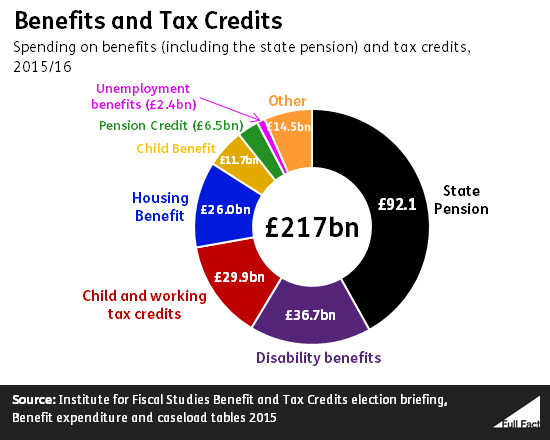
DonatenowButton cards


The benefit cap, phrenology and the new Conservative character divination

“This is a round up.”

The song is about a world where citizens are deeply suspicious of one another, where fear of the Other is politically instigated and nurtured, social conformity, discrimination, exclusion and prejudice reign supreme. It’s about a society blindly climbing Allport’s ladder.


“Of the forehead, when the forehead is perfectly perpendicular, from the hair to the eyebrows, it denotes an utter deficiency of understanding.” Johann Kaspar Lavater, phrenologist (1741–1801).


Back in the nineteenth century, phrenology was the preferred “science” of personality and character divination. The growth in popularity of “scientific” lectures as entertainment also helped spread phrenology to the masses. It was very popular among the middle and working classes, not least because of its simplified principles and wide range of social applications that were supportive of the liberal laissez faire individualism inherent in the dominant Victorian world view. It justified the status quo. Even Queen Victoria and Prince Albert invited the charlatan George Combe to feel the bumps and “read” the heads of their children.

During the early 20th century, there was a revival of interest in phrenology, partly because of studies of evolution, criminology and anthropology (pursued by Cesare Lombroso). Some people with political causes used phrenology as a justification narrative for European superiority over other “lesser” races. By comparing skulls of different ethnic groups it supposedly allowed for ranking of races from least to most evolved.

It’s now largely regarded as an obsolete and curious amalgamation of primitive neuroanatomy, colonialist supremicism with a dash of moral philosophy. However, during the 1930s Belgian colonial authorities in Rwanda used phrenology to explain the so-called superiority of Tutsis over Hutus. More recently in 2007, the US State of Michigan included phrenology (and palm reading) in a list of personal services subject to sales tax. 

Any system of belief that rests on the classification of physical characteristics is almost always used to justify prejudices, social stratifying and the ranking of human worth. It highlights what we are at the expense of the more important who we are. It profoundly dehumanises and alienates us.

Though the saying “you need your bumps feeling” has lived on, may the pseudoscience of phrenology rest in pieces. 

CrIY-YQWEAQyIeg

Phrenology is dead: long live the new moralising pseudoscience

The Conservatives have simplified the art of personality and character divination. They have set up a new economic department of the mind called the Behavioural Insights Unit. This fits with the age old Conservative motif of a “broken Britain”and their obsessive fear of social “decay and disorder.” Apparently, we are always on the point of moral collapse, as a society. And apparently, it isn’t the government’s decision-making that is problematic: poor people are entirely responsible for the poor state of our country. Those who have the very least are to blame. That’s why they need such targeted austerity policies, to ensure they have even less. We can’t have the poor being rewarded with not being poor, that’s just bad for big business.

Under every Conservative government, we suddenly see the proliferation of bad sorts; cognitively biased and morally incompetent people making the wrong choices everywhere and generally being inept, non-resilient and deficient characters. The way to diagnose these problems of character, according to the government, is to establish whether or not someone is “hard working”. This is usually determined by the casting of chicken bones, and a quick look at someone’s bank balance. If it lies offshore, you are generally considered a jolly good sort.

If you need to claim social security, be it in-work or out-of-work support, then you are most definitely a “wrong sort”; a faulty person and therefore in need of some state treatment to put you right, just to ensure that your behaviours are optimal and aligned with politically defined neoliberal outcomes. Apparently, poor people are the new “criminal types.” The only cure, according to the government, is to make poor people even poorer, by a variety of methods, including a thorough, coercive nudging: a “remedial” income sanctioning and increased conditionality to eligibility for support; benefit cuts; increasing welfare caps and a systematic dismantling of the welfare state more generally,

Oh, and regular shaming, outgrouping, stigmatising and scapegoating in the meanstream media and political rhetoric, designed to create folk devils and moral panic.

The new benefit cap: a policy designed by the neoliberal rune casters

The regressive benefit cap will save a paltry amount of money in the short term. In the long term it will cost our health and social services many millions. It’s misleading of the government to claim that it will save the “tax payers” money, since most people needing to claim social security have worked and paid taxes too. VAT is also a tax, and last time I checked, people needing support because they lost their job or became sick or injured are not exempt from paying taxes. In fact the poorest families pay the highest proportion of their income in tax

We forget that people in poverty pay taxes because we forget how many different ways we are taxed:

  • VAT
  • Duties
  • Income tax
  • National Insurance
  • Council tax
  • Licences
  • Social care charges, and many others taxes
  • Bedroom tax

Of course there’s a stark contrast in the way the state coerces the poorest citizens into behaving “responsibly”, carrying the full burden of austerity, while there is an abject failure to rein in executive pay, or to tax the Conservative party paymasters, and recover the billions lost in revenue to the Treasury through tax havens.

Poor people get the bargain basement package of behavioural incentives – which is all stick and no carrots – whereas the wealthy get the deluxe kit, with no stick and plenty of financial rewards. 

Nearly a quarter of a million children from poor families will be hit by the extended household benefit cap due to be introduced this autumn, according to the government’s latest analysis of the impact of the policy. It will see an average of £60 a week taken out of the incomes of affected households that are already poor, pushing them even deeper into poverty. About 61% of those affected will be female lone parents.

The cap will damage the life chances of hundreds of thousands of children, and force already poor families to drastically cut back on the amount they spend on essential items to meet basic needs, such as food, fuel and clothing. Originally benefit rates were calculated to meet basic survival needs – covering the costs of food, fuel and shelter only. 

The new cap unjustifiably restricts the total amount an individual household can receive in benefits to £23,000 a year in London (£442 a week) and £20,000 in the rest of the UK (£385 a week). It replaces the existing cap level of £26,000. All of this support is dependent on whether or not you comply with the very complex conditionality criteria. The support can be withdrawn suddenly, in the form of a sanction, for any number of reasons, and quite often, because your benefit advisor simply has targets to reach in order to let you know that nothing at all may be taken for granted: eating, feeding your children, sleeping indoors and keeping warm in particular.  

The government claims the cap incentivises people to search for work, and says that 23,000 affected households have taken a job since the introduction of the first cap in 2013. However, the government uses “off flow” as a measurement of employment, which is unreliable, as studies have indicated many claimants simply vanish from record.

Worryingly, an audit in January this year found that the whereabouts of 1.5 million people leaving the welfare records each year is “a mystery.” The authors also raise concern that the wellbeing of at least a third of those who have been sanctioned “is anybody’s guess.” It’s not the first time these concerns have been raised.

It emerged in 2014, during an inquiry which was instigated by the parliamentary Work and Pensions Select Committee, that research conducted by Professor David Stuckler shows more than 500,000 Job Seekers Allowance (JSA) claimants have disappeared from unemployment statistics, without finding work, since the sanctions regime was toughened in October, 2012.

This means that in August 2014, the claimant count – which is used to gauge unemployment – is likely to be very much higher than the 970,000 figure that the government is claiming, if those who have been sanctioned are included.

A Department for Work and Pensions (DWP) spokesman said: “The benefit cap restored fairness to the system by ending the days of limitless benefit claims and provides a clear incentive to move into work.”

However, firstly, social security is based on a national insurance contribution principle, and was already fair. Most people have worked and contributed to their own provision. Secondly, people in work are also poor. Those on low pay who need to claim additional support are also being sanctioned for “non-compliance”. In fact  much of our welfare spending goes towards supporting those people in work on low wages. We spend most on pensions, a large amount on in-work benefits and relatively little provision is for those out of work. The DWP don’t half chat some rubbish. A fair system would entail the government ensuring that employers pay adequate wages that cover rising living costs, instead of permitting employers to profit from our welfare state.

In a deregulated labour market, poorly paid workers are now held individually and entirely responsible for how much they earn, how many hours they work, and generally “progressing in work”. If they don’t “progress”, then what used to be an issue for trade unions and collective bargaining is now an issue addressed by punitive social security law, authoritarian welfare “advisors” and financial penalties.  

You can see where the incremental increases in the benefit cap are leading the public. The justifications and line of reasoning presented by the Conservatives are leading us down a cul-de-sac of rationale, where the welfare state is completely dismantled, and the reason given will be that this ensures “everyone works”, regardless of labour market conditions and the availability of reasonable quality and secure jobs that pay enough to support people, meeting their basic needs sufficiently to lift them out of poverty.

If these measures are intended to force people into work, this government’s self-defeating, never-ending austerity policy is hardly the ideal economic climate for job creation and growth, and where are the affordable social homes for the growing ranks of low paid workers in precarious financial situations because of increasing job insecurity and zero hour contracts? The gig economy is a political fig leaf.

An official evaluation of the cap by the Institute for Fiscal Studies in 2014 found the “large majority” of capped claimants did not respond by moving into work, and a DWP-backed study in Oxford published in June found that cutting benefit entitlements made it less likely that unemployed people would get a job. Not that we didn’t already know this. If people cannot meet their basic needs, then they simply struggle to survive and cannot be “incentivised” to meet higher level psychosocial needs. The government need to read about Maslow’s hierarchy of needs, and the Minnesota starvation experiment. (See Welfare sanctions can’t possibly “incentivise” people to work .)

Joanna Kennedy, chief executive of the charity Z2K, said: “Our experience helping those affected by the original cap shows that many of those families will have to reduce even further the amount they spend on feeding and clothing their children, and heating their home to avoid falling into rent arrears and facing eviction and homelessness.”

As Patrick Butler points out in the Guardian, the government have already been ordered to exempt carers from the cap after a judge ruled last year that it unlawfully discriminated against disabled people by capping benefits for relatives who cared for them full time. Ministers had argued that carers who looked after family members for upwards of 35 hours a week should be treated as unemployed.

A previous court ruling found that the benefit cap breached the UK’s obligations on international children’s rights because the draconian cuts to household income it produced left families unable to meet their basic needs. This is the fifth wealthiest nation in the world, and supposedly a first world liberal democracy.

The deputy president of the supreme court, Lady Hale, said in her judgment: “Claimants affected by the cap will, by definition, not receive the sums of money which the state deems necessary for them adequately to house, feed, clothe and warm themselves and their children.

As Stephen Preece from Welfare Weekly pointed out yesterday, the word vulnerable suggests that people are weak, when in fact they are only made vulnerable through the actions or inaction of those around them, including (and especially) the government. I agree. To label people as vulnerable displaces responsibility from government and diverts us from the reality and nature of the punitive policies aimed at poor citizens – this is political oppression. 

Ideological justification narratives and pseudoscience

I waded through the government document Welfare Reform and Work Act: Impact Assessment for the benefit cap. Basically the government use inane nudge language and their central aim is to “incentivise behavioural change” throughout the assessment. But they then claim that they can’t predict or accurately measure that. It is very difficult to measure psychobabble accurately though, it has to be said.

There are a lot of techniques of neutralisation and euphemisms peppered throughout the document. For example, taking money away from the poorest citizens is variously described as: “achieving fairness for taxpayers” (as previously stated, people claiming benefits have usually worked: they have and continue to pay taxes); “ensures there is a reasonable safety net of support for the most vulnerable” (by cutting it away further).and “strengthening work incentives”. 

For those alleged free riders claiming support because they fell on hard times, “doing the right thing” and “moving into work” is deemed to be the ultimate aim of the cap, regardless of whether or not the work is secure, appropriate, with adequate levels of pay to lift people out of poverty. Work, in other words, will set us free.

I also took the time and trouble to read the studies that the government cited as “evidence” to support their pseudoscientific claims. The government misquoted and misapplied the research they used, too. They made claims that were NOT substantiated by the scant research referenced. And there are many more studies that completely refute the outrageous and ideologically premised government claims made in this document. 

For example, Freud makes the claims that: “Children in households where neither parent is in work are much more likely to have challenging behaviour at age 5 than children in households where both parents are in paid employment. Growing up in a workless household is associated with poorer academic attainment and a higher risk of being not in education, employment and training (NEET) in late adolescence.”

The study cited was Barnes, M. et al. (2012) Intergenerational Transmission of Worklessness: Evidence from the Millennium Cohort Study and Longitudinal Study of Young People in England. Department for Education research report 234. It says:

“Though it must be stated that much of the association between parental worklessness and these outcomes was attributable to these other risk factors facing workless families. Parental worklessness had no independent effect on a number of other outcomes, such as children’s wellbeing (not being happy at school, being bullied and bullying other children), feelings of lack of control, becoming a teen parent, and risky behaviour. This evidence provides limited support for a policy agenda targeted only at getting parents back into work. ”

It is poverty, not “worklessness” that creates poor social outcomes. That is why around half of the people queuing at food banks are those in work. The biggest proportion of welfare support paid out is in-work benefits.

Freud also states that: “A lower cap recognises that many hard working families earn less than median earnings – a lower cap provides a strong work incentive.”

Actually, raising wages in line with the cost of living would be a far better incentive, instead of punishing unemployed people for the failings of a Conservative government that always oversees an increasingly desperate reserve army of labour, and ever-falling wages. 

Perhaps one of the most outrageous claims made in the document is that the cap is consistent with “UN Convention on the Rights of Persons with Disabilities.” Those sick and disabled people in the ESA work-related activity group are not protected from the cap. The government is currently being investigated by the UN for “gross and systematic” abuses of the human rights of disabled people, because of the previous welfare “reforms” (a euphemism for cuts).

This is an authoritarian government that is coercing people into any low paid and insecure work, regardless of how suitable it is. It’s about dismantling the welfare state, bit by bit. It is about ensuring people are desperate so that people’s right to turn down jobs that are unsuitable, thus reducing any kind of scope for collective bargaining to improve working conditions and pay, is removed. It’s also about bullying people into doing what the government wants then to do, removing autonomy and choices. That isn’t “incentivising”, it’s plain and brutal state coercion. All bullies and tyrants are behaviourists. 

It’s impossible not to feel at least a degree of concern and outrage reading such incoherent, flimsy and glib rubbish from an ideologically-driven government waging a full on class war on the poorest citizens, and then claiming that is somehow “fair” to the “taxpayer”. And it’s noteworthy that there is a harking back to the discredited and prejudiced theories of Keith Joseph – “intergenerational worklessness” – which were debunked by the theorists’ OWN research back in the Thatcher era. It is being paraded as irrefutable fact once again. 

I’m expecting a government phrenology unit to be established soon.

And an announcement that the Department for Work and Pensions is to be renamed the Malleus Maleficarum.

220px-1895-Dictionary-Phrenolog


CONTRIBUTE TO POLITICS AND INSIGHTS

I don’t make any money from my work. But you can contribute by making a donation and help me continue to research and write informative, insightful and independent articles, and to provide support to others. The smallest amount is much appreciated – thank you.

DonatenowButton cards

Two-way mirrors, hidden observers: welcome to the Department for Work and Pensions laboratory

018

I regularly write to raise concerns about the current government’s misuse of psychology in public policies and research. There has been a shift towards the formulation of targeted, prejudiced, class contingent policies which have the central aim of “changing behaviours”  and enforcing “compliance” and conformity. This behaviourist approach has some profound implications for democracy. It constrains autonomy and curtails the basic liberties of targeted citizens, it does not include safeguards or a space for citizens’ qualitative accounts and feedback, while also excluding them from any political consideration of their human rights. 

On the government website, a contract finder notice for the “Provision of Research Laboratory Facilities” for the Department for Work and Pensions says:

“The Department for Work and Pensions (DWP) requires research to be undertaken, in a research laboratory environment, with recipients of the Carers Allowance and recipients of the Employment and Support Allowance (ESA).

In a typical lab situation DWP shall have one DWP researcher in a room with the participant and other DWP researchers (if appropriate) and invited observers behind a two way mirror evaluating what is happening. As well as viewing the interview they can also see the activity on the web screen via monitors in their room.

The proceedings are currently recorded on MP4 for subsequent use when research findings are being reported. The participants cannot see the people in the viewing facility though they know they are there. There needs to be flexibility to be able to undertake the research in the North West and Leeds and be able to recruit for participants to attend a Government Lab set up at Aviation House in London WC2B 6NH.” 

Northern Voices T/A The Talking Shop is a Manchester based market research and public opinion polling company that has been awarded the contract in June this year. This company will be paid up to £60,000 for experimenting on sick and disabled claimants, using covert observation from behind a two-way mirror, studying eye movements, facial expressions and body language. 

Eye movement measurements are frequently used, though controversially, in criminal psychology, too, as a somewhat unreliable method of “lie detection.” Questions arise regarding precisely how eye movements, perception and cognition are related, and to date, this question hasn’t been answered by academics. 

It struck me that the experimental set up is very reminiscent of the social psychology experiments conducted in the 60s and early 70s to study social conformity and obedience to authority. However, the welfare “reforms” were specifically designed to coerce people claiming welfare into conformity – “to do the ‘right thing'”-  and compliance with a harsh “conditionality” regime and ever-shrinking eligibility criteria. It’s hardly a secret that the New Right Conservatives and neoliberals have always loathed the welfare state, and along with the other social gains of our post-war settlement, it is being systematically dismantled.

The wider context is significant, both in terms of its impact on individual citizen’s experiences and behaviours, and on the way that theory is formulated to conflate and align citizen’s needs with neoliberal outcomes, and this is also reflected in how research is being designed and used.

Some context

In the UK, the Behavioural Insight Team has been testing libertarian paternalist ideas for conducting public policy by running experiments in which many thousands of participants receive various policy “treatments.” A lot of the actual research work is contracted out to private providers. Whilst medical researchers generally observe strict ethical codes of practice, in place to protect subjects, the new behavioural economists and profit-driven private companies are less transparent in conducting behavioural research “interventions.” There are no ethical and safeguarding guidelines in place to protect participants.

Earlier this year I wrote about a Department for Work and Pensions Trial that was about “testing whether conditionality and the use of financial sanctions are effective for people that need to claim benefits in low paid work.” A secretly released document (which said: This document is for internal use only and should not be shared with external partners or claimants.) was particularly focused on methods of enforcing the “cultural and behavioural change” of people claiming both in-work and out-of-work social security.

Evaluation of the Trial will be the responsibility of the Labour Market Trials Unit (LMTU). Evaluation will “measure the impact of the Trial’s 3 group approaches, but understand more about claimant attitudes to progression over time and how the Trial has influenced behaviour changes.”

Worryingly, claimant participation in the Trial was mandatory. There was no appropriate procedure to obtain and record clearly informed consent from research participants. Furthermore, the Trial is founded on a coercive psychomanagement and political approach to labour market constraints, and is clearly expressed as a psychological intervention, explicitly aimed at “behavioural change” and this raises some serious concerns about the lack of research ethics and codes of conduct in government research. It’s also very worrying that this “intervention” is to be delivered by non-qualified work coaches.

The British Psychological Society (BPS) have issued a code of ethics in psychology that provides guidelines for the conduct of research. Some of the more important and pertinent ethical considerations are as follows:

  • Informed Consent.

Participants must be given the following information:

  •  A statement that participation is voluntary and that refusal to participate will not result in any consequences or any loss of benefits that the person is otherwise entitled to receive.
  • Purpose of the research.
  •  Procedures involved in the research.
  •  All foreseeable risks and discomforts to the participant (if there are any). These include not only physical injury but also possible psychological.
  •  Subjects’ right to confidentiality and the right to withdraw from the study at any time without any consequences.

Protection of Participants

  • Researchers must ensure that those taking part in research will not be caused distress. They must be protected from physical and mental harm. This means you must not embarrass, frighten, offend or harm participants.
  • Normally, the risk of harm must be no greater than in ordinary life, i.e. participants should not be exposed to risks greater than or additional to those encountered in their normal lifestyles. Withdrawing lifeline support that is calculated to meet the costs of only minimum requirements for basic survival – food, fuel and shelter – as a punishment for non-compliance WILL INVARIABLY cause distress, harm and loss of dignity for the subjects that are coerced into participating in this Trial. Participants should be able to leave a study at any time if they feel uncomfortable.

Behavioural “rights” and the politics of moralising

Consent to a therapy or research protocol must possess a minimum of three features in order to be valid. These are: it should be voluntarily expressed, it should be the expression of a competent subject, and the subject must be be adequately informed of the details.This raises some serious concerns about experimental social research, especially when it may involve people with mental health disabilities who may be highly vulnerable.

It’s highly unlikely that people subjected to the extended use and broadened application of welfare sanctions gave their informed consent to participate in experiments designed to test the nudge theory of “cognitive bias,” for example. The extended use of sanctions in the Welfare Reform Act 2012 was originally advised by the Behavioural Insights Team (the Nudge Unit) back in 2010. It was based on the manipulation of an alleged cognitive bias that we have – loss aversion – and designed as a method of coercing conformity to increasingly unreasonable state-imposed conditionality rules, and as punishment for the perceived “non-compliance” of unemployed people.

There is nothing to prevent a government deliberately exploiting a research framework as a way to test out highly unethical and ideologically-driven policies. How appropriate is it to apply a biomedical model of prescribed policy “treatments” to people experiencing politically and structurally generated social problems, such as unemployment, inequality and poverty, for example? 

The fact that this government regards work as a “health outcome” should raise alarm bells. (Please see: Let’s keep the job centre out of GP surgeries and the DWP out of our confidential medical records). The government have already stigmatised unemployment, and redefined it as a psychological disorder.

Furthermore, the research models being used are framed by a profoundly undemocratic conservative neopositivism, which emphasises directed quantitative data collection and excludes the accounts, experiences, narratives and language of research participants. Much of the research is prejudiced, and starts from an authoritarian premise that people experiencing socioeconomic problems do so because they make the “wrong choices” and that they need to be “incentivised to change their behaviours”.

An element of the “laboratory  research environment” research went ahead in March last year. It’s stated aim was to “to improve the Carer’s Allowance Digital Service.”  The recruitment brief specifies that:

“These self employed people shouldn’t have accounts prepared by an accountant however it’s mandatory that they bring with them details of their self-employment eg a log book or papers of incoming and outgoings. We also need these people to be looking after someone who has a disability.”

It’s become normalised that many millionaires avoid paying taxes and contributing to the society that they have gained so much from. I don’t see anyone intimidating them, demanding details of their “incoming and outgoings,” yet that would profit society far, far more.

Wouldn’t you think that if this were genuinely about supporting carers using software or accessing services online, it would be designed to be USER LED – a direct face-to-face approach would be the usual way, with an input from those service users, which is qualitative and much more reliable, authentic and useful than the account of a group of strangers hiding behind mirrored glass, observing people and applying controversial psychology techniques.

Measuring eye movements is usually coupled with other more inclusive qualitative methodologies, such as introspective verbal protocols, since used on its own, it is unreliable in that it fails to indicate specific kinds of cognitive processing or content. This dialogic approach, however, isn’t included in the government’s research brief. (Please see The importance of citizen’s qualitative accounts in democratic inclusion and political participation.)

The central premise of justifications for “behavioural interventions” is that the general public has numerous cognitive biases that lead to “faulty” decision-making. Current research and interventions are largely aimed at the poorest citizens, however, exposing a government bias that wealthy people are somehow cognitively competent. Yet many of this powerful, offshore hoarding minority class want to see worker’s rights, welfare support and our public services dismantled.

Not a rational or civilised class, on the whole, then.

As I have previously stated, the behavioural approach removes people from the socioeconomic and political context that they inhabit and isolates them from meaningful and impacting socio-structural events and political decision-making, placing the burden of responsibility and obligation entirely within those who are suffering the inevitable systemic consequences of neoliberal policies. In such an economic system of “market forces” based on competition, there are invariably winners and losers. It’s hardly rational or fair to punish those who are simply adversely affected by an intrinsically flawed and unfair system of socioeconomic organisation for which there was never a consensus. It was simply imposed on the UK public, without any legitimate, informed consent.

Can you imagine the government carrying out this kind of research and stigmatising, intimidating methodology on billionaires interacting with their accountants, completing their tax returns or interacting with their offshore banks? No, I thought not. 

It’s noteworthy that current Nudge Unit policy is to keep those being targeted for nudges “naive” as people tend to temporarily alter their behaviour when they know they are being observed and that skews research results. In sociology and social psychology, this is called the Hawthorne effect.

However, that approach is profoundly incompatible with established ethical research frameworks, and fundamental human rights, which, as I’ve outlined, always specify a central requirement of participants’ informed consent.

Similarly, the starting premise of laboratory usability testing is that “what people say they do with products is not always what they actually do.” In other words, we cannot trust the public to tell us what they need.

Userbility testing, an American import, is designed to “target” users’ needs and preferences by observing their behaviour. However, a big part of the motivation for this kind of research is Building credibility for usability activities within an organization.” The government often use research like this to formulate justification narratives for controversial, coercive and punitive policies.

Democracy is meant to involve the election of a government that reflects on social problems objectively, recognises and serves public needs, and designs policy in response to what citizens actually need; it’s not about governments that coerce people to “change their behaviour” in accordance to a partisan, ideological agenda. We call the kind of government that does that “totalitarian.”

I am not the only person who is very concerned about this development.  

A spokesperson for Fightback 4 Justice said:

“This is the company that has won the tender experimenting with Carers claimants using body language techniques and 2 way mirrors. If anyone gets called into one of these meetings please get in touch as I’d be happy to attend. I am very very concerned about a potential breach of a person’s human rights here particularly where mental health is one of the claimants conditions. Nothing about this “study” seems ethical in my legal opinion. A room with a 2 way mirror and capacity for 12 people studying body language and facial expressions is wrong in so many ways, DWP are giving the wrong impression that claimants are potential criminals with this latest research in my view.” Michelle (legal advocate).

The Talking Shop’s research studios

images

Related

The politics of blame and in-work conditionality

Nudging conformity and benefit sanctions

G4S are employing Cognitive Behavioural Therapists to deliver “get to work therapy”

The new Work and Health Programme: government plan social experiments to “nudge” sick and disabled people into work

The importance of citizen’s qualitative accounts in democratic inclusion and political participation

Let’s keep the job centre out of GP surgeries and the DWP out of our confidential medical records

The Conservative approach to social research – that way madness lies

A critique of Conservative notions of social research


CONTRIBUTE TO POLITICS AND INSIGHTS

I don’t make any money from my work. But you can contribute by making a donation and help me continue to research and write informative, insightful and independent articles, and to provide support to others. The smallest amount is much appreciated – thank you.

DonatenowButton

State-regulated cryptocurrency and micro-managing people claiming welfare

blockchain_2-large_trans++LNxyO0DwVu6AfV8OD9VhqByRWR8tXKJRXAf-JOaUjFA


Context

I’ve written more than one critical piece about the Government’s part-privatised Behavioural Insights Team (Nudge Unit), particularly with regard to its insidious and malevolent influence, manifested in a range of psychoregulation policies aimed at “behavioural changes” which are being imposed on the poorest citizens. Technocracy is the “science of social engineering.” Nudge is a technocratic approach to fulfilling the requirements of neoliberalism. It’s about maintaining an established socioeconomic order, rather than advancing progressive social change.

In 1932, Howard Scott and Marion King Hubbert founded Technocracy Incorporated, and proposed that money be replaced by energy certificates. The group argued that “apolitical, rational engineers should be vested with authority to guide an economy into a thermodynamically balanced load of production and consumption, thereby doing away with unemployment and debt.” Sounds just like old school sociological Functionalism to me: it’s a systems theory  – utterly tautological and deterministic tosh. Bear with me, because there’s a couple of contemporary parallels I want to discuss.

The Conservatives prefer to do away with unemployment and debt by “incentivising behaviour change” to ensure that poor people who don’t have any money to live on are punished out of their poverty. 

Smart Cards, another antiwelfarist, technocratic imposition, entered our collective consciousness during autumn 2012, as Iain Duncan Smith declared his intention to discipline Britain’s “troubled” families. In unveiling his proposals at the Conservative Conference back in October 2012, Duncan Smith attempted to frame the cards as better value for taxpayers’ money, implying that poor people don’t pay taxes, (when the poorest actually pay proportionally more) and his rhetoric was extremely stigmatising.

He said: I am looking […] at ways in which we could ensure that money we give [benefit claimants] to support their lives is not used to support a certain lifestyle.”  [Boldings mine.]

Then MP Alex Shelbrooke presented his private member’s bill in December 2012, providing us with yet another shuddering glimpse into the underlying Tory moral outrage, prejudice and punitive attitudes towards people claiming benefits. He argued for a “welfare cash card” to limit spending to absolute basics. Isn’t welfare provision as it is just enough to cover the absolute basics for survival? It’s calculated to meet the basic cost of food, fuel and shelter only.

Despite his scapegoating narrative about addressing “idleness”, Shelbrooke’s proposed psychocompulsion was intended to apply to those in work, who claim benefits such as tax credits and housing benefit, penalising and outgrouping those on a minimum or low wage, also. The plan was to restrict the goods that people claiming benefits could buy with their cards. Not so much offering a “nudge” or “incentive”, but rather, delivering a bludgeoning enforcement, without a shred of respect for diverse needs and individuals’ autonomy and choice. 

A principled objection is that we should not be stigmatising or inflicting punishments on people, or reducing their freedom to spend money as they need and wish, just because they are forced to spend some time out of work, or because they aren’t paid a wage that is sufficient to live on. Such an approach is extremely draconian.

Having been previously rejected, this is certainly not a democratically endorsed policy.

This is an authoritarian restriction on what people claiming benefits may buy, and a limiting of lifestyle choices that they are permitted. It is a particularly spitefully directed ideological move that does not make any sense in terms of the wider economy, or in terms of any notion of “supporting” people, and “fairness.” The latter two categories of reason would entail extending opportunities and freedoms, not repressing them. 

Financial hardship already limits choice. When people are struggling financially, budgeting isn’t the problem: low wages, benefit cuts and rising costs of essential items are. Those factors are ultimately shaped by government policies, not poor people.

No matter how this is dressed up by the Tories, poor people don’t respond to “corrective” narratives and coercive policy like Pavlov’s dogs. Yet the Tories nevertheless insist on placing a psychopolitical variant of operant conditioning – behaviour modification – at the core of their increasingly repressive class-contingent policies. This isn’t about state “assistance” for the entitled poor, most of who have worked and contributed to the treasury, contrary to the politically expedient “economic free rider” label.  It’s about traditional Tory prejudices, state interference and coercion. It’s more blaming and punishing the casualities of neoliberalism and social conservatism. 

Having failed in introducing the punitive smart card more than once, the Conservatives are now resorting to a stealthy introduction of a variation to curtail the freedom of poor people claiming social security, using cryptocurrency, state regulation and an unprecedented, Orwellian level of state monitoring and control of what people who are struggling to make ends meet are buying. 

th

Some basic (but wordy) definitions

Cryptocurrency is a medium of exchange, alternative to Fiat currencies, which uses a type of virtual currency, such as bitcoin. It uses cryptography for security and anti-counterfeiting measures. Public and private keys are often used to transfer cryptocurrency between individuals. Ownership of bitcoins, for example, implies that a user can spend bitcoins associated with a specific address. To do so, a payer must digitally sign the transaction using the corresponding private key. Without knowledge of the private key, the transaction cannot be signed and bitcoins cannot be spent. The network verifies the signature using the public key.

Bitcoin is a pseudonymous currency, meaning that funds are not tied to real-world entities, but rather, to bitcoin addresses. For cryptocurrency enthusiasts, the pseudoanonymity element is attractive, as it tends to empower individuals rather than institutions. Cryptocurrencies typically feature decentralised and unregulated control, and transactions are recorded in a public distributed ledger called the blockchain. 

Owners of bitcoin addresses are not explicitly identified, but all transactions on the blockchain are public

The value of a cryptocurrency is determined by the market (whatever people are willing to pay for it). The welfare or state of your nation’s economy will not affect the value of your cryptocurrency. The value of a cryptocurrency is based solely on global supply and demand and functions much like a commodity on the stock market.

Cryptocurrencies are ordinarily used outside of existing banking and governmental institutions and exchanged over the Internet. They have often been seen by the establishment as a “rogue currency”, and as a potential threat to the monetary order. Because of the pseudoanonymity afforded by “virtual assets”, cryptocurrency is also sometimes used in controversial settings such as online darknet markets, like Silk Road, accessible by Tor, (free software for enabling anonymous communication, it conceals a user’s location and usage) which further minimises the risk of detection by law enforcement agencies. (See: Silk Road and Bitcoin.)

People in Russia and China have been bypassing very strict surveillance laws by using bitcoin-like cryptocurrencies in order to communicate securely. Cryptocurrencies, starting with bitcoin, have emerged and been increasingly utilised almost in parallel with revelations from National Security Agency (NSA) whistle-blower Edward Snowden about mass government surveillance. 

As the sheer extent of government spying still continues to emerge, encrypted communication services become important and have surged in popularity. Tech companies, including Facebook, Google and Apple, have capitalised on this by adding encryption to their services. However revelations that these same companies seem complicit in the NSA’s surveillance operations have led to some reservations from users. Now it seems the UK government wants to utilise cryptocurrency, inverting the political freedom it allowed by turning it into a tool of state control. 

Government proposals: virtual food vouchers and automated nudge

Earlier this year, the government set out proposals in a report regarding how Blockchain Technologies’ distributed ledger technology which provides “efficient and transparent” digital records of cryptocurrency transactions, could be used for public services. In their report called Distributed Ledger Technology: Beyond block chain, the government’s scientific advisor says:

“Distributed ledger technology (DLTs) offer significant challenges to established orthodoxy and assumptions of best practice, far beyond the recording of transactions and ledgers. These potentially revolutionary organisational structures and practices should be experimentally trialed — perhaps in the form of technical and non-technical demonstrator projects — so that practical, legal and policy implications can be explored.”

“Areas where we believe work could be taken forward include the protection of national infrastructure, reducing market friction for SMEs [Small and medium-sized enterprises] and the distribution of funds from Department for Work and Pensions and other government departments.” [Boldings mine.]

To recap, a distributed ledger is a database that can record financial, physical or electronic assets for sharing across a network through what is claimed to be entirely transparent updates of information.

Its first incarnation was Blockchain in 2008, which underpinned digital cash systems such as Bitcoin. The technology has now evolved into a variety of models that may be applied to different business problems.

Speaking at Payments Innovation Conference earlier this month, Lord Freud, one of the main architects of the welfare “reforms” said:

“Claimants are using an app on their phones through which they are receiving and spending their benefit payments. With their consent, their transactions are being recorded on a distributed ledger to support their financial management.”

The Department for Work and Pensions (DWP) has been working with Barclays, Npower, University College London and a UK-based distributed ledger platform startup called GovCoin to create an app which tracks people’s benefit spending

The ongoing trial which, is designed to demonstrate “the practical applications of the technology,” began in June. It’s yet another Conservative experiment on people claiming social security.

Jeremy Wilson, the vice chairman of corporate banking at Barclays, said: “This initiative focuses on adding an additional layer of richer data and identity onto payments, so that a deeper and more effective relationship can be established between the government and claimants.”

I wonder exactly what that “effective relationship” will entail? I bet it’s not one based on mutual respect and democratic dialogue. I also wonder if the Department for Work and Pensions will be issuing people who have no income with Smart phones. 

How will the collected information on spending be used? Are we going to see people claiming social security being named and shamed for buying Mars bars, a bottle of wine or a book? Or birthday and Christmas presents for their children? Will the state be sanctioning people that make purchases which the government deems “unnecessary”? 

He added: “We are keen to see how the positive potential of this service develops and adds to our wider efforts to explore the uses of distributed ledger technology.”

Distributed ledger technology was identified as a way of potentially “saving billions of pounds a year from welfare fraud and overpayment errors.”

Oh, that whoppingly over-inflated 0.7% of claimants again. Many of whom were simply overpaid as the result of an administrative error, after all. Just imagine how many trillions we would save if we used technology to get a grip of tax avoidance and tackle offshore tax havens, and addressing the “spending habits” of the hoarding wealthy. 

The technology is hoped to provide a cheap and easy way of getting welfare claimants without bank accounts into the system as well as verifying their identities, and would also provide a “transparent account of how public money was spent, transform the delivery of public services and boost productivity,” the government’s chief science adviser, Sir Mark Walport, said in a report last January. Those same words are used every time vulture capitalists are circling a public service, on the hunt for easy profits.

Walport said: “Distributed ledger technology has the potential to transform the delivery of public and private services.”  

More words from the vulture capitalist crib sheet of glittering generalities.

“It has the potential to redefine the relationship between government and the citizen in terms of data sharing, transparency and trust and make a leading contribution to the government’s digital transformation plan.”

The government distributes £3.8bn in payments every day. However, there are some serious concerns over how protection of data and privacy with the technology will be “managed.”

The Open Data Institute (ODI) welcomed the findings on the whole. However, it warned that the government must be wary of the challenges involved in blockchain technology and apply it in an effective way. They say: “We agree that blockchains could be used to build confidence in government services, through public auditability, and could also be used for widely distributed data collection and publishing, such as supply chain information. Smart contracts also hold great potential; what if your train tickets were smart contracts that meant you paid less for delayed trains?” 

Smart cards and smart contracts, the more things change, the more the Tories stay the same.

Further comment from the ODI: “However, in our research we have seen cases where people are trying to bolt old, failed or impossible policy and business ideas onto the new technology or to unnecessarily reinvent things that work perfectly well.”

The institute also warned of the privacy issues raised by incorporating private data and suggested the government better develop and solve these challenges by focusing on industry specific groups such as the finance or healthcare sectors.

Some thoughts

Conservatives claim to endorse personal responsibility, limited government, free markets, individual liberty, and deregulation, amongst other things. They believe the role of government should be to provide people the freedom necessary to pursue their own goals. Conservatives claim their policies generally emphasise “empowerment of the individual to solve problems”.

So how does any of this tally with harsh welfare cuts, public service cuts, restrictions on the right to by certain goods, the removal of access to legal aid, limiting housing options for the poorest, bedroom tax, numerous human rights contraventions, increasing conditionality for ill and disabled people, psychocompulsion through increasingly stringent welfare behavioural conditionality and the draconian sanction regime, for example?

Limiting consumer choice and spending flies in the face of the Tories’ own free market dogma. Furthermore, as it stands legally, the government cannot currently stipulate how people claiming benefits spend their money. So they would have to re-write the law to suit their “policy outcomes.” Again.

The Tory definition of “troubled family” conflates poverty, ill health, unemployment and criminality. Iain Duncan Smith claims to be targeting substance abusers (“drug addicts” and “alcoholics”) but it’s clear that the government’s definition means he’s referring largely to the poor and disabled people. His proposal to deal with people who don’t buy their children food because they’re “drug addicted” would actually target people who don’t buy food because they can’t afford it.

Once again we see the disciplinarian and psychocratic Tories stigmatising the poorest people for the conditions that Tory policies have caused. If such “troubled families” existed (and the Joseph Rowntree foundation research has put paid to the myth of  “families with three generations unemployed”), it would not be reasonable to treat their situations as an issue of personal spending choices rather than a consequence of how our economy is run.

The Tories have, over the past five years, parodied a political process that is supposed to be about engaging the publics’ rational, conscious minds, as well as facilitating their needs within society. The UK is not an inclusive democracy. Instead we see the employment of a behaviourist brand of psychocomplulsion, and the media are complicit in propping up an increasingly incoherent, irrational and profoundly prejudiced ideology which informs class-contingent, anti-social and deeply damaging neoliberal policies.

I’ve pointed out previously that government policies are expressed political intentions regarding how our society is organised and governed. They have calculated social and economic aims and consequences.

In democratic societies, citizen’s accounts of the impacts of policies ought to matter. “Accountability to the taxpayer” is being used more and more by the state as a justification to exclude those needing financial support from democratic society. Yet those people claiming benefits are not the same people year by year. The “economic free-rider” myth assumes that people claiming welfare do so continuously, yet we know that most move in and out of work, being forced to undertake insecure, poorly paid work regularly. It’s hardly fair to punish people for the detrimental conditions of the wider labor market.

In the UK, the way that policies are justified is being increasingly detached from their aims and consequences, partly because democratic processes and basic human rights are being disassembled or side-stepped, and partly because the government employs the widespread use of linguistic strategies and techniques of persuasion to intentionally divert us from their aims and the consequences of their ideologically (rather than rationally) driven policies. Furthermore, policies have become increasingly detached from public interests and needs. Instead, policy is about directing us in how to be. We are being coerced into behaving only in ways that accommodate and prop up neoliberalism.

Neoliberalism is a system of economic arrangements that greatly benefits a few powerful and wealthy people and impoverishes the majority of the public incrementally. As each social group reaches a crisis – struggling to survive – scapegoating narratives are constructed and disseminated via the media that blame them for their insolvency, creating socially divisive and politically managed categories of “others,” which serve to de-empathise the rest of the population and divert them from the fundamental fact that it isn’t the poor that create poverty: it is the neoliberal decision-makers and those who are steadily removing and privatising our public funds and ebulliently shrinking state responsibility towards citizens, leaving many at the mercy of “market forces” without a state safety net – it’s economic Darwinism.

“Workers of the World unite. You have nothing to lose but their blockchains.” Hubert Huzzah

 —

All despots and bullies are behaviourists. They inflict punishment on others to get the “outcomes” that they want. 

Governments are elected to reflect and accommodate public need. In the UK, the government expects the public to change their perceptions, expectations and behaviours to meet the government’s need. They say:

“Behaviour change is one of the primary functions of government communications – helping change and save lives, helping the government run more effectively as well as save taxpayer’s money.

Our approach is to use a mix of awareness raising, persuasion, practical help and behavioural theory, to demonstrate why changes in behaviour are important and to make these changes easy for the public to adopt”.

The Government Communication Service guide to communications and behaviour change

gcs-guide-to-communications-and-behaviour-change1

I don’t make any money from my work. But you can support Politics and Insights and contribute by making a donation which will help me continue to research and write informative, insightful and independent articles, and to provide support to others. The smallest amount is much appreciated, and helps to keep my articles free and accessible to all – thank you.

DonatenowButton
cards

Two key studies show that punitive benefit sanctions don’t ‘incentivise’ people to work, as claimed by the government

2B7E5E0E00000578-3203497-News_Frames_even_mocked_up_their_own_version_of_the_company_s_le-a-19_1439993426113

Satirical Twitter response after Welfare Weekly used a Freedom of Information request to reveal that the Department for Work and Pensions had been using fake claimants and made-up comments to justify the use of punitive welfare sanctions

The government’s controversial benefit sanctions regime can cause “damage to the wellbeing of vulnerable claimants and can lead to hunger, debt and destitution”, according to a damning new report, which debunks Tory myths that benefit sanctions – denying people who are already struggling the only means by which to support themselves and their families – “incentivise people into work.”

In a report titled Benefit Conditionality and Sanctions in Salford – One Year on, commissioned by Salford City Council in 2014, comprised of a task force of Salford’s Financial Inclusion Practitioner’s Group (FIPG), it was concluded that, far from than “incentivising” people to move into work, the sanctions regime actually serves as a demotivator and barrier, preventing people from engaging in appropriate training, volunteering and employment-related activities.

Furthermore, the sudden loss of income caused by removing benefits – through the imposition of a punitive sanctions regime – often damages people’s mental health, creates tensions within family relationships and may cause individuals to turn to crime in order to meet their basic survival needs.

The report says: “Despite the drop in numbers in Salford receiving a benefit sanction, for those who are sanctioned the impact is devastating. 

“A ‘financial shock’ such as a sanction causes both immediate and longer term impact as most people do not have the means to save, so have no safety net. This presents an emergency need for money to buy food, pay for heating and essential travel costs.”

The report also says that the rate of people being sanctioned in the area has not reduced over the previous 12 month period. But, critically, it adds: “Register sizes are decreasing and we believe this is in part due to a growing number of “disappeared“. These are claimants who drop their benefit claim or who move off benefit but do not take up employment. The Government has refused to publish destination data.”  (See also: Government under fire for massaging unemployment figures via benefit sanctions from Commons Select Committee.)

The report goes on to say: “From the wide range of responses we have received from Salford agencies working with claimants, despite the fall in sanctions, the impact of sanctions both on claimants and services within the City cannot be overstated and the harsh regime will be expected to include additional groups as Universal Credit rolls out nationally this year.”

The report follows on from an interim study, published in October 2014, which predicted that sanctioning would most likely lead to extreme material hardship, mental health problems such as depression, and an increasing reliance on loan sharks. The interim report was submitted as evidence to the parliamentary inquiry into the impact of benefit sanctions.

Salford City Mayor, Paul Dennett said: “People on benefits are already struggling to afford food, heating and essential costs. They can’t save so they have no financial safety net. They live in dread of being sanctioned  which isn’t the right frame of mind for job hunting, volunteering or going back into education.” 

Rebecca Long Bailey, the Labour MP for Salford and Eccles, has said that the research “shows charities are increasingly having to step in to support claimants who are thrown into crisis due to delays and sanctions”. 

She added: “As an MP, I have seen some truly horrific cases, where the effects have been severe damage to my constituents’ mental and physical health, as well as the tragic case of David Clapson, who was found dead in his flat from diabetic ketoacidosis, two weeks after his benefits were suspended. His sister discovered her brother’s body and found his electricity had been cut off, meaning the fridge where he stored his insulin was no longer working. They must know that sanctioning people with diabetes is very dangerous but the system treats people as statistics and numbers. 

This report shows where we are in Salford today, one year on from the original report. Sadly, it illustrates the devastating impact sanctions have on the lives of people who are already struggling to make ends meet.”

Earlier this month, another collaborative research project, which is based at York university, also launched the publication of first wave findings from an ongoing study on the effects and ethics of welfare conditionality. This project started in 2013 and will finish in 2018. The researchers, from a variety of universities across the UK, draw on data from interviews with 52 policy stakeholders, 27 focus groups conducted with practitioners, and 480 “wave a” qualitative longitudinal interviews with nine groups of welfare service users in England and Scotland.  The study includes 480 people living in Bath, Bristol, Edinburgh, Glasgow, Greater Manchester, Inverness, London, Peterborough, Sheffield and Warrington, and is aimed at determining what longer-term effects the sanctions and employment “support” are having.

Most respondents report negative experiences of conditional welfare interventions. Linking continued receipt of benefit and services to mandatory behavioural requirements under threat of sanction has created widespread anxiety and feelings of disempowerment among claimants.

The impacts of benefit sanctions are universally reported by welfare service users as profoundly negative. Routinely, sanctions had severely detrimental financial, material, emotional and health impacts on those subject to them. There was evidence of certain individuals disengaging from services or being pushed toward “survival crime”. Harsh, disproportionate or inappropriate sanctioning created deep resentment and feelings of injustice. 

A recurring theme in peoples’ experiences was that sanctions or other enforcement measures were out of proportion to the “offence”, such as being a few minutes late for an appointment. Many reported being sanctioned following administrative mistakes by Jobcentre or Work Programme staff.

The Claimant Commitment was criticised for not taking sufficient account of individuals’ capabilities, wider responsibilities and/or vulnerabilities. Many saw Jobcentre Plus in particular as being primarily concerned with monitoring compliancy with behavioural requirements, imposing discipline and enforcement, rather than providing any meaningful support.

At the heart of welfare conditionality is an unfounded belief that it will change service users’ behaviour. Research to date in this first wave of findings has found very little evidence of welfare conditionality bringing about positive behaviour change in terms of preparing for or finding paid work and/or ending what is assumed to be “irresponsible behaviour” (rather than a consequence of the realities of labour market and socioeconomic constraints.)

Many welfare service users challenged the notion that they did not want to work. Virtually all interviewees in this study expressed a desire to work in the future when, and if, their personal situations made this possible. 

If you want to take part in this study, please get in touch if you live in one of these areas: Bath, Bristol, Edinburgh, Glasgow, Greater Manchester, Inverness, London, Peterborough, Sheffield and Warrington. Your personal details will be kept confidential.


Related 

Exclusive: DWP Admit Using Fake Claimant’s Comments In Benefit Sanctions Leaflet

Benefit Sanctions Can’t Possibly ‘Incentivise’ People To Work – And Here’s Why

Nudging conformity and benefit sanctions

0_0_0_0_370_308_csupload_52703375

My work is unfunded and I don’t make any money from it. But you can support Politics and Insights and contribute by making a donation which will help me continue to research and write informative, insightful and independent articles, and to provide support to others.

DonatenowButton
cards