Breaking the Link between Disability and Poverty Report to the Labour Party by the Disability and Poverty Taskforce
April 2014
This is the report of the Independent Taskforce on Disability and Poverty,
commissioned by Liam Byrne MP in his role as Shadow Secretary of State for Work and Pensions, and chaired by Sir Bert Massie.
The views expressed in this report are those of the members of the Taskforce and will be considered as submissions to Labour’s policy review.
Foreword
Abbreviations
1. Introduction
2. Our guiding principles
3. Our recommendations
4. Understanding disability-related poverty
5. Improving the employment experience of disabled people
6. Improving the social security system for disabled people
7. Addressing the cost of living crisis for disabled people
8. A renewed commitment to equality for disabled people
Appendix 1. The social model of disability
Appendix 2. Disability and incapacity benefits timeline
Appendix 3. Taskforce chair and members
Foreword
“There was damp in the boys’ room. The fire was leaking carbon monoxide.”
“My daughter knows. She could see me worrying about it. I couldn’t believe it when she said: ‘Don’t worry mummy. I won’t have a birthday present this year.’ That made me cry so much. I felt so guilty for not being able to give them more.”
“It’s heat or eat. I choose eat. But it’s so cold. Sometimes I cry with it.”
Whether in paid work or not, disabled people are twice as likely as non-disabled people to experience material hardship – to be unable to afford two or more items from a list that includes food, clothing, furniture, household appliances and a computer.
Families supporting a disabled child are more than twice as likely as other families to be unable to keep a child’s bedroom warm enough in winter due to the cost of heating.
We believe that wise investment is needed to help disabled people and their families to escape poverty.
We believe that this investment is the right form of social insurance for everyone: anyone can acquire an impairment or long-term health condition.
If we want a resilient economy, we must ensure that people do not face insuperable barriers, or go without effective support, to work where they can do so.
If we want a fair social security system, we must recognise that some people are temporarily or permanently unable to work – and that many more will be temporarily or permanently limited in the type or hours of work that they can do. They should not be blamed for that.
If we want to tackle poverty and inequality, recognising that unequal societies are unhappy and less productive and resilient, we must recognise that at certain times people face unavoidable and additional costs of living a decent life that should be collectively supported.
Poverty can make people unwell. Poverty in childhood continues to affect the life chances of adults, disabled or not. Too many households with a disabled member are living in poverty in Britain. This causes untold suffering to members of those households – but it costs every one of us as well. We believe that tackling disabled people’s poverty is essential to our success and well-being as a nation.
Sir Bert Massie CBE
Chair
Disability and Poverty Taskforce
April 2014
Abbreviations
DLA Disability Living Allowance
DWP Department for Work and Pensions
ESA Employment Support Allowance
IB Incapacity Benefit
IMF International Monetary Fund
IVB Invalidity Benefit
JRF Joseph Rowntree Foundation
JSA Jobseeker’s Allowance
LHA Local Housing Allowance
NEET Not in employment, education or training
ODI Office for Disability Issues
PIP Personal Independence Payment
UKCES United Kingdom Commission on Employment and Skills
WCA Work Capability Assessment
WRAG Work-related activity group
1. Introduction
1.1 In office, Labour showed that public policy can significantly reduce child and pensioner poverty. There is no reason to doubt that public policy can – and in our view should – also reduce disabled people’s poverty.
1.2 Disability is expensive. Disabled people experience both an income penalty and a cost of living penalty: they are likely to face complex barriers to getting and keeping a job or be unable to work or to work full-time; they have costs that non-disabled people do not.
1.3 Current programmes are failing to sufficiently address these issues. There have been significant reductions in the financial support for disabled people; the delivery of the Work Capability Assessment is causing unnecessary distress to disabled people and unnecessary expense to the state; and programmes to help disabled people fulfil their ambitions to work are ineffective. In mid-2012 it was estimated that around 3.7 million disabled people would lose a total of £28.3 billion of support by 2018 because of the cumulative impact of benefit cuts already announced.
1.4 Against this background, the Labour Party appointed an independent Taskforce:
“To look at ways to break the link between disability and poverty, to review ways of helping disabled people meet the extra costs that disability imposes and to recommend changes to the social security system to maximise disabled people’s control over their own lives. The taskforce will focus on better use of existing resources.”
1.5 We contend that there is currently substantial waste of public money by government, for example on the Work Programme and within the more than £22 billion spent on housing benefit resulting from failures in housing policy. In certain cases, as we outline, better services could be provided at lower cost and the funds reallocated. In other cases, investment in the short-term, for example on Access to Work or an effective employment support programme, would save money in the longer term.
1.6 We believe that any government that is serious about breaking the link between disability and poverty must develop a new agenda, taking account of invest to save principles and the evidence on what works to support people to gain or retain work and to tackle the breadth and depth of disability-related poverty.
1.7 Our recommendations set out the direction in which we believe policy needs to go. Clearly, the speed with which disability poverty is reduced will depend upon the resources devoted to that task
1.8 The Taskforce met from September 2013 to March 2014. All members contributed in a voluntary capacity.
1.9 Our report addresses four areas where we believe action is vital to begin to break the link between disability and poverty:
First, we look at how work could provide a more effective route out of poverty for disabled people and how programmes to support disabled people into employment could function better.
Second, we examine how the current system of social security for disabled people could be more effective, both for those who can and for those who cannot currently work, including the need for reform of the assessment process for disability benefits.
Third, we consider where innovative action could be taken to address the cost-of-living crisis faced by disabled people, including how we could take more action to meet disability specific costs.
Finally, we believe that the poverty faced by disabled people will not be tackled without a renewed commitment to disability equality.
2. Our guiding principles
An adequate standard of living is a human right, as reaffirmed by Article 28 of the United Nations Convention on the Rights of Persons with Disabilities. Poverty undermines the enjoyment of all human rights – people are unable to participate fully, be in control of their lives or enjoy the highest standards of health. Not enjoying other human rights, such as the right to work, study, travel, access goods and services or live independently and be included in the community, increases the risk of a person living in poverty. An effective anti-poverty strategy must be part of a wider disability rights agenda through which disabled people can escape poverty and enjoy equality of opportunity.
Disabled people face both an income penalty, due to the barriers to earning income through paid employment, and a cost of living penalty, due to the extra costs of living with an impairment or long-term health condition, many of which are the result of disabling barriers. Any meaningful measure of poverty and any strategy to address its causes and consequences must address both.
We believe in early action and prevention. Our approach is to invest in what people can do, rather than to solely compensate them for what they can’t do. Such an approach builds people’s resilience to poverty, nurtures their motivation and interests, invests in their capabilities and supports them to develop, participate and contribute.
We believe that it is rational to ‘invest to save’ and that the extent of the cumulative disinvestment in disabled people as a result of public spending cuts by the current government is unsustainable, given the continued rise in the numbers of disabled people. In addition to being a violation of the UK’s obligations to respect, protect and ensure disabled people’s human rights, it is also a false economy: any short term ‘savings’ will result in high costs down the line, for example for the health and social care systems, in unemployment, and in the long-term effects of child poverty. Government should take a long-term approach, prioritising investment for disabled people to participate in and contribute to our society and economy.
Employment can provide a sustainable route out of poverty. With effective support, meaningful opportunities and decent conditions, it is right to invest in the desire of most disabled people to work. To make this aspiration a reality, existing employment support needs to be radically reformed. A major investment is needed in skills and qualifications. Far more must be done to create a more receptive and open labour market and to tackle in-work poverty.
A founding principle of Britain’s welfare state is that people should enjoy an adequate standard of living and a dignified life when they are temporarily, intermittently or permanently prevented from earning income through paid employment for reasons related to illness, injury or impairment. To maintain such a system, a rigorous, fair and effective system of assessing initial and ongoing entitlement is necessary, both to ensure public resources are targeted effectively to achieve desired goals and to maintain public confidence.
Our recommendations
Improving the employment experience of disabled people:
R1. There should be a major skills-drive, actively supported by central government and facilitated by local inclusive growth partnerships to equip disabled people with the skills and qualifications required by the major growth areas in the economy.
R2. Employment programmes demonstrating a clear return on investment should be built upon. In particular, we propose that a model based upon the successful Future Jobs Fund be reintroduced and extended to voluntary participants presently in receipt of Employment and Support Allowance.
R3. The recommendations of the Sayce review concerning Access to Work should be implemented in full, including a significant expansion of funding, passporting money so that it travels from job to job with the person, expanding the scheme to make it more flexible, and ensuring that it responds more quickly and with greater accountability. The scheme should be widely advertised.
R4. The Work Programme and Work Choice should be replaced with a system of personalised in-work employment support. Employers and disabled people should be given the opportunity and power to choose how to spend the budget for disability employment support (including Access to Work funding), with specialist advice as necessary, and that this budget could be used to facilitate access to learning and qualifications in – or linked to – the workplace. This could take the form of on-the-job vocational qualifications, attending a local college, distance learning or accredited, continuous professional development.
R5. Employment support should be better integrated with health, social care and education services.
R6. Employment programmes for disabled people should be commissioned at a more local level and local areas should incorporate plans to improve the employment and qualification rates of disabled people into local growth strategies. They should be led locally by partnerships of local councils, Jobcentre Plus, businesses, education and training providers and disabled people’s organisations, with support from regional growth agencies and nationally by the Department for Business, Innovation and Skills.
Improving the social security system for disabled people
R7. The Work Capability Assessment (WCA) should be replaced by a system which is capable of taking account of the full range of factors which determine genuine employment opportunity, including health/impairment, skills, qualifications and the local job market. We believe such an approach will be much more effective at ensuring that appropriate financial and practical support is targeted at the right people. Disabled people and their organisations should be involved in planning and delivering such services.
R8. As a priority, the perverse consequences of explicit or implicit predetermined percentage targets (‘norms’) for numbers passing or failing to qualify for Employment and Support Allowance must be addressed to ensure that people are not denied the support to which they are entitled under the current system.
R9. The transition from sickness in work to claiming out of work benefits should be better managed, over and above the government’s recent reforms. Early action should be taken wherever possible to prevent people from leaving paid employment for reasons related to the onset of impairment or health conditions.
Employers should be encouraged to support employees where possible to return to work, including by offering flexible working. There should be greater exploration of how government can best support those who have recently become ill to receive the best possible medical support sufficiently quickly to prevent them losing touch with the workplace or losing their job, including those suffering from anxiety, depression or other mental health conditions that could become more profound if ignored.
R10. A modern social security system should encourage people with ongoing or fluctuating conditions to try work without fear of prejudicing their income security. Feeling secure in one’s income is an essential part of moving towards work. We believe there should be further exploration of how new flexibilities might be introduced into the benefits and tax credits system and propose that the current permitted work rules are further relaxed.
R11. Decisions about eligibility should be made in a timely fashion; extending the period in which Atos (or a replacement contractor) can obtain further evidence could reduce the number of people inappropriately assessed face to face. GPs should also be offered training to understand the requirements of the evidence-gathering exercise. And financial rewards should be introduced into the system for the correct and timely completion of the form.
R12. There should be a requirement that Jobcentre Plus, the Pension Service and the Disability and Carers Service do much more to ensure that disabled people receive the benefits to which they are entitled.
Addressing the cost of living crisis for disabled people
R13. There should be a detailed investigation of the depth and breadth of poverty experienced by disabled people, which does not use calculations that include Disability Living Allowance (DLA) and Personal Independence Payment (PIP) as income while taking no account of additional disability-related costs.
R14. Government should make renewed efforts to integrate public services, including health and social care.
R15. We welcome Labour’s commitment to abolish the Bedroom Tax, which has a disproportionate impact on disabled people.
R16. Government should invest in accessible and affordable housing and transport.
R17. The Local Housing Allowance should be reviewed as a matter of urgency.
R18. Clear limits should be placed upon the ability of local councils to take account of the PIP in assessing the incomes of disabled people in relation to care charges. The health and social care systems exhibit distinct cultures. We support the greater integration of health and social care but highlight the potential negative implications to independent living should the more medical model of the NHS dominate.
R19. The statistical ‘norms’ that have been identified as influencing the outcomes of the WCA must not be replicated in arrangements for moving claimants from DLA to PIP. An incoming government should commission a full review of both the roll-out of PIP and the mechanisms for ensuring that it is rigorous, objective, accurate and humane. This process should fully engage disabled people and their organisations. Entitlement should be based on assessed need, not rationing.
R20. Government should consider the feasibility of enhancing DLA/PIP by introducing an additional third element designed to contribute towards disability costs not covered by the two current components of either benefit. This should not be taken into account as part of a person’s income when charges are made for public services. We suggest the new three-component benefit be called a Disability Costs Allowance, as this accurately reflects its purpose. It would comprise elements for mobility, care and general costs. Disabled people and their organisations should be involved in the design of the new benefit.
R21. National and local government should use their purchasing power to drive down prices of disability-related equipment and services, including insurance. The value of robust purchasing power is shown in the Motability car scheme, which provides excellent value for money. Government should consult disabled people and their organisations on measures that could be taken to ensure disabled people and the taxpayer receive maximum value for money through the use of public sector purchasing capacity. This need not necessarily involve government doing the purchasing. It could, for example, be a consortium of charities supported by taxpayers’ funds.
R22. Government should revert to the 50-metre distance test in respect of eligibility for the higher rate mobility component of PIP (or any replacement benefit).
A renewed commitment to equality for disabled people
R23. The publicly-funded infrastructure supporting disabled people’s rights inside and outside of government should be the subject of a comprehensive review and reforms need to be implemented to ensure effective coordination, promotion and enforcement of policy, law and best practice (in line with Article 33 of the United Nations Convention on the Rights of Persons with Disabilities). This includes the roles of the Equality and Human Rights Commission and the Office for Disability Issues. Restrictions of disabled people’s access to justice, such as the £1200 fee for using an employment tribunal, should be removed.
R24. There should be routine, rigorous and transparent analysis by government departments and public authorities of the likely impact of and opportunities arising from proposed policy and legislation with respect to disability equality. This may be via a renewed commitment to equality impact assessment, including by revising the ‘specific duties’ in regulation related to s149 of the Equality Act 2010, or an improved methodology. Public authorities should in future be required to set out mitigating actions where policy and legislation, including spending decisions, appear to have a likely negative impact on disability equality, as for example the Bedroom Tax proved to do.
R25. There should be investment in creating a sea-change in employer behaviour on recruitment, development and retention of disabled people. This should include the exploration of behavioural insight methodologies such as those developed for ‘Trading for Good’, the linking of positive employment practices to enhanced market position and the consideration of incentives via the tax system, rewarding good practice.
R26. Major public expenditure decisions should only be made after a thorough cost-benefit appraisal. In particular, this should include a full analysis of the future economic and social impact. It clearly does not make sense to fail to invest sufficiently in those areas where future gains outweigh current costs. Similarly, it does not make sense to make public expenditure cuts now where this results in greater costs in the future.
R27. There should be local inclusive growth strategies which bring together economic regeneration, support for business, job creation, and skills and employment support for disabled people. They should be led locally by partnerships of local councils, Jobcentre Plus, businesses, education and training providers and disabled people’s organisations, with support from regional growth agencies and nationally by the Department for Business, Innovation and Skills.
R28. Policies and services should be co-produced with disabled people’s organisations.
Understanding disability-related poverty
What is disability?
The United Nations Convention on the Rights of Persons with Disabilities, which the last government ratified in June 2009, states that disability “results from the interaction between persons with impairments and attitudinal and environmental barriers that hinders their full and effective participation in society on an equal basis with others”.
This ‘social model’ of disability (See Appendix 1), developed by the disabled people’s movement, has long-standing status in Britain and has underpinned much of the progress made to secure the inclusion and well-being of disabled people over the past 20 years. It underpins our analysis and recommendations.
However, estimates of the number of the population with a ‘disability’, including those used throughout this report, usually take the approach of looking solely at medical or functional criteria. We discuss the limitations of this approach in Appendix 1.
How many ‘disabled people’ are there in Britain?
The Office for Disability Issues estimates for the purposes of the Equality Act 2010 that there are 11.6 million disabled people in Britain, of whom 5.7 million are adults of working age, 5.1 million are over state pension age and 0.8 million are children. This represents 19 per cent of the population – a similar level to Australia, Canada and the USA.
Only around 2-3 per cent of disabled people are born with their impairment or health condition. Some will acquire or be diagnosed with impairments or health conditions in childhood. Most acquire them later in life (for example, of disabled people over state pension age, 79 per cent reported that they acquired their impairment or health condition after the age of 50 and 47 per cent after the age of 65). Given that the population is ageing – in particular a rapid expansion among the over-85 age group – we can therefore anticipate a corresponding rise in the incidence of those covered by the Equality Act 2010.
The proportion of the population that can be considered ‘disabled’ varies significantly by region. It is higher in Wales (24 per cent) and Northern England (20-23 per cent) than in London (14 per cent) and the South East (16 per cent). The Department for Work and Pensions (DWP) concludes that: “Regional differences may reflect the changes in industry in Wales and Northern England resulting in a cohort effect as prevalence in those areas is higher amongst those aged 55 or over when compared to London and the South East”.
What do we mean by disability-related poverty?
It has long been recognised that households with disabled members are more likely to live in poverty than other households. Similarly, it is also widely acknowledged that disabled people face additional costs of living.
Some extra costs relate specifically to disability – for example for stairlifts, scooters, wheelchairs, specialist clothing or sign language interpretation. Such costs are hugely varied, but significant. Others are costs of living faced by everyone that are higher for disabled people because they are disabled. For example, a disabled person may spend more on heating if they spend more time at home and are less mobile than other people. They may pay more for food because of a special diet, more for laundry because of incontinence or more for transport because they can only use accessible taxis to get around.
Disability-related poverty is the result of both low incomes and additional costs of living or, to use the distinction employed by Nobel Laureate economist Amartya Sen, disabled people face both an income penalty and a cost of living penalty. Sen cites evidence that “of the . . . poverty disadvantage for individuals living in families with a disabled member, only about a sixth can be attributed to income.” This means that the other five-sixths – arising from the extra costs of living – is of far greater importance.
The term ‘disability-related poverty’ includes all of those affected, by being family members or dependants of ‘disabled people living in poverty’, most notably large numbers of children. Addressing these extra costs must therefore be central to any anti-poverty strategy, and action must extend to those both in and out of work.
Measurement of disability-related poverty
There are different methodological approaches for measuring the extra costs of disability. However, there is general agreement about the existence of such extra costs and that these are significant.
Benefits such as Disability Living Allowance (DLA) exist explicitly to contribute to covering some of the extra costs faced by disabled people. However, the official income poverty calculation does not take account of these outgoings, and even more problematically includes DLA as income without taking into account the related expenditure.
As a consequence, the most commonly used statistics about income poverty seriously underestimate the levels of income poverty experienced by disabled people and their families.
The Joseph Rowntree Foundation (JRF) concludes that “The effect of removing DLA and [Attendance Allowance] from incomes is to double the number of people in poverty who receive these benefits. For children, the number rises to 390,000 from 240,000. For working-age adults there is an increase from 730,000 to 1,300,000. The largest proportional increase is for pensioners, where the number in poverty trebles, from 180,000 to 560,000.”
When addressing the links between disability and poverty, it is important to recognise that these conditions can be mutually reinforcing. People experiencing poverty and socio-economic disadvantage are more likely to develop impairments or long-term health conditions earlier in their lives. Using the standard measures of income, for children in the most socio-economically disadvantaged households in 1991, the likelihood of developing disabling chronic health conditions by 2001 was more than twice that of children in the least disadvantaged households. And those in the bottom fifth of the income distribution face a risk of becoming disabled two and a half times as high as those in the top fifth.”
Moreover, experience of socio-economic disadvantage in early childhood can increase the likelihood of developing a health condition in later childhood.
Conversely, people with impairments or long-term health conditions are more likely to experience poverty and socio-economic disadvantage, using the standard poverty measure:
- People living in families with a disabled member make up one in three of all people living in income poverty.
- Around a quarter of all children living in poverty live in a household where at least one adult is disabled.
- Disabled adults are twice as likely as non-disabled adults to live in persistent poverty, defined as spending three or more years in any four-year period in poverty.
4.18 Disabled people’s financial status also makes them disproportionately vulnerable to financial exclusion and exploitation that can further erode their capacity to escape poverty:
- Twenty-seven per cent of households where at least one person has an impairment report that they find making loan repayments a heavy burden (compared with 14 per cent of households where no one has an impairment).
- One in four people with a mental health condition also has debt problems which can seriously affect their well-being. Improving understanding and management of money matters can make a difference; moving from low to average financial capability improves psychological well-being by 6 per cent and reduces risk of anxiety/depression by 15 per cent.
- Disabled people are three times more likely to draw on doorstep loans. A fifth have been unable to make the minimum payment on their credit card in the past year.
- Disabled people are less likely to have a current account and almost one in ten have been turned down for insurance, with 22 per cent believing their impairment drives up their premiums.
Improving the employment experience of disabled people
The problem
Disabled people in the UK face a significant employment penalty. In 2012, 46 per cent of working age disabled people were in employment, compared to 76 per cent of working age non-disabled people, a thirty percentage point gap. While the gap reduced by around nine percentage points between 1997 and 2010, many more disabled people who could see their incomes boosted by employment are missing out, and around 30 to 40 per cent of disabled people currently not in employment say that they want to work.
The employment rate of disabled people in the UK is also lower than in many other European countries, with Sweden, Iceland, Estonia, Switzerland, Denmark and Germany all achieving disability employment rates above 50 per cent.
The headline figures hide wide variations in disability employment rates, both by condition and by age. The employment rate for those with mental health conditions is just 37 per cent. While the employment rate for disabled people aged 50 and over increased from 35 per cent in 2001 to 41 per cent in 2012, employment rates for young disabled people over the same period have fallen, reflecting the sharp overall rise in youth unemployment.
While many disabled people cannot work, and work is not always a secure route out of poverty, it is clear that increasing the employment opportunities for disabled people must be a key part of the strategy to break the link between disability and poverty.
Reasons driving the lower rate of employment for disabled people include employer discrimination and unfair treatment at work and a lack of focus on improving the qualifications and skills of disabled people:
Despite the existence of the Equality Act 2010 and the Disability Discrimination Act before that, there is strong evidence that disabled people face discrimination both in hiring practices, and when at work. Richard Berthoud has calculated a ‘disability employment penalty’ of 28 per cent, a measure of “the difference between the actual proportion of disabled people in work, and what the proportion would have been if those same people were not disabled, but all their other characteristics (gender, education and so on) remained the same.”
Disabled people, and those with a long-standing health condition, are more than twice as likely as non-disabled people to experience unfair treatment at work, including bullying, harassment and discrimination.
There is a two-way relationship between skills acquisition and disability; disability results in some people acquiring fewer qualifications, but early educational disadvantage also makes it more likely that people will become disabled in later life. Disabled people are twice as likely as non-disabled people to have no qualifications, and a third less likely to have qualifications above level four – degree level.
Those disabled people who have qualifications are significantly more likely to be employed; the employment rate gap between disabled and non-disabled people with no qualifications is 35 percentage points, compared to 15 percentage points for those with a degree. Disabled people’s lack of skills also leaves them trapped in lower paid occupations, and the employment rate gap is significantly lower in clerical jobs (especially in the public sector), nursing and social care, shop and sales work, and cleaning.
5.6 Other barriers to employment cited by disabled people include a lack of job opportunities, family responsibilities, and access problems, with 31 per cent of unemployed disabled people citing transport as a barrier to work.
5.7 Moreover, disabled people in work suffer a pay penalty:
Disabled people are more likely to have low-paid, low-status jobs which may not lift them out of poverty. The employment rate gap is especially marked in senior management, the professions (including medicine), construction trades, engineering and IT, the arts and media, food, and hospitality. It is less wide in clerical jobs (especially in the public sector), nursing and social care, shop and sales work, and cleaning.
Research conducted by the Equality and Human Rights Commission found that disabled men experience a pay gap of 11 per cent when compared to non-disabled men, and disabled women’s average full-time pay was found to be just 78 per cent of non-disabled women’s.
Current policies and programmes
5.8 In a report for the Disability Rights Commission in 2007, the Social Market Foundation calculated, using the methodology of the Leitch Review that, having taken costs into account: “Improving the employment rate of disabled people to the national average would boost the UK economy by £13 billion, equivalent to six months’ economic growth. Improving the skills of disabled people to world leading levels by 2020 would give a boost equivalent to 18 extra months of growth over 30 years, some £35 billion.” But the employment of disabled people clearly has benefits that go beyond economic benefits both for the individuals involved and to wider society.
5.9 In his report to the DWP in 2007, David Freud (now Lord Freud, the Minister for Welfare Reform), also emphasised the fiscal benefits of employment and estimated that the gain to the Exchequer from the average Incapacity Benefit recipient moving into work would be £9,000. This arises from savings in benefit and tax credit payments, together with increased direct and indirect tax revenue. The argument for spending now when future gains outweigh the costs is sound economics.
5.10 However, unfortunately, current policies and programmes are based upon an assumption of unemployment as the result of individual failure – either of innate capacity for work or simply the will to do so. Policy-makers pay insufficient attention to the barriers to work disabled people face, including the capacity and willingness of employers to employ and support them, and the availability of jobs.
5.11 This in turn reinforces negative public discourses about disabled people – unlikely to make employers more willing to offer jobs. Public policy should focus on the availability of jobs and on the major barriers to employment for disabled people: the inclusivity of workplaces and the accessibility of services.
5.12 Employment rates for disabled people rose significantly under the last government, and there is some evidence that the Disability Discrimination Act, updated in 2005, may have helped protect disabled employees during the recession, although as discussed in chapter 8, we believe that ground has been lost since then and that there is further to go to protect and promote equality for disabled people. There are now increased barriers for disabled people who want to challenge discrimination – including the introduction of a £1200 employment tribunal fee and cuts to the capacity (powers, people, money) of the Equality and Human Rights Commission.
5.13 Programmes that aim to help disabled people to improve their skills and access employment are failing badly. The Work Programme, which runs mandatory employment activity for people claiming Employment and Support Allowance (ESA), set a modest performance target: 16.5 per cent of people on ESA should secure sustained employment through the programme. But figures published in December 2013 show that only 5 per cent of new ESA claimants have secured employment through the Work Programme (a 95 per cent failure rate), and the figures for existing ESA claimants are even worse.
5.14 The most optimistic projections suggest this might rise to 12 per cent as the most recent recruits go the full course of the programme (a failure rate, at best, of 88 per cent). An evaluation of the programme, leaked to Channel 4 News, found that “participants with health conditions and disabilities … [were] being seen less often and being offered less support than other groups” and that “the differential payment system … was unlikely to have mitigated creaming and parking” – in other words, Work Programme providers are still doing least to help those with the most barriers to work.
5.15 In part, the failure of the Work Programme may reflect a lack of focus on improving skills among disabled people. The UK Commission for Employment and Skills found that: “There is a continuing under-emphasis on skills development for disabled people in employment programmes. This reinforces rather than compensates for the ‘double disadvantage’ that disabled people experience through low participation rates in formal education. Disabled people’s participation in government-funded further education and skills provision (including apprenticeship) has improved, but they remain underrepresented.”
5.16 Work Choice, a voluntary programme set up for those disabled people facing the greatest barriers to employment, has slightly better results than the Work Programme, with around 30 per cent of participants securing employment. However, a recent evaluation commissioned by the DWP shows that it is not serving the very people it was set up for – those with the most complex needs. Since 2011/12 it has helped only 58 people with serious mental health problems per year (on average) to get jobs in the whole of Great Britain. A London NHS trust helped almost four times as many people (201) with serious mental health problems to get jobs, in the same amount of time.
5.17 One successful employment programme was the Future Jobs Fund, introduced in 2009 in response to the increase in long-term unemployment following the financial crisis of 2008. A crucial feature of this programme is that it was based on job guarantees for six months. National organisations and sectoral and local partnerships were invited to bid for funds to create jobs. When the DWP published its analysis of the impact of this scheme, it concluded that participants were much more likely to be in work and off Jobseeker’s Allowance than non-participants, long after the programme ended. And the cost-benefit analysis showed that the Future Jobs Fund, in addition to creating employment opportunities, resulted in a net economic benefit of £7,750 per participant.
5.18 Most successful is the Access to Work programme, which helps those with a disability or long-standing illness to gain or retain work, by helping with the cost of equipment or adjustments made over and above those required by the Equality Act.
5.19 This has a long and well-documented record as a successful employment support programme and received “overwhelming support” from a variety of stakeholders consulted for the Sayce review of disability employment support. Access to Work also generates more income for the Treasury than it costs to run. Research by the DWP shows that, for every £1 spent on the Access to Work programme, the net return to the Treasury through higher tax revenue and lower benefit payments is £1.48. The social return, after taking into account other savings, such as healthcare costs, is even greater. Despite this, Access to Work’s annual budget accounts for a tiny fraction of DWP’s annual expenditure of £150 billion.
5.20 Research shows that the most effective forms of employment support for disabled people involve:
Individual support, including a personalised employment plan, such as those used in individual placement and support programmes, which help people facing significant barriers to work to find and keep a job.
Giving greater control of budgets to disabled people and employers, who understand best what successful workplaces for disabled people look like.
Securing in-work development opportunities with effective incentives for employers to participate.
UKCES has concluded: “Given the evidence that employer attitudes and behaviour are positively influenced by experience of employing disabled people, government schemes and their providers should put particular emphasis on placing disabled people with employers (including SMEs) with less prior experience of disability, and providing post-placement support.”
5.21 At present only some of the money currently spent on employment programmes is spent in a way that is proven to work. When money is spent on employment support that works, it costs less and supports more people to get or keep work. In these cases, the size of the provider of support does not matter. The level of impairment someone has does not affect whether they can get or keep work, or how much it costs to support them.
5.22 At present, the government’s record represents poor stewardship of existing resources and a failure to harness new ones. We believe that intervening early, integrating and personalising services around individuals and providing people with greater control over their support, provides opportunities to vastly improve the use of scarce public resources and to secure far greater returns on investment.
Our recommendations
R1. There should be a major skills-drive, actively supported by central government and facilitated by local inclusive growth partnerships to equip disabled people with the skills and qualifications required by the major growth areas in the economy.
R2. Employment programmes demonstrating a clear return on investment should be built upon. In particular, we propose that a model based upon the successful Future Jobs Fund be reintroduced and extended to voluntary participants presently in receipt of Employment and Support Allowance.
R3. The recommendations of the Sayce review concerning Access to Work should be implemented in full, including a significant expansion of funding, passporting money so that it travels from job to job with the person, expanding the scheme to make it more flexible, and ensuring that it responds more quickly and with greater accountability. The scheme should be widely advertised.
R4. The Work Programme and Work Choice should be replaced with a system of personalised in-work employment support. Employers and disabled people should be given the opportunity and power to choose how to spend the budget for disability employment support (including Access to Work funding), with specialist advice as necessary, and that this budget could be used to facilitate access to learning and qualifications in – or linked to – the workplace. This could take the form of on-the-job vocational qualifications, attending a local college, distance learning or accredited, continuous professional development.
R5. Employment support should be better integrated with health, social care and education services.
R6. Employment programmes for disabled people should be commissioned at a more local level and local areas should incorporate plans to improve the employment and qualification rates of disabled people into local growth strategies. They should be led locally by partnerships of local councils, Jobcentre Plus, businesses, education and training providers and disabled people’s organisations, with support from regional growth agencies and nationally by the Department for Business, Innovation and Skills.
Improving the social security system for disabled people
The problem
The effects of some people’s impairment or health condition – such as nausea, breathing difficulties, limited energy, dizziness, distress, confusion or pain – can make paid employment temporarily, intermittently or permanently unreasonably difficult or impossible. While we all have the right to an adequate standard of living, the current assessment of entitlement for Employment and Support Allowance is failing to direct the right support to the people who need it, making people vulnerable and placing their health and well-being at risk. It amounts to a scandalous misuse of public resources. Replacing the private contractor that currently carries out the assessments will not fix a problem designed by government. The approach requires fundamental reform.
Social security plays a vital part in helping to secure the living standards of disabled people, with those who are in receipt of a disability benefit half as likely to be in poverty than those who are not (14 per cent, compared to 28 per cent), albeit that these statistics take no account of additional disability-related costs.
There are two main types of benefit for disabled people; Employment and Support Allowance (ESA), which is intended to replace employment income for those currently or permanently unable to work, and Disability Living Allowance (DLA) – in the process of being transformed into the Personal Independence Payment (PIP), which is intended to meet the extra costs associated with disability. ESA is an out-of-work benefit, with both contributory and means-tested elements, whereas DLA and PIP are available to people both in and out of work, are not means tested and not based on your contribution conditions. For details of these and other disability benefits, see Appendix 2.
In this section, we focus on the way that disability benefits are assessed, which we believe is leading to undue hardship and distress for too many disabled people. The Work Capability Assessment (WCA), used to assess entitlement for ESA, is not fit for purpose, and, we believe, in need of urgent reform. In the subsequent section, we examine how disability benefits could better help address the costs of disability.
Our remit within this report was to look at ways to break the link between disability and poverty. The sustained level of cuts to disability benefits and other types of support has significantly reduced disabled people’s standard of living and ability to participate in society. As yet, no official cumulative impact assessment of the reductions in support for disability benefits has been undertaken. This is an urgent first step towards an assessment of the true costs of these changes and to confirming an effective way to break the link between disability and poverty.
Current programmes
From the earliest days of the welfare state, successive governments have appreciated that some people of working age are unable to work because of impairments and long-term health conditions. As Appendix 2 shows, specific benefits were successively introduced to support such people and these have evolved into ESA.
The coalition government inherited plans for people on Incapacity Benefit to be reassessed for eligibility for the new benefit, ESA, but it has made further, harsher changes. The current assessment system, the WCA, attempts to assess whether someone is employable solely on the basis of their impairment or health condition. It deliberately ignores other factors such as skills and local availability of suitable jobs.
The reasons why people are classified as unemployable are more complex than just their impairment or health condition but this simplistic rationale lies at the core of the WCA. It seeks to separate social, cultural or ‘real world’ reasons from an impairment or health condition in deciding whether a person is employable. The reasons why people are classified as unemployable are more complex than just the type or severity of their impairment or health condition – but the WCA does not reflect this.
The objective of the WCA is to decide whether a person is (1) employable and may therefore be entitled to Jobseeker’s Allowance (JSA); (2) capable of work-related activity with support and can therefore be placed in the ESA ‘work-related activity group’; or (3) not capable of any work-related activity and can therefore be placed in the ESA ‘support group’.
The WCA has been criticised for assessing people as capable of work when they were clearly incapable. We believe that the structure within which the WCA operates makes inaccurate assessments inevitable. There are several reasons for this.
Atos is the company awarded the contract to undertake the WCA on behalf of the DWP, which sets the parameters for the test. Its contract is fulfilled by meeting the DWP’s objectives. The objective of the assessment framework is not to enable disabled people to work, but to reduce benefit expenditure by finding more people fit for work or able to do work-related activity, which will reduce the amount of money for which they are eligible.
At the least, this expectation creates implicit pressure on Atos, a business which must win and retain contracts, to ensure that a given proportion of people fail to qualify for ESA. Whether there is more overt pressure is subject to debate – but when people appeal a WCA decision, 38 per cent win their appeal.
Such an inefficient system inevitably causes great distress to those who are subject to it. The DWP has argued that each person is judged individually against objective criteria. However, recent research by Franklin casts doubt on this. She argues that Atos is working to clear outcome targets, intended to limit the proportion of successful claims and that the DWP has determined how many people it wishes to move off ESA as part of its policy to reduce social security expenditure.
Franklin argues that a policy of ‘norms’ operates so that a predetermined number of people must be assessed as failing to qualify for ESA. Inevitably, this means that a given individual might be assessed one week as qualifying for ESA, but if the same individual had applied a week earlier or later they might not have qualified. This does not imply that all the assessments undertaken by Atos are inaccurate but it might help to explain why very many are – as confirmed by the number of successful appeals.
In addition to the use of ‘norms’, there are two other fundamental faults within the WCA that inhibit a fair and accurate process: the ‘descriptors’ used and problems with further medical evidence collection.
The descriptors framework is set by the DWP. Descriptors are intended to assess function for work-related activity in a medical sense and ignore non-medical factors. They are in practice so basic as to be absurd. For example, whilst the ability to move an imaginary cardboard box may theoretically provide some insight about an individual’s ability to carry out repeat functions with their limbs, it bears no relation to the kind of employment available. There are also particular concerns about the descriptors framework’s unsuitability for those with fluctuating conditions, mental health conditions and learning disabilities.
A recommendation to examine the descriptors was made in the second government-commissioned ‘Harrington review’ and the results were published December 2013: We believe the current descriptors lead to inaccurate conclusions.
The collection of further medical evidence by Atos causes more problems. Atos must obtain, analyse and assess medical evidence from ESA113 forms within two weeks. The primary source for ESA113 evidence is the claimant’s GP. GPs are extremely busy and often unable to complete the ESA113 within the required timeframe. This means that many claimants are called for face-to-face WCA assessments unnecessarily, as the supporting evidence from their GP arrives after that two-week time limit.
Although it is important to make decisions about eligibility in a timely fashion, extending the period in which Atos (or a replacement contractor) can obtain further evidence could reduce the number of people inappropriately assessed at Atos centres. This procedure also creates difficulties for people who do not have a named GP or who have not seen them for many years.
GPs also lack understanding of the type of information required by the ESA113, as disability analysis has a very different focus from general practice. Two simple ways to improve the collection of further medical evidence would be to provide online training for all GPs to help them to understand how to complete ESA113 and to pay GPs properly for correctly and promptly filling out the form.
It is unlikely that any individual medical practitioner is sufficiently qualified to make an assessment of whether someone can work, given the wide range of impairments and health conditions and their impact.
Few Atos staff have occupational health experience. Even if they had sufficient skills to make such assessments accurately, they could still tell us very little about whether people are employable or unemployable. Two blind people might have the same impairment but would have very different employment prospects depending on when they became blind, how experienced they are in living with blindness, their skills, where they live and their employment experience.
The objective of the WCA is to place disabled people into one of three categories (see paragraph 6.9 above), including the work-related activity group (WRAG). ESA is designed for people assessed as being incapable of work. As people’s health can fluctuate, people assessed as unemployable are likely from time to time to face a reassessment to confirm or amend the original assessment.
The WRAG category is for people who are judged able to do some work, if given the right support. They are under an obligation to participate in work-related activity and to show that they are doing so. Initially this group was cautiously welcomed by disabled people who wanted support to work. But the introduction of time limits and sanctions has created such fear and insecurity amongst those in the WRAG that it often pushes them further away from the workplace.
The total number of sanctions against benefit claimants in the year to September 2013 was 897,690. The number of JSA sanctions in the year to 30 September 2013 was 874,850, the highest since JSA was introduced in 1996. It compares with 500,000 in the year to 30 April 2010, the last month of the previous Labour government.
In the year to 30 September 2013 there were also 22,840 sanctions imposed on ESA claimants in the WRAG. This is the highest for any 12-month period since sanctions were introduced for such claimants in October 2008.
The Welfare Reform Act 2012 imposed a 12-month time limit for payment of contributory ESA for those in the WRAG; the income-related element is not subject to a time limit. This means that an individual’s impairment can remain just as severe as it was when they were first placed in the WRAG but if they have savings of more than £16,000 or a partner in full-time work, their ESA stops after 12 months.
Harsh financial sanctions are simply not appropriate for any person meeting the qualifying level of sickness or disability required to be entitled to WRAG or ESA – a system that is currently all stick and no carrot.
The WRAG was originally envisaged by Professor Paul Gregg as a place of support and safety, in which those who needed support to work would receive it for as long as necessary until they were on a pathway to work-related activity. Professor Gregg believed that most people would remain in this group for between two and five years as they gained the skills and experience necessary to move towards the workplace.
Disabled people’s organisations have been at the forefront of arguing that most disabled people want to work. What is lacking is an effective and efficient assessment system to determine whether people are capable of working, what type of work they could do, what support they need, and whether opportunities exist where they live.
Our recommendations
R7. The Work Capability Assessment (WCA) should be replaced by a system which is capable of taking account of the full range of factors which determine genuine employment opportunity, including health/impairment, skills, qualifications and the local job market. We believe such an approach will be much more effective at ensuring that appropriate financial and practical support is targeted at the right people. Disabled people and their organisations should be involved in planning and delivering such services.
R8. As a priority, the perverse consequences of explicit or implicit predetermined percentage targets (‘norms’) for numbers passing or failing to qualify for Employment and Support Allowance must be addressed to ensure that people are not denied the support to which they are entitled under the current system.
R9. The transition from sickness in work to claiming out of work benefits should be better managed, over and above the government’s recent reforms. Early action should be taken wherever possible to prevent people from leaving paid employment for reasons related to the onset of impairment or health conditions. Employers should be encouraged to support employees where possible to return to work, including by offering flexible working. There should be greater exploration of how government can best support those who have recently become ill to receive the best possible medical support sufficiently quickly to prevent them losing touch with the workplace or losing their job, including those suffering from anxiety, depression or other mental health conditions that could become more profound if ignored.
R10. A modern social security system should encourage people with ongoing or fluctuating conditions to try work without fear of prejudicing their income security. Feeling secure in one’s income is an essential part of moving towards work. We believe there should be further exploration of how new flexibilities might be introduced into the benefits and tax credits system and propose that the current permitted work rules are further relaxed.
R11. Decisions about eligibility should be made in a timely fashion; extending the period in which Atos (or a replacement contractor) can obtain further evidence could reduce the number of people inappropriately assessed face to face. GPs should also be offered training to understand the requirements of the evidence-gathering exercise. And financial rewards should be introduced into the system for the correct and timely completion of the form.
R12. There should be a requirement that Jobcentre Plus, the Pension Service and the Disability and Carers Service do much more to ensure that disabled people receive the benefits to which they are entitled.
7. Addressing the cost of living crisis for disabled people
The problem
7.1 As we set out in chapter 4, it is widely acknowledged that disabled people face additional living costs relating to their impairment, and that the challenge of meeting these costs can push disabled people into poverty.
7.2 Each disabled person will not have just one set of extra costs, but several. These additional costs can arise regardless of whether people are in employment, and employment itself can often bring extra costs for disabled people. Disability Rights UK recently concluded that the extra costs of work are usually in the range of £3,900 to £4,900 a year.
7.3 In addition to meeting costs related to their impairment, disabled people have been affected by the rapid price rises in utilities and transport. For example, the cost of heating may be higher for people who are sedentary or immobile due to their impairment and who spend most if not all of their time at home. Fuel prices have increased by £300 since 2010, and over the last decade the costs of personal transport have increased by 71 per cent and public transport by 87 per cent. All far exceed the increase in the consumer price index of 29 per cent over the last decade. However, unlike the universal winter fuel allowance for the over 65s, there is no specific help with these costs for younger disabled people.
7.4 As well as utilities and transport, many people in poverty pay significantly more for essential goods and services than do those on higher incomes. For example, it is much more difficult for many people to shop around for better deals because of limited internet access. And those who are unable to buy household equipment outright have to pay in instalments or take out a loan, ‘payday’ or otherwise, further increasing the cost. This ‘poverty premium’ was estimated in 2010 by Save the Children to be £1,280 a year for a typical low-income family.
7.5 Housing represents a very substantial cost for most people. Disabled people may need to buy or rent larger properties to accommodate equipment, provide circulation space for a wheelchair or to house a carer. Accessible and affordable housing is in very short supply, restricting people’s ability to secure a decent home and their ability to move.
7.6 Disabled people living in social housing have been disproportionately affected by the Bedroom Tax. The Government’s own impact estimate shows that two thirds of those affected, an estimated 400,000 people, have a disability. Disabled people living in private rented accommodation are also likely to have been affected disproportionately by reductions to Housing Benefit: 51 per cent of those claiming Housing Benefit in the private rented sector report having a disability under the DDA, compared to 41 per cent of the total population.
7.7 Disabled people’s meagre incomes are often used to pay for health and social care services – whether it is physiotherapy or other therapies that are not available on the NHS or support for their personal care needs.
7.8 These costs – and the fact that the most commonly used statistics take no account of them while counting Disability Living Allowance (DLA) or Personal Independence Payment (PIP) as income, mean that there are almost certainly more people living in poverty and more people facing extreme poverty than official figures record.
Current programmes and policies:
7.9 Housing represents a huge cost for most people. Current expenditure on housing benefit is almost £22 billion per year. This is used to subsidise rents in the public and private sector but has not encouraged the building of new homes.
7.10 Until the 1980s government policy was to subsidise the building of social housing by providing funds to local authorities and housing associations. This changed following the passing of the Housing Act 1988 and the Local Government and Housing Act 1989. These two pieces of legislation moved state funding from supporting the building of social housing to subsidising rents, which were allowed to rise.
7.11 One result of this policy was that housing associations and local authorities were required to fund a large portion of their building cost through revenue, borrowing or both. Between 1979/80 and 1996/7 the percentage of the government’s housing budget spent on housing benefit rose from 12 per cent to 69 per cent. Rents rose and social housing became more costly for people who then needed to claim Housing Benefit. Private landlords entered the market and needed rents that were commercial. Again, state support was needed for tenants.
7.12 The result has been decades of rising Housing Benefit and a continuing shortage of social housing. The Spare Bedroom Subsidy or Bedroom Tax is part of the government’s policy to reduce Housing Benefit expenditure but it has hit disabled people particularly harshly.
7.13 In 2008 the Labour government introduced a Local Housing Allowance (LHA) for tenants renting in the private sector. Initially LHA was set at the 50th centile of average local rent. However, the Coalition government reduced the rate of LHA payable to the 30th centile. This means that private rental sector tenants can only afford to rent from the cheapest third of properties in their local area. Private rents frequently far exceed the LHA rates, particularly in areas like the south east.
7.14 Whereas there has been a great deal of concern about the Bedroom Tax, tenants in the private rental sector claiming LHA often have far greater financial shortfalls between the LHA rate and the available rent. In many areas that can mean the tenant having to find an additional £100+ per month to pay their landlord, more punishing financially than the Bedroom Tax but currently with no solution.
7.15 Disabled people frequently use their DLA to top up their rent shortfalls – the full rent whether paid by LHA or from other benefits the tenant receives is paid to the landlord, meaning there is no wider public benefit in terms of investment or improvements to available housing.
7.16 This is a particular problem for those disabled people not able to qualify for social housing. Private rental sector housing is not usually accessible and landlords are generally reluctant to make adaptations to their own properties. This is reflected by the attitude of local authorities who often require tenants to prove they are likely to live in their property for five years before they will grant a Disabled Facilities Grant for adaptations.
7.17 We have discussed the history of housing policy at some length to illustrate that a significant amount of public money could achieve better outcomes if it was spent in building affordable houses rather than subsidising high rents. Disabled people are disproportionately represented in the social housing sector. They have borne the brunt of cuts in Housing Benefit. The Bedroom Tax has hit disabled people particularly harshly and has caused unnecessary distress. Current housing policy is becoming a major factor in reducing the living standards of disabled people.
7.18 Housing is not the only major policy area where needless costs are borne not just by disabled people but by the taxpayer. In his speech to last year’s Labour Party Conference, Ed Miliband gave an example of where spending today saves money tomorrow: “Just putting a £50 grab rail in the home stops somebody falling over, prevents them ending up in hospital with the needless agony, and all of the money that it costs.”
7.19 The response of various governments to meeting the extra costs of disability has taken two major forms.
7.20 The first is the provision of social security benefits, and in particular what began as Mobility Allowance and Attendance Allowance (see Appendix 2), now components of DLA. They are intended to contribute towards the costs disabled people incur as a consequence of their impairment or health condition which are not incurred by people who are not disabled. These are available to those both in and out of work.
7.21 The present government has cut support for disability-related extra costs through the replacement of DLA with PIP. PIP has a different set of eligibility criteria, a requirement for greater face-to-face assessment, and an expectation that spending will be lower than that on DLA by around 20 per cent. The criteria for PIP include the entirely arbitrary decision to reduce the distance a person should be able to walk to qualify for the enhanced rate of the mobility component of PIP from 50 metres to 20 metres, with serious knock-on effects.
Only people who qualify for the enhanced rate are entitled to lease a vehicle through the Motability scheme. The government estimates that of those on DLA being reassessed for PIP, 160,000 people will have their benefits cut and 170,000 people will receive no benefit at all by October 2015.
7.22 The Mobility Allowance was originally introduced in 1975 to contribute towards the extra costs of a disabled person’s mobility, and two years later the charity Motability was created to help disabled people to exchange their allowance for the lease of a car.
7.23 One third of people who receive the higher rate of the mobility component of DLA, and as a consequence are entitled to use the Motability scheme, choose to do so. To obtain a vehicle from Motability, you agree that for the length of the lease, usually three years, your DLA mobility component will be paid by the DWP directly to Motability. This means that although the person will have a car that is maintained and insured by Motability, all of their mobility component will have been surrendered and cannot be used to meet other disability-related costs.
7.24 Reductions in social care funding are also impacting on disabled people’s ability to meet their other living costs. When Attendance Allowance was introduced it was not intended solely to meet the cost of someone’s personal care. It was a proxy allowance to contribute towards a huge variety of disability-related costs that were not related to mobility, such as cleaning, laundry and other domestic help, clothing, special dietary requirements and communication.
7.25 In the 1970s, very few local authorities means tested personal care support such as help with getting up, bathing, using the lavatory, dressing or eating, and the Attendance Allowance for those who needed that help could be used to contribute towards other disability-related costs. In the 1980s, local authorities began to consider Attendance Allowance as income that could be claimed towards the cost of local authority support for the disabled person’s personal care needs. It has come to be seen as a contribution towards specific care needs rather than as a proxy for a variety of disability-related costs. Social care is means tested and local authorities take the Attendance Allowance into account. As a result a growing number of disabled people receive no support for disability-related costs.
7.26 The announcement in the 2014 Budget that people would be able to cash in their annuities or pensions could result in the further impoverishment of disabled people. At the moment the capital sum in pensions is excluded from means testing for social care support. If, in future, people can realise the capital sums in their pension schemes, it is likely that local authorities will require people to do so and to draw down the entire pension until the capital is lower than £23,000. Not only will this mean that people must spend the capital but also no income will be gained from it. This will force people to depend on state benefits rather than having an additional income from a pension for which they had saved all their lives.
7.27 Within the existing system, many disabled people may lose out on benefits to which they are entitled due to long-standing problems with take-up. Since 1997 the UK has regularly produced official estimates of take-up rates for income-related benefits. These show a significant and rising problem of non-take-up: “Of the estimated £10 billion of unclaimed income-related benefits in 2009/10 . . . unclaimed amounts of means-tested working-age benefits (i.e. income support, income-related JSA and ESA) made up the largest group at 30 per cent, followed by pension credit accounting for 24 per cent.”
Less accurate estimates are available for take-up rates for non-income-related benefits such as DLA (ranging between 40 and 60 per cent in the case of Attendance Allowance, between 30 and 50 per cent in the case of the DLA care component and between 50 and 70 per cent in the case of the DLA mobility component) and Carer’s Allowance (65 per cent).
7.28 The second way in which the government helps meet disability-related costs, is to reduce the price of goods and services, either by offering discounts or price reductions to disabled people, or to collectively purchase provision that is then available to disabled people. Examples of price reduction strategies include VAT relief on the price of disability equipment or, exemption from Vehicle Excise Duty for some disabled motorists in addition to receiving DLA.
Wheelchair users and some other disabled people also receive a reduction in Council Tax because of the extra space they require, and Housing Benefit provides support to disabled people with the costs of housing. Examples of collective purchasing include local authority provided social care, the collective purchase of vehicles through the Motability scheme, and in some areas, the collective purchase of community equipment.
7.29 Disability equipment and assistive technology play an increasingly important role in the lives of disabled people. Yet increasingly, disabled people are expected to purchase the aids and adaptations they need, which can be very expensive: For example, someone who became unable to walk could need a stair-lift (a second hand one could cost £5000), an indoor power wheelchair (£1000), a scooter for travel outside the home (£800), a bathing seat (£400), a dropped kerb outside their house (£1000), plus major renovations to their home.
7.30 An individual consumer has very little bargaining power in the marketplace and, whilst most retailers are honourable, others are less so. Although such equipment might be exempt from VAT it remains very expensive. The government has promoted the ‘retail model’ as the way to reduce expenditure on equipment – the idea that pressure from consumers and ‘what the market will bear’ will bring prices down.
7.31 Following the Dilnot report on funding elderly care and the review of palliative care, government should be starting to look more seriously at community equipment in terms of the important role it can provide in supporting care related services. Public sector community equipment services issue approximately 9 million pieces of community equipment to 3.2 million service users every year in England alone; many of these service users are wholly dependent on equipment for their day to day activities. This demonstrates how important it is to get community equipment services right.
7.32 Evidence of the way in which bulk purchasing can reduce the cost of community equipment is provided by Croydon Care Solutions. This local authority trading company offers a procurement service to a number of local authorities. The first seven local authority partners save on average 39 per cent of their equipment spend in a full year without reducing service quality.
As yet this is not a national service but it could be. It is also possible to see how the service could be extended beyond public authorities to enable disabled individuals who buy their own equipment to benefit from lower prices.
7.33 Better value for money has also been achieved at a Government-level. For example, in the late 1990s the Department of Health and the Royal National Institute of Deaf People cooperated to reduce the cost to the health service of digital hearing aids using the purchasing power of the government to place large orders at competitive prices without compromising choice.
Our recommendations
R13. There should be a detailed investigation of the depth and breadth of poverty experienced by disabled people, which does not use calculations that include Disability Living Allowance (DLA) and Personal Independence Payment (PIP) as income while taking no account of additional disability-related costs.
R14. Government should make renewed efforts to integrate public services, including health and social care.
R15. We welcome Labour’s commitment to abolish the Bedroom Tax, which has a disproportionate impact on disabled people.
R16. Government should invest in accessible and affordable housing and transport.
R17. The Local Housing Allowance should be reviewed as a matter of urgency.
R18. Clear limits should be placed upon the ability of local councils to take account of the PIP in assessing the incomes of disabled people in relation to care charges. The health and social care systems exhibit distinct cultures. We support the greater integration of health and social care but highlight the potential negative implications to independent living should the more medical model of the NHS dominate.
R19. The statistical ‘norms’ that have been identified as influencing the outcomes of the WCA must not be replicated in arrangements for moving claimants from DLA to PIP. An incoming government should commission a full review of both the roll-out of PIP and the mechanisms for ensuring that it is rigorous, objective, accurate and humane. This process should fully engage disabled people and their organisations. Entitlement should be based on assessed need, not rationing.
R20. Government should consider the feasibility of enhancing DLA/PIP by introducing an additional third element designed to contribute towards disability costs not covered by the two current components of either benefit. This should not be taken into account as part of a person’s income when charges are made for public services. We suggest the new three-component benefit be called a Disability Costs Allowance, as this accurately reflects its purpose. It would comprise elements for mobility, care and general costs. Disabled people and their organisations should be involved in the design of the new benefit.
R21. National and local government should use their purchasing power to drive down prices of disability-related equipment and services, including insurance. The value of robust purchasing power is shown in the Motability car scheme, which provides excellent value for money. Government should consult disabled people and their organisations on measures that could be taken to ensure disabled people and the taxpayer receive maximum value for money through the use of public sector purchasing capacity. This need not necessarily involve government doing the purchasing. It could, for example, be a consortium of charities supported by taxpayers’ funds.
R22. Government should revert to the 50-metre distance test in respect of eligibility for the higher rate mobility component of PIP (or any replacement benefit).
8. A renewed commitment to equality for disabled people
The problem
8.1 The link between disability and poverty will not be broken until disabled people are treated equally and fairly across society: in the workplace; in their access to goods and services; and in the social security system. A renewed commitment to disability equality is therefore a vital tool in an anti-poverty strategy for disabled people.
8.2 The disability employment penalty we refer to in the first chapter, the unfair impact of the Bedroom Tax on disabled people, and the failure to develop innovative solutions to the cost of living issues faced by disabled people are all signs of the failure to take disability equality seriously. This failure clearly adds to the risk of poverty; as we point out in chapter 4, disabled people are less likely to have a current account and almost one in ten has been turned down for insurance, with 22 per cent believing their impairment drives up their premiums.Yet we know that measures such as the Disability Discrimination Act and the Equality Act have made a real difference to the lives of disabled people, including contributing to the increase over the last decade in their chances of gaining employment.
Current policies and programmes
8.3 Despite the clear impact of measures to promote disability equality, the tools which we use to assess progress towards this goal are being dismantled. Tools to assess the likely and actual impact of policies on disabled people and other disadvantaged groups have been undermined by the current government.
8.4 The Prime Minister announced, in a speech in November 2011 to the Confederation of British Industry, that “we are calling time on equality impact assessments”, which he described as “bureaucratic nonsense”. The subsequent review of the Public Sector Equality Duty failed to find hard evidence in support of this assertion yet the final report made similar claims.
8.5 The capacity (powers, people, money) of the Equality and Human Rights Commission (EHRC) has been seriously undermined. When the EHRC opened in 2007 it had a budget of £70 million and 525 staff. By March 2013 the Commission’s budget was reduced to £26 million with around 200 staff. The Commission’s powers have been undermined, including its ability to take test cases, which clarify the law and send powerful messages to those discriminating. This is only marginally more than the 2006-7 operating budget of the predecessor Disability Rights Commission, despite the EHRC’s role spanning all equality grounds and human rights.
This has seriously impeded the promotion of disability equality in Britain, with far less activity to raise awareness among and to support employers to meet their duties and to embrace good practice, the loss of the DRC’s successful Helpline which was dealing with over 100,000 calls per year from disabled people and those with duties under the law, and a sharp decline in the number of test cases, which clarify the law and send powerful messages to those discriminating, at a time when access to redress for individuals has been made all but impossible by changes to the legal aid system.
8.6 The Office for Disability Issues, established by the last government to coordinate implementation of the Prime Ministers Strategy Unit report ‘Improving the Life Chances of Disabled People’ has also been the object of major cuts in budget and staff. There seems little evidence of strong cross-government working to promote disabled people’s rights, as required by Article 33 of the UN Convention on the Rights of Persons with Disabilities.
Our recommendations
R23. The publicly-funded infrastructure supporting disabled people’s rights inside and outside of government should be the subject of a comprehensive review and reforms need to be implemented to ensure effective coordination, promotion and enforcement of policy, law and best practice (in line with Article 33 of the United Nations Convention on the Rights of Persons with Disabilities). This includes the roles of the Equality and Human Rights Commission and the Office for Disability Issues. Restrictions of disabled people’s access to justice, such as the £1200 fee for using an employment tribunal, should be removed.
R24. There should be routine, rigorous and transparent analysis by government departments and public authorities of the likely impact of and opportunities arising from proposed policy and legislation with respect to disability equality. This may be via a renewed commitment to equality impact assessment, including by revising the ‘specific duties’ in regulation related to s149 of the Equality Act 2010, or an improved methodology. Public authorities should in future be required to set out mitigating actions where policy and legislation, including spending decisions, appear to have a likely negative impact on disability equality, as for example the Bedroom Tax proved to do.
R25. There should be investment in creating a sea-change in employer behaviour on recruitment, development and retention of disabled people. This should include the exploration of behavioural insight methodologies such as those developed for ‘Trading for Good’, the linking of positive employment practices to enhanced market position and the consideration of incentives via the tax system, rewarding good practice.
R26. Major public expenditure decisions should only be made after a thorough cost-benefit appraisal. In particular, this should include a full analysis of the future economic and social impact. It clearly does not make sense to fail to invest sufficiently in those areas where future gains outweigh current costs. Similarly, it does not make sense to make public expenditure cuts now where this results in greater costs in the future.
R27. There should be local inclusive growth strategies which bring together economic regeneration, support for business, job creation, and skills and employment support for disabled people. They should be led locally by partnerships of local councils, Jobcentre Plus, businesses, education and training providers and disabled people’s organisations, with support from regional growth agencies and nationally by the Department for Business, Innovation and Skills.
R28. Policies and services should be co-produced with disabled people’s organisations.
Appendix 1: The social model of disability
The social model of disability is a way of thinking about disability that focuses on the need to dismantle the barriers that disabled people face – of attitude, policy and environment – that prevent them from reaching their full potential. It was developed by disabled people as a riposte to the charitable or tragedy model of disability, whereby disabled people’s lives were inevitably tragic and limited, their life chances and outcomes fixed solely because of their impairments.
The social model has been accepted for many years, including recently by governments, as a useful tool in considering how to improve the lives of disabled people.
However, it does not for the most part inform how disability is measured and understood within the social security system. The criteria by which eligibility for disability benefits is assessed tend to look in isolation at the degree of functional limitation imposed by a person’s impairment or health condition on their ability to carry out various activities.
They do not typically take account of extrinsic factors – such as the extent of employment discrimination towards people with mental health problems or the availability of accessible housing and transport – or the influence of other aspects of individual identity or circumstance, such as qualifications, social class or ethnicity
Nor does the ‘social model’ inform the way that population estimates are arrived at, how estimates are made regarding the numbers of disabled people in or out of paid employment or how many people are protected by the Equality Act 2010. There are different definitions to determine such estimates but each is based on solely medical or functional criteria.
So while it is possible to chart how many people with impairments or long-term health conditions there are overall and how many households including such people live in poverty – and to demonstrate that it is disproportionately high – we cannot ascribe this entirely to “the interaction between persons with impairments and attitudinal and environmental barriers” (i.e. what is specifically ‘disability-related’), as other factors influencing income and expenditure are not screened out.
We do know that very substantial inequalities exist among disabled people. While we largely discuss here, for reasons of time and space, issues for all of those who can be defined as ‘disabled’ in Britain, people’s experiences vary.
This can relate, among other things, to:
- when and how they acquired their impairment(s) or health condition(s)
- the type of impairment(s) or health condition(s)
- their early life opportunities
- their ethnic or religious background
- their skills and qualifications
- where they live
- their gender
- whether or not they have a partner or children
- their age
- their sexual orientation.
For example, the employment rate for disabled men without qualifications halved between the mid-1970s and early 2000s; fewer than one in four disabled people from a Pakistani background are in employment; and just over one in five disabled people with no qualifications is employed. We must recognise that the causes of disadvantage faced by people with impairments and long-term health conditions are diverse and not amenable to ‘one size fits all’ solutions.
This has significant implications for public policy and practice and highlights the need for further research. In particular, it demonstrates that any efforts to address poverty among disabled people will only succeed if based on a detailed appreciation of the causes of poverty, and as part of both a wider anti-poverty strategy and a wider disability rights strategy.
Appendix 2 Disability and incapacity benefits timeline
* The following benefits are current and new claims may be made for them.
Disability benefits
1971 (December): Attendance Allowance. A non-contributory benefit paid to cover the extra costs of personal care, paid to those aged two and over; not means-tested and not taxable. Assessment of care or supervision needs by way of medical examinations and medical boards.
Paid at two levels, depending on whether care or supervision was needed just during the day or the night, or both day and night.
Replaced by the care component of Disability Living Allowance and Attendance Allowance in 1992 (see below).
1976: Mobility Allowance. A flat-rate non-contributory benefit paid to cover the extra costs of getting around, paid to those between the ages of five and 64 (inclusive). Not means-tested and not taxable. Assessment of mobility problems by way of medical examinations and medical boards.
Replaced by the mobility component of Disability Living Allowance in 1992 (see below).
1992 (April): Disability Living Allowance. A non-contributory benefit paid to cover the extra costs of personal care and getting around. Paid to those below the age of 65. Not means-tested. Not taxable.
Two components: a care component and a mobility component. The care component is paid at three different levels: the highest rate for those requiring day and night care or supervision; a middle rate for those requiring just day-time or just night-time care or supervision; and a lowest rate for those requiring part-time day care.
The mobility component is paid at two different levels: the higher rate for those unable or virtually unable to walk (other limited categories may also apply); a lower rate for people able to walk but who require guidance or supervision to do so.
Self-assessment forms are used to determine care or supervision needs and mobility problems, often followed by an assessment under ATOS.
Replaced by Personal Independence Payment for those of working age from 2013 (see below). Continues for children under 16*.
1992 (April): Attendance Allowance.* A non-contributory benefit paid to cover the extra costs of personal care to those aged 65 and over. Not means-tested and not taxable.
Paid at two levels, depending on whether care or supervision is needed just during the day or the night, or both day and night.
Self-assessment forms are used to determine care or supervision needs, sometimes followed up by an assessment by Atos.
2013 (April): Personal Independence Payment.* A non-contributory benefit paid to cover the extra costs of participating in everyday life and getting around. Not means-tested. Not taxable. Paid to those of working age (16 to 64 inclusive).
Two components: a daily living component and a mobility component. Each is payable at two different levels; a standard rate and an enhanced rate; depending on whether the claimant’s ability to carry out ‘daily living activities’ or ‘mobility activities’ is limited or severely limited.
Tested under a points-based assessment; with points awarded in relation to the daily living activities and mobility activities. Self-assessment forms are used to gain information to determine the appropriate score, usually followed up by an assessment under Atos or Capita.
Incapacity benefits (contributory and non-contributory)
1948: Sickness Benefit. A flat-rate contributory benefit paid to those incapable of work. In 1966 an earnings-related supplement was introduced (abolished in 1982).
1971: Sickness Benefit. A contributory benefit paid to those who were incapable of work for up to 28 weeks (after that Invalidity Benefit could be claimed (see below)). Not means-tested. Not taxable. Paid at a flat rate, with additions for adult and child dependants. Replaced by Incapacity Benefit in 1995 (see below).
1971: Invalidity Benefit. A contributory benefit paid to those who were incapable of work for more than 28 weeks. Not means-tested. Not taxable.
Made up of a basic rate: the ‘Invalidity Pension’ (payable at a higher rate than Sickness Benefit) plus an age-related ‘Invalidity Allowance’ (related to the age of onset of the incapacity: the lower the age, the higher the allowance). Additions for adult and child dependants could be included. From 1979, an earnings-related addition could also be included.
Continued incapacity was assessed by DHSS doctors and was set against the type of work that the DHSS decided the claimant would be capable of (having regard to their ‘age, education, state of health and other personal factors’).
Replaced by Incapacity Benefit in 1995 (see below).
1975 (Autumn): Non-Contributory Invalidity Pension (NCIP). A non-contributory benefit paid to those who were incapable of work for at least 28 weeks but not entitled to Sickness or Invalidity Benefit (see above). Not means-tested. Not taxable.
Flat basic rate (payable at a lower rate than the basic rate of Invalidity Benefit), with additions available for adult and child dependants. Replaced by Severe Disablement Allowance in 1984 (see below).
1977 (November): Non-Contributory Invalidity Pension for Married Women. A non-contributory benefit paid to married women who were incapable of work for at least 28 weeks but not entitled to Sickness or Invalidity Benefit (see above). Not means-tested. Not taxable. Additional test (not found in NCIP) that the claimant must be ‘incapable of normal household duties’.
Flat basic rate (the same as the NCIP), with additions available for adult and child dependants in very limited circumstances. Replaced by Severe Disablement Allowance in 1984 (see below).
1983: Statutory Sick Pay.* Employer-paid non-contributory flat-rate benefit paid to employees who are too ill to work. A simple earnings rule applies. Taxable. Payable for up to 8 weeks (or 28 weeks from 1986) in one or more periods of sickness.
1984 (November): Severe Disablement Allowance. A non-contributory benefit paid to those who were incapable of work. Not means-tested. Not taxable. Unless the claimant was disabled before they were aged 20, eligibility was based on a test of the prescribed degrees of disablement, the threshold set at a disablement of 80% or more.
Flat basic rate (payable at a lower rate than the basic rate of Invalidity Benefit). Age-related additions available on top of the basic rate. Additions available for adult and child dependants (although additions for child dependants were abolished for new claims from April 2003).
Replaced by Employment and Support Allowance in 2008 (see below).
1995 (April): Incapacity Benefit. A contributory benefit paid to those who were incapable of work. Not means-tested. Taxable. The test of incapacity was based on the ‘Own Occupation Test’ for the first 28 weeks; thereafter it was based on the ‘Personal Capability Assessment’, a points-based assessment of functionality. Self-assessment forms were used to gain information to determine the appropriate score, usually followed up by a medical (administered by The DWP medical service).
Paid at three different rates dependent on the period of the incapacity (a short-term lower rate for the first 28 weeks; a short-term higher rate for weeks 29 to 52; and a long-term rate for periods of more than 52 weeks). Age-related additions available on top of the long-term rate. Additions available for adult and child dependants (although additions for child dependants were abolished for new claims from April 2003).
Replaced by Employment and Support Allowance in 2008 (see below).
2008 (October): Employment and Support Allowance.* Employment and Support Allowance (ESA) is paid to those who have a ‘limited capability for work’. It has a contributory element and a means-tested element. Either (or both) may be payable. The contributory element is taxable. From April 2012, awards of the contributory element have been limited to 12 months (unless the claimant is placed in the ‘support group’ – see below). The means-tested element will eventually be replaced by Universal Credit.
The test of limited capability for work comes under the ‘Work Capability Assessment’, a points-based assessment of functionality. This assessment also tests whether the claimant has a ‘limited capability for work-related activity’; this will determine whether the claimant is placed in the ‘work-related activity group’ or the ‘support group’ of claimants. Claimants in the former group have to engage in work-related activity to retain the benefit. Self-assessment forms are used to gain information to determine the appropriate score, usually followed up by an assessment under Atos.
Both the means-tested and the contributory elements are made up of a basic allowance and, following the application of the Work Capability Assessment, an additional payment: either the ‘work-related activity component’ or the ‘support component’ (depending on which of the two above groups the claimant is placed in). No age-related additions or additions for dependants.
Means-tested benefits
1966: Supplementary Benefit. Universal means-tested benefit. Administered at first on a discretionary basis by the Supplementary Benefits Commission; later on a statutory basis by the Department for Health & Social Security.
Supplementary Benefit contained extra allowances, some of which covered extra costs related to disability:
A ‘heating allowance’ was available at three different levels: a lower rate for claimants who found it difficult to get around or had chronic ill-health; a middle rate for housebound claimants; and a higher rate for bedfast claimants.
An ‘extra allowance for diet’ was available at three different levels: a lower rate for claimants who had been medically recommended diets; a middle rate for claimants suffering from specific conditions; and a higher rate for claimants dependent on a kidney machine.
An ‘extra allowance for laundry’ was available for claimants with extra laundry needs due to illness, incontinence, disability or infirmity due to age.
Supplementary Benefit was replaced by Income Support in 1988 (see below).
1988 (April): Income Support.* The principle means-tested benefit for several years. Started out as a universal means-tested benefit; scope was reduced over time (see below).
Disability support within Income Support composed of three elements: the ‘disability premium’, the ‘severe disability premium’ and (from April 2001) the ‘enhanced disability premium’. These replaced the extra allowances found in Supplementary Benefit (see above). Claimants with high additional costs covered by these allowances lost out.
The ‘disability premium’ is the most commonly paid element. Broad eligibility conditions include receipt of Disability Living Allowance (DLA) or Personal Independence Payment (PIP).
A higher ‘severe disability premium’ payable in addition to the ‘disability premium’. Complex eligibility conditions tightened over the years, include receipt of DLA care component at middle or higher rate (or PIP daily living component) and the claimant to technically count as living alone.
A further ‘enhanced disability premium’; payable to claimants in receipt of highest rate DLA care component or enhanced rate PIP daily living component.
Replaced by: income-based Jobseeker’s Allowance, for unemployed claimants (in October 1996; see below); Pension Credit, for claimants over the qualifying age (in October 2003; see below); and income-related Employment and Support Allowance, for claimants with a limited capability for work (in October 2008; see below). Child support moved to Child Tax Credit in 2003 (see below). Still available to carers and lone parents with young children.
For remaining claimants, Income Support to be replaced by Universal Credit from October 2013 (see below).
1992 (April): Disability Working Allowance. Means-tested benefit for disabled people in relatively low-paid work. Eligibility through receipt of a qualifying benefit. Disability Working Allowance was replaced by Disabled Person’s Tax Credit in 1999 (see below).
1996 (October): Income-based Jobseeker’s allowance* Means-tested benefit for Unemployed claimants. Disability support within income-based Jobseeker’s Allowance reflects that of Income Support (see above). Income-based Jobseeker’s Allowance to be replaced by Universal Credit from October 2013 (see below).
1999 (October): Disabled Person’s Tax Credit. Means-tested benefit for disabled people in relatively low-paid work. Eligibility through receipt of a qualifying benefit. It was paid and administered by the Inland Revenue. Disabled Person’s Tax Credit was replaced by Working Tax Credit in 2003 (see below).
2003 (April): Child Tax Credit.* Means-tested benefit for people, whether working or not, who are responsible for children. It replaced child allowances in Income Support and income-based Jobseeker’s Allowance and the increases for child dependants paid in non-means-tested benefits. Paid and administered by HMRC. Detail based on tax law.
Disability support composed of the ‘disabled child element’ (included for each child who receives either component of DLA or PIP) and an additional ‘severely disabled child element’ (included for each child who receives the highest rate of the DLA care component or the enhanced rate of the PIP daily living component).
Child Tax Credit to be replaced by Universal Credit from October 2013 (see below).
2003 (April): Working Tax Credit.* Means-tested benefit for people in relatively low paid work. Paid and administered by HMRC. Detail based on tax law.
Disability support composed of the ‘disability element’ (included if the worker has a disability ‘that puts them at a disadvantage in getting a job’ and receives; or has been in receipt of, a qualifying disability benefit) and an additional ‘severe disability element’ (included for each member of a couple who receives the higher rate of Attendance Allowance, the highest rate of the DLA care component or the enhanced rate of the PIP daily living component).
Working Tax Credit to be replaced by Universal Credit from October 2013 (see below).
2003 (October): Pension Credit.* Means-tested benefit for claimants over the qualifying age (currently 65 for men, and in the process of being raised to 65 for women). Disability support within Pension Credit limited to the ‘severe disability addition’, similar to the Income Support ‘severe disability premium’ (see above).
State Pension Credit Act 2002
2008 (October): Income-related Employment and Support Allowance.* Income-related Employment and Support Allowance (ESA) is the means-tested element of ESA. Paid to those who have a ‘limited capability for work’. For details, see ‘Employment and Support Allowance’ above.
Income-related ESA retains the ‘enhanced disability premium’ and the ‘severe disability premium’ from Income Support. However, instead of the Income Support ‘disability premium’, there is the ‘work-related activity component’ or the ‘support component’. Since these components are paid at the same rate for single people and couples, couples have lost out when moved onto income-related ESA.
Income-related ESA to be replaced by Universal Credit from October 2013 (see below).
2013 (October): Universal Credit.* Replacing Income Support, income related ESA, income-based Jobseeker’s Allowance, Housing Benefit, Child Tax Credit and Working Tax Credit. Currently only being tested in pilot areas to limited groups of claimants. Rollout to rest of country ambitiously targeted for 2017.
The disability support for adults of working age is limited to the ‘work-related activity component’ and the ‘support component’. These are similar to the two comparable components within ESA (see above), and will similarly be tested by a Work Capability Assessment. The lack of equivalents within Universal Credit for the ‘enhanced disability premium’ and the ‘severe disability premium’ (contained within ESA) will lead to a substantial number of losers; particularly of single disabled people and couples where both have disabilities.
The disability support for children with disabilities is provided by an ‘additional amount for a disabled child’. This is paid at two different levels: a higher rate for a child who is entitled to DLA highest rate care component or PIP enhanced rate daily living component, and a lower rate for a child who is entitled to any other rate of DLA or PIP. The lower rate is payable at a lower level than the equivalent ‘disabled child element’ within Child Tax Credit.
Appendix 3 Chair and members of the Taskforce
Sir Bert Massie CBE, Taskforce chair
Bert Massie is a governor of Motability and Liverpool John Moores University. He chairs the Volunteer Centre Liverpool and is a trustee of Raise and Local Solutions, both based in Liverpool. He is a member of the Baring Foundation Panel on the Independence of the Voluntary Sector and chairs the Community Equipment Code of Practice Scheme CIC. Previously he was the Commissioner for the Compact, a founding Commissioner of the Equality and Human Rights Commission, chairman of the Disability Rights Commission and CEO of The Royal Association for Disability & Rehabilitation (now Disability Rights UK). He has been a member of a number of committees advising various governments on policy relating to disabled people.
Roger Berry
Dr Roger Berry was the Member of Parliament for Kingswood from 1992 to 2010, during which time he was secretary and then co-chair of the All Party Parliamentary Disability Group. He introduced a number of Bills on disability issues. None reached the Statute Book, but most of their provisions were included in subsequent legislation, in particular the Disability Discrimination Acts and the Equality Act. He is currently a Trustee of Disability Rights UK and of Action on Work and Disability UK. Before being elected an MP he was a lecturer in economics at the Universities of Bristol, Papua New Guinea and Sussex.
Neil Crowther
Neil Crowther is an independent consultant specialising in equality and human rights, with a particular interest in disability rights. He advises and supports a range of UK and international governmental and non-governmental organisations. Recent work includes advising and drafting the final report by the Joint Parliamentary Committee on Human Rights following its inquiry into disabled people’s right to independent living, contributing to the European Commission report to the UN Committee on the Rights of Persons with Disabilities and co-authoring ‘Taking Control of Employment Support’ which recommended replacing the Work Programme with bespoke support commissioned by disabled people and employers. Neil was previously Director of the Disability Programme at the Equality and Human Rights Commission and before that Head of Policy at the Disability Rights Commission.
Agnes Fletcher
Agnes Fletcher supports organisations in the public and third sectors to respond positively to human diversity and to meet their obligations under the Equality Act 2010. She is a disabled person who has worked for disability equality for more than 20 years, first at the international level, building on the United Nations Decade of Disabled People, and then in Britain on the campaign for anti-discrimination legislation. Agnes was a director of the Disability Rights Commission for five years, leading on communications and employment. She is a trustee of advocacy organisation POhWER and of disability organisation Scope.
Kaliya Franklin
Kaliya Franklin is co-development lead of People First England, a self-advocacy organisation for adults with learning disabilities, particularly focused on the use of new media campaigning techniques. Kaliya is a disabled speaker, writer and campaigner recognised as having in-depth knowledge of the day-to-day experiences of people living with a variety of disabling conditions and disabilities. Founder of The Broken of Britain and co-author/producer of the first Spartacus report ‘Responsible Reform’, Kaliya regularly contributes by invitation to radio discussions and has written for The Guardian and The Independent. She is a Patron of the Hypermobility Syndromes Association. Kaliya is the author of the Orwell Prize 2012 shortlisted blog, Benefit Scrounging Scum. In 2013, with the charity United Response, Kaliya was the co-creator of the first news service in ‘easy read’ for people with learning disabilities, Easy News.
Ian Greaves
Ian Greaves is editor of the ‘Disability Rights Handbook’, published by Disability Rights UK, and is currently working on the 39th edition. He previously worked as a tribunals officer for DIAL Bradford for over a decade. His first publication, ‘Disability Benefits in a Nutshell’, was published by DIAL. Ian has since written numerous guides on disability benefits, both for Disability Rights UK and for a range of other organisations, including the MS Society, the National Rheumatoid Arthritis Society, the National Ankylosing Spondylitis Society and Parkinson’s UK.








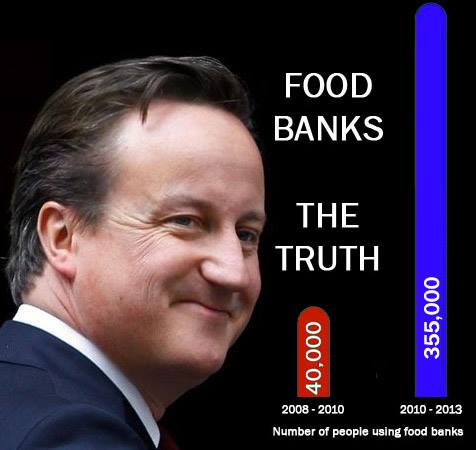

 Politics and Insights