Category: Welfare

The moral nihilism of the Coalition

tumblr_m81dzafFA21qcekj1o1_500
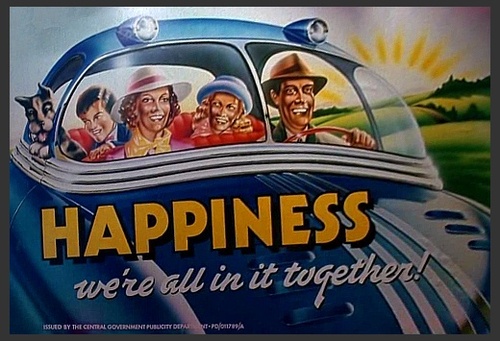
Poster and slogan from Terry Gilliam’s dystopic film “Brazil”. David Cameron evidently has a strong sense of taunting irony.

Narratives of “welfare dependency” have once again become much more common place and increasingly assertive under the coalition Government – embedded in narratives driven by the the so-called Skivers and Strivers dichotomy. Poverty, according to this distinctly Tory perspective, is caused by a culture of deviance, idleness and dependency. The poor are responsible for their poverty. They cannot be trusted to be responsible, or make the right choices for themselves – or society more generally – and so are in need of paternalistic guidelines and cognitive behaviour therapy. Poverty is being re-responsiblised.

But the rich are not getting richer whilst the poor get poorer: the rich are getting richer because the poor getting poorer. There’s a chasmic conflict of interest between the rich persons’ selfish, individual goals and collective societal values.

A simple truth is that poverty happens because some people are very, very rich. That happens ultimately because of Government policies that create, sustain and extend inequalities. The very wealthy are becoming wealthier, the poor are becoming poorer. This is a consequence of vulture capitalism, designed by the sheer opportunism and pathological greed of a few, it is instituted, facilitated and directed by the Tory-led Coalition.  

Welfare provision was paid for by the public, via tax and NI contributions. It is not a handout. It is not the Governments money to cut. That is our provision, paid for by us to support us if and when we need it. It’s the same with the National Health Service. These public services and provisions do not and never did belong to the Government to sell off, exploit to make a profit from, to strip bare, as they have done

For the Tories, the competitive pursuit of economic gain is the only freedom worth having. And only those that have gained substantially have freedoms worth having. Let’s not lose sight of the fact that this social Darwinist approach to socio-economics means unbridled private business, insidious systematic indoctrination, gross exploitation of the masses and political extortion.

Public understanding is being purposefully distorted and the reality of society’s organisation is concealed to serve the interests of an elite, through a process of ideological hegemony – whereby existing political arrangements, ways of thinking and social organisation are tacitly accepted as logical and “common sense”. The media serve as ideological state apparatus that transmit this “common sense”. The truth is that poor people are the victims of politically manufactured  inequality and crass exploitation. Our once progressive, civilised society is being savagely dismantled, and the Tories are steadily and clumsily re-assembling it using identikit Victoriana.

The truth is that David Cameron has deliberately and spitefully targeted the poorest and most vulnerable to bear the brunt of the austerity cuts. When we actually look at the relative targeting of the Tory-led cuts of different social groups, then we see that:

  • People in poverty are targeted 5 times more than most citizens
  • Disabled people are targeted 9 times more than most citizens
  • People needing social care are targeted 19 times more than most citizens.From: A Fair Society? How the cuts target disabled people 

This is a Government that deliberately creates insecurity and scarcity for many: income, employment opportunities, affordable housing, education opportunities, access to justice, health, energy, for example, whilst private companies make lots of money from these deliberately engineered circumstances, such as by using workfare to boost their profits from the use of free labour (at the expense of the tax payer).

The Governments’ economic decisions, policies and driving, incoherent ideology has created high unemployment and underemployment, job instability, they’ve devalued the worth of labour, excluded those who are vulnerable from the labour market by withdrawing support from them, and then has the vindictive gall to savagely blame the victims of its own crimes, for those crimes, conducting media character assassinations of the poorest, the weakest, demeaning people via the media, stripping them of their dignity and LYING about them.

Our economy is being tailored by the Tories to serve 1% of the population and this has a detrimental effect on everyone else. The Government has removed support and services for the people who need them most, whilst insisting that they must work. To regard the poorest and most vulnerable members of our society as less valuable, and to constantly attack them via the media is quite frankly disgusting conduct for a Government and those that support these despicable and hideous political narratives and policy actions. Such narratives say everything about the authors, and have nothing meaningful at all to say about those left in the situations that this Government have manufactured via policies: those situations which none of them have ever had to experience or face personally.

When they diminish others, they diminish us ALL.

No-one seems to have challenged the idea that working to make someone else very wealthy is somehow virtuous, either. By implication, those that cannot work are regarded as lesser citizens, and that has become tacitly accepted. We have, once again, a Government that makes labouring compulsory, regardless of a persons capability, yet the same Government has devalued labour in terms of wages, rewards, and working conditions, whilst handing out huge amounts of our money to those exploiting the poor unemployed, the sick and disabled. And Tories are always about vicious and divisive rhetoric. Growing social inequality generates a political necessity for prejudices.

Most people who don’t work have no choice about it due to circumstances, such as poor health, disability, caring responsibilities, parenting responsibilities and a lack of reliable, affordable childcare, being frail and elderly. These are reasons that are completely out of a persons control. People forget that ill health doesn’t discriminate: it can happen to anyone. And so can unemployment. No-one is invulnerable, except for the very wealthy: the ones that won’t ever need any state support.

Let’s hear some mention of facts in the media, instead of the usual Tory mouth pieces sanctimoniously preaching at people, “advising” how to manage their loss of lifeline support better, whilst endorsing the sadism of this Government. Let’s hear a loud and civilised call for the halt to the current program of cruel cuts, which are disproportionately targeted at those with the very least, whilst this Government rewards those with the very most with massive tax handouts. Let’s hear the demand for decency, and a new and fair welfare system that is built on a fundamental recognition of the equal worth of all human beings and the guarantee of human rights for all.

It’s time we stood up as a nation on our hind legs.

538861_380839531985581_164896303_n                   Thanks to Robert Livingstone for his brilliant art work.

This was originally written as a part of a longer piece of work: The right-wing moral hobby horse: thrift and self-help, but only for the poor.

welfare reforms and the language of flowers: the Tory gender agenda

994596_517805604955639_608589568_n

In all places, then, and in all seasons,
Flowers expand their light and soul-like wings,
Teaching us, by most persuasive reasons,
How akin they are to human things.” – Henry Wadsworth Longfellow’s Flowers from Voices Of the Night

Ring-a-ring-a-roses,
A pocket full of posies;
Ashes! Ashes!
We all fall down – Traditional

Part one

The axis of marginalisation

George Bernard Shaw immortalised the Victorian East End flower girls in Eliza Doolittle, in his play “Pygmalion.” The play is a sharp lampoon of the rigid British class system of the day and must also be read as a commentary on women’s striving for independence. The play was subsequently adapted numerous times, most notably as the highly romanticised musical “My Fair Lady” (and the film, starring Audrey Hepburn). But there was a historical reality behind Shaw’s fiction that was far less glamorous, he edited out genuine representation of so many miserable lives filled with a constant, dehumanising, gnawing ache of absolute poverty and oppression.

Assumptions about women’s roles have historically shaped public policy. And they still do. Historically the Victorian era was a time of many contradictions, such as the widespread cultivation of an outward appearance of dignity, a strict social code of conduct and prudish sexual restraint together, with the prevalence of social phenomena such as prostitution and child labour. Hardly surprising that an affluence of social movements arose from attempts to improve the prevailing harsh living conditions for so many under a rigid class system.

The Victorian era was founded on optimistic Modernist notions of progress, but it ought to serve as a historical lesson in the social evils of Elitism, the Victoran Era saw great expansion of wealth and  power that was  not shared or “trickled down” in the slightest. But it seems we never learn. Victorian Britain was a land of laissez-faire capitalism and self-reliance. Government regulation was minimal and welfare was left mostly to charity.

At the same time that explicit erotica was beginning to appear in newspapers, emotions and sexual feelings were expressed by means of cryptological communications through the use or arrangement of flowers. “Talking bouquets” called “nosegays” or “tussie-mussies” were used to send coded messages to the recipient, allowing the sender to express feelings that could not be spoken out loud in Victorian society.

The language of flowers was used by women to speak for women at a time when women often were discouraged from speaking for themselves in society. In the UK, (and the US) the language of flowers was a popular phenomenon and was traditionally associated with Victorian womanhood ideals for women to be pious, pure, domestic, and submissive to their husbands.

When a woman married, she had no independent legal status. She had no right to any money (earned or inherited), she could not make a will or buy property, she had no claim to her children, she had to move with her husband wherever he went. If her husband died, he could name the mother as the guardian, but he did not have to do so.

During Victoria’s reign, Britain was also ruled by an aristocratic elite that excluded democrats, radicals, and workers. The Government was not fully representative, since in 1832, only 20 percent of the population could fulfil the property qualifications to vote.

The Victorian era is almost synonymous with the ideology of “great men” – “outstanding” male individuals, whose features and life stories fill the National Portrait Gallery (founded 1856) and the patriarchal Dictionary of National Biography (launched 1882) while their exploits were hymned in key texts like Thomas Carlyle’s Heroes and Hero Worship (1841) and Samuel Smiles’s Self-Help (1859).

Throughout the era, “masculine” values of action, courage and endeavour supported military campaigns and commercial expansion. Women were allotted a subsidiary role, with patience and self-sacrifice the prime feminine virtues, and central to their domestic roles. Motherhood was idealised, alongside virginal innocence, but women were subject to pervasive denigration.

Towards the end of the century, strident misogyny was still strong in both popular fiction and academic writing – but as loudly as female inferiority was declared immutable, women everywhere began to demonstrating otherwise, challenging the axis of patriarchy, and the architects of their marginalisation.

Patterns of patriarchal authority were reinforced by social philosophers like Auguste Comte, Arthur Schopenhauer, Herbert Spencer, Pierre-Joseph Proudhon and John Ruskin, this developed into a mid-century doctrine of “separate spheres” –  men were figured as competitors in the amoral, economic realm while women were positioned as either decorative trophies or spiritual guardians of men’s immortal souls.

From the 1860s, social construction of the the Darwinian theory of “survival of the fittest” (a phrase coined by sociologist, Herbert Spencer, not Darwin) added a pseudo-scientific dimension which placed men higher on the evolutionary ladder. This theory of evolutionary ethics is an attempt to derive morality from “biological laws”, and is based on the general doctrine of evolution connected to Darwin.  Malthus’ Essay on Population (1766-1834) was another significant influence on Victorian attitudes.

The mid-century was notable for its moral panic over prostitution, which developed – despite a “permissive” interval in the 1860s – into demands for male chastity outside marriage. At the end of the era, a socially shocking topic was that of the virginal bride (and her innocent offspring) infected with syphilis by a sexually experienced husband. But during the Victorian era, the concept of pater familias, meaning the husband as head of the household and moral leader of his family, was firmly entrenched in British culture.

It was women that were perceived as unclean and this perception was worsened through the First Contagious Diseases Prevention Act in 1864. Women suspected of being unclean were subjected to an involuntary genital examination. Refusal was punishable by imprisonment; diagnosis with an illness was punishable by involuntary confinement to hospital until perceived as cured.

The disease prevention law was only ever applied to women, which became the primary rallying point for activists who argued that the law was both ineffective and inherently unfair to women. The examinations were inexpertly performed by male police, women could be suspected based on little or no evidence, and the exams were painful and humiliating. After two extensions of the law in 1866 and 1869 the unjust acts were finally repealed in 1886.

Bringing together political and personal demands for equality, the slogan: “Votes for Women, Chastity for Men” was coined. Feminist ideas spread among the educated female middle classes,  and the women’s suffrage movement gained momentum in the last years of the Victorian Era.

In addition to losing money and material goods to their husbands, Victorian wives became property to their husbands, giving them rights over their bodies and what their bodies produced; children, sex and domestic labour. Marriage abrogates a women’s right to consent to sexual intercourse with her husband, giving him ownership. Their mutual matrimonial consent therefore became a contract of surrendered autonomy for women.

While husbands quite often participated in affairs with other women, wives endured infidelity as they had no rights to divorce on these grounds and their divorce was considered to be a social taboo. Even following divorce, a husband had complete legal control over any income earned by his wife; women were not allowed to open banking accounts.

The context for such oppression was set around a century and a half ago, a few years before Queen Victoria ascended the throne, a Royal Commission of Parliament proposed a major reform of the Poor Law. The bastardy clauses of the New Poor Law of 1834 outlined that “women bear financial responsibilities for out-of-wedlock pregnancies.” In 1834 women were made legally and financially supportive of their illegitimate children.

It was a Conservative and Liberal project – largely influenced by Thomas Robert Malthus and disseminated by the 1834 Poor Law Report from His Majesty’s Commissioners for Inquiring into the Administration and Practical Operation of the Poor Laws and such novelists as Harriet Martineau – asserting that poverty arose from overpopulation and that women more so than men were responsible for determining demographic growth. (Yes, really).

Single mothers and their out-of-wedlock children represented the worst violators of independence and individualism, and the centuries-old welfare provisions offered them among the worst obstacles to a free market.

Radical critics perceived in the bastardy clauses a challenge to traditional notions of protecting society’s weak and of allowing the working class the “right” to receive parish and charitable aid. Furthermore, critics recognised that the sexual double standard inherent in the new clauses revealed the ideology of Liberalism: the Liberal system magnified rather than minimised the advantages enjoyed by society’s enfranchised and the disadvantages experienced by society’s weakest members.

The Commissions report, presented in March 1834, was largely the work of two of the Commissioners, Nassau Senior and Edwin Chadwick. The report took the outline that poverty was essentially caused by the indigence of individuals rather than economic and social conditions. Paupers claimed relief regardless of his merits: large families got most, which encouraged improvident marriages; women claimed relief for bastards, which encouraged immorality; labourers had no incentive to work; employers kept wages artificially low as workers were subsidised from the poor rate. (Aha, the Daily Mail and déjà vu)

The New Poor Law of 1834 was based on the “principle of less eligibility,” which stipulated that the condition of the “able-bodied pauper” on relief  be less “eligible” – that is, less desirable, less favourable – than the condition of the independent labourer. “Less-eligibility” meant not only that the pauper receive less by way of relief than the labourer did from his wages but also that he receive it in such a way (in the workhouse, for example) as to make pauperism less respectable than work – to stigmatise it. Thus the labourer would be discouraged from lapsing into a state of “dependency” and the pauper would be encouraged to work.

The Poor Law “made work pay”, in other words.

Did I hear a collective, weary sigh, heavily laden with a strong sense of déjà vu? The parallels to be drawn here are no coincidence.

540695_532291630173703_1425159679_n (1)

Part two

The Tory motto: the more things change, the more they stay the same

The Victorian era has made a deep impact upon Tory thinking, which had always tended towards nostalgia and tradition. Margaret Thatcher said that during the 1800s:

Not only did our country become great internationally, also so much advance was made in this country … As our people prospered so they used their independence and initiative to prosper others, not compulsion by the state.

There she makes an inference to the twin peaks of callous laissez-faire and the mythical “trickle down” effect. Yet history taught us only too well that both ideas were inextricably linked with an unforgivable and catastrophic increase in destitution, poverty and suffering for so many, for the purpose of extending profit for a few.

Writing in the 1840s, Engels observed that Manchester was a source of immense profit for a few capitalists. Yet none of this significantly improved the lives of those who created this wealth. Engels documents the medical and scientific reports that show how human life was stunted and deformed by the repetitive, back breaking work in The Condition Of The Working Class In England. Constantly in his text, we find Engels raging at those responsible for the wretched lives of the workers. He observed the horror of death by starvation, mass alienation, gross exploitation and unbearable, unremitting poverty.

The great Victorian empire was built whilst the completely unconscientious, harsh and punitive attitude of the Government further impoverished and caused so much distress to a great many. It was a Government that created poverty and also made it dishonourable to be poor.

Whilst Britain became great, much of the population lived in squalid, disease-ridden and overcrowded slums, and endured the most appalling living conditions. Many poor families lived crammed in single-room accommodations without sanitation and proper ventilation.

That’s unless they were unlucky enough to become absolutely destitute and face the horrors of the workhouse. It was a country of startling contrasts. New building and affluent development went hand in hand with so many people living in the worst conditions imaginable.

Michael Gove has written:

For some of us Victorian costume dramas are not merely agreeable ways to while away Sunday evening but enactments of our inner fantasies … I don’t think there has been a better time in our history”  in “Alas, I was born far too late for my inner era.

A better time for what, precisely? Child labour, desperation? Prostitution? Low life expectancy, disease, illiteracy, workhouses? Or was it the deferential protestant work ethic reserved only for the poor, the pre-destiny of the aristocracy, and “the rich man in his castle, the poor man at his gate”?

In a speech to the CBI, George Osborne argued that both parties in the coalition had revitalised themselves by revisiting their 19th-century roots. When Liberal Democrat David Laws gave his first speech to the Commons as the secretary to the Treasury, Tory MP Edward Leigh said: “I welcome the return to the Treasury of stern, unbending Gladstonian Liberalism”, and  Laws recognised the comparison to the Liberal prime minister,and said:

I hope that this is not only Gladstonian Liberalism, but liberalism tinged with the social liberalism about which my party is so passionate.

The Coalition may certainly be described as “stern and unbending,” if one is feeling mild and generous.

I usually prefer to describe them as “authoritarian”.

We know that the 19th-century Conservative party would have lost the election had it not been rescued by Benjamin Disraeli, a “one nation” Tory who won working-class votes only because he recognised the need and demand for essential social reform. Laissez-faire, competitive individualism and social Darwinism gave way to an interventionist, collectivist and more egalitarian paradigm. And there’s something that this Government have completely missed: the welfare state arose precisely because of the social problems and dire living conditions created in the 19th century.

The 19th century also saw the beginnings of the Labour Party. By pushing against the oppression of the conservative Victorian period, and by demanding reform, they built the welfare state and the public services that the current Government is now so intent on dismantling.

During the Victorian era, oppression of women was embedded deeply in psychic, political and cultural processes. It’s quite easy to see how some feminists came to attribute the characteristics of violence and hierarchical authoritarianism to men.

However, whatever claims we make as truths of our biological “natures”, the is/ought distinction highlights our (degree of) autonomy and emphasises our moral responsibilities and choices regarding social organisation, also. In this respect, debating the fundamentals of sex-based attributes and gender stereotypes is futile, because we have ethical and social obligations that transcend bickering about “biological facts.” The traditional binary opposition between “equality”and “difference” is a damaging one, especially in assessing the debate in terms of social rights and needs.

The welfare reforms present a particular challenge to the financial security and autonomy of women. The “reforms” have been strongly influenced by (a particular form of) economic modelling, and do not take into account the lived experiences or the impact of the cuts on those targeted. Conservative ideology also informs the reforms and the Government uses out-of-date model of households and concern about “dependency” on state, not within families.

The form of modelling depopulates social policy, dehumanises people, and indicates that the Tory policy-makers see the public as objects of their policies, and not as human subjects. We therefore need to ask whose needs the “reforms” are fulfilling.

Our welfare system has brought the UK a high degree of social and income equality. Economists, it seems, disagree on the effect that inequality has on economic growth, however. Some argue that it promotes growth, others insist that it’s a barrier, but very tellingly, most would like to live in a country with a high degree of income equality as one of the main indicators for a high score on the human-development index.

In developed Liberal democracies, the state plays a key role in the protection and promotion of the economic and social well-being of its citizens. It is based on the principles of equality of opportunity, equitable distribution of wealth, and public responsibility for those unable to avail themselves of the minimal provisions for an acceptable quality of life.

The welfare state is funded through redistributionist taxation. Such taxation usually includes a larger income tax for people with higher incomes, called a progressive tax. This helps to reduce the income gap between the rich and poor.

The UK Government’s welfare “reform” programme represents the greatest change to benefits biggest changes to welfare since its inception. These changes will impact the most vulnerable in our society. In particular, women rely on state support to a greater extent than men and will be disproportionately affected by benefit cuts.

Former Conservative leader Iain Duncan Smith (who didn’t manage to lead his party to an election due to losing a motion of no confidence) is largely responsible for this blitzkreig of apparent moral rigour, a right wing permutation of “social justice” rhetoric and harsh Victorian orthodoxy.

The Government asserts that its welfare “reform” strategy is aimed at breaking the cycle of “worklessness” and dependency on the welfare system in the UK’s poorest families. Poor Law rhetoric. There’s no such thing as “worklessness,” it’s simply a blame apportioning word, made up by the Tories to hide the fact that they have destroyed the employment market, as they always do.

The strategy fails to explicitly acknowledge the link between women’s poverty and child poverty, it fails to provide the supports needed in terms of flexible childcare and flexible working that women with children need in order to work, and it sets the “blame” for poverty squarely at the feet of the UK’s most disadvantaged families, stigmatising them further and pushing them deeper into poverty as an ideologically-driven means of “freeing” them from poverty.

The “reforms” (cuts) consist of 39 individual changes to welfare payments, eligibility, sanctions and timescales for payment and are intended to save the exchequer around £18 billion. How remarkable that the Department of Work and Pensions claim that such cuts to welfare spending will “reduce poverty.

There’s nothing quite so diabolical as the shock of the abysmally expected: the brisk and brazen Tory lie, so grotesquely untrue. Such reckless rhetoric permeates Government placations for the “reforms”. The “reforms” were hammered through despite widespread protest, and when the House of Lords said “no“, the Tories deployed a rarely used  and ancient parliamentary device, claimed “financial privilege” asserting that only the Commons had the right to make decisions on bills that have large financial implications.

Determined to get their own way, despite the fact no-one welcomed their policy, the Tories took the rare jackbooted, authoritarian step to direct peers they have no constitutional right to challenge the Commons’ decisions further. Under these circumstances, what could possibly go right?

Recently the Government effectively abolished the Child Support Agency. Very quietly. With immediate effect it is replaced, in part, by the Child Maintenance Service (CMS). This will cover new arrangements for separated and divorced families where two or more ­children are involved – and will ultimately cover all separated families.

Closure of around one million existing cases starts next year. At which point, if families want to join the new CMS, they need to reapply, start from scratch and pay an initial £20 fee.

The most controversial measure is the introduction of charging for use of the service, which is being held back until 2014. Parents will be encouraged to bypass the CMS altogether and make their own arrangements.

The Government’s own analysis shows that one in 11 – 100,000 – families will drop out of the system entirely and stop getting maintenance for their children rather than go through the stress of ­reapplying.

Gingerbread, an organisation that campaigns for lone parent families have already pointed out that in such tough financial times, any missed payments could have a serious impact on children.

Whilst the Government claim that “encouraging parents to agree terms” regarding supporting children is a positive move, it doesn’t take a genius to work out that if such negotiations came with ease, then couples with children wouldn’t separate in the first place, surely.

There is already provision in the law for encouraging divorcing  parents to reach an “agreement of terms”. There will usually be a family court adviser from the Children and Family Court Advisory and Support Service (Cafcass) to support with parents via mediation, including reaching agreements about child maintenance.

And what of those relationships that have been abusive – where one partner has fled domestic violence, for example?

According to Home Office figures, 1.2 million women reported that they experienced domestic abuse last year in the UK, including half a million victims of sexual assault.

Traumatised women who have just left violent partners, and whose children are distressed, have little respite from the Government imposed obligation to attend “work-focussed interviews” as a condition of getting money to live on. When claimants miss Jobcentre appointments and “work-focussed interviews”, they are sanctioned and lose their benefit, and the Housing Benefit which pays for a refuge place stops too.

Citizens Advice has reported a substantial increase in the number of people telling advisers they are victims. Their figures reveal that 13,500 people – 80% of them women – reported domestic violence to Citizens Advice last year.

There were 3,300 reported incidents between October and December 2012, an 11% increase on the same period the previous year. More than 30% of women have suffered domestic violence.

Convictions for domestic violence rose to 74% of prosecutions in the year leading up to  to March – not far behind the average for other violent crime and up from 60% in 2005-6. At the same time the rape conviction rate was 63.2%, up from 62.5% last year. Ten years ago rape conviction rates were not recorded by the CPS.There is a hidden epidemic of abuse undermining decades of progress in the women’s liberation movement.

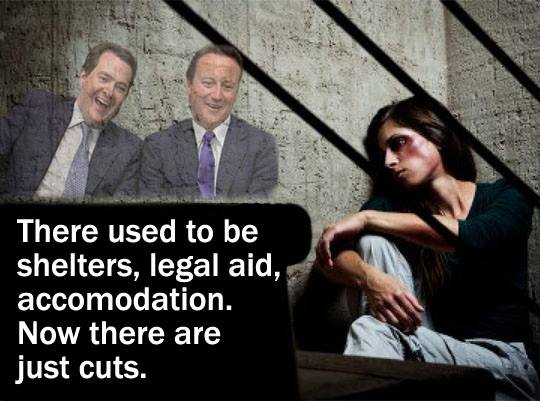
Obtaining legal assistance for cases of domestic violence is now much more difficult that it was last year. The legal aid budget is being cut by £350 million a year. With 57% of recipients of legal aid being women, thousands will find themselves without the means to get representation. It has been estimated that 54% of women suffering from domestic violence would not qualify for legal aid. That is unacceptable.

The Everywoman Safe Everywhere Commission, chaired by former Labour MP Vera Baird, says:

Just as there is now overwhelming evidence that women have borne the brunt of the economic recession so too it is clear the services designed to keep them safe are now under threat too.

The Commission found services offering help and ­counselling to abused wives and girlfriends have had their funding cut by 31% since May 2010. As a result women’s refuges are facing closure or having to cut services. There is also a real fear that cuts to housing benefit mean many will not be able to claim help towards staying in a refuge. 

Research by Shelter and Cambridge University suggests that the reforms will in fact cost more in terms of the extra strain on local authorities, such as homeless accommodation services, and the National Health Service.

Income Support, Child Benefit and Child Tax Credit for lone parents will be reduced and lone parents will now face new sanctions if they do not find work promptly. They will only receive Income Support if their children are less than 5 years old. Lone parents whose children are older than 5 will have to apply for Job Seekers Allowance and find work regardless of local childcare opportunities.

Such difficult barriers to navigate ordinarily, but for someone enduring the trauma of abuse and fear, it is even more unacceptable to impose such punitive measureson such avery vulnerable social group.

Victims of domestic violence must now show medical evidence before they can qualify for legal aid in family cases. Women and children living with domestic violence may have to visit more than 13 different agencies to get the help they need. For some women the energy and resilience required to persevere and navigate complex services are understandably lacking.

Added problems are that many women are very afraid that their children may be taken into care, that they will be judged as poor parents; bad mothers. And they are right to be afraid.

I have heard professionals talk about women “choosing” to let a violent man back into the family home and expressing their opinion that her relationship with the violent man is obviously more important to her than her relationship with her children.

Yet their reality can be so very extreme and difficult to comprehend because of the utter desperation that these circumstances create – women have absolutely no choice when they have a knife at their throat, or the real and believable threat that the house will be set on fire and the children killed if she doesn’t allow her partner back in.

The risk of letting a violent partner back into the family home, even though this will mean facing daily violence and abuse and the possibility of your children being taken into care is less of a risk than not letting a violent partner back into the home. And we hear, almost on a weekly basis that “distraught” fathers/ husbands have killed or attempted to kill their partners and/or children.

Women also know from painful and bitter experience that the police, the courts, the women’s refuge, social services, the probation service cannot protect her or her children from a man who is determined, obsessive and relentless. Women who are killed by their partners or former partners almost always tell someone “he is going to kill me.” And how has that become normal, within our society?

Our response to domestic abuse, as professionals, as a society and as individual human beings is difficult to understand. We react strongly to reports of war crimes, of torture and institutional abuse and yet we tolerate the long term, unrelenting abuse of women and children in their own homes and blame and punish women when they cannot protect themselves or their children. And the Tory-led welfare processes further narrow the options for women and children experiencing domestic violence.

Refuges for women are reporting that their very existence is under threat from drastic changes to the UK’s welfare system. Without these vital services, more women will be at continued risk of abuse – or worse.

The housing benefit on which refuges depend is the lifeblood of the national network of services that keep women and children safe. But this vital source of income is now at risk. Many of refuges do not meet the official definition of “supported exempt accommodation,” which means that a lot of the women needing support will fall foul of the benefit cap rolled out in July.

This will be particularly damaging for women who pay two rents – one for the refuge they are living in temporarily, and the other for the home they have fled.

Women who move on from refuges and resettle in areas of high rent may also be plunged into debt as a result of the cap. Those who accumulate rent arrears may face eviction and be left with an impossible dilemma either to sleep rough or return to their violent partner.

The new universal credit scheme presents further problems for lone parents. Under this system, all benefit payments will go directly to one member of a couple. In cases of domestic violence, this could give perpetrators command of household income, further enabling them to control and isolate their partners.

One of the most devastating impacts of welfare reform has been the abolition of community care grants and crisis loans. These are two of the most crucial resources for women and children trying to rebuild their lives following abuse. For women moving to new, safe homes, these benefits enabled them to buy items such as beds and refrigerators. The local schemes that have been set up to replace them are underfunded and poorly managed, often providing food bank vouchers instead of cash.

One woman recently supported didn’t even have enough money to buy beds for her two small children. Another woman was delighted to secure a new home in a safe area, but was refused funding for furniture by her local scheme. When a refuge worker applied to children’s services on her behalf, their response was to offer to take her children into care. Is this really the kind of empowerment we must expect for victims of domestic violence who are struggling to forge new lives?

Local authorities are under enormous pressure to limit spending, and their response has been to prioritise funding for residents with a “local connection.” This move is deeply concerning, since women fleeing domestic violence frequently move great distances in search of safety.

One resident recently secured new housing in a different local authority from the refuge she had been staying in, but was refused funding assistance because she had did not qualify as a local resident.

The sum total of consequences of these new welfare processes is bleak. They are narrowing options for women and children experiencing domestic violence and threatening the survival of vital services like refuges.

Local and central Government must ensure that victims of domestic violence do not fall through the gaps in these reforms. Local authorities must train their staff in the complex dynamics and risks of abuse, so that every woman who needs support to rebuild her life is given professional, sensitive consideration, not subjected to a box-ticking exercise. Central government must ensure that refuges are included in the definition of supported exempt accommodation. This will help to protect funding for the network of safe houses that keep women and children safe across the country.

Domestic violence is a national problem. It is a problem that kills an average of two women every week. It is increasing, and we must not risk the reforms inflating this horrific statistic even further.

Gingerbread, the charity representing single parents, has campaigned against the “disproportionate” effects of the benefit cap on single parents who are not working. Families with a single parent make up three-quarters of those losing money in trials of the coalition’s £500-a-week benefit cap, new Government figures show.

Pilot schemes in four London areas discovered that 74% of people affected by the cap in its first few months were lone parents living with their children.

The effect on single parents in these areas has been found to be bigger than the national picture predicted in the Department for Work and Pensions’ impact assessment. It’s unfair that lone parents and their children should bear the brunt of the Government’s failure to address the underlying cause of housing benefit rises: the shortage of affordable housing and the greed of private landlords.

Fiona Weir, Gingerbread’s chief executive, said:

Thousands of young children from single-parent families will face deeper poverty, or the upheaval of having to move away from their family networks and communities as a result of this poorly conceived benefit cap.”

The Government has denied that its cap is aimed at forcing lone parents with young children to go back to work of course. Mark Hoban argued that the scheme is simply “designed to strengthen work incentives and create ‘fairness’ between those in work and those out of it”.

So Hoban and the Tories think that “fairness” is to impoverish lone parents and their children. The punitive approach to poverty didn’t work during the last century, it simply stripped the unfortunate of their dignity, and diverted people, for a while, from recognising the real cause of poverty. It isn’t about individual inadequacies: the poor do not cause poverty, but rather, Governments do via their policy and economic decision-making. Owen Jones recently claimed that “the political right is the inevitable, rational product of an unequal society”.

I disagree. Unequal society is and always has been the rational product of Conservative Governments. History shows this to be true. Tory ideology is built upon a very traditional feudal vision of a “grand scheme of things,” which is extremely and sharply hierarchical.

There are currently only 146 female MPs, out of a total 650 members of parliament. The Tories have only 48 female MPs and 256 male ones. To say that women are under-represented in parliament would be a gross understatement.

In an article titled “Gender Inequality and Gender Differences in Authoritarianism” by Mark J. Brandt and P.J. Henry, it is recognised that there is a direct correlation between the rates of gender inequality and the levels of authoritarian ideas in the male and female populations.

It was found that in countries with less gender equality where individualism was encouraged and men occupied the dominant societal roles, women were more likely to support traits such as obedience which would allow them to survive in an authoritarian environment, and less likely to encourage ideas such as independence and imagination.

In countries with higher levels of gender equality, men held more authoritarian views. It is believed that this occurs due to the stigma attached to individuals who question the cultural norms set by the dominant individuals and establishments in an authoritarian society, as a way to prevent the psychological stress caused by the active ostracising of the stigmatised individuals.

The private sphere is the part of our social life in which individuals enjoy a degree of authority, unhampered by interventions from Governmental or other institutions. Examples of the private sphere are our family, relationships and our home.

There has been an increasing intrusion by Government into the private domain, (the bedroom tax is a good example of this, since it affects our family sleeping arrangements and significantly reduces the choice of home we are permitted to live in) whilst at the same time, our participation in the public domain of  work, business, politics and ideas is being repressed, and we are once again being contained in the private domestic sphere.

The enforcement of the public/private divide was a significant feature of the Victorian Era, too. This divide reflects gendered spaces of men and women. The mantra of second wave feminism, “the personal is political,” signifies the first attempt to break down the gendered division between the private sphere attributed to women and the public sphere and freedoms of men.

In the course of history, women’s voices have been silenced in the public arena. We must therefore contest majoritarian conceptions of the public sphere, once again, that underpin traditional notions of gendered spaces, whilst we also vindicate a robust private sphere that protects minorities from quasi-majoritarian political assault.

For some of us Victorian costume dramas are not merely agreeable ways to while away Sunday evening but enactments of our inner fantasies … I don’t think there has been a better time in our history” – Michael Gove

God preserve us from the rigidly conservative and traditional inner fantasies that have spilled over into the policies of these lunatics, who have no regard, clearly, for human dignity, human rights and the equality of esteem and worth of all citizens.

Once again we see the most vulnerable bear the brunt of the ideologically-driven austerity measures. Welcome back to Victorian patriarchy. This Government refuse to listen, even worse, they go to great lengths to silence us, and they have not been reasonable.

But calm down dears, perhaps Cameron would be more responsive to a nice posy.
1st jan 2009


Equality impact assessments: the current legal position in UK

Government must show due regard, when developing new policies/processes, to their impact on race, disability and gender; Equality Act 2010 (April 2011) adds new categories

  •  Processes should be in place to help ensure that :

– strategies/policies/services are free from discrimination;
– departments comply with equalities legislation;
– due regard is given to equality in decision making etc.; +
– opportunities for promoting equality are identified

  •  Equality Impact Assessments: show impact on protected

– groups (including women) of proposed policy changes, to
– ensure that policies do what is intended and for everybody.

Coalition budget faces legal challenge from Fawcett Society over claims women will bear brunt of cuts

The Fawcett Society’s immediate response to the Chancellor’s 2013 Budget Statement

Government strategy – Preparing for the future, tackling the past -Child Maintenance – Arrears and Compliance Strategy 2012 – 2017

TUC Briefing: The Gender Impact of the Cuts

For help and advice about the  CSA changes: gingerbread.org.uk .

If you are experiencing domestic violence, the free 24-hour National Domestic Violence Freephone Helpline is: 0808 2000 247

Advice on domestic violence and Legal Aid eligibility – Rights of Women

Women’s Aid – The Survivor’s Handbook

Darren Hill: U.K Welfare Reform and the Youth Contract.

547145_195460507271672_1145852710_n
Thanks to Robert Livingstone for his superb art work

The Great Debt Lie and the Myth of the Structural Deficit

1017174_500690710000462_512008904_n

The case for austerity measures rests on the Great Debt Lie and the myth of the structural deficit.

The 2008-9 recession was the worst we have experienced globally for sixty years, and it was predicted by no-one. The Labour Government responded to the global crisis with fiscal stimulus. From the start of the financial crisis, Labour took decisive and clear action (including temporarily cutting VAT to boost demand), and it has become increasingly clear that it was this decisive action that brought about the green shoots of recovery by the last quarter of 2009. (Radeke, 2009).

This, combined with the usual effects on GDP of a recession, meant that the budget deficit rose. But without such swift action we simply would not have the signs of tentative recovery that we saw as a result. So what went wrong? What happened to the ‘green shoots of recovery’ that were carefully nurtured by the last Labour Government?

That would be the Tory-led Coaliton. The difference between the recession that happened under Labour and the one under the Tories is that the global banking crisis would have caused recession no matter which party was in office at the time, whereas the current recession is a ‘homegrown’ one that can be directly attributed to Conservative economic policy. Conservatives always cause recession, Margaret Thatcher did, John Major did, and now, David Cameron has.

This Government is cutting the very measures that would ensure not only growth in the short-term, but economic security in the future, too. They are portraying their cuts as ‘necessary’, eliminating ‘waste’,  and ‘efficient’, when in fact they are seriously jeopardising our future economic prosperity: cuts in funding for Regional Development Agencies; scrapping the Future Jobs Fund, which was a success and supported at least 200,000 people back into work through the recession; withdrawing industrial support, and the proposed and systematic cuts to public services, for example.

That is before we even begin to discuss the damning, detrimental economic and social implications of the welfare ‘reforms’ (CUTS), and the Localism Bill (more CUTS), and Legal Aid Bill (even more coordinated and carefully planned Tory CUTS that will serve to keep quiet and hide away subsequent evidence of the rising numbers of impoverished, destitute and starving victims of all of the other CUTS – and subsequent human rights abuses).

And there seems to be very little evidence to support their decisions. No facts, no consultation, no listening to expert advice. Just the ideology of the small state, propped up by notions of ‘self-reliance’ – but only for the poorest citizens of course –  being pursued by the Tory right and the Orange Book Liberals.

The Tory budget is highly regressive, hitting the poorest -people the hardest while asking for very little from those at the top.

Here are some facts which demolish the fallacy that the present economic crisis is the result of excessive spending, leading to unsustainable debt:

  •  Analysis by the Institute of Fiscal Studies (IFS) has concluded that on the eve of the financial crisis ‘the public finances were in a stronger position than they had been when Labour first came to power in 1997.
  •  Average annual spending and taxation were both lower as a proportion of GDP under the last 3 Labour Governments (38% and 35.4%) than under the 4 Conservative governments which preceded them (40% and 35.5%).
  •  National debt was lower as a proportion of GDP at the start of the financial crisis in 2008 (36%) than in 1997, the last year of John Major’s Conservative government (42%).  The national debt is forecast to hit 74.7% of GDP this year and peak at 79.9 per cent in 2015-16.
  • In 2010, the UK’s national debt as a proportion of GDP (52%) was the second lowest of the G7 countries.

The budget deficit is no more ‘structural’ than an overdraft in your bank account when you spend more than you earn. There is either a real deficit or not, and if there is, then it is due to either excessive spending or an inadequate tax take. The Conservatives like to reduce taxes for the wealthiest citizens.

Since it can easily be demonstrated that the problem is not the former, then it must be the latter – caused by the financial crisis and consequent recession and likely to be aggravated when taxes are cut later during this parliament to the benefit of high earners, corporations and banks.

As The Investors Chronicle states (15th February 2010): “The idea of a structural deficit serves a political rather than analytical function. It’s a pseudo-scientific concept which serves to legitimate what is in fact a pure judgement call – that borrowing needs cutting.”  

Osborne began to revive the myth of the structural deficit in June 2010, when it was becoming clear that the deficit would be under £155 billion, well below the Treasury’s £178 billion estimate made six months earlier.

In other words, the deficit was narrowing after Labour increased spending in 2009. The fact that the US, which has made no serious deficit reductions, has suffered almost the smallest recession of any major developed economy, whereas Ireland and Greece have suffered the worst because of drastic spending cuts further undermines the Government’s claim that radical austerity measures are needed – and shows that Osborne’s main aim is not to reduce the deficit but to accelerate the transfer of wealth to the already very rich.

And if anyone still wants to talk about a ‘structural’ deficit, then they should remember that the last 3 Labour Governments managed to earn enough to cover their spending for 4 of their 13 years in office, whereas Thatcher and Major only managed to balance the books for 2 out of 17 years.

The Coalition continue to deny that alternatives to austerity are viable. As a Tory lie repetition strategy, this is based on the idea Goebbels had –  repeated lies will somehow convince people that they are true. Cameron was busted when he repeatedly told the lie ‘We are paying down the debt.’ Despite being rumbled and rebuked, the Coalition have stuck with this lie doggedly.

The bonus of the lie is that it may undermine the Opposition’s economic credibility, and the Conservatives particularly delight in the lie that it’s all Labour’s fault because they ‘overspent’ as it further justifies austerity measures and starving public services of lifeline government funding with our paid taxes, as well as stripping our welfare provision away. There will be more cuts to come, too.

It was the Tories that lost the Moody’s Investors Service triple A grade, despite pledges to keep it secure. Moody’s credit ratings represent a rank-ordering of creditworthiness, or expected loss. The Fitch credit rating was also downgraded due to increased borrowing by the Tories, who have borrowed more in 4 years than Labour did in 13.

The Coalition have REALLY messed up the economy. We know it’s a big fat Tory lie that cutting spending at a time of economic recession will re-balance public finances. As many academics and economists have stated, cutting spending when the economy is flat is likely to cause further contraction to the economy, and that will negatively affect public finances, rather than help at all.

The Government will never confess to this because they are so tightly ideologically bound to an übertreiben Neoliberalism, no matter what the cost is in human terms, or even in economic terms. What we need is Labour’s expansionary fiscal policies, not contractionary ones.

Real, sensible economists (and not the token greedy businessmen the Conservatves trot out to address the public with neoliberal ideology) know that the only way to address a recession is to grow the economy, and that means more public spending in the short term to stimulate economic activity and cutting if needed when the economy is back on the up (which needn’t mean absolute cuts, but relative cuts because the economy is growing).

Related

The OBR rebukes Cameron for claiming that austerity has not hit growth

The Tories continue to blame the previous Labour Government for its own actions  – The Blame Game

Letter from Chair of the UK Statistics Authority, Andrew Dilnot to Labour’s Rachel Reeves – Public sector net debt and net borrowing

Cameron rebuked by the UK Statistics Agency chief Andrew Dilnot – Dear Prime Minister

Investors around the world are putting their trust in the only Labour government in the UK – Investors give thumbs up to Labour

Tory Coalition set to borrow more in five years than Labour in 13. Conservative Mark Field confirms.

A list of official rebukes for Tory lies .

Labour’s economic record given clean bill of health at home and abroad

“The economic situation explained in 3 minutes. Tory austerity has given us the slowest recovery since the South Sea Bubble. Professor David Blanchflower absolutely slaughters Cameron over his pre-excuse warning over the world economy, he blames Tory austerity for tanking Britain’s economy and preventing a recovery, and states that any recovery we do have is simply part of the cycle as long as you don’t wreck it with austerity, and confirms that our economy was on the RISE in 2009 / 2010.” From The World At One, Radio 4, 17th November, 2014.

539627_450600381676162_486601053_n (2)

Many thanks to Robert Livingstone for translating my comment into a meme

All facts and figures used here have since been fact checked by Factcheck.


I don’t make any money from my work.  But if you want to, you can make a donation to help me continue to research and write free, informative, insightful and independent articles, and to provide support to others. The smallest amount is much appreciated – thank you.

DonatenowButton

No value in empty gestures: a retrospective analysis of Labour’s response to the the retrospective Sanctions Bill

403898_365377090198492_976131366_n

A few months ago, two young workers at Poundland appealed to the courts against being forced to work for no wages, or else forfeit all their benefits. A court ruling deemed the regulations governing Job Seekers Allowance related sanctions imposed on claimants Cait Reilly and Jamieson Wilson unlawful, and therefore opened up opportunities to claimants having repayment of lost benefits. There were around 230,000 people – other previously sanctioned jobseekers, which means a total of  around £130 million may have reclaimed.

The Tories quickly wrote an Emergency Bill to retrospectively make those same regulations lawful. This was a shocking and tyrannical move that certainly contravenes human rights, and needs to be challenged under EU Human Rights legislation, and hopefully this will come to pass when Cait Reilly and Jamieson Wilson take their case further, to the Supreme Court.

However many people have criticised the Labour Party for its decision of abstaining from the vote on the Emergency Bill. It’s worth noting here that such a move is not the same thing as “supporting” the Tories regarding the Emergency Bill – as the Guardian misreported. Had the Labour Party supported the move by Ian Duncan Smith, they would have voted for the Bill. However, they did not.

Crucially, this two-clause Bill outlined that the same rules would apply as before, as if the case made by the two Poundland workers had never been brought forward.

This is of course objectionable on several grounds. It was retrospective in application, which as always been a cardinal principle of English law should be avoided. It set an appalling precedent that when the courts had struck down a law or regulation as having failed in due process, it could simply be overturned by Government without any proper regard being given to the court’s reasoning or argument for reform.

However, “A leaked email shows staff being warned by managers that they will be disciplined unless they increase the number of claimants referred to a tougher benefit regime.” The Guardian 

That’s something which has been persistently denied by Tory Ministers – but it is something which the Labour Party’s initiated review of sanctions will now strive to get to the bottom of. Well done Labour.

“This is why we took difficult decisions on the Jobseekers’ Bill to secure an independent review of sanctions. We knew there were sanctions targets and now we’ve secured an independent report to Parliament to put right a regime in Job Centres that’s running out of control.” Liam Byrne. 

Many Labour MPs – including front benchers – were aware of the whistle-blowing case before the vote, which was one of the main factors in the decision to abstain from voting.

Labour’s decision to abstain from voting on the Emergency Bill resulted in an unprecedented rage and knee-jerk responses from so many on the Left, and the situation was not helped by the fact that the media did not publish Labour’s press releases on the matter, the crass misrepresentation of Labour’s position on the Bill was considerable and widespread, with claims made that Labour “supported” the Government’s move.

The Government must have been laughing heartily at that one. Yet the situation was a difficult and complex one for the Labour Party, and I maintain that they made the best possible decision they could from where they were situated: between a rock and a very hard place. Well done Labour.

The Emergency bill reinstated the Department of Work and Pension’s power of sanction. Labour supports fair and proportionate sanctions in the context of a guaranteed six-month minimum-waged job. Labour’s position on sanctions is fundamentally different from the one currently held by the Coalition, and crucially, does not incorporate targets to remove benefits from vulnerable people for no good reason.

It was a no-win choice for Labour, with the Liberal Democrats and Tories combined in their vote, there was no way of making an impact or  stopping the Bill by voting anyway. The abstention came with negotiated and hard won concessions, and that was the best possible outcome that labour could secure. It’s important that we understand the complexities of the situation that arose in order to see this.

Ian Duncan Smith had let it be known that if the £130 million were to be repaid, Job Seekers Allowance would be reduced. The losses of the 230,000 already sanctioned were therefore pitched against potential losses for millions of other jobseekers.

That is an appalling prospect, and it was not a threat from Iain Duncan Smith that was widely publicised. It ought to be. It shows clearly that the Opposition are facing the same oppressive authoritarianism as we are.

The important concessions maintain and uphold the right of appeal for jobseekers, and will ensure an essential review of sanctioning practice happens. The review will serve as a guarantor to the Government having its abuses of the sanction system exposed. It wouldn’t have been highlighted otherwise, since review is the best opportunity for a party in opposition to challenge effectively, and demonstrate gross unfairness, and misapplication and administration regarding policies. Especially when the Government doing the maladministration is an authoritarian one. Well done Labour.

Whether or not this will reduce the angry and hysterical knee-jerk responses that many in the party feel and have articulated towards both Byrne and the Labour leadership remains to be seen, but the importance attached to the review of sanctions, and the other secured concessions certainly makes sense to me.

A vote would have been an empty and meaningless gesture, which, perhaps, may have appeased the Narxists, but with no presented opportunity to improve the lot of jobseekers. For me, looking after the interests of the most vulnerable citizens is paramount. Labour did the right thing here.

At least the review and the maintaining of the right to challenge sanctions have been a significant gain from a very difficult situation. Well done Labour, for prioritising content over style, for ensuring that your response was based on an in-depth analysis, and not on the quick and easy option of a populist, superficial ideal – an empty, meaningless gesture of voting, whilst knowing you would gain nothing. Well done Labour. For prioritising and supporting the rights of vulnerable jobseekers. Quite properly so.

Statement from Liam Byrne, the Shadow Secretary of State for Work and Pensioners.

“Most people are against the very idea of a retrospective Bill, especially a Bill pushed through Parliament so fast. I agree. It’s a terrible idea to rush ahead on this. Retrospective legislation does happen from time to time. But the government is moving too fast. It’s taken four weeks to bring forward a Bill that the government wants to push through Parliament in days.

So that’s why we are voting for a motion in the Lords deploring the speed with which the government acted – and its why we’ve argued so hard to maximise the time we have to improve the Bill. But we should be clear about something. If the DWP loses its Supreme Court case in a few weeks time, it might find itself liable for £130 million. Where would that money come from? The Employment Minister Mark Hoban told the House yesterday that it could only come from further benefit cuts.

And here’s the choice I faced in the Commons. Do I do everything to foul up the timetable of the bill, safe in the knowledge that because we lack a majority, the Tories and Lib Dems would ultimately win any vote they liked, whenever they liked? At best this might have delayed the Bill a week or two. Or, do I let the Bill go through before Easter in return for two critical concessions which Labour MP’s actually can actually use in practice to help people over the next two years?

I think we made the right call.

To be honest, I was surprised that Iain Duncan Smith accepted the concessions I demanded. Had I wanted to grandstand I could have forced votes that delayed the timetable a bit. This would have been the small “p” politics of parliamentary legislation. It would certainly have been easier for whips to convince colleagues who were concerned. But even now, after all the fury, I think the most honest way was to gain a guaranteed concession and bank it. Labour are in opposition. We don’t normally get any concessions at all. But now we’ve got two vital changes.

First, we had to make sure that people hit by sanctions have an iron-clad right of appeal against a sanction decision. That’s the right we’ve now ensured is written onto the face of the Bill; it’s the right to appeal on ‘good cause’ (for example, refusing to take a pointless course which is inappropriate) within a 13 month timetable.

There’s something else at stake here. I actually think it’s impossible for anyone to stand in Parliament and say that not one single sanction issued by DWP since 2011 is unfair. We’re not psychic. How could we know? The key thing the DWP got wrong was their notification letters which were too short. Instead of saying:

“If you fail to take part in the [name of employment programme] without a good reason under the Jobseeker’s Allowance (Employment, Skills and Enterprise Scheme) Regulations 2011, your Jobseeker’s Allowance could stop for up to 26 weeks. You could also lose your National Insurance credits.”

They should have said:

“Under the Jobseeker’s Allowance (Employment, Skills and Enterprise Scheme) Regulations 2011, your Jobseeker’s Allowance could stop for up to 26 weeks if you fail, without good reason, to take part in [name of employment programme]. This would include failing to complete any activity that your Provider has required you to do.

  • Two weeks, for a first failure
  • Four weeks, if you have previously received a two-week sanction, whether in relation to your participation in the Work Programme or any other scheme set up under the Jobseeker’s Allowance (Employment, Skills and Enterprise Scheme) Regulations 2011, within the last 12 months; or
  • 26 weeks if you have previously received a four-week or 26-week sanction, whether in relation to your participation in the Work Programme or any other scheme set up under the Jobseeker’s Allowance (Employment, Skills and Enterprise Scheme) Regulations 2011, within the last 12 months.

This was the lack of detail that provoked the Court of Appeal striking down the government’s sanctioning power. I don’t think we know whether every single sanction decision issued since 2011 is wrong. That’s why we need to ensure people hit by sanctions have the right of appeal – to protect the innocent – and that’s what we got guaranteed on the face of the bill.

Second, there’s something else. I’ve heard too many stories – not least from my own constituents – about people being wrongly sanctioned. And that’s why I insisted – and won – an independent review of the sanctions regime with an urgent report to Parliament. We need to use this to ruthlessly expose bad behaviour. It is actually one of the practical things we can do to make a difference over the next year.

The final argument about Labour’s stance on the Bill, is for many, the most emotive; it’s the wide anger about the very existence of ‘mandatory work activity.’ Labour’s view is that work experience can help get young people into work – but – and this is the crucial ‘but’, we strongly feel that young people should be given a real choice of a real job with a real wage. That means a tax on bankers’ bonuses to create a fund which we would spend offering over 100,000 young people a six month job, with training and job search paid at the national minimum wage. And that’s what we will vote for in the House of Lords over the next few days.

Not one Tory spoke on this Bill in the Commons. We’re different. Labour MP after Labour MP spoke in the Commons. We care about this – and we’re right to debate it with passion and vigour   When we stop being angry about this kind of issue will be the day that we lose our soul. But, let’s be under no illusion. Only by standing shoulder to shoulder will we ultimately push this terrible government into Opposition. We are Labour because we care and debate questions like this so passionately. We reject the politics of divide and rule. And we’ve learned the hard way that unity is strength.”

Liam Byrne.

“The Labour Party used the emergency legislation to ensure that all bad sanctioning decisions can be appealed and even more importantly, that the whole sanctioning regime is reviewed. We forced the Government to implement an independent inquiry into the sanctions regime as part of the Jobseekers Bill and voting against the Bill would have prevented this.

Labour is now gathering evidence to submit to that inquiry. If you have evidence of sanctions being handed out inappropriately I would be grateful to have them, so I can include them in Labour’s submission to the independent review.”

Jon Trickett, MP

Well done Labour.

Further reading:

Leaked jobcentre newsletter urges staff to improve on sanctions targets

Hodge demands explanation for DWP denial of jobcentre sanctions targets

Liam Byrne writes to IDS over sanctions whistleblower


224079_411432638926270_715135125_n
 Many thanks to Robert Livingstone, once again, for his brilliant art work

The UK Government have got it wrong about our Human Rights.

564882_438358886199493_1982719183_n
The Joint Parliamentary Committee on Human Rights has conducted an inquiry into the UK Government’s implementation of Article 19 of the United Nations Convention on the Rights of Persons with Disabilities (UNCRPD) – the right to live independently and to be included in the community. The inquiry which began in 2011 has received evidence from over 300 witnesses.

The inquiry has highlighted just how little awareness, understanding and employment of the Convention there is by the Tory-led Government.  Very few of the witnesses made specific reference to the Convention in their presented evidence, despite the inquiry being conducted by the Parliamentary Human Rights Committee, with the terms of reference clearly framing the inquiry as being about Article 19 of the UNCRPD.

“This finding is of international importance”, said Oliver Lewis, MDAC Executive Director, “Our experience is that many Governments are of the view that the CRPD is nothing more than a policy nicety, rather than a treaty which sets out legal obligations which governments must fulfil.”

The report is particularly critical of the Minister for Disabled People (Maria Miller, at the time) who told the Committee that the CRPD was “soft law”. The Committee criticised this as “indicative of an approach to the treaty which regards the rights it protects as being of less normative force than those contained in other human rights instruments.” (See para. 23 in the report, the link is at the foot of this article.) The Committee’s view is that the CRPD is hard law, not soft law.

Dr Hywel Francis MP, Chair of the Committee, said: “We are concerned to learn that the right of disabled people to independent living may be at risk through the cumulative impact of current reforms. Even though the UK ratified the UNCPRD in 2009 with cross-party support, the Government is unable to demonstrate that sufficient regard has been paid to the Convention in the development of policy with direct relevance to the lives of disabled people. The right to independent living in UK law may need to be strengthened further, and we call on the Government and other interested organisations to consider the need for a free-standing right to independent living in UK law.”

“The Government is meant to include disabled people in making sure people have their human rights upheld. We are concerned that a part of the Law on treating people equally and fairly (Equality Act section 149) does not say any more that disabled people should be involved. This is a step backwards.”

In other words, the Tory-led Coalition has quietly removed this part of the Equality Act.

The budget of the Equality and Human Rights Commission (EHRC), which was established by the Labour Party when they were drafting this flagship policy, is being reduced by over 60%, its staffing cut by 72%, and its powers restricted by the Coalition. Provisions that are being repealed by the Enterprise and Regulatory Reform (ERR) Bill include the duty on public authorities to have due regard to the need to reduce socio-economic inequalities.

Savage Legal Aid cuts from April 2013 have also contributed significantly to creating further barriers to ensuring Equal Rights law protect us, and the Tory-driven Legal Aid Bill also contravenes our right to a fair trial under Article 6(1) of the European Convention on Human Rights.

This is not a coincidental multiple policy timeline, but rather a very coordinated political attack on potential legal challenges at a time when Tory-led severe and devastating multiple welfare and provision cuts have affected disabled people so disproportionately. The changes, which came into effect in April, will hit the same group of disabled people over and over again”.

The threats to the legal infrastructure make it all the more important to mobilise all disadvantaged groups around equality as a fundamental human right.

The Report draws attention to several significant Human Rights issues, including:

  • the need for freestanding legislation to protect the right to independent living in UK law,
  • the effect of current reforms to benefits and services on the ability of disabled people to enjoy independent living,
  • the role played by the UNCRPD in policy development and decision-making at all levels of government,
  • the need for the use of equality impact assessments,
  • the effects of devolution on implementation of the UNCRPD, and
  • hate crime

The right to independent living does not exist as a free-standing right in UK law. Although it is protected and promoted to some extent by a matrix of rights, the Committee believes that this is not enough. It argues that the Government and other interested parties should immediately assess the need for, and feasibility of, legislation to establish independent living as a free-standing right. In addition, the Committee concludes that the UNCRPD is “hard law” and that the Government should fulfil their obligations under the Convention on that basis.

The Committee finds that:

  • reforms to benefits and services (let’s be frank here, they are not welfare “reforms”, they are cuts) risk leaving disabled people without the support they need to live independently;
  • restrictions in local authority eligibility criteria for social care support, the replacement of the Disability Living Allowance with Personal Independence Payment, the closure of the Independent Living Fund and changes to housing benefit risk interacting in a particularly harmful way for disabled people;
  • people fear that the cumulative impact of these changes will force them out of their homes and local communities and into residential care.

It also finds that:

  • the Government has not conducted an Equality impact assessment of the cumulative impact of current “reforms” on disabled people. The Report urges them do so, and to report on the extent to which these “reforms “are enabling them and local authorities to comply with their obligations under the UNCRPD.
  • The Committee states that the Government should make a commitment to Parliament that they will give due consideration to the articles of the Convention when making legislation. The UNCRPD did not have a significant role in the development of policy and legislation, as is required by the Convention.

Furthermore, the Committee criticises changes to the duties of public authorities in England under the Equality Act 2010, which no longer require the production of equality impact assessments of changes in policy, nor the involvement of disabled people in developing policies which will affect them.

The Committee also expresses a major concern over a growing incidence of hate crime against disabled people and urges the Government take action to foster respect for the rights and dignity of disabled people.

Article 19 states that the Government must always ensure it “stops things getting worse.” This has NOT happened. The quality of so many sick and disabled people’s lives in this Country has been radically, significantly and DELIBERATELY reduced since the Tory-led Coalition took Office in 2010. This needs to change as a matter of urgency.

The Government’s “reforms” have led to a terrible increase in deaths amongst sick and disabled people, and we have already seen a significant rise in suicides that are directly linked with the Tory-driven austerity measures.

When we genuinely seek to improve the situation of the poorest and vulnerable, first of all we will need to spend time studying the privileged elite and their lifestyle choices of tax avoidance, their own economic lasciviousness and lack of capacity for personal and social responsibility.

We need to pay attention to Government handouts (of our money) to banks, private businesses and the wealthy: we need to appraise the dependency and culture of entitlement that these sponsored acts have fostered, and of course special focus should be on the amoral decisions and anti-social actions of the feckless, scrounging wealthy, and with particularly careful, critical scrutiny of the Government responsible for policies that re-distribute and concentrate our wealth and their advantage and power, therefore creating social divisions, inequality and poverty, perpetuating and extending it.

The Tory-led Coalition prefers to take money from the vulnerable, the sick and disabled, and hand it out to millionaires.

We need to ask why our Government refuses to instigate or agree an inquiry into the substantial rise in deaths amongst sick and disabled people, as these deaths are so clearly a direct consequence of this Government’s policies. What kind of Government uses the media to scape-goat and stigmatise sick and disabled people, by lying and inventing statistics to “justify” the persecution of some of our most vulnerable citizens, and the withdrawal of their crucial lifelines and support?

One that does not value those lives, or regard them as having an equal worth with others.

We are raising more money for the rich” – David Cameron, 12th December 2012


Further reading:

Archbishop Tartaglia adds to protest against Atos assessments which ‘trample on human dignity’

The European courts have their priorities wrong. Why aren’t they stopping the disability deaths? – Mike Sivier, Vox Political

Did They Hope We Wouldn’t Notice? Under The Smokescreen – John D Clare

The Coming Tyranny and The Legal Aid Bill – KittySJones

CRPD IS “HARD LAW” – UK PARLIAMENT

The Summary of the Report on Implementation of the Right of Disabled People to Independent Living: easy read version  and the full length report

644117_408620012540866_785481358_nMany thanks to Robert Livingstone for his outstanding art work.
Follow the Money: Tory ideology is all about handouts to the wealthy that are funded by the poor

310024_618087491552293_1852914423_n

Here is yet another great Tory lie exposed – “Making work pay”. This Government have raided our tax-funded welfare provision and used it to provide handouts to the very wealthy – £107, 000 EACH PER YEAR in the form of a tax cut for millionaires. The Conservatives claim that it is “unfair” that people on benefits are “better off” than those in work. But the benefit cuts are having a dire impact on workers as well.

People in work, especially those who are paid low wages, often claim benefits. Housing benefit, tax credit and council tax benefit are examples of benefits that are paid to people with jobs. Indeed the number of working people claiming housing benefit has risen by 86 percent in three years, which debunks another Tory myth that benefits are payable only to the “feckless” unemployed.

By portraying housing benefit as a payment for “the shirkers”, not “the strivers”, Cameron and Osborne aim to convince the public that their draconian, unprecedented welfare “reforms” are justified. 60 percent of people visiting food banks last year were in work. But unemployment benefits are just 13 percent of the national average earnings. What Cameron’s Government have done is created extreme hardship for many of those in work, and further severe hardship for those who are unemployed.

“Making work pay” is a big lie that has benefited no-one but the very wealthy, and the reduction in both the value and the amount of welfare support for unemployed individuals has come at a time when we are witnessing steady reductions in worker’s rightsand worryingly, the Tory-led Government is stepping up its attack on employment health and safety regulations. And the unions.

Last week, on the 25th April 2013, the Enterprise and Regulatory Reform Bill was granted royal assent, bringing into law the Government’s widely unpopular proposals to scrap employers’ 114-year-old liability for their staff’s health and safety in the workplace. This steady erosion of our fundamental and hard-earned rights in the workplace is linked to the steady erosion of the basic human rights of the poorest citizens. The Government have liberated wealthy private companies of any moral or legal responsibilities, so that they can simply generate vast profits by exploiting workers who have increasingly fewer means of redress.

There is also a growing reserve army of labour that may be exploited via the workfare schemes. This will mean that unscrupulous, greedy, profit-driven employers will increasingly replace paid workers with unpaid ones that are forced to work for their benefits or face losing them. This is a politically enforced programme of reducing the population’s expectations regarding choice, opportunities, rights, and quality of life.

A recent proposal from our “caring Conservatives” is that new in-work claimants should be required to attend an initial interview at a Job Centre “where a conditionality regime should be set up to ensure the individual is doing all they can to increase their hours and earnings”.

Claimants “should then be forced to attend a quarterly meeting to be reminded of their “responsibility” to try to increase their earnings”, with sanctions applied for failing to attend. This may well be the next stage of the welfare “reforms”, incorporating a punitive approach to those in work on low hours or low pay, as well as those unfortunate enough to be out of work.

There is absolutely no evidence, sense or logic behind the Tory claim that cutting welfare will “make work pay”. Well, unless we are referring to the greedy employers that will benefit and profit from the welfare “reforms” and reduction in worker’s pay level and rights. This is about gross exploitation and profiteering at any cost to human lives.

“Making work pay” is an entirely ideologically-driven, dogmatic, absurd and reductionist Conservative superficial soundbite. There is certainly an essence of all that is Tory in the word “peremptory”. There is also many a Tory donor in private business that wants to see more profit and a more abject workforce.

The real “culture of entitlement” is not to be found among poor citizens, those who are unemployed, sick and disabled citzens, as this Government would have you believe. As a matter of fact, most amongst this politically demarcated social group have paid tax and paid for the provision that they ought to be able to rely on when they/we have need of it, it’s ours, after all. The real culture of entitlement emanates from the very wealthy, and is well-fed and sustained by an aristocratic and authoritarian Government.

Every time we have periods of high unemployment, growing inequalities, substantial increases in poverty, and loss of protective rights, there is a Conservative administration behind this wilful destruction of people’s lives, and the unravelling of many years of essential social progress and civilised development that spans more than one century in ontogeny and maturation.

The Conservatives lied about our “generous welfare”. It wasn’t and it certainly isn’t now. Coming at the same time that severe cuts to tax credits and benefits are set to make an estimated 11.5 million households poorer, the Chancellor was accused by Britain’s largest union, Unite, of conducting class war on the poor while giving handouts to the rich.

The following cuts came into force in April 2013:

  • 1 April – Housing benefit cut, including the introduction of the ‘bedroom tax’
  • 1 April – Council tax benefit cut
  • 1 April – Legal Aid savagely cut
  • 6 April – Tax credit and child benefit cut
  • 7 April – Maternity and paternity pay cut
  • 8 April – 1% cap on the rise of in working-age benefits (for the next three years)
  • 8 April – Disability living allowance replaced by personal independence payment (PIP)
  • 15 April – Cap on the total amount of benefit working-age people can receive

    922829_509977429064049_604527973_n

In addition, wages have not risen in real terms since 2003 and there are further fears that the Government is trying to pressurise the Low Pay Commission into cutting the national minimum wage from its present £6.19 per hour. At a time when the cost of living has risen so steeply, the Government has also increased VAT.

Commenting, general secretary Len McCluskey of Unite said: “Millionaires will be raising a glass of champagne to George Osborne this weekend as he slashes the incomes of people struggling to get by to give handouts to the rich.”

“But ordinary people – taxpayers – will be furious that George Osborne has chosen to give away £1 billion to the super-rich while their fuel and food costs rise and wages are falling”.

“His party knows no shame. They are trying to claim that their tax cuts benefit ordinary people but this is another lie – the truth is that while those earning over £1 million per year will be an average £100,000 better off, low income families will be around £900 worse off.”

“This is not the way to recover our failing economy.  Creating real jobs and paying decent wages, including a one pound increase on the minimum wage, will bring down the benefits bill and get people spending again.”

“Instead of getting on with the job he ought to be doing, like sorting out the problems he has caused to our economy, Osborne prefers to encourage hatred and demonise the poor, both in and out of work, in an ideological attack on our welfare state.”

Ed Miliband said: “David Cameron and George Osborne believe the only way to persuade millionaires to work harder is to give them more money.

But they also seem to believe that the only way to make you (ordinary people) work harder is to take money away.”

Bravo Ed, a very well spotted contradiction regarding Cameron’s claims about how “incentives” work. Apparently, the rich are a different kind of human from the majority of human beings.

Here are some of the Tory “incentives” for the wealthy:

  • Rising wealth – 50 richest people from this region increased their wealth by £3.46 billion last year to a record £28.5 billion.
  • Falling taxes – top rate of tax cut from 50% to 45% for those earning over £150,000 a year. This is 1% of the population who earn 13% of the income.
  • No mansion tax and caps on council tax mean that the highest value properties are taxed proportionately less than average houses.
  • Benefited most from Quantitative Easing (QE) – the Bank of England say that as 50% of households have little or no financial assets, almost all the financial benefit of QE was for the wealthiest 50% of households, with the wealthiest 10% taking the lions share
  • Tax free living – extremely wealthy individuals can access tax avoidance schemes which contribute to the £25bn of tax which is avoided every year, as profits are shifted offshore to join the estimated £13 trillion of assets siphoned off from our economy.

It’s plain to see that Cameron rewards his wealthy friends, and has a clear elitist agenda, while he funds his friends and sponsors by stealing money from the taxpayer, by stripping welfare provision and public services down to bare bones.

A simple truth is that poverty happens because some people are very, very rich. That happens ultimately because of Government policies that create, sustain and extend inequalities. The very wealthy are becoming wealthier, the poorest are becoming poorer. This is a consequence of  “vulture capitalism”, designed by the opportunism and greed of a few, it is instituted, facilitated and directed by the Tory-led  Coalition.  

Welfare provision was paid for by the public, via tax and NI contributions. It is not a “handout.” It is not the Governments money to cut. That is our provision, paid for by us to support us if and when we need it. It’s the same with the National Health Service. Public services and provisions do not and never did belong to the Government to sell off, to make a profit from, and to strip bare as they have done

Low wages and low benefit levels, rising unemployment and a high cost of living are major causes of poverty. (“worklessness” is a made-up word to imply that the consequences of Government policies are somehow the fault of the victims of this traditional Tory harshness. It’s a psychological and linguistic attack on the poorest, disabled people and the most vulnerable citizens – blaming the unemployed for unemployment, and the poor for poverty.)

Those are a direct consequence of Coalition policies. The Coalition take money from those who need it most to give away to those who need it least. That causes poverty, and cannot fail to create growing inequality. The Coalition are creating more poverty via the class-contingent consequences of policies.

It’s time to debunk the great myth of meritocracy. Wealth has got nothing whatsoever to do with “striving” and hard work. If it were so simple, then most of the poor would be billionaires by now. 

This week it was reported that one school liaison officer told how a parent came to her pleading for help because her children were suffering from SCURVY – a potentially fatal condition caused by a severe Vitamin C deficiency. It’s an illness linked with malnutrition and poverty, and has seldom been seen in this Country for most of this century, due to improvements in medical knowledge, and the development of adequate welfare provision – that had eliminated absolute poverty in Britain. Until now. It’s increasing again.

We now have pre-Victorian Health and Safety laws in the workplace. We have Victorian malnutrition and illnesses such as scurvy and rickets. Malnutrition has resurfaced because of the re-appearance of absolute poverty – something that was eradicated because of our effective, essential welfare program, until now. We have a punitive Poor Law approach to “supporting” the poorest instead of welfare provision. These ideas and subsequent harsh and punitive policies were a dark part of our history, and now they have been resurrected by the Tories to be a part of our future. It’s social regression.

We have recession and austerity, entirely manufactured, based on ideology and not because of any economic necessity. Austerity does not include and affect the very privileged. Indeed they have benefited immensely from the politically engineered economic situation.  We have a society that has been lulled into forgetting equality, decency and fairness. We have a lying authoritarian Government that created a crisis for many to make profiteering opportunities for a few.

The New Poor Law of 1834 was based on the “principle of less eligibility,” which stipulated that the condition of the “able-bodied pauper” on relief be less “eligible” – that is, less desirable, less favourable – than the condition of the independent labourer. “Less-eligibility” meant not only that the pauper receive less by way of relief than the labourer did from his wages but also that he receive it in such a way (in the workhouse, for example) as to make pauperism less respectable than work – to stigmatise it. Thus the labourer would be discouraged from lapsing into a state of “dependency” and the pauper would be encouraged to work.

The Poor Law “made work pay”, in other words.

The clocks stopped the moment that the Tories took Office. Now their policies mean that we are losing a decade a day.

544840_330826693653532_892366209_n

208082_397796890289845_858870070_n (1)

 Pictures courtesy of Robert Livingstone

Further reading:

Conservatism in a nutshell

Families £900 Per Year Worse Off After Benefit And Tax Changes, Says Labour’s Ed Balls

Labour exposes Osborne’s tax cut for bankers

A catalogue of failure and broken promises-Catherine Mckinnell MP’s verdict on George Osborne’s autumn statement

The poverty of responsibility and the politics of blame 

“We are raising more money for the rich” – an analysis 


I  don’t make any money from my work. But you can help if you like by making a donation to help me continue to research and write free, informative, insightful and independent articles, and to provide support to others. The smallest amount is much appreciated – thank you.

DonatenowButton

Essential information for ESA claims, assessments and appeals

37079_433060243430176_1848475368_n

Essential Information for claims, assessments and appeals. 

There are three essential ideas to keep in mind when claiming Employment Support Allowance (ESA) because of the nature of the ESA50 form, and the fact that Atos are seeking to deny benefits, and NOT assess disability: this will not be a fair investigation of your health issues.

This information needs to be shared widely so people are made aware of them, and can use them when claiming ESA or appealing.

These very helpful ideas are:

  •  Reliably, repeatedly and safely
  •  Exceptional circumstances – Regulations 25 and 31, 29 and 35
  •  Atos assessments and pitfalls – how they try to deceive you

1. Reliably, repeatedly and safely. 

‘Lord’ Fraud made this statement in the House of Lords:

“It must be possible for all the descriptors to be completed reliably, repeatedly and safely, otherwise the individual is considered unable to complete the activity.”

You might be able to go up three steps once – but if cannot do it “reliably, repeatedly and safely”, in Freud’s own words you CAN NOT do it at all.

Apply the phrase “reliably, repeatedly and safely” all through your ESA50 or appeal form, use it on each of the descriptors. Make sure you state clearly which activities you can not do reliably, repeatedly, safely and in a timely manner, because Atos will otherwise assume you are consistently capable of them all.

2. Exceptional Circumstances – Regulations 25 and 31 for Universal Credit and Regulations 29 and 35 for current and ongoing ESA claims and Contribution-based ESA.

Regulations 25 and 31 will replace the old Special Regulations 29 and 35 from April 2013 for Universal Credit. This is in preparation for the abolishment of income-related ESA only, and not contribution-based ESA.

However, the old Regulations 29 and 35 still apply to ongoing cases that are not yet affected by Universal Credit, and will remain in place indefinitely for all Contribution-based ESA. So there are two sets of Regulations in place for Exceptional Circumstances.

Income-based ESA will be replaced by Universal Credit, as (or if) it is rolled out, but there will be the same additional financial components added as we currently have for ESA – you will be able to claim either the work-related activity or the support component.

The contents of both sets of Regulations are essentially the same. They are applied in the same way. 25 and 29 are for those who are not capable of work, and would usually be placed in the Work-Related Activity Group, and 31 and 35 apply to those not capable of work-related activity, and would normally be placed in the Support Group.

Because of the tick-box nature of the ESA50 form, it is likely that people will fall below the number of points required to be declared incapable of work – it doesn’t take into account variable illnesses, mental illness, or the effects of having more than one illness.

However, the Exceptional Circumstances Regulations may cover us – they both state that the claimant should be found incapable of work (Regulation 29 for ongoing ESA claims, 29 for Universal Credit) or work-related activity (Regulation 35 for ongoing ESA claims, 31 for Universal Credit) if:

  • they have an uncontrolled or uncontrollable illness, or “the claimant suffers from some specific disease or bodily or mental disablement and
  • by reason of such disease or disablement, there would be a substantial risk to the mental or physical health of any person if the claimant were found not to have limited capability for work/work-related activity”.

If you feel this reflects your circumstances, then we suggest adding something like this, where you put “other information” on the ESA50:

“If the scoring from my answers above is insufficient, then I believe applying the Exceptional Circumstances Regulations would be appropriate due to the severity and interaction of my conditions, and my inability to reliably, repeatedly and safely encounter work-related situations and/or safely perform work-related tasks.

I am taking all available and appropriate medication as prescribed by my doctor(s), and there are no reasonable adjustments to a workplace which would mitigate my medical condition(s).

Therefore I believe being placed in the Support Group would be appropriate, because there would be a serious substantial risk to mental and/or physical health if I were placed into a workplace environment or in the work-related activity group.”

You can word it yourself, of course. Please change the wording to fit your situation, delete “mental” or “physical” if appropriate, leave both in if necessary. If your illness cannot be controlled at all, or medication can’t be used to control it, add that instead.

Regulations 29 (for ESA) and 25 (for Universal Credit) cover people who might be put in the Work-Related Activity Group (WRAG), which has work-focused activities, sometimes it has workfare placements, and sanctions may apply, while Regulations 35 (for ESA) and 31 (for Universal Credit) cover people who are not well enough for any kind of work activity. This is for people who might be placed in the Support Group. There are no conditions placed on you for getting your ESA, such as workfare, if you have limited capability for work-related activity.

You can ask your doctor to support you with this claim, as it is stated in the regulations:

“(b) evidence (if any) from any health care professional or a hospital or similar institution, or such part of such evidence as constitutes the most reliable evidence available in the circumstances” may be presented to support your case. 

You can ask for copies of any communication from your consultant to your GP. You can also ask to be copied into any further correspondence between your doctors. 

Here are some links so you can download and print off documents to give to your GP to support your claim or appeal. You ought to submit copies of these to the DWP as soon as you can. (Make sure that you keep a copy).

In some cases, this may mean that your case will be reconsidered in your favour without having to wait for a tribunal hearing.

These templates are for ongoing ESA claims and Contribution-based ESA:

(CLICK)   Cover letter for your GP

(CLICK)   ESA Appeals Letter for your GP

(CLICK)   Legal Advice of Counsel for GPs: Prevention of Avoidable Harm Interpretation and Application of ‘Substantial Risk’ ESA Regulations 29 & 35

With many thanks to the Black Triangle Campaign for these extremely helpful links and templates.

Please remember: Regulations 29 and 35 still apply to all ongoing ESA claims, and will remain in use for contribution-based ESA claims.

Regulations 25 and 31 apply to Universal credit when that is rolled out. If you are one of the few currently claiming Universal Credit in one of the pilot areas, and if you are not eligible for contribution-based ESA, Regulations 25 and 31 apply now. You may amend the print off documents for your GP, as they cite the Regulations most likely to be applicable at the moment.

The full text of the legislation appears at the end of this article (Appendix A).

3. The Atos assessment and what you need to know.

You have a right to ask for your assessment to be recorded. You will need to request this in advance, but it’s worth making sure you use this opportunity to gather evidence on record because in doing so, you make it much more difficult for the Health Care Professional (HCP) to disregard what you tell them and write “inaccuracies” in their assessment report. We would strongly recommend you exercise this right.

It’s also worth knowing that Atos don’t conduct “medical” assessments,  they conduct “disability analysis“. You are not a patient to Atos, you are a “claimant”.

Bear in mind throughout the assessment that your answers to any apparently innocent questions, such as:

  • Do you watch television
  • Do you read
  • Do you use the internet 

These may be translated into phrases for the assessment report such as:

  • Can sit unaided and unsupported for at least half an hour. 
  • Has no problems with concentration and focus
  • Has no visual problems

Assessment starts on the day of your appointment with the HCP reading the form you completed when you applied for benefit. Remember that every single question you are asked is designed to justify ending your claim for ESA and passing you as “fit for work.” That is what Atos are contracted to do by the Government. This is not a genuine medical assessment, but rather, an opportunity for the DWP to take away the financial support that you are entitled to.

Things that are noted from your form:

  • Did you complete the form yourself
  • Is the handwriting legible
  • Are the contents coherent

These observations are already used in assessing your hand function, your cognitive state and concentration.

Further observations made:

  • Do the things you have written add up, is there consistency
  • Does your medication support your diagnosis
  • What tests have you had to confirm diagnosis. For example a diagnosis of sciatica is not accepted unless diagnosed by MRI scan
  • Do you have supporting medical evidence from your GP or consultants. If you do, it shows that you are able to organise getting this information

When the HCP has read your form they input some data into the computer system. The assessment properly begins when they call your name in the waiting room.

At this point the HCP assesses:

  • Did you hear your name being called
  • Did you rise from your chair unaided, did the chair have support arms or not
  • Were you accompanied – assessing your ability to go out alone
  • Were you reading a paper while waiting – assessing your concentration
  • Did you walk to the assessment room unaided, did you use aids correctly. Did you navigate any obstacles safely – assessing sight

The HCP will shake your hand on introduction – assessing your handshake, noting if are you trembling, sweating – signs of anxiety. Note that you are under constant scrutiny. The HCP will often ask on the way to the assessment room:

  • How long you’ve been waiting – assessing your ability to physically sit, and appraising your mental state
  • How did you get here today – assessing your ability to drive or use public transport

Formal assessment begins by listing medical conditions/complaints. For each complaint you will be asked:

  • How long have you had it, have you seen a specialist
  • Have you had any tests, what treatments have you had
  • What’s your current treatment. Have you had any other specialist input e.g. physiotherapy, CPN

The HCP will use a lack of specialist input/ hospital admissions to justify assessing your condition as less severe. Medications will be listed and it will be noted if they are prescribed or bought. Dates will be checked on boxes to assess compliance with dosage and treatment regime. Any allergies or side-effects should be noted.

  • A brief note is made of how you feel each condition affects your life
  • A brief social history will be taken – who you live with, if have you stairs in your house or steps outside your house
  • An employment history taken – when you last worked, what you work entailed, reason for leaving employment

Your typical day – this is the part of the assessment where how you function on a day to day basis is used to justify the HCP decisions. Anything you say here is most often used to justify the HCP “failing” you and assessing you as “fit for work”. The HCP records their observations.

Starting with your sleep pattern, questions are asked about your ability to function. This will include:

  • Lower limb problems – ability to mobilise to shop, around the house, drive, use public transport, dress, shower
  • Upper limb – ability to wash, dress, cook, shop, complete the ESA form
  • Vision – did you manage to navigate safely to the assessment room
  • Hearing – did you hear your name being called in the waiting room
  • Speech – could the HCP understand you at assessment
  • Continence – do you describe incontinence NOT CONTROLLED by pads, medication. Do you mention its effects on your life when describing your typical day
  • Consciousness – do you suffer seizures – with loss of continence, possible injury, witnessed, or uncontrolled diabetes
  • The HCP observations include noting how far you walked to the examination room, watching to see if you removed your coat independently, did you handle medications without difficulty, did you bend to pick up your handbag

Formal examination consists of simple movements to assess limited function. Things the HCP also looks at:

  • Are you well-presented, hair done, wearing make-up, eyebrows waxed
  • Do you have any pets – this can be linked with ability to bend to feed and walk
  • Do you look after someone else – as a parent or carer – if you do, this will be taken as evidence of functioning
  • Are you doing any training, voluntary work, do you socialise – this will be used as evidence of functioning

This is not a comprehensive list, but it gives you an idea of how seemingly innocent questions are used to justify HCP decisions to pass you as “fit for work.”

Mental Health:

  • Learning tasks – can you use a phone, computer, washing machine
  • Hazards – can you safely make tea, if you claim you have accidents, there must be emergency services involvement, e.g. fire service. Near miss accidents do not count

Personal Actions:

  • Can you wash, dress, gather evidence for assessment
  • Do you manage bills

Other observations made by the HCP – appearance and presentation:

  • Coping with assessment interview – any abnormal thoughts, hallucinations, confusion, suicidal thoughts
  • Coping with change – ability to attend assessment, attend GP or hospital appointments, shopping and socialising

More HCP observations include:

  • Appearance, eye contact, rapport, any signs/symptoms that are abnormal mood/thoughts/perceptions. Any suicidal thoughts
  • How you cope with social engagement- appropriateness of behaviour – any inappropriate behaviour must have involved police to be considered significant
  • Your capacity to cope with the assessment, overall responses and level of engagement with the assessor

Again, this is not an exhaustive list, merely some examples.

Additional information:

Special cases: exemptions from assessment include – terminal illness, intravenous chemotherapy treatment and regular weekly treatment of haemodialysis for chronic renal failure; treatment by way of plasmapheresis; regular weekly treatment by way of total parenteral nutrition for gross impairment of enteric function.

At present to qualify for ESA you need to score 15 points. This can be a combination of scores from physical and mental health descriptors.To qualify for the support group you must score 15 points in one section. As long as you are claiming income-based ESA then your award can be renewed at each assessment, if you gain 15 points.

Remember that you may also qualify without meeting the 15 points criterion, even if you don’t score any points, because of Exceptional Circumstances (Regulations 25, 29 and 31, 35) if there would be a substantial risk to your mental or physical health if you were found not to have limited capability for work and/or work-related activity respectively.

Contribution-based ESA lasts for 1 year only, unless you are in the Support Group. After 1 year, in the Work-Related Activity Group (WRAG), you may only get income-based ESA if your household income is below a certain threshold. It makes no difference how long you have previously paid National Insurance. 

Further information:

Lord Freud – “Reliably, repeatedly and safely”  – Source: Hansard, column 326, paragraph 4.

*There are Judges who interpret the law and where applicable, set precedent. There are Ministers who set policy. With specific reference to the use of repeatedly, reliably, safely, and in a timely manner, this is the result of Upper Tribunal judges interpreting the law and setting precedent through case law.*

Exceptional Circumstances: Employment and Support Allowance Regulation 25
Exceptional Circumstances: Employment and Support Regulation 31
Employment and Support Allowance: 2013 Regulations in full
Explanatory memorandum to all benefits 2013: Full legislation document
Recommended – Implications of the changes and advice: Employment Support Allowance claim update: Exceptional Circumstances – Regulations 25 and 31 and Universal Credit
Recommended – The Black Triangle Campaign: How to Gain Exemption from DWP/Atos ‘Fit for Work’ & WRAG decisions by Applying ESA Regulations 29 and 35 (see note for 25 and 31)
The new Work Capability Assessment 2013: DWP Guide
The Employment and  Support Allowance Regulations 2008 (as amended) – judiciary.gov.uk

Appendix A: 

Regulation 25

25.—(1) A claimant who does not have limited capability for work as determined in accordance with the limited capability for work assessment is to be treated as having limited capability for work if paragraph (2) applies to the claimant.

(2) Subject to paragraph (3), this paragraph applies if—

(a) the claimant is suffering from a life-threatening disease in relation to which—

(i) there is medical evidence that the disease is uncontrollable, or uncontrolled, by a recognised therapeutic procedure; and

(ii) in the case of a disease that is uncontrolled, there is a reasonable cause for it not to be controlled by a recognised therapeutic procedure; or

(b) the claimant suffers from some specific disease or bodily or mental disablement and, by reason of such disease or disablement, there would be a substantial risk to the mental or physical health of any person if the claimant were found not to have limited capability for work.

(3) Paragraph (2)(b) does not apply where the risk could be reduced by a significant amount by—

(a) reasonable adjustments being made in the claimant’s workplace; or

(b) the claimant taking medication to manage the claimant’s condition where such medication has been prescribed for the claimant by a registered medical practitioner treating the claimant.

(4) In this regulation “medical evidence” means—

(a) evidence from a health care professional approved by the Secretary of State; and

(b) evidence (if any) from any health care professional or a hospital or similar institution,

or such part of such evidence as constitutes the most reliable evidence available in the circumstances.

*Regulation 25 outlines exceptional circumstances in which a person will be treated as having limited capability for work, but may be capable of work-related activities. People in these circumstances are placed in the ESA work-related activity group (WRAG)

However, there are further exceptional circumstances in which a person  will be treated as having limited capability for work-related activity in addition, and will therefore be placed in the ESA support group. These are outlined by Regulation 31.

Regulation 31 

31.—(1) A claimant is to be treated as having limited capability for work-related activity if—

(a) the claimant is terminally ill;

(b) the claimant is—

(i) receiving treatment for cancer by way of chemotherapy or radiotherapy;

(ii) likely to receive such treatment within six months after the date of the determination of capability for work-related activity; or

(iii) recovering from such treatment,

and the Secretary of State is satisfied that the claimant should be treated as having limited capability for work-related activity;

(c) in the case of a woman, she is pregnant and there is a serious risk of damage to her health or to the health of her unborn child if she does not refrain from work-related activity; or

(d) the claimant is entitled to universal credit and it has previously been determined that the claimant has limited capability for work and work-related activity on the basis of an assessment under Part 5 of the Universal Credit Regulations 2013.

(2) A claimant who does not have limited capability for work-related activity as determined in accordance with regulation 30(1) is to be treated as having limited capability for work-related activity if—

(a) the claimant suffers from some specific disease or bodily or mental disablement; and

(b) by reason of such disease or disablement, there would be a substantial risk to the mental or physical health of any person if the claimant were found not to have limited capability for work-related activity.

For all ongoing cases where Universal Credit does NOT apply, and for ALL Contributions-based ESA claims:

Regulation 29

29.—(1) A claimant who does not have limited capability for work as determined in accordance with

the limited capability for work assessment is to be treated as having limited capability for work if:

paragraph (2) applies to the claimant.

(2) This paragraph applies if—

(a) the claimant is suffering from a life threatening disease in relation to which—

(i) there is medical evidence that the disease is uncontrollable, or uncontrolled, by a recognised therapeutic procedure; and

15(ii) in the case of a disease that is uncontrolled, there is a reasonable cause for it not to be controlled by

a recognised therapeutic procedure; or

(b) the claimant suffers from some specific disease or bodily or mental disablement and, by reasons of

such disease or disablement, there would be a substantial risk to the mental or physical health of any person if the claimant were found not to have limited capability for work.

Regulation 35

35.—(1) A claimant is to be treated as having limited capability for work-related activity if—

(a) the claimant is terminally ill;(b) the claimant is—

21(i) receiving treatment by way of intravenous, intraperitoneal or intrathecal chemotherapy; or

(ii) recovering from that treatment and the Secretary of State is satisfied that the claimant should be treated as having limited capability for work-related activity; or

(c) in the case of a woman, she is pregnant and there is a serious risk of damage to her health or to the health of her unborn child if she does not refrain from work-related activity.

(2) A claimant who does not have limited capability for work-related activity as determined in accordance with regulation 34(1) is to be treated as having limited capability for work-related activity if—

(a) the claimant suffers from some specific disease or bodily or mental disablement; and

(b) by reasons of such disease or disablement, there would be a substantial risk to the mental or physical health of any person if the claimant were found not to have limited capability for work-related activity.

Appendix B

Most Atos HCPs are not doctors, they are usually nurses or occupational therapists. You can demand that a qualified doctor or specialist conducts your assessment under some circumstances. I’ve gathered the following list from various Freedom of Information responses from the Department for Work and Pensions.

List of conditions judged suitable for assessment by neuro – trained nurses/any health care profession, so make sure that you are seen by a qualified HCP: 

Prolapsed intervertebral disc
Lumbar nerve root compression
Sciatica
Slipped disc
Lumbar spondylosis
Lumbar spondylolisthesis
Lumbar spondylolysis
Cauda equina syndrome
Spinal stenosis
Peripheral neuropathy
Neuropathy
Drop foot
Meralgia paraesthetica
Cervical spondylosis
Cervical nerve root compression
Cervicalgia
Nerve entrapment syndrome
Carpal tunnel syndrome
Trapped nerve
Paraesthesia
Tingling
Numbness
Brachial plexus injury
Polyneuropathy
Dizziness
Vertigo
Essential Tremor
VWF
Alzheimer’s

List of conditions judged by the DWP and Atos Healthcare as suitable only for assessment by doctors:

Stroke
Head injury with neuro sequelae
Brain haemorrhage
Sub Arachnoid Haemorrhage
Brain tumour
Acoustic Neuroma
Multiple Sclerosis
Motor Neurone Disease
Parkinson’s disease
TIAs
Bulbar Palsy
Myasthenia Gravis
Muscular Dystrophy
Guillain-Barre Syndrome
Amyotrophic lateral sclerosis
Syringomyelia
Neurofibromatosis
Spina bifida
Polio
Fits (secondary to brain tumour)
Learning difficulties (with physical problems)
Nystagmus
Myelitis
Bells Palsy
Trigeminal Neuralgia
Paraplegia
Quadriplegia
Huntington’s Chorea
Huntington’s Disease

Further reading:

More on questions you may be asked at assessment: dwpexamination forum 
How to deal with Benefits medical examinations: A Useful Guide to Benefit Claimants when up against ATOS Doctors
More support and advice here: How to deal with Benefits medical examinations
Step by step guide to appealing a ESA decision: Good Advice Matters

Important update

Clause 99, Catch 22 – The ESA Mandatory Second Revision and Appeals

Additional support:

The LawWorks Clinics Network is a nationwide network of free legal advice sessions which LawWorks supports.Clinics provide free initial advice to individuals on various areas of law including social welfare issues, employment law, housing matters and consumer disputes – List of LawWorks  clinics

V-STARTU

Thanks to Robert Livingstone for his valuable contributions.

With many thanks to Joyce Drummond for contributing such valuable information about the Work Capability Assessment.

With many thanks to The Black Triangle Campaign for sharing their work on the GP support letter template, and covering legal and explanatory documents


I don’t make any money from my work. But you can help me continue to research and write informative, insightful and independent articles, and to provide support to others by making a donation. The smallest amount is much appreciated – thank you.

DonatenowButton cards

The Poverty of Responsibility and the Politics of Blame

574552_411798808889653_918253014_n

Government consultation on measuring child poverty. So, what’s that about?

The Government are currently developing “better measures of child poverty” to provide a “more accurate reflection of the reality of child poverty.” According to the Tory-led Coalition, poverty isn’t caused by a lack of income. The Coalition have conducted a perfunctory consultation that did little more than provide a Conservative ideological framework to catch carefully calculated, subliminally-shaped public responses.

This supremacist framework was pre-fabricated by the strange déjà vu musings of Charles Murray, the American sociologist that exhumed social Darwinism and gave the bones of it originally to Bush and Thatcher to re-cast. Murray’s culture of poverty theory popularised notions that poverty is caused by an individual’s personal deficits; that the poor have earned their position in society; the poor deserve to be poor because this is a reflection of their lack of qualities, poor character, low intelligence and level of abilities generally. 

Of course, this perspective also assumes that the opposite is true: wealthy and “successful” people are so because they are more talented, motivated and less lazy, and are thus more deserving. Just like the widely discredited social Darwinism of the Victorian era, proposed by the likes of Conservative sociologist Herbert Spencer, (who originally coined the phrase “survival of the fittest,” and not Darwin, as is widely held) these resurrected ideas have a considerable degree of popularity in upper-class and elite Conservative circles, where such perspectives provide a justification for extensive privilege and greed. In addition, poor communities are seen as ‘socialising environments’ where values such as fatalism are transmitted from generation to “workshy” generation.

Perhaps that’s why Thatcher destroyed so many communities: in a bid to drive her own demon out. It was invoked by a traditional Tory ritual of blame. Political responsibility was sacrificed, and that’s also become a traditional Tory ritual.

According to traditionalist right wing sociologists Kingsley Davis and Wilbert Moore, not only is poverty a reflection of one’s lack of talents, but inequality is necessary and functional for society. Some positions are socially more important (or functional) than others. Such important positions usually require deferred gratification – sacrifices – to be attained: surgeons need long years of education and dedication to finally practice their crafts. Therefore, it is legitimate that those who make such sacrifices be rewarded with money, power and prestige. Such rewards are offered to motivate the best and brightest to aim for such positions. The poor are poor because they are less intelligent, talented, driven, innovative, motivated, self-restrained and hard working, according to the right-wing pseudomeritocratic narrative. 

Of course we know from psychological studies that the “brightest and best” are often driven by greed, ruthlessness, hunger for power and status: narcissism and psychopathic ambitions, and that the genuinely brightest and best are very often less well financially rewarded for more virtuous and intelligent behaviours.

The salary/pay differences between nurses and footballers is a good example that highlights the myth of meritocracy. We reward good eye and foot coordination skills in footballers and prize them far more highly as a society than we do caring, medical knowledge and health and healing skills in nurses.

How we organise socially (which is shaped considerably within a dominant paradigm of competitive individualism, and a Conservative neoliberal economic framework) and how we endorse and reward behaviours as a society is also a big factor in the distribution of competitive, (as opposed to cooperative) greedy, narcissistic, (as opposed to empathic, collectivist) psychopathic traits in those holding the most financially rewarding positions of power.

Blame-the-victim theories of poverty assume that all individuals think alike independently of their social context and circumstances. They ignore the actual resilience and ingenuity that people in absolute poverty mobilise in order to simply survive. And these theories also ignore the tremendous social obstacles that block people’s path to prosperity, such as war or political and ethnic repression. They ignore, in particular, the crucially significant role that Government decision-making and policy plays in shaping inequalities, and the distribution of wealth.

An overview of the underhanded, not the underclass.

In the consultation, material deprivation was mentioned almost in passing. Iain Duncan Smith memorably said recently that poverty isn’t caused by a lack of money. Oh really? Hmmm…  I suppose if you are stranded on a desert island, then it isn’t, but that’s not applicable here as a line of reasoning, Iain. Although I have seen many impoverished souls amongst the rich, I have yet to see a materially deprived wealthy person. Gosh, I’m surprised you didn’t know that the elite do tend to accomplish avoiding vagabondage and pauperism with aplomb, Iain.

Other “causes” of poverty outlined in the document include “worklessness,” unmanageable debt, poor housing, parental skill level, family stability,  and quality education, substance abuse and addiction … and it’s sounding like a Charles Murray Bell Curve mantra to me. Tory ritualistic chanting again.

Eugenics in a ball gown.

This Tory and almost quaint positivist notion of “cause and effect” – personal and socio-cultural inadequacies cause social inequality and poverty – is teleological (functionalist): poor housing, unmanageable debt, family instability and lack of access to quality education are all outcomes of poverty, not causes. I know this to be true, having worked with families that were experiencing difficulties caused by periods of deprivation and poverty, and I have to report that those sorts of misfortunes happened to people regardless of their social background. (Although I must add that none of the upper class or elite, to my knowledge, have ever required intensive support from social services.)

Yet these ideas have become tacitly accepted socially, politicised vigorously and relentlessly, and given pseudo-credibility in the largely right-wing agendarised media. Inequality in Britain today is now so stark, yet there is remarkably little public concern or anger about poverty. (But plenty of anger about the “feckless” poor.) Indeed, compassion and concern for the poorest in society has declined substantially due to the sustained and increasing prevalence of the view that poverty is largely caused by laziness and is the fault of the individual, and that is also simply a shruggable, unavoidable fact of life. Poverty is caused by the poor. It’s not a generous or an expansive view of human nature, from the Tory ontological camp.

Moreover, much of the British public believes that there are sufficient opportunities to succeed for those who try hard enough, and also that it is the middle class which actually struggles the most, economically. These assumptions are highly Conservative, ideologically, with political implications that limit public support for egalitarianism and extensive wealth redistribution from rich to poor, and stifle empathy and understanding for the victims of poverty. There is also, of course, the fact that many don’t want to think about the issue at all, because it causes discomfort and unease: making poverty visible reminds people on some subliminal level, no matter how much they blame the victim, that poverty could nonetheless happen to anyone. The saying goes that most of us are just a couple of pay cheques away from destitution. To many, this is tacit knowledge, but such misfortune will never happen to them.

Competition is threaded throughout the Conservative neoliberal ideological framework, and the Tories have always been inclined to see society as having a hierarchical organisation and structure. Competitive individualism is an all-pervasive social contagion, and has led to those who have the least feeling that they are competing the most for rapidly disappearing resources. This is why the media propaganda campaigns of the Government have seen success, because the Government, via the media, has tapped into this contagion and constructed convenient scapegoats.

Sick and disabled people have been negatively labelled and stigmatised by the media, and it’s no coincidence that hate crimes directed at this social group have significantly increased. We see the poor who work hating the poor unemployed, we see the poor unemployed hating poor immigrants, and we see people who are poor and ill saying that they deserve more support than others that are also poor and ill.

Yet instead of maintaining divisions, the casualities of this Government’s policies would do better to organise, cooperate and mutually support each other. There’s a few socialist principles to counter the isolating poverty trance that many of us are in danger of succumbing to. We can’t afford to be dazed. “Divide and conquer” as a propaganda strategy has certainly been effective, and whilst the authoritarian diversionary (middle) finger is being pointed in blame at the poor and the vulnerable, the real villains are stealing all of our money, and stripping away our publicly funded services and support programs, and enjoying huge tax cuts and handouts as they go. Poverty and wealth do tend to grow together. It’s no coincidence.

I do not agree with the idea that “worklessness” is the cause of child poverty, or many of the other “causes” proposed in the consultation document. We are in an economic recession, and I do believe the Government has a duty to protect the most vulnerable of its citizens, rather than blaming them for the consequences of Government policies. What has happened instead is Coalition policies have contributed enormously to creating more poverty and are set to continue to do so, at a rapid pace, especially once the rest of the cuts via the Localism Bill, Bedroom Tax and Benefit Cap are implemented from April. Coalition policies have of course generated more money for the wealthy, with the very wealthiest gaining around £107, 000 each per year, for example, whilst austerity targets the poorest disproportionately. That is the cause of poverty: utilising social and economic policies to bring about a hugely unequal, grossly unfair and unmerited redistribution of wealth.

In a time of economic recession, jobs are lost, unemployment rates are rising, (despite what we are being told by Cameron – how can we possibly have the best employment rates since the 1960’s, when we are in the middle of the worst global recession we have seen for many decades?) and businesses are increasingly facing bankruptcy, it is therefore hardly fair to penalise the unemployed. Yet taking money from those who have the least via the “reforms,” sanctions and work fare is the Government’s response to the rising unemployment, and to sickness and disability, too. We know that work fare results in even more job losses, because we know that businesses are inclined to get rid of paid workers and replace them with free labour, which comes funded from the tax payer, and so further increases company profits.

We know that private companies are driven by the profit motive, and that they ride roughshod over human needs. They employ the cheapest (and therefore least qualified and professional) workforce that they can. They provide the cheapest materials, economise and make “efficiency savings” in services they provide.

Add to that the matter of Government targets to “incentivise” businesses through further financial reward – with the political aim of reducing State support for the poorest and most vulnerable – and we have the most corrupt and inhumane profiting from human misery, with private companies such as Atos being encouraged explicitly (contractually and via policies) to inflict misery, and being financially rewarded for inflicting that misery, suffering, sometimes death, and of course, increasing financial hardship and poverty. Companies like Atos and A4E reflect the very worst aspects of “vulture capitalism”. It is the asset-stripping of our public services, selling them off and exploiting people for profit, no matter what the cost is to those people.

Sanctions of up to 3 years – stopping a person’s basic means of survival (benefit covers the cost of food and fuel, with housing benefit covering the other basic survival need – shelter) means that those who cannot find work will quite likely die. That’s a fact. Evidence of this biological fact is well articulated by Abraham Maslow  (see Maslow’s Hierarchy.)  Maslow’s proposition also illuminates clearly why poor people cannot be “incentivised” or “helped” through sanctions and  punishment, or motivated by these methods to find none existent jobs when they are struggling to survive.

When people are struggling to meet their most basic needs, they cannot summon the effort to do anything else. The Government expect us to believe that punishing poor people will somehow cure them of their poverty, although many people who are not claiming a benefit won’t know about the punishment regime in place for the unemployed poor, since the use of words by the Government like “helping” people into work (that isn’t real) is such a big detour from truth, and it makes a completely menacing, sneering mockery of the real meaning of that word.  Ah, those “caring” Conservatives are at it again …

We really need to ask ourselves what kind of Government would steal money from the poorest citizens through “reforming” the system of welfare provision, when we are in recession. Then ask again why there is a desire to redefine poverty in a way that excludes the obvious reason for it: a lack of money. One cannot help but wonder why the Coalition think that poor people need money taken from them to “incentivise” them, but very wealthy people need money giving to them, to “incentivise” them. Where did the money come from that rewarded so well those who do not need it ? Oh yes, I can see now….

A simple truth is that poverty happens because some people are very, very rich. That happens ultimately because of Government policies that create, sustain and extend inequalities. The very wealthy are becoming wealthier, the poor are becoming poorer. This is a consequence of  “vulture capitalism” – at the core of Tory ideology – designed by the opportunism and greed of a few, it is instituted, facilitated and directed by the Tory-led Coalition.  

Welfare provision was paid for by the public, via tax and NI contributions. It is not a “handout.” It is not the Government’s money to cut. That is our provision, paid for by us to support us if and when we need it. It’s the same with the National Health Service. These public services and provisions do not and never did belong to the Government to sell off, make profit from, and strip bare as they have done.

Low wages and low benefit levels, rising unemployment and a high cost of living are major causes of poverty. “Worklessness” is a made up word to imply that the consequences of Government policies are somehow the fault of the victims of traditional Tory prejudices.

It’s a psychological and linguistic attack on the vulnerable – blaming the unemployed for unemployment, and the poor for poverty. Those are a consequence of Coalition policies. The Coalition take money from those who need it most to give away to those who need it least. That causes poverty. The Coalition are creating poverty via the consequences of policies. Occasionally they do admit it, or more likely, slip up with a truth. (It was Steve Webb in this case, in addition to the opposition.)

Bearing in mind we are in a recession, I believe that the way the most vulnerable have been treated is unforgivable, and inhumane, and it also breaches several basic human rights. Poverty is caused by economic policies driven by political prejudice and ideology. Poverty is generated through structural – socio-economic – conditions that some Governments impose on a population. I would therefore like to see acknowledgement of this in the Tory-led  measurement of poverty. It’s time the Coalition took some responsibility for the appalling and miserable conditions and human suffering that they are deliberately imposing on the Citizens that they are meant to serve

Given the Coalition’s significant contribution to the continuing rise in childhood poverty, it’s worth noting their abject failure to meet their obligations to make provision for children at risk from the effects of poverty, because they prefer instead to make provision for those who need it the very least: the already very wealthy.

Signatories (such as the UK, since 1991) of the United Nations Convention on the Rights of the Child (the most rapidly and widely ratified international human rights treaty in history), are legally obliged to protect children from the adverse effects of economic policies.

The Coalition’s austerity measures, which target the poorest citizens for the greatest proportion of cuts, must surely breach this Convention.

Article 3: (Best interests of the child.) The best interests of children must be the primary concern in making decisions that may affect them. All adults should do what is best for children. When adults make decisions, they should think about how their decisions will affect children. This particularly applies to BUDGET, POLICY AND LAW MAKERS.

That would be the Government.

 The Convention Rights of Children


382035_141704259313964_676863845_n

Pictures courtesy of Robert Livingstone.


I don’t make any money from my work. But you can support Politics and Insights and contribute by making a donation which will help me continue to research and write informative, insightful and independent articles, and to provide support to others. The smallest amount is much appreciated, and helps to keep my articles free and accessible to all – thank you.

DonatenowButton

Remembering When Every Child Mattered


 get


1. The historical context of Labour’s Every Child Matters reforms

It is important that we never forget the appalling details of Victoria Climbie’s tragic suffering and horrific murder in February 2000, not least because it exposed serious failings by the child protection services and staff responsible for her welfare at the time. The Labour Government acknowledged this tragedy with compassion, frank accountability and a thorough, holistic, comprehensive legislative response that demonstrated some of the best joined-up thinking witnessed in any Government policy formulation.

Victoria was an eight year old girl who came to Europe from West Africa, in the hope of a better life. She died of hypothermia, she had also suffered a heart attack, along with kidney and respiratory failure after months of torture and neglect, inflicted by her brutal, sadistic great aunt, Marie Therese Kouao and her boyfriend, Carl Manning. Kouao savagely beat Victoria on a daily basis with items like a shoe, a coat hanger and a wooden spoon and she also hit Victoria’s toes with a hammer. Manning beat Victoria with a bicycle chain. She spent her last days in an unheated bathroom, tied up in a bin bag, lying in her own urine and excrement. She was forced to eat the cold food she was infrequently given by pushing her face into the piles of food left for her, as her hands were bound.

Victoria’s abusers were jailed for life in November 2000. During the trial, police, health and social services involved in the case were described as “blindingly incompetent”. These agencies had failed a child suffering the most terrible torture and abuse despite the fact that there was visible evidence of the abuse, professionals had failed to intervene on no less that 12 occasions. One of the key criticisms levelled at those professionals involved is that they failed to share information and pass on concerns to other professionals. There was no effective mechanism in place for confidential information sharing that crossed each agency’s professional remit boundary.

In January 2001, the health secretary, Alan Milburn, ordered a statutory public inquiry into her death, which was headed by former chief inspector of social services, Lord Herbert Laming. The Labour Government drove a moral impetus, in addition to implementing Lord Laming’s recommendations within a coherent and comprehensive policy framework, legislating to address the significant gaps in child welfare provision more broadly.

Child protection became the responsibility and concern of EVERY ONE. Compassion, equality, holism, and the cooperative principle lay behind the far-reaching Labour reforms that followed. Every Child Matters is the overarching title for the significant, positive and comprehensive flagship policy, which required all public sector organisations working with children to come together to prevent any more tragedies.

2. The Common Assessment Framework: agencies and professionals singing from the same hymn sheet

Enshrined at the heart of Every Child Matters is the Paramountcy Principle. This means that the welfare of children is at all times paramount and overrides all other considerations. This reflects a “whole child” approach to welfare, wellbeing and protection, as well as a holistic inter-agency approach to achieving that. Using the Common Assessment Framework (CAF), professionals could identify the additional, complex and unique individual needs of the child and tailor appropriate, effective  specialist support, drawing on a multi-agency ‘team around the child’. 

CAFs facilitated the identifying of needs, and the allocation of a lead professional to co-ordinate the provision that was developed quite often by co-opting appropriate agencies and professionals, and by drawing together those professionals already involved in service delivery for the child/young person. The professionals then worked together co-operatively, as a specialist ‘team around the child’. The CAF also facilitated goal-orientated practice and positive outcome based, tailored provision. The work was planned, monitored and evaluated throughout the process. Indeed monitoring and evaluation were built into the process, CAF paperwork and the database prompted continual scrutiny and accountability throughout.

One of the advantages for the child/young person concerned was that they participated in this process, by a degree of input regarding their own perception of their needs, in decision-making, and often, by allocating their own favoured professionals. These were usually the ones that had worked closely, face to face with the child. They had therefore established rapport and trust, and had often initiated the CAF in the first place. CAFs could only be undertaken with the child/young person’s consent. In fact, the scope for young people participating and potential inclusion possibilities were among the best advantages of the CAF.

Lead Professionals were often chosen to undertake multiple CAF casework, because of their professional relationship with the child/young person, which of course applied to their other clients as well. The disadvantage, of course, is that these professionals, because of the very nature of their face to face work, and ongoing professional contact, were often in danger of being particularly overburdened with CAF-related work and team around the child meetings. It wasn’t untypical to have very heavy caseloads if you worked at a face to face level with young people.

The policy did encourage innovative cross boundary inter-agency working, skill sharing, pooling of resources and the development and sharing of good practices. Social care organisations also adapted to accommodate the new CAF work, and lead professional work became something of a specialism, with many of us also advising and training other practitioners in the field.

Each Local Authority also had a central CAF co-ordinator, whose role was to developed training, deliver policy briefings and updates, and to monitor each CAF that was open and ongoing. CAFs were used to identify and address all welfare needs of vulnerable children and young people, where appropriate. But CAFs also helped professionals identify a need for more rigorous child protection procedures, as well as the needs related to more general wellbeing and the other of the five ECM outcomes (see above). Quite often, CAFs triggered child protection procedure, and then were used in tandem with specialised, ongoing child protection assessments.

3. The reality check: how the ECM reforms translated in the field, and promoted good professional practice

One of Labour’s visions behind ECM was that of professionals from a broad range of disciplines working together to address all of the needs of the child ‘seamlessly’, regardless of the child’s background. There is a clear recognition that many circumstances may impact negatively upon the wellbeing of children. For example, most experienced social workers will tell you that mental health problems in children are strongly correlated with levels of parental income, which is in turn linked with socioeconomic and political contexts. Poverty is linked to a higher likelihood of a child having identified ‘additional needs’.

Lack of wellbeing and additional needs are linked with pupil distress, often manifested as ‘behavioural difficulties’ in schools, which tend to lead to high levels of exclusion. That exclusion is in turn linked with a higher risk of offending. Much of the caseload on the Youth Offending Team database comprised of young people with additional learning needs, young people with identified dyspraxia, autism, OCD, ADHD, and children who had suffered a bereavement within a two year period were also over-represented.

The previous Conservative Government had reduced special needs education and provision by cutting funding, this had resulted in units and special needs school closures and meant that many mainstream schools were very overstretched in delivering specialist provision. Although mainstreaming specialist provision may have encouraged inclusion, lack of adequate funding tended to mean that it didn’t.

The result was more exclusions for the groups of young people with (usually unidentified) special educational needs (SENS), and any other issue or condition that had an impact on their behaviour, typically, because of the lack of specialist resources, specialist knowledge of staff, and a certain view and management of challenging behaviours, because of an emphasis in mainstream schools on the common needs of all pupils, rather than the additional needs of individuals. CAFs shifted the focus and balance to ensure that each individual child’s needs were identified and provision was developed to ensure they were met.

Labour recognised all of the issues and interconnected circumstances that may have an impact on the wellbeing of children and young people, and this knowledge was used to ensure that the needs of our children were met on every level, from addressing child poverty, to basic nutrition in school, confidence and esteem building youth work activities, (informal educational opportunities became part of a youth work curriculum which included emotional health,  sexual health, substance misuse awareness, where needs to address these issues had been identified, and social education, participation and citizenship were central to the curriculum).

There was a shift of emphasis from simple crisis management provision to the development of preventative, comprehensive social work, and youth and community  work. The ECM Bill translated into a needs-led, flexible and multi-layered response, with participation and inclusion of children and young people in the decision-making processes becoming central to professional practice. As well as extending participation and inclusion, ECM was an exceptional equal opportunities policy that also recognised and accommodated diversity very well.

Labour’s extending schools agenda was also all about providing services for meeting the multi-faceted needs of pupils, families and communities. Provision such as breakfast clubs and after school activities also benefited working parents because there was a childcare element built into the provision. Healthy eating became important, because of the recognition that diet may have an impact on both behaviour and achievement, as well as on wellbeing and health. This linked in well with the broader aims of ECM. Inclusion and participation became integrated in practice, and also, together with Citizenship, they became part of both the formal and informal education curriculum. This had a positive impact on youth work, providing direction and an outcome-based focus for youth work practice.

Youth workers were often to be found delivering informal education programs in schools, and delivering the alternative curriculum courses, which focussed on personal development, such as Asdan. Typically, youth workers also engaged the ‘hard to reach’ pupils. Usually the same group that most often would face exclusions. There was something reassuring, in a way, in the discovery that professionals across the board of child welfare agencies had so many of the same young people in common on their caseloads – it meant we were most likely working with the young people and children that really did need the support and additional provision. It also meant we could now tailor support provision more effectively by joint assessment, planning and delivery.

Needs-led practice had a positive knock on effect. It worked on may levels, too. For example, one observation about the high number of vulnerable pupil exclusions was that teachers often lacked capacity in handing and diffusing conflict. This is not a criticism of teaching staff – most were under too much pressure to manage full to capacity classrooms to find time enough to pause and reflect on this issue, and the outcome was to the detriment of vulnerable young people – the ones I worked with, in particular.

Exclusions for ‘challenging behaviours’ happened quite often to the young people with unidentified SENs and other complex needs. The exclusions had a broader negative impact on outcomes, as stated earlier, school exclusions increased the likelihood of young people offending. There is also the likely negative impact on the child’s self-perception and esteem, the issues of stigmatising and negative labelling to consider, among other things.

School exclusion was an issue that concerned me, so I designed a course on “conflict management”, which addressed issues such as the impact of negative labeling on young people’s self esteem and wellbeing, as well as strategies for coping effectively and positively with conflict, based on an overall assessment of needs of the groups of young people that I worked with, and crucially, this incorporated training on the development of needs-led strategies, for staff. Part of this included planning responsive provision for young people with challenging behaviours.

I delivered the training to staff in five schools. I also worked with the groups of young people on esteem building and developing conflict management skills. The number of exclusions dropped quite dramatically, following the delivery of the training. Even more positive was the news six months later that exclusions were still much less frequent than previously. And both staff and young people reported much less conflict. Young people told me they felt they were “better understood” in school, and felt teachers were being “kinder” as a result. 

The course became a useful practice tool kit for youth workers and other professionals, and the Youth Service also utilised the training. This meant that the resource could be used and re-used without me needing to deliver it again. That was essential, as the work was in addition to my statutory professional commitments of day to day case work and management. It became common to see professionals extend their practice and fully utilise all of their skills, and some of the needs-led work undertaken by my colleagues this way, was truly innovative, brilliant and beneficial to other professionals, in terms of professional and personal development, as well as to children and young people with need of support and protection.

4. How we let them know what we knew: information sharing and safeguarding

One way of linking professionals and information sharing was via the introduction of a database called Contactpoint. This was an effective way of professionals sharing concerns and information about their clients. It also introduced a significant level of professional accountability because every appointment, phone call, activity, and importantly, every action that was considered and taken had to be justified and recorded. Obviously, access to the database was restricted to relevant professionals only, and there were strict protocols and policies in place regarding data protection and access.

Contactpoint was a very good way of ensuring that provision wasn’t duplicated, (and so it helped prevent resources being wasted), and it offered an excellent opportunity for professionals to build on the work of other practitioners, share good practice, and it further encouraged cooperation, and joint work between different agencies. High professional standards were encouraged, good ideas shared. Professionals also learned new skills via the partnership work. Social workers could learn from educational psychologists, teachers, family intervention workers, health workers, youth workers and so on, and of course, the converse was true.

One other advantage of the Contactpoint database, besides casework based information sharing and accountability, was that it enhanced the safety and wellbeing of professionals. Contactpoint encouraged information sharing about crucial practice and safety issues, too. It also helped to encourage joint visits. For example, it wasn’t unusual for me to attend a home visit with an educational welfare officer, or a child psychologist and deliver provision in tandem, or build on their work.

Three of my colleagues were killed previously in Newcastle. Social workers are often lone workers, making home visits after school hours. Information sharing regarding the safety of home visiting is crucial, but had been critically neglected prior to Contactpoint. One of my colleagues was a social work student on placement. She made a lone home visit with a young man who had schizophrenia, and was tragically stabbed to death. That is one side of social work – the risks it entails – that seldom gets reasonable and adequate media coverage or acknowledgement.

One example of good partnership work was a family therapy project set up by two clinical psychologists, a paediatrician and two social workers, which I contributed to. I had always worked closely with CAMHS, and developed positive co-working relationships with the organisation, so felt this was a valuable opportunity for joint delivery of an excellent project. Parenting related issues were recognised as quite often having a negative impact on children/young people’s wellbeing. Of course, socioeconomic context matters, and we felt that this is too often overlooked in delivery of family services.

My colleagues and I were concerned that a ‘blaming the parent’ and stigmatising culture may evolve because of some of the professional emphasis on this one issue. We worked with parents and their children using a combination of group work and one to one sessions. The emphasis was on providing support and dialogue rather than being based on the notion of addressing a ‘parenting skills deficit’. Pooling of professional resources, skills and perspectives meant that this was an effective and successful project, measured in terms of ongoing monitoring and evaluation, feedback from parents and children, and successful outcomes for the child/young person.

We developed an innovative multidisciplinary, dynamic, flexible, responsive approach to therapy, that replaced the woefully inadequate and widespread dominant model – cognitive behavioural therapy (CBT), used by so many trained and disillusioned practitioners at the time, including me. It became normal to attend service briefings that were pertinent to one’s own working practice outside of one’s own service, and to comfortably speak and share professional experiences to a broad range of professionals from mental health services, educational welfare, police, schools, for example, on a daily basis.

5. The Coalition: from all that mattered to the secretive dismantling of State support

Michael Gove certainly put the “Tory” in “peremptory”. When he took office in Sanctuary Buildings, it was as the secretary of state for education, not children. He gave Every Child Matters a swift name change, and a radical shift in focus, the very day after the Coalition came into office. Authoritarians plan well in advance, it seems, and set their designs in motion very swiftly. The new Government placed a ban on the phrase “Every Child Matters” as part of a widespread change in terminology within Whitehall departments. Details of the changes are revealed in an internal Department for Education (DfE) memo, split into two columns for words used before 11th May and those which should be replaced.

The phrase “Every Child Matters” was immediately replaced with the pseudo-meritocratic phrase “helping children achieve more”. Achievement was only one of the original five ECM outcomes, and the other four have now been dropped. Family intervention projects – another ECM policy development – have been disbanded, and that phrase is also banned from use within Gove’s despotic and linguistically pauperised Department.

One of the first things Gove did was to rename the original and expansive Department for Children, Schools and Families (DCSF) as a considerably reduced Department for Education (DfE). The Every Child Matters webpages are still linked to this site, but with the warning that: “A new UK Government took office on 11 May. As a result, the content on this site may not reflect current Government policy.

All statutory guidance and legislation published on this site continues to reflect the current legal position unless otherwise indicated.”

Gove also recommended that Contactpoint is scrapped, with a focus on a “signposting system” (usually a direct referral)  focusing on “genuinely vulnerable children”. This ridiculous statement implies that some children have somehow been fraudulently obtaining child protection and welfare services and support. And that professionals are not capable of recognising ‘genuinely vulnerable’ from not vulnerable. What this attempted “targeting services” rhetoric translates as is “we are going to cut funding”.

The original Department’s rainbow motif, complete with brightly coloured cartoon children – derisively referred to as “munchkins” by Conservative advisers – was ditched in favour of stark, austere, dark Conservative blue lettering. The Coalition have quietly pushed a shift from the Labour recognition of children’s potential, promoting their wellbeing and safety to a flat unidimensional standards-linked achievement.

Schools no longer have a statutory right to promote children’s spiritual, social and emotional wellbeing, and the Labour idea of self-aware and responsible Citizenship based element to education was also removed from the curriculum. (Though the Conservatives have changed the definition and terms of “responsible citizenship” subsequently, it’s now used as a form of state coercion to justify withdrawal of tax funded support provision). Ofsted no longer grade schools on this: Tory ministers seem to regard the ECM initiative’s goals as distractions from schools’ core purpose. No longer do children need to “enjoy and achieve” – just achieve. Local cutbacks are making it harder for schools to bring in specialised support. Once again. Same old Tories. Same old essential support provision being stripped away.

What was a ‘Children’s Plan’ under the Labour Government is now a “free market education plan”, marking Gove’s shift from free schools to ‘for profit’ schools. This, of course, is certain to cause institutional confusion, with each school having individual freedom, self publicity and marketing responsibility and with no universal statutory protection policy in place. The whole-child approach has been abandoned in favour of a narrow focus on “educational standards.”

Michael Gove described the Every Child Matters agenda as “meddlesome”, but what he really means is that this Government are not prepared to fund the health, safety, protection and wellbeing of every child that needs support. Labour ministers wanted to do more than just protect children, they wanted to “ensure that every child has the chance to fulfil their potential”. This Government are not interested in the welfare or the potential of our children.

It’s common sense that if you are really focused on improving attainment and helping children to achieve educationally, as Gove is claiming, that attainment is inextricably linked to their overall wellbeing. The dismantling of ECM has some very far reaching and negative consequences, for child protection and welfare, equal opportunities, acknowledging diversity, inclusion, family support, respite care, education provision (especially for those pupils that don’t have mainstream needs) are but a few that come to mind.

With the very challenging cuts that local authorities face, many have had to severely reduce their children’s social care budget by up to a fifth – forcing them to focus purely on their statutory responsibilities, and barely, at times. Labour’s development of the effective, comprehensive and, in my opinion, crucial preventative support services has been totally demolished by the Coalition. Apparently, Gove thinks that children and young people’s safety and wellbeing is optional.

68 per cent of our front line children’s services have had cuts to their budgets in 2011 alone. Bearing in mind these are also providing statutory services and considering that many local authorities are pessimistic about the future of these services, and with most charities previously funded to undertake ECM outcome based work – work with families in which children are struggling at school because of problems at home including poverty, adult mental health problems, domestic violence, substance abuse, truancy and poor housing – being also fearful for the future of the most vulnerable members of society. In some areas, support for vulnerable children of school age has just been cut from the budget completely. And as we know, the worst of the cuts are yet to come.

When the full extent of the welfare reforms is realised next year – the bedroom tax, benefit cap, the poll tax styled council tax via the Localism Bill, which are still yet to come, the numbers of children and young people facing substantially increased deprivation and poverty will rise steeply, with problems such as increased risk of neglect, risk of emotional and physical abuse – the resilience of parents is more likely to be affected by poverty (NSPPC 2008 Inform study recognises this link ) – mental health problems, lack of educational attainment and fewer life chances (further compounded by other punitive Coalition policies, that have significantly reduced equal opportunities) among other significant complex, interconnected problems becoming much more commonplace.

Poor and vulnerable children will need extensive support from both statutory frontline services and range of other support services that are no longer in place. The impact of Coalition cuts on the lives of so many vulnerable children and adults, together with the dismantling of essential welfare, support and protection services, will be catastrophic, and very likely, an irreversible horror that we – as a so called civilised society –  will have to face.

“Each child’s story is worthy of telling. There shouldn’t be a sliding scale of death. The weight of it is crushing.” – Anderson Cooper

Further Reading:

The shape of things to come? Privatisation for children’s services, education and support for those with additional needs in the classroom – http://eoin-clarke.blogspot.co.uk/2012/11/5000-education-jobs-including-provision.html 

http://www.guardian.co.uk/education/2010/may/13/dcsf-new-name-department-education 

http://news.bbc.co.uk/1/hi/uk_politics/8679749.stm 

Listen and learn Mr Gove. Posted on June 14, 2012: ttp://www.labourteachers.org.uk/blog/2012/06/14/time-to-listen-and-learn-mr-gove/ – Baroness Maggie Jones

How poverty and deprivation impact on child protection needs – http://www.nspcc.org.uk/Inform/research/briefings/povertypdf_wdf56896.pdf
Parenting and poverty – http://www.jrf.org.uk/sites/files/jrf/parenting-poverty.pdf


The Tories are not simply “out of touch”, their policies are deliberate and malevolent

307323_448254408577426_1641857278_n

It’s a common belief that inhumane Tory policies – which are directed at taking money and support from the most vulnerable citizens – have happened because of a kind of naivety, lack of experience, or a simple egocentricity of the privileged. Or general incompetence.

These certainly may well contribute to the obvious lack of joined-up thinking, apparent when we step back to consider that the most vulnerable citizens in our so-called civilised society are suffering and dying as a direct consequence of recent legislations and “reforms,” but it certainly doesn’t explain why the Tories persistently and historically CHOOSE to continue to ignore any other account of social reality but their own. That implies some intentionality, to me. Selective perception involves a certain degree of free will. And choice. 

So we are now almost through the doorway to the “mad or bad” debate.

Tories also reduce every single human deed to an underlying motivation of greed for financial gain, no matter what the circumstances. They know the price of everything and the value of nothing. Some would argue that this is classic Freudian projection. But that doesn’t account for the fact that the Tories normalise and make a virtue of the financial gain principle, for the wealthy, big business and of course, the Tories themselves. That corrupts government policy and our democracy. 

These motivations are held to be universal, and are translated into a vice when it comes to ordinary, everyday people, or in particular, poor and vulnerable people. That doesn’t hang together coherently at all, nor does it corroborate the view that the Tories are simply out of touch with everyday experience, since there is a deep and fundamental – and very apparent – contradiction here. It is a very significant flaw in their ideological grammar.

Human beings are not static when it comes to ideas and beliefs: we are capable of learning, and in a variety of ways: though experience, through the experience of others, through historical accounts, evidence and so on. The Tories simply choose to overlook the need. They prefer, instead, to stay put, or regress, and simply insist that they know best. Challenge a Tory, and they often believe that simply talking louder, and over the top of you will somehow make what they are saying “right.” They are not called “Conservative” for nothing – they do like to maintain a status quo and resist progressive change.

Tory notions of change apply only to their idea of how a society ought to be, hence the proliferation of legislation these past couple of years. The Conservatives are unravelling the progress we have made as a society, because they prefer the simplicity of basic feudal relationships. I’m not really joking here, unfortunately. The Tories are re-privileging the privileged and reinforcing a traditional hierarchy. 

It’s as if the clocks stopped the moment the Tory-led Coalition took Office, and now we are losing a decade a day.

The truth is that austerity is NOT about deficit-cutting. It’s just the cover for Tory ideology. It is actually about shrinking the State and squeezing the public sector until it becomes marginal, then non-existent, in an entirely market-driven society. The banking crisis-generated deficit has been a gift to the Tories in enabling them to launch the narrative that public expenditure has to be massively cut back, which they would never have been able to get away with without the deficit-reduction excuse in the first place.

Austerity won’t benefit the economy: it will damage it further, since the cuts will reduce the income of those that spend proportionally the most money and add to the economy – the poorest. Taking more money out of an already struggling economy and impacting local economies will simply exacerbate the problem. In the longer term, the Tories will destroy our prosperity as a nation, because they are disaster capitalists. Worse, they don’t care if citizens die as a consequence. 

“We can safely abandon the doctrine of the eighties, namely that the rich were not working because they had too little money, the poor because they had too much” – John Kenneth Galbraith

Nope, that hasn’t happened, the Tories are still taking money from the poor and handing it to the wealthy. Why? Is it because the Tories are phenomenologically impoverished and incapable of learning, ever? No, I don’t think so.

I think it’s much worse than that. I think that the Tories DO understand the consequences of their ideologically-driven policies, but they don’t care. Money for the wealthy has to come from somewhere, after all. The whole “out of touch/lack of experience” proposition overlooks the fact that the Tories refuse to listen, quite deliberately, they exercise authoritarian tactics to shut people up – such as excluding those people from debate who oppose their views – witnessed during the passage of the Health and Social Care Bill, for example. Then there is the “monitoring” of the media for alternative political “biases.”

That is a quite deliberate narrowing down of experience, not naivety, based on a lack of understanding. That’s deliberate, calculated and certainly bears all of the hallmarks of authoritarianism. That’s the wilful imposition of a pre-moulded, dystopic Tory version of reality onto a largely unwilling population.

The propaganda regarding unemployed, ill and disabled people is not based on naivety either: it is deliberate, and calculated, a horrible and wicked attempt to justify their small state ideology and punitive approach to stripping welfare provision from the poorest, and from vulnerable citizens to redistribute funds from the public purse to the already wealthy.

David Cameron, Iain Duncan Smith and Chris Grayling have all contributed a selection of propagandic pieces of work to the press – largely the Sun, Express and the Daily Mail. The language they use – words like “scrounger” “fraud” and “workshy” and the implied “burden on the state,” together with their knowledge that so-called benefit fraud was a mere 0.7% (and that includes DWP’s own errors, too) indicates clearly that the policies aimed at removing welfare provision, and the propaganda campaign that has led to an increase in hate crimes directed at sick and disabled people, are absolutely intentional.

10,600 chronically ill and disabled people died last year between January and November, many within six weeks of their ESA claim closing. It’s very telling that the Department for Work and Pensions do not monitor or account for just how many of those were passed as “fit for work” by Atos, or awaiting Appeal.

Furthermore, this Government introduced targets which were written into the Atos contract when they renewed it in 2010: 7 out of 8 sick and disabled people to lose their benefits.

Bearing in mind that those targets exist BEFORE those ill and disabled people are assessed (and the Government have also redesigned the work capability assessment to make sure that there is a heavy bias towards withdrawing people’s support) then we can reasonably infer that the Government see those deaths – that have happened as a result of absolute poverty and extreme distress, some of our most vulnerable citizens have had their means of meeting their basic survival needs removed – as an intended outcome.

That the Government have not acted upon the high number of deaths associated with their welfare “reforms” is truly outrageous, and also indicates quite plainly, to me, that this “outcome” is not simply a by-product of their legislation, or incompetence, or lack of experience: it is calculated and intentional. All policies are intentional. 

This is much, much worse than a little “Tory egocentricity,” incompetence, phenomenological ineptitude, or naivety: this is the deliberate, calculated and wholesale destruction of every State mechanism of support for the most vulnerable citizens as well as for the “ordinary” person. If people cannot meet their basic needs – food, warmth, shelter and so on, they die. That is fact, it’s common sense, something that everyone knows.

Yet this Government are taking away people’s only means of support. Social security, the safety net paid for by the tax paying public to ensure no-one dies of starvation or exposure. This Government have stolen our collective funds for social security, and blamed those they have stolen it from for their deed.

They blame the poor for poverty. They blame the unemployed for unemployment. But we know that the Government are to blame. Have you ever noticed that, historically, whenever poverty grows and inequalities become wider and deeper, look to the helm and lo and behold, we have a Tory-led Government steering the way. We need to put this Government out of our misery.

Every single “reform” has been about taking money away from the poorest and some of the most vulnerable people. The fact that the Legal Aid Bill has been timed for implementation next year, when the horrific consequences of the welfare cuts, the bedroom tax and the new council tax will become very apparent, as well as the Health and Social Care reforms, indicates quite plainly that these policies have been planned and coordinated for a long time.

The Legal Aid Bill means that challenging the Government regarding the reforms will be very difficult. Indeed, the Coalition have been steadily removing the essential democratic processes that safeguard our human rights and enable us to challenge effectively.

This is certainly an authoritarian Government.

We should hang their heads in shame.

It’s truly despicable. How utterly horrifying that they are getting away with it. There is an increasingly discernible taint of eugenics embedded in Tory ideology. This, and the propaganda, smoke and mirrors, media scapegoating diversions and theft from the poorest to handout to the wealthiest –  these actions are intentional, calculated and are being increasingly inflicted and administered, whilst the general population waits passively in the wings, shrugging off the blow by hammer blow accounts: more bad news of further Tory cuts, more devastating consequences. More preventable deaths.

Too many people are finding temporary distractions, watching the idiot box, hoping quietly that those things they can see from the corner of their eye are not real. 

Oh, but they are.

544840_330826693653532_892366209_n

Hanlon’s razor is an eponymous adage that allows the elimination of unlikely explanations for a phenomenon. It reads: “never attribute to malice that which is adequately explained by stupidity.”

However, I always considered intentional malice and stupidity to be strongly correlated characteristics.