Tag: poverty

The poverty of responsibility and the politics of blame. Part 3 – the Tories want to repeal the 2010 Child Poverty Act

demcracy

Political theories of poverty vary across the political spectrum, with those on the right tending to individualise social problems more generally, and those on the left tending to socialise them. Very different policy implications stem from each perspective.

Since the Thatcher era, the New Right have developed a distinctive behaviourist approach to poverty, founded on the idea that poor people are poor because they lack certain qualities and traits.

In 2013, Iain Duncan Smith worked on developingbetter measures of child povertyto provide a “more accurate reflection of the reality of child poverty.” According to the Conservatives, poverty isn’t caused by a lack of income.

The Coalition conducted a weighted and biased consultation at the time that did little more than provide a Conservative ideological framework in the form of leading questions, to catch carefully calculated, led and subliminally shaped public responses.

Iain Duncan Smith has indicated he will repeal the 2010 Child Poverty Act, which committed the government to a target of eradicating child poverty in the UK by 2020. He has dispensed with the current relative definition of poverty (anyone in a household beneath 60% of median income), abandoned the targets and introduced a new (although rather unclear) definition: the child poverty target is to be replaced with a new duty to report levels of educational attainment, “worklessness” and addiction, rather than relative material deprivation and disadvantage.

Duncan Smith argues that the measures set originally by Tony Blair are a “poor measure of poverty”, and he claims that families can fall or go above the relative poverty line for reasons that have little to do with their material wealth.

Using the Centre for Social Justice’s 2012 report Rethinking Child Poverty, (set up by none other than Iain Duncan Smith in 2004) to support his ideological perspective, Duncan Smith’s account of UK poverty is defined by bad parenting, by alcohol dependency and drug-addiction.

There is of course very little focus on accounts of parents who are poor because they are unemployed or in low-paid work. Or because of government policies that are directed at rewarding wealthy people and punishing poor people. (See also: We are raising more money for the rich.) Duncan Smith said:

“We know in households with unstable relationships, where debt and addiction destabilise families, where parents lack employment skills, where children just aren’t ready to start school, these children don’t have the same chances in life as others. It is self evident.”

Of course it’s also “self-evident” that debt, addiction and unstable relationships happen to wealthy people as well, so as far as causal explanations of poverty go, this one certainly lacks credibility and coherence.

Furthermore, I propose that a lack of opportunities and life chances arise from the cumulative effects of discriminatory economic and social structures and policies. Iain Duncan Smith went on to say:

“They cannot break out of that cycle of disadvantage. We are currently developing these measures right now – family breakdown, problem debt and drug and alcohol dependency – and we will report each year on these life chances as well.”

The Conservatives are claiming that poverty arises because of the “faulty” lifestyle choices of people with personal deficits and aim to reconstruct the identities of poor people via psychopolitical interventions, but it is only through a wholesale commitment to eliminating poverty by addressing unemployment, underemployment, job insecurity, low paid work, inadequate welfare support and institutionalised inequalities that any meaningful social progress can be made.

Over the last five years, the UK has become the most unequal country in Europe, on the basis of income distribution and wages. If that increase in inequality arose because of individual failings, as the Conservatives are claiming, why have those personal failings only become apparent so suddenly within the past five years? The Child Poverty Action Group voiced concerns :

“The statement isn’t about strengthening efforts to end child poverty, but about burying the failure of the government’s child poverty approach. And with more cuts coming down the line, child poverty is set to rise.”

The Bell Swerve

Iain Duncan Smith draws on a framework of ideas that was shaped to a large extent by the white male supremacist musings of Charles Murray, the controversial ultra-conservative American sociologist that exhumed social Darwinism and gave the bones of it originally to Bush and Thatcher to re-cast.

Murray’s New Right culture of poverty theory popularised notions that poverty is caused by an individual’s personal deficits and character flaws; that the poor have earned their position in society; the poor deserve to be poor because this is a reflection of their lack of qualities and level of abilities. Murray’s very controversial work The Bell Curve was a novel of racist pseudoscience and manipulated, misleading statistics which he used to propose that social inequality is caused by the genetic inferiority of the black and Latino communities, women and the poor.

According to Murray, disadvantaged groups are disadvantaged because, on average, they cannot compete with white men, who are intellectually, psychologically and morally superior. Murray advocates the total elimination of the welfare state, arguing that public policy cannot overcome the “innate deficiencies” that cause unequal social and educational outcomes.

Many critics, including myself, regard Murray as a white supremacist, a nationalist that has a long history of advocating discredited ideas that are rooted in eugenics. Nonetheless, Murray has had a significant influence on Conservative thinking about welfare in particular, both here in the UK and across the Atlantic.

“Unless the government sets out a clear target for improving the life chances of the poorest families, its agenda for healing social division in our country will lack both ambition and credibility.”

The Children’s Commissioner issued a statement regarding the repeal of the Child Poverty Act:

“The Child Poverty Act targets were not just about relative poverty – which is a measure of inequality, important in itself – but also included a measure of material deprivation. Critically, the new measures proposed today would not include any tangible measure of poverty, hunger, cold, or deprivation of any kind. Poverty is a financial measure. Unemployment statistics and statistics on educational attainment are already collected.

“The majority of children living in poverty have at least one parent who is working. Employment is important but if wages do not rise substantially in relation to living costs it will not provide a route out of poverty alone. The Joseph Rowntree Foundation has today published a report stating that families with children working full-time on the National Minimum Wage are now 15% short of the Minimum Income Standard that people believe offers an acceptable standard of living.  Today’s announcement will effectively confine to history any figures on the millions of children being raised in families who experience in-work poverty denying them necessities such as adequate food, clothing and heating.”

Last year, the Children’s Commissioner said that the increasing inequality which has resulted from the cuts, and in particular, the welfare reforms, means that Britain is now in breach of the United Nations Convention on the Rights of the Child, which protects children from the adverse effects of government economic measures.

Austerity cuts are disproportionately targeted at the poorest. It’s particularly shameful that absolute poverty has returned to Britain since 2010, given that we are the 5th wealthiest nation in the world. That indicates clearly just how much inequality has increased under the Conservatives since 2010.

Poverty and inequality are a consequence of the way that society is organised, political decision-making and how resources are allocated through discriminatory government policies.

Poverty arises because of the behaviour of the powerful and wealthy, not the poor.

___

See also:

The Poverty of Responsibility and the Politics of Blame

The poverty of responsibility and the politics of blame – part 2

The just world fallacy

The right-wing moral hobby horse: thrift and self-help, but only for the poor

The New New Poor Law

UK Wealth Divide widens, with inequality heading for “most unequal country in the developed world”

Poor people are poor because they don’t know how to get something from nothing

1957929_293215800829475_303676825_oPictures courtesy of  Robert Livingstone

UN report: Britains ‘boy’s club culture’ – women in the UK are left vulnerable to violence, poverty & hardship


I wrote last year that Conservative small-state ideology has led to “depopulated” social policies, resuting in the dehumanisation of people in some social groups, and it indicates that Tory policy-makers see the public as objects of their policies, and not as human subjects. Policies are inceasingly being detached from public needs. We therefore need to ask whose needs Conservative policies are fulfilling.

In 2010 the Equality and Human Rights Commission warned the government about its potential failure to meet its legal duties. This followed concerns raised by the Fawcett Society amongst others, regarding the estimated grossly disproportionate impact of the austerity cuts on women.

The Commission recognised the serious concerns about the impact of the deficit reduction measures on vulnerable groups and, in particular, following the House of Commons library report, the impact of the budget on women. The Commission stated:

We have written to the Treasury to ask for reassurance that they will comply with their equality duties when making decisions about the overall deficit reduction, and in particular in relation to any changes to tax and benefits for which they are directly responsible.”

A more inclusive understanding of the range of impacts on both men and women is essential in the formulation of gender-aware, as opposed to gender-blind, policy responses to recession and recovery. It’s clear that the UK government is not interested in collating information regarding impacts and subsequent implications regarding inequality, yet they do have a legal duty to do so.

A previous United Nations Committee report on the Elimination of Discrimination against Women highlights areas where women’s rights in the UK had come to a standstill and appallingly, shamefully, some rights have been reversed.

On August 13, 2013, the Committee on the Elimination of Discrimination against Women released its concluding observations on the UK’s seventh periodic report on 26 July 2013.

Concerns raised by the Committee include protection from discrimination under the Public Sector Equality Duty, the impact of austerity measures on women and women’s services, and restrictions on women’s access to legal aid.

The Equality and Human Rights Commission (EHRC) published its submission to the United Nations Committee on the Elimination of All Forms of Discrimination Against Women on 1 July 2013. In its submission the Commission, as a national human rights institution, identifies key issues it believes should be highlighted as actions following the examination and sets out a number of questions the Committee may wish to put to the Government. You can see a full list here – UK Government still in breach of the human rights convention on gender discrimination.

Despite Labour’s protective Human Rights Act and Equality Act, Britain has become increasingly sexist, has an all-pervasive, patriarchal “boy’s club culture” and Conservative austerity measures are leaving women increasingly vulnerable to violence, poverty and hardship, the UN special rapporteur for women, Rashida Manjoo, has recently said.

The special rapporteur said there was “a more visible presence of sexist portrayals of women and girls” and a “marketisation of women’s and girls’ bodies” in the UK, which was “more pervasive than elsewhere.”

She warned that sexual bullying and harassment were now “routine” in UK schools, according to NGOs she had interviewed, and recommended that schools have mandatory education modules on sexism. “The state has a responsibility to protect, to prevent, to punish, to provide effective remedies,” she said. “These are part of the state’s responsibility.”

Rashida added: “Have I seen this level of sexist cultures in other countries? It hasn’t been so in-your-face.”

Amongst the figures quoted in her report are: 30% of women in England and Wales have reported experience of domestic abuse since the age of 16; 77 women were killed by partners or former partners in 2012-13; 18,915 sexual crimes against children were recorded in England and Wales in 2012-13; and almost one in three 16- to 18-year-old girls have experienced “groping” or other unwanted sexual touching at school.

The special rapporteur also drew attention to the disproportionate impact of funding cuts on the provision of services to women and girls at risk of violence, and the adverse consequenes of the Tory welfare “reforms.”

Access to trauma services, financial support and housing are crucial, yet current reforms to the funding and benefits system continue to adversely impact women’s ability to address safety and other relevant issues,” Rashida said.

She added that the austerity cuts “not only [affected] the specific provision of ‘violence against women’ services’, but also had a more general impact as poverty and unemployment were known contributory factors.”

“Service providers argue that they are being forced to make cuts to their frontline services as a result of reduced funding, whether by closing refuges, reducing support hours, or increasing waiting lists … current reforms to the funding and benefits system continue to adversely impact women’s ability to address safety and other relevant issues.”

Manjoo also heavily criticised the bedroom tax, she recognised that it makes it very difficult for women to escape domestic violence. She also attacked the Conservative government’s austerity programme.

She said: “Austerity measures are having an effect on the provision of services to address violence against women, as well as other cross-cutting issues affecting women such as poverty and unemployment.” 

Rashida Manjoo quite properly condemned the lack of human rights-driven government measures to combat violence against women and girls.

The special rapporteur, who travelled across the UK during a 16-day fact-finding mission into violence against women, said she was barred at the gates of Yarl’s Wood immigration detention centre on Monday, on instructions “from the highest levels of the Home Office”.

Manjoo received reports of violations at the privately run Yarl’s Wood centre, near Bedford, before her visit to the UK, and said she wanted to verify the allegations of abuse. Last month a Jamaican woman, Christine Case, 40, died at the centre, which holds about 400 women.

After repeated unsuccessful requests to the Home Office, the investigator attempted an independent visit to Yarl’s Wood. Under the terms of her mandate, Manjoo should have been offered unrestricted access.  A Home Office spokesperson said a tour of Yarl’s Wood “was never agreed as part of this fact-finding mission.” 

So much for democratic, open, transparent and accountable government.

In her preliminary report, (and unsurprisingly,) Manjoo said the number of women detained in prisons and immigration centres in the UK was rising, with a significant over-representation of black and minority ethnic women.

“A large number of women in detention have a history of being subjected to violence prior to being imprisoned … the strong link between violence against women and women’s incarceration, whether prior to, during or after incarceration, needs to be fully acknowledged,” she said.

Manjoo also said the UK court system is “widely perceived to be biased in favor of men.

Rashida Manjoo’s full 24 page report is expected to be published later this year and will be presented at a meeting of the UN Human Rights Council in Geneva on Tuesday.

The report’s findings echo the views of  many campaigners, including hundreds of psychotherapists, counsellors and mental health practitioners, who in April used a rallying, open letter to the Guardian to warn against “malign” welfare reforms and severe austerity measures.

The group of signatories, made up of therapists, psychotherapists and mental health experts, said Britain has seen a “radical shift” in the mental state of ordinary people since the coalition came to power.

British society has been “thrown completely off balance by the emotional toxicity of neoliberal thinking” and the distress this is causing and the wide adverse effects of this ideology are particularly visible in therapists’ consulting rooms.

This letter sounds the starting-bell for a broadly based campaign of organisations and professionals against the damage that neoliberalism is doing to the nation’s mental health,” they added.

A democratic government, especially in a very wealthy, so-called liberal first-world country, is expected to reflect and accommodate the needs of a population in its policy-making, and to formulate policies within a human rights framework.

That clearly is not happening in the UK.


Related

Welfare reforms and the language of flowers: the Tory gender agenda

994596_517805604955639_608589568_n
Pictures courtesy of Robert Livingstone


I don’t make any money from my work. But you can support Politics and Insights and contribute by making a donation which will help me continue to research and write informative, insightful and independent articles, and to provide support to others. The smallest amount is much appreciated, and helps to keep my articles free and accessible to all – thank you. 

DonatenowButton

Poor people are poor because they don’t know how to get something from nothing

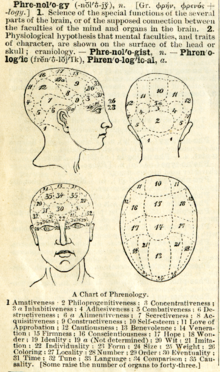
220px-1895-Dictionary-Phrenolog

The government have introduced a new character divination and assessment framework to determine eligibility for social security

It’s truly remarkable that whenever we have a Conservative government, we suddenly witness media coverage of an unprecedented rise in the numbers of poor people who suddenly seem to develop a considerable range of baffling personal ineptitudes and immediately dysfunctional lives.

We see a proliferation of “skivers” and “scroungers”, an uprising of “fecklessness”, a whole sneaky “culture of entitlement”, “drug addicts”, a riot of general all-round bad sorts, and apparently, the numbers of poor people who suddenly can’t cook a nutritious meal has climbed dramatically, too. We are told that starvation is not because of a lack of money and access to food, but rather, it’s because Britain is “broken”, and people like freebie handouts at food banks, they don’t know how to budget and cook, that’s according to the Conservative Baroness Jenkin of Kennington. 

She recommends that poor people eat porridge, since it only costs 4 pence a bowl. You can always imagine the milk, sugar and the fuel to warm it, if push comes to shove. Or better still, just cook it on the aga, or the barbi outside. Sorted.

1390648_548165358586330_1740107407_n

The alarming rise in numbers of adults who have suddenly forgotten how to cook and eat porridge since David Cameron took Office, up to last year.

Still, at least we are graced with the thrift and self-help moralising about poor people from the fabulously rich in the media. After all, there must be something wrong with someone who does nothing to help themselves to spend nothing creatively and still somehow manages to have nothing to show for it. The truth is that too many of these poor people are rubbish at being poor.

Jamie Oliver, amongst others, says that poor people always have a very large plasma TV. Thanks for that great tip, Jamie. If you bought one whilst in work, you should get rid of it immediately and buy an even larger one from your benefit.

You must also subscribe to Sky and get a big dish put on your house. Trade in your furniture and household items the very moment you stop working, and buy them all again so you don’t have to live with the guilt and shame of having anything you may have (inadvertently, I’m sure) bought from what you once disgracefully earned.

Another top tip is have lots of children that you can’t afford. Poor people need to try very hard to get pregnant only ever once they are absolutely broke. Never plan your children when you are in work, or down and out in prosperity, that’s a big no-no. Make sure you lose the job, house and everything else first. To be genuinely poor, you must have every child while facing utter destitution. 

This said, the government are going to kindly compensate those of you who had your children when you thought your job was secure and you were generally on your uppers. You are to be incentivised to breed less by having no support for any child born after the first two. Phew! Thank you, Iain Duncan Smith. It’s incentivisation and nudge. And I thought it was Victorian era eugenics.

Basically, some permanently outraged and loudly indignant, terminally curtain twitching, tutting people who work in what they think are secure jobs and have no children think that they are personally funding your children when you get made redundant. They prefer that their money is spent on handouts and tax breaks to the millionaires, crony capitalists and vulture big businesses instead. 

Some wealthy people like to feel included in designing your lifestyle choices and you can provide opportunity for a suffering wealthy person to share their guilt-fuelled outrage, malice and spite. It’s therapeutic for them, helping to alleviate their sense of resentment, shame and inadequacy. Projection is, after all, a very valuable self-defence mechanism for anally retentive hoarders. So is threatening to leave the country when confronted with the possibility of having to actually pay some tax. They cost such a lot to keep, these grumbling misers, I think we should just let them go. In fact I propose we provide a free flight booking and packing service for them, because it would be a shame to shock them out of a lifetime of handouts and entitlement.

Another top poverty tip from the top is make sure you take expensive holidays abroad, walk your dog if you have one and go to the pub. You must make sure you get someone to take photos of you looking busy, ordinary and happy and post on Facebook, or better still, send them to the Department for Work and Pensions. 

Many Sun and Daily Mail readers think that disabled poor people aren’t allowed to do or even try anything at all that looks ordinary and normal, they get very distressed and outraged that you aren’t suffering enough, and hidden away being busily housebound, so they will kindly report you. Strictly in your best interests of course, because to these kind, unprejudiced, well-meaning souls, there’s nothing more important than ensuring your complete social and economic exclusion, sacrifice and distress, and it’s the surest way of getting your benefit stopped, then you can get on with wallowing in your hard-won destitution, suffering and absolute poverty. Because as this thrifty government of self-helping, help themselves specialists has demonstrated, you’re absolutely worth it.

And as the government tells us, poor people will only stop being poor if we “incentivise” them by making them even more poor.

Rich people, on the other hand, really need “incentivising” by being given even more money. That’s just social justice and fairness, say the Tories. 

It’s common sense, and endorsed by top aspiring entrepreneur scientists in the cabinet office, called “behavioural economists.” I love technocrats, me. How incredibly lucky we have such great career-orientated folk designing “choice architecture” just for homeless and poor people. It’s a good job the nudgers don’t need any nudging with their authoritarian neoliberal cognitive biases and pro-status quo policy decisions, as the rest of us are just so fallible, gullible and inept that we simply have to be nudged in line. It’s well worth sacrificing democracy so that the government can have citizens who meet the government’s demands and economic needs.

Who needs a government that recognises and addresses citizens needs? 

Apparently, not us.

Job-Opportunities-850x390
One of the greatest joys of being poor is that many people who aren’t poor have got generous and seemingly endless advice for you. There are lots of sound tips around on how to get on with being poor quietly. And the media are interested in sharing all the details of your private life with the public, so they can tut, moralise, have some outrage, grumble, seethe and foam a lot, and then give you their “advice.” Because they care so much.

All designed to make you feel so much better about your state-designed and allocated personal failings. Lucky us.

And besides, who needs a welfare state when all it does is create poverty and turn people into cognitively malfunctioning idiots who are also very hungry? Those Tories must be creative geniuses, they made work pay by cutting welfare, driving down wages and raising the cost of living. See what I mean? 

They really should redefine the Orwell prize, the Tories would win it every year. Champions of ordinary people, they are, exposing social evils and injustices as they go, distributing work fare, poverty, authoritarianism, insecurity and behavioural change on all those faulty people that are being failed by neoliberalism and those mysterious boardroom decision makers that give us the entertaining myth of “market forces”.   

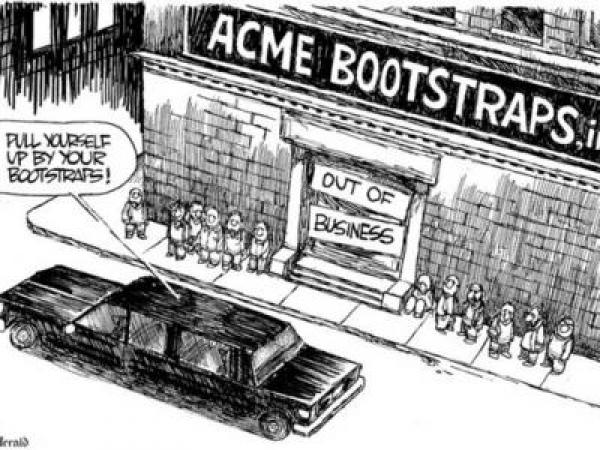
Bootstraps

Nowadays, the better off are so envious of your lucky life experiences and lack of choices that many are thinking of becoming disabled, just so they can share that exclusive pauper status for themselves. They want to own your poverty and I suspect they’d like to privatise and commercialise it. But we know that the poor invented poverty, and so it must be exclusively ours.

Poor people fake their poverty and mismanage their generous share of nothing

A recent report from Samuel Smiles and Verity Malthus, on behalf of ThanAtos, the private company hired by the government to assess people to see if they are genuinely on the point of death from starvation in order to be eligible for poverty, says that many are just feigning starvation and despair and some are even faking thinness.

This is why we have to target support only at “those in greatest need”.

ThanAtos’s research shows that many expect to be provided with food bank vouchers so they can continue to be parked on deluxe standards of suffering indefinitely.

The report said: “These poor people have taken the easy, stress-free option of not sending their children up chimneys and into t’mills any more and won’t even try their hand at pick-pocketing and prostitution. Those were once respected pauper activities, but now these poor people are jumping on the band-waggon and tarnishing the good name of thrift, self-help and state-inflicted misery.

“Far too many of those who claim they are poor don’t even have a plasma screen and a sky dish, and we know for a fact that they don’t eat takeaways, take drugs, smoke or drink cheap cider, they lack personal ineptitudes, and many don’t even have loads of unkempt children, so they are just frauds and they must have very poor budgeting skills. The problem is that once people see the privilege and benefits of gnawing hunger and destitution, they all want some. It’s all supply-led, people just want poverty as a freebie.”

How very true, it’s a real social problem. Once people begin to appreciate the Dickensian chic of malnutrition, rickets and scurvy, and many other low budget, value Victorian age diseases, they want to dash out and buy some immediately. It is becoming something of a trend. In fact the poverty porn industry has really taken off. 

The growing popularity of being very hungry has enticed many these past four years. The ease by which malnutrition can be acquired under this generous government, has been welcomed and hailed as the new poor law come-back, the return of a Golden Feudal Age for the Conservatives.

It’s a very welcomed return of nostalgic, ever so quaint and cute Social Darwinist Tory principles. But some have said that this Government has clearly created a tide of social problems, as very few people were incompetently hungry and desperately silly enough to need food banks under the last Labour government.

In fact I didn’t even know they existed back then. But that’s the “Big Society” for you. What a bright idea to replace welfare with charity and state “therapy.” Silly poor people, they just need to learn to be more creative in how they spend their state funded and allocated nothing, that’s why they end up with nothing. It’s the new generous Tory something from nothing culture, just for the poor.

Those poor people need to get one of those work fare jobs. Put them in their place. That’ll sort ’em out. What those poor people need is discipline. And a good hiding never did any harm. I say bring back the birch and the stocks. That’ll teach ’em.

It’s just like the good old Victorian days. Hurrah!

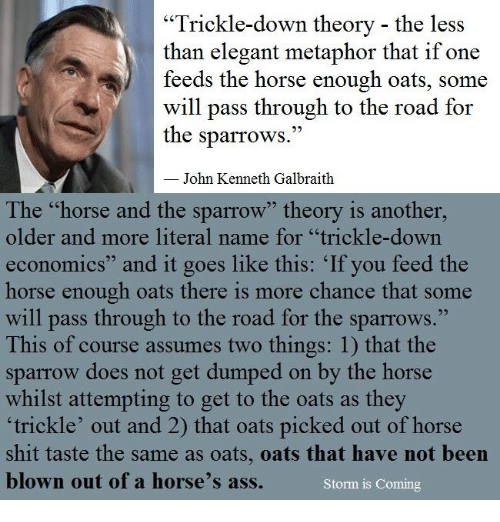
trickle-down-theory-the-less-than-elegant-metaphor-that-if-one-11938559Supply-side economics and the pecking order


I don’t make any money from my work. I am disabled because of illness and have a very limited income. I don’t have a plasma TV or Sky. I do eat a lot of porridge, though. Successive Conservative chancellors have left me in increasing poverty. But you can help by making a donation to help me continue to research and write informative, insightful and independent articles, and to provide support to others. The smallest amount is much appreciated – thank you. 

DonatenowButton

Stigmatising unemployment: the government has redefined it as a psychological disorder

proper Blond

The current government has made the welfare system increasingly conditional on the grounds that “permissive” welfare policies have led to welfare “dependency.” Strict behavioural requirements and punishments in the form of sanctions are an integral part of the Conservative ideological pseudo-moralisation of welfare, and their  “reforms” aimed at making claiming benefits much less attractive than taking a low paid, insecure, exploitative job.

Welfare has been redefined: it is preoccupied with assumptions about and modification of the behaviour and character of recipients rather than with the alleviation of poverty and ensuring economic and social wellbeing.

The stigmatisation of people needing benefits is designed purposefully to displace public sympathy for the poor, and to generate moral outrage, which is then used to further justify the steady dismantling of the welfare state.

But the problems of austerity and the economy were not caused by people claiming welfare, or by any other powerless, scapegoated, marginalised group for that matter, such as migrants. The problems have arisen because of social conservatism and neoliberalism. The victims of this government’s policies and decision-making are being portrayed as miscreants – as perpetrators of the social problems caused by the government’s decisions, rather than as the casualities.

And actually, that a recognisable bullying tactic known as projection, (the vehicle for projection is blame, criticism and allegation), as is scapegoating.

The 2015 budget included plans to provide online Cognitive Behaviour Therapy to 40,000 claimants and people on the Fit for Work programme, as well as putting therapists in more than 350 job centres.

I wrote an article in March about the government plans to make the receipt of social security benefits conditional on undergoing “state therapy.” I raised concern about ethical issues – such as consent, the inappropriateness of using behaviour modification as a form of “therapy,” and I criticised the proposed Cognitive Behaviour Therapy (CBT) programme on methodological and theoretical grounds, as well as considering wider implications.

I’ve written at length about the coercive and punitive nature of the conservative psychopolicy interventions, underpinning the welfare “reforms,” and giving rise to increased welfare “conditionality” and negative sanctions.

In particular, I’ve focussed on the influence of the Cabinet’s Behavioural Insights Team or “nudge unit” and “the application of behavioural science and psychology to public policy. (See: The nudge that knocked down democracy, The power of positive thinking is really political gaslighting, and Despotic paternalism and punishing the poor. Can this really be England? )

I was pleased to see that the BBC reported a summary of the research findings of Lynne Friedli and Robert Stearn, which was supported by the Wellcome Trust. The report – Positive affect as coercive strategy: conditionality, activation and the role of psychology in UK government workfare programmes reflects many of the concerns raised by other professionals. I strongly recommend you read it. (See: Psychologists Against Austerity: mental health experts issue a rallying call against coalition policies.)

The BBC summarised from the report that benefit claimants are being forced to take part in “positive thinking” courses in an effort to “change their personalities.” Those people claiming benefits that do not exhibit a “positive” outlook must undergo “reprogramming” or face having their benefits cut. This is humiliating for job seekers and does not help them find suitable work.

New benefit claimants are interviewed to find out whether they have a “psychological resistance” to work, with those deemed “less mentally fit” given more “intensive coaching.”

And unpaid work placements are increasingly judged on psychological results, such as improved motivation and confidence, rather than whether they have led to a job.

The co-author of the report, Lynne Friedli, describes such programmes, very aptly, as “Orwellian.” She says:

“Claimants’ ‘attitude to work’ is becoming a basis for deciding who is entitled to social security – it is no longer what you must do to get a job, but how you have to think and feel.

“This makes the government’s proposal to locate psychologists in job centres particularly worrying.

“By repackaging unemployment as a psychological problem, attention is diverted from the realities of the UK job market and any subsequent insecurities and inequalities it produces.”

Friedli also criticised the way psychologists were being co-opted as “government enforcers” and called on professional bodies to denounce the practice.

Quite rightly so. It’s our socio-economic system, and the ideologues who shape it that present the problems, not the groups of people forced to live in it as its casualities – the “collateral damage” of neoliberalism and social conservatism.

“I don’t think anything can justify forced psychological coercion. If people want to go on training courses that should be entirely voluntary,” Lynne told BBC News.

She also questioned the aim of the motivational courses and welfare-to-work placements, which felt like “evangelical” self-help seminars.

“Do we really want a world where the only kind of person considered employable is a ‘happy clappy’, hyper-confident person with high self-esteem?

“That is a very a narrow set of characteristics. There is also a role in the workplace for the ‘eeyore’ type.”

Absolutely. Frankly, I would rather have health and safety programmes that are designed by a pessimist, capable of thinking of the worst case scenario, for example, than by a jolly, positively biased, state-coerced optimist.

I would also prefer pessimistic appraisal of social policies. That way, we may actually have impact assessments carried out regarding the consequences of Conservative policies, instead of glib, increasingly Orwellian political assurances that are on the other, more scenic, illusory side across the chasm from social realities.

Although pessimism and depression are considered to be affective disorders, in a functional magnetic resonance imaging study of the brain, depressed patients were shown to be more accurate in their causal attributions of positive and negative social events, and in self assessments, and assessment of their own performance of tasks, than non-depressed participants, who demonstrated a positive bias.

As a former community-based psychosocial practitioner who saw the merits and value of a liberationist model, the question that needs to be asked is: for whose benefit is CBT being used, and for what purpose? Seems to me that this is about helping those people on the wrong side of punitive government policy to accommodate that, and to mute negative responses to negative situations.

The socially dispossessed are being coerced by the state, part of that process is the internalisation of the negative images of themselves created and propagated by their oppressors.

CBT is not based on a genuinely liberational approach, nor is it based on any sort of democratic dialogue. It’s all about modifying and controlling behaviour, particularly when it’s aimed at such a narrow, politically defined and specific outcome.

The problem that we need to confront is politically designed and perpertuated social injustice, rather than the responses and behaviour of excluded, stigmatised individuals in politically oppressed, marginalised social groups.

CBT is founded on blunt oversimplifications of what causes human distress – for example, in this case it is assumed that the causes of unemployment are psychological rather than socio-political, and that assumption authorises intrusive state interventions that encode a Conservative moral framework which places responsibility on the individual, who is characterised as “faulty.”

However, democracy is based on a process of dialogue between the public and government, ensuring that the public are represented: that governments are responsive, shaping policies that address identified social needs. Conservative policies are quite clearly no longer about reflecting citizen’s needs: they are increasingly about telling us how to be.

As I have said elsewhere, as well as aiming at shaping behaviour, the psycho-political messages being disseminated are all-pervasive, entirely ideological and not remotely rational: they reflect and are shaping an anti-welfarism that sits with Conservative agendas for neoliberal welfare “reform”, austerity policies, the small State (minarchism) and also legitimises them. (I’ve written at length elsewhere about the fact that austerity isn’t an economic necessity, but rather, it’s a Tory ideological preference.) The Conservatives are traditional, they are creatures of habit, rather than being responsive and rational.

Conservative narratives, amplified via the media, have framed our reality, stifled alternatives, and justified Tory policies that extend psychological coercion including through workfare; benefit sanctions; in stigmatising the behaviour and experiences of poor citizens and they endorse the loss of autonomy for citizens who were disempowered to begin with.

Many of the current ideas behind “reforming” welfare come from the Behavioural Insights  Team – the Nudge Unit at the heart of the Cabinet. Nudge theory has made Tory ideology, with its totalitarian tendencies, seem credible, and the Behavioural Insights Team have condoned, justified and supported punitive, authoritarian policies, with bogus claims about “objectivity” and by using discredited pseudoscience. Those policies have contravened the human rights of women, children and disabled people, to date.

Nudge-based policy is hardly in our “best interests,” then.

526544_532055030197363_2137237288_n
Pictures courtesy of Robert Livingstone


I don’t make any money from my work. I am disabled because of illness. But you can contribute by making a donation and help me continue to research and write informative, insightful and independent articles, and to provide support to others.

The smallest amount is much appreciated – thank you.

DonatenowButton

The UK is now the most unequal country in EU, and Cameron has been very conservative with the truth

tory lies

Last year I wrote an article – Cameron’s Gini and the hidden hierarchy of worthand I said: On 04 June, 2014, at 3.52pm BST, Cameron said that inequality is at its lowest level since 1986. I really thought I’d misheard him. But of course Cameron lies, that’s an established fact.

This isn’t the first time Cameron has used this lie. We have a government that provides disproportionate and growing returns to the already wealthy, whilst imposing austerity cuts on the very poorest. How can such a government possibly claim that inequality is falling, when inequality is so fundamental to their ideology and when social inequalities are extended and perpetuated by all of their policies? It seems the standard measure of inequality is being used to mislead us into thinking that the economy is far more “inclusive’ than it is.

A newly published report by the Dublin-based Foundation for the Improvement of Living and Working Conditions (Eurofound) states that the UK has become the most unequal country in Europe, on the basis of income distribution and wages.

The report also says that the UK has the highest Gini coefficient of all European Union (EU) member states – and higher than that of the US. The coefficient is a widely used measure of the distribution of income within a nation, and is commonly used to calculate inequality.

According to analysts at Eurofound, Britain has a Gini coefficient of 0.404, whilst that of the US is 0.4. Portugal and Latvia followed the UK with Gini coefficients of 0.358 and 0.357, respectively. The average Gini index for the EU as a whole in 2011 was 0.346.

Eurofound was established in 1975 to contribute to the planning and design of improved living and working conditions. This role is undertaken in partnership with governments, employers, trade unions and the European Union institutions.

The report says that there was a decrease in inequality before the global crisis that was entirely due to a significant reduction in between-country wage differentials (in other words, a process of convergence in pay levels – see: Labour’s excellent record on poverty and inequality – which came to a halt, reflecting the effects of the global crash, in 2008, and then started to reverse towards the end of the period of this analysis, in 2011.

My friend, the British economist Michael Burke, observed that  Eurofound’s study demonstrates the previous claims by David Cameron that Britain’s economy is recovering from the recession were false.

Speaking to RT on Tuesday, Mr Burke said: “The Tory government is fond of making spurious claims about Britain being the strongest economy in Europe. But the reality is that Britain under the Tories is the European capital of inequality.”

All of the deterioration in the Gini coefficient in the EU is caused by the worsening of inequality,” he added.

The jobs machine that David Cameron [is referring to] is in reality low-paid jobs, many of them providing unproductive services to the ultra-rich.”

The UK now has the worst Gini coefficient in the EU. Gini is the most widely accepted measure of how fairly income is distributed amongst a nation’s residents and is the standard measure of inequality. Cameron, parroting Thatcher, has claimed that there is no such thing as “public money,” indicating clearly that the economic enclosure that was initiated by the Tories under the guise of austerity, affecting the poorest citizens most of all, but leaving the wealthy unaffected by cuts, is going to be permanent.

A YouGov survey conducted this month and published on Monday found that most voters in the UK believe the government should prioritize tackling inequality – reducing the gap between rich and poor – over faster economic growth.

The findings, which suggest strong public support for redistribution, will complicate the debate about precisely how the Labour Party lost the general election, particularly given the Labour manifesto, outlining strongly redistributive and progressive tax policies, which had disgruntled a number of super petulant super-rich celebrities, who threatened to flounce from the UK if Labour gained office.

YouGov found that of the main parties, only Conservative supporters were significantly more likely to care about economic growth than inequality. Bearing in mind that Cameron won with 36.9% of the vote, the considerable gap between the priorities of Conservatives and those of the other parties will most likely mean a difficult five years for the prime minister.

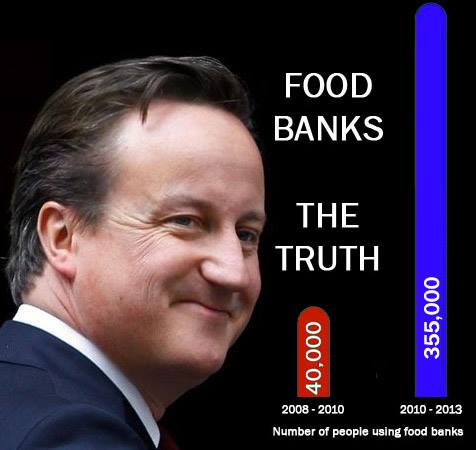
With homelessness increasing by 55% between 2010 and 2014, whilst food bank use has surged, malnutrition and absolute poverty, not seen in this country since before the inception of the welfare state, are becoming more commonplace, and with more draconian cuts planned by the Tories for the already diminished and essential support for the poorest – many of whom are in low waged work – it’s going to be an extremely punishing five years for those already at the poorest end of the UK’s steeply hierarchical society.

Last year, I wrote about the study from the Organisation for Economic Co-operation and Development (OECD), who found what most of us already knew: that income inequality actually stifles economic growth in some of the world’s wealthiest countries, whilst the redistribution of wealth via taxes and benefits encourages growth.

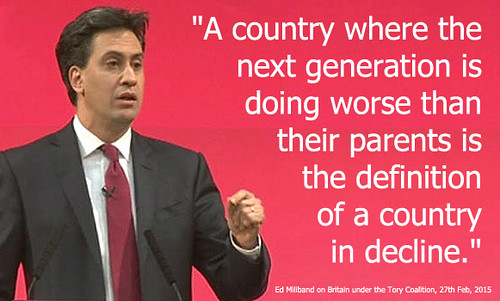
The report from the OECD, a leading global think tank, shows basically that what creates and reverses growth is the exact opposite of what the current right-wing government are telling us, highlighting the truth of Ed Miliband’s comments in his speech – that the Tory austerity cuts are purely ideologically driven, and not about managing the economy at all.

But many of us already knew this was so.

1459720_569627496440116_902730897_nPictures courtesy of Robert Livingstone

What will the Tories suggest next. “Compassionate” genocide?

68196_116423458427191_5364492_n
The Tory parliamentary candidate for Cambridge, Chamali Fernando sparked outrage and horror after saying mental health patients should wear wristbands to identify their conditions. Fernando was speaking at a hustings event hosted by the campaign group Keep Our NHS Public when she made the comment.

Andy Burnham, Labour’s Shadow Health Secretary, said:

“There has been an enormous amount of work in Parliament to challenge the stigma surrounding mental health. But comments like this are so disappointing – they set us back and remind us how far we have to go. Jeremy Hunt must disown these comments, instruct his candidate to apologise and make it clear that they form no part of Conservative Party policy.”

“This proposal shows the candidate’s harmful views on mental health.

Disability and Mental Health Adviser at University of the Arts, London Annabel Crowley said.

“Research carried out by the Institute of Psychiatry, Psychology & Neuroscience at King’s College London shows personal contact with mentally ill people is the most effective way to reduce discrimination.”

Crowley says Fernando’s proposals would only alienate the mentally ill and “further curtail their freedom,” which would encourage further stigmatization.

We need to provide adequate care and support, not blame the victims of a failing health service,” she added.

Mental Health Services are in crisis because of Coalition cuts to funding. The Government has been criticised for allowing mental health services to be cut disproportionately, as the NHS as a whole undergoes the most severe budget cut in its history. And let’s not forget that under the guise of a “policy of deinstitutionalisation,” Thatcher’s “Care in the Community” Bill was about anything but care: it was all about cutting costs, as reflected in the experiences of many people leaving long term institutional care and being left to fend for themselves in the community. “Compassionate Tories”: there is no such thing.

Dr. Pooky Kingsmith, a mental health specialist, said that she [Fernando] “fails to understand” what the wristbands would achieve “beyond increasing the stigma and prejudice already experience by mentally ill people.”

A petition has since been set up calling for Fernando to stand down in the election. The description on the petition read:

“This kind of thinking has no place in modern society and especially not in someone who is hoping to be elected as an MP.

I can’t see any possible justification in allowing Ms Fernando to continue to stand for election after showing such prejudice against the mentally ill, and if allowed to do so, shows a total disregard to the people in this country, who already have to battle against the misunderstanding and ignorance of their mental illness.”

Chamali Fernando was asked how the authorities could help the police better deal with people with mental health issues.

Fernando responded that wristbands which disclose a person’s illness could help barristers, such as herself, to better aid the public.

She said wearing colour-coded wristbands indicating the nature of the person’s condition would be helpful to professionals as “they often could not explain themselves.”

Perhaps Fernando had designs that are something like this in mind:


1936 illustration of Nazi camp ID-emblems.

The red triangle was used by the Nazis to identify social democrats, socialists, trade unionists, Freemasons and communists, for example. The pink triangle was primarily used for identifying homosexual men, and the black triangle was used to identify “asocial elements” (asozial) and “work shy” (arbeitsscheu) including those who were mentally ill, pacifists, vagrants and the Roma.

And for anyone itching to invoke Godwin’s law at this point, I suggest you hang fire and read about Allport’s Ladder of Prejudice. Whilst I am very aware that we need take care not to trivialise the terrible events of Nazi Germany by making casual comparisons, there are some clear and important parallels on a socio-political level and a psycho-social one, that I feel are crucially important to recognise.

Gordon Allport studied the psychological and social processes that create a society’s progression from prejudice and discrimination to genocide. In his research of how the Holocaust happened, he describes socio-political processes that foster increasing social prejudice and discrimination and he demonstrates how the unthinkable becomes acceptable: it happens incrementally, because of a steady erosion of our moral and rational boundaries, and propaganda-driven changes in our attitudes towards “others” that advances culturally, by almost inscrutable degrees.

The process always begins with political scapegoating of a social group and with ideologies that identify that group as an “enemy” or a social “burden” in some way. A history of devaluation of the group that becomes the target, authoritarian culture, and the passivity of internal and external witnesses (bystanders) all contribute to the probability that violence against that group will develop, and ultimately, if the process is allowed to continue evolving, genocide.

As I have discussed elsewhere on this site, we have a government that uses words like workshy to describe vulnerable groups. This is a government that is intentionally scapegoating poor, unemployed, disabled people and migrants. One Tory councillor called for the extermination of gypsies, more than one Tory MP has called for illegal and discriminatory levels of pay for disabled people. (See also David Freud was made to apologise for being a true Tory in public.)

David Freud’s comment that disabled people are not worth the minimum wage was not a momentary lapse, nor was it unrepresentative of Tory views more generally. He is the contemptuous architect of the grossly punitive Tory Bedroom Tax that disproportionately affects households of disabled people. The Tories endorsed Freud’s discriminatory policy proposal, and savagely ridiculed the UN rapporteur, Raquel Rolnik, when she pointed out, very professionally and reasonably, that the policy contravenes human rights.

He is the same government minister that rejected suggestions that austerity policies have led to an increase in food bank use – making the jaw-droppingly astonishing suggestion that food bank charities are somehow to blame. This former investment banker and peer told the Lords that the increase in the usage of food banks was “supply led”. He said:

“If you put more food banks in, that is the supply. Clearly, food from the food banks is a free good and by definition with a free good there’s almost infinite demand.”

Poverty reduced to blame-the-individual neoliberal motivational formulae. Yet it is the government that are responsible for policies that create and sustain inequality and poverty.

We need only look at the discriminatory nature of policies such as the legal aid bill, the wider welfare “reforms” and research the consequences of austerity for the vulnerable – those with the  “least broad shoulders” –  to understand that these comments reflect how conservatives think.

This is a government that is using public prejudice to justify massive socio-economic inequalities and their own policies that are creating a steeply hierarchical, society based on social Darwinist “survival of the fittest” libertarian, minarchist principles.

The Tory creation of socio-economic scapegoats, involving vicious stigmatisation of vulnerable social groups, particularly endorsed by the mainstream media, is simply a means of manipulating public perceptions and securing public acceptance of the increasingly punitive and repressive basis of the Tories’ welfare “reforms”, and the steady stripping away of essential state support and provision.

Let’s not forget that we were recently informed that the Tories plan to limit child benefit to the first two children because it would save money. The idea is being examined by the Conservatives, despite previously being vetoed by Downing Street because of fears that it could “alienate” parents.

Asked about the idea on the BBC’s Sunday Politics programme, Duncan Smith said:

“I think it’s well worth looking at. It’s something if we decide to do it we’ll announce out. But it does save significant money and also it helps behavioural change.”

This is a clear indication of the Tories’ underpinning eugenicist designs – exercising control over the reproduction of the poor, albeit by stealth. It also reflects the underpinning belief that poverty somehow arises because of faulty individual choices, (as opposed to faulty political decision-making and ideologically-driven socio-economic policies), that those choices are non-rational, stereotypical, and that reducing cost to the State involves making people change their “faulty,” stereotypical behaviours.

This government’s policies are contibuting significantly to mental illness: Suicides have reached a ten year high and are linked with welfare “reforms”.

And Osborne announced in the budget that the government will be funding a “package of measures” to improve “employment outcomes” which will entail putting Cognitive Behaviour therapists in more than 350 job centres to provide “support” to those with “common mental health conditions” who are claiming employment support allowance (ESA) and job seekers allowance (JSA).

As I have written elsewhere, the government have put up an online contract notice which specifically states:

“This provision is designed to support people with common mental health conditions to prepare for and move into work, with intervention at the earliest possible point in a claim to benefit or access to the Fit for Work service.”

Cognitive Behaviour Therapy (CBT) is used to change how you think (“Cognitive”) and what you do (“Behaviour”). It bypasses emotions, personal history and narrative, to a large extent, and tends to focus on the “here and now.” In this case, the here and now consists of taking any job available, regardless of its suitability, or face being sanctioned.

CBT is an approach that facilitates the identification of “negative thinking patterns” and associated “problematic behaviours” and challenges them. This approach is at first glance a problem-solving approach, however, it is of course premised on the assumption that interpreting situations “negatively” is a bad thing, and that thinking positively about bad events is beneficial.

The onus is on the individual to adapt by perceiving their circumstances in a stoical and purely rational way.

So we need to ask what are the circumstances that the government are expecting people claiming benefits to accept stoically. Sanctions? Work fare? Being forced to accept very poorly paid work, abysmal working conditions and no security? The loss of social support, public services and essential safety nets ? Starvation and destitution?

The political vilification of sick and disabled people and the poor, amplified in the media, has preceded policies particularly aimed at the steady removal of State support, indicating a clear scapegoating process, and this isn’t indicative of a government that is “neglectful”- it is patently intentional, hence the pre-emptive “justification” narratives to garner public support and acceptance towards such punitive and harsh policies.

As Frances Ryan says:

“The ideology of a small state or the belief that benefits build dependency are crass, irrelevant details to what at its core is simply a decision about how to treat a human being. This is particularly damning when one person has all the power and the other is forced through economic necessity to take whatever humiliation or pain they are given. To do that to someone – let alone hundreds of thousands – is no accident. It is a conscious decision, that has been made over and over again by this government.”

I’ve consistently expressed my own well-founded, carefully considered, evidenced view that the Tories are authoritarians,  social Dawinists, and their social policies are founded on a creeping and implicit eugenics by stealth, fueled by their preference for a steeply hierarchical, unequal society, anachronistic ideas about “deserving” and “undeserving”, which belong to the 1834 Poor Law era, and a behaviourist approach to socio-economic circumstances .

In Edgbaston, Keith Joseph, (1974) announced to the world that:

“The balance of our population, our human stock is threatened … a high and rising proportion of children are being born to mothers least fitted to bring children into the world and bring them up. They are born to mothers who were first pregnant in adolescence in social classes 4 and 5. Many of these girls are unmarried, many are deserted or divorced or soon will be. Some are of low intelligence, most of low educational attainment.”

And in 2010, the former deputy chairman of Conservative Party, Lord Howard Flight, told the London Evening Standard:

“We’re going to have a system where the middle classes are discouraged from breeding because it’s jolly expensive. But for those on benefits, there is every incentive. Well, that’s not very sensible.”

These comments are not momentary lapses, nor are they unrepresentative of Tory views more generally. They reflect the true colours of the nazi nasty party.

demcracy

Pictures courtesy of Robert Livingstone


My work is unfunded and I don’t make any money from it. I am disabled because of illness and struggle to get by. But you can support Politics and Insights and contribute by making a donation which will help me continue to research and write informative, insightful and independent articles, and to provide support to others.  DonatenowButton

Osborne’s razor: the Tory principle of parsimony is applied only to the poorest

The BBC reports that leaked documents from the Department for Work and Pensions suggest the government is planning a regional benefits cap, reducing child benefit, taxing disability benefits and reducing eligibility for the carers’ allowance. The proposals are aimed at helping to save £12 billion from the welfare budget by 2017/18. The Conservatives have of course insisted that the proposals were “not party policy.” Yet. They dismissed the leaked report as “ill-informed and inaccurate speculation.”

However, the documents were prepared by civil servants and commissioned by Conservative Party officials. These are the key proposals in the report:

  • Industrial Injuries Compensation Scheme – could be replaced by companies providing industrial injury insurance policy for employees. Any that did not would become members of a default national industrial injuries scheme, similar to the programme for asbestos sufferers. DWP predicted saving – £1bn
  • Carer’s Allowance – this could be restricted to those eligible for Universal Credit. Leaked documents suggest about 40% of claimants would lose out. DWP predicted saving – £1bn
  • The contributory element of Employment and Support Allowance and Job Seekers Allowance – currently claimants who have paid enough National Insurance contributions can get the benefits with little means testing; DWP analysis suggests 30% of claimants, over 300,000 families, would lose about £80 per week. DWP predicted saving – £1.3bn in 2018/19
  • Disability benefits – Disability Living Allowance, Personal Independence Payments and Attendance Allowance (for over 65s who have personal care needs) would no longer be paid tax free. Possible saving – £1.5bn per annum (based on IFS Green Budget calculation )
  • Council Tax Support – to be incorporated into Universal Credit. Possible saving – not known
  • Child Benefit – Limiting the benefit to the first two children. Possible saving IFS estimates £1bn saving per annum in the long run but little initially
  • Regional Benefit Caps – The £23,000 limit would vary in different parts of the country, with for instance Londoners receiving the top amount due to the higher cost of living. Possible saving – not known and dependent on where levels were set

Meetings about these options have taken place in recent weeks between the chancellor and Iain Duncan Smith. It is also understood that the permanent secretary, Sir Jeremy Heywood, has been coordinating some of the efforts to find savings.

The government has cut around £20bn from projected welfare spending over the course of the past five years, through a range of measures from freezing payments rates to cutting housing benefit. But Robert Joyce, a senior economist with the IFS, says finding another £12bn over the next two years will not be easy.

The easier benefit cuts are the ones that will have been done first, so what’s left will be harder.

“In addition, the Conservatives want to do this by 2017-18, in the next two years. It means they have to be looking at less palatable options that would involve overnight takeaways from certain families.”

Shadow work and pensions secretary, Rachel Reeves, said the Conservatives now needed to explain how they would achieve the welfare savings they needed to make.

She said: “These plans to hit the disabled and carers were drawn up for Conservative ministers to deliver their extreme cuts plan.” “The Tories now need to come clean about what cuts they plan to make and who will pay the price. If they are ruling out these extreme cuts for the most disabled and carers, then it is clear they will be hitting the tax credits, and support for children, for millions of working families.”

Rosanna Trudgian, policy officer at the charity Mencap, said the proposed changes were unfair. “Disabled people don’t choose to have their disability. They don’t choose to pay for these additional costs related to that disability,” she told BBC News.

“For example, if you have to go to hospital on a regular basis and you are paying for those huge car parking fees. Therefore, it’s just unfair if this is treated as taxable income.”

These cuts would hit the elderly, disabled people, poor people, especially those with large families, and those injured at work – and would devastate many communities.

Earlier this week, the Institute for Fiscal Studies (IFS) has asked Osborne to specify how he will reach targets announced in the budget, given that the poorest had been the hardest hit by draconian benefit cuts already. The IFS say the worst of the UK’s spending cuts are still to come.

I proposed that, as a society, we cannot possibly accommodate a further 12 billion cut from welfare spending. It’s not that Osborne can’t answer the IFS challenge: he won’t. He’s being conservative with the truth – which is that we cannot afford to reduce any more from welfare without ending welfare provision as we know it.

Related

Osborne’s razor, smoke and mirrors

Osborne’s Autumn statement reflects the Tory ambition to reduce State provision to rubble

Follow the Money: Tory Ideology is all about handouts to the wealthy that are funded by the poor

385294_195107567306966_1850351962_n  Thanks to Robert Livingstone for the memes used in this article

The power of positive thinking is really political gaslighting

The power of positive thinking.

The government invests a lot of time and money in “nudging” people to accept the unacceptable.

George Osborne announced in the budget that the government will be funding a “package of measures” to improve employment outcomes which will entail putting Cognitive Behaviour Therapists in more than 350 job centres to provide “support” to those with “common mental health conditions,” and making online access to Cognitive Behaviour Therapy available for people who are claiming employment support allowance (ESA) and job seekers allowance (JSA).

From the HM Treasury document – Budget 2015, page 64: 1.236:

“Budget 2015 also announces a package of measures to improve employment outcomes for people with mental health conditions. Starting from early 2016, the government will provide online Cognitive Behavioural Therapy (CBT) to 40,000 Employment and Support Allowance and Jobseeker’s Allowance claimants and individuals being supported by Fit for Work. From summer 2015, the government will also begin to co-locate Improving Access to Psychological Therapies (IAPT) therapists in over 350 Jobcentres, to provide integrated employment and mental health support to claimants with common mental health conditions.”

The government put up an online contract notice which specifically states:

“This provision is designed to support people with common mental health conditions to prepare for and move into work, with intervention at the earliest possible point in a claim to benefit or access to the Fit for Work service.”

Under the government’s plans, therapists from the NHS’s Improving Access to Psychological Therapies (IAPT) programme would support jobcentre staff to assess and treat claimants, who may be referred to online cognitive behavioural therapy (CBT) courses.

We really must question the ethics of linking receipt of welfare with “state therapy,” which, upon closer scrutiny, is not therapy at all. Linked to such a narrow outcome – getting a job – this is nothing more than a blunt behaviour modification programme. The fact that the Conservatives plan to make receipt of benefits contingent on participation in “treatment” worryingly takes away the fundamental right of consent.

Cognitive Behaviour Therapy (CBT) is used to change how you think (“Cognitive”) and what you do (“Behaviour”). It bypasses context, emotions, personal history, experiences and narrative, to a large extent, and tends to focus on the “here and now.”

CBT is an approach that facilitates the identification of “negative thinking patterns” and associated “problematic behaviours” and challenges them. This approach is, at first glance, a problem-solving approach. However, it is of course premised on the assumption that interpreting situations “negatively” is a bad thing, and that thinking positively about difficult or distressing events is somehow beneficial.

The onus is on the individual to adapt to their distress and difficult circumstances by perceiving their circumstances in a stoical and purely rational way.

So we need to ask what are the circumstances that the government are expecting people claiming welfare support to accept stoically. Sanctions? Work fare? Being forced to accept very poorly paid work, abysmal working conditions and no security? The loss of social support, public services and essential safety nets?  Stigma? Starvation and destitution? State punishment and exclusion?

It’s all very well challenging people’s thoughts but for whom is CBT being used, and for what purpose? Seems to me that this is about helping those people on the wrong side of punitive government policy to accept and accommodate that, and to mute negative responses to negative situations. CBT in this context is not based on a genuinely liberational approach, nor is it based on any sort of democratic dialogue. It’s all about modifying and controlling behaviour, particularly when it’s aimed at such a narrow, politically defined and highly specific outcome.

CBT is too often founded on blunt oversimplifications of what causes human distress – for example, in this case it is assumed that the causes of unemployment are psychological rather than sociopolitical, and that assumption authorises intrusive state interventions that encode a distinctly Conservative moral framework which places responsibility on the individual, who is characterised as “faulty” in some way.

There is also an underpinning assumption that working is good for mental health, and that being in employment indicates mental wellbeing. However, isn’t it more likely the case that healthier people are in work, those who aren’t well enough to work don’t?

It’s well-established that poverty is strongly linked with a higher likelihood of being diagnosed with a mental illness. But that does not mean working is therefore somehow “good” in some way, for mental wellbeing. Therapy does not address social conditions and context, and so it permits society to look the other way, while the government continue to present mental illness as an individual weakness or vulnerability, and a consequence of “worklessness” rather than a fairly predictable result of living a stigmatised, marginalised existence of material deprivation.

Inequality and poverty are political constructions and arise because of ideology, intention and policy-formulated socioeconomic circumstances, but the Conservatives have transformed established explanations into a project of constructing behavioural and emotional problems as “medical diagnoses” for politically-created (and wholly ideologically endorsed) socioeconomic problems.

Austerity, which targets the poorest citizens disproportionately for cuts to their lifeline income and essential services, was one ideologically-driven political decision taken among alternative, effective and more humane choices.

The government are not strangers to behaviour modification techniques and have been applying crude behaviourism to public policy, drawing on the “expertise” of the Behavioural Insights Team (BIT)  – the “Nudge Unit” – that they established and installed in the Cabinet Office in 2010. (See Mind the Mindspace, which outlines some of the implications of a government extending operant conditioning via policies to an unconsenting public.)

It is disadvantaged people and excluded groups who are the primary targets of enormously pseudoscientific, coercive and punitive psychopolicy interventions. It’s a kind of technocratic ‘fix’, designed solely to align the perceptions and behaviours of those citizens failed and harmed by our current socioeconomic organisation to nonetheless accommodate and accept neoliberal outcomes.

The casual manner in which advocates of behaviourism dismiss the right of people to behave in accordance with their own feelings, intuition and instincts exposes their authoritarian (not “libertarian paternalistic”) ambitions.

It’s frankly terrifying that our so-called democratic government is waging an ideological crusade directed at altering citizens’ thoughts and behaviour, and avoiding any accountability, sidestepping any engagement in potentially difficult political debate about their policies and the impacts that they have.

The objectives adopted by the Nudge Unit choice architects, politico-therapists and psychocrats are entirely about the state micromanagement of public perceptions and behaviours.

These objectives resemble ambitions usually associated with totalitarian regimes. This is a gross state intrusion into a previously private domain – our thoughts, perceptions and behaviours. Not only is this government trespassing on an intimate, existential level; it is tampering with – editing – our perceptions and experiences, damaging and isolating the poorest citizens, burdening them with the blame for the consequences of state policies while also editing out state responsibilities towards citizens.

Both CBT and Nudge are aimed at pushing people in ways that bypass reasoning. The assumption is that because our decision-making ability is limited we need to use non-rational means to persuade people to do what is “good” for them. But who has the moral authority to decide that? This is not about helping people make better choices – it’s about coercing people to make the choices that policymakers want them to make. And again, those “choices” are based on enforcing conformity to the ideological commitments of policymakers.

This psychocratic turn is in diametric opposition to Enlightenment narratives – it fosters a profound anti-rationality and anti-autonomy approach, it’s not remotely democratic: it’s based on a ridiculous premise that people use their freedom and liberty poorly, but somehow, those passing that judgement on everyone else are exempted from such judgements themselves. It is also extends profoundly anti-humanistic consequences.

Apparently, some people think that everyone else is susceptible to flawed thinking and behaviours, but that theory magically excludes the theorist from such human failings, since they are claiming some objective, mind-independent vantage point – a position far away from the rest of us. It’s like saying: this is your “human nature” but not ours.

Whether or not we agree on the efficacy of CBT as a therapeutic model in principle is a small consideration which is overshadowed by the fact that the government are using such “therapeutic” techniques as a highly partisan tool – to enforce traditional Tory biases and prejudices and to achieve their ideologically-driven policy agenda.

CBT will be deployed in job centres to simply favour the political objectives of neoliberal Conservatism: propping up an anti-progressive austerity agenda, regressive ideology, endorsing an ever-shrinking state, while reflecting a profound  Tory misanthropy.

The social problems arising because of a lack of provision will remain unaddressed and unchallenged because of the Conservative paradigm shift in positivist – causal explanations of political and social problems: it’s not down to policy, it’s all the fault of individuals (who are of course those individuals affected adversely by state policy.)

CBT is a short-term treatment, which is cheap and simple to deliver. I suspect this is one other reason for it becoming more popular with the Coalition than is warranted.

CBT has limitations for treating certain groups, including people with severe and treatment-resistant depression and those with personality disorders.

Studies concerning the efficacy of CBT have consistently found high drop-out rates compared to other treatments, with the numbers abandoning therapy often being more than five times higher than other treatments groups. (P. Cuijpers,  A. van Straten, G.  Andersson & P. Van Oppen. (2008)).

Researchers analysed several clinical trials that measured the efficacy of CBT administered to young people who self-injure. The researchers concluded that none of them were found to be efficacious. (See: Task force on the promotion and dissemination of psychological procedures: A reported adopted by the Division 12 Board – D. Chambless, K. Babich, P. Crits-Christoph,  E. Frank, M. Gilson & R. Montgomery. (1993)).

CBT fails fundamentally on a theoretical level: it lacks basic clarity, depth and coherence. It doesn’t provide a definition of “clear and correct” thinking – curiously, CBT theorists develop a framework for determining distorted thinking without developing a framework for “cognitive clarity” or what would be deemed “healthy, normal thinking.” This has left a large space for partisan definitions and political agendas.

And why is irrational thinking considered to be a source of mental and emotional distress when there is no evidence of rational thinking causing psychological wellbeing? Furthermore, social psychology has never demonstrated that the normal cognitive processes (whatever they are) of the average person are irrational.

CBT is deterministic: it denies agency and any degree of free-will. Human behaviour, in this view, is determined by the cognitive processes invoked by external stimuli. It focuses on the former, ignoring the latter. CBT theory basically contends that what you feel is somehow not very important to why you do what you do and think what you think.

But human beings are not automata: we are complex and multi-faceted. Our emotionality is a fundamental part of being human, too – our emotional bonds and attachments, and our interactions with significant others over time contribute hugely to shaping who we are: we are socially situated and contextualised. We are intersubjective, reciprocal and intentional beings. A therapy that sidelines how we feel must surely, at best, be regarded as superficial in its efficacy, scope and reach.

Moreover, in emphasising thought processes to the exclusion of complex and legitimate emotions, therapists may contribute to the harmful repression and denial of feelings.

CBT encourages an unhealthy avoidance of psychological discomfort and distress by diverting thoughts from the source of discomfort. CBT may rouse immature, neurotic and pathological defence mechanisms. It devalues resilience based on mature coping strategies such as openness, courage, mindfulness, acceptance and emotional self-sufficiency.

Not only is that psychologically unhealthy for a person, it’s bad for society as it desensitises and de-empathises people, stultifies learning from experience by disconnecting people’s thoughts from their circumstances and from others. It discourages personal development and stifles ‘resilience’.

Perhaps the most damning criticism of CBT is that it encourages self-deception and self-blame within clients and patients, because it maintains the status quo. The basic premise of cognitive therapy is: except for how the patient thinks, everything is okay. You can see why this would appeal to the Conservatives.

Poor mental health is often linked with poverty (Melzer et al. 2004) poor community integration, and competitiveness among social groups (Arrindell et al., 2003). Key questions arise as to the efficacy, therefore, of working with individuals, when much research suggests community work would be much more effective (Orford, 2008).

The Beacon Project (Stuteley, 2002) was pioneered by health workers who supported those with depression and other health problems by working with their whole community – addressing their basic social needs and developing mutual social support systems. There were significant changes in physical and mental health for the whole community, showing the benefits of fostering a psychology of mutual support, altruism, cooperation and collaboration: building social capital.

Human needs, public services and provisions, developmental processes, social relationships and contexts are important to any comprehensive model of mental health. Community work offers something that CBT can’t: unlimited scope and reach, sustainable, self-perpetuating, long-lasting provision with an inbuilt preventative agenda. It’s also a prefigurative model. As such, it is founded on democratic principles and the values of  genuine dialogue.

But the government has no interest in addressing mental health and wellbeing or building social support provisions. The government insists that people’s problems are self-generated and endogenous. But the socioeconomic context, policy decisions and consequences are the fundamental cause of unemployment, poverty and much mental distress.

When people are affected by social problems with structural causes, such as poverty and inequality, this in turn leads to a lack of opportunity, economic disadvantage and deprivation, unemployment, ill-health, absolute poverty (increasingly), poor housing, political scapegoating and punishment via policy, it’s ludicrously and grossly unfair to further stigmatise them and claim that their problems arise because of how they think and behave.

For the Tories, the only aim of CBT is a strongly emphasised participation in the labour-market, with minimal expectations of the state and minimal reliance on public services.

“Social problems are often the consequence of the choices that people make.” David Cameron.

No. Social problems are most often the consequence of a government that uses policy to create social inequality, poverty, social exclusion and extremely challenging economic circumstances for those people who have the least to start with. The government uses denial and a process of individualising blame for the problems caused by this government’s ideological austerity programme, which is used to legitimise further cruel constraint by those socio-economic factors caused by the government.

The Tories would have us believe that poor people suddenly become inadequate whenever we have a Tory government. They don’t, but they do become poorer. They are then held responsible and punished for the consequences of Conservatism.

If anyone needs to change the way they think, it’s certainly the Conservatives.

Update June 26, 2015: Mental health workers protest at move to integrate clinic with jobcentre

“This month Prof Jamie Hacker Hughes, president of the British Psychological Society (BPS), pointed out recent research which presented evidence that claimants had been forced to accept psychological treatment. Researchers from Hubbub and Birkbeck, University of London, found unemployment was being rebranded as a psychological disorder in many advanced economies, with interventions being introduced to promote a positive outlook or leave claimants of welfare to face sanctions.

Dave Harper, a reader in clinical psychology at the University of East London, told the Guardian he believed there was an ideological agenda driving the government’s proposals.

“We are in a recession,” Harper said. “There are not many jobs out there and this is implying that unemployed people are to blame for their situation. It’s shifting the focus away from economic policy and on to the individual.”

As a BPS member, I was happy to see a clear, ethical statement from the President.

Related

The just world fallacy

Cameron’s Nudge that knocked democracy down – a summary of the implications of Nudge theory
526544_532055030197363_2137237288_n

Pictures courtesy of Robert Livingstone

My work isn’t funded. But you can support Politics and Insights, and help me to continue researching, analysing and writing independently, and supporting others.

Labour’s excellent record on poverty and inequality

miliband country in decline

Originally published by the Fabian Society on Friday, 9 October 2009.

Perhaps the most audacious aspect of David Cameron’s speech to the Conservative Party conference this year was his attempt, while reconnecting with Thatcherism, also to project his party as the party of the poor.

Part of this strategy involves presenting Labour’s record on inequality and poverty as one of downright failure.

So what is the reality? What is Labour’s record on poverty and inequality?

The place to look for reliable data on this topic are the regular publications by the IFS. Reviewing them, these seem to be the key facts.

(1) Inequality increased enormously under the Conservatives. The Gini coefficient, a standard measure of inequality, rose from around 0.25 for income inequality in 1979 to around 0.34 in the early 1990s. In the IFS’s words: ‘The scale of this rise in inequality has been shown…to be unparalleled both historically and compared with changes taking place at the same time in most other developed countries’ (Brewer et al, 2008, p.27).

David Cameron joked about the way Labour refers to the ‘wicked Tories’. Well, there’s a reason for that. The last time they held power for a significant period of time they produced an ‘unparalleled’ increase in income inequality.

(2) Yes, inequality has increased under Labour. The Gini rose to 0.35 under Labour’s first term, then fell in the second term, back to where it had been in 1996/7 (about 0.33). In Labour’s third term, inequality has increased again and is estimated at about 0.36 for 2007/8, higher than at any time since the relevant records began in 1961 (Brewer et al, 2009, pp.23-24).

(3) But Labour has been consistently redistributive. IFS analyses show repeatedly, however, that Labour’s budgets have been consistently redistributive in their effects. That is to say, if you look at who has gained and lost from the changes to the tax-benefit system since 1996/7, the gains are biggest at the bottom, disappear in the middle, with losses at the top (Phillips, 2008).

(4) And Labour has (probably) reduced ‘counterfactual’ income inequality. To assess the impact of Labour’s policies since 1996/7, it is not enough to just look at where inequality is now compared to then. One has to ask: Where would inequality be now if we had just continued with the old tax-benefit system inherited from the Conservatives (with appropriate adjustments for inflation and the like)?

In Poverty and Inequality in the UK: 2007, IFS researchers calculated what the Gini for income inequality would be in 2005/6 under unchanged Conservative policies. The actual Gini in 2005/6 was 0.347. The ‘counterfactual’ Gini, reflecting unchanged Conservative policies, was 0.378 (Brewer et al, 2007, p.22). I have not managed to find a more recent calculation of this sort.

But up to 2005/6 at least, it seems that Labour’s redistributive budgets were preventing inequality rising by as much as it would otherwise have done – as much as it would have done under the policy regime inherited from the Conservatives.

(5) Poverty, on most indicators, is lower for most groups than when Labour came to office. If we turn from inequality to poverty, the basic story seems to be, first, that on most measures, and for most groups (children, pensioners, etc.), poverty rates are lower than in 1996/7 (Brewer et al, 2009, pp.34-36). Accordingly, I would judge any broad-brush claim that ‘Poverty has increased under Labour’ or that ‘Labour has been bad for the poor’ as risible.

The usual headline measures of poverty focus on those with incomes less than 60% of the median. One Conservative line of attack has been to switch the attention to those in ‘severe’ poverty, defined as those with incomes less than 40% of the median. Analysis shows that ‘severe’ poverty rates have increased since 1996/7. However, the most recent IFS report on this subject argues that the data on those with incomes at this level is hard to interpret. Many of those in this group record expenditure well above their income level, suggesting that they might be on temporary low incomes and using savings or borrowing in expectation of higher income to maintain their living standards.

There might also be some recording error. The IFS researchers are thus sceptical that we should regard those in this group in general as really in ‘severe’ poverty (see Brewer et al, 2009, p.32).

(6) Labour’s third term has been bad for poverty reduction. Labour’s progress on reducing poverty went into reverse in its third term. Looking across the various groups (children, pensioners, etc.), poverty rates are higher now than they were in 2004/5 (Brewer et al, 2009, pp.32-34), though still lower for most groups than in 1996/7.

It should be noted, however, that IFS researchers expect child poverty to fall by 500-600,000 up to 2010/11, on the basis of existing policies and allowing for likely economic changes (Brewer, Browne, Joyce and Sutherland, 2009).

Overall, then?

Labour has (1) pursued consistently redistributive policies – it has shifted resources from rich to poor – and these policies (2) have had some effect in reducing poverty and (3) have probably helped to check, without altogether preventing (let alone reversing), increased inequality.

The Conservatives say they can do better. But, as part of the rhetoric of ‘progressive Conservatism’, they also tend to downplay the role of redistribution in tackling poverty and inequality. For they want the ‘progressive end’ of reduced poverty or inequality while using ‘conservative means’ (i.e., not redistribution).

To test what you think about this claim it helps to consider the ‘counterfactual’ exercise I mentioned above: If the Conservative approach – eschewing greater redistribution – had been applied since 1997, in place of Labour’s consistently redistributive approach, do you think poverty and/or inequality would be lower today or higher?

I think the question just about answers itself.

Related:

Cameron’s Gini and the hidden hierarchy of worth

Inequality has risen: Incomes increased for the richest last year, but fell for everyone else

Ed Miliband interview: The biggest issue we face is inequality

UK Wealth Divide widens, with inequality heading for “most unequal country in the developed world”

1379986_541109785958554_2049940708_nMany thanks to Robert Livingstone for his excellent memes

Greens: the myth of the “new left” debunked

Embedded image permalink
Introduction.

This article is in part an exploration of the tension between environmentalism, human rights, equality and social justice. This is an important issue, because how political ideologies are translated into policy often has profound and far-reaching social consequences. I also challenge assumptions and criticise the Green Party for a lack of clarity regarding policy and intent – there’s a lack of connection – integrity  – beneath some of their key policies. There are no explicit connections made in the Green Party manifesto between ideas, policy, context and consequences.

I explore the environmentalism and “blood and soil” philosophy underpinning the Volk and Nazi movements, the Nazis being an exemplar of the problematic issues I raised. I also examine Malthus’s ideas on population growth and the finite nature of resources. I link some of the Green philosophy and policies with Malthus’s ideas.

The important point here is that it is not the ideas in themselves that are problematic: it is the context, the application, the way those ideas are translated via policy and the subsequent social consequences that warrants some discussion.

Malthus’s ideas both informed and were informed by a context of Social Darwinism, eugenics, laissez faire capitalism, competitive individualism, all of which were the basis of a dominant paradigm at that point in our history. One consequence of that was the terrible Poor Law Amendment Act in 1834, which saw the introduction of the dreadful, punitive workhouses.

Just to clarify further, I do not at any point claim “the Greens are Nazis,” or “are like Nazis”  as some have tried to claim. The discussion of Nazism and environmentalism is used to highlight the problematic tension between green ideas, human rights and to challenge assumptions made about social equality.  scroll2
There is a strand of Green Party narrative with philosophical roots that may be traced back to the thinking of the Reverend Thomas Malthus. He was a political economist who believed that the decline of living conditions in nineteenth century England was because of three elements: the overproduction of children; the inability of resources to keep up with the rising human population; and the irresponsibility of the lower classes. Malthus’s narrative in the nineteenth century fueled the rise of Social Darwinism; the eugenics movement and resulted in the extremely punitive Poor Law Reform Act of 1834, which included the introduction of workhouses for the poor.

The Green Party have the following listed amongst their aims regarding population:

In the short-term, to promote debate on sustainable population levels for the UK. In the long-term, to achieve consumption and population levels that are globally sustainable and respect carrying capacity – the term used to describe the population that can, according to the Green Party,  be sustainably supported in any given region. In theory it varies, depending on consumption patterns.

However, during times of greater social equality and prosperity, rather than the population growth predicted by Malthus, families actually reduced the numbers of children they had, with the emergence of the small nuclear family unit. Families and households got smaller throughout the 20th century. Women in the late nineteenth century gave birth, on average, to 4.6 children during their lifetime. Having ten or more children was not uncommon. By the 1950s the average had fallen to 2.19 children.

Data released by the government in the General Lifestyle Survey shows that the number of children in the average household has become smaller. In 1971, there were 2.91 persons in the average family whereas in 2011, this number has shrunk to 2.35 persons.This means that almost half of families in the UK have just one child. Malthus was wrong. Prosperity, equality, social development and growth contribute to population reduction and greater resources.

Environmentalism is widely seen as a caring, strictly left-wing concern, and it’s been linked with what are now fairly tacit assumptions about the Green Party’s credentials regarding equality, rights and political partisanship. The Green Party have tried to position themselves as “the new party of the left”, and have invested heavily in an aggressively negative campaign strategy that has involved outright lies about the Labour Party’s proposed policy intentions.

But the claims made by the Party and assumptions drawn from grassroots supporters have no historical verification whatsoever. In fact history refutes the claims.

Just because people have environmentalist concerns, we cannot infer from that – it does not automatically follow – that the same people will have concerns about inequality, social justice and human rights.

The German Volk and Nazi movements marched beneath the banners of “Nature” and the “organic.” Environmentalist ideology  was a fundamental part of National Socialism (which wasn’t socialism at all, on the same  basis, we wouldn’t say that the German Democratic Republic was a flourishing democracy, either), Green ideas were at the core of Nazi thinking. The Germans idealised Nature.

Whilst the Holocaust took place, German army comrades were also busy establishing bird sanctuaries, nature walks and planting trees. The Nazis conducted horrific experiments on men, women and children but at the same time, they banned medical experiments on animals. The Nazi perpetrators of crimes of unimaginable  brutality and horror against fellow human beings also advocated conservation, vegetarianism, homeopathic healthcare, organic agriculture and forest preservation. It’s a myth that environmentalism and ecological concern go hand in hand with a concomitant respect and concern for the well-being of all people, too.

In The Destruction of Reason, written in 1952, the marxist Georg Lukács proposed that the idealisation of “nature” and the “organic” was, from the very beginning a political narrative. It was an attempt to defend “natural” feudal privileges. He said:

“Biologism in philosophy and sociology has always been a basis for reactionary philosophical tendencies … it cannot permit of any essential change, let alone progress …. Oppression, inequality, exploitation and so forth were presented as “facts of nature” or “laws of nature” which, as such, could not be avoided or revoked.”

This is an essentially right-wing perspective: that society is naturally hierarchical – a pseudo-biological defence of class privileges.

The Green Party, with their uncritical embrace of environmentalism, have focused on the idea of a scarcity of natural resources. They promote the idea that there are natural limits on how many people may live on the planet and constraints on how much we can produce and consume. That is essentially a Malthusian position.

And we tend to think of fascism strictly in terms of its oppression, so that we lost sight of the fact that Nazism began as a movement by appealing to the working classes and campaigning against capitalism.

One famous National Socialist election poster shows a social-democratic winged “angel” walking hand in hand with a stereotyped banker, with the curious slogan: “Marxism is the Guardian Angel of Capitalism.”

The Left and the Labour Movement grew from of an overwhelming social need to challenge the idea of a “natural order”, limits and the idea that human potential and aspirations must be constrained to preserve some kind of natural order. Karl Marx condemned the ideas of the miserabilist Thomas Malthus and the Social Darwinists, he would condemn the Green Party for the same reasons. Marx described Malthus’s ideas as a “libel on the human race” because they promoted the idea that human beings “cannot abolish poverty, because poverty has its base in nature.”

Nature is truly a many-splendoured thing, but three essential socialist principles will not be found anywhere in nature: democracy, rights and equality. This is an example of the is/ought distinction: regardless of what we may think “human nature” is, our moral decisions regarding how we ought to organise as a society are distinct- there’s a difference between what we are and who we are.

Sylvia Pankhurst summed up socialism as follows: “It means plenty for all. We do not preach a gospel of want and scarcity, but of abundance … We do not call for limitation of births, for penurious thrift, and self-denial. We call for a great production that will supply all, and more than all the people can consume.”

The Greens are proposing exactly the opposite of what Pankhurst and most socialists have called for, historically. The Greens call for scarcity, not abundance. They propose a limitation on births, always insisting that the world is overpopulated and resources are being diminished.

The Green party’s manifesto argues for zero, or even negative growth and falling levels of personal consumption. This would lead to recession; families would become materially poorer each year. After centuries of growing global connectivity, the Greens want to see greater national self-reliance. And whilst Labour prioritise job creation, the Greens argue that government policy should make paid work “less necessary”, with people making their living from the home-based “informal economy”. That is anti-progressive.

The Left is progressive and has an expansive, generous view of humanity, faith in our potential and holds a vision of a plentiful future. The Greens, by contrast, are in favour of adapting to austerity – incorporating a social philosophy of thrift, parsimony and self-denial.

The Left aim to liberate humankind from poverty , the Greens aim to encourage us to accommodate it.

In Brighton where the Greens have power in the council, they have been cutting services, disastrously, for the least well-off and caused a refuse collection strike when they clashed with the GMB union over pay – as chronicled by Labour Peer Lord Bassam.

Earlier this year the Green Party leadership in Brighton and Hove was defeated in its efforts to impose council tax increase of five per cent by a coalition of opposition parties, including Labour. The increase will affect the poorest the most.

After losing a vote of no confidence in the leadership, the Council was threatened with Whitehall humiliatingly stepping in if a budget could not be agreed. This is not the sort of responsible leadership that households in the midst of a cost-of-living crisis deserve.

As my friend Neil Schofield informs us, for a second year running, the Greens are proposing a substantial increase in Council Tax – next year of 5.9% – that would require the approval of a referendum.  And the arguments are largely the same; that an increase of this magnitude is needed to offset the effects of austerity. He says:

“And the same arguments against such a rise apply this year too: that it is an entrenchment of austerity, using legislation designed to reduce the power of local authorities and to reduce them to hollowed-out commissioning bodies of a skeleton level of local services, provided by the lowest bidder; that it avoids the responsibilities that Councillors are elected to take; that it will make no real difference to the cuts faced by the city; it will hit hardest those who on low incomes who have seen their real incomes fall dramatically, in a city with some of the highest living costs in Europe; and that it is more about gesture politics than about effecting real change. “

The Green Party do not have an underpinning ideology that can be described as left-wing at all. Some of the historical and ideological links with far-right and fascist ideology are very worrying, because the links highlight a tension that needs to be addressed between environmentalism, social equality and justice.

This doesn’t imply the Green Party are fascists, but rather, it indicates a need to examine underpinning philosophies and explore how they may translate into social policies, and what the implications of those policies may be. It cannot be assumed that caring for the environment is automatically equated with caring for all human beings, as history has taught us.

The fact that the Greens have themselves chosen to regard the Labour Party as their “enemy” means that they don’t see a potential ally, yet they manage very well in coalition councils, working amicably side-by-side and cooperatively with Tory and Liberal Democrats.

If they did see the Left as a natural ally, they would join us and lobby for green policies through SERA, Labour’s green affiliate. Instead, the Green Party have chosen to aggressively campaign using a negative strategy, shamefully lying about Labour’s policies and proposals, all of which are costed and evidenced, in an attempt to bolster their own credibility. That in itself is a right-wing tactic, which ought to be raising alarm amongst supporters. The deeper implications of policies are also cause for concern.

Another worry is that one of the Green party’s key policy proposals – the universal basic income (or “citizen’s income”) – will adversely affect the poorest, and would in fact create more, not less, inequality and poverty.

The Citizen’s Income Trust (CIT), which has given advice to the Green party and been repeatedly cited by the Greens, has modelled its scheme and discovered it would mean 35.15% of households would be losers, with many of the biggest losers among the poorest households.

The trust’s research shows that for the two lowest disposable income deciles, more than one-fifth would suffer income losses of more than 10%, something one of the most left-wing parties in the election is unlikely to want to advocate.

The Green Party have already failed the people of Brighton and Hove. Don’t let them fail the people of Britain by voting Green next year and allowing the Tories to remain in government another five years. People are suffering and dying as a consequence of Tory austerity, we need to ensure that ends.

Related

Waste your vote on the Green Party – or choose a green Labour government – Sadiq Khan

Brighton’s Greens, Council Tax and a disgraceful act of moral blackmail – Neil Schofield

The Green Party’s women problem – Neil Schofield

A few words about respect – Mike Sivier

The moment Ed Miliband said he’ll bring socialism back to Downing Street  

Ecofascism: Deep Ecology and Right-Wing Co-optation  

Green Fascism and the Greening of Hate – Derek Wall

“Paradoxically, while Greens argue for social justice and other left themes, environmentalism is often linked to the right. Hitler believed in a politics of hatred ordained by iron ‘laws of nature'” Darker shades of green. Derek Wall traces the thread of ecofascism through the Green movement’s history. Derek is a member of the Green Party’s Anti-Fascist and Anti-Racist Network, author of Green History (Routledge 1994).

He notes the same tension as I do, between environmentalism and social justice/human rights. He discusses the environmentalism of the Nazis and the influence of Malthus’s ideas.