Category: Austerity

A brief and blunt discussion about ‘economic competence’ before the general election

Image result for people power

The question asked shouldn’t ever have been how will Labour fund their costed manifesto. We have permitted this expedient Conservative diversion for long enough. It should have been exposed for what it is when George Osborne was rebuked for lying about Labour’s administration and economic management, and David Cameron was rebuked twice for claiming that his government were “paying down the debt“. They have done no such thing, however, and despite a substantial number of official rebukes for telling lies, the Conservatives have remained blatantly conservative with the truth

The real question that matters is this: where is the public’s money that citizens, their parents and grandparents have paid into the Treasury all these years? Why is there nothing to show for it over the past seven years? Why are increasing numbers of citizens of every age experiencing hardship and distress

This is a despicable way for a government to treat people who have contributed to this country’s fortune and development.

Why are older people being robbed of their lifelong national insurance contribution and tax investment and now being told they must fund their own care?  Why are older people being forced to work longer before they may retire? New government “calculations” suggest a “hard Brexit” – with migration being dramatically reduced – could push up the age of retirement and force people to work into their mid-70s. It has created further uncertainty regarding the future of state pensions.

At the same time, there has been an unprecedented rise in the mortality rate, according to Office for National Statistics (ONS) data. For the past few decades, there has been a very strong improvement in life expectancy in the UK, both at birth but also for older people 

But that trend has slowed down since 2011, and is now reversing. According to the actuarial company, Mercer, winter deaths of people aged 65 and over has increased by 11 per cent over the last two years. Yet the Conservatives are planning to cut winter fuel payements to “target those most in need”.

There’s that Tory phrase again, which reflects a euphemising tendency of a government that does not care for the welfare of UK citizens, and signals the intent to strip away every single civilised public support mechanism and provision that has grown from the social gains of our post-war settlement. The social gains PAID FOR BY THE PUBLIC FOR THE PUBLIC. 

What kind of government does not care that citizens are dying prematurely because of their policies? Or that cases of malnutrition in the UK are rising?

Why are d
isabled people being left without adequate living standards, dignity, independence and sometimes, being left to die, because we have a government that can’t even observe their basic human rights? The only rights that matter to the Conservatives are the property “rights” of the wealthy and the right of millionaires to accummulate more money by dispossessing everyone else.

The “Economic Enclosure Acts” would be a more fitting name for the Conservative “reforms” and austerity programme.

Where has the money gone that was taken from those people targeted with punitive policies and a deeply patronising “behaviour change” agenda that simply reflects a government’s traditional class prejudices, all in the name of “economic growth” and the ideologically driven Conservative austerity programme, the burden of which fell on our poorest and most vulnerable citizens?

What kind of government financially punishes disabled and elderly people simply for being disabled and old? It’s the Conservatives that need to change their behaviours. Perhaps someone should inform the economic Darwinists in government that we moved on from dehumanising eugenic policies after the terrible consequences of them in Nazi Germany. 

What is the point of a government in an “economically stable”and wealthy first world country that does not ensure a basic standard of living and health for the majority of citizens, and fails to fulfil basic human rights obligations?

This is a government that has failed to protect the human rights of our children.

Why are our children going hungry, fed by food banks and by concerned school teachers when their parents are in work or have worked? Why are young people under 25, disabled people and people in social housing not considered worthy of having a secure home of their own? 

Why are those in low paid or part time, insecure work being punished by the government with in-work sanctions, for the sins of exploitative, increasingly unregulated employers and rubbish government supply-led labour market policies that clearly don’t work?

We have permitted a government to relinquish its responsibilities and obligations towards some members of the public. Why doesn’t the social and economic welfare of these social groups matter to the government? Are we not citizens in a so-called first world democracy?

Where is the investment in our public services? Why are rogue multinationals making billions from the public on the pretext of “saving money”? If that’s “economic competence” then I’m Jerry Cornelius, one of the greatest fictional and darkly hilarious anti-hero nihilists of all time. 

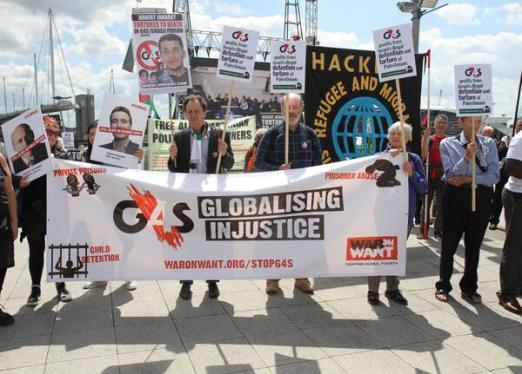
What have the Conservatives done wth OUR money, our NHS and our public services? And why on earth would we continue letting them “disappear” our money, adding to the now massive national deficit? The Conservatives have borrowed more money this past seven years than every single Labour government combined throughout history. There is NOTHING to show for it, except for a few rogue multinationals like Atos, Maximus and G4S making huge and private profit and a few millionaires hoarding our wealth and demanding more.

The UK now has the highest level of  socioeconomic inequality in Europe.

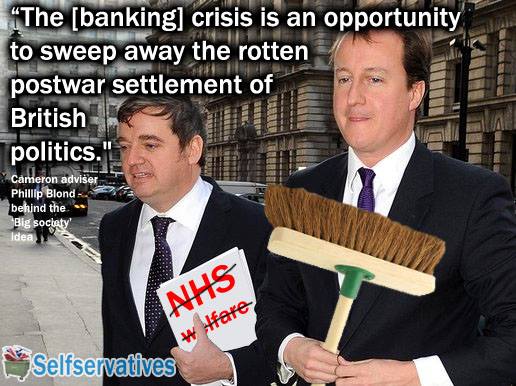
THIS is what Cameron meant when he said he would “tackle” the “culture of entitlement”. He meant that ordinary people would no longer be treated as democratic citizens with rights. He meant that our society should regress to a time when there was no legal aid, social housing, welfare state and no National Health Service. Despicably, the Conservatives have deliberately stigmatised groups of citizens in order to get away with dismantling our social safeguards, caliming that they are a “burden” to “tax payers”. As the older generation about to be hit with pension cuts and the “dementia tax” will tell you, ordinary people are ALL tax payers. 

The authoritarians need to go.

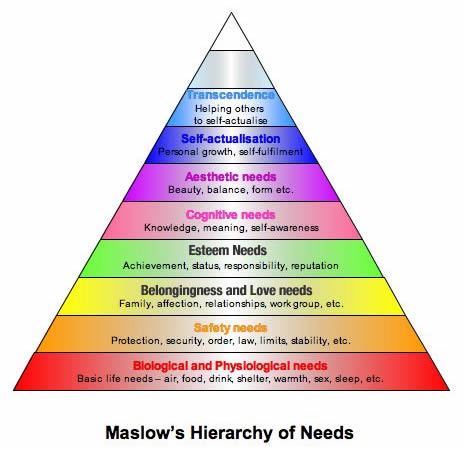
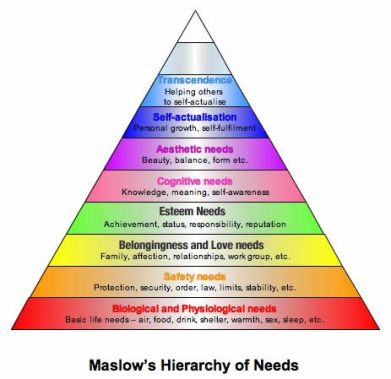
The NHS and welfare state are essential for the lives, health and wellbeing of our fellow citizens as well as ourselves. Without being able to meet basic needs, people are unable to meet higher level psychosocial ones, such education and work. Ancel Keys once said “Starved people cannot be taught democracy.” Abraham Maslow would certainly agree with that. He said  “Man lives by bread alone when there is no bread.” When people are hungry, food becomes their only priority and motivation.

Any effective measure of a government’s economic competence must surely include an evaluation of the proportion of a population that are able to meet their basic living requirements. 

maslows_hierarchy_of_needs-4
If you value our public services, including those providing emergency care such as the NHS, the the fire service, police, social care, mental health services, social security and pensions and education, all of which have been savagely cut these past 7 years, then you need to know that they are NOT safe in Conservative hands. Nor are our human rights. A genuinely strong and stable economy ought to include everyone. 

The Labour Party has made a comittment in their manifesto to ensure that our public services are safe, funded and there for everyone who needs them. They will also preserve our human rights act. Human rights are there to ensure the wealthy and powerful are accountable to the rest of us, and to ensure governments don’t abuse and exclude social groups, such as disabled people, elderly people and children. Like access to justice – and legal aid has also almost gone at the hands of the Conservatives – human rights are the bedrock of democratic societies.

If you value the civilised and civilising features of our society, then you must vote on 8 June to preserve them. If you don’t have need of them yourself, consider that your parents, children and friends may do in the future. Let’s halt the socially regressive destruction of our public services.

Let’s make sure that everyone is included in our society, and ensure that we live in a democracy.

Let’s make June the end of May. 

Let’s take our country forward again.

 Image result for Vote Labour


I don’t make any money from my work. I am disabled because of illness and have a very limited income. 

But you can help by making a donation to help me continue to research and write informative, insightful and independent articles, and to provide support to others. The smallest amount is much appreciated – thank you.

DonatenowButton

Conditionality and discretionary housing payments: when paying rent is more important than buying food

gcs-guide-to-communications-and-behaviour-change1 - Copy

The government’s behavioural change agenda, which targets the poorest citizens, is being delivered via the increasing conditionality of social security and public service support provision. The underpinning rhetoric is that individual behaviours cause poverty, rather than government policies, which are causing a systemic unequal distribution of wealth.

Councils who are facing shortfalls in government funding to meet their statutory obligations have recently introduced behavioural conditionality to applications for awards of Discretionary Housing Payments (DHP). Most local authorities are now saying they will only help those who will have a “positive outcome” as a result of the support. Yet they claim that this is to ensure limited funds go to only those “most in need”.

The reasoning provided by councils for only supporting those “nearest to the labour market” to encourage “financial independence” is at odds with the aim of ensuring support goes to “those most in need”. Surely those unable to work through illness and disability, who are furthest away from the labour market, actually have more need, yet will be less likely to meet conditionaility requirements and so won’t receive the support that the government tells us is supposed to be in place for us.

DHP is now much less likely to be awarded for those in greatest need precisely because of the new conditionality criteria. It specifically supports people who are more able to find work. Those who can’t are expected to go without food and fuel to meet their housing costs and potentially face destitution.

Disabled people paying for disabled people’s support

On Thursday I went to apply for DHP as I no longer have enough money to live on, partly because of now having to pay council tax and bedroom tax. Like many people, my essential outgoings are considerably greater than my income. The government have claimed that disabled people like me can claim DHP as a safeguard from the financially damaging impact of the bedroom tax, which disproportionately affects disabled people.

However, my own council have warned me in advance that they have little funding left for providing DHP support.

ESA and other benefits were originally calculated to meet the costs of food and fuel, and other essential living costs, based on an assumption that you would also get FULL housing and council tax benefit. There hasn’t been full housing benefit provision for some years now, but previously, people who are disabled were exempt from paying council tax, until recent years.  

This is leaving some people without enough money to meet the costs of their basic survival needs – food, shelter and fuel. One reason I now have to pay more council tax, according to the statement from my local authority on my bill, is to raise money to meet the costs for the government’s pledged funds for improving adult social care – the adult social care precept. That is being taken from every household, including the poorest, many of which have people with serious medical conditions and disabilities in them.

My local authority says: “The introduction of the National Living Wage and increase in population means this is an area where we have seen significant financial pressures. The 2% increase will help us to maintain our current services.”

There’s a certain horrible irony here, too.

My local authority inform me that I now have to pay council tax to fund support for:

  • older people
  • people with a learning disability
  • people with a physical disability
  • people with sensory loss
  • people with mental health needs

The never-ending need to justify need: facing the bureaucratic wall around support provision

I am a person with physical disabilities because of an illness, and my only income is my ESA, at the support group rate. I ought to have claimed Personal Independence Payment (PIP) before now. However my experiences claiming ESA were extremely distressing and anxiety provoking, and that has deterred me. The enormous stress and anxiety of the assessments, facing a tribunal and then the reassessment almost immediately after I won my case in court exacerbated my already serious illness, and left me acutely and desperately ill for at least two years.

I’m a reasonably robust person ordinarily. I have worked most of my life, and I enjoyed my work, particularly the youth and community posts I undertook. I did a vocational part-time Master’s while I worked full time, and later went on to do mental health social work with young people at risk.

I was very unprepared for what followed when I suddenly became very ill with lupus. I was used to being fit, healthy and very active. I also had a good salary and a relatively comfortable standard of living. Though I was never very affluent, I had enough to cover my family’s needs, and to provide enough for my children to have stability.

I was forced to give up work as I was much too ill to fulfil my role competently and there were significant risks to my health in the workplace. My illness and some of the treatments I have also mean that I am very susceptible to infection. I caught a cold from a colleague in work and ended up with pneumonia and pleurisy more than once, for example. My illness impacted on my capacity to work for many reasons, such as an autoimmune bleeding disorder, widespread joint and tendon damage affecting my mobility, severe nerve pain, deteriorating eyesight, neurological problems, cognitive and coordination difficulties and so on. The tribunal panel (regarding my ESA eligibility) concluded that I had made the right decision to leave work because of the further serious risks to my health, after reading my medical reports from specialists. 

My house was repossessed because my modest mortgage payments became unmanageable as I had no way of making the payments. I did approach my local housing office for help, who told me they could only offer support once I was actually homeless. That would have meant having all my family’s possessions left on the street, too.

I found a house to rent just down the street for a very reasonable amount. In fact initially there was very little shortfall between my housing benefit and actual rent. I had two sons still at school, they didn’t want to leave the area as they were in their final years, and we have other family in this area. I was informed by the council that I would be eligible for housing benefit for a three bedroom house at that time. I took out a small loan for my deposit, as by then my last wage had long gone. The council were pleased I had managed to find cheap accommodation that suited my family’s needs.

I moved into the property, but I was very ill and struggled coping. My disability advisor at the job centre advised me to claim ESA at this time. By then I was having weekly chemotherapy treatment (Methotrexate) at the hospital and was considered unavailable for work, I didn’t (and couldn’t) meet the jobseeker’s allowance conditionality requirements, and my advisor recognised this.

Within two months of moving into the property, the law changed, and I had to pay bedroom tax for my older son’s room, as he was suddenly expected to share a room with his younger brother. There are no smaller houses locally, none with lower rents, and all of the limited number of two bedroom council flats here are inhabited. Not that moving again would have been easy for me as I was so poorly at this time. The first move down the street had affected my health, and exhausted me for months.

However, after almost a year of struggling to pay the bedroom tax, my oldest son reached 18 and my housing benefit went back up not long before he left for university.  I got almost a year of backpay when I won my ESA tribunal and that helped me get on top of my increasing debt, after months of really struggling. I also got a tax rebate from when I worked, also helped enormously. 

The Department for Work and Pensions (DWP) decided that they would take back an overpayment they made in 2007, while I was struggling on basic rate ESA, awaiting tribunal in 2011. I was also paying bedroom tax then. I had claimed income support briefly when I changed jobs, whilst I waited for social services to complete background checks that were necessary for my post. I couldn’t start the post until the checks were done. Meanwhile we had nothing to live on. The checks took three months.

I was entitled to a month of run-on benefit as a lone parent once I took up the post. However, despite the fact I had signed off, the income support payments continued another two months. I had phoned a couple of times and then written twice to inform the job centre again that I had taken up my post.

I don’t mind paying back the money I was overpaid. I did mind that the DWP also took back the run-on benefit that I was actually entitled to for the first month, and told me it was far too late to appeal that decision. The hefty deductions from my reduced ESA did cause me a lot of hardship, but at least I didn’t owe anything by the time I won the tribunal. It was claimed I did still owe money at one point and I had a letter saying my ESA back dated payment wasn’t going to be released as I owed money. I didn’t.

It’s almost as if the DWP want to keep people in a state of constant anxiety, despair and precarity, and to make sure that your life is never remotely acceptably comfortable, secure and safe. Social security is no longer a safety net, it seems to have been transformed into a bureaucratic wall that exists simply to discipline poor people and ensure as few people as possible have access to any lifeline support. The letters are written in a way that intends to cause anxiety, I am sure.

I managed financially for a couple of years, though budgeting on such a limited income is difficult. But having worked for a long time, I had furniture and household items, enough clothing and when things got very bad, I had a few personal items to sell if need be. 

Of course over time, vacuum cleaners, washing machines, fridges, kettles and cookers break down. Children grow and need clothes and shoes. I went a whole year without a washing machine when mine broke, but saved a little every month until I had enough for a second hand one. I don’t know how I managed to get by because much of the time I could barely walk or use my wrists/hands, but I had to wash clothes and bedding in the bath. It took up a lot of my time and effort. Poverty is cumulative, too. It gets much worse and more wearying as time goes by. If you are ill and disabled, the impacts of poverty are considerably greater.

Both my youngest sons are at university now. They come home out of term times. I feed them and support them as best I can, though we don’t have any money to cover their living costs. Both are at universities out of the region, they have student finance for term times, but both have struggled to meet living costs. When they come home, it’s for a couple of weeks, though considerably longer at Christmas. They have never managed to find work locally to tide them over out of term time, despite trying. No-one wants to hire people for a couple of weeks.

My oldest son found a part time job in his first year at university. He didn’t have regular hours and his employer simply called him when he needed him. However, my son’s travel costs to and from work exceeded what he earned, and more than once his allocated hours coincided with his lectures, which are compulsory.

Both boys are considered as living at home as they return home out of term times and are expected to return home once they complete their studies. 

In the new year, I caught ‘flu and within a couple of days I ended up with pneumonia and sepsis. At the time I was far too ill to know I was so poorly. It was my son who realised how serious my condition was and rang the ambulance, just in time.

I was already in a critical condition with septic shock when the ambulance arrived. My illness means my immunity to infection is very low, so I’m always at risk from pneumonia, kidney infections, random abscesses and so on, but this was the first time I have ever had life-threatening and severe sepsis. I was very ill in hospital and spent a couple of days drifting in and out of a bottomless sleep and hallucinating, while on the lifesaving IV treatments and fluids. I needed oxygen support for five days afterwards, anticoagulant injections, and continued taking combined oral antibiotics, steroids and a course of Tamiflu for a couple of weeks after I came home. 

When I got home from hospital in late January, we had no hot water or heating as my boiler had broken. But we used fan heaters, and I managed to keep warm in my room, I focused on recovery, until the electric went off because of a fault on a circuit. My landlord lives in the US currently and I had difficulty in contacting him. I had no choice but to find somewhere else to stay as the house was so cold it was uninhabitable, and we couldn’t cook food. I was still very weak and very slowly recovering. By this time my youngest son had returned to university. My oldest son and I had to stay with a friend.

The electrical fault was fixed and I got a new boiler fitted the following week. I remained weak and my pulmonary specialist told me it would likely be at least three months before I was fully recovered. I have been diagnosed with additional lung problems since, which showed up on a scan, following more tests showing my lung function is just 40% of what it is expected to be. Some of the problems are related to lupus, which has caused a lot of inflammation in both lungs.

My son decided I needed some additional support to recover and he has taken six months out from his degree to care for me. The alternative was for me to contact social services for support.

I now have to pay bedroom tax for his room, in addition to the council tax, as he is classed as a non-dependent adult. Having no boiler for several months has also meant I used a lot more electricity, so my bill is much bigger than usual, so my direct debit has more than doubled every fortnight. I managed to negotiate it down a bit, but it is still more than twice my usual payment. My new boiler is a lot more efficient than the old one, luckily, but I am nonetheless struggling to make ends meet.

So I applied for DHP.

I had an interview on Thursday at our local housing benefit office. 

Rent and council tax are more important than food and fuel, apparently

The interview went as follows:

Firstly, I was asked to give an account of my income and outgoings. 

Housing Officer: What have you done to look for work?

Me: I am in the Employment Support and Allowance Support Group (ESA). This is because I became too ill to work and it’s been agreed by my doctors, myself and the state that I can’t work “consistently, reliably and safely” due to the severity of my illness and the substantial risks I would face if I were to return to the workplace. I have tried to find a job writing from home that pays a wage to support myself, but had no luck so far. 

Housing Officer: What have you done to look for cheaper accommodation?

Me: I wasn’t aware I was expected to. However, there is no cheaper accommodation in the area, unless you have any two bedroom social housing to offer me. Then I would need considerable support in moving, as my illness means I have mobility problems, severe problems with profound fatigue, other health problems that make moving risky, and I also need to be organised to accommodate a strict routine for my health care.

Housing Officer: Have you considered taking in a lodger?

Me: I have no spare room to offer a lodger as my sons occupy them out of term time and are expected to return home once they graduate. However, I would not consider taking a stranger into my home because I am disabled and ill, therefore I am potentially vulnerable and feel that this may present an unacceptable risk to my wellbeing and safety. (See for example: Mother and son who ‘gave shelter to homeless man’ stabbed to death at family home.)

Housing Officer: Your weekly shopping average looks slightly high.

Me: Well at the moment it is for two of us. On Friday my youngest son is home for the Easter break, and I will then need to feed him too.

Housing Officer: I only want details of what you spend on yourself.

Me: Do the council expect that I leave my children without food?

(No response)

Me: My weekly shop includes essential items I can no longer get on prescription, such as eye drops, because my tear film is very poor, I don’t produce tears as I have Sjogren’s – painfully dry eyes – as part of my illness. I used to get moisturising drops on prescription from my opthalmologist but they have been discontinued. If I don’t use the eyedrops my cornea becomes scarred and I get eye infections.

I also have to buy sunblock, because I get a blistering and painful rash in the sunlight, even in winter – that’s also part of my illness.  

I have to buy detergents and toiletries that are very hypoallergenic and gentle because my skin is fragile, hypersensitive, prone to rashes and painful blistering in places because I have lupus and eczema, all of which leaves me prone to infection if I don’t treat the conditions with care. I also have to buy cleaning products and antibacterial items, to keep my home as clean as possible because my illness and treatments mean my immunity to infection is very poor. 

None of these items are available on prescription, but I do unfortunately need them. I have also included very modest clothing/footwear costs (I have to take care with footwear because I have severe Raynaud’s – a condition that causes very poor circulation that shuts down in my hands, feet and nose with even slight fluctuations in temperature – and so I need to keep my feet and hands warm.  I am prone to blisters from badly fitted shoes which then turn into serious infections and have developed sepsis at least once because of this. I also need shoes that are cushioned and support my Achilles tendons because of damage to them and my joints. 

I’ve also included modest costs for essential household items, which everybody needs sometimes due to wear and tear. I have a bleeding disorder, which affects me in a way that means I have to spend more on sanitary items than most people. I also have additional dietary needs because I am underweight, and I have IBS and acid reflux, which means I have to eat small meals frequently throughout the day. This is not a lifestyle choice: it’s because of my medical conditions.

Housing Officer: Don’t take any of the questions personally, everyone is asked the same.

Me: The problem with having the expectation of everyone having the same needs is that you then don’t have any opportunity to recognise the more vulnerable clients who need additional support because of their additional needs. Not everyone finds it easy to find suitable employment to support themselves.  Illness and disability can happen to anyone, it is sometimes a major barrier to working and I am not ill because of “lifestyle choices”: it’s not because of something I did or didn’t do. I have worked. Now I can’t. 

People are dying because of that built-in oversight and other government policies that don’t accommodate people’s circumstances and disregard their additional needs because of disability and illness. Many others are suffering unacceptable distress and harm to their health.

Housing Officer: I know.

She delivered that comment with complete and almost menacing detachment. I was so taken aback I couldn’t speak for a few moments. She didn’t even pause for breath, however.

The part that was by far the worst during the interview was this matter-of-fact agreement that people are dying as a result of the policies that she was calmly sat implementing.

It was delivered almost like a veiled threat: that if I didn’t or couldn’t comply with certain unstated behavioural requirements, which were not made explicit at any point during the interview or prior to it, I would also be left to die. 

I was then told I must “prioritise” my rent and council tax payments above everything else.

I explained that my rheumatology consultant has also told me I must prioritise eating well, putting weight on (I weighed less than 8 stones), and keeping warm (I have severe lupus-related Raynaud’s disease that leaves me very susceptible to severe infections and gangrene in winter.) I don’t have enough income to do both of those things, as it is. I explained again that I could meet my housing costs before I had to pay council and bedroom tax, and have managed to do so until now, and this is why I had applied for DHP.

My comment was met with silence. 

Apparently, not falling into rent and council tax arrears is more considered more important than meeting basic survival needs such as eating and keeping warm.

I was also almost casually asked if I had any pets or Sky TV. Next I was asked if I had a TV, broadband and a mobile phone contract. I was asked how much I spend on my phone monthly (it’s a pay as you go). I felt I was being turned into a Daily Mail stereotype by bureaucratic questioning that was designed to find ways of dismissing me as ineligible for support in an arbitrary way, under the cover of mundane chit chat.

The more I responded the more demand was placed on me to justify my outgoings, the more information I presented, the bigger the scope for potentially finding reasons for refusing my application.

ESA and PIP assessments work in much the same way – assessors fish for as much information as possible about your everyday life so they can use it to try and claim you are more able to work and less disabled than you and your doctor are claiming.

For example, “Do you watch soaps on TV?” – a deceptively conversational and informal question – may translate your response on the report potentially, as “Can sit unaided and concentrate for at least half an hour”.  The aims and motives behind the questions are deliberately obscured, so that you don’t have an opportunity to explain or clarify any details or challenge the assumptions being made to justify ending your lifeline support.

That gold locket and chain that was your mother’s, which you wear all the time because you can’t take it off, as the clasp is too difficult for your arthritic fingers, becomes a sign of finger and hand dexterity to an assessor, as it’s just assumed you take it off and put it on again. When I had a chest x-ray recently, I had to ask the radiographer to take it off. The whole process is designed to search out ways to discredit your doctor’s and your own account by any means at all concerning the level of your disability and the impact it has on your day to day living and work capability.  

Agents of state control and “changing behaviours”

Behavioural conditionality has now been built into every aspect of social safety net provision, this is to save costs and ultimately, to justify the dismantling of social security, public services and healthcare provision. It is justified by an ideological narrative of the neoliberal “small state”, austerity and paying off the national deficit, the “unsustainability” of safety net provision and the state re-translation of competitive individualism into a rhetoric of self help, thrift and “personal responsibility”. Only for the poorest, of course.  Thrift and self help doesn’t apply to government ministers, whose lavish lifestyles, food and fuel, housing costs, and so on are funded by the tax paying public. 

The behavioural change programme is being applied only to poor and vulnerable citizens. Against a backdrop of austerity and welfare “reforms” (cuts), millionaires were awarded a tax cut of £107,000 each per year, exempting them from the same obligation to practice personal responsibility, thrift and self help. The Conservatives’ low tax and low welfare society means that perversely, those who have a lot of money are not expected to contribute to our society, whereas those who are low earners or unemployed are expected to pay down the deficit and pull themselves up by imaginary bootstraps.

If you suffer or die in the process, apparently that is okay because the government inform us there is no “causal link” between such “adverse” consequences and their adverse policies. However, a correlation has been well-established by independent research and the narratives of many of those affected by the draconian policies, as well as campaigners.

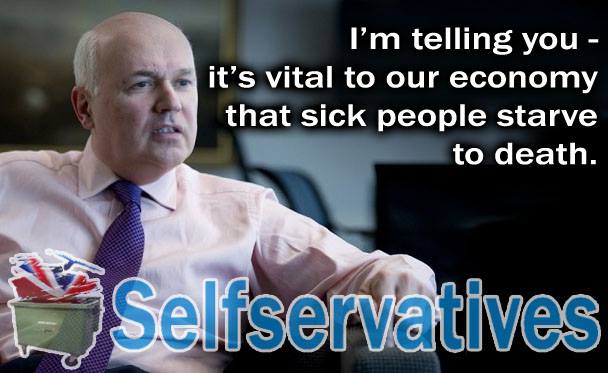
What really struck me during my housing benefit interview was how the ordinary and seemingly reasonable woman in front of me seemed to suddenly shapeshift into a resentful, disapproving and prejudiced state drone who didn’t feel I deserved any support, about a third of the way into our interview.  I felt like Iain Duncan Smith was conducting the interview.

The government have built up almost impenetrable walls of authoritarian bureaucracy around social security provision, and a hive mind army to deliver their distinctive and punitive approach to poverty, which is now all pervasive. All bullies seek the “behavioural change” of others to get their own way.  Conditionality is built upon a behavioural change agenda to prop up neoliberal policies aimed at removing social provisions that the poorest citizens need to survive. Work is no longer the panacea it is held to be, since labour market deregulation and intentionally low social security creates a reserve army of labour, which “incentivises” profiteering employers to keep wages low. 

Even a trip to your GP is likely to trigger the question “do you work” these days, as job coaches are co-located in surgeries to enforce the government’s “work cure” and suck you back into a supply side reserve army of desperate labour. However, sometimes people are simply too ill to work. The state and its wall of bureaucracy, however, are absolutely refusing to accept this.

There is no end to intrusive state nudging and shoving, especially when you just want to be left to cope with being progressively ill in peace. The government believe that illness and disability are simply a set of “faulty” behaviours that need correcting, and that people will respond to a particularly punitive form of operant conditioning in order to change their behaviours to bring about a miraculous recovery. Work is considered a “health” outcome. However, work is a work outcome and has nothing whatsoever to do with a person’s health. In my own experience, work considerably contributed to the progression of my illness. Being constantly expected to work has also contributed significantly to the deterioration in my health.

Furthermore, I don’t recall giving consent for my taxes and national insurance to be used to pay rogue companies that cost the public billions to “save” relatively meagre amounts in welfare and public service spending just to punish, bully and coerce people who need support.

Nor did I give consent to a state experiment in value-laden, ideological, poorly designed and prejudice-determined operant conditioning on ill, disabled and unemployed citizens. 

tumblr_m81dzafFA21qcekj1o1_500

Cameron was surely mocking when he used this phrase as a slogan from Terry Gilliam’s darkly dystopic film, “Brazil”, which was coincidently about nightmarish totalitarian bureaucracy 

There were no innocent and random comments from the interviewing housing officer. Almost every question was geared towards making me feel guilty for being poor and not being in work, I was challenged over every single penny I spent, as if I have no right to food, items that I need to meet my complex health needs, and no right to extend an ordinary gesture of basic kindness and decency by taking in a stray cat that had no home and no-one. I’m surprised I wasn’t asked to sell everything I had bought and kept from when I worked.

I had no idea that disabled people could be refused support if they had a pet. Regardless of whether that pet was one you had when you were in better circumstances, working. How utterly callous to expect people to dispose of their cherished companions when they experience hard times, it’s cruel on the person and cruel on the poor and innocent animal.

Most pets cost very little to feed, too.

My cat is a great source of calm and comfort for me, at a time when I am struggling trying to constantly adapt to a progressive illness, and increasing absolute poverty.  I couldn’t bear to part with her.

I wonder what the decision-makers, who are gatekeeping funds that I have contributed to – and they are meant to support disabled people rather than punish them – expect a person should actually do with a cherished family pet, which may have been a part of a family long before severe financial problems and illness came along.

It’s rather like financially penalising people by cutting off support for some children just because a parent has lost a job and encountered difficult times. It’s a Poor Law/Work House mentality – we are all categorised as either “deserving” or “undeserving” based on our previous choices as well as our current ones. How very dare anyone have anything at all that gives them a little joy and comfort if they become too ill to work. Even if they worked for it prior to losing their job or becoming ill.

This said, those people who have never been able to work should be supported, unconditionally and without any resentment, to meet their living needs and to lead safe and secure lives. This is how a democratic, decent and civilised society should behave, after all.

2014-02-17-BurdenoftheCuts-thumb

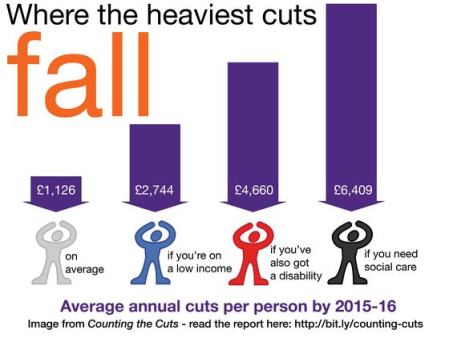
I don’t need a behavioural change agenda. My behaviour didn’t put me in a position of hardship: ill-conceived state policies that disproportionately target ill and disabled people for austerity cuts are the root cause of my financial problems. I am not ill because of my behaviour, my medical condition arose because of a complex interplay between genetics (my mother and her father had a autoimmune/ connective tissue disease, and both my maternal aunt and uncle do), hormonal events (pregnancy was probably the trigger in my case, as that is when I first became ill, 21 years ago) and possibly some environmental triggers too, such as an infection. It was not because I did or didn’t do something. No-one could have predicted a pregnancy would trigger a autoimmune/connective tissue disease. No-one knows how it will progress either, unfortunately. I managed to work for some years whilst being ill, and stopped only because I absolutely had too when I my symptoms became too severe.

Neoliberalism is founded on the principles of “market competition” and competitive individualism. In competition, a few people do very well and “win”, and many more don’t. That is the nature of competition. This is how it works.

Neoliberalism itself causes inequality and poverty, whilst rewarding most the people who are already very wealthy. Addressing the “behaviours” of poor people to punish them into not being poor won’t change the consequences of inequality because of our socioeconomic organisation one bit. Poverty, by it’s very nature, reduces behavioural choices and opportunity.

It’s really the government who need to change their policies and prejudiced behaviours, not poor, ill and disabled people.

pie wealth

 
Related 

What do good Local Welfare Support and Conditionality Schemes look like? – The introduction of local welfare support and conditionality schemes are a side-effect of localisation.


I don’t make any money from my work. I am disabled because of illness and have a very limited income. Successive Conservative chancellors have left me in increasing poverty. But you can help by making a donation to help me continue to research and write informative, insightful and independent articles, and to provide support to others. The smallest amount is much appreciated – thank you. 

DonatenowButton

Dying from inequality: socioeconomic disadvantage and suicidal behaviour – report from Samaritans

cn_fairchange_comp1

As Samaritans release a report ahead of Wednesday’s Budget linking inequality with a higher risk of suicide, the charity is calling on the government, businesses, industry and sector leaders to be aware of the risks of suicide and to direct support to those with unstable employment, insecure housing, low income or in areas of socioeconomic deprivation.

The report, Dying from Inequality, produced in conjunction with leading researchers and academics, is far-reaching and highlights clear areas of risk to communities and individuals, including the closure and downsizing of businesses, those in manual, low-skilled employment, those facing unmanageable debt and those with poor housing conditions.

In today’s press release, Samaritans’ CEO Ruth Sutherland says, “Suicide is an inequality issue that we have known about for some time, this report says that’s not right, it’s not fair and it’s got to change. Most importantly this report sets out, for the first time, what needs to happen to save lives. Addressing inequality would remove the barriers to help and support where they are needed most and reduce the need for that support in the first place. Government, public services, employers, service providers, communities, family and friends all have a role in making sure help is relevant and accessible when it matters most.

“Everyone can feel overwhelmed at times in their life. People at risk of suicide may have employers, or they may seek help at job centres, or go to their GP. They may come into contact with national and local government agencies, perhaps on a daily basis. So, in the light of this report we are asking key people and organisations from across society, for example those working in housing, in businesses, medical staff, job centre managers, to all take action to make sure their service, their organisation, their community is doing all it can to promote mental health and prevent the tragedy of suicide. 

Samaritans has already started addressing the inequalities driving people to suicide, by making its helpline number free to call, by calling on Government for more frontline staff to be trained in suicide prevention in England and by campaigning for local authorities to have effective suicide prevention plans in place. Now, in response to the findings of this report, the next steps will involve instigating working groups, in different sectors, bringing together businesses and charities who can influence in the areas highlighted, in order to tackle this issue in a collaborative, systematic and effective way to ensure that fewer people die by suicide.”

Sutherland continues: “Each suicide statistic is a person. The employee on a zero hour’s contract is somebody’s parent or child. A person at risk of losing their home may be a sibling or a friend. And each one of them will leave others devastated, and potentially more disadvantaged too, if they take their own life. This is a call for us as individuals to care more and for organisations that can make a difference, to do so.”

She went on to say: “Living in poverty shouldn’t mean losing your life. Going through difficult times like losing your job or being in debt shouldn’t mean not wanting to live. But that is what’s happening in the UK and Ireland today. Suicide is killing the most disadvantaged and vulnerable people, devastating families and communities.”

Some key points from the report summary:

There is no single reason why people take their own lives. Suicide is a complex and multi-faceted behaviour, resulting from a wide range of psychological, social, economic and cultural risk factors which interact and increase an individual’s level of risk.

Socioeconomic disadvantage is a key risk factor for suicidal behaviour.

Socioeconomic disadvantage or living in an area of socioeconomic deprivation increases the risk of suicidal behaviour.

The research evidence was considered at three levels: societal, community and individual: 

Societal: political, economic and social policies related to, for example, economic change, employment, social support and the labour market; stigmatised attitudes towards people on the basis of their socioeconomic standing or their suicidal behaviour.

Community: the local economic, social, cultural and physical environment, including, for example, geographical location, job opportunities, service availability and accessibility, and home ownership.

Individual: demographic characteristics, such as gender and age; socioeconomic position, including occupational social class and type of employment; mental health; and health-related behaviours.

Suicide risk increases during periods of economic recession, particularly when recessions are associated with a steep rise in unemployment, and this risk remains high when crises end, especially for individuals whose economic circumstances do not improve. Countries with higher levels of per capita spending on active labour market programmes, and which have more generous unemployment benefits, experience lower recession-related rises in suicides.

During the most recent recession (2008-09), there was a 0.54% increase in suicides for every 1% increase in indebtedness across 20 EU countries, including the UK and Ireland. Social and employment protection for the most vulnerable in society, and labour market programmes to help unemployed people find work, can reduce suicidal behaviour by reducing both the real and perceived risks of job insecurity and by increasing protective factors, such as social contact. In order to be effective, however, programmes must be meaningful to participants and felt to be non-stigmatising.

There is a strong association between area-level deprivation and suicidal behaviour: as area-level deprivation increases, so does suicidal behaviour. Suicide rates are two to three times higher in the most deprived neighbourhoods compared to the most affluent.

Admissions to hospital following self-harm are two times higher in the most deprived neighbourhoods compared to the most affluent. Multiple and large employer closures resulting in unemployment can increase stress in a local community, break down social connections and increase feelings of hopelessness and depression, all of which are recognised risk factors for suicidal behaviour.  

While the economic situation and policy approaches vary across the nations in which Samaritans operates, the link between socioeconomic disadvantage and increased risk of suicide is evident in all these nations. It is therefore essential that we understand why this link exists. We all need to address this inequality issue which is resulting in the tragic loss of lives.

Features of socioeconomic disadvantage include low income, unmanageable debt, poor housing conditions, lack of educational qualifications, unemployment and living in a socioeconomically deprived area. Individual Individuals experiencing socioeconomic disadvantage and adverse experiences, such as unemployment and unmanageable debt, are at increased risk of suicidal behaviour, particularly during periods of economic recession.

The risk of suicidal behaviour is increased among those experiencing job insecurity and downsizing or those engaged in non-traditional work situations, such as part-time, irregular and short-term contracts with various employers. The experience of being declared bankrupt, losing one’s home or not being able to repay debts to family and friends is not only stressful but can also feel humiliating. This can lead to an increased risk of suicidal behaviour.

The risk of suicidal behaviour increases when an individual faces negative life events, such as adversity, relationship breakdown, social isolation, or experiences stigma, emotional distress or poor mental health.

Socioeconomically disadvantaged individuals are more likely to experience ongoing stress and negative life events, thus increasing their risk of suicidal behaviour. In the UK, socioeconomically disadvantaged individuals are less likely to seek help for mental health problems than the more affluent, and are less likely to be referred to specialist mental health services following self-harm by GPs located in deprived areas.

Different welfare states have been shown to have different effects on social and health inequalities. High quality public service provision leads to a more cohesive society than policies based on means-testing which may generate social divisions. Given the link between inequalities and suicidal behaviour, labour market policy design can help improve wellbeing and reduce the risk of suicide.

Employment

Evidence on the association between working conditions, debt and suicide suggests that increased, involuntary part-time work, job insecurity and workplace downsizing are important risk factors for suicidal behaviour. It is not only unemployed people who are at increased risk. Employees who keep their jobs during a workplace downsizing may experience job insecurity and negative relationships with their peers, as well as stress from an increased workload. People who are self-employed can also be affected if demand for their business decreases. 

Unemployment benefits

Generous unemployment benefits and other types of social protection can reduce the risk of suicidal behaviour. Suicide rates tend to increase in countries which implement significant budget cuts, which was evident during the 2008-09 recession in some EU countries (Karanikolos et al., 2013). Unemployment benefits compensate for some of the income loss experienced from involuntary unemployment. Depending on the level of benefits, they should help ease financial worries that may lead to suicidal behaviour. However, means-tested benefits may actually contribute to suicidal behaviour, if recipients feel stigmatised, leading to feelings of shame, worthlessness, a loss of status, and a deterioration of mental health.

Employment protection

Strong employment protection should reduce real and perceived risks around job insecurity and unemployment, resulting in a positive impact on mental health. In contrast, weak employment protection is likely to increase real and perceived insecurity, and could lead to precarious forms of employment, such as temporary or zero-hours contracts, with adverse effects on mental health.

Inexperienced workers with low skills are particularly vulnerable in such contexts, since they are most likely to be on contracts which are less well protected and more precarious. The risk of mental health problems is increased among those engaged in non-traditional work situations, such as part-time, irregular and short-term contracts with various employers, especially where there is little or no choice, as well as for those experiencing job insecurity and downsizing. Suicidal behaviour can be reduced amongst the most vulnerable in society through social and employment protection and labour market programmes. This will reduce the real and perceived risks of job insecurity and reduce stigma of unemployment.

Recommendations:

Individuals, communities and wider society can all play a part in reducing the risk of suicidal behaviour. Governments need to take a lead by placing a stronger emphasis on suicide prevention as an inequality issue.

National suicide prevention strategies need to target efforts towards the most vulnerable people and places, in order to reduce geographical inequalities in suicide. Effective cross-governmental approaches are required, with mental health services improved and protected.

Suicide prevention needs to be a government priority in welfare, education, housing and employment policies. Workplaces should have in place a suicide prevention plan, and provide better psychological support to all employees, especially those experiencing job insecurity or those affected by downsizing.

Poverty and debt need to be destigmatised so that individuals feel valued and able to access support without fear of being judged. Every local area should have a suicide prevention plan in place. This should include the development and maintenance of services that provide support to individuals experiencing socioeconomic disadvantage.

Staff and volunteers in services accessed by socioeconomically disadvantaged individuals or groups should receive specialist training in recognising, understanding and responding to individuals who are in distress and may be suicidal (even if they do not say they are feeling suicidal). People bereaved or affected by suicidal behaviour, and therefore at higher risk of suicide themselves, should be offered tailored psychological, practical and financial support particularly in disadvantaged communities.

It is well understood that adverse individual or family circumstances, such as relationship breakdown, unemployment or debt, can result in a higher risk of suicidal behaviour (Gunnell & Chang 2016). What is less well known is the potential impact of the place where people live (neighbourhood, city, region) on the likelihood of suicidal behaviour.

The public health evidence is clear: as area-level deprivation increases, so does suicidal behaviour. For both men and women, those living in the most deprived neighbourhoods are more likely to engage in suicidal behaviour; and every increase in area-level affluence results in a reduction in the risk of suicidal behaviour.

The health of people in a neighbourhood, town, region or country is the product of the demographic, behavioural, socioeconomic and other characteristics of the people who live there. Compositional factors that are likely to increase the risk of suicidal behaviour in areas of socioeconomic deprivation include (O’Reilly et al., 2008; Lorant et al., 2005): experiencing multiple negative life events, such as poor health, unemployment, poor living conditions feeling powerless, stigmatised, disrespected, social disconnectedness, such as social isolation, poor social support other features of social exclusion, such as poverty, and poor educational attainment.

People living in the most deprived areas are more likely to engage in suicidal behaviour. Suicide rates are two to three times higher in the most deprived neighbourhoods compared to the most affluent, and rates of hospitalised self-harm are also twice as high. Neighbourhoods that are the most deprived have worse health than those that are less deprived and this association follows a gradient: for each increase in deprivation, there is a decrease in health. Additional support for those living in deprived areas is needed to reduce geographical inequalities in health and the risk of suicidal behaviour.

Experiences of childhood adversity, negative life events, and the cumulative effects of stress are associated with feelings of entrapment and hopelessness and increase the risk of suicidal behaviour, especially among those who are socioeconomically disadvantaged.

Stressful life events and childhood adversity

Exposure to negative life events, particularly those involving loss, such as bereavement or a relationship breakdown, heightens the risk of suicidal behaviour. Socioeconomically disadvantaged individuals are more likely to experience such negative life events, and therefore more likely to engage in suicidal behaviour. Experiencing childhood adversity increases the likelihood that individuals will become socioeconomically disadvantaged in later life.

For example, unemployment is more likely among those who have adverse childhood experiences, particularly men who have experienced childhood sexual abuse. Stress response and allostatic load Ongoing exposure to stress and adversity may gradually reduce an individual’s biological stress regulation resources, leading to a cumulative physiological toll known as “allostatic load” (Seeman et al., 2010).

Socioeconomic disadvantage itself is a stressor linked to increased allostatic load, but it may also influence allostatic load indirectly by increasing the likelihood of individuals experiencing childhood adversity and other stressful life events. Increased allostatic load brought about by the chronic and acute stresses associated with socioeconomic disadvantage may contribute to suicidal behaviour.

Socioeconomic disadvantage, from a psychological perspective, makes a major contribution to the occurrence of suicidal behaviour.


You can read the full summary report here

The full version of the report will be available on 10th March


I don’t make any money from my work. I am disabled because of illness and have a very limited income. But you can help by making a donation to help me continue to research and write informative, insightful and independent articles, and to provide support to others. The smallest amount is much appreciated – thank you. 

DonatenowButton cards

Health cuts most likely cause of steep rise in mortality, government in denial

unnamed

Government denies that NHS and social care cuts may have caused 30,000 excess deaths in England and Wales 2015.

An unprecedented rise in mortality in England and Wales, where 30,000 excess deaths occurred in 2015, is likely to be linked to cuts to the NHS and social care, according to research which has drawn an angry response from the government.

The highly charged claim is made by researchers from the London School of Hygiene & Tropical Medicine, Oxford University and Blackburn with Darwen council, who say the increase in mortality took place against a backdrop of “severe cuts” to the NHS and social care, compromising their performance.

(The report can be accessed here: Why has mortality in England and Wales been increasing? An iterative demographic analysis.)

The Department of Health (DH) responded by accusing the authors of the paper and accompanying commentary, published in the Journal of the Royal Society of Medicine on Thursday, of “bias”.

The researchers ruled out other possible causes of the increase, including cold weather, flu and the relatively low effectiveness of the flu vaccine that year, noting that fatalities from the virus rose “but not exceptionally”.

After examination of NHS performance data for the period, which shows the service missing almost all its targets, they concluded: “The evidence points to a major failure of the health system, possibly exacerbated by failings in social care.”

The rise in deaths from 2014 to 529,655 in 2015 was the biggest in percentage terms in almost 50 years and the mortality rate was the highest since 2008. The excess deaths were largely among older people who are most dependent on health and social care, the authors said. 

See: Excess deaths per month in 2015 compared with 2006-2014

The research further warned that the “spike” was showing signs of becoming an established pattern, with provisional official weekly mortality data from 2016 showing deaths from October onwards increasing by 7% compared with the five-year average.

While accepting their findings would generate controversy, the authors expressed surprise that the rise and the reasons for it had not previously been scrutinised.

Professor Danny Dorling from the University of Oxford said: “It may sound obvious that more elderly people will have died earlier as a result of government cutbacks, but to date the number of deaths has not been estimated and the government have not admitted responsibility.”

The researchers observed that the increase in mortality came as waiting times rose in A&E departments – despite unexceptional attendances – for admissions, diagnostic tests and also consultant-led care. Ambulance response times also increased as did operations cancelled for non-clinical reasons. Staff absence rates rose and more posts remained empty as staff had not been appointed.

The authors said health service austerity had been exacerbated by £16.7bn of cuts to the welfare budget and a 17% decrease in spending for older people since 2009, while the number of people aged 85 and over had risen almost 9%.

See: Age-standardised death rates per 100,000 population for all ages

Barbara Keeley, the shadow social care minister, said: “The Tories have created a crisis in social care. They have cut billions of pounds from council budgets and care is suffering as a result.

“In the March budget, the government must provide extra funding urgently and deliver a sustainable settlement to deal with the crisis in health and social care.”

The Liberal  Democrat leader, Tim Farron, called it “a national scandal that in one of the richest countries in the world, vulnerable older people are missing out on the services they need and may even have died due to poor care”.

The report’s co-author, Dominic Harrison, the director of public health at Blackburn with Darwen council, said the research “raises a red flag that is telling us that the health and care system may have reached the limits of its capacity to safely and effectively care for the population that funds it. Our analysis suggests that the most likely cause of that failure, when all other possible explanations have been excluded, is insufficient resources and capacity”.

The paper will make uncomfortable reading for the government at a time when it is under substantial pressure to boost spending for both the NHS and social care amid fears they are at breaking point.

See: Number of patients spending more than 12 hours from decision to admit to admission

A Department of Health (DH) spokesman described the study as “a triumph of personal bias over research”. He added: “Every year there is significant variation in reported excess deaths, and in the year following this study they fell by nearly 20,000, undermining any link between pressure on the NHS and the number of deaths. Moreover, to blame an increase in a single year on ‘cuts’ to the NHS budget is arithmetically impossible given that budget rose by almost £15bn between 2009-10 and 2014-15.”

The fall the DH refers to is the reduction in excess winter deaths, which compares those between December and March with those in the rest of the year. Excess deaths over the year are measured relative to the average in recent years.

Harrison said the point the authors were making was that in months such as January 2015, which saw a spike in deaths, there was an insufficient service response to a surge in demand. He termed this a “fail event” and warned there could be recurrences over the next five years without a rise in funding. He added that preliminary figures pointed to a possible significant increase in excess deaths last month.

“I have few doubts that our findings will be strongly contested,” he said. “This report has been published in good faith in a peer-reviewed academic journal by senior health professionals who are concerned to understand the causes of avoidable death in the population – precisely so that we can avoid it happening again.”


From The Guardian, 17th February 2017


imgres

Related

Public health experts from Durham University have denounced the impact of Margaret Thatcher’s policies on the wellbeing of the British public in a comprehensive study which examines social inequality in the 1980s.

The study, which looked at over 70 existing research papers, concludes that as a result of unnecessary unemployment, welfare cuts and damaging housing policies, the former prime minister’s legacy includes the unnecessary and unjust premature death of many British citizens, together with a substantial and continuing burden of suffering and loss of wellbeing.

The research shows that there was a massive increase in income inequality under Baroness Thatcher – the richest 0.01 per cent of society had 28 times the mean national average income in 1978 but 70 times the average in 1990, and UK poverty rates went up from 6.7 per cent in 1975 to 12 per cent in 1985.

Baroness Thatcher’s governments wilfully engineered an economic catastrophe across large parts of Britain by dismantling traditional industries such as coal and steel in order to undermine the power of working class organisations, say the researchers. They suggest this ultimately fed through into growing regional disparities in health standards and life expectancy, as well as greatly increased inequalities between the richest and poorest in society.

Professor Clare Bambra from the Wolfson Research Institute for Health and Wellbeing at Durham University, co-author of the research report, commented:

“Our paper shows the importance of politics and of the decisions of governments and politicians in driving health inequalities and population health. Advancements in public health will be limited if governments continue to pursue neoliberal economic policies – such as the current welfare state cuts being carried out under the guise of austerity.”

Thatcher’s policies  have been condemned for causing “unjust premature deaths.” Cameron’s policies are even more class-contingent and cruel.

I think there is a growing body of empirical evidence which indicates clearly that Conservative governments are much worse for public health, prosperity and wellbeing than unemployment. (From: Conservative governments are bad for your health.)


I don’t make any money from my work. But you can help me continue to research and write informative, insightful and independent articles, and to provide support to others by making a donation. The smallest amount is much appreciated – thank you.

DonatenowButton cards

Critique of the ‘Origins of Happiness’ study. Psychologists Against Austerity respond

PAA-550x369

Clinical psychologists have widely criticised Labour peer and economist, Richard Layard, over research he led that claims failed relationships and physical and mental illness were bigger causes of misery than poverty. 

“Happiness scholars” and authors of the study report, Andrew Clark, Sarah Fleche, Richard Layard, Nattavudh Powdthavee and George Ward say:

“Understanding the key determinants of people’s life satisfaction will suggest policies for how best to reduce misery and promote wellbeing. This column discusses evidence from survey data on Australia, Britain, Germany, and the US which indicate that the things that matter most are people’s social relationships and their mental and physical health; and that the best predictor of an adult’s life satisfaction is their emotional health as a child.”

In the their study, the Origins of Happiness, the authors call for a new focus for public policy: not ‘wealth creation’ but ‘wellbeing creation.'”

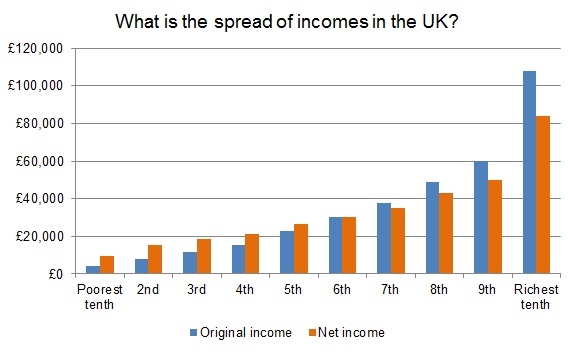
The authors say: “Most human misery is due not to economic factors but to failed relationships and physical and mental illness. Eliminating depression and anxiety would reduce misery by 20% while eliminating poverty would reduce it by 5%. And on top of that, reducing mental illness would involve no net cost to the public purse.” 

So the authors propose the delivery of more Cognitive Behavioural Therapy (CBT), whilst income redistribution and social justice perspectives are considered trivial and insignificant because they are deemed too costly. Layard in particular enthusiastically endorses CBT, which he regards as the modern evidence-based psychological therapy of choice. Layard was one of the key signatories of The Depression Report, and one of the main campaigners, along with David Clark, for the Increasing Access to Psychological Therapies (IAPT) programme, which has entailed the mass provision of CBT.

CBT is a cheap, short-term, goal-oriented treatment that practitioners claim takes a “hands-on, practical approach to problem-solving.” Its goal is to change patterns of thinking or behaviour that are claimed to be behind people’s difficulties, and so change the way they feel about their circumstances. However, I have critiqued this approach more than once. 

I’ve also critiqued the use of quantitative methodology and survey methods more generally in policy-making, as such methods frequently fail to pay due regard to authenticity, reliability and validity, inclusion and full participation: quantitative methods tend to be used non-prefiguratively. (See for example: The importance of citizen’s qualitative accounts in democratic inclusion and political participation.)

 what-is-the-spread-of-incomes-in-the-uk-2014-15

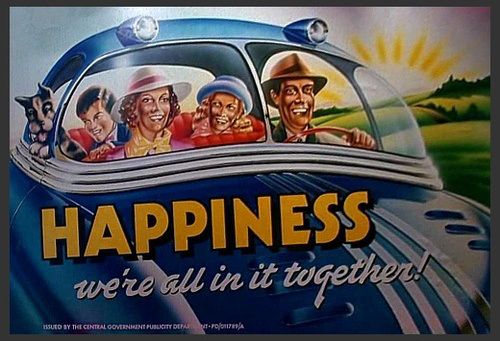
Happiness is a neoliberal warm gun: depopulating policy

CBT is of course premised on the assumption that interpreting situations “negatively” is a bad thing, and that thinking positively about bad events is beneficial.

The onus is on the individual to adapt by perceiving their circumstances in a stoical and purely “rational” way. CBT is primarily about self-governance techniques.

So we need to ask what are the circumstances that the authors are expecting people to accept stoically. Socioeconomic inequality? Absolute poverty? Sanctions? Work fare? Being forced to accept very poorly paid work, abysmal working conditions and no security? The loss of social support, public services and essential safety nets? Starvation and destitution? Political authoritarianism? The end of democracy?

It’s all very well challenging people’s thoughts but for whom is CBT being used, and for what purpose? It seems to me that this is about helping those people on the wrong side of draconian government policy to accommodate that, and to mute negative responses to negative situations. CBT in this context is not based on a genuinely liberational approach, nor is it based on any sort of democratic dialogue. It’s all about modifying and controlling behaviour, particularly when it’s aimed at such narrow, politically defined and specific economic outcomes, which extend and perpetuate inequality. In this context, CBT becomes state “therapy” used only as an ideological prop for neoliberalism.

CBT is too often founded on blunt oversimplifications of what causes human distress – for example, it is currently assumed that the causes of unemployment are psychological rather than sociopolitical, and that particular assumption authorises intrusive state interventions that encode a Conservative moral framework, which places responsibility on the individual, who is characterised as “faulty” in some way. The deeply flawed political/economic system that entrenches inequality isn’t challenged at all: its victims are discredited and stigmatised instead.

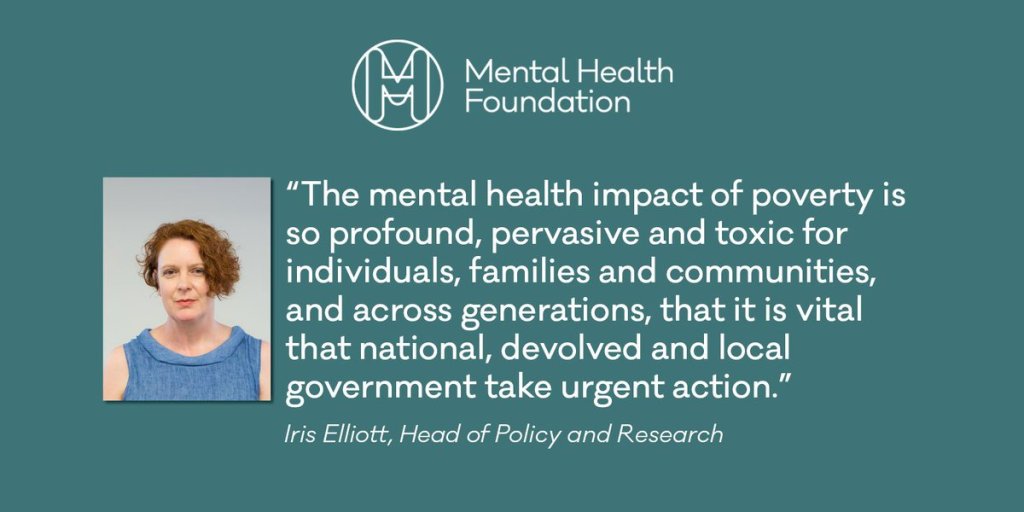
Yet historically (and empirically), it has been widely accepted that poverty significantly increases the risk of mental health problems and can be both a causal factor and a consequence of mental ill health. Mental health is shaped by the wide-ranging characteristics and circumstances (including inequalities) of the social, economic and physical environments in which people live. Successfully supporting the mental health and wellbeing of people living in poverty, and reducing the number of people with mental health problems experiencing poverty, requires engagement with this complexity. (See: Elliott, I. (June 2016) Poverty and Mental Health: A review to inform the Joseph Rowntree Foundation’s Anti-Poverty Strategy. London: Mental Health Foundation).

In the social sciences there is a longstanding and unresolved debate over the primacy of structure or agency in shaping human behaviour. Structure is the recurrent patterned social, economic and political arrangements which influence or limit the choices and opportunities available to citizens. Agency is the capacity of individuals to act autonomously and independently of “outside forces” to make their own free choices. 

Layard et al. dismiss the importance of context on human behaviours, cognitions, perceptions, attitudes and states of mind, and the study is premised and proceeds as if this controversy has been resolved. It hasn’t. 

Such an approach crucially overlooks conflict, the impacts of political decision-making, economic arrangements, social structure, prevailing cultural norms and ideologies, for example.

Rather predictably, Layard’s approach to research (for he’s an economist, not a psychologist, hence his approach shares more in common with the behavioural economists from the cost-cutting, antidemocratic Nudge Unit) conflates human needs and wellbeing with narrow ideological (antiwelfarist, “small state” neoliberal) outcomes, by removing any consideration of the complex interactions, constraints and impacts of the economic, social, cultural and political context on human happiness. Layard’s neuroliberal approach therefore may be read as an endorsement of existing socioeconomic inequalities. 

Furthermore, definitions of “happiness” are culturally specific. They are susceptible to culturally (and politically defined) dominant moral judgements. The happiness imperative may be regarded as an artifact of modern history, not as an inherent feature of the human condition. Across cultures and time, happiness has most frequently been defined as “good luck” and arising because of favourable external conditions. Some definitions place notions of a virtuous life and “hard work” as essential and central qualities of happiness. It’s worth noting that from 1997 to 2001, Layard was an adviser to New Labour and one of the key architects of the “New Deal” and “Welfare to Work” policies. He certainly has clearly defined ideological inclinations.

In those countries with a dominant ideology that is founded on competitive individualism, such as the US and the UK, the definitions of happiness and wellbeing based on chance and context were replaced by definitions focused on favourable internal feelings and states. In other words, happiness came to be regarded as an inner state that we have some personal control over. The significant rise in the availability and popularity of “self help” literature in the western world is a testament of this view that the happiness of citizens is a personal responsibility, and not a political one.

A central theme in this individualist approach is a relentless optimism about the capacity of individuals to improve their own mental health, and accept things as they are in order to bask in earned and fully deserved human happiness and fulfilment. The starting point of the self help perspective, (dating back to Samuel Smiles and his moralising, conservative disquisitions on Thrift and Self help: the austerity ideologue of mid Victorian laissez faire) is that the world is basically okay, the problems arising at an individual level are simply because of how we choose to perceive it – this is reflected in an emphasis on the necessity of changing the way you see and think about the world, particularly in neoliberal economies. It’s very clear why CBT is so appealing to the UK Conservative government. It doesn’t challenge the status quo at all. 

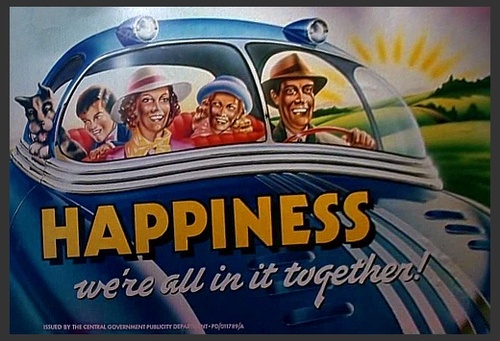
Establishing happiness as a metric is only meant to serve a political end. Indeed, it may even be regarded as a form of political gaslighting. I’m not alone in my concern that “happiness” research could be used to advance authoritarian aims. Studies show that in European elections since 1970, the subjective “life satisfaction” of citizens is the best predictor of whether the government gets re-elected  – this apparently is much more important than economic growth, social conditions, unemployment or inflation.

CBT is the modern descendant of the discredited, ever so quantitative behaviourist tradition, spearheaded by B.F. Skinner, who views persons as nothing more than empty and simple mediators between behaviour and the environment. Integral to this perspective of behaviourism is the concept of behaviour modification through rewards or “consequences.” This has been politically translated into a reductionist economic language of incentives and outcomes. (Stimulus => response.)

This is paralleled with the growth of nudge, which is a technocratic behaviourist solution and ideological prop in the form of behavioural economics, which is also all about generating public policies that aim to quantifiably change the perceptions and behaviours of citizens, aligning them with narrow neoliberal outcomes.

Even the likes of Oliver James (author of Affluenza and The Selfish Capitalist, among other works) critique the symptoms of neoliberal policies rather than the disease: neoliberalism itself.

This is precisely why independent research findings consistently highlight the value of adopting less idiomatic and more value neutral historical, political, cultural and linguistic perspective in the study of public happiness.

00122e59eb74fe0acab5f6838951c280

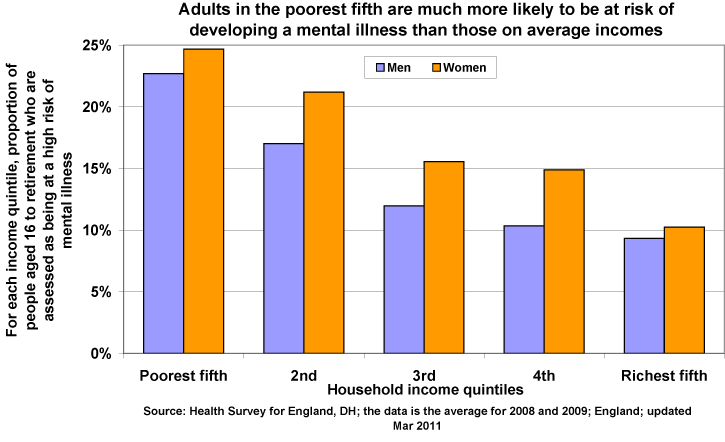
I think it’s fair to say that mental illness is not caused by just one thing. Poverty can be one factor or trigger that interacts with a complexity of other events, such as adverse life events, genetic predisposition, poor physical health or substance abuse. But so far, the strongest evidence suggests that poverty can lead to mental illness, especially disorders such as depression.

Living in poverty causes chronic distress and struggle. Failure to meet basic human needs certainly has an impact on human and social potential – Abraham Maslow explored how our cognitive priorities are reduced when our physiological needs are not met or our survival is threatened. Struggle and distress may have an ultimate biological impact on brain function. According to one controversial hypothesis, schizophrenia is the result of chronic experience of social adversity and defeat, which disturbs the dopamine level and function in the brain, for example.

 maslows_hierarchy_of_needs-4

A report published by the World Health Organization this year strongly suggests that poor individuals are twice as affected by mental health conditions compared to rich individuals. The report concludes: “Whilst the relationship between poverty and mental health is complicated, individual measures taken to reduce global poverty are likely to have positive impacts on mental health issues in underprivileged populations.”

Regardless, a society may be judged on how it treats its most disadvantaged citizens. The harrowing problems of poverty, as described in Charles Dickens’ David Copperfield, and social rehabilitation, or lack of it, as portrayed by Victor Hugo in Les Misérables, sadly remain as pressing today.

The statement from Psychologists Against Austerity

The Origins of happiness study overlooked the social and political context of mental health, say campaign group Psychologists Against Austerity. This lets politicians and the architects of austerity off the hook.

The London School of Economics (LSE) study, led by Layard, was published in early December. The report claims that eliminating depression and anxiety would be a cheap way to reduce misery by 20 per cent, while eliminating poverty would be more difficult – and, besides, it would only reduce unhappiness by 5 per cent.

Psychologists against austerity (PAA) have condemned the stark and simplistic dichotomy presented in the report between income and mental illness as predictors of life satisfaction.

In a response published online, the group, which is made up of practising mental health professionals, highlighted the fact “some media reports have gone further, apparently taking the results to imply that there is no causal relationship between poverty and mental illness”, and blamed the researchers for not making the complex relationship between poverty and mental health clearer. According to the psychologists, the two things “are related in a complex variety of ways, with both causally influencing the other”.

The group of psychologists said it was easy for the researchers to downplay the link in their findings, because the relationship is not as simple as happiness being dependent on income alone.

“Living in poverty is more stressful, with fewer buffers, so challenges are more likely to be catastrophic,” their statement said. “People living in poverty have less agency and control over their lives, and live with lower status, often accompanied by stigma, powerlessness and shame.”

Layard’s emphasised that as UK average incomes have increased, the country has not got happier. But PAA point out that in addition to becoming richer, Britain has also become a profoundly more unequal society since the 1980s.

The original study states that relative poverty is more important than absolute poverty in mental health terms, but does discuss this in detail.

Decades of previous research supports PAA’s statement, and many individual psychologists and academics agree with the anti-austerity group’s statement. 

The study “lets politicians off the hook, it lets austerity off the hook” by treating mental illness as if it exists in a void and is not intrinsically linked to societal factors, director of clinical psychology at Canterbury Christ Church University, Dr Anne Cooke, told the Guardian:

“It says that all that doesn’t matter, making a better society doesn’t matter, just offering technical treatments,” she said. “I am one of the people that offers technical treatments and I think they can be extremely helpful to some people but that argument is being stretched beyond the point at which it applies.”

Dr Peter Kinderman, president of the British Psychological Society, has said he welcomed Lord Layard’s call for a focus on national wellbeing through investment in mental health services. But he added, speaking to the Guardian, that he had misgivings about how the study had treated mental illness as a distinct variable from human misery.

Layard’s work has previously led to David Cameron’s adoption of national “wellbeing” statistics, and he was also a driving force behind the adoption of the Improving Access to Psychological Therapies to increase access to “talking therapies” on the NHS.

That latter policy was particularly controversial because it established finding work as an outcome of psychological treatment, which critics said may not be a suitable outcome for some and encouraged a policy of forcing people into work which may not be appropriate for them. PAA and other campaign groups have previously called aspects of the scheme’s implementation “profoundly disturbing”, attacking 2015 plans by then-chancellor George Osborne to link welfare and therapy by placing IAPT therapists in job centres. Layard, who is an economist rather than a psychologist, is now calling for a “new role for the state” that “swaps wealth creation for wellbeing creation” through targeted mental health interventions.

The LSE study has worried psychologists because Layard is highly influential with policymakers. The Labour peer’s recommendations previously led David Cameron to adopt national wellbeing statistics, and Lord Layard was also a driving force behind the Improving Access to Psychological Therapies (IAPT) scheme to increase access to “talking therapies” on the NHS.

Dr Jay Watts, a clinical psychologist, told the Guardian Layard’s call “negates decades worth of data linking mental health to poverty”.

“It’s ripe for misuse … in the current political climate,” she added.

Dr Anne Cooke said there were better ways to improve wellbeing than by focusing on isolated mental health interventions. Policy should take a more holistic public health approach, she proposed.

“Cholera wasn’t eradicated by developing new treatments, it was eradicated by improving drains back in pre-Victorian times.

What [Layard] neglects is the people at the bottom of the pile who are really, really struggling, and in current circumstances there are a lot of them. People who you see at food banks for example, who are in incredible distress and certainly would – most of them or a lot of them – meet the criteria for an anxiety disorder or depression,” she said.

But it’s largely a response to their circumstances. If we do something about that, rates of mental illness in the population are going to come down a lot more effectively than providing a lot more therapy.”

Meanwhile, PAA suggested that rather than doing nothing to help the most disadvantaged people, the study could actually contribute to perpetuating poverty.

“Discussions of mental health that leave out a thorough analysis of poverty and income inequality may be used uphold policies that maintain disadvantage and oppression in society,” the group said.

You can read PAA’s full response here

b

Adults in the poorest fifth are much more likely to be at risk of developing a mental illness as those on average incomes: around 24% compared with 14%.

cp5w8ifxgaauf-u

Related

The Psychological Impact of Austerity – Psychologists Against Austerity

Psychologists Against Austerity: mental health experts issue a rallying call against coalition policies 

The power of positive thinking is really political gaslighting


I don’t make any money from my work. But you can contribute by making a donation and help me continue to research and write informative, insightful and independent articles, and to provide support to others. The smallest amount is much appreciated – thank you.

DonatenowButton cards

Social service funding crisis deepens

gret deceit

Research, carried out before the referendum on the UK’s membership of the European Union, has highlighted fundamental problems concerning how different social services will be affected in the future, including adult social care. The survey included all 151 adult social services directors in England, and it has found that despite charging residents extra council tax to pay for social care, and disabled clients now have to pay for social services from their disability benefits (care component), the additional revenue isn’t sufficient to cover the cost of the new National Living Wage (NLW), nor will it address the huge shortfall in funding to meet increasing public demand.

The research published yesterday by the Association of Directors of Adult Social Services (ADASS) indicates that the precept, introduced in the Autumn Statement 2015 to give councils the option to raise council tax by 2 per cent for adult social care, will generate less than two thirds of the more than £600 million needed to cover the NLW this year, leaving directors  with a gap to fill of around £940 million just to keep essential services operating at last year’s levels – and at a time when demand from people who need support is steadily increasing.

ADASS President Harold Bodmer said:

“Councils are working hard to protect adult social services budgets, with adult social care accounting for 35 per cent of council spending for the third year running. However, with more people needing support and having increasingly complex needs, the impact of the welcome national living wage, and other cost pressures, fewer people are getting help, and councils are having to make reductions which will impact on people who receive care.

“More money needs to be invested in prevention to reduce future demand, but with funding under such pressure and diverted to those with greatest and immediate need – those that we have a statutory duty towards – the opportunity to do that is being taken away.

“We have been arguing for some time now that adult social care needs to be given the same protection and investment as the NHS. Services are already being cut, and the outlook for future care is bleak. We’re at a tipping point where social care is in jeopardy, and unless the Government addresses the chronic underfunding of the sector, there will be worrying consequences for the NHS and, most importantly, older and disabled people, their families and carers.”

The survey also found that more people in need were being affected by the crisis in social care funding:

  • Despite a 3 per cent increase in the older population, there has not been a corresponding rise in people receiving care;
  • At least 24 per cent of the £941 million (7 per cent) savings that adult social services directors will be expected to make this year will come from cutting services or reducing personal budgets;
  • 80 per cent of directors reported that care providers – both care home owners and home care providers – were facing financial difficulties and closing care homes or handing back contracts to councils, affecting thousands of people, despite 82 per cent of councils increasing fees to providers.

Mr Bodmer added:

“ADASS will be closely monitoring the potential impact of the referendum result on the economy and funding of adult social services, and we’ve extended our support to the 80,000 EU staff who are providing care to people right across the country, every day.

“While these may be uncertain times, the most important thing to remember is that people’s needs for care won’t stop. We still have a responsibility to make sure people are getting the support they need to live independent, valuable lives, and to plan ahead as best we possibly can.”

Although the overall budget for adult social services has risen slightly from last year because of the revenue raised due to the precept, from £13.65 billion to £13.82 billion, there is wide variation between individual councils, with 70 of 151 reporting a fall in budgets. 62 councils needed to draw on the reserves from last year to fund significant budget shortfalls, whilst 52 had been forced to cut services to balance budgets. 

And of course the precept also raises the least amount of money in the areas of greatest need, intensifying existing budget pressures.

Related

Children’s social workers ‘under immense pressure’, say MPs


This post was written for Welfare Weekly, which is a socially responsible and ethical news provider, specialising in social welfare related news and opinion.

A black day for disabled people – disability benefit cuts enforced by government despite widespread opposition

536738_306169162785952_999031084_n

“The fact is that Ministers are looking for large savings at the expense of the poorest and most vulnerable. That was not made clear in the general election campaign; then, the Prime Minister said that disabled people would be protected.” – [Official Report, Commons, 2/3/16; cols. 1052-58.]

A coalition of 60 national disability charities have condemned the government’s cuts to benefits as a “step backwards” for sick and disabled people and their families. The Disability Benefits Consortium say that the cuts, which will see people lose up to £1,500 a year, will leave disabled people feeling betrayed by the government and will have a damaging effect on their health, finances and ability to find work.

Research by the Consortium suggests the low level of benefit is already failing to meet disabled people’s needs. 

A survey of 500 people in the affected group found that 28 per cent of people had been unable to afford to eat while in receipt of the benefit. Around 38 per cent of respondents said they had been unable to heat their homes and 52 per cent struggled to stay healthy.

The Government was twice defeated in the Lords over proposals to cut Employment and Support Allowance (ESA) for sick and disabled people in the work-related activity group (WRAG) from £103 to £73.

However the £30 a week cut is set to go ahead after bitterly disappointed and angry peers were left powerless to continue to oppose the Commons, which has overturned both defeats. The government has hammered through the cuts of £120 a month to the lifeline income of ill and disabled people by citing the “financial privilege” of the Commons, and after Priti Patel informing the Lords that they have “overstepped their mark” in opposing the cuts twice.

The Strathclyde review, commissioned by a rancorous and retaliatory David Cameron, following the delay and subsequently effective defeat of government tax credit legislation in the House of Lords, recommends curtailing the powers of Upper House. Strathclyde concludes in his report that the House of Lords should be permitted to ask the Commons to “think again” when a disagreement on proposed legislation exists, but should not be allowed to veto. MPs would ultimately make a decision on whether a measure is passed into law. The review focuses in particular on the relationship between the Commons and the Lords, in relation to the former’s primacy on financial matters and secondary legislation, and serves to highlight the government’s very worrying increasing tendency towards authoritarianism.

The cuts to ESA and proposed and probable cuts to Personal Independent Payments (PIP), take place in the context of a Tory manifesto that included a pledge not to cut disability benefits.

Yesterday in the House of Lords, independent crossbencher Lord Low of Dalston warned: “This is a black day for disabled people.”

Contrary to what is being reported, it won’t be only new claimants affected by the cuts to ESA. Firstly, it may potentially affect anyone who has a break in their ESA claim (and that could happen because of a reassessment with a decision that means needing to ask for a mandatory review), and secondly, those migrated onto Universal Credit will be affected. The benefit cap will also cut sick and disabled people’s income if they are in the ESA WRAG.

Paralympic gold medallist Baroness Grey-Thompson said she was bitterly disappointed that this “dreadful and punitive” part of the Bill was going ahead.

Parliamentary procedure had prevented her putting down another amendment opposing the move, which will have a harsh, negative impact on thousands of people’s lives.

Already facing a UN inquiry into grave and systematic abuses of the human rights of disabled people, Cameron remains completely unabashed by his government’s blatant attack on a protected social group, and the Conservatives continue to target disabled people for a disproportionately large burden of austerity cuts.

The Government have been accused of failing to fulfil their public sector equality duty. Under the Equality Act 2010, the Government must properly consider the impact of their policies on the elimination of discrimination, the advancement of equality of opportunity and the fostering of good relations. This is shameful, in a very wealthy first-world democracy.

The “justification” the Tories offer for the cut of almost £120 a month to the lifeline support of people judged to be unfit for work by their own doctors AND the state, is that it will “help people into work”. I’ve never heard of taking money from people who already have very little described as “help” before. Only the Conservatives  would contemplate cutting money from sick and disabled people, whilst gifting the millionaires with £107, 000 each per year in the form of a tax “break”.

Reducing disabled people’s incomes won’t “incentivise” anyone to find a job. It will just make life much more difficult. The government have made the decision to cut disability benefits because of an extremely prejudiced ideological preference for a “small state” and their antiwelfare agenda. There are alternative political choices that entail far more humane treatment of sick and disabled people. The fact that ministers have persistently refused to carry out a policy impact assessment indicates clearly that this measure has got nothing to do with any good will towards disabled people, nor is it about “helping” people into work.

The cut simply expresses the Conservative’s contempt for social groups that are economically inactive, regardless of the reasons. Sick and disabled people claiming ESA have already been deemed unfit for work by their doctors, and by the state via the work capability assessment. Simply refusing to accept this, and hounding a group of people who are ill, and who have until recently been considered reasonably exempt from working, is an indictment of this increasingly despotic government.

I can’t help wondering how long it will be before we hear about government proposals to cut the financial support further for those in the ESA support group. There does seem to be a recognisable pattern of political scapegoating, public moral boundaries being pushed, and cruel, highly unethical cuts being announced. Social security provision is being dismantled incrementally, whilst the Conservative justification narrative becomes less and less coherent. Despite the arrogant moralising approach of Tory ministers, and the Orwellian rhetoric of “helping” and “supporting” people who are too ill to work into any job, or face the threat of starvation and destitution, none of this will ever justify the unforgivable, steady withdrawal of lifeline support for sick and disabled people.

Baroness Meacher warned that for the most vulnerable the cut was “terrifying” and bound to lead to increased debt.

Condemning the “truly terrible” actions of the Treasury, she urged ministers to monitor the number of suicides in the year after the change comes in, adding: “I am certain there will be people who cannot face the debt and the loss of their home, who will take their lives.” Not only have the government failed to carry out an impact assessment regarding the cuts, Lord Freud said that the impact, potential increase in deaths and suicides won’t be monitored, apart from “privately” because individual details can’t be shared and because that isn’t a “useful approach”.

He went on to say “We have recently produced a large analysis on this, which I will send to the noble Baroness. That analysis makes it absolutely clear that you cannot make these causal links between the likelihood of dying—however you die—and the fact that someone is claiming benefit.”

Actually, a political refusal to investigate an established correlation between the welfare “reforms” and an increase in the mortality statistics of those hit the hardest by the cuts – sick and disabled people – is not the same thing as there being no causal link. Often, correlation implies causality and therefore such established links require further investigation. It is not possible to disprove a causal link without further investigation, either.

Whilst the government continue to deny there is a causal link between their welfare policies, austerity measures and an increase in premature deaths and suicides, they cannot deny there is a clear correlation, which warrants further research – an independent inquiry at the VERY least. But the government are hiding behind this distinction to deny any association at all between policy and policy impacts. That’s just plain wrong.

Insisting that there isn’t a “causal link” established, whilst withholding crucial evidence in parliament and from the public domain is what can at best be considered the actions and behaviours of tyrants.


Related reading

House of Lords debate: ESA – Monday 07 March 2016 (From 3.06pm)

Thatcher’s policies condemned for causing “unjust premature death”

MP attacks cuts hitting disabled people – Debbie Abrahams

Leading the debate against the Welfare Reform and Work Bill – 3rd reading – Debbie Abrahams

My speech at the Changes to Funding of Support for Disabled People Westminster Hall Debate – Debbie Abrahams

The government need to learn about the link between correlation and causality. Denial of culpability is not good enough.

The new Work and Health Programme: government plan social experiments to “nudge” sick and disabled people into work

A Critique of Conservative notions of “Social Research”

The DWP mortality statistics: facts, values and Conservative concept control

10177255_710935002309364_996655242459079802_n

Pictures courtesy of Robert Livingstone

My work isn’t funded and I don’t get paid to write. But you can support Politics and Insights, and help me to continue researching, analysing and writing independently.

The smallest amount is much appreciated, and helps to keep my articles free and accessible to all – thank you.

And a massive thank you to those who have already contributed.

DonatenowButton
cards

G4S are employing Cognitive Behavioural Therapists to deliver “get to work therapy”

BpXsHmOIAAEHmBe

Background

Last April, more than 400 psychologists, counsellors and academics signed an open letter condemning the profoundly disturbing psychological implications of the government’s austerity and welfare reform measures. The group of professionals said that over the past five years the types of issues causing clients distress had shifted dramatically and now include increasing inequality, outright poverty and that people needing support because of structural problems, such as benefits claimants, are being subjected to a “new, intimidatory kind of disciplinary regime”.

The signatories of the letter, published in The Guardian, express concern over chancellor George Osborne’s plans, laid out in the latest budget, to embed psychological therapy in a coercive back-to-work agenda. Osborne said the government will aim to give online CBT to 40,000 recipients of Jobseeker’s Allowance, Employment and Support Allowance, people on the Fit for Work programme, as well as putting therapists in more than 350 job centres.

The letter stated that the government’s proposed policy of linking social security benefits to the receipt of “state therapy” is utterly unacceptable. The measure, casually described as “get to work therapy,” was discussed by George Osborne during his last budget.

The letter’s signatories, all of whom are experts in the field of mental health, have said such a measure is counter-productive, “anti-therapeutic,” damaging and professionally unethical. The intimidatory disciplinary regime facing benefits claimants would be made even worse by further unacceptable proposals outlined in the budget.

I raised my own concerns about Osborne’s proposals in March last year. Amongst the groups represented by the signatories were Psychologists Against Austerity, Britain’s Alliance for Counselling and Psychotherapy, Psychotherapists and Counsellors for Social Responsibility, the Journal of Public Mental Health, and a range of academic institutions including Goldsmiths, Birkbeck, the University of London, the University of Amsterdam, Manchester Metropolitan University and the University of Brighton.

The proposals are widely held to be profoundly anti-therapeutic, potentially very damaging and professionally unethical. With such a narrow objective, the delivery will invariably be driven by an ideological agenda, politically motivated outcomes and meeting limited targets, rather than being focused on the wellbeing of individuals who need support and who may be vulnerable.

A major concern that many of us have raised is regarding consent to participation, as, if benefit conditionality is attached to what ought to be a voluntary engagement, that undermines the fundamental principles of the right to physical and mental care. Such an approach would reduce psychologists to simply acting as agents of state control, enforcing compliance and conformity. That is not therapy: it’s psychopolitics and policy-making founded on a blunt behaviourism, which is pro-status quo, imbued with Conservative values and prejudices. It’s an approach that does nothing whatsoever to improve public life or meet people’s needs.

The highly controversial security company G4S are currently advertising for Cognitive Behavioural Therapists to deliver “return-to-work” advise in Surrey, Sussex and Kent.

The Role Description:

  • Manage a caseload of Customers and provide return-to-work advice and guidance regarding health issues.
  • Targeted on the level, number and effectiveness of interventions in re-engaging Customers and Customer progression into work.
  • Focus on practical techniques that enable them to manage their conditions to enter and sustain employment.
  • Work with Customers on a one-to-one basis and in groups to provide support on a range of mental health conditions. Refer clients to relevant external health or specialist services as required
  • Conduct bio-psychosocial assessments via face-to-face and telephone-based interventions and produce tailored action plans to support Customers in line with contractual MSO.
  • Deliver specific health for employment workshops and input into delivery models to support achievement of MSO
  • Build relationships with key stakeholders including GP’s, employers and relevant NHS bodies
  • Identify and build relationships with other organisations that contribute to the successful delivery of the programme.
  • Expected to contribute substantially to the development of the service. Including the routine collection, review and feedback of activity/data, ensuring that activity targets are adhered to.

Basic Requirements

  • Experience of delivering CBT.
  • Evidence of understanding of Welfare to Work and the issues that unemployed people face.

This is yet another lucrative opportunity for private companies to radically reduce essential provision for those that really need support, nonetheless, costing the public purse far more to administer than such an arrangement could possibly save, despite the government’s dogged determination to rip every single penny from sick and disabled people and drive them into low paid, insecure jobs.

G4S priorities and the ideological context

“We are saving the taxpayer £120 million a year in benefit savings.” Sean Williams – Welfare to Work, Managing Director, G4S.

Welfare to work schemes exploit unemployed people desperately seeking work. Work programmes are mandatory, if people refuse to participate, they face sanctions, entailing the withdrawal of their lifeline benefit, which was originally calculated to meet basic physiological needs only. Workfare is unpaid labour provided as a handout to business, tax payers are subsidising the wage bill of the private sector. Workfare also serves to drive wages down, it is a disincentive for employers to create jobs that pay a fair wage. 

Anti-workfare group Boycott Workfare say that workfare replaces jobs and undermines working conditions and wages. A research report in 2012 found a Work Programme success rate of just 2.3%. Given that 5% of people who are unemployed in the long term would be expected to find employment if left to their own devices, the Work Programme is considered less successful than leaving people to make their own choices regarding their own work experiences.

Work as a “health” outcome

The Conservatives have come dangerously close to redefining unemployment as a psychological disorder, and employment is being redefined as a “health outcome.” The government’s Work and Health programme involves a plan to integrate health and employment services, aligning the outcome frameworks of health services, Improving Access To Psychological Therapies (IAPT), Jobcentre Plus and the Work Programme. 

But the government’s aim to prompt public services to “speak with one voice” is founded on questionable ethics. This proposed multi-agency approach is reductive, rather than being about formulating expansive, coherent, comprehensive and importantly, responsive provision.

Psychopolitics is not therapy. It’s all about (re)defining the experience and reality of a social group to justify dismantling public services (especially welfare), and that is form of gaslighting intended to extend oppressive political control and micromanagement. In linking receipt of welfare with health services and “state therapy,” with the single intended outcome explicitly expressed as employment, the government is purposefully conflating citizen’s widely varied needs with economic outcomes and diktats, isolating people from traditionally non-partisan networks of relatively unconditional support, such as the health service, social services, community services and mental health services.

Public services “speaking with one voice” will invariably make accessing support conditional, and further isolate already marginalised social groups. It will damage trust between people needing support and professionals who are meant to deliver essential public services, rather than simply extending government dogma, prejudices and discrimination.

Conservatives really seem to believe that the only indication of a person’s functional capacity, value and potential is their economic productivity, and the only indication of their moral worth is their capability and degree of willingness to work. But unsatisfactory employment – low-paid, insecure and unfulfiling work – can result in a decline in health and wellbeing, indicating that it is poverty and growing inequality, rather than unemployment, that increases the risk of experiencing poor mental and physical health.

Moreover, in countries with an adequate social safety net, poor employment (low pay, short-term contracts), rather than unemployment, has the biggest detrimental impact on mental health.

There is ample medical evidence (rather than political dogma) to support this account. (See the Minnesota semistarvation experiment, for example. The understanding that food deprivation in particular dramatically alters cognitive capacity, emotions, motivation, personality, and that malnutrition directly and predictably affects the mind as well as the body is one of the legacies of the experiment.)

Systematically reducing social security, and increasing conditionality, particularly in the form of punitive benefit sanctions, doesn’t “incentivise” people to look for work. It simply means that people can no longer meet their basic physiological needs, as benefits are calculated to cover only the costs of food, fuel and shelter. Food deprivation is closely correlated with both physical and mental health deterioration. Maslow explained very well that if we cannot meet basic physical needs, we are highly unlikely to be able to meet higher level psychosocial needs. The government proposal that welfare sanctions will somehow “incentivise” people to look for work is pseudopsychology at its very worst and most dangerous.

In the UK, the government’s welfare “reforms” have further reduced social security support, originally calculated to meet only basic physiological needs, which has had an adverse impact on people who rely on what was once a social safety net. Poverty is linked with negative health outcomes, but it doesn’t follow that employment will ameliorate poverty sufficiently to improve health outcomes. In fact record numbers of working families are now in poverty, with two-thirds of people who found work in 2014 taking jobs for less than the living wage, according to the annual report from the Joseph Rowntree Foundation a year ago.

Essential supportive provision is being reduced by conditionally, by linking it to such a narrow outcome – getting a job – and this will reduce every service to nothing more than a political semaphore, and service provision to a behaviour modification programme based on punishment, with a range of professionals being politically co-opted as state enforcers. The Government is intending to “signpost the importance of employment as a health outcome in mandates, outcomes frameworks, and interactions with Clinical Commissioning Groups.”

The fact that the Conservatives also plan to make receipt of benefits contingent on participation in “treatment” worryingly takes away the fundamental right of consent. I submitted a Freedom of Information request to the Department for Work and Pensions last year to ask for details of their methods of gaining claimant consent, their ethical framework and safeguards regarding the trialing of the new Work and Health programme. My request was rather unreasonably refused on the grounds of cost. I also sent the same request to the Cabinet Office, since the Behavioural Insights Team are involved in the design of the trials. Worryingly, the Office did not have the information.

Therapy in job centres and employment advisors in GP surgeries will not address inequality, and the social conditions that are the consequence of political decision-making and imposed economic frameworks, so it permits society to look the other way, whilst the government continue to present mental illness as an individual weakness or vulnerability, and a consequence of “worklessness” rather than a fairly predictable result of living in a highly unequal, competitive society, and arising because of experiences of living stigmatised, marginalised lives because of politically expedient policy-directed material deprivation.

Private firms like G4s, awarded multimillion-pound contracts to run the Work Programme, advised that there should be many more cases where claimants have their benefits stripped as punishment for failing to seek work. G4S earned £183m to help unemployed people to find work through the Government’s Work Programme. During the first eight months of the programme G4S asked benefit offices to sanction 7,780 claimants. In fact the company has effectively sanctioned many more people than it has “helped” into work.

There really should not be a role for G4S in the health service. G4S has left a wake of atrocities committed against vulnerable people in the UK and in other countries, including human rights abuses: exploitation, torture, causing deaths and forcing anti-psychotic injections on vulnerable prisoners to ensure they are passive and compliant.

Here is little information about G4S’s track record of working with vulnerable individuals and marginalised social groups, though this list is by no means exhaustive:

Human rights abuse allegations

Disabled ex-serviceman Peter McCormack, aged 79, was chained to a prison officer employed by G4S for eight days while in Royal Liverpool University Hospital after a heart attack in March 2012. The restraint was removed only briefly for him to take off his upper clothing, and when he was under heavy sedation undergoing an heart procedure. But he remained chained even when using the toilet and shower. McCormack, who has a disability as a result of being shot through the knee while serving with the Royal Engineers during the 1956 Suez crisis, spent 14 days attached by his wrist to a 2.5 metre closet chain, despite having been described as a model prisoner. Judge Graham Wood QC ruled in September 2014 that “During this time he was humiliated and his dignity was affronted.” Mr McCormack was detained because he may have faced a modest criminal sentence at most for breach of a regulatory offence in relation to his business.

McCormack was awarded £6,000 compensation for breach of his human rights. The judge criticised the evidence given by G4S’s then head of security, saying it was “less than impressive … It is a reasonable conclusion that she simply ignored a recommendation from a security manager.”

Unacceptable use of force by UK Border Agency

In October 2012 the Chief Inspector of Prisons, Nick Hardwick published his inspection report into the G4S-managed Cedars Pre-Departure Accommodation UK Border Agency (UKBA). G4S were criticised for using “non-approved techniques” during one particular incident in which a pregnant woman’s wheelchair was tipped up whilst her feet were held. The incident used “non-approved techniques” causing significant risk to the baby and was a “simply not acceptable” use of substantial force. Hardwick said: “There is no safe way to use force against a pregnant woman and to initiate it for the purpose of removal is to take an unacceptable risk.”

Significant force was also used against six out of the 39 families, including two children, at the centre, which holds families for up to a week, the report said.

Judith Dennis, of the Refugee Council, called for UKBA to heed the report’s recommendations, which include that force should only ever be used against pregnant women and children to prevent harm.

Jerry Petherick, managing director of G4S custodial and detention services, said the welfare of people in its care was its top priority.

The unlawful killing of Jimmy Mubenga

In October 2010, three G4S-guards restrained and held down 46-year-old Angolan deportee  called Jimmy Mubenga on departing British Airways flight 77, at Heathrow Airport. Security guards kept him restrained in his seat as he began shouting and seeking to resist his deportation. Police and paramedics were called when Mubenga lost consciousness. The aircraft, which had been due to lift off,  returned to the terminal. Mubenga was pronounced dead later that evening at Hillingdon hospital. Passengers reported hearing cries of “don’t do this” and “they are trying to kill me.” Scotland Yard’s homicide unit began an investigation after the death became categorised as “unexplained”. Three private security guards, contracted to escort deportees for the Home Office, were released on bail, after having been interviewed about the incident.

In February 2011, The Guardian reported that G4S guards in the United Kingdom had been repeatedly warned about the use of potentially lethal force on detainees and asylum seekers. Confidential informants and several employees released the information to reporters after G4S’s practices allegedly led to the death of Jimmy Mubenga. An internal document urged management to “meet this problem head on before the worst happens” and that G4S was “playing Russian roulette with detainees’ lives.” The following autumn, the company once again faced allegations of abuse. G4S guards were accused of verbally harassing and intimidating detainees with offensive and racist language.

In July 2012, the Crown Prosecution Service (CPS) announced its conclusion that there was “insufficient evidence to bring any charges for Mr Mubenga’s death” against G4S or any of its former employees. On 9 July 2013 an inquest jury, in a nine-to-one decision, found that Mubenga’s death was caused by the G4S guards “using unreasonable force and acting in an unlawful manner.” 

Exploitation

In August 2014, G4S was again criticised for using immigrant detainees as cheap labour, with some being paid as little as £1 per hour. The Home Office defended the practice, and said: “The long-standing practice of offering paid work to detainees has been praised by Her Majesty’s inspectorate of prisons as it helps to keep them occupied whilst their removal is being arranged. Whether or not they wish to participate is entirely up to the detainees themselves. This practice is not intended to substitute the work of trained staff”

Abuse of vulnerable young people at Medway Secure Training Centre in Kent

A BBC Panorama investigation into abuse at a young offenders unit in Kent, run by security firm G4S, exposed child neglect and abuse. The Panorama programme provided shocking footage at Medway Secure Training Centre in Rochester following reports from a whistleblower. Shot by an undercover journalist who posed as a security officer, the footage shows staff using excessive force to restrain youngsters, bullying, lying when reporting incidents and boasting about hurting the inmates. The film shows a a senior officer restraining a 14-year-old boy by pressing his fingers on his throat.

One boy had injured himself by cutting his arm and staff piled on to restrain him, then left him in a cell crying, despite knowing that the boy’s mother had recently died and he was grieving. G4S employees boasted not only about harming children but also falsifying records so the company was not fined for losing control. Footage showed a vulnerable boy who was having his room cleared of anything he could harm himself with, was apparently choked and slammed on a bed. 

The programme also revealed officers lying about incidents to cover up their actions. 

G4S has been paid £140,000 per year per child held in Medway.

Among the allegations relating to ten boys aged 14 to 17, uncovered by Panorama and now subject to investigation are that Medway staff:

  • Slapped a teenager several times on the head
  • Pressed heavily on the necks and throats of young people
  • Used restraint techniques unnecessarily – and that included squeezing a teenager’s windpipe so he had problems breathing
  • Used foul language to frighten and intimidate – and boasted of mistreating young people, including using a fork to stab one on the leg and making another cry uncontrollably
  • Tried to conceal their behaviour by ensuring they were beneath CCTV cameras or in areas not covered by them

South Africa prison torture and abuse accusations

In October 2013, the BBC reported that there are allegations of prisoners being tortured at Mangaung Prison in South Africa. The security firm G4S was given the contract to run the prison in 2000. The BBC cites research from the Wits Justice Project at Wits University in Johannesburg, claiming that dozens of the nearly 3,000 inmates at the G4S prison have been tortured using electroshock and forced injections. As of October 2013, G4S said it was investigating the allegations.

Leaked footage revealed that complaints of forced injections – that is, involuntary medication with powerful anti-psychotic drugs, with serious side effects, we true.

Emergency security team warders have further said that they would assist in administering forced injections up to five times a week.

Human rights abuse and violence at Manus Island Asylum Centre

G4S provided security in the Manus Island asylum processing centre in Papua New Guinea, and failed to maintain basic human rights standards and protect asylum seekers from harm, the complaint lodged to the Organisation for Economic Co-Operation and Development (OECD) alleged.

In 2008, Aboriginal elder, Mr Ward, cooked to death while being transported by G4S, more than 220 miles across searing Goldfields in a badly maintained van with faulty air conditioning in January 2008. He had third degree burns from contact with the searing hot metal floor of the van. The guards driving the prison van did not stop to check his welfare or see if he needed a toilet break, food or water until, they say, they heard a thud from the back. Even then they didn’t unlock both the cell doors, and instead threw water on Mr Ward through the chained-up inner door. The Department of Corrective Services, the prisoner transport contractor – G4S, and the prison van driver Graham Powell were also prosecuted by WorkSafe. Corrective Services and G4S were each fined $285,000 for their role in Mr Ward’s death. Mr Powell was fined $9000. Prison officer Nina Mary Stokoe was fined $11,000 for her role in the death of Mr Ward.

The Australian government nonetheless contracted G4S to oversee management and security at the Manus Island centre from February 2013 to March 2014, despite this.

Rachel Ball, the director of advocacy at the Human Rights Law Centre, said under government-endorsed OECD guidelines, multinational companies were obliged to respect human rights and avoid contributing to human rights abuses.

“In February this year G4S guards at the detention facility on Manus Island went on what can only be described as a violent rampage,” she said.

“Reza Berati was killed, one man lost his eye, another had his throat slit, and 77 others were treated for serious injuries including head wounds, a gunshot wound, broken bones and lacerations.

“G4S was directly involved in this violence through its role in arbitrary detention and poor conditions that led to the unrest, and through the direct participation of its employees in the violence.”

Ball said the company had not been held to account for its role in the violence, prompting the joint complaint between her organisation and the British non-government organisation Rights and Accountability in Development.

Conditions in the camp have also been strongly criticised by UN agencies and human rights groups.

Fraud allegations

In July 2013, British Justice Secretary, Chris Grayling, asked the Serious Fraud Office to investigate G4S for overcharging for tagging criminals in England and Wales, claiming that it and rival company Serco charged the government for tagging people who were not actually being monitored, including tags for people in prison or out of the country, and a small number who had died. G4S was given an opportunity to take part in a forensic audit but initially refused.

Following the completion of a review by the Cabinet Office into major contracts across government, Francis Maude and the Cabinet Office announced in December 2013, that their review had “found no evidence of deliberate acts or omissions by either firm leading to errors or irregularities in the charging and billing arrangements on the 28 contracts investigated.”

In March 2014, G4S agreed to pay a settlement of £109 million to the government, incorporating a refund for “disputed” services and reimbursement of additional costs.

Scandal also followed G4S’s management of London Olympic security, back in 2012 when it failed to deliver enough guards to police the games. As a result 3,500 military troops were drafted in. 

Despite these issues, G4S won significant new work for the British government in 2014 including selection by the Department for Work and Pensions to manage community work placement contracts, a deal providing healthcare services for prisons in the north east, and patient transport for the NHS.

G4S’s involvement in the recruitment of cognitive behavioural therapists to work with vulnerable unemployed people is a very worrying development.

Mindful of the company’s failure to fully investigate its ethical practices, RT compiled a list of past instances G4S has broken standards.

The Guardian: Outsourced services fail the vulnerable – “Red front doors in Middlesbrough, red wristbands in Cardiff. Not long ago another group of vilified people were also made to mark their doors and wear a distinctive badge – the yellow star. Who is advising Clearsprings?” And G4S. Dr Jonathan Fluxman

PAA-550x369


My work isn’t funded. But you can support Politics and Insights, and help me to continue researching, analysing and writing independently.

The importance of citizens’ qualitative accounts in democratic inclusion and political participation

disempowerment
Government policies are expressed political intentions regarding how our society is organised and governed. They have calculated social and economic aims and consequences. In democratic societies, citizens’ accounts of the impacts of policies ought to matter.

However, in the UK, the way that policies are justified is being increasingly detached from their aims and consequences, partly because democratic processes and basic human rights are being disassembled or side-stepped, and partly because the government employs the widespread use of linguistic strategies and techniques of persuasion to intentionally divert us from their aims and the consequences of their ideologically (rather than rationally) driven policies. Furthermore, policies have become increasingly detached from public interests and needs.

The merits of quantitative analysis

The government have denied there is a causal link between their welfare policies, austerity measures and an increase in mental distress, premature death and suicide. However, ministers cannot deny there is a clear and well-established correlation, which warrants further research. But the government are hiding behind a distinction often made by researchers, to avoid accountability and to deny any association at all between policy and policy impacts. That’s just plain wrong.

Correlation isn’t quite the same as causality. When researchers talk about correlation, what they are saying is that they have found a relationship between two (or more) variables. “Correlation does not mean causation” is a quip that researchers and quite often, the government, chucks at us to explain that events or statistics that happen to coincide with each other are not necessarily causally related.

However, the possibility of causation isn’t refuted by political denial or somehow invalidated by the establishment of a correlation. Quite the contrary. Indeed an established association implies there may also be a causal link. To prove causation, further research into the association between variables must be pursued. So, care should be taken not to make an assumption that correlation never implies causation, because it quite often does indicate a causal link.

Correlations between two things may be caused by a third factor that affects both of them. This sneaky, hidden third factor is called a confounding variable, or sometimes, simply a confounder.

However, a lot of social research tends to indicate and discuss a correlation between variables, not a direct cause and effect relationship. Researchers are inclined to talk cautiously about associations.

It’s worth bearing in mind that establishing correlation is crucial for research and shows that something needs to be examined and investigated further. That’s precisely how we found out that smoking causes cancer, for example – through repeated findings showing an association (those good solid, old fashioned science standards of replicability and verification). It is only by systematically eliminating other potential associations – variables – that we can establish causalities.

The objective of most research or scientific analysis is to identify the extent to which one variable relates to another variable and the direction of the association. If there is a correlation then this guides further research into investigating whether one action causes the other. Statistics measure occurrences in time and can be used to calculate probabilities. Probability is important in research because measurements, observations and findings are often influenced by variation. In addition, probability theory provides the theoretical groundwork for statistical inference.

Statistics are fundamental to good government; to the delivery of public services and to decision-making at all levels of society. Statistics provide parliament and the public with a window on the work, performance and intentions of a government. Such data allows for the design of policies and programmes that aim to bring about a desired and stated outcome, and permits better targeting of resources.

Once a policy has been implemented it is necessary to monitor and evaluate the effectiveness of the policy to determine whether it has been successful in achieving the intended outcomes. It is also important to evaluate whether services (outputs) are effectively reaching those people for whom they are intended. Statistics play a crucial role in this process. So statistics, therefore, represent a significant role in good policy-making, monitoring and political accountability. The impact of policy can be measured with statistics.

So firstly, we need to ask why the government are not doing this.

If policy impacts cannot be measured then it is not good policy.

Ensuring accuracy and integrity in the reporting of statistics is a serious responsibility. In cases where there may not be an in-depth understanding of statistics in general, or of a particular topic, the use of glossaries, explanatory notes and classifications ought to be used to assist in their interpretation.

Statistics can be presented and used in ways that may lead readers and politicians to draw misleading conclusions. It is possible to take numbers out of context, as Iain Duncan Smith, amongst others, is prone to do. However, official statistics are supposed to be produced impartially and free from political influence, according to a strict code of practice. This is a government that systematically breaches the code of conduct. See: List of official rebukes for Tory lies and statistical misrepresentations, for example.

We need to ask why the government refuses to conduct any research into their austerity policies, the impacts they are having and the associated mental distress, physical harm, deaths and suicides.

Without such research, it isn’t appropriate or legitimate to deny a causal link between what are, after all, extremely punitive, targeted, class-contingent policies and an increase in adverse consequences, such as premature mortality rates.

It isn’t unreasonable to be concerned about policies that are targeted to reduce the income of those social groups already struggling because of limited resources, nor is it much of an inferential leap to recognise that such policies will have some adverse consequences.

In social research, traditionally, quantitative methods emphasise maintaining objectivity, and aim to keep social inquiries “value-free.” However, the area of study is intentionally selected by researchers, funded by interested parties and there are problems related to the connection between observation and interpretation. Perhaps every observation is an interpretation, since “facts” are seen through a lens of perceptions, pre-conceptions and ideology.

The Joseph Rowntree Foundation choose to study poverty. Cynical Iain Duncan Smith simply changes the definition of it to reduce its visibility.

The importance of qualitative research: who are the witnesses?

Social phenomena cannot always be studied in the same way as natural phenomena, because human beings are subjective, intentional and have a degree of free will. One problem with quantitative research is that it tends to impose theoretical frameworks on those being studied, and it limits responses from those participating in the study.

Social reality is not “out there” waiting to be discovered: we are constructing and reconstructing it meaningfully. However, politically, there’s been a marked shift away from understanding the lived experiences of real people in context.

There are also distinctions to be made between facts, values and meanings. Qualitative researchers are concerned with generating explanations and extending understanding rather than simply describing and measuring social phenomena and establishing basic cause and effect relationships. Qualitative research tends to be exploratory, potentially illuminating underlying intentions, responses, beliefs, reasons, opinions, and motivations to human behaviours.

This type of analysis often provides insights into social problems, helps to develop ideas and establish explanations, and may also be used to formulate hypotheses for further quantitative research.

The dichotomy between quantitative and qualitative methodological approaches, theoretical structuralism (macro-level perspectives) and interpretivism (micro-level perspectives) in sociology, for example, is not nearly so clear as it once was, however, with many social researchers recognising the value of both means of data and evidence collection and employing methodological triangulation, reflecting a commitment to methodological and epistemological pluralism.

Qualitative methods tend to be much more inclusive than quantitative analysis, lending participants a dialogic, democratic and first hand voice regarding their own experiences.

The current government have tended to dismiss qualitative evidence from first hand witnesses of the negative impacts of their policies – presented cases studies, individual accounts and ethnographies – as “anecdotal.” However, that is a very authoritarian approach to social administration and it needs to be challenged. 

The most rigid form of quantitative research, associated with positivism, is a traditionally Conservative way of rigidly demarcating the world, imposing hierarchies of priority, worth and order, to assure ontological security and maintain the status quo, regardless of how absurd this shrinking island of certainty appears to the many of us that are being systematically exiled from it.

Neither positivism nor Conservatism extend an acknowledgement, recognition or account of human diversity – which is among our greatest assets, after all. It’s a curious ideological tension for neoliberal Conservatives: they value competitive individualism on the one hand, but have such rigid ideas about pluralism and social group deviations from imposed, value-laden norms, on the other. 

Competitive individualism arises from competitive systems, rather than co-operative, collective ones. The function of the system is to maintain inequality in the society and fields of human engagement, based on the largely unchallenged notions of ‘deserving’ and ‘undeserving’. These are tacit notions at the heart of meritocracy. Neoliberals believe that competition acts as an incentive to people’s behaviours, encouraging a “race to the top”. Those at the top then ‘trickle down’ wealth to benefit the poorest citizens, according to this behaviourist theory. But of course that hasn’t happened.

In any system of competition, there are inevitably relatively few ‘winners’ and rather more ‘losers’. Such is the logic of competition. And most people don’t share their trophies with others.

The competition is rigged in any case, since the Conservatives are not too keen on widening access to equality of opportunity. Such is the acrobatic, logic of elitism. 

The Conservatives don’t like social individualism, difference or diversity within society.  For them, the only individualism worth anything is that defined and categorised by how much money you have.  A ‘good citizen’ is wealthy. The logic follows that they must be ‘good’ to be so wealthy, after all.  Such is the politically convenient circular argument of meritocracy. 

In the current context, the Conservatives’ approach to ‘research’ is tantamount to a politically extended epistemological totalitarianism. (Epistemology is an important and underpinning branch of philosophy that extends various theories of the nature and grounds of knowledge in the social sciences, particularly with reference to its limits, reliability and validity.)

It’s merely politically convenient to use a discredited positivist approach to policy-making, because such pseudoscientific narratives can be used to legitimise and impose virtually any policy.  Pseudoscience was once used to justify eugenic policies, after all. This is an approach that purposefully excludes citizens’ accounts. It’s authoritarian.

However, a qualitative approach to research potentially provides insight, depth and richly detailed accounts. The evidence collected is much more coherent and comprehensive, because it explores beneath surface appearances, and reaches above causal relationships, delving much deeper than the simplistic analysis of ranks, categories and counts.

It provides a reliable and rather more authentic record of experiences, attitudes, feelings and behaviours, it prompts an openness and is expansive, whereas quantitative methods tend to limit and are somewhat reductive. Qualitative research methods encourage people to expand on their responses and may then open up new issues and topic areas not initially considered by researchers. 

As such, qualitative methods are prefigurative and bypass problems regarding potential power imbalances between the researcher and the subjects of research, by permitting participation and creating space for genuine dialogue and reasoned discussions to take place. Research regarding political issues and policy impacts must surely engage citizens on a democratic, equal basis and permit participation in decision-making, to ensure an appropriate balance of power between citizens and the state.

That assumes, of course, that governments want citizens to engage and participate. There is nothing to prevent a government deliberately exploiting a research framework as a way to test out highly unethical and ideologically-driven policies, and to avoid democratic accountability, transparency and public safeguards. How appropriate is it to apply a biomedical model of prescribed policy “treatments” to people experiencing politically and structurally generated social problems, such as unemployment, inequality and poverty, for example? This is happening and needs to be challenged.

Iain Duncan Smith and Priti Patel, amongst other ministers, claim that we cannot make a link between government policies and the increasing number of deaths of sick and disabled people. There are no grounds whatsoever for their claim. There has been no cumulative impact assessment or monitoring of welfare policies, no inquiry, no further research regarding an established correlation and a longstanding refusal from the Tories to undertake any of these. There is therefore no evidence for their claim.

Such political denial is oppressive – it serves to sustain and amplify a narrow, hegemonic political narrative, stifling pluralism and excluding marginalised social groups, excluding alternative accounts of citizen’s experiences, negating counternarratives; it sidesteps democratic accountability, stultifies essential public debate, obscures evidence and hides politically inconvenient, exigent truths. Denial of causality does not reduce the probability of it, especially in cases where a correlation has been well-established and evidenced.

So, how do we address these issues?

Democracy is not something we have: it’s something we have to DO 

Government ministers like to hear facts, figures and statistics all the time. What we need to bring to the equation is a real, live human perspective. We need to let ministers know how the policies they are implementing and considering directly impact ourselves, their constituents and social groups more widely. One of the most powerful things we can do to make sure the government listens to our concerns is to engage and support the organisation of family, friends, neighbours and wider communities. While many people regard state or national-level politics as an intractable mess that’s impossible to influence, collective voices really do make a difference. The best weapon of influence we have is meticulous documentation of our experiences.

Once upon a time, policy was a response from government aimed at meeting public needs. It was part of an intimate democratic dialogue between the state and citizens. Traditional methods of participating in government decision-making include:

  • political parties or individual politicians
  • lobbying decision-makers in government
  • community groups
  • voluntary organisations
  • public opinion
  • public consultations
  • the media
  • prefigurative politics

Nowadays, policies have been unanchored from any democratic dialogue regarding public needs and are more about monologues aimed at shaping those needs to suit the government and rigid policy outcomes. For many of us, policies are being formulated to act upon us as if we are objects, rather than autonomous human subjects. This political dehumanisation has contributed significantly to a wider process of social outgrouping and increasing stigmatisation.

But in democracies, Governments are elected to represent and serve the needs of the population. Democracy is not only about elections. It is also about distributive and social justice. The quality of the democratic process, including transparent and accountable Government and equality before the law, is crucial to social organisation, yet it seems the moment we become distracted, less attentive and permit inequality to fundamentally divide our society, the essential details and defining features of democracy seem to melt into air.

arnstein-ladder-citizenship-participation

 Sherry Arnstein’s Ladder of Citizen Participation and Power.

Whereabouts are you on the ladder? I think socioeconomic status has some bearing on how far up people place themselves and how much power they feel they have to influence decision-making. 

For Arnstein, participation reflects “the redistribution of power that enables the have-not citizens, presently excluded from the political and economic processes, to be deliberately included in the future. It is the strategy by which the excluded join in determining how information is shared, goals and policies are set, tax resources are allocated, programmess are operated, and benefits like contracts and patronage are parceled out. In short, it is the means by which they can induce significant social reform which enables them to share in the benefits of the affluent society.”

A starting point may be the collective gathering of evidence and continual documentation of our individual narratives concerning experiences of austerity and the welfare “reforms”, which we must continue to present to relevant ministers, parliament, government departments, the mainstream media and any organisations that may be interested in promoting citizen inclusion, empowerment and democratic participation.

We can give our own meaningful account of our own experiences and include our own voice, reflecting our own first hand witnessing, experiencing and knowledge of policy impacts, describing how we make sense of and understand our situations, including the causal links between our own circumstances, hardships, sense of isolation and distress, and Conservative policies and subsequent socioeconomic frameworks, as active, intentional, conscientious citizens. Furthermore, we can collectively demand a democratic account and response (rather than accepting denial and a refusal to engage) from the government.

ImageVaultHandler.aspx

Related

How can we find out whether people are really turning against democracy? – Democratic Audit UK

Psychologists Against Austerity campaign – call for evidence

The Psychological Impact of Austerity – Psychologists Against Austerity

A critique of Conservative notions of social research

The Conservative approach to social research – that way madness lies

Research finds strong correlation between Work Capability Assessment and suicide

Suicides reach a ten year high and are linked with welfare “reforms”

I don’t make any money from my work, and I’m not funded. You can help to support Politics and Insights by making a donation to help me continue to research and write independently and continue to support other people

DonatenowButton
cards

Conservatives plan stealth raid on in-work benefits and the long-term phasing out of child benefit


Tory UK

Picture courtesy of Tina Millis

The respected Institute for Fiscal Studies (IFS) has warned in a recent Green budget report that George Osborne’s plan to achieve a budget surplus will result in 500,000 families losing child benefit and tens of thousands having to pay a higher tax rate. More than half a million families will be stripped of child benefit over the next five years under a series of “stealth” tax raids by the Chancellor to help “balance the books.” Fuel duty will also need to be be significantly raised over the next five years or Osborne will face a £3billion black hole in his surplus plans.

Currently those earning £50,000 will lose some benefit and those earning £60,000 or more lose it all. Eventually, the report concluded, even those earning modest wages and paying the basic rate of tax will start to lose their child benefit entitlement.

The authors of the report concluded that Mr Osborne’s tax plans “lack any coherent principle” and called for more transparency, adding: “If the desire is for these tax rates to apply to a greater fraction of individuals than is currently the case, it would be better for politicians to state this clearly, rather than achieving the outcome through stealth using fiscal drag.”

Osborne’s promise to deliver a budget surplus from 2019-20 is “risky” and could have a long-term impact on the UK because the Government refuse to borrow money to fund large-scale infrastructure projects, despite low inflation.

Total public spending, excluding health, will be at its lowest level since 1948 as a proportion of national income.

The authors said: “If continued indefinitely, child benefit would be received by fewer and fewer families over time.

“But if this is the government’s intention, it would again be better to state this clearly rather than achieving it by stealth.”

Tim Loughton, a former Conservative education minister, branded the IFS findings a “double whammy” for families who are already paying the 40p higher rate of income tax.

He said: “This was inevitable. It inevitably means more and more families suffer a double whammy of having to pay higher rate tax because of the freezing of the threshold and losing out on all or most of their child benefit at the same time.

“This is hardly helpful for hardworking families trying to do the right thing for their children – if you don’t index up the rates and if you have very complicated formula that doesn’t accurately reflect household income … it’s a double unfairness.”

The Treasury has declined to comment on the IFS criticism of the Office of Responsible Budget (OBR) charter, which Osborne has committed to. But a spokesperson has said: “There may be bumpy times ahead – so here in the UK we must stick to the plan that’s cutting the deficit.”

That will invariably mean further austerity cuts. Up until recently austerity targeted those claiming out of work benefits, particularly those who are unemployed because they are sick and disabled. But increasingly, austerity is being aimed at those in low paid or part-time work, and the middle classes are set to lose further income, under the Conservative plans, too.

Despite being a party that claims to support “hard-working families,” the Conservatives have nonetheless made several attempts to undermine the income security of a signifant proportion of that group of citizens recently. Their proposed tax credit cuts, designed to creep through parliament in the form of secondary legislation, which tends to exempt it from meaningful debate and amendment in the Commons, was halted only because the House of Lords have been paying attention to the game.

The use of secondary legislation has risen at an unprecedented rate, reaching an extraordinary level since 2010, and it’s increased use is to ensure that the Government meet with little scrutiny and challenge in the House of Commons when they attempt to push through controversial and unpopular, ideologically-driven legislation. The Shadow secretary for Work and Pensions, Owen Smith, has pointed out that cuts to benefit in-work entitlements being introduced through Universal Credit mean controversial tax credit reductions have been simply been “rebranded” by the government rather than reversed.

In the Spending Review last November, George Osborne announced that tax credit reforms, which were set to almost halve the income level at which support is withdrawn from £6,420 to £3,850, would not be enacted, an analysis of the changes published by the Office for Budget Responsibility (OBR) highlighted that cuts to work allowances in Universal Credit, which set the level at which benefits will begin to be withdrawn under the new system, have not been reversed. Furthermore, people claiming Universal Credit needing in-work benefit because of low pay and  part-time hours will be expected to increase their wages and working hours, or controversially, face losing their benefit.

The Chancellor has cut in half the amount people can earn before their working tax credit starts to “taper” (reduce) – down from £6,420 to £3,850 from April 2016. Restrictions to eligibility for child tax credit means that families with more than two children are set to lose a significant amount of weekly income from April 2017. whilst the flat £545 “family element” paid before the amount for each child will also be removed completely. This will affect people in work, the think-tank Resolution Foundation said that working mothers would be worst hit – accounting for 70% of money saved by the Treasury, but overall the cuts will hit those out of work the hardest.

Many of us recognised the Tory “making work pay” mantra for what it was in 2012, when the first welfare “reforms” were pushed through parliament against widespread resistance, on the back of “financial privilege.” It was and always has been a diversion to allow the Conservatives to dismantle our welfare state, and reduce the value of labour, in much the same way as the 1834 Poor Law principle of less eligibility, which fulfilled the same purpose. The Poor Law Committee also wanted to “make work pay.” Since 2012, steadily rising in-work poverty has shown that having a job no longer provides a route out of poverty.

web-earnings-graphic

The IFS report conclusions simply confirm what many of us have suspected since 2012: that the government have a secret long-term aim to completely dismantle the social gains of our post-war settlement: the welfare state, affordable social housing provision, the National Health Service and access to justice through legal aid.

proper Blond
Picture courtesy of Robert Livingstone