Category: Neoliberalism

Government Attack on Benefits Claimants: A Message from the Counselling and Psychotherapy Alliance

aaeaaqaaaaaaaad4aaaajdk1ytqwzdyxltjinwytngjhmc05njdlltmyzmu4mty4owi5za

In a letter to the national news media, an organisation representing mental health professionals in the UK write:

“The Alliance for Counselling and Psychotherapy is a nationally recognised interest group of mental health professionals from diverse clinical and academic backgrounds. 

We were appalled to learn that last Friday, February 24th, without consultation or warning, the Government launched yet another vicious attack on the psychological, as well as financial resources of benefit claimants with mental health and physical disabilities (Tory ministers have rewritten the law to deny increased disability benefit payments to more than 150,000 people Daily Mirror, 24 Feb).

In response to the latest Government attack on benefits claimants with mental health and physical disabilities, the Alliance (which is part of the Mental Wealth Alliance) has written to the press and to the major psy-organisations, who we call upon to take a much more critical stance on these issues.

Emergency legislation has over-ridden the rulings of two tribunals that the Department for Work and Pensions (DWP) should expand the reach of Personal Independence Payments (PIP). At stake is mobility support for over 140,000 people who suffer “overwhelming psychological distress” when travelling alone, and more than 1,000 people who need help to take medication and monitor a health condition.

The courts ruled both categories of support needed to be included in the PIP assessment of people’s needs. The DWP itself admits this will include for example those who have a learning disability, diabetes, epilepsy, anxiety or dementia.

In September 2016, Theresa May and her DWP ministers promised there would be no more welfare cuts on top of the string of draconian measures agreed last year as the final contribution of Cameron and Osborne’s campaign to punish those who cannot work. It seems her promise was another lie.

With delicious irony, Disabilities Minister Penny Mordaunt said this latest move would “make sure we are giving support to those who need it most”. Meanwhile on Marr this Sunday, Tory party chairman Patrick McGloughlin responded to criticism of the emergency legislation by stating “as far as supporting disabled people in this country is concerned, we do very proudly.

This is a government determined, come hell or high water, to strip welfare provision to the absolute bone, an ideological commitment it justifies in terms of the fiscal necessity of austerity savings and the therapeutic magic for all benefit claimants of getting themselves into work.

As mental health professionals, we find it tragic and painful to be living through a period in which the social contract between the advantaged and the disadvantaged is under full-frontal attack.

More particularly, we find it shameful that our own professional bodies – psychotherapists, counsellors, psychologists and psychiatrists – continue to participate in the abuse of human rights and of their own ethical codes through their involvement in the psycho-compulsion of benefits complainants through the DWP’s workfare and Work and Health policies.

We call on the government to reverse its policies of welfare cuts as a minimum step to honouring Theresa May’s promises for a fairer deal for those struggling to cope to maintain any decent conditions of life.

And we call upon our fellow ‘psy’ professionals to now insist on a withdrawal of all involvement in supporting the psychological coercion and punishment by the DWP of the most disadvantaged members of our society.

Yours sincerely,

Paul Atkinson and Professor Andrew Samuels (for the Alliance for Counselling and Psychotherapy)

See both letters from the Alliance by clicking on the link below .

Source: Government Attack on Benefits Claimants: A Message from the Alliance

The poor state of child health in the UK

uk-child-poverty

Neoliberalism is based on competitive individualism and mythical “market forces”. In such a competitive system, where the majority of people are left to sink or swim, most are pitched against the tide, as it were, since the very design of the economy means that only the wealthiest make significant gains.  It’s therefore inevitable there will be a few “winners” and many “losers”.

That’s what “competition” means. It means no rewards for most people – inequality and poverty for the 99%. It’s not possible to “work hard” to change this. Inequality is built into the very system of our socioeconomic organisation. Therefore it’s hardly fair or appropriate for a government to blame and punish people for the failings of their own imposed dominant ideology – a political and economic mode of organisation – which most ordinary people did not intentionally choose.

A  major report – State of child health – says that child health in the UK is falling behind that of many other European countries. It also confirms a strong link between growing inequality and poverty in the UK and increasing poor health and mortality. This comes at the same time as another key study found that poverty has a significantly damaging impact on the mental health and behaviour of children. 

The report raises particular concerns over rates of mortality, mental health issues and obesity among the young. Children living in the most deprived areas are much more likely to be in poor health, be overweight, suffer from asthma, have poorly managed diabetes, experience mental health problems and die early.

The in-depth report, from the Royal College of Paediatrics and Child Health (RCPCH), has emphasised that poverty is the cause of many child health problems.

UK health ministers claim that money was being invested in services to help tackle health inequalities.

The report looked at 25 health indicators, including asthma, diabetes and epilepsy, as well as obesity, breastfeeding and mortality, to provide a snapshot of children’s health and wellbeing.

It said there had been huge improvements in child health in the UK in the past 100 years, but since the mid-1990s “there has been a slowing of progress”.

This has left the UK falling behind other European nations in a number of league tables. For example, in 2014 the UK had a higher infant mortality rate (of 3.9 per 1,000 live births) than nearly all comparable Western European countries.

Infant mortality ranges from 3.6 in Scotland to 3.9 in England and Wales, and 4.8 in Northern Ireland.

Rates of smoking during pregnancy – an important factor in the health of babies – are also higher in the UK than in many European countries, at 11.4% in England and nearly 15% in Scotland.

Levels of smoking were highest in deprived populations and in mothers under 20, the report found.

Also, more than one in five children starting primary school in England, Wales and Scotland are overweight or obese, and there has been little improvement in these figures over the past 10 years.

Obesity leads to a significantly increased risk of serious life-long health problems, including type 2 diabetes, heart disease and cancer.  

In 2010 a report for the government in England by Sir Michael Marmot set out the social factors governing health and pointed to the role of a child’s early years in determining life chances. Now, leading child health experts are saying that little progress has been made since then and that health inequality is still blighting the lives of young people.

The Royal College of Paediatrics and Child Health has stated that the wide gap between rich and poor is damaging infant health around the UK.

The college president, Professor Neena Modi, argues that a lot more needs to be done to improve child health and that it is “particularly troubling that stark inequalities have widened in the last five years.”

Mortality rate worsens

The report says that the UK ranks high amongst Western European countries on mortality rates for infants under the age of one. Deprivation is strongly correlated with death rates among children.

The report says that many of the causes of infant mortality are preventable and asserts that issues such as fetal growth restriction disproportionately affect the least advantaged families in society. Diet and adequate nutrition, for example, play a key role in healthy birth weight.

Reducing child poverty, with benefits and housing policy playing a part, are crucial for improving infant survival, according to the report.

New mortality data was published in January by the Office for National Statistics, which also underlines the scale of inequalities in the UK.

Modi also said: “Poor health in infancy, childhood, and young adult life will ultimately mean poor adult health, and this in turn will mean a blighted life and poor economic productivity. The UK is one of the richest countries in the world; we can and must do better, for the sake for each individual, and that of the nation as a whole.” 

Sarah Toule, head of health information at World Cancer Research Fund, agrees:“We strongly support RCPCH’s call on the government to close the poverty gap and improve our children’s health and future.”

The report calls for child health to be pushed high up the government’s agenda, as a cross-departmental issue. Each government – Scotland, Wales, Northern Ireland and England – should develop a child health and wellbeing strategy and consider children’s health in all policymaking.

Both type 1 and type 2 diabetes are on the rise

According to the report, there was also evidence that young people in the UK had low wellbeing compared with other comparable countries.

Type 2 diabetes is increasing. However, the report said that the UK could do much better at monitoring and managing type 1 diabetes, which is an increasingly common autoimmune condition amongst children and young people in the UK, though unrelated to “lifestyle choices” or obesity. It can lead to very serious long-term health problems if it isn’t adequately medically monitored and managed.

The report lays out a number of key recommendations for improving the health and wellbeing of the nation’s children.

These include: 

  • Each UK Government to develop a child health and wellbeing strategy, coordinated, implemented and evaluated across the nation 
  • Each UK Government to adopt a ‘child health in all policies’ approach 
  • UK Government to introduce a ban on the advertising of foods high in saturated fat, sugar and salt in all broadcast media before 9pm 
  • Each UK Government to develop cross-departmental support for breastfeeding; this should include a national public health campaign and a sector wide approach that includes employers, to support women to breastfeed  
  • An expansion of national programmes to measure the height and weight of infants and children after birth, before school and during adolescence 
  • A reversal of public health cuts in England, which are disproportionately affecting children’s services 
  • The introduction of minimum unit alcohol pricing in England, Wales, and Northern Ireland, in keeping with actions by the Scottish Government  
  • UK Government to extend the ban on smoking in public places to schools, playgrounds and hospitals 
  • UK Government to prohibit the marketing of electronic cigarettes to children and young people 
  • National public health campaigns that promote good nutrition and exercise before, during and after pregnancy  

The high number of Sure Start centre closures runs counter to the government’s rhetoric on improving children’s life chances across society. Sure Start was an innovative and ambitious Labour government initiative, introduced in 1998, aimed at supporting the most deprived families and safeguarding children. In 2010, Gordon Brown said the Conservatives would cut Sure Start spending by £200m, forcing 20% of all centres to close. Maria Miller, the (then) shadow children’s minister, dismissed this as “scaremongering”, saying the scheme had the Conservative party’s “full commitment”.   However, increasing numbers of the centres have shut under the coalition and Conservative governments, with 12 closing in 2011, 27 in 2012 and 33 in 2013. In 2014 the number increased to 85, and then 156 in 2015. 

Neil Leitch, chief executive of the Pre-school Learning Alliance, said the figures were worrying.

“Children’s centres are a vital source of advice and practical support for families – especially those more disadvantaged families – and so for so many to be disappearing at a time when there is so much government rhetoric on ‘closing the gap’ and improving children’s life chances seems completely contradictory,” he said.

The State of Child Health report said poverty left children from deprived backgrounds with far worse health and wellbeing than children growing up in affluent families.

One in five children in the UK is living in poverty, the report says, though other estimates have been higher.

The report urges the four governments of the UK to reduce the growing health gap between rich and poor children.  

Key messages to governments from the report

  • Poverty is associated with adverse health, developmental, educational and long-term social outcomes.
  • Nearly one in five children in the UK is living in poverty. This is predicted to increase. Therefore strategies are urgently needed to reduce poverty and to mitigate its impact on child health outcomes.
  • Improving the health outcomes of children living in poverty requires provision of good-quality, effective and universal prevention and health care services. 
  • All professionals caring for children should advocate for and support policies that reduce child poverty.

An ‘all-society approach’ is needed

Professor Modi who is the president of the Royal College of Paediatrics and Child Health, said she was disappointed by the findings of the report.

“We know the adverse economic impact of poor child health on a nation and yet we singularly seem to be incapable of doing anything substantive about it.”

Modi said other European countries had much better results than the UK in closing the health gap between rich and poor children.

“Their policies are much more child friendly and child focused,” she said.

“We have a tokenistic recognition of the importance of child health in all policies in this country, but we don’t have that translated into real action.”

She added the UK could transform the health gap with an “all-society approach”.

“As citizens we can say very loudly and clearly we do want a focus on child health and wellbeing… we can bring in child health in all national policies and make sure our government does have a strategy that crosses all departments.”

The Child Poverty Action Group also applauded the report’s recommendations. “The Royal College’s report demonstrates all too clearly how poverty in the UK is jeopardising children’s health,” said Alison Garnham, chief executive. 

“We are nowhere near where we should be on children’s wellbeing and health given our relative wealth. In the face of a projected 50% increase in child poverty by 2020, this report should sound alarms. It is saying that unless we act, the price will be high – for our children, our economy and our overstretched NHS which will take the knock-on effects.

A cross-governmental approach, considering child health in every policy, was the right one, Garnham said. “But the overall question the report raises for our prime minister is will she continue with the deep social security and public service cuts she inherited – to the detriment of our children’s health – or will she act to ensure that families have enough to live on so that all children get a good start? If other comparable countries can produce results that put them in the top ranks for child health, why not us?” 

A spokesman from the Department of Health in England claimed the government would be investing more than £16bn in local government public health services to “help tackle inequalities.”

There was no mention, however, of protecting children from poverty. The austerity programme, which impacts on the poorest citizens most of all, and other government policies cannot possibly do anything else but extend and deepen social inequalities.

Recommended key actions

  • Governments must introduce comprehensive programmes to reduce child poverty.
  • Increase awareness among health professionals of the impact of poverty on health and support all professionals working with children to become advocates for their patients experiencing poverty.
  • Ensure universal early years’ public health services are prioritised and supported, with targeted supports for children and families experiencing poverty.
  • Provide good quality, safe and effective prevention and care throughout the public health and healthcare service with a particular focus on primary care in order to mediate the adverse health effects of poverty.
  • Support research that examines the relationship between social and financial disadvantage and children’s health. 
  • Support the continued recording of income-based measures of poverty so that trends and impacts of service provision can be meaningfully assessed, with a focus on achieving a target of less than 10% of children experiencing relative low income poverty.

what-is-the-spread-of-incomes-in-the-uk-2014-15

Our children are the first generation in the UK in a very long time, if ever, to have much less than their parents and grandparents. Their lives are far less secure than ours have been. It’s not because of a lack of resources, it’s because of the greed of a small ruling elite and because of neoliberal ideology and policies. We have already lost the social gains of our post-war settlement: public services, social housing, legal aid, universal welfare and unconditional healthcare are either gone, or almost gone.

We must not allow this steady dismantling of our shared, public services, supports and safeguards to continue, as a society. We are one of the wealthiest nations in the world, and we have sufficient resources to support those most in need. It’s simply that the government chooses not to, preferring to be generous to the wealthiest minority, with tax cuts handed out from the public purse, and spending our public finds on being “business friendly” instead of recognising and reflecting public needs.

We must work together to challenge the toxic dominant ideology that places profit over and above human need and social wellbeing. We each share some of the responsibility for this. We now need to work on how to change this for the better, collectively. For our children and the future.

For a copy of the State of Child Health report, and the recommendations for each UK nation, visit the State of Child Health web pages.

xwqmoakmvjdjrpau0pbz
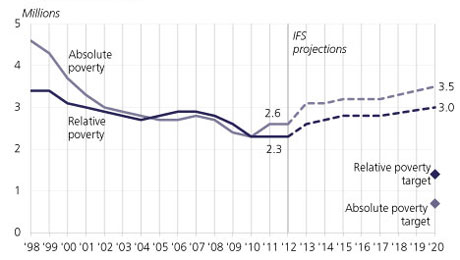
Children in poverty (before housing costs), UK, financial years 1998/99 to 2012/13; Institute for Fiscal Study (IFS) projections to 2020/21.  (Source:
 Child poverty for 2020 onwards: Key issues for the 2015 Parliament.)

Related

Nearly two-thirds of children in poverty live in working families

Poverty has devastating impact on children’s mental health

Health cuts most likely cause of steep rise in mortality, government in denial

New research uncovers ‘class pay gap’ in Britain’s professions – Social Mobility Commission.


I don’t make any money from my work. But you can help me continue to research and write informative, insightful and independent articles, and to provide support to others by making a donation. The smallest amount is much appreciated – thank you.

DonatenowButton cards

Select Committee says governance code for large companies with social impact is crucial, following inquiry into collapse of BHS

imgres

Philip Green

The Work and Pensions Committee have called for new duty on company directors to have regard to pension schemes and for Insolvency Service reports to be published in the public interest. 

On 28 April last year the Committee launched its joint inquiry into the collapse of British Home Stores (BHS) and the origins of its huge pension scheme deficit. BHS was a private company but the effects of its collapse spanned widely: not least to its thousands of employees and pensioners.

The three month inquiry examined corporate governance in Sir Philip Green’s companies, which are privately held and ultimately owned offshore by Lady Green. It found a near-complete absence of the constructive challenge that is the hallmark of good corporate governance. Green, a “dominant personality”, ran his companies as a personal empire with boards taking decisions with reference to a shared understanding of his wishes rather than the interests of each individual company.

An extraordinary and scandalous tale unfolded in which the greedy main players took lavish rewards at the expense of the employees and pensioners of the company. Inter-company loans and property deals, related-party transactions and the hurried disposal of BHS to a wholly unsuitable buyer all proceeded with woefully inadequate checks and balances. The poor corporate governance in Green’s companies was epitomised by the complacent performance of Lord Grabiner, a director of several of the Green empire subsidiaries.

In July last year, MPs catalogued a litany of failures culminating in an “at any cost” disposal of the company and pension deficit to a wholly unsuitable “chancer”. In their inquiry report about BHS, the Work and Pensions and Business and Innovations and Skills Committees concluded that Green chose to rush through the offloading of a beleaguered high street institution, which was losing money and encumbered with a massive pension fund deficit, to a buyer who he was clearly aware was “manifestly unsuitable”, with Green forced to finance the sale himself.

Though the ownership of Dominic Chappell and his associates was “incompetent and self-serving”, the ultimate fate of the company was sealed on the day it was sold. Advisers were paraded by both sides as an “expensive badge of legitimacy for people who would otherwise be bereft of credibility” while the Taveta group directors (owned by Green’s billionaire wife, Tina Green) failed to provide a semblance of independent oversight or challenge in a corporate group run as a personal fiefdom by a single dominant individual.

MPs heard hours of oral testimony and considered thousands of pages of written evidence in the inquiry, which began when BHS crashed into administration just 13 months after the ill-advised and under-funded sale to Chappell. The Committees said that the evidence at times resembled a “circular firing squad”, with a series of key witnesses appearing to believe they could absolve themselves of responsibility by blaming others. Green himself “adopted a scattergun approach”, liberally firing blame to all angles except his own.

The unacceptable face of capitalism

The report documents the systematic plunder of BHS at the cost of the 11,000 jobs and 20,000 people’s pensions now at risk.  Green, Chappell and the respective directors, advisers and hangers-on who all got rich or richer are all culpable, with the losers being the ordinary employees and pensioners.

The Committees said this is “the unacceptable face of capitalism” and that the story of BHS begs much wider questions about the gaps in company law and pension regulation that must be addressed. The two Committees turned to those question in subsequent inquiry hearings.

The headline figures that Green bought BHS for £200 million and sold it 14 years later for £1 cannot disguise the true picture. He did not invest in the company and then “unfortunately” failed to make it succeed. Green systematically extracted hundreds of millions of pounds from BHS, paying very little tax and fantastically enriching himself and his family, leaving the company and its pension fund weakened to the point of the inevitable collapse of both. Lady Green is still being paid tens of millions of pounds of tax free repayments on the loan that was engineered to sell BHS from one Green family business to another, and will be for some years to come.

A moral duty to act on the pension schemes

  • When Green bought BHS the pension schemes were in surplus. As these schemes declined into substantial and unsustainable deficit he and his directors repeatedly resisted requests from trustees for higher contributions. Such contributions were not charitable donations: they were the means of the employer meeting its obligations for deferred pay. Green had a responsibility to be aware of the growth of the deficit and he was aware of it. That there is a massive deficit is ultimately his responsibility.
  • The Committees say Green must act now to find a resolution for the BHS pensioners, a “moral duty” which will undoubtedly require him to make a large financial contribution. Green’s failure until now to resolve the pension fund’s problems contributed substantially to the demise of BHS, along with chronic under-investment and the systematic extraction of hundreds of millions of pounds from the increasingly ailing company.
  • The Arcadia board cited a variety of explanations for pausing Project Thor, ranging from Christmas to the Scottish independence referendum and instability in Ukraine. In fact, the primary reason was Green’s resistance to TPR’s moral hazard requests. He did not wish to respond to requests for information regarding historic dividends, management charges, sale and leaseback arrangements, inter-company loans and the use of BHS shares or assets as collateral for company purchases. At best this demonstrated a lack of willingness to act to secure the pension fund’s future.

Incredible wealth followed by retail demise

  • In his early years of ownership, Green cut costs, sold assets and paid substantial dividends offshore to the ultimate benefit of his wife.  The so-called “King of the High Street” failed to invest sufficiently in stores or reinvent the business to beat the prevailing high street competition. The Committees found “little to support the reputation for retail business acumen for which he received his knighthood” and say “we don’t doubt that Green had some affection for BHS – to an extent it created him. Now it could also bring him down” 
  • Green’s family accrued incredible wealth during the early, profitable years of BHS ownership. Over the duration of their tenure, significantly more money left the company than was invested in it. There is no evidence of improved turnover, market share, or major increase in investment that might be expected from a leading retailer. BHS was involved in a number of transactions with a complex web of companies, many registered offshore: whether BHS benefited financially from these transactions is far from clear. What is clear is that the Green family did.
  • The report documents the ways Green was able to boost BHS’s profitability in the short-term while ultimately fatally undermining its ability to survive. The early years improvement in BHS’s profitability appears to have been achieved primarily through cost-cutting measures and squeezing suppliers. Crucially, BHS’s turnover remained flat through much of Green’s tenure and declined in the latter years. Green initially cut costs but he did not grow the business.
  • One mechanism of (tax-lite) cash extraction to other Green family companies was through the sale of property: in 2001, BHS Group sold ten BHS stores for £106 million to Carmen Properties Ltd – a Jersey-registered company owned ultimately owned by Lady Green – as part of a sale-and-leaseback arrangement. BHS Ltd then paid rent to Carmen for the use of these properties. They were ultimately sold back to BHS as part of the sale to RAL for only £70m (with the proceeds of the sale going to Lady Green as the sole beneficial owner) but, over the lifetime of the sale-and-leaseback arrangement, rent of £153 million was paid by BHS to Carmen.

Egregious failures of corporate governance

  • Green’s rush to drive through the sale of BHS – “a chain that had become a financial millstone and threatened his reputation” – was the culmination of a sorry litany of failures of corporate governance and greed.  Regulatory concerns were circumvented, advisers were heavily incentivised to progress the deal. Dominic Chappell, his friends and associates were enticed by the personal rewards on offer without taking any personal risks. The Committees published for the first time with their report the Due Diligence reports produced by Olswang (and associated RAL Board minutes), which show their advice against the purchase and express concern that RAL were reliant on Green making good his unwritten assurances. (RAL= Retail Acquisitions Ltd.)
  • The complacent performance of Lord Grabiner as the non-executive Chairman of the Taveta group boards represented the apogee of weak corporate governance. It was his responsibility to provide independent challenge and oversight. Instead he was content to provide a veneer of establishment credibility to the group while happily disengaging from the key decisions he had a responsibility to scrutinise. For this deplorable performance he received a considerable salary. It is permissible in law for a director to delegate certain functions to other persons, but if a director allows himself to be dominated, or manipulated by one of their number, he may have gone beyond the boundaries of what is proper. He could be found to be in breach of duty and subject to disqualification. All directors of Taveta and RAL have serious questions to answer about their performance in those roles.
  • Green faced a considerable challenge in finding a credible buyer for a business that was consistently losing money and had a pension scheme with a large and growing deficit. It was clear that Chappell’s team were out of their depth, woefully short of the requisite experience and expertise, notably lacking the credible senior retailer Green once insisted on. They brought no new money to the deal, took no personal risk, could offer no equity and had no means of raising funds on a sustainable basis. Ultimately, Chappell and RAL failed all of Sir Philip’s nominal tests for a buyer. They were manifestly unsuitable owners of BHS. It is inconceivable that someone with Green’s experience seriously considered otherwise.

Collapse under incompetent and self-serving RAL

  • The report documents the true numbers behind the sale. The board of Taveta Investments Ltd was presented, two weeks after the event, with a rosy picture, while the reality was very different. The balance sheet included cash for immediate liabilities, property deals that took many months to materialise, funds that went to RAL never to return and equity that was a loan on punitive terms. It was patently obvious that there was not enough cash in BHS to give it a realistic chance of even medium term survival.
  • RAL’s failures include some blame for the pension scheme, which they accepted responsibility for with a “negligent and cavalier disregard for the risks and potential consequences”, negligence which “continued into their incompetent and self-serving ownership of the company”. In putting his “home team” first, Chappell and his fellow directors were personally enriched as BHS failed around them. Two directors jumped ship on the day that RAL acquired the business with personal financial rewards that it would take many BHS employees decades to  earn. The others continued to profit handsomely from their positions without fulfilling their requisite responsibilities.
  • In effect, Chappell “had his hands in the till”. His description of £2.6 million that he personally took, in addition to an outstanding £1.5 million family loan, as a “drip” in the ocean is an insult to the employees and pensioners of BHS that he let down.

Chairs’ comments

 Frank Field MP, Chair of the Work and Pensions Committee, said:

“One person, and one person alone, is really responsible for the BHS disaster. While Sir Philip Green signposted blame to every known player, the final responsibility for up to 11,000 job losses and a gigantic pension fund hole is his. His reputation as the king of retail lies in the ruins of BHS. His family took out of BHS and Arcadia a fortune beyond the dreams of avarice, and he’s still to make good his boast of ‘fixing’ the pension fund. What kind of man is it who can count his fortune in billions but does not know what decent behaviour is?”

Iain Wright MP, Chair of the Business, Innovation and Skills Committee, said:

“BHS’s demise has created many losers, particularly the 11,000 staff facing the loss of their jobs and the 20,000 pensioners facing significant reductions to their pensions. The actions of people in this sorry and tragic saga have left a stain on the reputation of business which reputable and honourable people in enterprise and commerce will find appalling. The sale of BHS in March 2015 is crucial to its eventual collapse a year later. The sale of BHS to a consortium led by a twice-bankrupt chancer with no retail experience should never have gone ahead; and this was obvious at the time. The reason it did, however, was Sir Philip Green. He was determined to get the deal done, no matter that the buyer could not deliver what BHS needed. There was a complete failure of corporate governance, with Sir Philip bulldozing the sale through, without proper oversight or challenge from his weak and impotent board.

While BHS staff face uncertain job prospects and pensioners worry about their future entitlements, it’s clear that a large cast of directors, advisers, and hangers-on enriched themselves off the back of BHS, including Dominic Chappell and his fellow RAL directors. Chappell took no risk and put no money into the venture and yet gained huge rewards as BHS crumbled around him. His failure is bad enough but that he effectively had his hands in the till is an insult to the employees and pensioners of BHS that he let down so badly.”

In response to the Government’s consultation on corporate reform, the Work and Pensions Committee’s most recent report says that the corporate governance and reporting requirements for public listed companies should be extended to private companies that have an important social impact: large private companies and those with over 5,000 defined benefit pension scheme members.

It also says that company directors should have a new duty to pension fund trustees, as the representatives of pension scheme members, in addition to those stakeholders they are already obliged to have regard to. Allied to the more substantial recommendations on pension law and regulation in its December 2016 Report, the Committee concluded these changes would reduce the chance of another company collapsing in the manner of BHS.

The key themes that emerged during the inquiry included:

  • lamentable corporate governance in what was a large private company
  • a paucity of publicly available information about the state of the company and its pension fund
  • the absence of a voice in the running of the company for those who relied on its success for the security of their pension saving.

Committee recommendations

Holding company directors to account

  • Public listed companies are required to comply with the Financial Reporting Council Corporate Governance Code and its reporting requirements or publicly explain why they are not. This is a proportionate approach for companies of social importance. Transparency about governance arrangements, performance and risk can better equip stakeholders to hold company directors to account. Wider awareness of the state of the BHS pension schemes may have pressured Sir Philip Green into taking more reparative action, sooner.

Large companies should be subject to the Financial Reporting Council Corporate Governance Code

  • Private companies that are large, as defined by Government, or have over 5,000 defined benefit pension scheme members, should be made subject to the the Financial Reporting Council (FRC) Corporate Governance Code on a comply or explain basis. The report includes a table of the top 30 largest private companies in the UK, with many household names like John Lewis, Clarks, Matalan, Virgin Atlantic, River Island, Pret a Manger – and the Arcadia Group – that would fall under the parameters of this recommendation. Many well-governed large private companies already follow best practice on transparency.

Include pension scheme trustees in section 172 of Companies Act

  • Pension scheme trustees should be added to section 172(1) of the Companies Act 2006. The list of stakeholders company directors must have regard to – and report on the exercise of their duties to – does not include defined benefit pension scheme beneficiaries or the trustees who must act in their interests. Incomes of pensioners in retirement are reliant on the sustained success of the sponsoring company but they are at particular risk of being neglected in corporate decision making as no one makes the case for former employees. The inclusion of pension scheme trustees in section 172 might increase the chances both that directors would take into account the interests of current and future pensioners in carrying out their duties, and that those who have failed to do so will be held accountable in the courts.

Publication of Insolvency Service investigation reports

Publication of correspondence with Arcadia

The Committee publishes with the report a series of correspondence with Ian Grabiner, Arcadia Chief Executive, and the Arcadia Group pension trust, charting its efforts to get information about the group’s pension schemes into the public domain. Arcadia’s pension schemes are over £200 million in deficit, but all parties have refused to provide information regarding the 2013 valuation and recovery plan, or the levels of employer contributions.

Chair’s comment

Frank Field MP, Chair of the Committee, said:

“For a company with a big social and economic footprint like BHS it is simply not enough to be accountable to shareholders – particularly when one shareholder owns most of the stock. The sorry tale of its sale and collapse, putting 11,000 people out of work and leaving a pension fund £571million in the red, with 20,000 pensioners facing an uncertain financial future, was a result of gross failures of corporate governance. Would the story have played out the same way if its directors had to be open about the financial decisions they were making for its future? The finances and leadership of a company with so many people depending on it should be open to scrutiny.

We have already expressed our grave concerns about corporate governance in the Green empire, and we know the Arcadia pension fund is also now in substantial deficit. We have been pressing Arcadia’s directors and pension trustees for detailed information on their schemes but very little is published and neither the company nor the trustees – who unlike the BHS schemes do not have an independent Chair – will tell us. Does Sir Philip not want us to know that he was being relatively generous to the Arcadia schemes while the BHS schemes floundered and the company headed inexorably for insolvency? Was he neglecting both? It can’t be right that basic information like the schedule of employer contributions and the length of the recovery plan is not in the public domain. If it goes under then levy-payers and pensioners foot the bill.”

You can read the full consultation response on corporate governance reform from the Work and Pensions Committee here.

804-cover-1200

You can watch Philip Green present evidence on the collapse of BHS to the Business, Innovation and Skills Committee and Work and Pensions Committee, Wednesday 15 June 2016 here:  https://goo.gl/eeUggP

Related

In 2010, UK Uncut’s spokesman, Daniel Garvin, said: “Philip Green is a tax avoider, and yet is regarded by David Cameron as an appropriate man to advise the government on austerity. His missing millions need to be reclaimed and invested into public services not into his wife’s bank account.”  See: Philip Green to be target of corporate tax avoidance protest The Guardian.


I don’t make any money from my work. But you can help by making a donation to help me continue to research and write informative, insightful and independent articles, and to provide support to others. The smallest amount is much appreciated – thank you.

DonatenowButton cards

The still face paradigm, the just world fallacy, inequality and the decline of empathy

r-wilkinson-spirit-level-lecture-november-2010-10-638

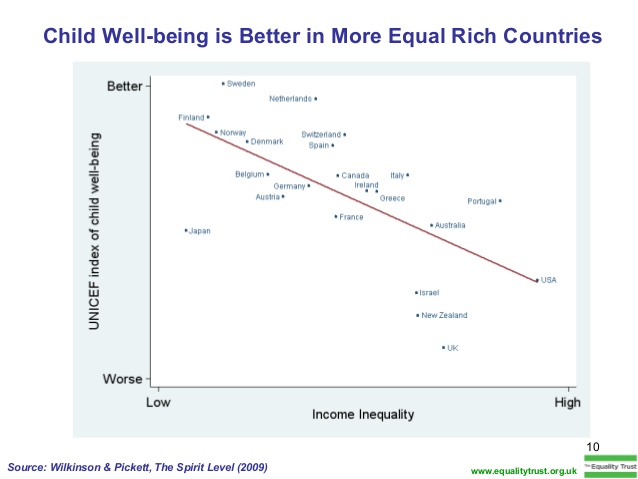
UNICEF’s reports have consistently put the UK at the bottom of the child well-being league table. See also: UNICEF criticises UK’s failure to tackle child inequality as gap grows.

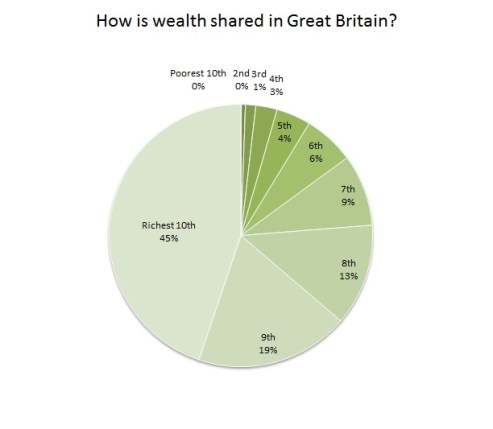
pie-wealthSource: The Equality Trust 

The still face paradigm and inequality

Before Christmas I read an excellent and insightful article by Michael Bader called The Decline of Empathy and the Appeal of Right-Wing Politics, which was about Edward Tronick’s Still Face experiment in part. Tronick is an American developmental psychologist at the University of Massachusetts, Boston. His studies illuminate the importance of trusting relationships and consistent human responses in children’s development and learning.

Tronick’s experimental design was very simple: mothers were asked to play as they usually would with their six-month-old infants. The mothers were then instructed to suddenly blank their face: to make their facial expression flat and neutral – completely “still”  – and to do so for three minutes, regardless of her baby’s activity.  Mothers were then told to resume normal play. The design came to be called the “still face paradigm.

The study demonstrated that when the connection between an infant and caregiver is broken, the infant tries to re-engage the caregiver, and then, if there is no response, the infant withdraws – first physically and then emotionally. Recent studies have found that four-month-old infants, when re-exposed to the “Still Face” two weeks after the first time, show rapid physiological changes that were not present when they were exposed to it the first time.

Tronick said: “It speaks to the incredible emotional capacities [of] the infant — to pick up on the fact that the mother’s not reacting emotionally the way she normally does. The baby has not only this ability to process what’s [happening], but [also] the capacity to respond in a really appropriate way — that is, they try to get the mother’s attention, and then when they fail, they give up, with a sense of their own helplessness. They may be angry and then they become sad.”

Tronick also emphasised the impact of parenting practices embedded in the sociocultural and ecological environment of the infant.

Bader’s inspiring article draws on Tronick’s experimental findings, which he then applies to citizen’s life experiences in the US, in the face of dehumanising encounters with bureacracy, increasingly depopulated policies and a profoundly alienating sociopolitical system. He goes on to discuss how “the pain of the “still face” in American society is present all around us.”

He says: “People feel it while waiting for hours on the phone for technical support, or dealing with endless menus while on hold with the phone or cable company, or waiting to get through to their own personal physician. They feel it in schools with large class sizes and rote teaching aimed only at helping students pass tests.  

They feel it when crumbling infrastructure makes commuting to work an endless claustrophobic nightmare.  And, too often, they feel it when interacting with government agencies that hold sway over important areas of their lives, such as social services […] and city planning departments, or a Department of Motor Vehicles.  Like Tronick’s babies, citizens who look to corporations and government for help, for a feeling of being recognized and important, are too often on a fool’s errand, seeking recognition and a reciprocity that is largely absent. 

This problem is greatly exaggerated by the profoundly corrosive effects of social and economic inequality. Under condition of inequality, the vulnerability of those seeking empathy is dramatically ramped up, leading to various forms of physical and psychological breakdowns. In a classic epidemiological study [The Spirit Level] by Richard Wilkinson and Kate Pickett, researchers found a strong correlation between the degree of inequality in a country (or a state, for that matter) and such problems as rates of imprisonment, violence, teenage pregnancies, obesity rates, mental health problems such as anxiety, depression, and addiction, lower literacy scores, and a wide range of poor health outcomes, including reduced life expectancy. 

Wilkinson and Pickett’s key finding is that it is the inequality itself, and not the overall wealth of a society that is the key factor in creating these various pathologies.  Poorer places with more equality do better than wealthy ones marked by gross inequality.

Inequality makes people feel insecure, preoccupied with their relative status and standing, and vulnerable to the judgment of others, and it creates a greater degree of social distance between people that deprives them of opportunities for intimate and healing experiences of recognition and empathy.”

The still face of the neoliberal state

It’s impossible to fail to recognise the parallels with citizen’s experiences here in Britain. We have ideological and socioeconomic commonality with the US, especially as both the UK and US are neoliberal states. Neoliberalism is an ongoing, totalising ideological and political-economic project of a resurgent political right that gained ascendancy in the US under Ronald Reagan and in the UK under Margaret Thatcher in the 1980s.   

Bader says: “As a metaphor for adult life in contemporary society, the “still face” paradigm—the helplessness intrinsic to it and the breakdown of empathy that lies at its foundation—aptly describes the experience of many people as they interact with the most important institutions in their lives, including government.

And, as with Tronick’s babies and their mothers, when our social milieu is indifferent to our needs and inattentive to our suffering, widespread damage is done to our psyches, causing distress, anger, and hopelessness.  Such inattention and neglect lead to anxiety about our status and value, and a breakdown of trust in others.”

1percent700

I agree that the growing inequalities we are witnessing in western neoliberal “democracies” create profound psychological trauma and ontological insecurity. Humans are fundamentally social beings. We thrive best when we have a social rationale which tends towards the promotion of cooperative and collective creativity. This was perhaps expressed best in our civilised, progressive institutions and civilising practices, facilitated by the social gains and economic organisation that arose from the post-war democratic settlement.  

Those gains are now being systematically dismantled. Our culture has been saturated with conceptual schema that demand we remain committed to an socioeconomic Darwinism, a kind of economic enclosure: a neoliberal competitive individualist obsession with our private, inner experiences, the pursuit of economic self-interest, and ultimately, this embellishes our separability from other human beings. It alienates us. 

Neoliberalism scripts social interactions that are founded on indifference to others, tending to be dehumanising, adversarial and hierarchical in nature, rather than social and cooperative. Neoliberalism is the antithesis of the responsive, animated human face; of collectivism, mutual support, universalism, cooperation and democracy. Neoliberalism has transformed our former liberal democracy into an authoritarian “still faced” state that values production, competition and profit above all else; including citizens’ lives, experiences, freedoms, well-being, democratic inclusion and social conditions that support all of this.  

Citizens are seen and are being politically redefined in isolation from the broader political, economic, sociocultural and reciprocal contexts that invariably influence and shape individual experiences, meanings, motivations, behaviours and attitudes, causing a problematic duality between context and cognition. This also places responsibility on citizens for circumstances which lie outside of their control, such as the socioeconomic consequences of political decision-making, whilst at the same time, the state is steadily abdicating responsibility for the basic welfare of ordinary citizens. 

Geographer David Harvey describes neoliberalism as a process of accumulation by dispossession: predatory policies are used to centralise wealth and power in the hands of a few by dispossessing the public of their wealth and assets.  

Neoliberals see the state as a means to reshape social institutions and social relationships based on the model of a competitive market place. This requires a highly invasive power and mechanisms of persuasion, manifested in an authoritarian turn. Public interests are conflated with narrow economic outcomes. Public behaviours are ‘nudged’ – citizens are being politically micromanaged. Social groups that don’t conform to ideologically defined outcomes are stigmatised and outgrouped.  

Stigma is a political and cultural attack on people’s identities. It’s used to discredit, and as justification for excluding some groups from economic and political consideration, refusing them full democratic citizenship. 

Stigma is being used politically to justify the systematic withdrawal of support and public services for the poorest – the casualties of a system founded on competition for allegedly scarce wealth and resources. Competition inevitably means there are winners and losers. Stigma is profoundly oppressive. It is used as a propaganda mechanism to draw the public into collaboration with the state, to justify punitive and discriminatory policies and to align citizen “interests” with rigid neoliberal outcomes. Inclusion, human rights, equality and democracy are not compatible with neoliberalism. 

Othering and outgrouping have become common political practices, and are now culturally embedded. 

This serves to desensitise the public to the circumstances of marginalised social groups. Outgroups serve to de-empathise society and dehumanise stigmatised others

This political and cultural process legitimises neoliberal “small state” policies, such as the systematic withdrawal of state support for those adversely affected by neoliberalism, and it also justifies inequality. By stigmatising the poorest citizens, a “default setting” is established regarding how the public ought to perceive and behave towards politically demarcated outgroups. That default setting is indifference to the plight of others. 

Authors of The Spirit Level, Richard Wilkinson and Kate Pickett, say “The truth is that human beings have deep-seated psychological responses to inequality and social hierarchy. The tendency to equate outward wealth with inner worth means that inequality colours our social perceptions. It invokes feelings of superiority and inferiority, dominance and subordination – which affect the way we relate to and treat each other.”

Neoliberalism and the myth of meritocracy

How does inequality and social injustice become acceptable? And why do we, as a society, permit the political construction of scapegoats and outgroups? 

Neoliberalism is premised on the assumption that the market place can somehow replace the state as the ultimate arbiter of cultural logic and value. Relationships between people are mediated by the depersonalising market place.

It is fundamentally Hobbesian in character, neoliberalism privatises citizen’s experiences, who are valued for their economic productivity and are therefore only responsible for themselves.

Bader says: “The failure of our institutions to empathize with the plight of the middle and working classes, to recognize their sacrifice and reward their hard work is traumatic. It is the same type of trauma that children experience when their caretakers are preoccupied or rejecting. The trauma erodes trust. It overwhelms systems that people have developed to deal with stress and creates psychological suffering and illness.” 

He goes on to tell us how our social brains seek a collective experience – of “we” rather than “I” – and often do so by creating a fantasy of an “us” versus “them” that we can devalue and fight.

Tribalism draws on our need for sociability and interconnectedness but it can also be used to pervert it. Rejected by government, employers and wider society, some citizens then go on to reject and demean others. It’s a coping strategy: they are trying to cope with the pain, powerlessness, and lack of empathy that they experience in their social lives. This serves to further divide citizens, undermining social solidarity further, and isolating vulnerable groups. The government and right wing press have ruthlessly exploited the social divisions and scapegoats they have meticulously crafted to uphold a dogma that is absolutely incompatible with democracy, human rights, human needs and any notion of equality.

We must recognise the play of hidden ideologies and the influence of dog whistle and wedge issue politicking. This is a state tactic which manipulates our fundamental human need for a sense of belonging. It’s about the creation of scapegoats and diversion from the real problem: neoliberalism, authoritarianism and the inequality and increasing precarity that this extends and perpetuates. Hierarchical thinking is embedded in neoliberal and authoritarian ideologies. 

Neoliberalism also extends a myth that citizens are autonomous and free to make choices. However, this ignores the well-researched reality that those without resources have few or no choices. 

Neoliberalism is an ideology that manufactures consent to inequalities by offering the myth of meritocracy: the false promise that everyone will eventually benefit by working hard to earn merit, status and wealth. However, it isn’t logically possible for equal opportunities to exist in a highly unequal society. 

This myth undermines the principles of social and economic rights and discredits solidarity, collective responsibility and contravenes our human need for belonging. Success, according to the meritocrats, is shaped by your IQ and individual talents, hard work and personal effort. Yet at least a third of those touting this myth are millionaires who simply inherited their wealth.   

The ideology of meritocracy conceals the fact that class privileges are institutionalised, and are reinforced through the education system, for example. The UNICEF report, Fairness for Children, emphasised the importance of a strong welfare system in reducing inequality – and carried a strong suggestion that the UK Government should reconsider its cuts to benefits. In June last year, following its investigation, the United Nations committee on the rights of the child called on ministers to act regarding austerity, the benefit cap and tax credit cuts, which are undermining children’s rights to an adequate standard of living. The government were also urged to do more to ensure children’s rights to adequate health, housing and education are met, too. 

The government, however, have claimed that welfare cuts reduce poverty by “incentivising” people to work. Meanwhile, over half of those families queuing at food banks are in work, and nearly two thirds of children in poverty live in working families. “Making work pay” is nothing more than a Conservative euphemism for the incremental dismantling of the welfare state, which they intend to continue, regardless of the social consequences. 

Neoliberalism is sustained by ideologues employed by governments, in think tanks, PR companies and as individual consultants, that invent technical justifications for small state neoliberal policies on the grounds of: “efficiencies”, savings, democracy, economic growth, and more recently “fairness” and “social justice.” The latter two especially are founded on the myth of meritocracy, in this context. 

In any competitive system, there are invariably a few “winners” and many more “losers”.  The system itself creates the conditions which mean that many people “lose”. It has nothing to do with the IQ, character or qualities of those people. Competition is adversarial – it’s defined as a situation in which two or more people or groups are fighting to get something which not everyone can have

The Nudge Unit is one example of a technocratic think tank that promotes the myth of meritocracy, which is embedded in the Cabinet Office. The neoliberal Reform think tank and the Adam Smith Institution are others. There is a raft of contemporary academics who are also fueling ideological justifications of neoliberal policies – the likes of Adam Perkins, Richard Layard, Mansel Aylward and Simon Wessley, for example, each in their respective academic fields have each presented “studies” that endorse “small state” antiwelfarism and enforce notions of personal responsibility and competitive individualism. Public interests are steadily being aligned with economic outcomes, driven by private interests. 

Status and rewards in society do not go “naturally” to those who are best “performers” or those who “earn” their privilege: the hierarchy of wealth and power is being purposefully shaped by the state.

Stigma and the just world fallacy

Sociologist Imogen Tyler at Lancaster University, says “[…] the centrality of stigma in producing economic and social inequalities has been obscured ‘because bodies of research pertaining to specific stigmatized statuses have generally developed in separate domains’ (Hatzenbuehler, 2013). In short, stigma is widely accepted to be a major factor in determining life chances, yet research on stigma is fragmented across academic disciplines.”

Tyler’s ongoing work – The Stigma Doctrine, is focused on policy design and implementation, ‘The Stigma Doctrine’ aims to develop a new theoretical account of the ways in which neoliberal modes of government operate not only by capitalizing upon ‘shocks’ but through the production and mediation of stigma.” 

Her explicit focus is on “stigmatization as a central dimension of neoliberal state-crafting.” The project is focussing in particular on welfare “reform”, the neoliberal de/recomposition of class, poverty, work and dis/abilities.

At a basic level, stigma is seen as a mark of disgrace associated with particular circumstances, qualities, or persons. However, it has a fundamental normative dimension, which is culturally and historically specific. 

We tend to make assumptions about people, based on what their circumstances or characteristics are. Central to these assumptions lies a basic moral dichotomy founded on the binary notions of “deserving” and “undeserving”. 

Everyone has heard “what goes around comes around” before, or maybe you’ve seen a person “get what was coming to them” and thought, “that’s karma for you.” These are all shades of the just world fallacy. But in reality, we don’t always “reap what we sow.”

In social psychology, the just world hypothesis is the tendency to attribute consequences to – or expect consequences as the result of – a universal force that restores moral balance. This belief generally implies the existence of destiny, cosmic justice, or divine providence. 

It is very common in fiction for the villains to lose and the virtuous folk to win. It is a reflection of how we would like to see the world – just and fair. In psychology the tendency to believe that this is how the real world actually works is a known cognitive error: the just world is a fallacy. 

Many people have a strong desire or need to believe that the world is an orderly, predictable, and fair place, where people simply get what they deserve. Such a belief plays an important role in our lives – in order to plan our lives or achieve our goals we need to assume that our actions will have predictable consequences. 

Moreover, when we encounter evidence suggesting that the world is not just, we either act to restore justice by helping victims or we persuade ourselves that no injustice has occurred.  We comfort ourselves with the idea that the person without a job is simply lazy, the homeless person is irresponsible, and the ill person made the “wrong” lifestyle choices. These attitudes are continually reinforced in the ubiquitous fairy tales, fables, popular fiction, comics, TV, the mainstream media, current political rhetoric and other morality tales of our culture, including the great myth of meritocracy, embedded in neoliberal narrative, in which “good” is always rewarded and “evil” punished. Only it isn’t.

Deep down, we all would probably like to believe hard work and virtue will lead to success, and laziness, evil and manipulation will lead to ruin, quite often we simply edit the world to match those expectations. 

The normalisation of socioeconomic hierarchy: a nod to Milgram

Social psychologist, Melvin Lerner documents people’s eagerness to convince themselves that beneficiaries deserve their benefits and victims their suffering. In a 1965 study, Lerner reported that subjects who were told that a fellow student had won a cash prize in a lottery tended to believe that the student worked harder than another student who lost the lottery. Lerner observed that when one of two men was chosen at random to receive a reward for a task, that somehow caused him to be more favourably evaluated by observers, even when the observers had been informed that the recipient of the reward was chosen at random. (Lerner, M. J., & Miller, D. T. (1978). Just world research and the attribution process: Looking back and ahead. Psychological Bulletin, 85(5), 1030–1051).

Existing social psychological theories, including cognitive dissonance, do not fully explain these phenomena. In another study a year later, Lerner and a colleague recorded a simulated “learning” experiment in which it appeared that the “participants” were subjected to electric shocks. Lerner found that subjects who observed the videotapes tended to form much lower opinions of these “victimised” participants when there was no possibility of the victim finding relief from the ordeal, or when the victim took on the role of “martyr” by voluntarily remaining in the experiment despite the apparent unpleasantness of the experience.

Lerner concluded that “the sight of an innocent person suffering without possibility of reward or compensation motivated people to devalue the attractiveness of the victim in order to bring about a more appropriate fit between her fate and her character.”

If the belief in a just world simply resulted in humans feeling more comfortable with the universe, its uncertainties and our own precarity, it would not be a matter of great concern for human rights activists, ethicists or social scientists. But Lerner’s just world hypothesis, if correct, has significant social implications. The belief in a just world may well seriously undermine a commitment to social justice.

So, the just world fallacy is founded on a massive misconception: that we always get what we “deserve”. We like to think that people who are not doing well in their lives must have done something to deserve it. Yet we also know that the beneficiaries of good fortune often do nothing to earn it, and people doing harmful deeds often get away with their actions without consequences.

Lerner’s research extended, to some extent, on Stanley Milgram‘s research on social conformity and obedience. Lerner was curious as to how regimes that cause cruelty and suffering manage to maintain popular support, and how people come to accept social norms and laws that produce misery and suffering.

Lerner’s direction of inquiry was influenced by his frequent witnessing of the tendency of observers to blame victims for their suffering, particularly during his clinical training as a psychologist, when he observed treatment of mentally ill persons by the health care practitioners with whom he worked. Though he knew them to be basically kind, educated people, they often blamed patients for the patients’ own suffering. Lerner also describes his surprise at hearing his students derogate disadvantaged people, believing that poor people somehow caused their own poverty, whilst being seemingly oblivious to the social, political and economic (structural) forces that contribute significantly to poverty. 

Zick Rubin of Harvard University and Letitia Anne Peplau of the UCLA conducted surveys to examine the characteristics of people with strong beliefs in a just world. They found that people who have a strong tendency to believe in a just world also tend to be more religious, more authoritarian, more Conservative, more likely to admire political leaders and existing social institutions, and more likely to have negative attitudes and and hold prejudices toward underprivileged groups. To a lesser but nonetheless significant degree, the believers in a just world tend to “feel less of a need to engage in activities to change society or to alleviate plight of social victims.”

It’s ironic that the belief in a just world may take the place of a genuine commitment to justice. For some people, it is simply easier to assume that forces beyond their control mete out justice. When that occurs, the result may be the abdication of personal responsibility, acquiescence in the face of suffering and misfortune, and indifference towards injustice

In the murky waters of real life, evil people often prosper whilst harming others, and quite often never face justice and retribution.

Social reality isn’t founded on some intrinsic and fair principle or quality of the universe. Social justice is something that we must construct and re-construct our selves. In the same way, democracy isn’t something we “have”, it is something we must do.

As a society, we make our own “karma”. We participate in, shape and distribute social justice. That affects those around us. We do need to think about what kind of world we live in, how we ought to live and how that affects our families, friends, neighbours and strangers. A measure of civilisation may be observed in how we behave towards those people we don’t know.

In our society, over the past 6 years, some (previously protected) social groups have become politically defined strangers and economic exiles. If you think that’s okay, it’s worth bearing in mind that sooner or later, someone you know well, perhaps one of your loved ones, will be affected by this ongoing process.

When one group are targeted with injustice and inequality, it affects everyone, and other groups soon follow. Historically, we learned that tyrants don’t stick with targeting and persecuting the group you don’t like. You don’t get a choice ultimately. Prejudice tends to multitask very well, and tyrants remain tyrants no matter who you are.

Wilkinson and Pickett’s research on the harmful effects of economic inequality is a challenge for us to ensure that redistribution is the main focus of our political programme. Their research very clearly shows us that if we work towards greater equality, we can ameliorate a wide range of human suffering. Because neoliberal ideology ultimately disconnects us from each other, we really must work hard to seek common ground with the people on the other side of what American sociologist, Arlie Hochschild, calls the “empathy wall” to reach out, communicate to them that “we not only feel their pain, but we share it, and that, in the end, we are all in this together.”

Hochschild’s work has often described the various ways in which we each  becomes a “shock absorber” of larger social, economic and political forces.  She explores the “deep story” of American citizens – a metaphorical expression of the emotions they live by. She recognised that the people she studied may not vote in favour of their economic self-interest, but they often voted for what they felt was their emotional self-interest as members of a group which feels marginalised, scorned and betrayed by the establishment. This sense of betrayal was utilised by the right, who readily draw on and manipulate the role of emotion in politics.

How much more of the current political-economic just world narrative will people permit to remain largely unchallenged before we all say “enough”?

In democracies, Government’s are elected to represent and serve the needs of the population. Democracy is not only about elections. It is also about distributive and social justice. The quality of the democratic process, including transparent and accountable Government and equality before the law, is crucial to social organisation, yet it seems the moment we become distracted, less attentive and permit inequality to fundamentally divide our society, the essential details and defining features of democracy seem to melt into air. 

Government policies are expressed political intentions regarding how our society is organised and governed. They have calculated social and economic aims and consequences. In democratic societies, all citizen’s accounts of the impacts of policies ought to matter.

However, in the UK, the way that policies are justified is being increasingly detached from their aims and consequences, partly because democratic processes and basic human rights are being disassembled or side-stepped, and partly because the government employs the widespread use of linguistic strategies and techniques of persuasion to intentionally divert us from their aims and the consequences of their ideologically (rather than rationally) driven policies. Furthermore, policies have become increasingly depopulated; detached from public interests and needs.

Democracy is not something we have: it’s something we have to DO.

My hope for 2017 is that enough of us will recognise that democratic participation is essential, and that injustice directed against one is injustice ultimately directed against all. 

569ca48248b8d566d6e61bd65571e0ad

All the best for the new year. 

In solidarity.

Related  

The Decline of Empathy and the Appeal of Right-Wing Politics – Michael Bader

Who Believes in a Just World? –  Zick Rubin and Letitia Anne Peplau 

The Stigma Project – Imogen Tyler

The Spirit Level authors: why society is more unequal than ever – Richard Wilkinson and Kate Pickett

The importance of citizen’s qualitative accounts in democratic inclusion and political participation


I don’t make any money from my work. But you can make a donation if you wish and help me continue to research and write informative, insightful and independent articles, and to provide support to others. The smallest amount is much appreciated – thank you.

DonatenowButton

The government’s in-work sanctions are incompatible with ‘halving the disability employment gap’ (and other ideological problems)

imgres

The government have introduced in-work sanctioning for low paid and part-time workers to “incentivise” them to “progress” in work. Historically, wages and employment conditions were raised, and hours were often negotiated by Trade Unions. Now those decisions are entirely down to the executive decisions of employers not employees. Sanctioning employees is grossly unfair, because they have very little negotiating and bargaining power (especially since the raft of Conservative anti-collectivist and anti-Trade Union legislation) to improve their lot.

There is also a significant growing body of empirical evidence that informs us sanctions do not work as the government claim.

It’s not as if employees’ behaviour is at fault or that they would ever actually want poor pay, fewer rights and adverse working conditions – that’s down to exploitative employers who are primarily profit driven. It’s hardly fair to punish workers for the motivations and behaviour of their employers.

There are profoundly conflicting differences in the interests of employers and employees. The former are generally strongly motivated to purposely keep wages as low as possible so they can generate profit and pay dividends to shareholders and the latter need their pay and working conditions to be such that they have a reasonable standard of living. 

Clearly, the weight of favour in policy-making is heavily towards big business profiteering. Implying that the behaviours of workers are a problem in this context is simply another way justification is presented for the further erosion of state responsibility and support and ultimately, the long term plan is to remove such support completely.

Workplace disagreements about wages and conditions are now typically resolved neither by collective bargaining nor litigation but are left to management prerogative. This is because Conservative aspirations are clear. Much of the government’s discussion of legislation is preceded primarily with consideration of the value and benefit for big business and the labour market. They want a cheap labour  force and low cost workers, unable to withdraw their labour, unprotected by either Trade Unions or employment rights and threatened with destitution via benefit sanction cuts if they refuse to accept low paid, low standard work. Similarly, desperation and the “deterrent” effect of the 1834 Poor Law Amendment Act – the principle of less eligibility – also served to drive down wages.

In the Conservative’s view, trade unions distort the free labour market which runs counter to New Right and neoliberal dogma. Since 2010, the decline in UK wage levels has been amongst the very worst in Europe. The fall in earnings under the Coalition is the biggest in any parliament since 1880, according to analysis by the House of Commons Library, and at a time when the cost of living has spiraled upwards.

In-work conditionality enforces a lie and locates blame within individuals for structural problems – political, economic and social – created by those who hold power. Despite being a party that claims to support “hard-working families,” the Conservatives have nonetheless made several attempts to undermine the income security of a significant proportion of that group of citizens recently. Their proposed tax credit cuts, designed to creep through parliament in the form of secondary legislation, which tends to exempt it from meaningful debate and amendment in the Commons, was halted only because peers in the House of Lords have been paying attention to the game.

Sanctioning people in work flies in the face of the government’s previous “hard working families” mantra. But it also flies in the face of their aim to “help” disabled people into work. Many of disabled people would have to work part-time: reduced and flexible hours are also a reasonable adaptation, especially for people who are ill. Many of us also have to accommodate hospital appointments, often with a variety of specialists, as well as hospital based treatment regimes. All of which probably makes us much more likely to face in-work sanctioning in the future.

How does this address the “disability employment gap”? 

The government propose tax cuts and other rewards for employers who employ disabled people in their recent consultation on work, health and disability. However, it is against the law to treat someone less favourably than someone else because of a personal characteristic, such as being disabled.

Furthermore, disabled people have a legal RIGHT to work and to be included in the economy, and I think in light of this, employers should be fined for not employing a quota of disabled people instead. “Disability Confident” is supposed to be about supporting disabled people, not providing publicly funded handouts to employers, whilst at the same time, financially punishing the very people that the policy is supposedly designed to “support.”

There was some very worrying discussion in the recent work health and disability green paper about new mandatory “health and work conversations” in which work coaches will use “specially designed techniques” to “help” disabled Employment and Support Allowance (ESA) claimants “identify their health and work goals, draw out their strengths, make realistic plans, and build resilience and motivation.” Apparently these conversations were “co-designed with disabled people’s organisations and occupational health professionals and practitioners and the Behavioural Insights Teamthe controversial Nudge Unit, which is part-owned by the Cabinet Office and Nesta. 

It’s very evident that “disabled people’s organisations” were not major contributors to the design. It’s especially telling that those people to be targeted by this “intervention” were completely excluded from the conversation. Sick and disabled people are reduced to objects of public policy, rather than being seen as citizens and democratic subjects capable of rational dialogue.

Systematically reducing social security, and increasing conditionality, particularly in the form of punitive benefit sanctions, doesn’t “incentivise” people to look for work. It simply means that people can no longer meet their basic physiological needs, as benefits are calculated to cover only the costs of food, fuel and shelter. In fact sanctioning people make it less likely that they will find work.

Food deprivation is closely correlated with both physical and mental health deterioration. Maslow explained very well that if we cannot meet basic physical needs, we are highly unlikely to be able to meet higher level psychosocial needs. The government proposal that welfare sanctions will somehow “incentivise” people to look for work is pseudopsychology at its very worst and most dangerous. State imposed sanctions on sick and disabled people are known to have very harmful consequences. In fact sanctions create significant difficulties and distress for everyone subjected to them. (See also An example of in-work conditionality: when work doesn’t pay).

In the UK, the government’s welfare “reforms” have further reduced social security support, originally calculated to meet only basic physiological needs, which has had an adverse impact on people who rely on what was once a social safety net. Poverty is linked with negative health outcomes, but it doesn’t follow that employment will alleviate poverty sufficiently to improve health outcomes.

In fact record numbers of working families are now in poverty, with two-thirds of people who found work in 2014 taking jobs for less than the living wage, according to the annual report from the Joseph Rowntree Foundation a year ago.

Essential supportive provision is being systematically reduced by increasing conditionally; by linking support to such a narrow outcome – getting a job – and this will ultimately reduce every service to nothing more than a state behaviour modification programme based on punishment, with a range of professionals being politically co-opted as state enforcers of an ideology  which is perpetuating and accentuating socioeconomic problems in the first place.

Work is not a “health” outcome

The Government is intending to “signpost the importance of employment as a health outcome in mandates, outcomes frameworks, and interactions with Clinical Commissioning Groups.”

A Department for Work and Pensions research document published back in 2011 – Routes onto Employment and Support Allowance – said that if people believed that work was good for them, they were less likely to claim or stay on disability benefits.

It was decided that people should be “encouraged” to believe that work was “good” for health. There is no empirical basis for the belief, and the purpose of encouraging it is simply to cut the numbers of disabled people claiming ESA by “encouraging” them into work. Some people’s work is undoubtedly a source of wellbeing and provides a sense of purpose. That is not the same thing as being “good for health”.

For a government to use data regarding opinion rather than empirical evidence to claim that work is “good” for health indicates a ruthless mercenary approach to fulfill their broader aim of dismantling social security and to uphold their ideological commitment to supply-side policy.

From the document: “The belief that work improves health also positively influenced work entry rates; as such, encouraging people in this belief may also play a role in promoting return to work.”

The aim of the research was to “examine the characteristics of ESA claimants and to explore their employment trajectories over a period of approximately 18 months in order to provide information about the flow of claimants onto and off ESA.”

The document also says: “Work entry rates were highest among claimants whose claim was closed or withdrawn suggesting that recovery from short-term health conditions is a key trigger to moving into employment among this group.”

“The highest employment entry rates were among people flowing onto ESA from non-manual occupations. In comparison, only nine per cent of people from non-work backgrounds who were allowed ESA had returned to work by the time of the follow-up survey. People least likely to have moved into employment were from non-work backgrounds with a fragmented longer-term work history. Avoiding long-term unemployment and inactivity, especially among younger age groups, should, therefore, be a policy priority. ” 

“Given the importance of health status in influencing a return to work, measures to facilitate access to treatment, and prevent deterioration in health and the development of secondary conditions are likely to improve return to work rates”

The government made a political and a particularly partisan decision, rather than one that has any an evidence base, to promote the cost-cutting and unverified, irrational belief that work is a “health” outcome.

Furthermore, the research does conclude that health status itself is the greatest determinant in whether or not people return to work. That means that those not in work are not recovered and have longer term health problems that tend not to get better.

Work does not “cure” ill health. To mislead people in such a way is not only atrocious political expediency, it’s actually potentially downright harmful and dangerous.

The government’s Work and Health programme involves a plan to integrate health and employment services, aligning the outcome frameworks of health services, Improving Access To Psychological Therapies (IAPT), Jobcentre Plus and the Work programme.

2020health – Working Together is a report from 2012 that promotes the absurd notion of work as a health outcome. This is a central theme amongst the ideas that are driving the fit for work and the work and health and programme. Developing this idea further, Dame Carol Black and David Frost’s Health at Work – an independent review of sickness absence was aimed at reviewing ways of “reducing the cost of sickness to employers, ‘taxpayers’ and the economy.”

Seems that the central aim of the review wasn’t a genuine focus on sick and disabled people’s wellbeing and “health outcomes,” then. Black and Frost advocated changing sickness certification to further reduce the influence of GPs in “deciding entitlement to out-of-work sickness benefits.”

The subsequent “fit notes” that replaced GP sick notes (a semantic shift of Orwellian proportions) were designed to substantially limit the sick role and reduce recovery periods, and to “encourage” GPs to disclose what work-related tasks patients may still be able to perform. The idea that employers could provide reasonable adjustments that allowed people who are on sick leave to return to work earlier, however, hasn’t happened in reality.

The British Medical Association (BMA) has been highly critical of the language used by the government when describing the fit for work service. The association said it was “misleading” to claim that fit for work was offering “occupational health advice and support” when the emphasis was on sickness absence management and providing a focused return to work.

The idea that work is a “health” outcome is founded on an absurd and circular Conservative logic: it’s an incorrect inference based on the fact that people in work are healthier than those out of work. It’s true that they are, however, the government have yet again confused causes with effects. Work does not make people healthier: it’s simply that healthy people can work and do. People who have long term or chronic illnesses most often can’t work. It has been historically  and empirically established that poverty is closely correlated with disproportionate levels of ill health, and it’s most probable that targeted austerity, leading to increasingly inadequate welfare provision, has made a significant contribution to poorer health outcomes, too.

The government’s main objection to sick leave and illness more generally, is that it costs businesses money. The government remain committed to a supply-side labour market model. However, as inconvenient as it may be, politically and economically, it isn’t ever going to be possible to cure people of serious illnesses by cruelly coercing them into work.The government’s aim to prompt public services to “speak with one voice” is founded on questionable ethics. This proposed multi-agency approach is reductive, rather than being about formulating expansive, coherent, comprehensive and importantly, responsive provision.

This is psychopolitics. It’s all about (re)defining the experience and reality of a social group to justify dismantling public services (especially welfare), and that is form of gaslighting intended to extend oppressive political control and micromanagement. In linking receipt of welfare with health services and “state therapy,” with the single intended outcome explicitly expressed as employment, the government is purposefully conflating citizen’s widely varied needs with economic outcomes and diktats, isolating people from traditionally non-partisan networks of relatively unconditional support, such as the health service, social services, community services and mental health services.

Public services “speaking with one voice” will invariably make accessing support conditional, and further isolate already marginalised social groups. It will damage trust between people needing support and professionals who are meant to deliver essential public services, rather than simply extending government dogma, prejudices and discrimination.

However, unsatisfactory employment – low-paid, insecure and unfulfiling work – can result in a decline in health and wellbeing, indicating that poverty and growing inequality, rather than unemployment, increases the risk of experiencing poor mental and physical health.

People are experiencing poverty both in work and out of work. Moreover, in countries with an adequate social safety net, poor employment (low pay, short-term contracts), rather than unemployment, has the biggest detrimental impact on mental health. There is ample medical evidence to challenge the current political dogma, and to support this account. (See the Minnesota semistarvation experiment, for example. The understanding that food deprivation in particular dramatically alters cognitive capacity, emotions, motivation, personality, and that malnutrition directly and predictably affects the mind as well as the body is one of the legacies of the experiment.)

Systematically reducing social security, and increasing conditionality, particularly in the form of punitive benefit sanctions, doesn’t “incentivise” people to look for work. It simply means that people can no longer meet their basic physiological needs, as benefits are calculated to cover only the costs of food, fuel and shelter.Food deprivation is closely correlated with both physical and mental health deterioration. Maslow explained very well that if we cannot meet basic physical needs, we are highly unlikely to be able to meet higher level psychosocial needs.

The government proposal that welfare sanctions will somehow “incentivise” people to look for work is pseudopsychology at its very worst and most dangerous.In the UK, the government’s welfare “reforms” have further reduced social security support, originally calculated to meet only basic physiological needs, which has had an adverse impact on people who rely on what was once a social safety net.

Poverty is linked with negative health outcomes, but it doesn’t follow that employment will alleviate poverty sufficiently to improve health outcomes.In fact record numbers of working families are now in poverty, with two-thirds of people who found work in 2014 taking jobs for less than the living wage, according to the annual report from the Joseph Rowntree Foundation a year ago.

Essential supportive provision is being reduced by conditionally; by linking it to such a narrow outcome – getting a job – and this will reduce every service to nothing more than a political semaphore and service provision to a behaviour modification programme based on punishment, with a range of professionals being politically co-opted as state enforcers. 

I have pointed out previously that there has never been any research that demonstrates unemployment is a direct cause of ill health or that employment directly improves health, and the existing studies support the the idea that the assumed causality between unemployment and health may actually run in the opposite direction.It’s not that unemployment is causing higher ill health, but that ill health and discrimination are causing higher unemployment. If it were unemployment causing ill health, at a time when the government assures us that employment rates are currently “the highest on record,” why are more people becoming sick?

The answer is that inequality and poverty have increased, and these social conditions, created by government policies, have long been established by research as having a correlational relationship with increasing mental and physical health inequalities. For an excellent, clearly written and focused development of these points, the problem of “hidden” variables and political misinterpretation, see Jonathan Hulme’s Work won’t set us

– childhood immunisation
– antibiotics
– access to education, and particularly, improving female literacy
– increasing social equality

Given that, as statistics sadly show, the health of the poorest in the UK is again declining despite the first four factors mainly still being accessible to even the UK’s very poorest, one can only point at the worsening inequalities and social injustices as a significant cause. The Marmot review pretty much concludes the same. “

Addressing these issues is not consistent with the ideological thrust of Conservative policies, unfortunately, since the government insist that social problems such as poverty and ill health (the biopsychosocial model, with an emphasis on the “psychosocial” elements) are due to individual “behaviours.” Their approach to date has been to level punitive policies with an embedded core of behaviour modification techniques which usually entails the punitive removal of lifeline income at the poorest citizens – casually called “incentivising” and “supporting” – whilst addressing the behaviours of the wealthy with a system of publicly funded financial reward. This simply recreates, deepens, perpetuates and accentuates existing inequalities.

Empirical research published two years ago demonstrated the high a cost the country paid in terms of health and wellbeing for the Thatcher administration’s neoliberal economic and social policies. The study, which examined at material from existing research and data from the Office for National Statistics, illustrates that Thatcherism resulted in the unnecessary and unjust premature deaths of British citizens, together with a substantial and continuing burden of suffering and a widespread degradation of wellbeing.

Co-author and researcher Professor Clare Bambra from the Wolfson Research Institute of Health and Wellbeing said that deaths from violence and suicide all increased substantially during the Thatcher era in comparison with other countries. Regional inequalities in life expectancy between north and south were also exacerbated, as were health inequalities between the richest and poorest in British society.

Professor Bambra also says that the welfare cuts implemented by Thatcher’s governments led to a rise in poverty rates from 6.7% in 1975 to 12% by 1985; poverty is well known to be one of the major causes of ill health and mortality. Income inequality also increased in the Thatcher period, as the richest 0.01% of society had 28 times the mean national average income in 1978 but 70 times the average by 1990. Other research (The Spirit Level) indicates that income inequality is internationally associated with higher mortality and morbidity.

Yet earlier this year, the welfare reform minister, Lord Freud, refused to monitor the number of people who take their own lives as a result of the £120-a-month cut planned for those people in the work related activity group (WRAG), claiming employment and support allowance from April 2017. Concerns were raised in the House of Lords, when Baroness Meacher, amongst others, warned that for the most vulnerable citizens, the cut was “terrifying” and bound to lead to increased debt.

Condemning the truly callous and terrible actions of the Treasury, she urged ministers to monitor the number of suicides in the year after the change comes in, adding: “I am certain there will be people who cannot face the debt and the loss of their home, who will take their lives.”

Many people have died as a consequence of the welfare “reforms.”

Not only have the government failed to carry out an impact assessment regarding the cuts, Lord Freud said that the impact, potential increase in deaths and suicides won’t be monitored, apart from “privately” because individual details can’t be shared and because that isn’t a “useful approach”.

He went on to say “We have recently produced a large analysis on this, which I will send to the noble Baroness. That analysis makes it absolutely clear that you cannot make these causal links between the likelihood of dying – however you die – and the fact that someone is claiming benefit.”

However, a political refusal to investigate an established correlation between the welfare “reforms” and an increase in the mortality statistics of those hit the hardest by the cuts – sick and disabled people – is not the same thing as there being no causal link. Often, correlation implies causality and therefore such established links require further investigation. It is not possible to disprove a causal link without further investigation.

Whilst the government continue to deny there is a “causal link” between their punitive welfare policies, austerity measures and an increase in premature deaths and suicides, they cannot deny there is a clear correlation , which warrants further research and political accountability.

We have a government that provides disproportionate and growing returns to the already wealthy, whilst imposing austerity cuts on the very poorest. How the government possibly claim that inequality is falling, when inequality is so fundamental a prop to their ideology and when social inequalities are extended and perpetuated by all of their policies? It seems an Orwellian re-writing of language about inequality is being used to mislead us into thinking that the economy is far more “inclusive’ than it is. The number of vulture private businesses payrolled by the government to deliver increasingly ideologically biased and punitive welfare, health and social care “services” has risen dramatically this past six years, all of which has cost the UK taxpayer billions.

Meanwhile, those people who need essential supportive public services are facing severe cuts to their lifeline provision. Many of the multinationals contracted by the government are paid to cut the costs of public services, but are costing the public far more than they save.far more than they save. This brand of neoliberal crony capitalist is an entrenched mindset that needs to radically change, because the only beneficiaries are big businesses, and at the expense of those people with the highest level of need. The government’s policies are harming our most vulnerable citizens.

It seems that for wealthy people, “incentives” are always financial rewards, and for poor people, “incentives” simply involve grossly unfair financial punishments, which have too often challenged people’s  capacity to meet basic survival needs.

It’s time to challenge the class-based prejudice and blatant discrimination that is embedded in Conservative policies, which ultimately may only serve to deepen existing wealth and health inequality and increase social and economic division.

75629_107145729354964_2536493_n


I don’t make any money from my work. But you can make a donation and help me continue to research and write informative, insightful and independent articles, and to provide support to others. The smallest amount is much appreciated – thank you.

DonatenowButton cards

Government welfare policies are ‘historically obsolete’ say researchers

images

Historical research shows that the National Health Service (NHS) and welfare state are fundamental to a healthy, productive economy.

The government has been accused of following a “historically obsolete” welfare strategy by a team of Cambridge University researchers.  

Research by Simon Szreter, Ann Louise Kinmonth, Natasha M Kriznik, and Michael P Kelly also supports the work of campaigners, charities and other academics raising their concerns about the harmful social and economic impacts of the Conservatives’ austerity measures. These include the draconian welfare “reforms” and the consequences of the increasing privatisation of and political under-investment in the NHS from 2012 onwards. 

In an article published on Friday in The Lancet, titled  Health and welfare as a burden on the state? The dangers of forgetting history, the group of academics criticised Conservative austerity policies, which were instituted by David Cameron and George Osborne’s and continued by Theresa May and her chancellor Philip Hammond. The researchers point out that investment in welfare has always been crucial for Britain’s economic success.

The Conservatives have frequently claimed that welfare provision isn’t “sustainable”. Welfare support has been reduced so much that many people have been unable to meet even their most basic needs. Food and fuel poverty have significantly increased over the past four years, for example. We have witnessed the return of absolute poverty in the UK, something we haven’t seen since before the inception of the welfare state, until now. Social security is also harshly conditional, with punishment regimes and psycho-compulsion embedded in the diminishing “support” being offered. The emphasis has shifted from “support” to managing and enforcing poor citizens’ compliance and conformity.

Crucially, the researchers, who are based at St John’s College are opposing the idea that welfare and health spending is a “burden” on the country’s economy, arguing instead that economic prosperity is intrinsically tied to an adequate level of welfare provision.

Simon Szreter is a Professor of History and Public Policy at Cambridge’s Faculty of History. He writes: “The interests of the poor and the wealthy are not mutually opposed in a zero-sum game. Investment in policies that develop human and social capital will underpin economic opportunities and security for the whole population.”

The report also states: “The narrow view that spending on the National Health Service and social care is largely a burden on the economy is blind to the large national return to prosperity that comes from all citizens benefiting from a true sense of social security.”

The authors continue: “There are signs that Theresa May subscribes to the same historically obsolete view.

Despite her inaugural statement as Prime Minister, her Chancellor’s autumn statement signals continuing austerity with further cuts inflicted on the poor and their children, the vulnerable, and infirm older people.””

To support their position, the researchers point to the period of economic growth the UK experienced following the post-war settlement – including the development of the welfare state and the NHS, something which they argue also brought about greater equality, with the rich-poor divide falling to an all-time low during the 1970s.

Drawing on recent historical research, they also trace the origins of the British welfare state to reforms to the Poor Laws introduced under Elizabeth I in 1598 and 1601, and claim that investment in supporting the poorest citizens has always gone hand in hand with economic growth.

The report establishes an interesting and useful historical context, following the effect of welfare provision on the nation’s economic prosperity prior to the creation of the modern health and welfare apparatus and institutions that we are familiar with today, arguing that the concept of a British welfare state can be traced back to the reign of Elizabeth I. There are also parallels drawn in the report between the perceived problem of the “idle poor” during the Victorian era and the contemporary political narratives that intentionally label benefit claimants as “scroungers” who allegedly benefit unduly at the expense of “hard-working families”.

Many of us have drawn the same parallels over the past four years. In my  some of my own work, three years ago, I also compared the 1834 Poor Law Amendment Act – particularly the principle of less eligibility with the Conservative’s recent punitive and regressive approach to “making work pay”, which is about reducing social security provision, rather than raising national wages. Basically the ideology behind both political practices is that any support given to people out of work needs to be punitive, and much less than the poorest wages of those in the lowest paid employment. That tends to drive wages down, as people who are desperate to survive have little bargaining power, and are more likely to be forced to work for much less, because employers can exploit a desperate reserve army of labour.

The Poor Law Amendment Act of 1834 is largely remembered through its connection to the punitive workhouses that were infamously instituted across Victorian Britain.

The researchers argue that, though the 1834 Act was passed out of “concerns” that the welfare system was being abused and was an unduly heavy burden on taxpayers, there isn’t any evidence that it had much an economic benefit. They also point out that Britain’s growth actually fell behind that of rival nations after 1870, only recovering in the 1950s, following the post-war settlement

Simon Szreter said: “We are arguing from history that there needs to be an end to this idea of setting economic growth in opposition to the goal of welfare provision. A healthy society needs both, and the suggestion of history is that they seem to feed each other.”

proper Blond


I don’t make any money from my work. But you can help by making a donation to help me continue to research and write informative, insightful and independent articles, and to provide support to others. The smallest amount is much appreciated – thank you.

DonatenowButton cards

Rogue company Unum’s profiteering hand in the government’s work, health and disability green paper

aaeaaqaaaaaaaamkaaaajgq4nzqyyjexltu3ngmtndk3zi1hmjgyltziytjkmjdhyzjmnw

I wrote an extensive critique of the recent government green paper on work, health and disability. I mentioned that a government advisor – a specialist in labour economics and econometrics – has proposed scrapping all Employment and Support Allowance (ESA) sickness and disability benefits.

Matthew Oakley, a senior researcher at the Social Market Foundation, recently published a report entitled Closing the gap: creating a framework for tackling the disability employment gap in the UK, in which he proposes abolishing the ESA Support Group. This group is for people assessed by their own doctors and the State with the most serious medical conditions and disabilities, which leave them absolutely unable to work. 

I previously said: “Oakely suggests considering a “role that a form of privately run social insurance could play in both increasing benefit generosity and improving the support that individuals get to manage their conditions and move back to work.” 

And: “I’m sure the private company Unum (formerly UnumProvident) would jump at the opportunity. Steeped in controversy, with a wake of scandals that entailed the notorious company systematically denying people their disability insurance, in 2004, Unum entered into a regulatory settlement agreement (RSA) with insurance regulators in over 40 US states.

The settlement related to Unum’s “mishandling” of disability claims and required the company “to make significant changes in corporate governance, implement revisions to claim procedures and provide for a full re-examination of both reassessed claims and disability insurance claim decisions.”

The company is the top disability insurer in both the United States and United Kingdom. In the US, it has been regarded as one of the two most unscrupulous insurance companies. The rogue company was also accused of cheating thousands of people out of welfare payments in the US. By coincidence, the company has been involved in the design of the UK government’s controversial 2012 Welfare Reform Bill, advising the government on how to cut spending, particularly on disability support. What could possibly go right?

Of course the vulture capitalist company Unum continues to “mishandle” claims both in the US, in violation of the US Employee Retirement Income Security Act (ERISA) and here in the UK, denying people incapacity benefit, under Employer Group Income Protection Policy (GIP).

The Reform think tank has also recently proposed scrapping what is left of the disability social security system, in their report Working welfare: a radically new approach to sickness and disability benefits, and has called for the government to set a single rate for all out-of-work benefits and to reform the way seriously ill and disabled people are assessed.

The members of the neoliberal think tank propose that the government should cut the weekly support paid to 1.3 million sick and disabled people in the ESA Support Group from £131 to £73. This is the same amount that people claiming Jobseeker’s Allowance receive. However, those people placed in the Support Group after assessment have been deemed by their doctors and assessed by the state as unlikely to be able to work again in the foreseeable future. It would therefore be very difficult to justify this proposed cut, given the additional financial needs that disabled people have, which is historically recognised, and empirically verified by research. It is also a recognition that is enshrined in human rights and equality laws. 

Yet the authors of the report doggedly insist that having a higher rate of weekly benefit for extremely ill and disabled people encourages them “to stay on sickness benefits rather than move into work.” However, people on sickness benefits don’t move into work because they are simply too ill to work. Their own doctors, consultants and the state (via the Work Capability Assessment) have already established that. Forcing them to work is outrageously cruel and brutal.

The report recommended savings which result from removing the disability-related additions to the standard allowance should be reinvested in support services and extra costs benefits – Personal Independence Payment (PIP). However the government have ensured that eligibility for that support is rapidly contracting, with the ever-shrinking political and economic re-interpretation of medically defined illness and disability categories and a significant reduction in what the government deem to be a legitimate exemption from being “incentivised” into work.

Such “incentives “are based on the dangerous idea that you can punish people  out of being ill. It entails the complete withdrawal of support. I guess the Tories have never read Abraham Maslow’s excellent and essential work about the hierarchy of human needs.

Policy change can often be explained by reference to changes in background ideas about the state, society and the individual, held and promoted by influential individuals, groups, political parties and … multinational companies.  

The most perverse incentive operating within contemporary societies is private profiteering. The neoliberal experiment failed spectacularly, and we are currently living among its’ruins. Yet successive governments believe the cure for the failure of this ideological monstrosity is to apply more extreme neoliberal ideology and policy.

It turns out that you can predict such a lot by simply watching the way the wind blows.

The crib sheet  

Theresa May’s new director of policy, John Godfrey, is a keen advocate of what he called, in his last job at financial services giant Legal and General, “Beveridge 2.0”: using technology to introduce new forms of “social insurance.”

Godfrey told a campaigning group, the Financial Inclusion Commission last year that the systems used to deliver “auto-enrolment” –  the scheme that ensures all low-income workers have a pension – could also be used to help the public insure themselves against “unexpected events.” That we have already paid national insurance and taxes already seems to have been overlooked here. 

“There is a clear lesson from auto-enrolment that if you have a plumbing network or an infrastructure that works, that auto-enrolment infrastructure could be used for other things which would encourage financial inclusion: things like, for example, life cover, income protection and effective and very genuine personal contributory benefits for things like unemployment and sickness,”  he said. 

“They can be delivered at good value if there is mass participation through either soft compulsion or good behavioural economics.”
Ah yes, that great ideological Libertarian Paternalist pseudoscientific psychowaffle. 

Note the context shift in the use of the term “inclusion”, which was originally deemed a democratic right, now it’s being discussed narrowly in terms of soft compulsion and individual responsibility. And an exchange of money.

Subtext: inclusion is only for those who can pay for it. 

report published by the Adam Smith Institute as far back as 1995 – The Fortune Account also sets out proposals to replace “state welfare” with an insurance system “operated by financial institutions within the private sector.” 

Mo Stewart has spent eight years researching the toxic and all-pervasive influence of the US insurance giant Unum over successive UK governments, and how it led to the introduction of the “totally bogus” and non-medical work capability assessment (WCA), which she says was designed to make it very much more difficult for sick and disabled people to claim out-of-work disability and sickness benefits.

Stewart’s excellent bookCash Not Care: The Planned Demolition Of The UK Welfare State, was published in September. She states that the assessment was modeled on methods used by the controversial company Unum to deny protection to seriously ill and disabled people in the US who had taken out income protection policies.

She goes on to say that the WCA was “designed to remove as many as possible from access to [employment and support allowance] on route to the demolition of the welfare state”, with out-of-work disability benefits to be replaced by insurance policies provided by private companies like Unum.

Stewart warns us that the UK is now close to adopting a US-style model.

She’s absolutely right.

Our public services are being privately auctionedThe multinational corporations are queuing up for the sale of the century in the UK. Smash and grab. 

The public are picking up the tab.

 Rogue and antisocial corporations are writing public policies
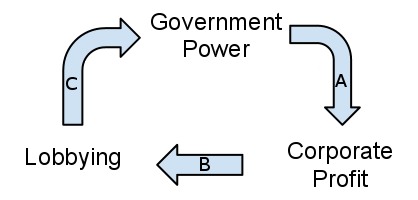
bdvo50o

Corporate lobbyists are primarily interested in a tactical investment. Whether facing down a threat to profits from a corporate tax raise, or pushing for market opportunities – such as government privatisations – lobbying has become simply another way of making a lot of money for a few people. Lobbyist messages are very carefully crafted and spun, especially in the media. The ultimate corporate goal is sheer self-interested profit-making, but this will always be dressed up to appear synonymous with the wider, national interest. At the moment, that means a collective chanting of the “economic growth”, supply side “productivity”, implied trickle down, “jobs” and “personal responsibility” neoliberal mantra.

Corporations (and governments) buy their credibility and utilise seemingly independent people such as academics with a mutual interest to carry their message for them. Some think tanks – especially free-market advocates like Reform or leading neoliberal think tank, the Institute of Economic Affairs – will also provide companies with a lobbying package: a media-friendly report, a Westminster event, meetings with politicians. The extensive Public Relations (PR) industry are paid to brand, market, engineer a following, build trust and credibility and generally sell the practice of managing the spread of information between an individual or an organisation (such as a business, government agency, the media) and the public.

PR is concerned with selling products, persons, governments and policies, corporations, and other institutions. In addition to marketing products, PR has been variously used to attract investments, influence legislation, raise companies’ public profiles, puting a positive spin on policies, disasters, undermining citizens’ campaigns, gaining public support for conducting warfare, and  changing the public perception of repressive regimes.

You can see how the revolving door of mutually exclusive political and corporate favour operates: it just keeps on spinning.
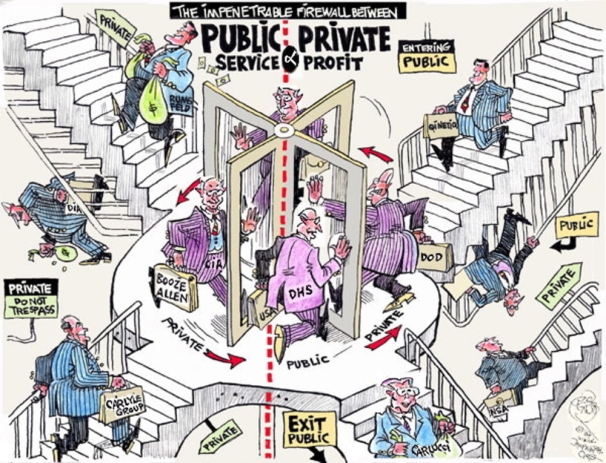
63606308539839586285265400_revolving-door (1).jpg

Edelman Intelligence and Westbourne, for example, are engaged in rebuttal campaigns and multimedia astroturfing projects to protect corporate interests:

“Monitoring of opposition groups is common: one lobbyist from agency Edelman talks of the need for “360-degree monitoring” of the internet, complete with online “listening posts … so they can pick up the first warning signals” of activist activity. “The person making a lot of noise is probably not the influential one, you’ve got to find the influential one,” he says. Rebuttal campaigns are frequently employed: “exhausting, but crucial,” says Westbourne.” From The truth about lobbying: 10 ways big business controls government

Edelman Intelligence is the world’s largest PR company and have been quietly visiting my own WordPress site over this last year, the link shows they were referred to my site from their own social media monitoring command centre. I’ve contacted the company to ask why, but have yet to receive a response. I’m not a paying client so it’s highly unlikely that the visits are in connection with promoting my best interests. Paying clients include the likes of Rupert Murdoch. (See footnote).
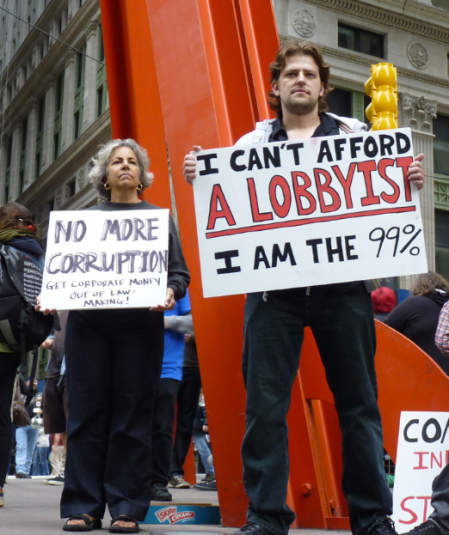
Screen-shot-2012-05-24-at-4.45.55-PM.png

Unum’s long standing toxic influence on policy-making

In a recent press release, the delighted vulture capitalists at Unum say that they welcome the government’s recent Green Paper’s focus on Group Income Protection. The press release also says:

“Unum has welcomed the government’s recognition in a new Green Paper that “Group Income Protection policies have a much greater role to play in supporting employers to help people with health problems to stay in or return to work.

“The proposals were set out in Improving Lives: the Work, Health and Disability Green Paper, launched by the Department for Work and Pensions and Department of Health, yesterday, 31 October 2016. As part of its efforts to enable “more people with long term conditions to reap the benefits of work and improve their health”, the Paper includes a number of proposals to prevent people falling out of work for health reasons and to make employers feel more confident about supporting disabled employees. In particular, it includes a number of specific policy ideas to increase the number of British workers with Group Income Protection (GIP).

“Through GIP, Unum has enabled thousands of people to return to work after long term sickness absences caused by mental health and musculoskeletal problems and other serious health conditions, including cancer and multiple sclerosis. Unum also provides training, support and advice to employers and line managers on how to look after employees with health problems and help them stay in or return to work.

“To increase the number of workers who benefit from GIP coverage, Unum is calling on the government to consider a temporary tax break for employers that buy GIP for their staff. This would reduce the number of people who fall out of work for health reasons, protect the finances of those who are unable to work and boost the productivity of UK businesses.”

In my critical analysis of the work, health and disability green paper, I said: 

“And apparently qualified doctors, the public and our entire health and welfare systems have ingrained “wrong” ideas about sickness and disability, especially doctors, who the government feels should not be responsible for issuing the Conservatives’ recent Orwellian “fit notes” any more, since they haven’t “worked as intended,”  presumably to make every single citizen economically productive from their sick beds.

So, a new “independent” assessment and some multinational private company will most likely very soon have a lucrative role to ensure the government get the “right results.”

The medical specialists are to be replaced by another profiteering corporate giant who will enforce a political agenda in return for big bucks from the public purse. Health care specialists are seeing their roles being incrementally and systematically de-professionalised. That means more atrocious and highly irrational attempts from an increasingly authoritarian government at imposing an ideological “cure” – entailing the withdrawal of any support and instead imposing punitive “behavioural incentives” – on people with medical conditions and physical disabilities.

Doctors, who are clever enough to recognise, diagnose and treat illness, are suddenly deemed by this government to be not clever enough to judge if patients are fit for work. It seems that the Conservatives don’t like competent witnesses who may challenge their droning ideologically-driven neoliberal psychobabbling. The neoliberal language of ‘incentives’ is a justification narrative for handing out financial rewards to the very wealthy, and making poor people even poorer. This incoherent narrative would have us believe that the rich are ‘incentivised’ by financial reward, bt the poor are ‘incentivised’ only by financial punishment.

The political de-professionalisation of medicine, medical science and specialisms (consider, for example, the implications of permitting job coaches to update patient medical files), the merging of health and employment services and the recent absurd declaration that work is a clinical “health” outcome, are all carefully calculated strategies that serve as an ideological prop and add to the justification rhetoric regarding the intentional political process of dismantling publicly funded state provision, and the subsequent stealthy privatisation of Social Security and the National Health Service. 

De-medicalising illness is also a part of that process:

“Behavioural approaches try to extinguish observed illness behaviour by withdrawal of negative reinforcements such as medication, sympathetic attention, rest, and release from duties, and to encourage healthy behaviour by positive reinforcement: ‘operant-conditioning’ using strong feedback on progress.” Gordon Waddell and Kim Burton in Concepts of rehabilitation for the management of common health problems. The Corporate Medical Group, Department for Work and Pensions, UK. 

Snakeoil salesmen. I don’t recall ill and disabled people consenting to be experimented upon or subjected to operant conditioning by raving, misanthropic, lunatic fringe quacks. 

Medication, rest, release from duties, sympathetic understanding – remedies to illness – are being redefined as “perverse incentives” for “sickness behaviours”, yet the symptoms of an illness necessarily precede the prescription of medication, the Orwellian (and political rather than medical) “fit note” and exemption from work duties. Notions of “rehabilitation” and medicine are being redefined as behaviour modification: here it is proposed that operant conditioning in the form of negative reinforcement, which the authors seem to have confused with despotic punishment, will  somehow “cure” ill health.

This is the same kind of thinking that lies behind welfare sanctions, which are state punishments entailing the cruel removal of lifeline income for “non-compliance” in narrowly and rigidly defined “job seeking behaviours.” Sanctions are also described as a “behavioural incentive” to “help” and “encourage” people into work. People who are ill, it is proposed, should be sanctioned, too, which would entail having their lifeline basic health care removed.

Many qualitative accounts from first hand witnesses, extensive research and empirical evidence has repeatedly demonstrated that welfare sanctions make it less likely that people will find employment: taking essential support from people with very limited resources profoundly demotivates, distresses and harms people, rather than “incentivising” them to find work. In fact it is more likely to cause an exacerbation of illness, harms, premature death or suicide. (See also: Benefits sanctions: a policy based on zeal, not evidence and The Nudge Unit’s u-turn on benefit sanctions indicates the need for even more lucrative nudge interventions, say nudge theorists.)

The darker meaning of David Cameron’s comment about “ending a culture of entitlement” back in 2010 has become clearer. He wasn’t only talking about a spiteful ideology, perceived attitudes and referencing erroneous, unverified and unfounded notions of “welfare dependency”: his party’s aim was and still is about reducing public expectations of a supportive and rights-based relationship with the publicly-funded state – one that has evolved from the post-war democratic settlement to ensure that everyone in the UK can meet their most basic human needs.

Poor and ill people cannot be simply punished (or “nudged”) out of being poor or ill. 

Sanctions are a callous, profoundly antidemocratic, dysfunctional and extremely regressive form of economic terrorism; state violence which is founded entirely on traditional Conservative prejudices about poor people and rigid ideological assumptions. It is absolutely unacceptable that a government treats some groups, including some of the UK’s most vulnerable citizens, in such horrifically cruel and dispensable way, in a very wealthy, so-called civilised, first-world liberal democracy.

Unum also have a longstanding reputation for trying to reduce physical illness to “subjective states” and “faulty behaviours”, too. (See also: evidence submitted to the the select health committee by Professor Malcolm Hooper and Subjective symptom disability claims: Chronic Fatigue, Fibromyalgia and Multiple chemical sensitivity syndrome for example).

Even public policies that are supposed to address fundamental human needs arising from sickness and disability are tainted by a neoliberal idée fixe. The leitmotif is a total corporacratic commodification of human needs and relationships; building hierarchies of human worth within the closed and entropic context of a competitive market place, where resources are “scarce” and people are being herded; where the only holding principle that operates is profit over human need.

“In defiance of the substantial biomedical evidence submitted to its Guideline Development Group (GDG), NICE is recommending an inappropriate and potentially dangerous behavioural modification regime as the only management strategy for those with ME/CFS. NICE’s recommended management regime is promoted by a group (mainly psychiatrists) who have undeclared but undeniable competing financial interests.” Malcolm Hooper

It’s mind over matter and quids in

Behavioural medicine was partly influenced by Talcott Parsons’ The Social System, 1951, and his work regarding the sick role, which he analysed in a framework of citizen’s roles, social obligations, reciprocities and behaviours within a wider capitalist society, with an analysis of rights and obligations during sick leave. From this perspective, the sick role is considered to be sanctioned deviancewhich disturbs the function of society. (It’s worth comparing that the government are currently focused on economic function and enhancing the supply side of the labour market.)

Behavioural medicine more generally arose from a view of illness and sick role behaviours as characteristics of individuals, and these concepts were imported from sociological and sociopsychological theories.

However, it should be pointed out that there is a distinction between the academic social science disciplines, which include critical perspectives of conflict and power, for example, and the recent technocratic “behavioural insights” approach to public policy, which is a monologue that doesn’t include critical analysis, and serves as prop for neoliberalism, conflating citizen’s needs and interests with narrow, politically defined economic outcomes.

We have a government that has regularly misused concepts from psychology and sociology, distorting them to fit a distinct framework of ideology, and justification narratives for draconian policies. Parsons’ work has generally been defined as sociological functionalism, and functionalism tends to embody very conservative ideas. From this perspective, sick people are not productive members of society; therefore this deviation from the norm must be policed. This, according to Parsons, is the role of the medical profession. More recently we have witnessed the rapid extension of this role to include extensive State policing of sick and disabled people.

It seems many of the psychosocial advocates have ignored the rise of chronic illnesses and the increasing pathologisation of everyday behaviours in health promotion. Parson’s sick role came to be seen as a negative referent (Shilling, 2002: 625) rather than as a useful interpretative tool. Parsons’ starting point is his understanding of illness as deviance. Illness is the breakdown of the general “capacity for the effective performance of valued tasks” (Parsons, 1964: 262). Losing this capacity disrupts “loyalty” to particular commitments in specific contexts such as the workplace.

Theories of the social construction of disability also provide an example of the cultural meaning of certain health conditions. The roots of this anti-essentialist approach are found in Stigma by Erving Goffman (1963), in which he highlights the social meaning physical impairment comes to acquire via social interactions. The social model of disability tends to conceptually distinguish impairment (the attribute) from disability (the social experience and meaning of impairment). Disability cannot be reduced to a mere biological problem located in an individual’s body  (Barnes, Mercer, and Shakespeare, 1999). Rather than a “personal tragedy” that should be fixed to conform to medically determined standards of “normality” (Zola, 1982), disability becomes politicised. The issues we then need to confront are about the obstacles that may limit the opportunities for individuals with impairments, and about how those social barriers may be removed.

From a social constructionist perspective, emphasis is placed on how certain illnesses come to have cultural meanings that are not reducible to or determined by biology, and these cultural meanings further burden the afflicted (as opposed to burdening “the tax payer” , the health services, those with profit seeking motives, or the state.)

So to clarify, it is wider society and governments that need a shift in disabling attitudes, perceptions and behaviours, not disabled people.

The insights that arose from the social construction of disability approach are embodied in policies, which include the Disability Discrimination Act 1995, which included an employers’ duty to ensure reasonable adjustments/adaptations; the more recent Equality Act 2010 and the Human Rights Act 1998, which provides an important tool for disabled people to use to challenge discrimination, violations to their human rights and unacceptable treatment.

In contrast, Parsons invokes a social contract in which society’s “gift of life” is repaid by continued contributions and conformity to (apparently unchanging, non-progressive) social expectations. For Parsons, this is more than just a matter of symbolic interaction, it has far more concrete, material implications: “honour” (deserving) and “shame” (undeserving) which accompany conformity and deviance, have consequences for the allocation of resources, for notions of citizenship, civil rights and social status.

Parsons never managed to accommodate and reflect social change, suffering and distress, poverty, deprivation and conflict in his functionalist perspective. His view of citizens as oversocialised and subjugated in normative conformity was an essentially Conservative one. Furthermore, his systems theory was heavily positivistic, anti-voluntaristic and profoundly dehumanising. His mechanistic and unilinear evolutionary theory reads like an instruction manual for the capitalist state.

Parsons thought that social practices should be seen in terms of their function in maintaining order and social structure. You can see why his core ideas would appeal to Conservative neoliberals and rogue multinational companies. Conservatives have always been very attached to tautological explanations (insofar that they tend to present circular arguments. One question raised in this functional approach is how do we determine what is functional and what is not, and for whom each of these activities and institutions are functional. If there is no method to sort functional from non-functional aspects of society, the functional model is tautological – without any explanatory power to why any activity is regarded as “functional.” The causes are simply explained in terms of perceived effects, and conversely, the effects are explained in terms of perceived causes). 

Because of the highly gendered division of labour in the 1950s, the body in Parsons’ sick role is a male one, defined as controlled by a rational, purposive mind and oriented by it towards an income-generating performance. For Parsons, most illness could be considered to be psychosomatic.

The “mind over matter” dogma is not benign; there are billions of pounds and dollars at stake for the global insurance industry, which is set to profit massively to the detriment of sick and disabled people. The eulogised psychosocial approach is evident throughout the highly publicised UK PACE Trial on treatment regimes that entail Cognitive Behaviour Therapy (CBT) and graded exercise. By curious coincidence, that trial was also significantly about de-medicalising illnesses. Another curious coincidence is that Mansel Aylward sat on the PACE Trial steering group. 

Here is further evidence that government policy is not founded on empirical evidence, but rather, it is often founded on deceitful contrivance. A Department for Work and Pensions research document published back in 2011 – Routes onto Employment and Support Allowance – said that if people believed that work was good for them, they were less likely to claim or stay on disability benefits.

It was decided that people should be “encouraged” to believe that work was “good” for health. There is no empirical basis for the belief, and the purpose of encouraging it is simply to cut the numbers of disabled people claiming ESA by “encouraging” them into work. Some people’s work is undoubtedly a source of wellbeing and provides a sense of purpose. That is not the same thing as being “good for health”. For a government to use data regarding opinion rather than empirical evidence to claim that work is “good” for health indicates a ruthless mercenary approach to fulfill their broader aim of dismantling social security and to uphold their ideological commitment to supply-side policy.

From the document: “The belief that work improves health also positively influenced work entry rates; as such, encouraging people in this belief may also play a role in promoting return to work.”

The aim of the research was to “examine the characteristics of ESA claimants and to explore their employment trajectories over a period of approximately 18 months in order to provide information about the flow of claimants onto and off ESA.”

The document also says: “Work entry rates were highest among claimants whose claim was closed or withdrawn suggesting that recovery from short-term health conditions is a key trigger to moving into employment among this group.”

“The highest employment entry rates were among people flowing onto ESA from non-manual occupations. In comparison, only nine per cent of people from non-work backgrounds who were allowed ESA had returned to work by the time of the follow-up survey. People least likely to have moved into employment were from non-work backgrounds with a fragmented longer-term work history. Avoiding long-term unemployment and inactivity, especially among younger age groups, should, therefore, be a policy priority. ” 

“Given the importance of health status in influencing a return to work, measures to facilitate access to treatment, and prevent deterioration in health and the development of secondary conditions are likely to improve return to work rates”

Rather than make a link between manual work, lack of reasonable adjustments in the work place and the impact this may have on longer term ill health, the government chose instead to promote the cost-cutting and unverified, irrational belief that work is a “health” outcome. Furthermore, the research does conclude that health status itself is the greatest determinant in whether or not people return to work. That means that those not in work are not recovered and have longer term health problems that tend not to get better.

Work does not “cure” ill health. To mislead people in such a way is not only atrocious political expediency, it’s actually downright dangerous.

As neoliberals, the Conservatives see the state as a means to reshape social institutions and social relationships based on the model of a competitive market place. This requires a highly invasive power and mechanisms of persuasion, manifested in an authoritarian turn. Public interests are conflated with narrow economic outcomes. Public behaviours are politically micromanaged. Social groups that don’t conform to ideologically defined economic outcomes are politically stigmatised and outgrouped.

Nudging, Unum and the behaviourist turn in medicine. 

The history of medicine and definitions of illness and disability are being re-written for the insurance industry, by neoliberal “small state” ideologues and anti-welfarist governments.

Formally instituted by Cameron in September 2010, the Behavioural Insights Team, (otherwise known as the Nudge Unit), which is a part of the Cabinet Office, is made up of people such as David Halpern, who co-authored the Cabinet Office report: Mindspace: Influencing Behaviour Through Public Policy, which comes complete with a cover illustration of the human brain, with an accompanying psychobabble of decontextualised words such as “incentives”, “habit’, “priming” and “ego.” It’s all just a stock of  inane managementspeak. Neoliberal psychobabbling and strategies of psycho-compulsion.

The report addresses the needs of policy-makers.  Not the public. The behaviourist educational function made explicit through the Nudge Unit is now operating on many levels, including through policy programmes, forms of “expertise”, and through the State’s influence on citizens, the mass media, other cultural systems and at a subliminal level: it’s embedded in the very language that is being used in political narratives.

The increasing focus on social control and conformity in public policy design and governing has been dubbed “neuroliberalism”, reflecting something of a behaviourist turn. It draws on social marketing as a policy tool, in which principles from private marketing and advertising are applied to the definition and promotion of “good” behaviours. Deviance (“bad” behaviour) is defined politically through the intentional and systematic stigmatisation of already marginalised social groups, leading to the creation of folk devils and moral panic which is amplified and perpetuated by the media. 

Othering and outgrouping have become common political practices. 

This serves to desensitise the public to the circumstances of marginalised social groups and legitimises neoliberal “small state” policies, such as the systematic withdrawal of state support for those adversely affected by neoliberalism, and it also justifies inequality. By stigmatising the poorest citizens, a “default setting” is established regarding how the public ought to perceive and behave towards defined outgroups. 

Policies directed at the poorest and some of the most vulnerable citizens are being used to extend behaviour modification techniques, based on methodological behaviourism. This is a psychocratic approach to administration: the government are delivering public policies that have an expressed design and aim to act upon individuals, with an implicit set of instructions that inform citizens how they should be.  

Aversives and punishment protocols are being used on the public. Coercive and harshly conditional welfare policies are one example of this.

The origin of active welfare (the idea that the social security system should reflect that the habitually “idle poor” need coercing into work), founded on the idea that poor people are the cause of their own poverty because of their cognitive and behavioural flaws – they fail to take advantage of the opportunities “available” to them – lies with the US neoliberal right.

Charles Murray and Lawrence Mead clearly made an impact on the international policy debate in the 1980s, partly due to the legitimisation that they received from the support of the Reagan and Thatcher administrations for their central claims. They were particularly influential in the growth of work fare and a welfare system based on punishment and psycho-compulsion. Murray claimed the underclass of poor people avoid work because of the “overgenerous” nature of welfare benefits. Mead argued that a “culture of poverty” meant that workfare policies are required to “reintegrate” and “incentivise” the unemployed poor. 

In the UK, James Purnell, one of the work and pensions secretaries for New Labour, said: “For those who play by the rules, there is a world of opportunity. But for those who don’t, there will be clear consequences from their behaviour”.

He sounds rather like an authoritarian Victorian headmaster.

So what exactly are “the rules”, and who has made them?

Government policies are expressed political intentions regarding how our society is organised and governed. They have calculated social and economic aims and consequences. In democratic societies, citizens’ accounts of the impacts of policies ought to matter. 
 
However, in the UK, the way that policies are justified is being increasingly detached from their aims and consequences, partly because democratic processes and basic human rights are being disassembled or side-stepped, and partly because the government employs the widespread use of linguistic strategies: euphemisms, superficial glittering generalities and techniques of persuasion to intentionally divert us from aims and consequences of ideologically (rather than rationally) driven policies. Furthermore, policies have become increasingly detached from public interests and needs. 

Neoliberal anti-welfarism, amplified by a corporate media, has aimed at reconstruction of society’s “common sense” assumptions, values and beliefs. Class, disability and race narratives in particular, associated with traditional prejudices and categories from the right wing, have been used to nudge the UK to re-imagine citizenship, human rights and democratic inclusion as highly conditional.  

Illness is all in the mind: conforming to roles and academically constructed stereotypes

“Diagnosis elicits the belief the patient has a serious disease, leading to symptom focusing that becomes self-validating and self-reinforcing and that renders worse outcomes, a self-fulfilling prophecy, especially if the label is a biomedical one like ME. Diagnosis leads to transgression into the sick role, the act of becoming a patient even if complaints do not call for it, the development of an illness identity and the experience of victimization”. Simon Wessely and Marcus S.J. Huibers: The act of diagnosis: pros and cons of labelling chronic fatigue syndrome. Psychological Medicine 2006: 36

In 1993, Mansel Aylward invited psychiatrist Simon Wessely to give a presentation on his biopsychosocial approach to Chronic Fatigue Syndrome before the then Minister for Social Security. Wessely claimed: “As regards benefits:- it is important to avoid anything that suggests that disability is permanent, progressive or unchanging. Benefits can often make patients worse.” 

Benefits can often make patients worse.” I think he meant the patient’s illness is made worse. Despite there being little empirical evidence for these claims, the Minister for Social Security was looking to cut spending, so self-styled “experts” were more useful to an expedient government than rigorous research. I think it would be true to say that without social security, many people who are disabled because of Chronic Fatigue Syndrome (CFS) would experience MUCH worse symptoms, as indeed people with other chronic illnesses would, and some would undoubtedly die without lifeline support to enable them to meet their basic survival needs. 

ME action UK say that on  May 17, 1995, Wessely was one of  the main speakers at a Unum-supported symposium held in London entitled “Occupational Health Issue for Employers” (where ME was described as “the malingerers’ charter”) at which they advised employers how to deal with employees who were on long-term sickness absence with “CFS”.  Moreover, in UNUM’s “Chronic Fatigue Syndrome Management Plan”, ME/CFS is described as “Neurosis with a new banner” and the same document states  “UNUM stands to lose millions if we do not move quickly to address this increasing problem”. 

Unum have been advising UK governments since at least 1994, when the Conservative government hired John LoCascio, second vice-president of giant and scandalous US disability insurance company, Unum, to advise on reducing the numbers successfully claiming Incapacity Benefit (IB). He joined the “medical evaluation group”.

Another key figure in the group was Mansel Aylward. The group devised a stringent “all work test”. Approved doctors were trained in Unum’s approach to “claims management”. That’s basically  managing not to pay people what they are entitled to. The rise in IB claimants came to a halt. However, it did not reduce the rising numbers of claimants with mental health problems.

Supporters of the behaviourist “non-medical” model of disability and illness include Mansel Aylward, Dame Carol Black, Lord Freud and Lord Kirkwood of Kirkhope (the chairman of the Unum customer advisory panel, whilst he was also Chair of the UK parliament’s Work and Pensions Select Committee).

Of course there is the lowest common denominator for highest possible private profits in operation in the US and UK. Some names keep recurring, like the proverbial bad penny for bad thoughts. The controversial PACE trial is just another small variation of the leitmotif. Recently an information tribunal rejected a university’s £200,000 attempt to prevent release of data from the controversial medical trial, that was the first to receive Department for Work and Pensions (DWP) funding.

The PACE trial mirrors Unum’s previous systematic and wholly non scientific de-medicalisation and subsequent trivialisation of serious illnesses such as Myalgic Encephalomyelitis (ME), Chronic Fatigue Syndrome (CFS) and Fibromyalgia in the US, and has led to the growth and standardisation of “behavioural” medical treatment regimes, such as cognitive behaviour therapy (CBT), which is often used to reduce the use of pharmacological pain relief in a wide range of chronic illnesses, including connective tissue diseases such as rheumatoid arthritis and lupus.

The World Health Organisation classified these illnesses as physical diseases, now they are being reconstructed as “psychosocial” phenomena, with recovery supposedly being dependent on the sick person’s attitude and mindset, by greedy crony capitalists and ideologically expedient neoliberal “small state” anti-welfarist governments.

This current psychosocial approach to medical conditions is about addressing a perceived need for cognitive and behavioural change: it allegedly addresses patient’s “attitudes and perceptions” of their condition, their “coping mechanisms” or lack of them, and perceptions of pain and its “management”. None of this affects the underlying disease activity or the damage that disease processes cause to the body.  It’s worse than speculative nonsense.

The trial assessed the value of “biopsychosocial” interventions at the same time as the DWP was using the biopsychosocial model of disability to help justify cuts to disability spending. 

The absurd consequences of allowing a vulture capitalist insurance multinational to write sickness and disability public policies

It’s an interesting observation that Mansel Aylward, who was a key architect of the last decade’s welfare “reforms”, had helped to secure funding for the PACE Trial and sat as an “observer” on the trial’s steering committee. The DWP co-funded the trial. The failure to release the results for the pre-specified analyses laid out in the PACE trial’s protocol is of concern as it had already been noted that there was a likely ideological bias of the trial’s three principal investigators.

All three investigators have invested in developing careers founded on the development of biopsychosocial interventions for CFS, and the two who had been part of the Chief Medical Officer’s CFS working group both resigned because the active biopsychosocial approaches of Cognitive Behaviour Therapy (CBT) and Graded Exercise Therapy (GET) were not endorsed over “pacing” in the way that they had wanted. (See Chronic fatigue report delayed as row breaks out over content. The British Medical Journal, 2002, and Power-sharing, not a take-over, 2002.)

All three principal investigators also reported conflicts of interest involving the insurance industry. There has long been concern about private insurance companies influencing changes to undermine the UK welfare state, a system of social insurance that they currently compete against. (See Comparison of adaptive pacing therapy, cognitive behaviour therapy, graded exercise therapy, and specialist medical care for chronic fatigue syndrome (PACE): a randomised trial, 2011 and “In the Expectation of Recovery” MISLEADING MEDICAL RESEARCH AND WELFARE REFORM, George Faulkner, 2016).

“Back in 1995 a Unum report on CFS stated that they could “lose millions if we do not move quickly to address this increasing problem”. It was argued that CFS claims should be managed “more aggressively and in a proactive rather than a reactive fashion” while attempting to present CFS as “neurosis with a new banner”. Emphasising the importance of psychosocial factors and classing CFS as a mental health problem could bring immediate financial benefits to insurance companies when policies limit payouts for mental health problems.

“One of the PACE trial’s principal investigators gave a presentation on the results of the PACE trial to Swiss Re insurance. Swiss Re’s report of his talk detailed the potential use of mental health exclusions to cut payments, while a 2013 Swiss Re presentation on their approaches to mental health problems describes their use of specific exclusions for CFS and ME.

“During the Swiss Re presentation on PACE no mention seems to have been made of the fact that PACE found neither CBT nor GET were associated with improved employment outcomes, and instead Swiss Re’s claims managers continued to be encouraged to believe that promoting these active rehabilitative approaches would assist return to work. There has been concern about insurance companies pushing some patients with CFS to take part in CBT and GET against their wishes.

“A response to the paper which published the PACE trial’s data on employment outcomes was titled Coercive practices by insurance companies and others should stop following the publication of these results, but has yet to receive a response from the PACE team.” George Faulkner, 2016

From 1996 to April 2005 Mansel Aylward was chief medical adviser, medical director and chief scientist of the UK Department for Work and Pensions and chief medical adviser and head of profession at the veteran’s agency, Ministry of Defence. He was involved in the establishment of the new Work Capability Assessment. When he left the department, he headed the UnumProvident Centre for Psychosocial and Disability Research, at Cardiff University. (The centre has since been renamed and Unum claim they no longer provide any funding – no doubt because of the claims that academic integrity could be called into question by its influence.)

The Scientific and Conceptual Basis of Incapacity Benefits by Gordon Waddell and Mansel Aylward, followed by the 2006 report: Is work good for your health and well-being by Gordon Waddell and Kim Burton, were both very influential reports that were commissioned by the DWP and so inclined towards ideologically biased outcomes from the start. Both reports were produced when Aylward and Waddell were sponsored by UnumProvident – Centre for Psychosocial and Disability Research ( at Cardiff  University) – with funding of course from Unum Provident, from 2004-2009.

In January 2003, an influential book, Malingering and illness deception was published as a very large hymn crib sheet that was to inform political rhetoric, media justification narratives and the subsequent welfare “reforms.” It was also funded by the DWP, with telltale dogma and schematic contributions from Gordon Waddell, John LoCascio of UNUM Provident Insurance Company, and of course there is this telling acknowledgment:

The meeting which formed the basis for this book would not have been possible had it not been for the enthusiastic support of Professor Mansel Aylward and funding from the Department for Work and Pensions.” 

The book has political agenda-setting chapter sub-headings such as: Investigating benefit fraud and illness deception in the United Kingdom, Malingering, insurance medicine, and the medicalization of fraud and Wilful deception as illness behaviour. 

Unum insidiously built up credibility and influence in Britain. The company appointed Mansel Aylward as director of their Centre for Psychosocial and Disability Research, following his retirement from the DWP. The launch event was attended by Archie Kirkwood, who was appointed chair of the House of Commons select committee on work and pensions. Malcolm Wicks, minister of state in the DWP, gave a speech praising the “partnership between industry and the university.”

The whole aim of the centre was to transform the ideological paradigm of welfare from one based on a rights-based post-war collectivism to one increasingly enclosed by a responsibility-based individualism and so help develop the market for Unum’s products. In 2005, the centre produced The Scientific and Conceptual Basis of Incapacity Benefits (TSO, 2005) written by Aylward and colleague Gordon Waddell. It provided the conceptual framework for the 2006 welfare reform bill.

Of course the more recent widespread criticism of “Atos” assessments in the UK has been beneficial to Unum as it undermines confidence in state provision of disability benefits. Such a profound loss of confidence makes it much easier to sell alternatives: private insurance. 

Its methodology is the same one that informs Unum’s approach. Is work good for your health and well-being by Gordon Waddell and Kim Burton was also a very influential report, both were also commissioned by the DWP and so inclined towards ideologically biased outcomes from the start. Just to be clear, both reports were produced when Aylward and Waddell were sponsored by UnumProvident – Centre for Psychosocial and Disability Research (the Centre) at Cardiff  University, with funding by Unum Provident, from 2004-2009.

Among the spurious ideas used to justify cutting lifeline social security support is that disabled and ill people are not working because of an “internalisation of the sick or “patient” role as the dominant feature of their lives,” and that “work is good for health.” 

In a memorandum submitted to the House of Commons select committee on work and pensions, Unum define their method of working: “Our extended experience […] has shown us that the correct model to apply when helping people to return to work is a biopsychosocial one.”

The emphasis, however, is on the “psychosocial”. This shifts the focus from the medical conditions that cause disability and illness to the behaviours and perceptions of patients and ultimately, to neoliberal notions of personal responsibility and self-sufficient citizenship in a context of a night watchman, non-welfare state. 

Waddell and Aylward adopted the same arguments in their monograph. Disease is the only form of objective, medically diagnosable pathology. Sickness is a temporary phenomenon. Illness is a behaviour. Incapacity Benefit trends are a social phenomenon rather than a health problem. The solution is not to cure the sick, but a “fundamental transformation in the way society deals with sickness and disabilities” (p123). The goal and outcome of treatment is work, because work is therapeutic.

Worklessness is a serious risk to life. It is “one of the greatest known risks to public health: the risk is equivalent to smoking 10 packets of cigarettes per day” (p17). And: “No-one who is ill should have a straightforward right to incapacity benefit.”

David Freud adopts the same spurious psychosocial approach in a report that formed a review of the government’s Welfare to Work strategy. He cites Waddell and Burton: “Work is good for health.” (From “Is Work Good for your Health and Well-Being”, 2006)

Aylward has been widely criticised for giving “academic” credibility to the biopsychosocial model which was said to be the basis of the Cameron government’s disability benefits “reforms”. Aylward prepared reports that were quoting “illness belief” as being a supposedly more likely cause for many “common mental health conditions” or “musculoskeletal conditions”. There were repeated references made in some of his and Gordon Waddell’s research to alleged “malingering” by patients.

“Obstacles to recovery and return to work are primarily personal, psychological and social rather than health-related “medical” problems.”

“Beliefs, perceptions and personal responses lie at the heart of the problem [of worklessness through ill health].”  Worklessness and Health: A Symposium – Mansel Aylward.

It’s worth noting that the “musculoskeletal conditions” include backache, pulled ligaments and muscles, injured tendons, prolapsed spinal discs, sciatica – all of which a person may fully recover from. This category of conditions also includes osteoarthritis, osteoporosis and more serious and chronic illnesses caused by connective tissue disease – most people do not recover from these, and the biological damage that this family of diseases cause is not just confined to the musculoskeletal system. By using such a broad category of wide-ranging conditions, this effectively trivialises the most serious and often progressive diseases in the category.

This is why I visit my doctor, and not the government or a “researcher” with a vested interest, when I am unwell. I don’t believe anyone was ever cured by ideology. Nor do I believe work is a “health” outcome. If the protestant work ethic is such an effective cure for disease, the Victorian era “trial” certainly didn’t provide any empirical evidence of that in the premature mortality rates. In fact both men and women were debilitated by the age of forty. Poor nutrition, long hours and premature full-time employment all contributed to a short life expectancy. (Daily Life in Victorian Britain, Sally Mitchell, 1996.)

Although life span slowly increased within the Victorian age, notably as treatment became more advanced, surgery more effective, and medical knowledge more extensive, the average life span in 1840, in the Whitechapel district of London, was 45 years for the upper class and 27 years for tradesman. Laborers and servants lived only 22 years on average. (Victorian Britain Encyclopedia, Sally Mitchell, 1988.)  

Aylward claims that the principal negative influences on return to work are: Personal / psychological: Catastrophising pain (even minor degrees). Low Self-Efficacy. Social: Lone parenthood / unstable relationships – being a “Victim” of modern society in rented or social housing. General Affect: Being sad or low most of the time: Pervasive thoughts about personal illness. Cognitive: Minimal health literacy. Self-monitoring (symptoms). False beliefs. Economic: Availability of alternative sources of income / support such as the availability of health care and welfare. (Pages 15-16).

“Catastrophising pain” is a phrase that crops up in a lot of biopsychosocial texts. It’s another of those made up words and phrases, like “worklessness”, “making work pay” and “culture of dependency” which are just ideological signposts to neoliberal notions of competitive individualism, anti-welfarism and personal responsibility, without any reference to reality. And if you make a claim that sickness and pain are “subjective”, surely attempts to describe how other people subjectively experience sickness and pain is even more subjective.

And accusing someone else of holding false beliefs regarding their own state?  Really? You can’t get further away from empirically verifiable statements than that.

The UK government and the Reform think tank claim that the availability of social security serves as a “disincentive” for ill and disabled people to return to work. The cuts to essential lifeline support for people who are ill and disabled that have been embedded in the systemic welfare “reforms” are all about “promoting economic self-sufficiency.”  

However, that is precisely what public national insurance contributions are about. The idea originally was that social provision should be designed to protect people from the ravages of absolute poverty and capitalism – it was intended to support poor citizens  – and to speculate that such support actually makes people poor is simply incoherent pseudoscientific nonsense and derisory political posturing from the “private” state neoliberals.

Aylward highlights more than once on his writing a perceived tension between “disability rights” and state notions of “benefit dependency.” (for example, on Page 8 of  Worklessness and Health: A Symposium). 

Yet Unum say:  “And contrary to popular belief, if your employees are aware of benefits – such as private health insurance or Income Protection – they are not likely to take more time off sick. Cass’ research shows that communicating about a wide range of employee benefits actually builds employee engagement and a more loyal workforce that takes less time off sick.”  Unum: How to communicate your employee benefits package.

However, there are conflicting messages to employers on this issue: “Sick-pay provisions may also encourage or discourage absence, and it is important that an organisation monitors and analyses its absence recording systems in order to pick up any perverse behaviours being driven by the sick-pay schemes. For example, it is not uncommon to see spikes of return to work when an absent employee moves to half pay or no pay.”

The cure for sick leave is work and other gems of wishdom

The biopsychosocial model has become a disingenuous euphemism for psychosomatic illness, which has been exploited by medical insurance companies and by governments keen to limit or deny access to social security, medical and social care.

This approach to disability and ill health has been used to purposefully question the extent to which people claiming social security bear personal responsibility for their own health status, rehabilitation and prompt return to work. It also leads to the alleged concern that a welfare system which provides a livable income to those with disabling health problems may provide “perverse incentives” for perverse behaviours, entrenching “worklessness” and a “culture of dependency”. It’s worth pointing out at this point that there has never been any empirical evidence to support the Conservative notion of welfare “dependency”.

Instead of being viewed as a way of diversifying risk and supporting those who have suffered misfortune, social and private insurance systems are to be understood as perverse incentives that pay people to remain ill and keep them from being economically productive.

The government have made it clear that there are plans to merge health and employment services. In a move that is both unethical and likely to present significant risk of harm to many patients, health professionals are being tasked to deliver benefit cuts for the DWP. This involves measures to support the imposition of work cures, including setting employment as a clinical outcome and allowing medically unqualified job coaches to directly update a patient’s medical record.

The Conservatives (and the Reform think tank) have proposed mandatory treatment for people with long term conditions (which was first flagged up in the Conservative Party Manifesto) and this is currently under review, including whether benefit entitlements should be linked to “accepting appropriate treatments or support/taking reasonable steps towards “rehabilitation”.  The work, health and disability green paper and consultation suggests that people with the most severe illnesses in the support group may be subjected to welfare conditionality and sanctions.

Such a move would have extremely serious implications. It would be extremely unethical and makes the issue of consent to medical treatment very problematic if it is linked to the loss of lifeline support or the fear of loss of benefits. However this is clearly the direction that government policy is moving in and represents a serious threat to the human rights of patients and the independence of health professionals.

Behavioural medicine is prevalent in the United States, where many health problems are primarily viewed as behavioural in nature, as opposed to medical. The biopsychosocial model of illness has encouraged unsubstantiated claims that “positive attitude” or “fighting spirit” can help slow cancer and other progressive diseases, which may be very harmful to the patients themselves. Patients may come to believe that a poor prognosis or their poor progress results from “not having the right attitude”, when in fact it is most likely through no fault of their own.

Increasingly, insurers, policy makers and employers are pressing for policies that would redistribute expenses resulting from what they regard to be “voluntary” health risks to those who “choose” to take such risks.

Of course the long term aim of the Conservatives is to dismantle social security and the National Health Service (NHS) – free health care provision – entirely. Access to health care in the UK is currently being rationed because of the government’s systematic cuts to the NHS budget, and payments for some treatments have been introduced by stealth.  

Unum say:The Green Paper also calls for proposals to overhaul sickness certification and GPs’ approach to Fit Note. Unum has been calling for reform of Fit Notes so more people are able to access the right support to return to work as soon as possible.”

By that phrase “the right support” the predatory private company are simply singing from the same crib sheet as the government. Lots of mutual back patting and private handshakes have sealed the deal of doom for the welfare state long ago. The “right support” simply entails removing any support at all for ill and disabled people so that they are forced to work or starve and become destitute.

Unum’s modus operandi in the US was based on the unscrupulous practice of putting profit over human health. A 2004 investigation determined the practice began as early as 1994, and a CBS 60 Minutes report revealed the company established a quota for denied claims and actually offered incentives to employees who denied valid claims from policyholders. The company also delayed claims to make profit.

Unum was forced by state regulators to re-open 290,000 disability insurance claims that had been rejected, including a case where “Unum insisted that a man who had quintuple bypass surgery was fit to go back to his job at a stock brokerage firm, even though his doctors said the stress might kill him” and also, where Unum “refused benefits to a man who had had multiple heart attacks”

An investigation in California found that Unum systematically violated state insurance regulations and fraudulently denied claims using phony medical reports, policy misrepresentations, and biased investigations. The rogue company admitted to only reviewing 10 percent of the eligible cases for reopening under the terms of their legal settlement reached three years earlier.

Unum’s callous profiteering and illegal behaviour led California Insurance Commissioner John Garamendi to state that “UnumProvident is an outlaw company. It is a company that for years has operated in an illegal fashion.” A Yale University research paper commented that, with regards to Employee Retirement Income Security Act (ERISA) and other cases, Unum was “engaged in a program of deliberate bad faith denial of meritorious claims.” 

Yet this is the company admired and unscrupulously hired by UK governments as a “leader” in dealing unscrupulously with disability claims, and violating the human rights of disabled people.

The cooperation between the UK government and Unum stems entirely from a community of mutually vested interests between them, with both the corporate vultures and their allies in government wishing to reduce the amount of people who are able to claim disability through sickness; the government so it can pay less and less of our money in social security to people who need to draw on their national insurance for support and the insurance company so it can profitably contest or refuse more insurance claims. 

So, after the systematic cuts to social security have been persistently justified by an alleged need to “change the behaviours” of poor people and to “incentivise” them into work, we now have behavioural change treatments becoming more prominent in health care and medicine. In the same way that poor people are held responsible for poverty, ill people are held responsible for illness. Just as ministers claim that poor people are a “burden” on public services and tax payers, now they are saying ill people are a burden on the NHS and tax payers… just take a moment to think that through.

Seems the neoliberal fundamentalist Conservatives believe that public services shouldn’t address the needs of… the public.

The Conservatives came up with an idea that will kill two birds with one stone, as it were. They decided to demand that poor people think work is good for health. They plan to combine the goals of job centres and GP surgeries. Job coaches are the new health care professionals, apparently. Of course that anti-welfare and anti-health care strategy won’t change a thing, except to make people who are ill and out of work even more miserable, poor and ill.

Political authoritarianism, neoliberalism and façade democracy present a tragicomedy that creates the ultimate experimental théâtre de l’absurde, transforming lucrative big business propositions of crony capitalism into Schadenfreude; groaning clichés and stereotypes, political scapegoats and outgroups. Irrational, anecdotal populist “common sense” soundbites become incoherent, cognitive dissonance-inducing justification narratives. For ordinary citizens this fanfares increasingly irrational and draconian policies – the “science” of imaginary solutions to fictitious citizen “behavioural” problems in a Théâtre de la Cruauté (cruelty) – because of a strong motivation to control, rule and empty the public purse into private bank accounts (usually offshore), rather than recognise public needs and interests, and include the masses in democratic decision-making and the economy.

The government think that social justice is actually about “incentivising” those at the wrong end of politically constructed socioeconomic problems with punishments. I’m surprised we haven’t seen the reintroduction of public thrashings, flogging and the ducking stool. Meanwhile the people responsible for hoarding all the wealth and causing poverty for others – and to a considerable degree, contributing to health inequalities too – well they get the deluxe package of privileged incentives – tax cuts, high esteem, status and a pat on the head just for being sanctimonious, greedy, grasping, antisocial money hoarders, enforcing the equivalent of an economic enclosure act. They also have a lot of power and freedom, and so get to write a lot of policies that help them make profits and thus hoard even more of what was once our public wealth.

It’s curious how ministers claim that throwing money at a problem doesn’t change it. They’re right: the very worst of the hoarding and wealthy elite remain the biggest socioeconomic problem with faulty behaviours that we face as a society.

But poor people are poor because of a lack of money. Taking more money from them that they don’t have won’t cure poverty. You can’t thrash wealth into someone. You can’t thrash poverty out of someone. I really should not have to explain that like a patient parent explains the way things work to a toddler. But the Conservatives have a form of arrested development, and cling to their reductionist rituals of ontological security. They refuse to learn. The government are too busy telling us how they think society ought to be, they never have time or an inclination to listen to mere citizens. Big businesses take up every shred of their attention.

We know from recent history that once the Conservatives start to hold people responsible for problems that are not their fault, the public institutions that support people facing social difficulties are in peril – usually through the increasing privatisation of services, and ultimately, through the dismantling and transformation of publicly funded social support mechanisms to purely private profit generating mechanisms for the crony vulture capitalists. The only people set to gain in the long term from all of this political destruction and mis-spending from the public purse are the big vulture capitalist insurance companies, who have also had a hand in the construction of narratives of “personal responsibility” economic self sufficiency, thrift and self help. Perhaps Neoliberal governments should develop a policy of providing invisible bootstraps for citizens to pull themselves up from the damage being inflicted on them from a great height. 

When you hear the same incoherent crib sheet responses over and over, and see the intentional political stigmatisation of social groups, you come to recognise the pattern of preemptive justificationism and the malicious and greedy intent behind the draconian policies.

It’s goodbye to the welfare state, the NHS and democracy, and hello to the new wealth care. 

The ministry of plenty say that private interest is public interest.

All hail the corporatocracy.

imgres

Footnote

(Update: I shared this article in a few Facebook groups last night with no problem. Some 12 hours later, I just tried to share this article in one group on Facebook and received a ban from posting in groups immediately, with no reason provided for the restriction on my account. I can’t share posts for a week and suspect the content of the article is what has triggered the ban. I certainly haven’t violated any of Facebook’s community rules or posted this in a way that could have been construed as “spamming”.

I appealed Facebook’s seemingly random decision and have had no response at all. I posted this article and asked my friends to share it. After posting that request, my account restrictions have been extended by a further two hours, with no reason provided by Facebook.

Facebook are a client of Edelman Intelligence. Someone should tell both companies that if you insist on censoring information, such repressive action tends to ensure items are shared much more widely than they would have been ordinarily.)

Related

Unum welcomes Green Paper focus on Group Income Protection– Unum

MUTUAL BENEFITS  Private Eye

A Tale of two Models: Disabled People vs Unum, Atos, Government and Disability Charities – Debbie Jolly

Two Apparent Irregularities Involving UNUM, ATOS, And DWP – George K Berger

FROM THE BRITISH WELFARE STATE TO ANOTHER AMERICAN STATE – Mo Stewart

MAGICAL MEDICINE: HOW TO MAKE A DISEASE DISAPPEAR – ME Action UK

Health at work – an independent review of sickness absence – Carol Black and David Frost

Trust Law as Regulatory Law: The Unum/Provident Scandal and Judicial Review of Benefit Denials under ERISA  John H. Langbein 

TRIAL BY ERROR: The Troubling Case of the PACE Chronic Fatigue Syndrome Study– David Tuller

Major breakthrough on PACE trial – George Faulkner

Fit for Work: a quick guide for General Practitioners – The government: our armchair doctors and shrinks

The new Work and Health Programme: government plan social experiments to “nudge” sick and disabled people into work

Let’s keep the job centre out of GP surgeries and the DWP out of our confidential medical records

Nudging conformity and benefit sanctions

G4S are employing Cognitive Behavioural Therapists to deliver “get to work therapy”

Sanctions can’t possibly “incentivise” people to work. Here’s why

Stigmatising unemployment: the government has redefined it as a psychological disorder

Initial thoughts on the work, health and disability green paper


My work is unfunded and I don’t make any money from it. But you can support Politics and Insights and contribute by making a donation which will help me continue to research and write informative, insightful and independent articles, and to provide support to others.

DonatenowButton

The Nudge Unit’s u-turn on benefit sanctions indicates the need for even more lucrative nudge interventions, say nudge theorists

b584


Some context: the new neuroliberalism and “behavioural insights”

The behaviourist turn in government administration – the use of targeted citizen behavioural conditionality in neoliberal policy making –  has expanded globally and is linked to the growth of behavioural economics theory (“nudge”) and a New Right brand of “libertarian paternalism.”  

Reconstructing citizenship as highly conditional stands in sharp contrast to democratic principles, rights-based policies and to those policies based on prior financial contribution, as underpinned in the social insurance and social security frameworks that arose from the post-war democratic settlement.

The fact that the poorest citizens are being targeted with behavioural theory-based interventions also indicates discriminatory policy, which reflects traditional Conservative class-based prejudices. It’s an authoritarian approach to poverty which simply strengthens existing power hierarchies, rather than addressing the unequal distribution of power and wealth in the UK.

Some of us have dubbed this trend neuroliberalism because it serves as a justification for enforcing politically defined neoliberal outcomes. A hierarchical socioeconomic organisation is being shaped by increasingly authoritarian policies, placing the responsibility for growing inequality and poverty on individuals, side-stepping the traditional (and very real) political/structural explanations of social and economic problems.

Such a behavioural approach to poverty also adds a dimension of cognitive prejudice which serves to reinforce and established power relations and inequality. It is assumed that those with power and wealth have cognitive competence and know which specific behaviours and decisions are best for poor citizens, who are assumed to lack cognitive competence (because they are poor and therefore make “the wrong decisions”). Apparently the theories and insights of cognitive bias don’t apply to the theorists applying them to increasingly marginalised social groups. Policy has increasingly extended a neoliberal cognitive competence and decision-making hierarchy. 

It’s very interesting that the Behavioural Insights Team now claim the state using the threat of benefit sanctions may be “counterproductive”. The idea of increasing welfare conditionality, enlarging the scope of its’ application and increasing the frequency of benefit sanctions originated from the behavioural economics theories of the Nudge Unit in the first place. 

The increased use and rising severity of benefit sanctions became an integrated part of welfare conditionality in the Conservative’s Welfare “reform” Act, 2012. The current sanction regime is based on a principle borrowed from behavioural economics theory – an alleged cognitive bias we have called loss aversion.

It refers to the idea that people’s tendency is to strongly prefer avoiding losses to acquiring gains. The idea is embedded in the use of sanctions to “nudge” people towards compliance with welfare rules of conditionality, by using a threat of punitive financial loss, since the longstanding, underpinning Conservative assumption is that people are unemployed because of alleged behavioural deficits and poor decision-making. Hence the need for policies that “rectify” behaviour.

I’ve argued elsewhere, however, that benefit sanctions are more closely aligned with operant conditioning (behaviourism) than libertarian paternalism, since sanctions are a severe punishment intended to modify behaviour and restrict choices to that of compliance and conformity or destitution. At the very least this approach indicates a slippery slope from “arranging choice architecture” in order to support the “right” decisions that are felt to benefit people, to downright punitive and coercive policies that entail psycho-compulsion, such as sanctioning and mandatory workfare. 

Psychology is being misused by the government to explain unemployment (it’s claimed to happen because people have the “wrong attitude” for work) and as a means to achieve the “right” attitude for job readiness. Psycho-compulsion is the imposition of often pseudo-psychological explanations of unemployment and justifications of mandatory activities which are aimed at changing presumed beliefs, attitudes and dispositions. The Behavioural Insights Team have previously propped up this approach.

Welfare conditionality and its experimental approach to behavioural change doesn’t operate within an ethical framework, citizens cannot withdraw from behavioural experiments, nor is this framework based on informed consent. The impact of state directed psycho-compulsion and potential harm that it may cause citizens is not being monitored. 

The Behavioural Insights Team (BIT) is composed of mostly behavioural economists, who also claim the title of libertarian paternalists (and who have a clear and distinct ideological premise for their behavioural theories, while attempting to claim “objectivity”.)

They claim that while it is legitimate for government, private and public institutions to affect behaviour the aims should be to ensure that “people should be free to opt out of specified arrangements if they choose to do so.” Apparently, that proviso doesn’t apply to poor citizens.

The nudges favoured by libertarian paternalists are also supposed to be “unobtrusive.” That clearly is not the case with the application of extremely coercive and punitive Conservative welfare sanctions.

When it comes to technocratic fads like nudge, it’s worth bearing in mind that truth and ethics quite often have an inversely proportional relationship with the profit motive. It’s a cognitive bias, if you will.

And when one nudge theory fails, there are always lucrative and political opportunities to generate more.

Of course Dr Kizzy Gandy, a leading researcher at the policy unit says: “We are optimistic that behavioural science can help government departments to better design policies to help those who are ‘just managing’ in order to prevent and overcome poverty.”

In a new report released today from the Behavioural Insights Team, the authors say: “There is evidence that welfare conditionality in the UK – mandatory behavior requirements such as attending meetings with work coaches or providing repeated evidence of disability in order to receive benefits – is associated with anxiety and feelings of disempowerment.” 

“However, as far as we know no one has examined whether welfare conditionality has cognitive depleting effects.”

It’s particularly worrying that there is a proposal in the report for further experimental pseudo-psychological approaches to policies aimed at the poorest citizens. The researchers call on the Department for Work and Pensions to conduct experiments into whether welfare conditionality actually had any positive effects and suggested that “self-set” and “enforced goals” might be a better way of “helping people into work.” Although this allows for a little tokenist self-determination and permits a little autonomy, it is still an approach ultimately based on coercion and enforcement.

There is a clear distinction to be made between “behavioural science” – which is almost entirely about economic outcomes; what is politically deemed “best” for citizens and social conformity, and mainstream psychology – which embraces a much broader and deeper perspective of the complexities of human potential and wellbeing.

For anyone curious as to how such tyrannical behaviour modification techniques like benefit sanctions arose from the bland language, inane, managementspeak acronyms and pseudo-scientific framework of “paternal libertarianism” – nudge – here is an interesting read: Employing BELIEF: Applying behavioural economics to welfare to work, which is focused almost exclusively on New Right small state obsessions.

(Update 27/10/17 – the link to the original document no longer works. But I found a copy with the same page layout here, luckily: – https://www2.learningandwork.org.uk/sites/default/files/publications/CESI_employing_BELIEF.pdf).

Pay particular attention to the part about the alleged cognitive bias called loss aversion, on page 7.

And this on page 18: The most obvious policy implication arising from loss aversion is that if policy-makers can clearly convey the losses that certain behaviour will incur, it may encourage people not to do it,” and page 46: “Given that, for most people, losses are more important than comparable gains, it is important that potential losses are defined and made explicit to jobseekers (e.g.the sanctions regime).”

The recommendation on that page: We believe the regime is currently too complex and, despite people’s tendency towards loss aversion, the lack of clarity around the sanctions regime can make it ineffective. Complexity prevents claimants from fully appreciating the financial losses they face if they do not comply with the conditions of their benefit.”

The Conservatives duly “simplified” sanctions by extending them in terms of severity and increasing the frequency of use. Sanctions have also been extended to include previously protected social groups, such as lone parents, sick and disabled people. 

The paper was written in November 2010, prior to the Coalition policy of increased “conditionality” and the extended sanctions element of the Tory-led welfare “reforms” in 2012. I wrote about this at length earlier this year, here: Nudging conformity and benefit sanctions: a state experiment in behaviour modification.

The Behavioural Insights Team, (otherwise known as the Nudge Unit) was set up by David Cameron in 2010. In their most recent report called Poverty and decision-making: How behavioural science can improve opportunity in the UK, the nudge researchers now say that burdening unemployed people with responsibilities, using the threat of sanctions might actually be making it harder for them to get jobs.

According to the behavioural economist theorists authoring this highly jargonised report, government policies designed to help people are reducing and impairing people’s so-called cognitive scope and abilities.

However, it’s difficult to imagine how punitive sanctioning, which entails the removal of people’s lifeline income, originally calculated to meet the costs of only basic survival needs, such as for food, fuel and shelter, could ever be seen as “helping people.”

I don’t believe that Orwellian semantic shifts (or ‘thrifts’, in this case) can ever provide a genuine and effective solution to poverty and inequality. 

Some major inconsistencies and incoherences in the report

In the latest BIT report, loss aversion is mentioned again:  “People dislike losses more than they like equivalent gains. Babcock, Congdon, Katz, and Mullainathan (2012) hypothesise that people may experience loss aversion if they consider taking a job paying below past earnings. Therefore, they may stay on unemployment benefits longer than they should. Unrealistic wage expectations may be reinforced when the social status and personal identities of workers are strongly tied to their previous job.” [My emphasis]

Note the phrase “unrealistic wage expectations” and later incoherent comments in the report about in-work poverty, which I will highlight.

The summary report states in the introduction: A third of the UK population spent at least one year in relative income poverty between 2011 and 2014.

Traditionally policymakers and anti-poverty organisations such as the Joseph Rowntree Foundation (JRF) have focused on boosting people’s economic capital (e.g., income) and human capital (e.g., educational attainment) to reduce poverty. While investments in these areas have led to important gains in opportunity for many Britons, emerging research from behavioural science shows that other less tangible resources, which derive from psychological, social and cultural processes, significantly influence people’s ability to overcome disadvantage.

BIT was commissioned by JRF to examine the role of individual decisions in shaping people’s experiences of poverty in the UK and to identify the drivers of these decisions. This reflects JRF’s interest in looking beyond traditional, structural drivers of poverty. Our findings, based on a review of the published literature, are presented in a new report, launched today.”

Let’s cut to the chase. The entire document is framed by the use of a distinct and established narrative; it’s composed of a pre-loaded ideological language, references and signposts, using comments and phrases like “[…] we explain some of the ways that cognitive, character and social capital influence social mobility, via decision-making.”  

And a sub-heading:Character capital: Self-efficacy and responsive parenting.” Apparently, “home visits by health workers have had positive effects in preventing intergenerational poverty.” That’s quite a remarkable claim, given that the document acknowledges poverty is actually increasing in the UK.

The whole concept of character capital is itself founded on the notion that people with an “internal locus of control” tend to perform tasks better than those with an “external locus of control.” This is about where people place the responsibility for what they achieve – either “inside” individuals, based solely on notions of merit, specific skills and talents, or external to individuals – “outside” of them, based on environmental conditions such as competition, chance, opportunities, socioeconomic, employment market context and so on. However, the cited evidence to support this theory was later contradicted in the report.

One of the key features of poverty is loss of choice and a steady erosion of control over one’s decisions, of course.

It’s also worrying that it is implied those who believe that achievement is linked with structural conditions are “under-performers.” It reads a little like a Samuel Smiles Victorian treatise on “thrift, character and self-help.”

It’s also an almost subliminal method of dismissing the impact of structural constraints on the opportunities available to individuals. It serves to make invisible what was once a key consideration in public discussions about poverty: the unequal distribution of power, wealth, resources and opportunity.

Also of note: “low levels of financial literacy” was conflated with notions of “human capital”, which “potentially exacerbate the effects of depleted cognitive capital among low income groups when choosing between credit options.”  Nothing to see here, then, regarding the behaviour of lenders. I mean whoever heard of a bank offering an overdraft to people who actually need one. Still, thank goodness there are generous companies like Wonga, always ready to step up to the mark, with eye-watering interest rates to offer those on low incomes.

The research authors seem to think that the only human potential worth recognising is that of our economic decision-making. Yet when people are materially poor, budgeting and decision-making are invariably constrained – that’s intrinsic to the very nature of poverty.

Limited decision-making and reduced available choices don’t cause poverty: they are the subsequent exclusion effects of poverty.

It’s telling that none of the recommendations made in this document actually address the structural and political causes of material poverty and growing inequality in the UK.

There is a substantial incoherence in some of the claims made, too. For example: “The world of work is possibly the single most important policy area for maximising individual and household resources to prevent and overcome poverty.”

Yet: “Just under half of those in poverty in the UK live in a workless household (Joseph Rowntree Foundation, 2014)”. So work clearly doesn’t pay for over half of those people in poverty. 

In fairness, it is later acknowledged that: “However, simply being in work is not sufficient to prevent or overcome poverty. Nearly two-thirds of children in poverty live in working families.” 

This heavily jargonised rhetoric is, on the whole, about looking for cheap individualist “solutions” to poverty that disregard the need for improving people’s material and financial situations, by extending on an existing neoliberal narrative of alleged individual fault, character deficits, cognitive bias and decision-making flaws.

None of this will raise the profile of crucial issues such as the conditions imposed by austerity and neoliberal policies, socioeconomic organisation and political decision-making, that are having a profound impact on growing inequality and increasing poverty in the UK. The persistent use of the word “workless” rather than “unemployed” is another linguistic signpost for neoliberal competitive individualism, too. 

Geographer David Harveydescribes neoliberalism as a process of accumulation by dispossession: predatory policies are used to centralise wealth and power in the hands of a few by dispossessing the public of their wealth and assets. The report does not refer to the mode of political-economic organisation of which growing inequality and poverty are an intrinsic and inevitable feature.

Proposed solutions: more of the same

Summary of recommendations:

MINIMISING COSTS

Consumer credit

1 Make it easier to access low cost credit through extending access to interest-free Budgeting Advances; assisting credit unions to expand online services; and providing tax relief to individuals taking out payroll loans.

2 Further restrict practices by high cost credit providers that play on consumer biases, and test remedies that will improve consumer credit decision-making.

3 Continue to evaluate financial capability programmes through initiatives like the Money Advice Service What Works Fund.

(Access to credit does not alleviate poverty in the long-term.)

Savings

1 Test ways of automating rainy day savings through employer enrolment, default savings accounts with banks, and Universal Credit payments.

2 Evaluate the effectiveness of financial apps for helping people save.

3 Optimise the Help to Save matching scheme, through testing auto-enrolment and prizes for regular saving, to encourage low-income groups to save.

(Poor citizens do not have sufficient funds to make savings. And research shows that absolute poverty is growing in the UK, which means that many people often don’t have sufficient funds for meeting even fundamental survival needs, such as for food and fuel.) 

MAXIMISING RESOURCES

Work

1 Use identity-building activities in Jobcentres to cultivate intrinsic motivation for work in order to improve the quality and sustainability of jobs that people find.

2 Collect longer-term and more holistic outcome measures of labour market interventions to understand their full impact on poverty.

3 Develop a simple tool for Jobcentres to identify capital deficits in order to match interventions to individual job seeker needs.

Entitlements

1 Develop a common “cognitive load stress test” that measures how easy it is for eligible groups to access government entitlements.

2 Use annual entitlement summaries to prompt existing welfare recipients to apply for other assistance they may be eligible for, and to help them budget.

3 Experiment with the design of welfare conditionality to boost cognitive capacity and self-efficacy, such as having claimants set their own payment conditions.

PREVENTING INTERGENERATIONAL POVERTY

Parenting

1 Provide families in or near poverty with free access to evidence-based online parenting programmes.

2 Develop community to strengthen social ties between parents from different backgrounds.

3 Conduct research into whether small and inexpensive adjustments to housing conditions can reduce cognitive load and improve parental decision-making.

Post secondary education

1 Make the application process for post-secondary education as simple as possible, for example, by pre-populating application forms.

2 Use personalised assistance and prompts to encourage students and parents to apply to post-secondary education.

3 Link formal information about returns to post-secondary education with informal information (from peers) about what post-secondary education will be like.

Every single intervention recommendation fails to address the structural causes of poverty, which lie outside of the control of people experiencing poverty. Yet most of these recommendations are aimed at prompting the state to act upon individuals.  

Proposals such as providing access to parenting programmes, “identity-building activities in Jobcentres to cultivate intrinsic motivation for work”, “rainy day savings”, and to “develop a simple tool for Jobcentres to identify capital deficits in order to match interventions to individual job seeker needs” all sound like a New Right blame-storming exercise. Again, the problem of poverty is regarded as being intrinsic to the individual, rather than one that is about material deprivation which arises in a wider political, economic, cultural and social context.

Post secondary education costs money and isn’t supported by the state. The Education Maintenance Award (EMA) was withdrawn by the Conservatives, and the cost of a university education is now far too much for many young people from poorer backgrounds because of the tripling of fees and reduction in maintenance support. It’s the government that need a nudge, here. This is a good example of how opportunities and choices are being limited for poorer citizens by cuts and constraints imposed by the neoliberal ideologues in office.  

The government never question the decision-making of the powerful and wealthy, yet it certainly wasn’t the poorest citizens that caused the global recession in 2007, nor was it the poorest citizens that imposed damaging austerity policies. The poorest people are burdened with a disproportionate weight of austerity cuts to their income and support. The wealthiest citizens have meanwhile been gifted with substantial tax cuts. 

Nudge is a state prop for neoliberalism, inequality and social control

Neoliberals argue that public services present moral hazards and perverse incentives. Providing lifeline support to meet basic survival requirements is seen as a barrier to the effort people put into searching for jobs. From this perspective, the social security system, which supports the inevitable casualties of neoliberal free markets, has somehow created those casualties. But we know that external, market competition-driven policies create a few “haves” and many “have-nots.” This is why the  welfare state came into being, after all – because when we allow such competitive economic dogmas to manifest without restraint, we must also concede that there are always ”winners and losers.”

Neoliberalism organises societies into hierarchies. Inequality is therefore an inevitable feature of the UK’s current mode of socioeconomic organisation. 

The UK currently ranks highly among the most unequal countries in the world.

Inequality and poverty are central features of neoliberalism and the causes therefore cannot be located within individuals.  

Neoliberals see the state as a means to reshape social institutions and social relationships based on the model of a competitive market place. This requires a highly invasive power and mechanisms of persuasion, manifested in an authoritarian turn. Public interests are conflated with narrow economic outcomes. Public behaviours are politically micromanaged. Social groups that don’t conform to ideologically defined outcomes are stigmatised, and outgrouped.

Shamefully, in a so-called first world, wealthy liberal democracy, othering and outgrouping have become common political practices.  

Replacing spent micro-managementspeak with more micro-managementspeak

The Nudge Unit, which was part-privatised in 2014, have now warned that some Government policies were reducing so-called “cognitive bandwidth” or “headspace” of the people they were designed to help. So more theoretical psychobabble to overwrite the previous psychobabble which didn’t work when applied via policy.

This is bland neoliberal managementspeak at its very worst. The policies are causing profound damage, harm and distress to those they were never actually designed to “help”. Let’s not permit an evading of accountability and techniques of neutralisation: the use of rhetoric to obscure the real intention behind policies, as well as the consequences of them. It’s nothing less than political gaslighting. 

Of course the report attempts to apply “the latest findings from behavioural science to improve government services.” In a neoliberal framework, there are many lucrative opportunities for private companies to experiment in the psychological management of populations who have become the casualties of political decision-making, for political ends. The ethical relativity, moral entrepreneurship and sheer financial opportunism on display here certainly reflect some fundamental neoliberal values and principles. The main one being profit over human need.

Dr Kizzy Gandy proposes that cost-effective “simple tweaks” to services could help improve the way services worked. “Government policies should help people to have less on their mind, not more,” she added. 

However, I propose that government policies in democratic societies should also be designed to meet the public’s needs, including alleviating poverty, rather than being about impoverishing targeted social groups and then undemocratically acting upon individuals, without their consent, directing them how to behave in order to accommodate government ideology and meet politically defined neoliberal outcomes.

Material poverty steals aspiration and motivation from any and every person that is reduced to struggling for basic survival. Abraham Maslow (a real social psychologist) explained that when people struggle to meet their basic physical needs, they cannot be “incentivised” to fulfil higher level psychosocial needs – that includes job seeking.

Further criticism 

Labour Shadow Work and Pensions Secretary, Debbie Abrahams, said: “Even the government’s own Behavioural Insights Team now recognise the mountains of evidence that the widespread use of sanctions is not leading to better outcomes for people seeking work. Indeed, this government team’s report suggests that sanctions may be operating as a barrier to finding a job.

“This government should be ashamed of their persistent failure to act on this issue over many years, after I, and other campaigners, have provided evidence of the devastating impacts of their sanctions policy.  I have committed to putting an end to Tories’ cruel and unnecessary sanctions regime, as part of our work to transform the social security system.” 

In fairness to the BIT, the report does say on page nine, among the listed areas of proposed future research: “A significant portion of behavioural science research focuses on improving the decisions of end-users – in this case people in poverty. But what about the decisions of service providers and policymakers? How can we improve the quality of their decisions to support people [to] escape poverty? And how can we build their empathy with those whose opportunities are at stake?”  

But who is nudging the nudgers?  I would think nudgers are “incentivised” by those providing the contracts that pay their salaries, on the whole. The government part-own the nudge unit.

Researchers from a variety of universities across the UK, using qualitative longitudinal interviews with nine groups of welfare service users from across England and Scotland, aim at determining longer-term effects of sanctions. The first wave findings from this collaborative ongoing study regarding the effects and ethics of welfare conditionality were released last year 

It was found that linking continued receipt of benefit and services to mandatory behavioural requirements has created widespread anxiety and feelings of disempowerment. The impacts of benefit sanctions are universally reported by service users as profoundly negative, having severely detrimental financial, material, emotional, psychological and health impacts. Some individuals disengaged from services, some were even pushed toward “survival crime”.  

The most surprising thing about these findings was the general lack of surprise they raised.

A recurring theme is that sanctions are grossly out of proportion to “offences”, such as being a few minutes late for an appointment. Many reported being sanctioned following administrative mistakes. The Claimant Commitment was criticised for not taking sufficient account of individuals’ capabilities, wider responsibilities and vulnerabilities. Many saw job centres as being primarily concerned with monitoring compliance, imposing discipline and enforcement, rather than providing any meaningful support. 

Power relations, class and economic organisation have now completely disappeared from public conversations about poverty. Neoliberal anti-welfarism, amplified by a corporate media, has aimed at reconstruction of society’s “common sense” assumptions, values and beliefs. Class, disability and race narratives in particular, associated with traditional prejudices and categories from the right wing, have been used to nudge the UK to re-imagine citizenship, human rights and democratic inclusion as highly conditional.  

This is not just about shifting public rational and moral boundaries to de-empathise the electorate to the circumstances of politically defined others. It also obscures the consequences more generally of increasingly non-inclusive, anti-democratic, prejudiced and extremely punitive policies.  

The bottom line is that government policies are expressed political intentions regarding how our society is organised and governed. They have calculated social and economic aims and consequences. In democratic societies, citizens’ accounts of the impacts of policies ought to matter. 
 
However, in the UK, the way that policies are justified is being increasingly detached from their aims and consequences, partly because democratic processes and basic human rights are being disassembled or side-stepped, and partly because the government employs the widespread use of linguistic strategies: euphemisms, superficial glittering generalities and techniques of persuasion to intentionally divert us from aims and consequences of ideologically (rather than rationally) driven policies. Furthermore, policies have become increasingly detached from public interests and needs. 

For example, the state has depoliticised disadvantage, making it the private responsibility of citizens, whilst at the same time, justifying a psychopolitical approach that encodes a punitive Conservative moral framework. 

According to the behavioural economist theorists, in their highly jargonised and fairly meaningless report, government policies are reducing so-called “cognitive bandwidth” or “headspace” of the people they were designed to help.

That the government imposes additional “cognitive costs”, as well as material and financial ones, on low-income groups, is hardly a groundbreaking revelation. 

I can put it much more plainly, and strip it of neoliberal psychobabbling: imposing sanctions on people who already have very limited resources is not only irrational, it is absurdly unjust, damaging, distressing and spectacularly cruel. 

See also:

Benefit Sanctions Can’t Possibly ‘Incentivise’ People To Work – And Here’s Why

Two key studies show that punitive benefit sanctions don’t ‘incentivise’ people to work, as claimed by the government

Welfare, Conditional Citizenship and the Neuroliberal State – Conference Presentation


Dr. Robert J. Lifton’s Eight Criteria for Thought Reform, Cult Thinking and how they relate to Neoliberalism

behavchange
Dr Robert J. Lifton is a psychologist who studied and identified the techniques of mass persuasion and groupthink used in propaganda and in cults (from political to religious). I found his interesting article about the eight criteria for “thought reform” on the International Cultic Studies Association (ICSA) site.

What struck me immediately about Lifton’s criteria is how easily they may be applied to neoliberalism – a totalising, authoritarian New Right ideology, imposed by an elite of very financially secure and powerful oppressors. Neoliberalism is incompatible with democracy, values of equality and human rights. It also requires narratives of othering in order for governments to justify the inequality that neoliberalism is designed to cause. 

Over the last few years, much of the population in the UK have experienced growing inequality and increasingly precarious socioeconomic circumstances, exacerbated by class-contingent neoliberal austerity and ‘small state’ policies.

The neoliberal approach to public policy has become naturalised. Political theorist Francis Fukuyama announced in 1992 that the great ideological battles between “east and west” were over, and that ‘western [neo]liberal democracy’ had triumphed. He was dubbed the “court philosopher of [post-industrial] global capitalism” by John Gray.

In his book The End of History and the Last Man, Fukuyama wrote:

“At the end of history, it is not necessary that all societies become successful liberal societies, merely that they end their ideological pretensions of representing different and higher forms of human society…..What we are witnessing, is not just the end of the cold war, or a passing of a particular period of postwar history, but the end of history as such: that is, the end point of mankind’s ideological evolution and the universalisation of western liberal democracy as the final form of human government.”

I always saw Fukuyama as an ardent champion of ultra-neoliberalism, he disguised his conservatism behind apparently benign virtue words and phrases (as part of a propaganda technique called Glittering Generalities), such as “Man’s universal right to freedom.” 

He meant the same sort of self-interested “freedom” as Ayn Rand: “a free mind and a free market are corollaries.” He meant the same kind of implicit social Darwinist notions long held by Conservatives like Herbert Spencer – where the conditions of the market rather than evolution decides who is “free,” who survives, and as we know, the market is rigged by the invisible hand of government.

Fukuyama’s ideas have been absorbed culturally, and serve to normalise the dominance of the right, and stifle the rationale for critical debate. Additionally a political context has been created to pathologize the left.

Fukuyama’s work is a celebration of neoliberal hegemony. It’s an important work to discuss simply because it has been so widely and tacitly accepted, and because of that, some of the implicit, taken-for-granted assumptions and ramifications need to be made explicit. 

Neoliberalism requires an authoritarian approach to public administration. Rather than an elected government recognising and meeting public needs, instead, we now have a government manipulating citizens to adapt their views, behaviours and circumstances to meet the politically defined needs of the state, in the form of ‘nudging’ and behavioural economics. 

This turns democracy on its head. It is also presents us with a political framework that is incompatible with the UK’s international human rights obligations and equality legislation. 

Government policies have become increasingly irrational.  We have a government that has decided work is a health outcome, for example. In an absurd world where medical sick notes have been politically redefined as fit notes, sick and disabled people are apparently no longer exempt from work, which is now held to be a magic “cure”. The only way out of the politically imposed punitive and increasing poverty for those who cannot work is… to work. (See: Let’s keep the job centre out of GP surgeries and the DWP out of our confidential medical records.) 

Neoliberalism has become a doxa in the Western world. Here in the UK, citizen behaviours are being aligned with politically defined neoliberal outcomes, via policies that extend behaviour modification techniques, based on methodological behaviourism. Policies that “incentivise” have become the norm. This is a psychocratic approach to administration: the government are delivering public policies that have an expressed design and aim to act upon individuals, with an implicit set of instructions that inform citizens how they should be

Aversives and punishment protocols are most commonly used. Coercive welfare policies are one example of this. The recent eugenics by stealth policy entailing the restricting of welfare support to two children only is another. Both were introduced with the explicitly stated political intention of “changing behaviours” of poorer citizens. Those that cannot or will not conform are politically stigmatised and outgrouped, as well as being being further “disciplined” by state-imposed economic sanctions.

Another particularly successful way of neutralising opposition to an ideology is to ensure that only those ideas that are consistent with that ideology saturate the media and are presented as orthodoxy. Every Conservative campaign has been a thoroughly dispiriting and ruthless masterclass in media control.

Communication in the media is geared towards establishing a dominant paradigm and maintaining an illusion of a consensus. This ultimately serves to reduce democratic choices. Such tactics are nothing less than a political micro-management of your beliefs and are ultimately aimed at nudging your voting decisions and maintaining a profoundly unbalanced, pathological status quo. (See also: Inverted totalitarianism and neoliberalism.)

As a frame of analysis, Lifton’s criteria are very useful in highlighting parallels between cult thinking and how political dogma may gain an illusion of consensus; how it becomes a dominant paradigm and is accepted as everyday “common sense.” 

Kitty.

Lifton’s criteria for “thought reform” are:

  1. Milieu Control.  This involves the control of information and communication both within the environment and, ultimately, within the individual, resulting in a significant degree of isolation from society at large.

  2. Mystical Manipulation.  There is manipulation of experiences that appear spontaneous but in fact were planned and orchestrated by the group or its leaders in order to demonstrate divine authority, spiritual advancement or some special gift or talent, such as claims of having a high IQ, that will then allow the leader to reinterpret events, scripture, and experiences as he or she wishes. (This can include “natural order” ideas and political doxa.) 
  3. Demand for Purity.  The world is viewed as black and white and the members are constantly exhorted to conform to the ideology of the group and strive for perfection.  The induction of guilt and/or shame is a powerful control device used here. (Stigma and political outgrouping is used to deter and exile non-conformists.)
  4. Confession.  Sins, as defined by the group, are to be confessed either to a personal monitor or publicly to the group.  There is no confidentiality; members’ “sins,” “attitudes,” and “faults” are discussed and exploited by the leaders. (Mainstream media have bombarded us with “confessions” of “scroungers”, for example. The lives and experiences of those out of work have become public moral “property.”)
  5. Sacred Science.  The group’s doctrine or ideology is considered to be the ultimate Truth, beyond all questioning or dispute.  Truth is not to be found outside the group.  The leader, as the spokesperson for God or for all humanity, is likewise above criticism. (Ties in with Conservative notions of a “natural social order.” But also, pseudoscience may be used to justify controversial policies.)
  6. Loading the Language.  The group interprets or uses words and phrases in new ways so that often the outside world does not understand.  This jargon consists of thought-terminating cliches; slogans which serve to alter members’ thought processes to conform to the group’s way of thinking. (See Glittering Generalities and The Conservatives are colonising progressive rhetoric.)
  7. Doctrine over person.  Member’s personal experiences are subordinated to the sacred science and any contrary experiences must be denied or reinterpreted to fit the ideology of the group. 
  8. Dispensing of existence.  The group has the prerogative to decide who has the right to exist and who does not.  This is usually not literal but means that those in the outside world are not saved, unenlightened, unconscious and they must be converted to the group’s ideology.  If they do not join the group or are critical of the group, then they must be rejected by the  members.  Thus, the outside world loses all credibility.  In conjunction, should any member leave the group, he or she must be rejected also.  (Lifton, 1989)

*Italics in blue added by me.

Related

Nudging conformity and benefit sanctions: a state experiment in behaviour modification

The new Work and Health Programme: government plan social experiments to “nudge” sick and disabled people into work

Cameron’s Nudge that knocked democracy down: mind the Mindspace.

Link: The Government Communication Service guide to communications and behaviour changegcs-guide-to-communications-and-behaviour-change1


I don’t make any money from my work. But you can support my work by making a donation and help me continue to research and write informative, insightful and independent articles, and to provide support to others. The smallest amount is much appreciated – thank you.

DonatenowButton