Tag: #Ideology

A brief view of the budget

budget-hammond-commons-6

He’s not very bright our chancellor, is he? Self-employed people face an increase in their National Insurance (NI) contributions as the Chancellor says he wants to “tackle the unfair burden on people in employment”. Presumably he means self employed people are not in employment. Yet they certainly aren’t included in unemployment figures, either. Last time I checked, employment means “the state of having paid work.”

That’s yet another broken manifesto pledge.

Gutto Bebb, Conservative Welsh minister, hit out at the proposals and called on the Government to “apologise.” Iain Duncan Smith added his voice to calls for a rethink of proposed changes to the National Insurance contributions after Hammond suggested that Brexit is responsible for the Government’s tax raid – conveniently mentioning Brexit for the first time regarding his budget. But he later denied that self-employed workers were paying the price for Brexit. Hard to keep up with what passes as the Conservative brand of reasoning and justification. It certainly makes me feel dizzy and nauseous, that’s for sure.

Hammond could have simply reduced the rate of NI that employees pay instead. He’s a bit of a wally. We did have a period of economic growth last year, second to only Germany, apparently. Good old Tories, eh?  Hurrah!

But I wonder who will benefit from that, assuming it’s really a growth in the economy? It won’t be disabled people claiming Personal Independence Payment (PIP) with severe psychological distress who can’t leave the house, that’s for sure. Or those suffering epilepsy, both types of diabetes and blackouts who need support with managing their treatments and monitoring their health conditions.

17191393_10154323613132014_6367986618227533020_n

A period of Orwellian growth. The economy is currently being propped up by increasing personal debt.  

All of these conditions in fact: Diabetes mellitus (category unknown), Diabetes mellitus Type 1 (insulin dependent), Diabetes mellitus Type 2 (non-insulin dependent), Diabetic neuropathy, Diabetic retinopathy, Disturbances of consciousness – Nonepileptic – Other / type not known, Drop attacks, Generalised seizures (with status epilepticus in last 12 months), Generalised seizures, (without status epilepticus in last 12 months), Narcolepsy, Non epileptic Attack disorder (pseudoseizures), Partial seizures (with status epilepticus in last 12 months), Partial seizures (without status epilepticus in last 12 months), Seizures – unclassified Dizziness – cause not specified, Stokes Adams attacks (cardiovascular syncope), Syncope – Other / type not known.

And these:  Mood disorders – Other / type not known, Psychotic disorders – Other / type not known, Schizophrenia, Schizoaffective disorder, Phobia – Social Panic disorder, Learning disability – Other / type not known, Generalized anxiety disorder, Agoraphobia, Alcohol misuse, Anxiety and depressive disorders – mixed Anxiety disorders – Other / type not known, Autism, Bipolar affective disorder (Hypomania / Mania), Cognitive disorder due to stroke, Cognitive disorders – Other / type not known, Dementia, Depressive disorder, Drug misuse, Stress reaction disorders – Other / type not known, Post-traumatic stress disorder (PTSD), Phobia – Specific Personality disorder, Obsessive compulsive disorder (OCD).

What kind of government cuts support for those needing help to manage medication, monitor a health condition, or both?

What kind of government cuts mobility support for people who can’t leave the house alone?

It seems that most people who are actually ill won’t be eligible for PIP. I wonder which people the government have in mind when they say “those in greatest need”?

Oh, it’s the millionaires again. Phew! Silly me.

From the Equality Trust:

pie wealth

The poorest people lose out from the budget yet again, of course. The distribution of wealth won’t change, with many households in the lowest deciles being worse off. The graph above does not show the full extent of the difference between the richest and the rest of society. This is because the top 1% have incomes substantially higher than the rest of those in the top 10%. In 2012, the top 1% had an average income of £253,927 and the top 0.1% had an average income of £919,882.

If you earn a few hundred thousand, you are set to do rather well yet again from another Tory budget. It’s remarkable how those need it least always get the financial “incentive” isn’t it?  Carrots for the fat cats.  It’s the delux model of “incentives”.

Meanwhile those who need it most pay for those who need it least. Poor people get the budget premium “incentive”, which includes standing on the naughty step, and thinking about what you have not done.

The Tories like wielding a stout stick and giving out a good thrashing for those who dare to fall ill. 

And just to clarify, social justice, equality and inclusion are NOT the same thing as work. They should exist independently of someone’s employment status. Otherwise, “inclusion” takes an Orwellian turn to the far right. We know from history that work doesn’t really set us free. People “enjoying the security and dignity of work” does not entail ensuring those who can’t work or who lost their job are utterly insecure, hungry or destitute. 

The government’s “pledge” to increase adult social care funding is being paid for by increases in council tax, some of which will be paid by those previously exempted from council tax because they are sick, disabled or unemployed. Social security was originally calculated to meet only the cost of fuel and food on the assumption that people needing support would be exempt from rent and council tax. That no longer is the case.

The rises due to come into force from April will not be sufficient to avoid strapped for cash councils having to make deep cuts to essential services, including road repair, parks, children’s centres, leisure centres and libraries. All of this in a time of “economic growth”. It looks like austerity is to be a permanent feature of Conservative neoliberal policy-making.

For many families who are just about managing, the withdrawal of state support for those who are in low paid work is hardly an incentive to “make work pay”. Of course Hammond has ignored the scandal of in-work poverty. This is one of the other austerity measures that he has chosen to keep. Introducing sanctions for those claiming social security because their employers don’t pay them enough to live on is simply a big bully’s stick, which would be better aimed at exploitative and miserly big business employers. Fancy punishing people because profit driven businesses pay as little as possible. 

It’s all the same peevish and spiteful mentality as “making work pay.” Instead of ensuring workers get a decent rate of pay, like you’d think from the Tory claim, the truly nasty party cut benefits and decided to impose punishing conditions on people who need state support indiscriminately, regardless of the reason, instead.

That’s pure upper class prejudice and malice.

And greed. 

banksy-elephant-in-room1
Meet Brexit, by the way, he’s the big elephant in the room, Mr Hammond


I don’t make any money from my work. I am disabled because of illness  and have a very limited income. The budget didn’t do me any favours at all.

But you can help by making a donation to help me continue to research and write informative, insightful and independent articles, and to provide support to others. The smallest amount is much appreciated – thank you.

DonatenowButton cards

The government’s in-work sanctions are incompatible with ‘halving the disability employment gap’ (and other ideological problems)

imgres

The government have introduced in-work sanctioning for low paid and part-time workers to “incentivise” them to “progress” in work. Historically, wages and employment conditions were raised, and hours were often negotiated by Trade Unions. Now those decisions are entirely down to the executive decisions of employers not employees. Sanctioning employees is grossly unfair, because they have very little negotiating and bargaining power (especially since the raft of Conservative anti-collectivist and anti-Trade Union legislation) to improve their lot.

There is also a significant growing body of empirical evidence that informs us sanctions do not work as the government claim.

It’s not as if employees’ behaviour is at fault or that they would ever actually want poor pay, fewer rights and adverse working conditions – that’s down to exploitative employers who are primarily profit driven. It’s hardly fair to punish workers for the motivations and behaviour of their employers.

There are profoundly conflicting differences in the interests of employers and employees. The former are generally strongly motivated to purposely keep wages as low as possible so they can generate profit and pay dividends to shareholders and the latter need their pay and working conditions to be such that they have a reasonable standard of living. 

Clearly, the weight of favour in policy-making is heavily towards big business profiteering. Implying that the behaviours of workers are a problem in this context is simply another way justification is presented for the further erosion of state responsibility and support and ultimately, the long term plan is to remove such support completely.

Workplace disagreements about wages and conditions are now typically resolved neither by collective bargaining nor litigation but are left to management prerogative. This is because Conservative aspirations are clear. Much of the government’s discussion of legislation is preceded primarily with consideration of the value and benefit for big business and the labour market. They want a cheap labour  force and low cost workers, unable to withdraw their labour, unprotected by either Trade Unions or employment rights and threatened with destitution via benefit sanction cuts if they refuse to accept low paid, low standard work. Similarly, desperation and the “deterrent” effect of the 1834 Poor Law Amendment Act – the principle of less eligibility – also served to drive down wages.

In the Conservative’s view, trade unions distort the free labour market which runs counter to New Right and neoliberal dogma. Since 2010, the decline in UK wage levels has been amongst the very worst in Europe. The fall in earnings under the Coalition is the biggest in any parliament since 1880, according to analysis by the House of Commons Library, and at a time when the cost of living has spiraled upwards.

In-work conditionality enforces a lie and locates blame within individuals for structural problems – political, economic and social – created by those who hold power. Despite being a party that claims to support “hard-working families,” the Conservatives have nonetheless made several attempts to undermine the income security of a significant proportion of that group of citizens recently. Their proposed tax credit cuts, designed to creep through parliament in the form of secondary legislation, which tends to exempt it from meaningful debate and amendment in the Commons, was halted only because peers in the House of Lords have been paying attention to the game.

Sanctioning people in work flies in the face of the government’s previous “hard working families” mantra. But it also flies in the face of their aim to “help” disabled people into work. Many of disabled people would have to work part-time: reduced and flexible hours are also a reasonable adaptation, especially for people who are ill. Many of us also have to accommodate hospital appointments, often with a variety of specialists, as well as hospital based treatment regimes. All of which probably makes us much more likely to face in-work sanctioning in the future.

How does this address the “disability employment gap”? 

The government propose tax cuts and other rewards for employers who employ disabled people in their recent consultation on work, health and disability. However, it is against the law to treat someone less favourably than someone else because of a personal characteristic, such as being disabled.

Furthermore, disabled people have a legal RIGHT to work and to be included in the economy, and I think in light of this, employers should be fined for not employing a quota of disabled people instead. “Disability Confident” is supposed to be about supporting disabled people, not providing publicly funded handouts to employers, whilst at the same time, financially punishing the very people that the policy is supposedly designed to “support.”

There was some very worrying discussion in the recent work health and disability green paper about new mandatory “health and work conversations” in which work coaches will use “specially designed techniques” to “help” disabled Employment and Support Allowance (ESA) claimants “identify their health and work goals, draw out their strengths, make realistic plans, and build resilience and motivation.” Apparently these conversations were “co-designed with disabled people’s organisations and occupational health professionals and practitioners and the Behavioural Insights Teamthe controversial Nudge Unit, which is part-owned by the Cabinet Office and Nesta. 

It’s very evident that “disabled people’s organisations” were not major contributors to the design. It’s especially telling that those people to be targeted by this “intervention” were completely excluded from the conversation. Sick and disabled people are reduced to objects of public policy, rather than being seen as citizens and democratic subjects capable of rational dialogue.

Systematically reducing social security, and increasing conditionality, particularly in the form of punitive benefit sanctions, doesn’t “incentivise” people to look for work. It simply means that people can no longer meet their basic physiological needs, as benefits are calculated to cover only the costs of food, fuel and shelter. In fact sanctioning people make it less likely that they will find work.

Food deprivation is closely correlated with both physical and mental health deterioration. Maslow explained very well that if we cannot meet basic physical needs, we are highly unlikely to be able to meet higher level psychosocial needs. The government proposal that welfare sanctions will somehow “incentivise” people to look for work is pseudopsychology at its very worst and most dangerous. State imposed sanctions on sick and disabled people are known to have very harmful consequences. In fact sanctions create significant difficulties and distress for everyone subjected to them. (See also An example of in-work conditionality: when work doesn’t pay).

In the UK, the government’s welfare “reforms” have further reduced social security support, originally calculated to meet only basic physiological needs, which has had an adverse impact on people who rely on what was once a social safety net. Poverty is linked with negative health outcomes, but it doesn’t follow that employment will alleviate poverty sufficiently to improve health outcomes.

In fact record numbers of working families are now in poverty, with two-thirds of people who found work in 2014 taking jobs for less than the living wage, according to the annual report from the Joseph Rowntree Foundation a year ago.

Essential supportive provision is being systematically reduced by increasing conditionally; by linking support to such a narrow outcome – getting a job – and this will ultimately reduce every service to nothing more than a state behaviour modification programme based on punishment, with a range of professionals being politically co-opted as state enforcers of an ideology  which is perpetuating and accentuating socioeconomic problems in the first place.

Work is not a “health” outcome

The Government is intending to “signpost the importance of employment as a health outcome in mandates, outcomes frameworks, and interactions with Clinical Commissioning Groups.”

A Department for Work and Pensions research document published back in 2011 – Routes onto Employment and Support Allowance – said that if people believed that work was good for them, they were less likely to claim or stay on disability benefits.

It was decided that people should be “encouraged” to believe that work was “good” for health. There is no empirical basis for the belief, and the purpose of encouraging it is simply to cut the numbers of disabled people claiming ESA by “encouraging” them into work. Some people’s work is undoubtedly a source of wellbeing and provides a sense of purpose. That is not the same thing as being “good for health”.

For a government to use data regarding opinion rather than empirical evidence to claim that work is “good” for health indicates a ruthless mercenary approach to fulfill their broader aim of dismantling social security and to uphold their ideological commitment to supply-side policy.

From the document: “The belief that work improves health also positively influenced work entry rates; as such, encouraging people in this belief may also play a role in promoting return to work.”

The aim of the research was to “examine the characteristics of ESA claimants and to explore their employment trajectories over a period of approximately 18 months in order to provide information about the flow of claimants onto and off ESA.”

The document also says: “Work entry rates were highest among claimants whose claim was closed or withdrawn suggesting that recovery from short-term health conditions is a key trigger to moving into employment among this group.”

“The highest employment entry rates were among people flowing onto ESA from non-manual occupations. In comparison, only nine per cent of people from non-work backgrounds who were allowed ESA had returned to work by the time of the follow-up survey. People least likely to have moved into employment were from non-work backgrounds with a fragmented longer-term work history. Avoiding long-term unemployment and inactivity, especially among younger age groups, should, therefore, be a policy priority. ” 

“Given the importance of health status in influencing a return to work, measures to facilitate access to treatment, and prevent deterioration in health and the development of secondary conditions are likely to improve return to work rates”

The government made a political and a particularly partisan decision, rather than one that has any an evidence base, to promote the cost-cutting and unverified, irrational belief that work is a “health” outcome.

Furthermore, the research does conclude that health status itself is the greatest determinant in whether or not people return to work. That means that those not in work are not recovered and have longer term health problems that tend not to get better.

Work does not “cure” ill health. To mislead people in such a way is not only atrocious political expediency, it’s actually potentially downright harmful and dangerous.

The government’s Work and Health programme involves a plan to integrate health and employment services, aligning the outcome frameworks of health services, Improving Access To Psychological Therapies (IAPT), Jobcentre Plus and the Work programme.

2020health – Working Together is a report from 2012 that promotes the absurd notion of work as a health outcome. This is a central theme amongst the ideas that are driving the fit for work and the work and health and programme. Developing this idea further, Dame Carol Black and David Frost’s Health at Work – an independent review of sickness absence was aimed at reviewing ways of “reducing the cost of sickness to employers, ‘taxpayers’ and the economy.”

Seems that the central aim of the review wasn’t a genuine focus on sick and disabled people’s wellbeing and “health outcomes,” then. Black and Frost advocated changing sickness certification to further reduce the influence of GPs in “deciding entitlement to out-of-work sickness benefits.”

The subsequent “fit notes” that replaced GP sick notes (a semantic shift of Orwellian proportions) were designed to substantially limit the sick role and reduce recovery periods, and to “encourage” GPs to disclose what work-related tasks patients may still be able to perform. The idea that employers could provide reasonable adjustments that allowed people who are on sick leave to return to work earlier, however, hasn’t happened in reality.

The British Medical Association (BMA) has been highly critical of the language used by the government when describing the fit for work service. The association said it was “misleading” to claim that fit for work was offering “occupational health advice and support” when the emphasis was on sickness absence management and providing a focused return to work.

The idea that work is a “health” outcome is founded on an absurd and circular Conservative logic: it’s an incorrect inference based on the fact that people in work are healthier than those out of work. It’s true that they are, however, the government have yet again confused causes with effects. Work does not make people healthier: it’s simply that healthy people can work and do. People who have long term or chronic illnesses most often can’t work. It has been historically  and empirically established that poverty is closely correlated with disproportionate levels of ill health, and it’s most probable that targeted austerity, leading to increasingly inadequate welfare provision, has made a significant contribution to poorer health outcomes, too.

The government’s main objection to sick leave and illness more generally, is that it costs businesses money. The government remain committed to a supply-side labour market model. However, as inconvenient as it may be, politically and economically, it isn’t ever going to be possible to cure people of serious illnesses by cruelly coercing them into work.The government’s aim to prompt public services to “speak with one voice” is founded on questionable ethics. This proposed multi-agency approach is reductive, rather than being about formulating expansive, coherent, comprehensive and importantly, responsive provision.

This is psychopolitics. It’s all about (re)defining the experience and reality of a social group to justify dismantling public services (especially welfare), and that is form of gaslighting intended to extend oppressive political control and micromanagement. In linking receipt of welfare with health services and “state therapy,” with the single intended outcome explicitly expressed as employment, the government is purposefully conflating citizen’s widely varied needs with economic outcomes and diktats, isolating people from traditionally non-partisan networks of relatively unconditional support, such as the health service, social services, community services and mental health services.

Public services “speaking with one voice” will invariably make accessing support conditional, and further isolate already marginalised social groups. It will damage trust between people needing support and professionals who are meant to deliver essential public services, rather than simply extending government dogma, prejudices and discrimination.

However, unsatisfactory employment – low-paid, insecure and unfulfiling work – can result in a decline in health and wellbeing, indicating that poverty and growing inequality, rather than unemployment, increases the risk of experiencing poor mental and physical health.

People are experiencing poverty both in work and out of work. Moreover, in countries with an adequate social safety net, poor employment (low pay, short-term contracts), rather than unemployment, has the biggest detrimental impact on mental health. There is ample medical evidence to challenge the current political dogma, and to support this account. (See the Minnesota semistarvation experiment, for example. The understanding that food deprivation in particular dramatically alters cognitive capacity, emotions, motivation, personality, and that malnutrition directly and predictably affects the mind as well as the body is one of the legacies of the experiment.)

Systematically reducing social security, and increasing conditionality, particularly in the form of punitive benefit sanctions, doesn’t “incentivise” people to look for work. It simply means that people can no longer meet their basic physiological needs, as benefits are calculated to cover only the costs of food, fuel and shelter.Food deprivation is closely correlated with both physical and mental health deterioration. Maslow explained very well that if we cannot meet basic physical needs, we are highly unlikely to be able to meet higher level psychosocial needs.

The government proposal that welfare sanctions will somehow “incentivise” people to look for work is pseudopsychology at its very worst and most dangerous.In the UK, the government’s welfare “reforms” have further reduced social security support, originally calculated to meet only basic physiological needs, which has had an adverse impact on people who rely on what was once a social safety net.

Poverty is linked with negative health outcomes, but it doesn’t follow that employment will alleviate poverty sufficiently to improve health outcomes.In fact record numbers of working families are now in poverty, with two-thirds of people who found work in 2014 taking jobs for less than the living wage, according to the annual report from the Joseph Rowntree Foundation a year ago.

Essential supportive provision is being reduced by conditionally; by linking it to such a narrow outcome – getting a job – and this will reduce every service to nothing more than a political semaphore and service provision to a behaviour modification programme based on punishment, with a range of professionals being politically co-opted as state enforcers. 

I have pointed out previously that there has never been any research that demonstrates unemployment is a direct cause of ill health or that employment directly improves health, and the existing studies support the the idea that the assumed causality between unemployment and health may actually run in the opposite direction.It’s not that unemployment is causing higher ill health, but that ill health and discrimination are causing higher unemployment. If it were unemployment causing ill health, at a time when the government assures us that employment rates are currently “the highest on record,” why are more people becoming sick?

The answer is that inequality and poverty have increased, and these social conditions, created by government policies, have long been established by research as having a correlational relationship with increasing mental and physical health inequalities. For an excellent, clearly written and focused development of these points, the problem of “hidden” variables and political misinterpretation, see Jonathan Hulme’s Work won’t set us

– childhood immunisation
– antibiotics
– access to education, and particularly, improving female literacy
– increasing social equality

Given that, as statistics sadly show, the health of the poorest in the UK is again declining despite the first four factors mainly still being accessible to even the UK’s very poorest, one can only point at the worsening inequalities and social injustices as a significant cause. The Marmot review pretty much concludes the same. “

Addressing these issues is not consistent with the ideological thrust of Conservative policies, unfortunately, since the government insist that social problems such as poverty and ill health (the biopsychosocial model, with an emphasis on the “psychosocial” elements) are due to individual “behaviours.” Their approach to date has been to level punitive policies with an embedded core of behaviour modification techniques which usually entails the punitive removal of lifeline income at the poorest citizens – casually called “incentivising” and “supporting” – whilst addressing the behaviours of the wealthy with a system of publicly funded financial reward. This simply recreates, deepens, perpetuates and accentuates existing inequalities.

Empirical research published two years ago demonstrated the high a cost the country paid in terms of health and wellbeing for the Thatcher administration’s neoliberal economic and social policies. The study, which examined at material from existing research and data from the Office for National Statistics, illustrates that Thatcherism resulted in the unnecessary and unjust premature deaths of British citizens, together with a substantial and continuing burden of suffering and a widespread degradation of wellbeing.

Co-author and researcher Professor Clare Bambra from the Wolfson Research Institute of Health and Wellbeing said that deaths from violence and suicide all increased substantially during the Thatcher era in comparison with other countries. Regional inequalities in life expectancy between north and south were also exacerbated, as were health inequalities between the richest and poorest in British society.

Professor Bambra also says that the welfare cuts implemented by Thatcher’s governments led to a rise in poverty rates from 6.7% in 1975 to 12% by 1985; poverty is well known to be one of the major causes of ill health and mortality. Income inequality also increased in the Thatcher period, as the richest 0.01% of society had 28 times the mean national average income in 1978 but 70 times the average by 1990. Other research (The Spirit Level) indicates that income inequality is internationally associated with higher mortality and morbidity.

Yet earlier this year, the welfare reform minister, Lord Freud, refused to monitor the number of people who take their own lives as a result of the £120-a-month cut planned for those people in the work related activity group (WRAG), claiming employment and support allowance from April 2017. Concerns were raised in the House of Lords, when Baroness Meacher, amongst others, warned that for the most vulnerable citizens, the cut was “terrifying” and bound to lead to increased debt.

Condemning the truly callous and terrible actions of the Treasury, she urged ministers to monitor the number of suicides in the year after the change comes in, adding: “I am certain there will be people who cannot face the debt and the loss of their home, who will take their lives.”

Many people have died as a consequence of the welfare “reforms.”

Not only have the government failed to carry out an impact assessment regarding the cuts, Lord Freud said that the impact, potential increase in deaths and suicides won’t be monitored, apart from “privately” because individual details can’t be shared and because that isn’t a “useful approach”.

He went on to say “We have recently produced a large analysis on this, which I will send to the noble Baroness. That analysis makes it absolutely clear that you cannot make these causal links between the likelihood of dying – however you die – and the fact that someone is claiming benefit.”

However, a political refusal to investigate an established correlation between the welfare “reforms” and an increase in the mortality statistics of those hit the hardest by the cuts – sick and disabled people – is not the same thing as there being no causal link. Often, correlation implies causality and therefore such established links require further investigation. It is not possible to disprove a causal link without further investigation.

Whilst the government continue to deny there is a “causal link” between their punitive welfare policies, austerity measures and an increase in premature deaths and suicides, they cannot deny there is a clear correlation , which warrants further research and political accountability.

We have a government that provides disproportionate and growing returns to the already wealthy, whilst imposing austerity cuts on the very poorest. How the government possibly claim that inequality is falling, when inequality is so fundamental a prop to their ideology and when social inequalities are extended and perpetuated by all of their policies? It seems an Orwellian re-writing of language about inequality is being used to mislead us into thinking that the economy is far more “inclusive’ than it is. The number of vulture private businesses payrolled by the government to deliver increasingly ideologically biased and punitive welfare, health and social care “services” has risen dramatically this past six years, all of which has cost the UK taxpayer billions.

Meanwhile, those people who need essential supportive public services are facing severe cuts to their lifeline provision. Many of the multinationals contracted by the government are paid to cut the costs of public services, but are costing the public far more than they save.far more than they save. This brand of neoliberal crony capitalist is an entrenched mindset that needs to radically change, because the only beneficiaries are big businesses, and at the expense of those people with the highest level of need. The government’s policies are harming our most vulnerable citizens.

It seems that for wealthy people, “incentives” are always financial rewards, and for poor people, “incentives” simply involve grossly unfair financial punishments, which have too often challenged people’s  capacity to meet basic survival needs.

It’s time to challenge the class-based prejudice and blatant discrimination that is embedded in Conservative policies, which ultimately may only serve to deepen existing wealth and health inequality and increase social and economic division.

75629_107145729354964_2536493_n


I don’t make any money from my work. But you can make a donation and help me continue to research and write informative, insightful and independent articles, and to provide support to others. The smallest amount is much appreciated – thank you.

DonatenowButton cards

Dr. Robert J. Lifton’s Eight Criteria for Thought Reform, Cult Thinking and how they relate to Neoliberalism

behavchange
Dr Robert J. Lifton is a psychologist who studied and identified the techniques of mass persuasion and groupthink used in propaganda and in cults (from political to religious). I found his interesting article about the eight criteria for “thought reform” on the International Cultic Studies Association (ICSA) site.

What struck me immediately about Lifton’s criteria is how easily they may be applied to neoliberalism – a totalising, authoritarian New Right ideology, imposed by an elite of very financially secure and powerful oppressors. Neoliberalism is incompatible with democracy, values of equality and human rights. It also requires narratives of othering in order for governments to justify the inequality that neoliberalism is designed to cause. 

Over the last few years, much of the population in the UK have experienced growing inequality and increasingly precarious socioeconomic circumstances, exacerbated by class-contingent neoliberal austerity and ‘small state’ policies.

The neoliberal approach to public policy has become naturalised. Political theorist Francis Fukuyama announced in 1992 that the great ideological battles between “east and west” were over, and that ‘western [neo]liberal democracy’ had triumphed. He was dubbed the “court philosopher of [post-industrial] global capitalism” by John Gray.

In his book The End of History and the Last Man, Fukuyama wrote:

“At the end of history, it is not necessary that all societies become successful liberal societies, merely that they end their ideological pretensions of representing different and higher forms of human society…..What we are witnessing, is not just the end of the cold war, or a passing of a particular period of postwar history, but the end of history as such: that is, the end point of mankind’s ideological evolution and the universalisation of western liberal democracy as the final form of human government.”

I always saw Fukuyama as an ardent champion of ultra-neoliberalism, he disguised his conservatism behind apparently benign virtue words and phrases (as part of a propaganda technique called Glittering Generalities), such as “Man’s universal right to freedom.” 

He meant the same sort of self-interested “freedom” as Ayn Rand: “a free mind and a free market are corollaries.” He meant the same kind of implicit social Darwinist notions long held by Conservatives like Herbert Spencer – where the conditions of the market rather than evolution decides who is “free,” who survives, and as we know, the market is rigged by the invisible hand of government.

Fukuyama’s ideas have been absorbed culturally, and serve to normalise the dominance of the right, and stifle the rationale for critical debate. Additionally a political context has been created to pathologize the left.

Fukuyama’s work is a celebration of neoliberal hegemony. It’s an important work to discuss simply because it has been so widely and tacitly accepted, and because of that, some of the implicit, taken-for-granted assumptions and ramifications need to be made explicit. 

Neoliberalism requires an authoritarian approach to public administration. Rather than an elected government recognising and meeting public needs, instead, we now have a government manipulating citizens to adapt their views, behaviours and circumstances to meet the politically defined needs of the state, in the form of ‘nudging’ and behavioural economics. 

This turns democracy on its head. It is also presents us with a political framework that is incompatible with the UK’s international human rights obligations and equality legislation. 

Government policies have become increasingly irrational.  We have a government that has decided work is a health outcome, for example. In an absurd world where medical sick notes have been politically redefined as fit notes, sick and disabled people are apparently no longer exempt from work, which is now held to be a magic “cure”. The only way out of the politically imposed punitive and increasing poverty for those who cannot work is… to work. (See: Let’s keep the job centre out of GP surgeries and the DWP out of our confidential medical records.) 

Neoliberalism has become a doxa in the Western world. Here in the UK, citizen behaviours are being aligned with politically defined neoliberal outcomes, via policies that extend behaviour modification techniques, based on methodological behaviourism. Policies that “incentivise” have become the norm. This is a psychocratic approach to administration: the government are delivering public policies that have an expressed design and aim to act upon individuals, with an implicit set of instructions that inform citizens how they should be

Aversives and punishment protocols are most commonly used. Coercive welfare policies are one example of this. The recent eugenics by stealth policy entailing the restricting of welfare support to two children only is another. Both were introduced with the explicitly stated political intention of “changing behaviours” of poorer citizens. Those that cannot or will not conform are politically stigmatised and outgrouped, as well as being being further “disciplined” by state-imposed economic sanctions.

Another particularly successful way of neutralising opposition to an ideology is to ensure that only those ideas that are consistent with that ideology saturate the media and are presented as orthodoxy. Every Conservative campaign has been a thoroughly dispiriting and ruthless masterclass in media control.

Communication in the media is geared towards establishing a dominant paradigm and maintaining an illusion of a consensus. This ultimately serves to reduce democratic choices. Such tactics are nothing less than a political micro-management of your beliefs and are ultimately aimed at nudging your voting decisions and maintaining a profoundly unbalanced, pathological status quo. (See also: Inverted totalitarianism and neoliberalism.)

As a frame of analysis, Lifton’s criteria are very useful in highlighting parallels between cult thinking and how political dogma may gain an illusion of consensus; how it becomes a dominant paradigm and is accepted as everyday “common sense.” 

Kitty.

Lifton’s criteria for “thought reform” are:

  1. Milieu Control.  This involves the control of information and communication both within the environment and, ultimately, within the individual, resulting in a significant degree of isolation from society at large.

  2. Mystical Manipulation.  There is manipulation of experiences that appear spontaneous but in fact were planned and orchestrated by the group or its leaders in order to demonstrate divine authority, spiritual advancement or some special gift or talent, such as claims of having a high IQ, that will then allow the leader to reinterpret events, scripture, and experiences as he or she wishes. (This can include “natural order” ideas and political doxa.) 
  3. Demand for Purity.  The world is viewed as black and white and the members are constantly exhorted to conform to the ideology of the group and strive for perfection.  The induction of guilt and/or shame is a powerful control device used here. (Stigma and political outgrouping is used to deter and exile non-conformists.)
  4. Confession.  Sins, as defined by the group, are to be confessed either to a personal monitor or publicly to the group.  There is no confidentiality; members’ “sins,” “attitudes,” and “faults” are discussed and exploited by the leaders. (Mainstream media have bombarded us with “confessions” of “scroungers”, for example. The lives and experiences of those out of work have become public moral “property.”)
  5. Sacred Science.  The group’s doctrine or ideology is considered to be the ultimate Truth, beyond all questioning or dispute.  Truth is not to be found outside the group.  The leader, as the spokesperson for God or for all humanity, is likewise above criticism. (Ties in with Conservative notions of a “natural social order.” But also, pseudoscience may be used to justify controversial policies.)
  6. Loading the Language.  The group interprets or uses words and phrases in new ways so that often the outside world does not understand.  This jargon consists of thought-terminating cliches; slogans which serve to alter members’ thought processes to conform to the group’s way of thinking. (See Glittering Generalities and The Conservatives are colonising progressive rhetoric.)
  7. Doctrine over person.  Member’s personal experiences are subordinated to the sacred science and any contrary experiences must be denied or reinterpreted to fit the ideology of the group. 
  8. Dispensing of existence.  The group has the prerogative to decide who has the right to exist and who does not.  This is usually not literal but means that those in the outside world are not saved, unenlightened, unconscious and they must be converted to the group’s ideology.  If they do not join the group or are critical of the group, then they must be rejected by the  members.  Thus, the outside world loses all credibility.  In conjunction, should any member leave the group, he or she must be rejected also.  (Lifton, 1989)

*Italics in blue added by me.

Related

Nudging conformity and benefit sanctions: a state experiment in behaviour modification

The new Work and Health Programme: government plan social experiments to “nudge” sick and disabled people into work

Cameron’s Nudge that knocked democracy down: mind the Mindspace.

Link: The Government Communication Service guide to communications and behaviour changegcs-guide-to-communications-and-behaviour-change1


I don’t make any money from my work. But you can support my work by making a donation and help me continue to research and write informative, insightful and independent articles, and to provide support to others. The smallest amount is much appreciated – thank you.

DonatenowButton

A view from the Overton window: through the looking glass darkly


CCHU9011


“The UK is a divided country” is a phrase being bandied around a lot, especially in the aftermath of the referendum, and it is of course true. We are divided. We have politically constructed categories of scapegoats, outgroups, uncertainty, disempowerment, low wages, our public services are being dismantled, and we are witnessing massive inequality and growing poverty. The recipe for anomie. Many people feel despair and are fearful of the future.

We have a nation of oppressed people wanting to see others oppressed. The real oppressors, however, are getting a free ride on the back of their own purposefully divisive and diversionary tactics. Dominant narratives and neoliberal ideology – smoke and mirrors; reductive soundbites, dodgy statistics and carefully constructed, cunning fact-proof screens. And yes, the media, directed by the government, have played a significant part in trying to shape what we see and think about, manipulating public opinion. Most of the Tories wanted to leave the EU, Cameron wasn’t typical of his party.

I don’t blame the Scottish people for wanting their independence one bit, particularly from this side of the EU referendum. But that means we will shrivel a little more. England, the husk.

But a divided country hasn’t happened just because of these things. Some of the irrational statements I have heard over the last few years include commentary about how some traditional Labour voters feel the party “let them down” and no longer reflect their interests. Well, I do hope the Tories do better for you, then. Because they’re clearly SO much better at reflecting working-class interests – the new “party of the workers” they mocked. Yet Conservatism in a nutshell is all about reducing worker’s rights and reducing pay so that private companies can make big profits from a cheap and desperate reserve army of labor. And if you reduce welfare provision and make receipt of benefits highly conditional – provision that’s already paid for by working people –  the subsequent rising level of desperation drives many to increasingly insecure jobs for much less pay in order to simply survive.

The “all the same” lie was always a Right-wing expediency, it’s about disempowering and fragmenting the Left. It worked. The Narxists got very narked, with their sense of alienation, and their peculiar brand of exclusive socialism (they are “real” socialists apparently). Yet Miliband had denounced Blairism, and would have given us a fair and progressive tax system. Not good enough, some of you said, but then some people are never happy, so with impeccable knee-jerked fallibility, you helped the Tories back in Office. Again.

Chomsky once said that sometimes, the best we can do is vote for the least damaging option. That at least would have marked the beginning, not the end, of campaigning for social justice and pushing for a socialist agenda.

Meanwhile, all of those genuine traditional socialist values of solidarity and cooperation, community and mutual aid, internationalism, equality and diversity, social justice, worker’s rights, trade unionism, well the Right-wing in Office are smashing those from our common vocabulary. And deporting them. The Tories in power, not the Labour party in opposition. But the government can only do that with OUR consent. So we must take some responsibility for that.

Now we had a further Left Labour leader, but of course for some, he ain’t good enough. The media push an elite agenda, and divert attention from the real problems that are being created by a Conservative government’s policies, and irrationally, the opposition party is hated whilst the Government get on with fucking over ordinary people, the economy and the country. Democracy is steadily being dismantled. Public funds are being stolen and redistributed to the very wealthy and powerful. Public services are being destroyed. Some people are dying because of Tory policies. Meanwhile people bicker amongst themselves and irrationally blame each other, the opposition party and vulnerable social groups. Prejudice grows. People are being permitted to hate. Their prejudice is fed and endorsed by the Establishment. Discrimination happens. Violence begins. People get killed. More people will get killed. Many remain indifferent. But sooner or later, they must take responsibility for that.

If you have ever wondered how fascist or totalitarian regimes manage to gain power, and to commit atrocities, apparently with public consent, well take a close look at the psychosocial processes involved, read Gordon Allport’s work on the growth of prejudice, where that can lead, then look more closely at what is unfolding here in the UK, stage by stage. It’s hidden in plain view, advancing by almost inscrutable degrees. But once you see it, you can’t unsee it.

Most Right-wing political systems, from Conservatism to Fascism, succeed to some extent by fostering a strong anti-intellectual prejudice amongst populations. It serves two key purposes. It discourages people from thinking critically and expressing themselves independently, and it discredits those who do (even before they do) by establishing a cultural normative default that serves to alienate people who challenge established narratives, and invites derision and accusations of being “out of touch with real lives and everyday experiences.”  But those “telling it like it is” often aren’t, quite. Seems to me that people’s hearts and minds are becoming directed, focused increasingly by an external, political and economic, narrow and rigid agenda. 

Why are we divided? Some people blame the government and media for their corrosive rhetoric, some say Tory social Darwinist, supremicist ideology and policies that have influenced the nation and pushed people further to the Right are to blame. Some people blame the general public’s stupidity and gullibility. Some people blame “patronising” and “arrogant” academics and all things intellectual. Some people blame the EU. Some people blame the Labour party. A few people have even blamed me. Some people blame the wealthy. Some people blame our faulty decision-making through rubbish cognitive processes that apparently need “nudging.” Some people blame the poor, or single parents, unemployed people, immigrants, sick and disabled people.

“I take full responsibility for this” said hardly anyone, ever.

I blame those people who choose to opt out of collective responsibility-taking and participatory democracy. Oh yes, democracy is not something you HAVE, it’s something you DO. To be divided as a nation requires social groups to want to oppress other groups, and for bystanders to permit that to happen – you have to participate in the process, even if that participation is just as a bystander who says and does nothing or as a person who is prejudiced at a gut and knee-jerk level. 

We really do have to take some responsibility for that.

13508843_1457642880928107_5042276407041750262_n
Picture courtesy of Dave Sid Poole


Some poignant reflection on what it is to be a socialist

Socialists have always tended to be internationalists. Whereas nationalists believe that the world is divided primarily into different nationalities, geopolitical zones, socialists consider social class to be the primary divide. For socialists, class struggle, not national identity, is the driving force of history. And capitalism creates an international working class that must fight back, united and cooperatively against an international capitalist class.

People who have a nationalist inclination, who view the social world parochially and hierarchically, are more likely than others to hold prejudices toward low-status groups. This is especially true of people who want their own group to dominate and be superior to other groups – a characteristic known in social psychology as “social dominance orientation.” It isn’t only the elite that hold this perspective, either.

But economic and social challenges such as inequality and social injustice will never be addressed by simply drawing a new set of geographical borders.

Any group claiming dominance over another – including the “working class” – is displaying social dominance orientation. The oppressed can be oppressive, too.

It is time to recognise those artificially constructed divisions and unite, for we have nothing left to lose but our chains.

“So comrades come rally
And the last fight let us face”.

The verses of the Internationale were written on 30 June, 1871, in the immediate aftermath of the brutal crushing of the Paris Commune during La Semaine sanglante (“The Bloody Week”). The policies and outcome of the Commune had a significant influence on the ideas of Karl Marx, of course.

The author, Eugène Pottier, was hiding in fear of his life. The lyrics were intended to convey the historical experience of an important workers’ struggle to a worldwide audience. For Pottier, liberty, equality and fraternity meant the promise of a society in which poor people, like himself, had justice.

The Internationale has long been the anthem of the labor’ movement throughout the world. Its power to move people has survived the repression of fascism, the cruel parody that was Stalinism and free market capitalism. Those who sing it need know nothing about it’s history to feel a strong sense of international unity. The Internationale is simultaneously about history, political argument and is a powerful rallying statement. Pottier established a reputation as the workers’ poet. It earned him a seat on the Communal Council representing the 2nd arrondissement.

The sheer power of Pottier’s Internationale lies in the fact that he was able to encapsulate his personal experience of specific events and express them in universal terms. And that identification and recognition is socialism in action.

The Second International (now known as the “Socialist International”) adopted it as its official anthem. The title arises from the First International, which was an alliance of socialist parties formed by Marx and Engels that held a congress in 1864. The author of the anthem’s lyrics, Pottier, attended this congress.

 The Internationale has been translated into many languages, it is a left-wing anthem, and is celebrated by socialists, communists, anarchists, democratic socialists, and some social democrats.

The original French refrain of the song is C’est la lutte finale / Groupons-nous et demain / L’Internationale / Sera le genre humain.

That translates as:

This is the final struggle

 Let us group together and tomorrow

 The Internationale

 Will be the human race.

Right now, that makes me feel like weeping in sorrow.

Related

UKIP: Parochialism, Prejudice and Patriotic Ultranationalism.

Don’t believe everything you think: cognitive dissonance

Inverted totalitarianism. Oh dear

The ultimate aim of the “allthesame” lie is division and disempowerment of the Left

Once you hear the jackboots, it’s too late


I don’t make any money from my work. But you can support Politics and Insights and contribute by making a donation which will help me continue to research and write informative, insightful and independent articles, and to provide support to others. The smallest amount is much appreciated, and helps to keep my articles free and accessible to all – thank you.

DonatenowButton
cards

Secret ‘internal reviews’ show clear link between Tory welfare ‘reforms’ and suicides

tory cuts


I’ve written more than one lengthy critique of Tory notions of what passes for “research” methods, and often criticised Conservative refusals to accept the research findings of academics regarding, for example, established links between the Work Capability Assessment, increased suicide and mortality, the link between sanctions and increased mortality. The Tory plea for the universal and unqualified dismissal of whatever they deem to be criticism of their policies is often based on the claim that “no causal link has been established.”

As I have pointed out previously, whilst correlation certainly isn’t quite the same thing as cause and effect, it quite often strongly hints at a causal link, and as such, warrants further investigation.

It is inaccurate to say that correlation doesn’t imply causation. It quite often does. Correlation means that an association has been established. The tobacco industry, for example, has historically relied on exactly the same dismissal of correlational evidence to reject the established link between tobacco and lung cancer.

The standard process of research doesn’t entail, at any point, a flat political denial that there is any relationship of significance to concern ourselves with, nor does it involve a systematic and deliberate withholding of relevant data, attempts at censoring democratic dialogue, and a point blank refusal to investigate further. Furthermore, the government claims that there is “no evidence of a causal link ” is unverified. There is no evidence to support government claims that there isn’t such a link, either. In fact empirical evidence strongly refutes the Conservative’s persistent claims of no association between the welfare cuts and an increase in suicide and mortality.

I’ve observed more than once that when it comes to government claims, the same methodological rigour that they advocate for others isn’t applied. Indeed, many policies have clearly been directed by ideology and traditional Tory prejudices, rather than being founded on valid research and empirical evidence. The fact that no cumulative impact assessment has been carried out with regard to the welfare “reforms” indicates a government that is not interested in accountability, and examining the potential negative outcomes of policy-making. Policies are supposed to be about meeting public needs and not about inflicting Conservative dogma and old prejudices in the form of financial punishment on previously protected social groups.

We need to ask why the government has so persistently refused to undertake cumulative impact assessments and conduct open, publicly accessible research into their austerity policies, the impact they are having and the associated deaths and suicides.

Without such research, it isn’t appropriate or legitimate to deny a causal link between what are, after all, extremely punitive, targeted, class-contingent policies and an increase in premature mortality rates.

Government policies are expressed political intentions regarding how our society is organised and governed. They have calculated social and economic aims and consequences. Political denial of responsibility is repressive, it sidesteps democratic accountability and stifles essential debate and obscures evidence. Denial of causality does not reduce the probability of it, especially in cases where a correlation has been well-established and evidenced. Nor does attempting to hide the evidence.

Being civilised, holding values of decency and having legitimate concerns about the welfare and wellbeing of sick and disabled citizens have all been depreciated as mere matters of “subjective interpretation” and not as worthy subjects of political, rational or objective discussion. This isn’t a government prepared to engage in a democratic dialogue with citizens, it is one intent on imposing authoritarianism.

 —

The following article titled “Suicides of benefit claimants reveal DWP flaws, says inquiry” was written by Patrick Butler and John Pring, for The Guardian on Friday 13th May 2016 22.59 UTC

A series of secret internal inquiries into the deaths of people claiming social security reveal that ministers were repeatedly warned of shortcomings in the treatment of vulnerable claimants facing potentially traumatic cuts to their benefits entitlements.

The conclusions are contained in 49 Department for Work and Pensions (DWP) inquiry reports finally released to campaigners on Friday after a two-year Freedom of Information (FOI) battle. Some 40 of the reports followed a suicide. In 10 cases, the claimant had had their benefits sanctioned.

Although the heavily redacted reports do not draw a direct link between the death of a claimant and problems caused by their dealings with the benefits system, they highlight widespread flaws in the handling by DWP officials of claims by people with mental illness or learning difficulty.

The reports, called “peer reviews,” appear to challenge blanket claims by ministers that there is no connection between government welfare reform policies and the deaths of vulnerable claimants.

Several suggest that claimants who died may not have received adequate support from DWP staff handling their benefit claims. At least five of the reports call for major reviews or substantial changes to procedures on identifying and supporting vulnerable claimants.

Many of them centre on the much-criticised Work Capability Assessment (WCA), the test used to assess whether claimants are fit for work. Campaigners argue the tests are flawed and linked to health relapses, depression, self-harm, and suicides.

Activists have linked the WCA to a string of tragic deaths – including poet Paul Reekie, former sheep farmer Nick Barker and ex-security guard Brian McArdle – all of whom died after being found “fit for work” and told by the DWP that they would lose their out-of-work disability benefits.

Peer reviews are triggered when a claimant death is “associated with a DWP activity”. The reports released on Friday were drawn up between February 2012 and August 2014, when an FOI request was originally submitted.

One report warns that vulnerable claimants risked being overlooked by DWP officials, with potentially harmful consequences, because staff resources were stretched by a ministerial decision to push ahead with the speedy re-assessment of hundreds of thousands of incapacity benefit claimants.

It says: “The risk associated with disregarding the possibility that some of these claimants need more support or a different form of engagement is that we fail to recognise more cases like [name redacted] with consequent potential impact on the claimant.”

The report adds: “We need to ask whether or not in the context of a fast-moving environment of high [claimant re-assessment] volumes and anticipated levels of performance, the current process requires, encourages and supports … colleagues to independently and systematically consider claimant vulnerability.”

Another report suggests that while official written policy demanded vulnerable claimants to be treated appropriately this was not implemented in practice. It says: “This case may highlight a dislocation between policy intent and what actually happens to claimants who are vulnerable.”

Ministers initially denied back in 2014 that they held any records on people whose deaths may have been linked to benefits system. Although they subsequently admitted that so-called “peer-review” investigations had been carried out since 2012, they argued social security laws prevented them from publishing them.

A DWP spokesman said it would be wrong to link benefit claims with deaths. “Any suicide is a tragedy and the reasons for them are complex, however it would be inaccurate and misleading to link it solely to a person’s benefit claim.”

They added that guidance was provided to staff on how best to support vulnerable claimants. Ministers were not routinely shown the reviews, which were undertaken internally help staff to deal with complex and challenging benefit cases.

However, they were unable to say whether ministers or senior officials had acted on any of the recommendations contained in the 49 reviews.

Disability News Service, a specialist press agency which submitted the original FOI request to obtain the reports, asked the Office of the Information Commissioner to review the DWP decision. The ICO ruled in favour of the DWP in July 2014, but a subsequent appeal was upheld in March and ministers ordered to publish the reports.

Officials have removed from the reports any references to the specific events that triggered an investigation, as well as dates, names of claimants or staff and locations. Several of the inquiry reports have been stripped of almost all data.

But a number retain entries under the heading “Lessons learned”. Collectively these show that investigators examining the links between a claimant’s death and their treatment by local DWP officials uncovered persistent problems.

They found frontline officials were often unable to identify potentially vulnerable claimants, failed to deal sensitively or appropriately with them, or anticipated problems they may have negotiating their way around the welfare bureaucracy.

Investigators found, variously, that communication between officials and vulnerable claimants was often poor, that practice guidelines were not followed, and that benefits staff often rigidly adhered to the rulebook rather than using “common sense” in their dealings with claimants.

In two instances, investigators reported that it was difficult to carry out a proper inquiry because DWP records had been purged, or not kept properly. In another instance the investigator concluded that officals precedural actions were followed correctly and could not have prevented the death of the claimant.

Other peer review findings include:

• Local DWP branch officials should be given awareness training to deal with “customers who made suicide/self harm declarations”, one report urges. It concludes: “In learning from this experience it is clear there is work to do”.

• In one local office staff failed to provide adequate support for vulnerable claimants, according to a report. It says: “It is clear that we had several opportunities to identify and address the errors made over the duration of this claim, but we neglected to do so”.

• DWP staff who decide on whether to award or disallow disability benefit claims should always consider the claimants’ full historical case files and medical history, a report concludes, to “minimise the risk of withdrawing benefit inappropriately and placing a vulnerable claimant at risk”.

It is understood nine similar DWP peer reviews have since been undertaken since August 2014 and are subject to further FOI requests.

guardian.co.uk © Guardian News & Media Limited 2010


Sign the petition asking the government to examine the DWP, ATOS & Maximus’s culpability for deaths of benefit claimants

“There’s been a marked increase in the number of deaths & suicides of claimants recently found “fit for work” by work capability assessments, possibly implying those benefits entitlements were removed hastily and that the DWP, ATOS & Maximus failed in its duty of care to vulnerable benefit claimants.”

I don’t make any money from my work. But you can support Politics and Insights and contribute by making a donation which will help me continue to research and write informative, insightful and independent articles, and to provide support to others. The smallest amount is much appreciated, and helps to keep my articles free and accessible to all – thank you.
DonatenowButtoncards

Stephen Crabb’s obscurantist approach to cuts in disabled people’s support

proper Blond

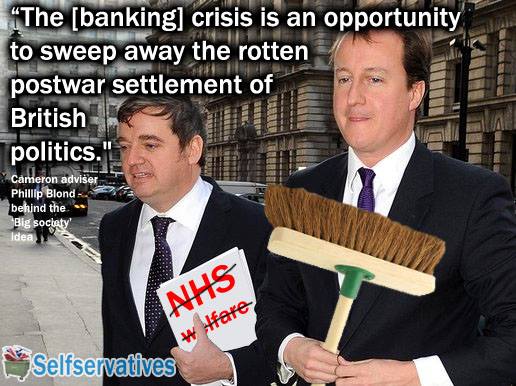
It’s less than two months ago that the new Work and Pensions secretary, Stephen Crabb, assured us that the Government had “no further plans” for specific welfare cuts. Now, he has admitted that welfare is to be the source of further austerity cuts to “bring down the deficit,” bearing in mind that the last budget saw alternative  and far more fair, humane measures taken off the table when the Conservatives controversially announced cuts to disability benefits to fund tax cuts for the most affluent – the top 7% of earners. The Chancellor raised the threshold at which people start paying the 40p tax. This leaves the poorest and some of our most vulnerable citizens carrying the entire burden of austerity and the whole responsibility for cutting the deficit.

Of course Crabb assumes we believe that austerity is an economic necessity and not an ideological choice. However, austerity is being used as a euphemism for the systematic dismantling of the gains of our post-war settlement: welfare, social housing, the NHS, legal aid and democracy. There is no such thing as conditional democracy. It can’t be rationed out or applied with prejudice and discrimination. That would make it something else, more akin to totalitarianism and not a necessarily inclusive democracy.

The Government has already made substantial cuts to the Employment and Support Allowance disability benefit, cutting the rate for new claimants in the Work Related Activity Group by £30 a week from 2017. Now the Work and Pensions Secretary has said he wants to go further than the £12 billion welfare cuts declared in the Conservative manifesto and to “re-frame discussion” around disability welfare support, signalling his intention to cut expenditure on disability benefits through further reform to the welfare system. The Conservatives are clearly using the word “reform” as a euphemism for dismantling the welfare state in its entirety.

Prior to 2010, cutting support for sick and disabled people was unthinkable, but the “re-framing” strategy and media stigmatising campaigns have been used by the Conservatives to systematically cut welfare, push the public’s normative boundaries and to formulate moralistic justification narratives for their draconian policies. Those narratives betray the Conservative’s intentions.

Crabb said that he will set out a “discursive” Green Paper on the additional proposed cuts to disability benefits later this year. Iain Duncan Smith had previously promised a more formal White Paper which was considered key to persuading Tory rebels to vote through the cuts despite opposition in February.

The shadow Work and Pensions secretary, Owen Smith, said that the Government should reverse the ESA cuts which had already been passed, adding that the Conservatives needed to offer clarity on how the “reforms” would support disabled people into work.

He said: “Yet again the Tories have let down disabled people, by breaking their promise to quickly publish firm plans on supporting disabled people in to work.

“When the Tories forced through cuts to Employment Support Allowance in the face of widespread opposition they bought off their own rebels with a promise to have a firm plan in place by the summer.

“Now the new Secretary of State has confirmed that he is going to downgrade the plan to a Green Paper, effectively kicking the issue in to the long grass for months, if not years.

The flimsy case for the cuts to Employment Support Allowance is now totally blown apart by this broken promise and the Tories must listen to Labour’s calls for them to be reversed.”

Remarkably, Crabb has claimed that disability benefit cuts are among policies “changing things for the better.” However, if cutting people’s income is such a positive move, we do need to ask why the Conservatives won’t consider taxing wealthy people proportionately, distributing the burden of austerity more fairly amongst UK citizens, instead of handing out money for tax cuts to those who need the very least support, at the expense of those who need the most.

The secretary for Work and Pensions has said: “The measures  that have either already been legislated for or announced get us to the £12 billion [welfare cuts planned in the Conservative manifesto].

Does that mean welfare reform comes to an end? I would say no. I’ve already pointed to what I see as one of the big challenges of welfare reform – and that’s around work and health.”

Crabb told MPs on Work and Pensions Select Committee that he would deploy “smart strategies” for cutting expenditure on disability and sickness benefits and would hopefully be able to secure the support of disability charities.

“In terms of how you make progress of welfare reform there when you are talking about people who are very vulnerable, people with multiple barriers, challenges, sicknesses, disabilities – I am pretty clear in my mind that you can’t just set targets for cutting welfare expenditure,” he said.

“When you’re talking about those cohorts of people you’ve actually got to come up with some pretty smart strategies for doing it which carry the support and permission of those people and organisations who represent those people who we are talking about.”

Both Crabb and his predecessor, Duncan Smith, have claimed that there are “millions of sick and disabled people parked on benefits,” yet rather than providing support for those who may be able to work, the Conservatives have abolished the Independent Living Fund and made substantial reductions to payments for the Access To Work scheme, creating more barriers instead of providing support for those who feel they are well enough to work.

A government advisor, who is a specialist in labour economics and econometrics, has proposed scrapping all ESA sickness and disability benefits. Matthew Oakley, a senior researcher at the Social Market Foundation, recently published a report entitled Closing the gap: creating a framework for tackling the disability employment gap in the UK, in which he proposes abolishing the ESA Support Group. To meet extra living costs because of disability, Oakley says that existing spending on PIP and the Support Group element of ESA should be brought together to finance a new extra costs benefit. Eligibility for this benefit should be determined on the basis of need, with an assessment replacing the WCA and PIP assessment. The Conservative definition of “the basis of need” seems to be an ever-shrinking category.

Oakely also suggests considering a “role that a form of privately run social insurance could play in both increasing benefit generosity and improving the support that individuals get to manage their conditions and move back to work.”

I’m sure the private company Unum would jump at the opportunity. Steeped in controversy, with a wake of scandals that entailed the company denying people their disabilty insurance, in 2004, Unum entered into a regulatory settlement agreement (RSA) with insurance regulators in over 40 US states. The settlement related to Unum’s handling of disability claims and required the company “to make significant changes in corporate governance, implement revisions to claim procedures and provide for a full re-examination of both reassessed claims and disability insurance claim decisions.

The company is the top disability insurer in both the United States and United Kingdom. By coincidence, the  company has been involved with the UK’s controversial Welfare Reform Bill, advising the government on how to cut spending, particularly on disability support. What could possibly go right?

It’s difficult to see how someone with a serious, chronic and progressive illness, (which most people in the ESA Support Group have) can actually “manage” their illness and “move back into work.” The use of the extremely misinformed, patronising and very misleading term manage implies that very ill people actually have some kind of choice in the matter. For people with Parkinson’s disease, rheumatoid arthritis, lupus and multiple sclerosis, cancer and kidney failure, for example, mind over matter doesn’t fix those problems, positive thinking and sheer will power cannot cure these illnesses, sadly. Nor does refusing to acknowledge or permit people to take up a sick role, or imposing benefit conditionality and coercive policies to push chronically ill people into work by callous and insensitive and medically ignorant assessors, advisors and ministers.  

The Reform think tank has also recently proposed scrapping what is left of the disability benefit support system, in their report Working welfare: a radically new approach to sickness and disability benefits and has called for the government to set a single rate for all out of work benefits and reform the way sick and disabled people are assessed. 

Reform says the government should cut the weekly support paid to 1.3 million sick and disabled people in the ESA Support Group from £131 to £73. This is the same amount that Jobseeker’s Allowance claimants receive. However, those people placed in the Support Group after assessement have been deemed by the state as unlikely to be able to work again. It would therefore be very difficult to justify this proposed cut.

Yet the authors of the report doggedly insist that having a higher rate of weekly benefit for extremely sick and disabled people encourages them “to stay on sickness benefits rather than move into work.”

The report recommended savings which result from removing the disability-related additions to the standard allowance should be reinvested in support services and extra costs benefits – PIP. However, as outlined, the government have ensured that eligibility for that support is rapidly contracting, with the ever-shrinking political and economic re-interpretation of medically defined sickness and disability categories and a significant reduction in what the government deem to be a legitimate exemption from being “incentivised” into hard work.

The current United Nations investigation into the systematic and gross violations of the rights of disabled people in the UK because of the Conservative welfare “reforms” is a clear indication that there is no longer any political commitment to supporting disabled people in this country, with the Independent Living Fund being scrapped by this government, ESA for the work related activiy group (WRAG) cut back, PIP is becoming increasingly very difficult to access, and now there are threats to the ESA Support Group. The Conservative’s actions have led to breaches in the CONVENTION on the RIGHTS of PERSONS with DISABILITIES – CRPD articles 4, 8, 9, 12, 13, 14, 15, 17, and especially 19, 20, 27 and 29 (at the very least.) There are also probable violations of articles 22, 23, 25, 30, 31.

The investigation began before the latest round of cuts to ESA were announced. That tells us that the government is unconcerned their draconian policies violate the human rights of sick and disabled people.

And that, surely, tells us all we need to know about this government.

 —

This post was written for Welfare Weekly, which is a socially responsible and ethical news provider, specialising in social welfare related news and opinion.


I don’t make any money from my work. But you can support Politics and Insights and contribute by making a donation which will help me continue to research and write informative, insightful and independent articles, and to provide support to others. The smallest amount is much appreciated, and helps to keep my articles free and accessible to all – thank you.
DonatenowButton
cards


Study of welfare sanctions – have your say

ImageVaultHandler.aspx

National Audit Office (NAO) is currently undertaking a study of benefit sanctions, in order to:

“… examine whether the Department for Work and Pensions is achieving value for money from its administration of benefit sanctions. This includes how benefit sanctions fit with the intended aims and outcomes of DWP’s wider working age employment policy, whether sanctions are being implemented in line with policy and whether use of sanctions is leading to the intended outcomes for claimants.”

I wrote two days ago about the Department for Work and Pensions document about the Randomised Control Trial (RCT) they are currently conducting regarding in-work “progression.” The document was a submission made to the Work and Pensions Committee in January, as the Committee have conducted an inquiry into in-work conditionality. The document specifies that: This document is for internal use only and should not be shared with external partners or claimants.” 

The Department for Work and Pensions claim that the Trial is about “testing whether conditionality and the use of financial sanctions are effective for people that need to claim benefits in low paid work.” The document focuses on methods of enforcing the “cultural and behavioural change” of people claiming both in-work and out-of-work social security, and evaluation of the Trial will is the responsibility of the Labour Market Trials Unit. (LMTU). Evaluation will “measure the impact of the Trial’s 3 group approaches, but understand more about claimant attitudes to progression over time and how the Trial has influenced behaviour changes.”

Worryingly, claimant participation in the Trial is mandatory. There is clearly no appropriate procedure to obtain and record clearly informed consent from research participants. Furthermore, the Trial is founded on a coercive psychopolitical approach to labour market constraints, and is clearly expressed as a psychological intervention, explicitly aimed at “behavioural change” and this raises some serious concerns about research ethics and codes of conduct.

Sanctions are “penalties that reduce or terminate welfare benefits in cases where claimants are deemed to be out of compliance with  requirements.” They are, in many respects, the neoliberal-paternalist tool of discipline par excellence – the threat that puts a big stick behind coercive welfare programme rules and “incentivises” citizen compliance with a heavily monitoring and supervisory administration. The Conservatives have broadened the scope of behaviours that are subject to sanction, and have widened the application to include previously protected social groups, such as sick and disabled people and lone parents.

There is plenty of evidence that sanctions don’t help people to find work, and that the punitive application of severe financial penalities is having a detrimental and sometimes catastrophic impact on people’s lives. We can see from a growing body of research how sanctions are not working in the way the government claim they intended.

Sanctions, under which people lose benefit payments for between four weeks and three years for “non-compliance”, have come under fire for being unfair, punitive, failing to increase job prospects, and causing hunger, debt and ill-health among jobseekers. And sometimes, causing death.

The Conservative shift in emphasis from structural to psychological explanations of poverty has far-reaching consequences. The reconceptualision of poverty makes it much more difficult to define and very difficult to measure. Such a conceptual change disconnects poverty from more than a century of detailed empirical and theoretical research, and we are witnessing an increasingly experimental approach to policy-making, aimed at changing the behaviour of individuals, without their consent. This turns democracy completely on its head. Policies are meant to meet public needs, rather than being used simply as tools of government to have the public meet ideologically-determined government outcomes.

This approach isolates citizens from the broader structural political, economic, sociocultural and reciprocal contexts that invariably influence and shape an individuals’s experiences, meanings, motivations, behaviours and attitudes, causing a problematic duality between context and cognition. It also places unfair and unreasonable responsibility on citizens for circumstances which lie outside of their control, such as the socioeconomic consequences of political decision-making.

It’s clear that the government intends to continue embedding sanctions in policies which were meant to provide a minimal income for people needing support. This is policy based entirely on ideology and traditional Conservative prejudice, aimed at punishing sick and disabled people, unemployed people, the poorest paid, and part-time workers, inflicting conditions of hardship, distress and absolute poverty on those social groups. Meanwhile, the collective bargaining traditionally afforded us by trade unions has been systematically undermined by successive Conservative governments, showing clearly how the social risks of the labour market are being personalised and redefined as being solely the economic responsibility of individuals rather than the government and profit-driven big business employers.

It’s important that we gather and present as much evidence as possible about the detrimental impact of welfare sanctions. The NAO study will run until the Autumn, so that gives us some time to have our say about our own experiences.

It is easy to make a submission to the study. Just go to the contact page and select welfare and benefits as the topic, and write “FAO Colin Ross” or “Max Tse” in the subject field. Alternatively,  you can email Colin Ross, the audit manager, directly at Colin.ROSS@nao.gsi.gov.uk

0_0_0_0_370_308_csupload_52703375

Maslow’s hierarchy of human needs. If we can’t meet our basic physiological needs, it isn’t likely that we will be able to meet higher level psychosocial needs.

Related

We would like to hear your stories about how the cuts have affected you and your service. We want the wider public and politicians to understand the real life costs of public sector cuts. It can be hard to speak up alone, so we are collating everyone’s stories – together we have more power and a louder voice. We all have stories of frustration, fear and anger, so please use this as a way to tell the world about how the cuts have impacted on you and/or the people you work with. We are interested in stories from everyone who works in, uses, or needs Psychology services:

Psychologists Against Austerity campaign – call for evidence

Stigmatising unemployment: the government has redefined it as a psychological disorder

The politics of punishment and blame: in-work conditionality

Nudging conformity and benefit sanctions

G4S are employing Cognitive Behavioural Therapists to deliver “get to work therapy”

The new Work and Health Programme: government plan social experiments to “nudge” sick and disabled people into work

The importance of citizen’s qualitative accounts in democratic inclusion and political participation

Sanctions can’t possibly “incentivise” people to work. Here’s why


My work is unfunded and I don’t make any money from it. But you can support Politics and Insights and contribute by making a donation which will help me continue to research and write informative, insightful and independent articles, and to provide support to others.

DonatenowButton

cards

The real economic free-riders are the privileged, not the poorest citizens

PAA-550x369


The government’s undeclared preoccupation with
behavioural change through personal responsibility isn’t therapy. It’s simply a revamped version of Samuel Smiles’s bible of Victorian and over-moralising, a Conservative behaviourist hobby-horse: “thrift and self-help” – but only for the poor, of course.

Smiles and other powerful, wealthy and privileged Conservative thinkers, such as Herbert Spencer, claimed that poverty was caused largely by the “irresponsible habits” of the poor during that era. But we learned historically that the socioeconomic circumstances caused by political decision-making creates poverty. Meanwhile, the state abdicates its democratic responsibilities of meeting the public’s needs and for transparency and accountability for the outcomes and social consequences of its own policies.

Conservative rhetoric is designed to have us believe there would be no poor people if the welfare state didn’t somehow “create” them. If the Tories must insist on peddling the myth of meritocracy, then surely they must also concede that whilst such a system has some beneficiaries, it also creates situations of insolvency and poverty for others.

In other words, the same system that allows some people to become very wealthy is the same system that condemns others to poverty.

This wide recognition that the raw “market forces” of the old liberal laissez-faire (and the current starker neoliberalism) causes casualties is why the welfare state came into being, after all – because when we allow such competitive economic dogmas to manifest, there are invariably winners and losers.

That is the nature of “competitive individualism,” and along with inequality, it’s an implicit, undeniable and fundamental part of the meritocracy myth and neoliberal script. And that’s before we consider the fact that whenever there is a Conservative government, there is no such thing as a “free market”: in reality, all markets are rigged for elites. For example, we have a highly regulated welfare state that enforces “behaviour change” via a punitive conditionality regime, coercing a reserve army of labour into any available work, and a highly deregulated labour market which is geared towards making profit and is not prompted to provide adequately for the needs of a labour force.

Society as taxpayers and economic free-riders – a false dichotomy

The Conservatives have constructed a justification narrative for their draconian and ideologically-driven cuts to social security by manufacturing an intentionally socially divisive and oversimplistic false dichotomy. Citizens have been redefined as either taxpayers (strivers) or economic free-riders (skivers). Those people currently out of employment, regardless of the reason, are categorised and portrayed through political rhetoric and in the media as economic free-riders – the “something for nothing culture.” 

However, not only have most people currently claiming social security, including the majority of disabled people, worked and contributed tax and national insurance, people needing social security support also contribute significantly to the Treasury, because they pay the largest proportion of VAT, council tax, bedroom tax, council care costs and a variety of other stealth taxes. 

A massive proportion of welfare expenditure goes towards paying private companies and organisations to “get people back to work” and in rewarding shareholders with savings from the systematic reduction in benefits. This approach has not helped people out of employment to find secure, appropriate work with acceptable levels of pay, because it rests on a never-ending reduction in the value of the minimum benefit level, which was originally calculated to meet subsistence costs – only those costs of fundamental survival needs, such as for fuel, food and shelter – so that those in poverty are made even poorer, less able to meet basic needs, to serve as an “incentive” to make the advantages of any work, regardless of its quality, pay and conditions, appear to be greater than it is.

This is what Conservatives mean by “making work pay.” It’s exactly the same disciplinarian approach as that which was enshrined in the 1834 Poor Law Amendment Act – the principle of less eligibility. The 1834 Act was founded on a political view that the poor were largely responsible for their own situation, which they could change if they chose to do so.

Seriously, does anyone really imagine that people actually choose to be poor?

The impact of this approach on the large numbers of disabled people in particular, who had no choice but to seek welfare in the Workhouse, was that they were treated very harshly and depersonalised

It’s also clear that the underpinning Poor Law Amendment categories of “deserving” and “undeserving” poor – another false dichotomy – and the issue of eligibility for social security is still on the Conservative welfare policy agenda. Worryingly, the current trend is for the government to create stereotypes, frequently portraying the recipients of types of support, such as Disability Living Allowance, as passive or inactive economic free-riders, when in fact the Allowance was paid to some individuals working in the paid labour market, and the withdrawal of such funds, prevents them continuing with such paid work. More recently, the difficulties that many disabled people have encountered in accessing Personal Independence Payments (PIP) because of increasingly narrow eligibility criteria, have meant that many who depend on the income to meet the additional costs of living independently, such as specially adapted motability vehicles, have been forced to give up work.

The state confines its attention mainly to re-connecting disabled people deemed too ill to work with the labour market, without any consideration of potential health and safety risks in the workplace, as a strategy of “support.” Without any support.

As previously summarised, the Conservatives justify the draconian cuts to support as providing “incentives” for people to work, by constructing a narrative that rests on the false and socially divisive taxpayer/free-rider dichotomy:cant

By “trolls” Michael Fabricant actually means disabled people and campaigners responding to his tweet.

Of course one major flaw in Fabricant’s reasoning is that many people passed as fit for work are anything but. The other is that disabled people pay taxes too.

The increasing conditionality of welfare mirrors the increasing conditionality of the labour market

Under the guise of lifting burdens on business, the government has imposed burdens on those with disabilities by removing the “reasonable adjustments” that make living their lives possible and allowing dignity. The labour market is unaccommodating, providing business opportunities for making profit, but increasingly, the needs and rights of the workforce are being politically sidelined. This will invariably reduce opportunities for people to participate in the labour market because of its increasingly limiting terms and conditions.

Of those that may be able to work, over time, their would-be employers have not engaged with legal requirements and provided adjustments in the workplace to support those disabled people seeking employment. The government have removed the Independent Living Fund, and reduced Access to Work support, Personal Independence Payment (PIP) is very difficult to access because of the stringent eligibility criteria, whilst the disability benefit Employment Support Allowance was also redesigned to be increasingly difficult to qualify for.

Policies, which exclude disabled people from their design and rationale, have extended and perpetuated institutional and cultural discrimination against disabled people.

The universal character of human rights is founded on the inherent dignity of all human beings. It is therefore axiomatic that people with medical conditions that lead to disabilities, both mental and physical, have the same human rights as the rest of the human race. The United Nations is currently investigating this government’s gross and systematic violations of the Convention on the Rights of Persons with Disabilities (CRPD), and a recent report from the House of Lords Select Committee on the Equality Act 2010 and Disability, investigating the Act’s impact on disabled people, has concluded that the Government is failing in its duty of care to disabled people, because it does not enforce the act. Furthermore, the Select Committee concludes that the government’s red tape challenge is being used as a pretext for removing protections for disabled people. This is a government that regards the rights and protections of disabled people as nothing more than a bureaucratic inconvenience.

The inflexibility of the labour market isn’t an issue for only disabled people. The Department for Work and Pensions (DWP) intends to establish an “in-work service”, designed to encourage individual Universal Credit claimants on very low earnings to increase their income. Benefit payments may be stopped if claimants fail to take action as required by the DWP. The DWP is conducting a range of pilots to test different approaches but there is very little detail about these. The new regime might eventually apply to around one million people. In december last year, the The Work and Pensions Committee opened an in-work progression in Universal Credit inquiry to consider the Department’s plans and options for a fair, workable and effective approach.

The Conservatives continue to peddle the “dependency” myth, yet there has never been any empirical evidence to support the claims of the existence of a “culture of dependency” and that’s despite the dogged research conducted by Keith Joseph some years ago, when he made similar claims. In fact, a recent international study of social safety nets from The Massachusetts Institute of Technology (MIT) and Harvard economists categorically refutes the Conservative “scrounger” stereotype and dependency rhetoric. Abhijit Banerjee, Rema Hanna, Gabriel Kreindler, and Benjamin Olken re-analyzed data from seven randomized experiments evaluating cash programmes in poor countries and found “no systematic evidence that cash transfer programmes discourage work.”

The phrase “welfare dependencydiverts us from political discrimation via policies, increasing inequality, and it serves to disperse public sympathies towards the poorest citizens, normalising prejudice and resetting social norm defaults that then permit the state to target protected social groups for further punitive and “cost-cutting” interventions to “incentivise” them towards “behavioural change.”

Furthermore, Welfare-to-Work programmes do not “help” people to find jobs, because they don’t address exploitative employers, structural problems, such as access to opportunity and resources and labor market constraints. Work programmes are not just a failure here in the UK, but also in other countries, where the programmes have run extensively over at least 15 years, such as Australia.

Welfare-to-work programes are intimately connected with the sanctioning regime, aimed at punishing people claiming welfare support. Work programme providers are sanctioning twice as many people as they are signposting into employment (David Etherington, Anne Daguerre, 2015), emphasising the distorted priorities of “welfare to work” services, and indicating a significant gap between claimant obligations and employment outcomes.

The Conservatives have always constructed discourses and shaped institutions which isolate some social groups from health, social and political resources, with justification narratives based on a process of class-contingent characterisations and the ascribed responsiblisation of social problems such as poverty, using quack psychology and pseudoscience. However, it is socioeconomic conditions which lead to deprivation of opportunities, and that outcome is undoubtedly a direct consequence of inadequate political decision-making and policy.

It’s worth bearing in mind that many people in work are still living in poverty and reliant on in-work benefits, which undermines the libertarian paternalist/Conservative case for increasing benefit conditionality somewhat, although those in low-paid work are still likely to be less poor than those reliant on out-of-work benefits. 

The government’s Universal Credit legislation has enshrined the principle that working people in receipt of in-work benefits may face benefits sanctions if they are deemed not to be trying hard enough to find higher-paid work. It’s not as if the Conservatives have ever valued legitimate collective wage bargaining. In fact their legislative track record consistently demonstrates that they hate it, prioritising the authority of the state above all else.

There are profoundly conflicting differences in the interests of employers and employees. The former are generally strongly motivated to purposely keep wages as low as possible so they can generate profit and pay dividends to shareholders and the latter need their pay and working conditions to be such that they have a reasonable standard of living.

Workplace disagreements about wages and conditions are now typically resolved neither by collective bargaining nor litigation but are left to management prerogative. This is because of deregulation to suit employers and not employees.  Conservative aspirations are clear. They want cheap labour and low cost workers, unable to withdraw their labour, unprotected by either trade unions or employment rights and threatened with destitution via benefit sanction cuts if they refuse to accept low paid, low standard work. Similarly, desperation and the “deterrent” effect of the 1834 Poor Law amendment served to drive down wages.

The global financial crisis presented an opportunity for Conservative supporters of labour market deregulation to once again champion “economic growth” at any costs by “lifting the regulatory burdens on business.” Neoliberal commentators argued that highly regulated labour markets perform reasonably well during boom periods but cannot cope with recessions – and that therefore the UK and other developed economies need to deregulate their labour markets to ensure a strong economic recovery (even though the UK already has one of the most deregulated labour markets in the developed world).

The “problems” with labour market regulation are seen by Conservatives as being rooted in:

  • The social security system which provides a safety net and maintains basic living standards for those who are out of work, by reducing the gap in living standards between those in and those out of work, it diminishes the incentive to find or keep jobs. Where the safety net is financed by taxes on wages, it also raises total labour costs.
  • Minimum wages which may “price workers out of jobs” if set at levels above those prevailing in an unregulated labour market.
  • Employment protection legislation, such as restrictions on the ability of employers to hire and fire at will, also raises labour costs, diminishes flexibility and willingness to hire, thus reducing employment. (See Beecroft report)
  • Trade unions which raise wages to levels which “destroy jobs and reduce productivity and efficiency through restrictive practices.” (See Trade Union Bill).

Regulation of the labour market, however, is crucial to compensate for the wide inequality in bargaining power between employers and employees; to realise comparative wage justice; to increase employee’s job security and tenure, therefore encouraging investment in skills (both by the employer and employee), which has a positive impact on labour productivity and growth, and to ensure that a range of basic community, health and safety standards are observed in the workplace.

In the Conservative’s view, trade unions distort the free labour market which runs counter to New Right and neoliberal dogma.

Since 2010, the decline in UK wage levels has been amongst the very worst in Europe. The fall in earnings under the Coalition is the biggest in any parliament since 1880, according to analysis by the House of Commons Library, and at a time when the cost of living has spiralled upwards. And whose fault is that? It’s certainly not the fault of those who need financial support to meet their basic survival needs despite being in employment.

So we may counter-argue that: 

  • Genuine minimum standards, including minimum wages are needed. Without them the lower end of the market becomes casualised, insecure and sufficiently low-paid, which in turn also produces major work incentive problems. On the other hand, regulation that protects or gives power to already powerful groups in the labour market creates serious inequality in access to work. Additionally, the creation of special types of labour exempt from normal regulation is particularly unhelpful. It often tends to reinforce the privileged status of core workers while generating jobs which are unsuitable vehicles for tackling the problem of social exclusion.
  • The benefit system needs to take into account that those who take entry-level jobs may require additional help from the welfare state to support their families. Without this type of benefit, adults in poorer families will be the last to take such relatively low-paying entry-level positions. Furthermore, a highly conditional social security system that provides below subsistence-level support also serves to disincentivise people because financial insecurity invariably creates physiological, psychological, behavioural and motivational difficulties, people in circumstances of absolute poverty are forced to shift their cognitive priority to that of surviving, rather than being “work ready.” This was historically observed by social psychologist Abraham Maslow in his classic work on human motivation and well-evidenced in research, such as the Minnesota semistarvation experiment, amongst many other comprehensive studies.
  • Employment taxes, on both employers and employees, should be progressive to support the creation of new jobs rather than making the already employed work longer hours. Yet the UK system also has numerous large incentives to offer employees insecure and short-hour contracts. This is remarkably short-sighted and counterproductive.

 The balance of “incentives” in Conservative policies.

The following cuts came into force in April 2013:

  • 1 April – Housing benefit cut, including the introduction of the ‘bedroom tax’
  • 1 April – Council tax benefit cut
  • 1 April – Legal Aid savagely cut
  • 6 April – Tax credit and child benefit cut
  • 7 April – Maternity and paternity pay cut
  • 8 April – 1% cap on the rise of in working-age benefits (for the next three years)
  • 8 April – Disability living allowance replaced by personal independence payment (PIP), with the aim of saving costs and “targeting” the support
  • 15 April – Cap on the total amount of benefit working-age people can receive 

In 2012, Ed Miliband said: “David Cameron and George Osborne believe the only way to persuade millionaires to work harder is to give them more money.

But they also seem to believe that the only way to make you (ordinary people) work harder is to take money away.”

He was right.

Here are some of the Tory “incentives” for the wealthy:

  • Rising wealth – 50 richest people from the Midlands region increased their wealth by £3.46 billion  to a record £28.5 billion.
  • Falling taxes – top rate of tax cut from 50% to 45% for those earning over £150,000 a year. This is 1% of the population who earn 13% of the income.
  • No mansion tax and caps on council tax mean that the highest value properties are taxed proportionately less than average houses.
  • Benefited most from Quantitative Easing (QE) – the Bank of England say that as 50% of households have little or no financial assets, almost all the financial benefit of QE was for the wealthiest 50% of households, with the wealthiest 10% taking the lions share
  • Tax free living – extremely wealthy individuals can access tax avoidance schemes which contribute to the £25bn of tax which is avoided every year, as profits are shifted offshore to join the estimated £13 trillion of assets siphoned off from our economy
  • £107, 000 each per annum gifted to millionaires in the form of a “tax break.”

Disabled people have carried most of the burden of Conservative austerity cuts:

2014-02-17-BurdenoftheCuts-thumb
The Conservatives are on an ideological crusade, which flies in the face of public needs, democracy and sound economics, to shrink the welfare state and privatise our essential services.

In a wealth transfer from the poorest to the very rich, we have witnessed the profits of public services being privatised, but the losses have been socialised – entailing a process of economic enclosure for the wealthiest, whilst the burden of losses have been placed on the poorest social groups and our most vulnerable citizens – largely those who are ill, disabled and elderly. The Conservative’s justification narratives regarding their draconian policies, targeting the poorest social groups, have led to media scapegoating, social outgrouping, persistent political denial of the aims and consequences of policies and reflect a wider process of political disenfranchisement of the poorest citizens, especially sick and disabled people.

This is juxtaposed with the more recent gifted tax cuts for the wealthiest, indicating clearly that Conservatives perceive and construct social hierarchies with policies that extend inequality and discrimination. The axiom of our international human rights is that we each have equal worth. Conservative ideology is fundamentally  incompatable with the UK government’s Human Rights obligations and with Equality law. The chancellor clearly regards public funds for providing essential lifeline support for disabled people as expendable and better appropriated for adding to the disposable income for the wealthy.

Public policy is not an ideological tool for a so-called democratic government to simply get its own way. Democracy means that the voices of citizens, especially members of protected social groups, need to be included in political decision-making, rather than so frankly excluded.

Government policies are expressed political intentions regarding how our society is organised and governed. They have calculated social and economic aims and consequences. In democratic societies, citizen’s accounts of the impacts of policies ought to matter.

However, in the UK, the way that policies are justified is being increasingly detached from their aims and consequences, partly because democratic processes and basic human rights are being disassembled or side-stepped, and partly because the government employs the widespread use of linguistic strategies and techniques of persuasion to intentionally divert us from their aims and the consequences of their ideologically (rather than rationally) driven policies. Furthermore, policies have become increasingly detached from public interests and needs.

We elect governments to meet public needs, not to “change behaviours” of citizens to suit government needs and prop up policy “outcomes” that are driven entirely by traditional Tory prejudice and ideology.


proper Blond

I don’t make any money from my work and I’m not funded. You can support Politics and Insights by making a donation to help me continue researching and writing independently, and to continue to help others.

DonatenowButton

The Conservative approach to social research – that way madness lies

b584


I’ve written more than one lengthy critique of Tory notions of what passes for “research” methods (so I’ll make this one relatively short), and often criticised Tory refusals to accept the research findings of academics regarding, for example, established links between the Work Capability Assessment, increased suicide and mortality, the link between sanctions and increased mortality. The Tory plea for the universal and unqualified dismissal of whatever they deem to be criticism of their policies is often based on the claim that “no causal link has been established.”

As I have pointed out on many occasions previously, whilst correlation certainly isn’t quite the same thing as cause and effect, it quite often strongly hints at a causal link, and as such, warrants further investigation.

It is therefore inaccurate to say that correlation doesn’t imply causation. It quite often does. The tobacco industry has historically relied on exactly the same dismissal of correlational evidence to reject any discussion of an established link between tobacco and lung cancer.

The standard process of research and investigation doesn’t entail, at any point, a flat political denial that there is any relationship of significance to concern ourselves with, nor does it involve a systematic and deliberate withholding of relevant data, attempts at censoring democratic dialogue, and a point blank refusal to investigate further. Furthermore, the government claims that there is “no evidence of a causal link ” is unverified. There is no evidence to support government claims that there isn’t such a link, either.

I’ve observed more than once that when it comes to government claims, the same methodological rigour that they advocate for others isn’t applied. Indeed, many policies have clearly been directed by ideology and traditional Tory prejudices, rather than being founded on valid research and empirical evidence.

The fact that no cumulative impact assessment has been carried out with regard to the welfare “reforms” indicates a government that is not interested in accountability, and examining the potential negative outcomes of policy-making. Policies are supposed to be about meeting public needs and not about inflicting Conservative dogma and old prejudices in the form of financial punishment on previously protected social groups. How on earth can taking lifeline income from people who are already poor ever cure poverty or unemployment?

Where is the causal link between work and improved health outcomes? One confounder there is the effect of the ideologically-driven Tory welfare cuts that massively reduce the quality of life for those who need to claim social security. It’s not “worklessness” but rather, it is Tory “reforms” and a refusal to accept that sometimes people cannot work that lead to poor health outcomes, and all too often, the somewhat traditional Conservative habit of refusing to listen to the public they are meant to serve democratically results in premature deaths.

And what about the discredited theories that stereotype the poor – as a diversionary and scapegoating convenience – like the “cycle of deprivation,” “cycle of dependency” made-up words and pre-loaded concepts such as “worklessness” and “workshy” presented as a fictitious medical condition or personality disorder, or the deliberately divisive “culture of entitlement”? There is NO empirical evidence that these categories exist as the Conservatives claim.

Sir Keith Joseph researched the “cycle of deprivation” theory extensively some years back and found NO evidence to support it, despite his dogmatic assertion of its existence. Again there are confounders. How do you separate the effects of policies and ideologically-driven political decision-making, subsequently discriminatory socio-economic conditions and of course, pure bad luck from people’s politically constructed “innate” traits or maliciously ascribed character “flaws”?

People exist in structural contexts, no amount of political pretending that they don’t will ever hide the fact that every single Conservative budget has taken money from the poorest citizens and our publicly funded services and gifted it to the wealthiest. It’s inconceivable that ministers don’t recognise that such policies create economic enclosure, perpetuate crass inequality and extend poverty.

Where is the causal link between welfare sanctions and people getting jobs? Or between the Work Capability Assessment and disabled people being “supported” or better off? Or between workfare and people finding appropriate, secure, quality jobs with fair wages that actually alleviates poverty?

Where is the causal link between austerity measures and economic growth? Or between austerity and a reduced national debt for that matter? Or between tax cuts for the wealthy and “trickle-down” prosperity for everyone else?

Where is the causal link between privatisation and better, more “efficient” services? Not to be found in examples such as Atos, Maximus, G4S, A4E, Circle, Serco, City Link, and many more, that’s for sure. Private companies by and large make hefty profits by inflating prices, radically cutting jobs and the quality of services delivered (“efficiency”), whilst generating scandal after scandal.

As a vast social and economic experiment, privatisation has massively failed the British public, and has grotequely rewarded a handful of unscrupulous, greedy, wealthy people – grotesquely rewarded, grotesquely undertaxed – whilst ordinary people in the UK face spiralling living costs and the obscene, cruel limitations of austerity to prop up the fraternity of vulture neoliberals and perpetrators of a toxic rhetoric that attempts to justify decreasing public inclusion in a shrivelling economy.

From a government that has been rebuked many times for manufacturing and misusing statistics, making claims that are fictions, inventing testimonies regarding the fake impacts of their draconian policies, sneaking through controversial and undemocratic policies via statutory instruments because they KNOW that those policies won’t stand up to scrutiny, it’s remarkable that any member of the Conservative party have the cheek to claim “no causal link has been established” when confronted with empirical evidence and strong correlational links from meticulous academic research.

The inherent contradictions of Conservative discourse and the construction of ideological mythologies that are translated into stigmatising mechanisms and anti-humanist policies are seen at their most stark in Conservative anti-welfarism, and themes of social Darwinism.

Neoliberal mythologies are manifested in a narrative of meritocracy and in extended in notions of “deserving and “undeserving”, whilst rapidly expanding social inequalities and increasing poverty, and increasingly limited access to justice and remedy, reflect a broader political refusal to engage in democratic dialogue with the electorate and a dogmatic determination to pursue anti-progressive, neoliberal programmes, which empirical evidence informs us, are socially harmful and destructive.


technocracy

I don’t make any money from my work. But you can support Politics and Insights and contribute by making a donation which will help me continue to research and write informative, insightful and independent articles, and to provide support to others. The smallest amount is much appreciated, and helps to keep my articles free and accessible to all – thank you.

DonatenowButton
cards

Soul-breaking government scheme to provide ‘expert’ employment ‘support’ to young people in schools

430835_148211001996623_1337599952_n (1)


The so-called ‘small state’ government have pledged to intrude schools to place ‘demand-led, Jobcentre Plus staff to supplement careers guidance and help schools deliver their statutory duty to provide high-quality, independent and impartial careers advice.’

See government press release: Jobcentre Plus support rolled out to schools.

Isn’t all existing careers advice impartial?

Ah, I see that impartial now means: ‘to inform independent choice,’ according to the newly introduced Careers and Enterprise Company, who will work with Jobcentre Plus staff ‘to ensure schools receive a coherent and aligned offer.’

Aligned to what? 

The needs of local businesses and the neoliberal labour market and not the needs of young people.

To inform independent choice. That’s a bit like saying “If you do everything I say, you will be truly free to make your own choices.  

The Tories are experts in linguistic behaviourism, telling lies and social control freakery, but not very much else.

Impartial. It’s another one of those Tory definitions that mean something else completely. Like helping or supporting people into work, which actually means a crude type of punitive behaviourism  – the imposition of  punitive financial sanctions if you don’t do exactly what you are told, and actually, quite often, even if you do. I’ve never understood how starvation and destitution can ever help or incentivise anyone to find a job, especially when experience and empirical evidence tells us otherwise. The welfare state has been weaponised against the people it was designed to support: a penultimate, vindictive Tory tactic before they completely dismantle it once and for all.

In 2015, the government’s Earn or Learn taskforce announced a new 3-week programme to give young jobseekers an ‘unprecedented level of support that will help them find work within 6 months.’  Personally, I shudder at the very thought of the Tories supporting my own children. I don’t want them anywhere near young people more generally. Regressive and Orwellian Tory ‘support’ has killed adults. There is no conceivable way that this bunch of tyrants can ever be trusted with our children’s future.

From 2017, the new programme will offer ‘an intensive curriculum’ involving practicing job applications and interview techniques as well as extensive job searches, and is expected to take 71 hours over the first 3 weeks of the claim. Welcome to the ultimate libertarian paternalist’s dystopic ‘education’ programme.

This ‘expert employment support to young people’ has been launched by two utterly inept, lying, dogmatic Conservatives with a history of formulating extremely nasty, punitive approaches to state defined ‘welfare and wellbeing’ – Iain Duncan Smith and Priti Patel.

Someone should put them straight: education includes the opportunity to attend college and university. Curiously, the Conservative brand of ‘impartial’ career advice seems to be all about big business ‘leading the way’ by instilling the protestant work ethic in our children. Life and learning is about working for people who make profits. That is the order of the world. 

Children from the age of twelve are to be coached to undertake ‘work experience.’ To clarify, that’s work fare – stacking shelves at Poundland or sweeping floors at your local McDonald‘s, for no pay.

It’s difficult to see what kind of educational process such a Conservative ‘curriculum’ entails, although it does include a sequence of instruction: a barely concealed hidden curriculum which reinforces existing social inequalities by ‘educating’ students according to their class, promoting the acceptance of a social pre-destiny of exploitation without promoting rational and reflective consideration.

A veritable pedagogy of the oppressed.

Duncan Smith babbles:

This scheme is fundamentally about social mobility and social justice – ensuring we give all young people the best chance to get on in life.

Someone should tell this idiot that social justice is all about the fair and just relationship between the individual and society. This is measured by the distribution of wealth, resources, opportunities, freedoms for personal activity and social privileges. It is about removing barriers to social mobility, the creation of social safety nets and economic justice. There is no mention of work fare for adults and children, exploitation, corporate profits and Tory donors in any standard definition of social justice anywhere.

Steve Bell cartoon

It’s not as if the Conservatives have historically shown the slightest interest in and recognition of realising human potential. That’s far too progressive and would require the capacity for democratic dialogue instead of paternalist preaching and lofty class-contingent, traditionally prejudiced, moralising. The Tories have always prefered a steeply hierarchical world, comprised of ascribed social status.

What the Conservatives plan is a blatant programme of indoctrination and political micromanagement to ensure that young people learn their place and accept a future of exploitative, low paid, insecure jobs, without the prospect of real opportunities or the chance to go to university. It’s more psychoregulation and authoritarian politics and has nothing to do with genuine needs-led or evidence-based policy.

And it’s to be delivered in our schools: transforming them from Ideological State Apparatuses – ideologies have the function of masking the exploitative arrangements on which class societies are based – into unmasked Repressive State Apparatuses. Hidden in plain view.

Authoritarianism tends to become more visible and frankly expressed over time.

demcracy


I don’t make any money from my work. I am disabled because of illness and have a very limited income. But you can help by making a donation to help me continue to research and write informative, insightful and independent articles, and to provide support to others. The smallest amount is much appreciated – thank you.

DonatenowButton